Getting Around Melbourne Without a Car: Trams, Trains, Buses and Bikes

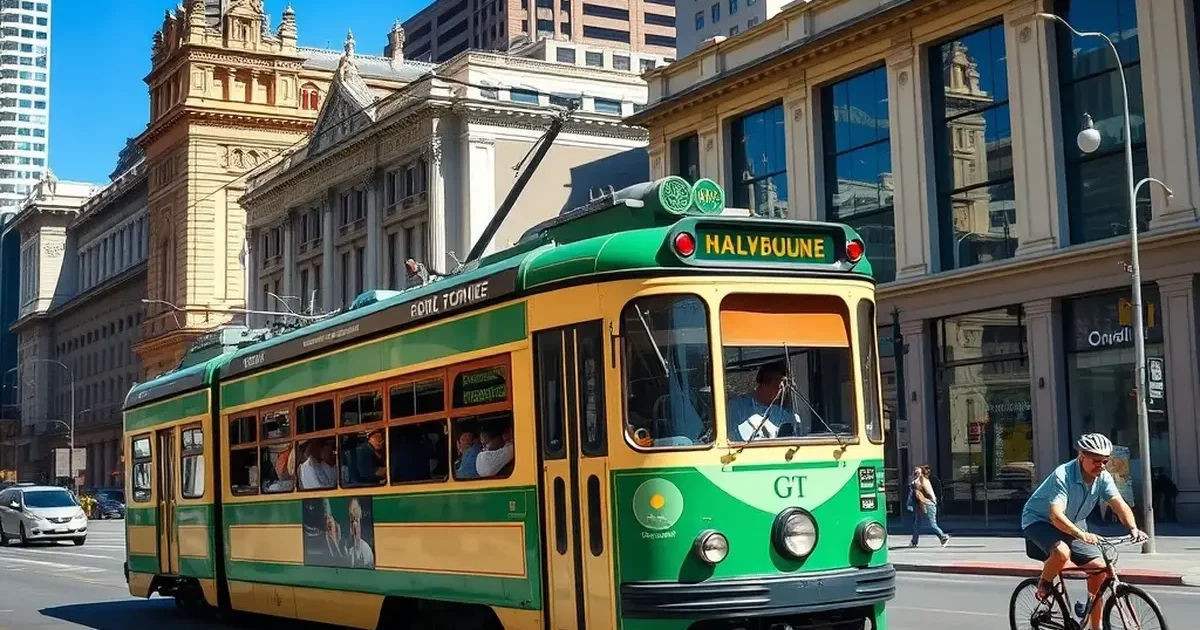
Melbourne is one of the easiest cities in Australia to live in without a car. It has the largest tram network in the world, a sprawling suburban train system, buses filling every gap, a flat and bike-friendly layout, and a genuinely walkable city centre where the trams are free. For students and new arrivals, going car-free here saves thousands of dollars a year and is often faster and less stressful than driving and parking. This guide explains how to get around Melbourne without a car in 2026 — how to pay (including the new contactless tap-and-go), the Free Tram Zone, and every mode from trams and trains to buses and bikes, with current fares and money-saving tips.
A few important 2026 updates run through this guide: contactless payment is being rolled out, public transport is half price for the second half of 2026, and shared e-scooters are no longer available for hire in the City of Melbourne. We cover what each means for you below.
TL;DR: Car-Free Melbourne in a Nutshell
Melbourne runs on myki, a reusable smartcard you tap on and off trains, trams and buses — and from early 2026 you can also tap on with a credit/debit card or phone (“Tap and Go”), starting on the train network and expanding across the system over time. The Free Tram Zone lets you ride trams around the city centre and Docklands for free, no card needed. Outside it, a myki fare is capped daily, so extra trips are free once you hit the cap. Trams cover the inner city, trains reach the suburbs, and buses fill the rest, while Melbourne’s flat, bike-path-rich layout makes cycling and walking easy. Plan any trip with the free PTV app. And through 2026, fares are half price from 1 June to 31 December.
How to Pay: Myki, Contactless and the Free Tram Zone
Getting the payment right is the first thing every newcomer needs to sort out. Here’s how it works in 2026.
The myki card
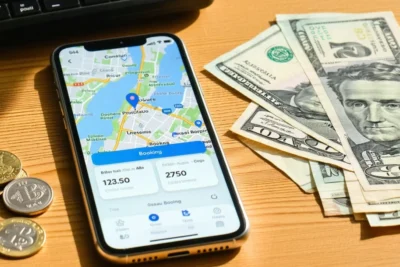
Myki is Melbourne’s smartcard and still the primary way to pay. You buy one (or add it to your phone as a mobile myki), load money onto it, and tap on when you board and tap off when you finish — the system charges the correct fare and applies the daily cap automatically. You can buy and top up a myki at train stations, 7-Elevens and many shops, or through the app. Students at participating institutions may be eligible for discounted travel via a concession or iUSEpass, so it is worth checking with your provider.
Contactless "Tap and Go" (new for 2026)
Victoria is finally rolling out contactless payment, so you can tap on with a physical credit or debit card, or a phone or smartwatch linked to a digital wallet — no myki required. The rollout is happening in stages: it starts on the train network in early 2026 and expands to trams and buses as the upgrade continues over the following years, so for now you should still carry a myki for trams and buses. A couple of things to note during the transition: concession fares and some discounted passes are not yet available on contactless, so if you are eligible for a concession, stick with your myki for the cheaper fare.
The Free Tram Zone
What it costs in 2026
Melbourne uses a simple capped fare: pay per two-hour trip, but never more than the daily cap however many trips you take. Here are the 2026 full-fare figures, including the temporary half-price discount that applies for the second half of the year.
| Fare (full fare, Zone 1+2) | Standard 2026 | Half price (1 Jun–31 Dec 2026) |
|---|---|---|
| 2-hour fare | ~$5.70 | ~$2.85 |
| Daily cap | ~$11.40 | ~$5.70 |
| Free Tram Zone (city trams) | Free | Free |
| Under-18s (with a Youth myki) | Free in 2026 | Free |
Because of the daily cap, once you have tapped on enough trips to reach it, the rest of your day’s travel is effectively free. For the full detail on zones, fares and concessions, see our dedicated Melbourne public transport and myki guide.
The Network: Trams, Trains and Buses
Melbourne’s public transport is a three-part system, and the trick to getting around efficiently is knowing which mode to use for which trip. Here is how they compare, followed by the detail on each.
| Mode | Best for | Speed | Good to know |
|---|---|---|---|
| Tram | Inner city and inner suburbs, short–medium trips | Moderate | Free in the CBD zone; the world’s largest network |
| Train | Suburbs to the city, longer trips | Fast | Hub-and-spoke via the City Loop and Metro Tunnel |
| Bus | Areas off the tram and train lines, cross-suburban | Slower | SmartBus orbitals plus weekend Night Network |
| Bike / walk | Short hops, the flat inner city | Varies | Extensive bike paths; very walkable centre |
Trams — the icon of Melbourne
Melbourne’s tram network is the largest in the world — around 24 routes stretching across the inner city and inner suburbs — and it is the quintessential way to get around the centre. Trams are frequent, easy to use (just tap on and off, or ride free within the Free Tram Zone), and take you right into the heart of neighbourhoods that trains skirt around. They are best for short-to-medium trips through the inner city and suburbs like Carlton, Fitzroy, St Kilda, South Yarra and Brunswick. The trade-off is that trams share the road with traffic, so they can be slower than trains over longer distances. For a free, scenic introduction, the historic City Circle tram (route 35) loops the CBD past major sights at no charge.
Trains — fast across the suburbs
Melbourne’s Metro train network is the fastest way to cover distance, radiating from the city on more than a dozen lines that serve the middle and outer suburbs. In the centre they run through the underground City Loop and the new Metro Tunnel (which opened in 2025, adding five city stations and linking the Sunbury line in the west with the Cranbourne and Pakenham lines in the south-east). The main city hubs are Flinders Street and Southern Cross stations, where lines and services connect. Trains are your go-to for commuting from the suburbs to the city, for longer cross-town trips, and for reaching places like the beaches on the Frankston line or Monash’s Clayton area. Services are frequent in peak hours and every 10–20 minutes off-peak.
Buses — filling every gap
Buses cover the places trams and trains do not, which makes them essential for cross-suburban travel and for suburbs off the rail network. The SmartBus orbital routes (such as the 900-series) run long cross-town journeys that connect train lines without going through the city, which can save a lot of time if you are travelling suburb-to-suburb. Buses are generally slower and less frequent than trams and trains, so they are often a connector rather than a main leg — but for many suburban trips they are the only or the best option. On Friday and Saturday nights, the Night Network keeps trains, trams and night buses running through the early hours, so you are never stranded after a night out.
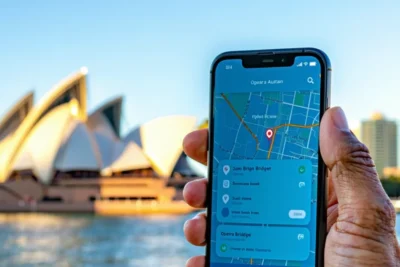
Plan every trip with the PTV app
Bikes, Walking and E-Scooters
Public transport is only half the story. Melbourne’s flat terrain and compact centre make active travel genuinely practical, and for many short trips it beats waiting for a tram.
Cycling
Melbourne is one of Australia’s best cycling cities: it is flat, and it has an extensive network of bike lanes and dedicated off-road trails like the Capital City Trail, the Main Yarra Trail and the Merri Creek Trail, which let you ride for kilometres away from traffic. A cheap second-hand bike is one of the best investments a student can make — it turns a 25-minute walk or a multi-stop tram trip into a quick, free ride. Note that Melbourne no longer has a docked public bike-share scheme, so you will need your own bike. A helmet is compulsory by law, you need lights at night, and you can take bikes on trains outside peak hours. Ride on the road or in bike lanes, follow the road rules, and lock up well, as bike theft happens in busy areas.
Walking
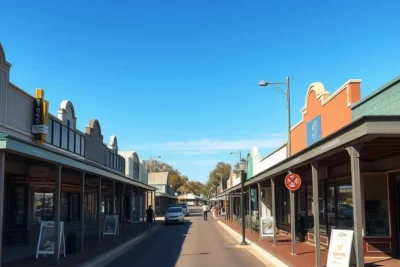
The Melbourne city centre is a compact, walkable grid famous for its laneways, arcades and street life, and many inner suburbs are just as pleasant on foot. Combined with the Free Tram Zone, walking makes exploring the centre effortless and free — for short hops it is often the fastest option, with no waiting involved. The city is well lit and busy, and generally comfortable to walk in, with the usual sensible precautions at night.
E-scooters
This is an area that changed recently, so know the current rules. Shared hire e-scooters are no longer available in the City of Melbourne — the council ended the shared-scooter scheme in late 2024, so the app-based Lime and Neuron scooters that once lined the CBD are gone from the central city. Privately owned e-scooters are legal and regulated by the Victorian Government: you can ride them on roads with lower speed limits and in bike lanes (not on footpaths), a helmet is required, there are speed limits and a minimum age, and fines apply for breaking the rules. Some council areas outside the City of Melbourne may still run share schemes, so check locally — but do not rely on hire scooters in the central city.
E-scooter rules changed in 2024
Rideshare, Taxis, the Airport and Beyond
Rideshare and taxis
For late nights, group trips, heavy luggage or getting to places off the transport network, rideshare and taxis fill the gap. Uber, DiDi, Bolt and Ola all operate across Melbourne, and traditional taxis are widely available. They cost far more than public transport, so they are best kept for occasional use rather than daily travel — but they are handy when the trains stop or when you are carrying a big shop home. Fares rise with surge pricing on busy nights, so check the estimate before you book.
Getting to and from the airport
Melbourne Airport (Tullamarine) is not yet connected by train — an airport rail link is under construction — so the main public option is the SkyBus, which runs frequently between the airport and Southern Cross Station in the city, plus some suburban routes, at a set fare. Rideshare and taxis are the alternative, costing more but door-to-door. Budget airline flights sometimes use Avalon Airport, which also has a bus connection to the city. Factor the airport transfer into your arrival budget, as it is one trip where public transport is a bus rather than a train for now.
Regional trips
To explore beyond the city, V/Line runs regional trains and coaches to destinations like Geelong, Ballarat, Bendigo and the coast, departing mainly from Southern Cross Station. It is an easy, affordable way to see regional Victoria for a weekend without a car — another reason you rarely need to own one in Melbourne.
Practical Tips for Car-Free Living
- Get a myki (or mobile myki) on day one, load some money, and set up auto top-up so you never get caught short. Use contactless tap-and-go on trains as it rolls out.
- Live near a tram or train line. Your daily commute is far easier from a home a short walk from frequent transport — worth prioritising when you choose a suburb.
- Use the daily cap. Once you have paid the cap, all further travel that day is free, so run your errands on days you are already commuting.
- Travel off-peak and on weekends where you can. Weekend and off-peak fares are cheaper, and services are less crowded.
- Buy a cheap second-hand bike for short trips — it pays for itself quickly and beats waiting for a tram over short distances.
- Combine walking with the Free Tram Zone in the city centre to get around the CBD for nothing.
- Remember the Night Network on Friday and Saturday nights, so you can get home without a car after a night out.
- Always tap off where required, or you can be charged the default (higher) fare.
The bottom line on going car-free
Frequently Asked Questions
Final Thoughts
You do not need a car to live well in Melbourne. Between the world’s biggest tram network, an extensive train system, buses everywhere, free city-centre trams and a flat, cycle-friendly layout, getting around is cheap, easy and often faster than driving. Get a myki (or use contactless as it rolls out), download the PTV app, learn your key lines, and you will move around the city with confidence — and pocket the thousands a car would have cost you. For the wider picture, see our complete guide to living in Melbourne.
You May Also Like

Moving to Australia: The Complete Checklist and Guide (2026)

NT Public Holidays 2026: Full Calendar, Dates and How Darwin and Alice Springs Celebrate