IB Schools Sydney: Complete Guide to International Schools 2026

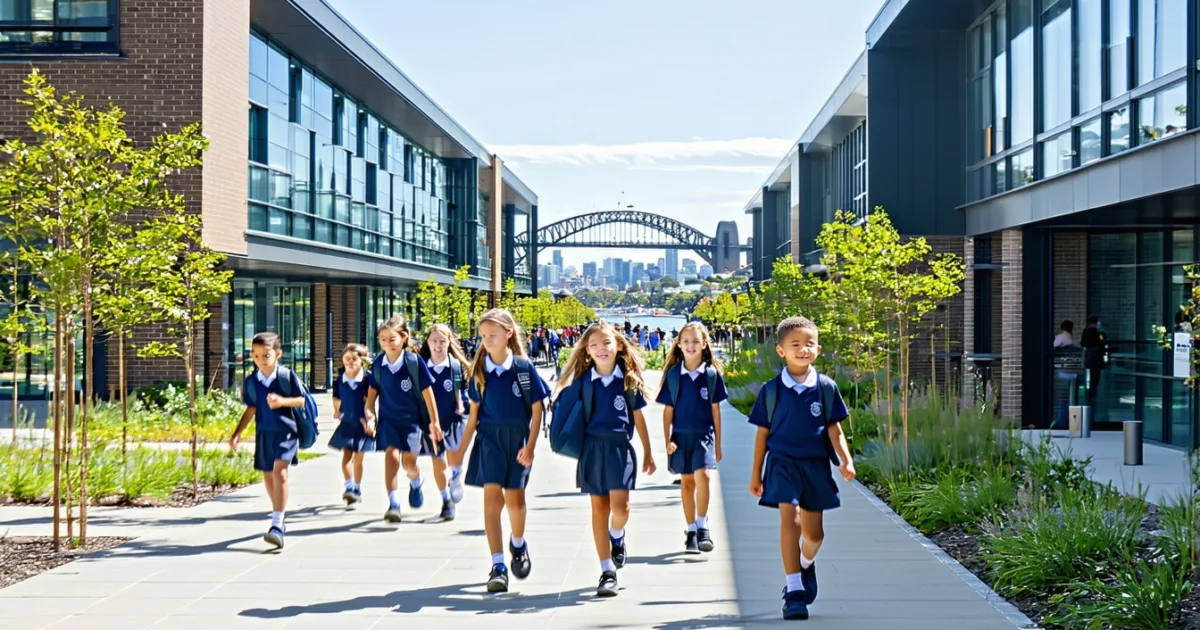
IB schools Sydney offer internationally recognized education programs that prepare students for global citizenship and university success. These International Baccalaureate World Schools provide three distinct programs: the Primary Years Programme (PYP), Middle Years Programme (MYP), and Diploma Programme (DP). Furthermore, Sydney hosts both public and private IB schools across various regions, from the North Shore to Western Sydney.
The International Baccalaureate curriculum emphasizes inquiry-based learning, critical thinking, and international-mindedness. Moreover, IB education develops transferable skills that benefit students throughout their academic and professional careers. Sydney families increasingly choose IB schools for their multicultural environment and comprehensive approach to education.
Additionally, IB graduates demonstrate strong university acceptance rates globally. The program’s rigorous assessment methods and holistic development focus create well-rounded students. Therefore, understanding Sydney’s IB school options helps families make informed educational decisions for their children’s future success.
TL;DR
- Multiple IB programs available: Sydney offers PYP, MYP, and DP programs across public and private schools
- Global university preparation: IB curriculum develops critical thinking, international perspective, and transferable skills
- Diverse school options: Authorized IB World Schools located throughout Sydney regions with varying fees and admission requirements
What Are IB Schools and Why Choose Them in Sydney?
The International Baccalaureate (IB) represents a globally recognized educational framework that challenges students through inquiry-based learning and international-mindedness. Additionally, IB education emphasizes holistic development, preparing students for university success and global citizenship. More than 5,500 schools worldwide offer IB programs, with Sydney hosting numerous authorized IB World Schools across public and private sectors.
IB’s educational philosophy centers on developing critical thinkers who approach learning through inquiry and reflection. Furthermore, the program cultivates international-mindedness by encouraging students to understand diverse perspectives and cultures. This comprehensive approach creates well-rounded individuals who demonstrate strong communication skills, ethical reasoning, and cultural awareness.
Three IB Programmes: PYP, MYP, and DP
The International Baccalaureate offers three distinct programs tailored to different age groups and educational stages. Each program builds upon the previous one, creating a seamless educational journey from primary through secondary school. Moreover, students can enter IB education at any program level, depending on their school’s offerings and individual needs.
| Programme | Age Range | Focus Areas | Duration |
|---|---|---|---|
| Primary Years Programme (PYP) | 3-12 years | Inquiry-based learning, six transdisciplinary themes | Up to 10 years |
| Middle Years Programme (MYP) | 11-16 years | Eight subject groups, community service, personal project | 5 years |
| Diploma Programme (DP) | 16-19 years | Six subject areas, extended essay, theory of knowledge | 2 years |
The Primary Years Programme develops foundational skills through six transdisciplinary themes that connect learning across subject areas. Subsequently, the Middle Years Programme introduces more specialized subjects while maintaining interdisciplinary connections and community engagement. Finally, the Diploma Programme provides rigorous pre-university education with internationally recognized qualifications.
Key Benefits of IB Education
IB education develops critical thinking skills that enable students to analyze complex problems and evaluate multiple perspectives. Additionally, the program’s international focus creates globally-minded individuals who understand cultural diversity and global issues. These transferable skills benefit students throughout their academic careers and professional lives.
Pros
- Develops critical thinking and analytical skills
- Provides global perspective and cultural awareness
- Offers excellent university preparation worldwide
- Creates transferable skills for lifelong learning
- Emphasizes ethical reasoning and social responsibility
Cons
- Requires significant time commitment and self-discipline
- May involve higher academic pressure than traditional curricula
- Limited availability in some geographic areas
- Can be more expensive than standard education options
University admissions officers worldwide recognize IB qualifications for their academic rigor and comprehensive assessment methods. Research indicates that IB students demonstrate higher university retention rates and academic performance compared to their peers. Furthermore, the program’s emphasis on independent research and extended essays prepares students for university-level academic work.
Why Sydney Families Choose IB Schools
Sydney’s multicultural environment aligns perfectly with IB education’s international-mindedness philosophy. Consequently, families seeking comprehensive educational approaches increasingly choose IB schools for their children’s development. The city’s diverse population enriches classroom discussions and cultural exchange opportunities.
Academic excellence drives many families’ decisions to select IB schools in Sydney. These institutions consistently demonstrate high university acceptance rates and strong academic outcomes. Moreover, IB schools attract experienced international educators who bring diverse teaching methodologies and global perspectives to the classroom.
IB graduates show 22% higher university retention rates compared to non-IB students
Future readiness represents another compelling reason for choosing IB education in Sydney. The program’s focus on 21st-century skills prepares students for rapidly changing global careers and technological advancement. Additionally, IB students develop strong research capabilities, communication skills, and cultural competency that employers highly value in today’s interconnected world.
Complete List of IB Schools in Sydney (2026)
Sydney hosts 15 authorized IB World Schools offering various International Baccalaureate programmes across the metropolitan area. These institutions provide Primary Years Programme (PYP), Middle Years Programme (MYP), and Diploma Programme (DP) options for students from kindergarten through Year 12. Each school undergoes rigorous authorization processes to maintain IB World School status and deliver internationally recognized education standards.
North Shore IB Schools
The North Shore region contains several prestigious IB institutions serving families seeking international education. Pymble Ladies’ College offers comprehensive IB programmes from PYP through DP, while Ravenswood School for Girls provides MYP and DP options. Additionally, St Aloysius’ College delivers MYP and DP programmes for boys in Milsons Point.
| School Name | Location | Programmes | Type |
|---|---|---|---|
| Pymble Ladies’ College | Pymble | PYP, MYP, DP | Private |
| Ravenswood School for Girls | Gordon | MYP, DP | Private |
| St Aloysius’ College | Milsons Point | MYP, DP | Private |
| Northbridge School | Northbridge | PYP, MYP | Private |
Eastern Suburbs IB Institutions
Eastern Sydney features prominent IB schools catering to diverse educational needs. Cranbrook School in Bellevue Hill offers MYP and DP programmes for boys, while Kambala School provides comprehensive PYP, MYP, and DP education for girls. Furthermore, Reddam House in Woollahra delivers all three IB programmes in a coeducational environment.
These schools consistently demonstrate exceptional academic outcomes and university placement rates. Moreover, their proximity to Sydney’s cultural institutions enhances students’ learning experiences through regular excursions and community partnerships. The Eastern Suburbs’ multicultural demographic enriches classroom discussions and international perspectives.
Inner West and CBD IB Schools
Westbourne Grammar School in Truganina represents a leading IB institution in the Inner West region. The school offers comprehensive PYP, MYP, and DP programmes with strong emphasis on international-mindedness and academic excellence. Additionally, several smaller IB schools operate throughout the Inner West, providing alternative educational pathways for families.
Central Sydney hosts specialized IB programmes through various educational providers. These institutions often focus on specific programme levels or serve particular student demographics. Consequently, families can access diverse IB options within reasonable commuting distances from the city center.
Western Sydney IB Options
Western Sydney’s growing population has driven increased demand for IB education in the region. Several new IB schools have received authorization in recent years, expanding access to international education for families in Parramatta, Blacktown, and surrounding areas. These institutions typically offer modern facilities and innovative teaching approaches.
Public IB options remain limited in Western Sydney, though government schools increasingly explore IB programme implementation. Private providers fill this gap by offering comprehensive IB education with competitive fee structures and scholarship opportunities for eligible students.
Public vs Private IB Schools
Sydney’s IB landscape predominantly features private institutions, with limited public school options currently available. Private IB schools typically charge annual fees ranging from $25,000 to $45,000, depending on programme levels and additional services. However, these schools often provide extensive facilities, small class sizes, and specialized IB teaching expertise.
Public IB programmes offer more affordable alternatives for families seeking international education. Nevertheless, availability remains restricted, and competition for places can be intense. Some public schools partner with private providers to deliver specific IB programmes while maintaining lower fee structures.
Recently Authorized Schools (2024-2026)
The IB organization has authorized three new schools in Sydney during 2024-2026, reflecting growing demand for international education. These recently authorized institutions include specialized programmes and innovative delivery methods. Furthermore, several existing schools have expanded their IB offerings by adding additional programme levels.
New IB implementations often focus on 21st-century learning approaches and technology integration. These schools leverage modern teaching methodologies and digital resources to enhance student engagement and learning outcomes. Additionally, recently authorized schools frequently emphasize sustainability and global citizenship themes throughout their curricula.
School Contact Information and Applications
Prospective families should contact IB schools directly for detailed programme information and application procedures. Most institutions require advance enrollment planning due to limited places and competitive selection processes. Additionally, schools typically conduct information sessions and campus tours throughout the year to assist family decision-making.
Application deadlines vary between schools, though most institutions accept enrollments for the following academic year between March and August. Early applications often receive priority consideration, particularly for popular programmes and year levels. Moreover, some schools maintain waiting lists for oversubscribed programmes and year groups.
Important Note
Top-Rated IB Schools in Sydney: Rankings and Reviews
Academic performance rankings reveal significant variation among IB schools in Sydney, with diploma programme results ranging from 32 to 42 points average across institutions. The highest-performing schools consistently achieve 95% pass rates or higher, while maintaining strong subject-specific performance across all six IB diploma areas. Additionally, top-tier institutions demonstrate exceptional performance in extended essay and theory of knowledge components.
School reputation analysis indicates that established institutions with 10+ years of IB experience generally receive higher community ratings than newer programmes. Parent feedback consistently highlights teaching quality, university preparation, and international perspective as key satisfaction drivers. Moreover, schools with strong community engagement and transparent communication practices receive more positive testimonials from families.
University Acceptance and Graduate Destinations
IB graduates from Sydney schools achieve university acceptance rates exceeding 98% across domestic and international institutions. Top-performing schools report that 85-90% of graduates receive offers from their first-choice universities, including prestigious institutions like University of Sydney, UNSW, and international universities. Furthermore, many graduates secure places at competitive programmes including medicine, law, and engineering.
Graduate destination data shows that 40% of IB students pursue higher education internationally, particularly in the United Kingdom, United States, and Canada. This international mobility reflects the global recognition of IB qualifications and the international mindset fostered by quality programmes. Additionally, domestic university pathways remain strong, with IB scores providing competitive advantage for selective course entry.
Teaching Quality and Educator Credentials
IB-trained educator credentials vary significantly across Sydney schools, with leading institutions maintaining 80-100% certified teaching staff in core diploma subjects. Professional development investment correlates directly with student outcomes, as schools with comprehensive IB training programmes consistently outperform those with limited educator preparation. Moreover, experienced IB coordinators and subject specialists contribute substantially to programme quality and student success.
Teaching quality assessment reveals that successful IB educators combine subject expertise with international education philosophy understanding. Many top-rated schools recruit teachers with international IB experience and advanced qualifications in their subject areas. Additionally, ongoing professional development through IB workshops and conferences ensures educators maintain current best practices and assessment standards.
Extracurricular Programmes and Facilities
Extracurricular programme quality significantly impacts school rankings, with top institutions offering comprehensive CAS programmes (Creativity, Activity, Service) that extend beyond basic requirements. Leading schools provide diverse opportunities including Model United Nations, Duke of Edinburgh awards, community service partnerships, and international exchange programmes. These activities enhance the holistic education approach central to IB philosophy.
Facility comparisons show that highly-rated IB schools invest in modern learning environments including science laboratories, technology centers, libraries, and collaborative learning spaces. Sports facilities, performing arts venues, and outdoor education resources support the comprehensive programme requirements. However, facility quality alone does not determine school effectiveness, as teaching quality and programme implementation remain primary success factors.
Student satisfaction surveys indicate that IB programme rigor initially challenges many students, though satisfaction levels increase significantly as students develop academic independence and critical thinking skills. Parent testimonials frequently emphasize the comprehensive preparation for university study and the development of global perspectives. Nevertheless, families should carefully consider programme demands and student readiness before enrollment decisions.
IB School Fees and Costs in Sydney
Understanding the financial commitment of IB schools in Sydney requires careful examination of tuition fees, additional costs, and long-term educational value. Furthermore, fee structures vary significantly between public and private institutions, making cost comparison essential for informed decision-making.
2026 Tuition Fee Ranges
Private IB schools in Sydney charge annual tuition fees ranging from $25,000 to $45,000 for secondary programmes. Additionally, prestigious institutions like Reddam House and Presbyterian Ladies’ College position themselves at the higher end of this spectrum. Meanwhile, newer IB providers often offer more competitive pricing to attract families.
| School Type | Annual Tuition Range | Application Fee |
|---|---|---|
| Elite Private Schools | $35,000 – $45,000 | $200 – $500 |
| Mid-tier Private Schools | $25,000 – $35,000 | $150 – $300 |
| Public Schools (IB Programme) | Free | $50 – $100 |
Public schools offering IB programmes provide significant cost advantages, charging only programme-specific fees rather than full tuition. However, limited places create intense competition for admission to these programmes.
Additional Programme Costs
Beyond tuition fees, families must budget for IB examination fees totaling approximately $1,200 to $1,800 per student. Moreover, these fees cover registration, assessment, and diploma processing costs administered by the International Baccalaureate Organization.
- Textbooks and resources: $800 – $1,500 annually
- Uniforms and equipment: $400 – $800 per year
- CAS activities and excursions: $500 – $1,200 annually
- Technology requirements: $300 – $600 (laptops, software)
- Extended Essay supervision: $200 – $400
Consequently, total additional costs can reach $3,000 to $5,000 annually beyond base tuition fees. These expenses support the comprehensive nature of IB education but require careful financial planning.
Public vs Private Fee Structures
Public school IB programmes offer exceptional value, with families paying only $500 to $1,500 in programme fees annually. Nevertheless, these schools maintain rigorous academic standards comparable to private institutions while providing substantial cost savings.
Pros
- Free tuition for public IB programmes
- Same IB diploma as private schools
- Access to government funding and resources
- Diverse student populations
Cons
- Limited programme places available
- Fewer extracurricular options
- Basic facilities compared to private schools
- Less individual attention
Private schools justify higher fees through smaller class sizes, extensive facilities, and comprehensive support services. Additionally, they often provide enhanced university counseling and international exchange opportunities.
Financial Assistance Opportunities
Many private IB schools offer merit-based scholarships covering 10% to 50% of annual tuition fees. Furthermore, need-based bursaries provide additional support for families demonstrating financial hardship.
External scholarship opportunities include the Australian Government’s Education Investment Fund and various community foundation grants. Similarly, some schools partner with corporations to provide sponsored places for exceptional students.
Scholarship Application Tip: Most IB schools require scholarship applications by October for the following academic year. Early preparation and strong academic records significantly improve success rates.
Cost Comparison with Traditional Curricula
IB programme costs typically exceed traditional HSC curriculum schools by 15% to 25% in private institutions. However, this premium reflects additional programme requirements, specialized teacher training, and international assessment standards.
Public school comparisons show minimal cost differences, as both programmes receive similar government funding. Therefore, families can access high-quality IB education without significant financial premiums in the public sector.
Long-term Investment Value
IB diploma recognition by global universities provides significant long-term value through expanded higher education opportunities. Additionally, IB graduates often receive advanced standing or course credits, reducing university degree completion time and costs.
IB graduates save an average of $8,000 to $15,000 in university costs through advanced placement and accelerated degree completion.
Career preparation benefits include enhanced critical thinking skills, cultural awareness, and academic independence valued by employers. Consequently, the initial educational investment often yields substantial returns through improved career prospects and earning potential.
Families should consider total educational costs over the complete secondary school period when evaluating IB programmes. While initial expenses appear significant, the comprehensive preparation and global recognition justify the investment for many students pursuing international careers or university study.
IB School Admission Requirements and Application Process
Admission to IB schools in Sydney requires careful planning and understanding of specific programme requirements. Furthermore, each International Baccalaureate programme maintains distinct admission criteria based on student age and academic readiness.
General Admission Criteria
Most IB schools evaluate students based on academic performance, English language proficiency, and demonstrated commitment to international education. Additionally, schools assess student motivation through personal statements and interviews.
Academic prerequisites vary between institutions, but generally require satisfactory completion of previous educational levels. Moreover, students must demonstrate readiness for rigorous academic challenges and independent learning approaches.
Age Requirements by Programme
| IB Programme | Age Range | Grade Levels |
|---|---|---|
| Primary Years Programme (PYP) | 3-12 years | Pre-K to Grade 6 |
| Middle Years Programme (MYP) | 11-16 years | Grades 6-10 |
| Diploma Programme (DP) | 16-19 years | Grades 11-12 |
Primary Years Programme admission typically occurs at natural transition points, particularly at kindergarten or when families relocate. Similarly, Middle Years Programme entry commonly happens at Grade 6 or Grade 8 transitions.
The Diploma Programme requires completion of Grade 10 or equivalent secondary education. Consequently, students must demonstrate academic readiness for university-preparatory coursework and independent research projects.
Academic Prerequisites and Assessment
Academic transcripts from previous schools provide the foundation for admission decisions. Additionally, schools evaluate grade patterns, subject performance, and overall academic trajectory over multiple years.
English language proficiency requirements ensure students can succeed in IB programme instruction. Therefore, non-native speakers may complete language assessments or provide standardized test scores demonstrating adequate proficiency levels.
Some schools conduct entrance examinations in mathematics, science, or language arts to assess student preparedness. However, these assessments typically serve diagnostic purposes rather than competitive selection criteria.
Application Timelines and Deadlines
Most Sydney IB schools operate annual application cycles with specific deadlines for different programme levels. Furthermore, popular schools often close applications earlier due to high demand and limited capacity.
- Primary applications: Typically due by March-May for following year entry
- Secondary applications: Generally close between February-April
- Diploma Programme: Often requires applications by January-March for Grade 11 entry
Early application submission provides advantages in competitive admission processes. Additionally, families should begin preparing documentation and scheduling interviews several months before deadlines.
Required Documentation
Complete application packages require multiple supporting documents demonstrating academic history and personal character. Moreover, international families may need additional documentation for visa and residency verification.
- Academic transcripts: Official records from all previous schools attended
- Teacher references: Recommendations from current or recent subject teachers
- Personal statements: Student essays explaining motivation and goals
- Standardized test scores: When required for language proficiency or academic assessment
- Portfolio submissions: For creative programmes or specialized subjects
Documentation must be translated into English by certified translators when submitted in other languages. Additionally, schools may require original documents for verification during the admission process.
Interview Processes and Entrance Examinations
Student interviews allow schools to assess personal qualities, communication skills, and programme fit beyond academic records. Furthermore, interviews provide opportunities for students to demonstrate enthusiasm and ask questions about school culture.
Family interviews often accompany student assessments, particularly for younger applicants. These conversations help schools understand family expectations and commitment to IB philosophy and values.
Some schools conduct group activities or classroom observations to evaluate student collaboration and learning approaches. However, these assessments maintain supportive rather than competitive atmospheres to reduce student stress.
Waiting Lists and Mid-Year Admissions
Popular IB schools often maintain waiting lists when applications exceed available positions. Consequently, families should consider multiple school options and understand their position on waiting lists throughout the admission cycle.
Mid-year admission opportunities arise when families relocate or students transfer between schools. Additionally, some schools maintain flexibility for exceptional circumstances or late applications with compelling reasons.
Application Success Tips
Successful admission to IB schools in Sydney requires strategic planning, thorough preparation, and understanding of each school’s specific requirements. Therefore, families should begin the application process well in advance and maintain realistic expectations about competitive admission processes.
IB Curriculum vs Australian HSC: Making the Right Choice
Choosing between the International Baccalaureate (IB) Diploma Programme and the New South Wales Higher School Certificate (HSC) represents one of the most significant educational decisions families face. Both programmes offer pathways to university admission, yet they differ fundamentally in structure, assessment methods, and global recognition.
Key Differences Between IB and NSW HSC
The IB Diploma Programme operates as a comprehensive two-year curriculum spanning six subject areas plus core components. Students must complete subjects from languages, sciences, mathematics, arts, and humanities while engaging in Theory of Knowledge, Extended Essay, and Creativity, Activity, Service (CAS) requirements.
Conversely, the NSW HSC allows greater subject flexibility with students typically studying 10-12 units across Years 11 and 12. Students can specialise more heavily in preferred subject areas without mandatory breadth requirements across all disciplines.
| Aspect | IB Diploma | NSW HSC |
|---|---|---|
| Programme Duration | 2 years (Years 11-12) | 2 years (Years 11-12) |
| Subject Requirements | 6 subjects + core | 10-12 units minimum |
| Subject Flexibility | Limited – must cover all areas | High – specialisation allowed |
| Final Score | 45 points maximum | ATAR ranking system |
Assessment Methods: Continuous vs Final Examinations
Assessment approaches differ significantly between these educational pathways. The IB programme employs continuous assessment through internal assessments, coursework, and external examinations, with internal components contributing 20-30% of final grades depending on subjects.
Meanwhile, the HSC system relies heavily on final examinations, typically contributing 50% of the final mark alongside school assessments. This examination-focused approach suits students who perform well under high-stakes testing conditions.
Pros
- Continuous assessment reduces exam pressure
- Develops research and analytical skills
- Encourages consistent academic engagement
Cons
- Higher ongoing workload throughout programme
- Less flexibility for students who excel at exams
- More complex grading and moderation processes
University Recognition and Admission Advantages
Both qualifications provide excellent university preparation, though they offer different advantages. Australian universities readily accept both IB scores and ATAR rankings, with many institutions providing clear conversion tables between IB points and ATAR equivalents.
The IB Diploma often receives preferential treatment from admissions officers who recognise its academic rigour and international standardisation. Research indicates that IB students demonstrate higher retention rates and academic performance at university level compared to other qualification holders.
IB students show 22% higher retention rates in their first year of university studies
International Mobility and Global Applications
International recognition represents a significant advantage of the IB programme. Over 5,000 universities across 100+ countries accept IB qualifications, making it ideal for students considering overseas study options.
The HSC qualification primarily serves Australian university applications, though some international institutions recognise it. Students planning international study may need additional qualifications or foundation programmes when applying with HSC credentials.
- IB recognised by universities in USA, UK, Canada, Europe
- Direct entry to most international programmes
- HSC requires conversion or additional testing for many overseas applications
- Some elite international universities prefer IB candidates
Student Workload and Academic Rigor
Academic intensity varies considerably between programmes. IB students typically report higher workloads due to continuous assessment requirements, extended essays, and CAS commitments alongside regular coursework.
The HSC programme allows more strategic time management, with students able to focus intensively on exam preparation during final months. However, school assessment tasks throughout Years 11 and 12 still require consistent effort.
Time management skills develop differently in each system. IB students learn to balance multiple ongoing commitments, while HSC students master intensive preparation periods and examination techniques.
Career Pathway Implications
Both qualifications open similar career pathways within Australia, though subtle differences exist. IB graduates often demonstrate stronger critical thinking, research, and international awareness skills valued by global employers.
Furthermore, the Extended Essay component provides excellent preparation for university research projects and thesis writing. Many IB students report feeling better prepared for independent learning and academic writing at tertiary level.
HSC graduates typically show strong examination performance and subject-specific knowledge depth. The system’s flexibility allows students to develop expertise in preferred areas, potentially advantaging them in specialised career fields.
Suitability Factors: Learning Style and Personal Preferences
Student learning preferences should guide programme selection. Independent learners who thrive on research, analysis, and continuous engagement often excel in IB programmes. These students appreciate the programme’s philosophical approach and interdisciplinary connections.
Alternatively, students who prefer focused study periods and excel under examination pressure may find the HSC system more suitable. The programme’s subject flexibility also benefits students with clear academic strengths or career directions.
Choosing the Right Programme
Additionally, family circumstances matter significantly. International families or those planning overseas moves often prefer IB programmes for their global portability and consistent standards across countries.
Ultimately, both programmes provide excellent preparation for university study and future careers. The choice depends on individual student needs, learning preferences, and long-term educational goals rather than programme superiority.
Choosing the Right IB School in Sydney: Key Considerations
Selecting an appropriate IB school in Sydney requires careful evaluation of multiple factors that impact student success and satisfaction. Furthermore, each school’s unique characteristics and approach to International Baccalaureate education create distinct learning environments. Consequently, families must assess their priorities and match them with institutional strengths.
School Culture and Educational Philosophy Alignment
Educational philosophy alignment forms the foundation of successful IB experiences. Moreover, schools interpret IB principles differently, creating varied cultural environments. Some institutions emphasise academic rigour and university preparation, while others prioritise holistic development and community engagement.
Additionally, school culture influences daily interactions, expectations, and support systems. Progressive schools often encourage student voice and collaborative learning approaches. Meanwhile, traditional institutions may focus on structured environments and established academic protocols.
Programme Offerings: Single vs Multiple IB Programmes
Programme variety significantly impacts educational pathways and student opportunities. Schools offering multiple IB programmes provide seamless transitions from Primary Years Programme (PYP) through Diploma Programme (DP). However, institutions focusing solely on Diploma Programme often demonstrate specialised expertise and resources.
- Single programme schools typically offer deeper specialisation and focused resources
- Multiple programme schools provide continuity and comprehensive IB education
- Hybrid schools combine IB with other curricula, offering flexibility
Class Sizes and Student-Teacher Ratios
Class sizes directly influence individual attention and learning outcomes in IB programmes. Smaller classes enable personalised feedback on extended essays, internal assessments, and complex projects. Furthermore, optimal ratios facilitate meaningful discussions and collaborative learning essential for IB success.
Research indicates that student-teacher ratios below 15:1 enhance academic performance and student engagement. Additionally, lower ratios support the intensive mentoring required for Theory of Knowledge and Creativity, Activity, Service components.
Essential Facilities and Learning Environments
Modern facilities support IB programme requirements and enhance learning experiences. Well-equipped libraries provide research resources essential for extended essays and internal assessments. Similarly, science laboratories enable hands-on experimentation required for Group 4 subjects.
- Libraries with extensive digital and physical collections
- Science laboratories with current equipment and safety features
- Arts spaces including studios, performance areas, and music rooms
- Sports facilities supporting physical education and extracurricular activities
- Technology infrastructure enabling digital learning and research
Location and Transportation Accessibility
School location affects daily routines, extracurricular participation, and family logistics. Central Sydney locations often provide excellent public transport connections but may lack extensive campus facilities. Conversely, suburban schools typically offer larger campuses and parking but require longer commutes.
Transportation accessibility becomes particularly important for IB students who frequently stay late for extended essay consultations, CAS activities, and group projects. Therefore, schools with multiple transport options support better programme engagement and reduce family stress.
Extracurricular Activities and Community Service
Extracurricular programmes directly support IB requirements, particularly the Creativity, Activity, Service component. Schools with diverse activity offerings enable students to explore interests while fulfilling programme obligations. Moreover, established community service partnerships facilitate meaningful CAS experiences.
Quality programmes also connect extracurricular activities to academic learning and personal development. For instance, Model United Nations clubs enhance understanding of global issues covered in Theory of Knowledge and various subject areas.
Parent Involvement and Communication Practices
Parent engagement varies significantly among IB schools and influences student support systems. Some institutions encourage active parent participation in school governance and activities. Meanwhile, others maintain professional boundaries while providing regular communication about student progress.
Effective communication systems keep families informed about IB requirements, deadlines, and student development. Additionally, schools with strong parent networks often provide valuable support during the intensive Diploma Programme years.
School Visit Recommendations and Essential Questions
School visits provide invaluable insights beyond promotional materials and websites. Observing actual classes, student interactions, and campus atmosphere reveals institutional culture and teaching quality. Furthermore, visits during normal school days offer authentic perspectives on daily operations.
Key Questions for School Visits
During visits, observe student engagement levels, teacher-student interactions, and facility utilisation. Also, request meetings with current IB students and parents to gain firsthand perspectives on programme experiences and challenges.
Finally, consider attending information sessions, open days, and sample lessons when available. These events demonstrate teaching styles and help families assess programme suitability for individual learning needs and preferences.
Frequently Asked Questions
Which schools do the IB in Sydney?
Sydney has numerous authorized IB World Schools offering various programs across both public and private sectors. These schools are located throughout different regions including the North Shore, Western Sydney, and other metropolitan areas. Each school must be officially authorized by the International Baccalaureate Organization to offer IB programs, ensuring they meet strict educational standards and requirements.
What is the best IB school in Australia?
The “best” IB school depends on individual student needs, location preferences, and program requirements. Top IB schools in Australia are typically evaluated based on university acceptance rates, IB diploma scores, facilities, and teaching quality. Sydney hosts several highly-regarded IB schools with excellent reputations for academic achievement and holistic student development.
Is IB harder than A levels?
The IB Diploma Programme is generally considered more comprehensive and demanding than A levels due to its holistic approach. While A levels allow students to specialize in 3-4 subjects, IB requires six subjects plus the Extended Essay, Theory of Knowledge, and Creativity, Activity, Service (CAS) components. However, both qualifications are rigorous and well-respected by universities worldwide.
What does it mean if a school is an IB school?
An IB school is an authorized IB World School that has been officially approved by the International Baccalaureate Organization to deliver one or more IB programs. These schools must demonstrate they meet strict educational standards, have qualified teachers, appropriate facilities, and commitment to the IB’s educational philosophy of developing internationally-minded students.
What are the fees for IB schools in Sydney?
IB school fees in Sydney vary significantly between public and private institutions. Public IB schools typically charge standard state school fees, while private IB schools can range from moderate to premium pricing depending on facilities and services offered. Families should research specific schools for current fee structures and available financial assistance programs.
How do I find accredited IB schools in Sydney?
All legitimate IB schools must be listed on the official IB World School directory on the International Baccalaureate Organization website. This ensures the school is properly authorized and accredited to deliver IB programs. Families should verify a school’s authorization status before enrollment to ensure they receive genuine IB education.
What age groups can attend IB schools in Sydney?
IB schools in Sydney serve students from ages 3-19 through three distinct programs:
- Primary Years Programme (PYP): Ages 3-12 years
- Middle Years Programme (MYP): Ages 11-16 years
- Diploma Programme (DP): Ages 16-19 years
Not all schools offer every program, so families should check which programs are available at their preferred schools.
Do IB graduates have better university acceptance rates?
Yes, IB graduates typically demonstrate strong university acceptance rates globally. The program’s rigorous academic standards, critical thinking development, and international recognition make IB students attractive candidates for universities worldwide. Many universities also offer advanced standing or credit for high IB diploma scores.
How does IB curriculum differ from Australian curriculum?
The IB curriculum emphasizes inquiry-based learning, international-mindedness, and critical thinking across all subjects. Unlike the Australian curriculum’s focus on specific learning areas, IB promotes interdisciplinary connections and global perspectives. The IB also requires community service, extended research projects, and theory of knowledge components not found in traditional Australian curricula.
Can students transfer between IB and non-IB schools?
Students can transfer between IB and non-IB schools, though the process requires careful planning. Transferring into IB programs may require assessment of previous learning and potential bridging courses. Transferring out of IB typically involves credit recognition discussions with the receiving school to ensure appropriate placement and graduation requirements.
What support do IB schools provide for university applications?
IB schools typically provide comprehensive university counseling services including application guidance, scholarship information, and career planning support. The Extended Essay and CAS components provide excellent material for university applications, while teachers are trained to write detailed academic references that highlight students’ IB achievements and personal growth.
Are there public IB schools available in Sydney?
Yes, Sydney offers both public and private IB schools across various regions. Public IB schools provide access to internationally recognized education at standard state school fees, making IB education more accessible to diverse families. These schools must meet the same authorization requirements as private institutions while operating within the public education system.
You May Also Like

How to Become a Teacher in Victoria (2026): Full Guide to Qualifications, VIT Registration and Salary

The Four D’s: Dyslexia, Dysgraphia, Dyscalculia and Dyspraxia Explained (2026)