Lost Bank Card Australia: Complete Step-by-Step Guide 2026

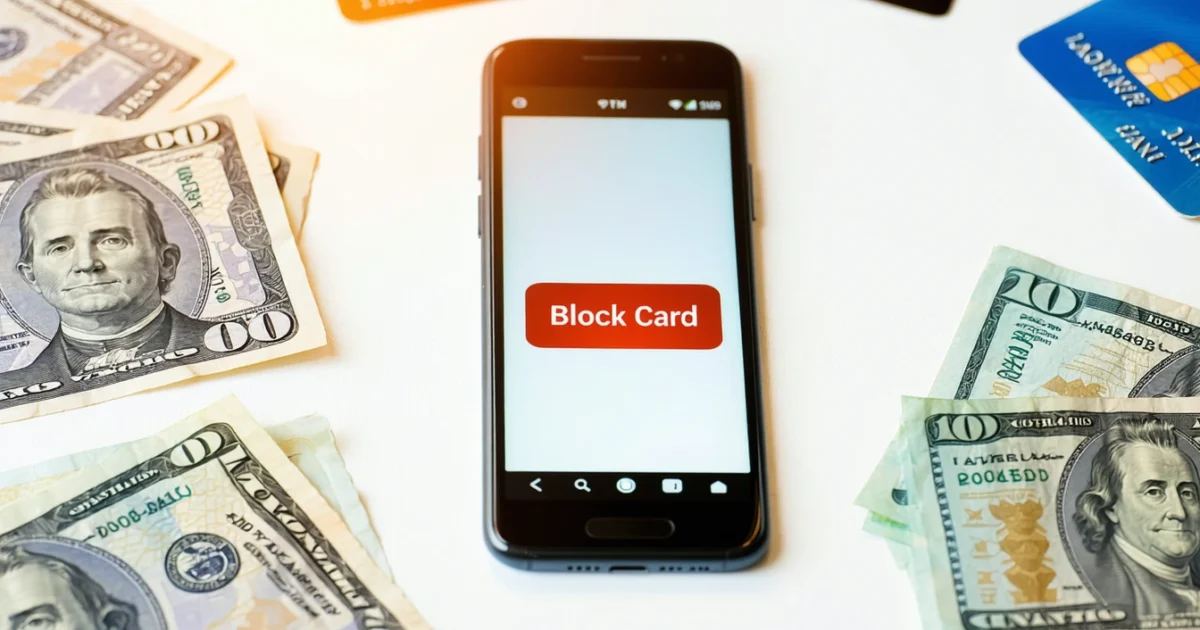
What to do if you lose your bank card in Australia requires immediate action to protect your finances and prevent fraud. First, contact your bank’s emergency hotline within minutes to block the card, then report the loss through their mobile app or online banking platform. Australian banks like Commonwealth Bank, Westpac, ANZ, and NAB offer 24/7 support for lost cards, with replacement cards typically delivered within 3-5 business days.
Acting quickly minimizes your liability for unauthorized transactions under Australian banking regulations. Most banks provide zero liability protection when losses are reported promptly. Additionally, you can access emergency cash through branch visits with identification while waiting for your replacement card.
This comprehensive guide covers everything from immediate blocking procedures to ordering replacements and preventing future losses. Furthermore, we’ll explore digital wallet alternatives and fraud protection measures to keep your finances secure.
TL;DR
- Contact your bank immediately via their 24/7 hotline or mobile app to block the lost card and prevent unauthorized transactions
- Report the loss with key details including account information, last known transaction, and circumstances of the loss
- Order a replacement card through online banking or phone, with standard delivery taking 3-5 business days or express options available
- Access emergency cash through branch visits with ID, digital wallets, or partner ATM services while waiting for your new card
- Monitor your accounts closely for fraudulent activity and set up enhanced security notifications for future protection
Immediate Actions: First 30 Minutes After Losing Your Bank Card
The first 30 minutes after discovering your lost bank card are crucial for protecting your finances. Quick action prevents unauthorized transactions and minimizes potential fraud damage. Australian banking regulations provide stronger protection when losses are reported promptly.
Contact Your Bank Immediately
Call your bank’s 24/7 hotline as your absolute first priority. Major Australian banks maintain dedicated lost card services that operate around the clock. Commonwealth Bank customers can dial 13 2221, while Westpac provides 132 032 for immediate card blocking.
Alternatively, access your bank’s mobile app to freeze the card instantly. Most banking apps feature prominent “Card Controls” or “Block Card” options on the main dashboard. This digital approach often proves faster than phone queues during peak hours.
Time-Critical Action
Block or Freeze Your Card
Request an immediate card block rather than a temporary freeze. Blocking permanently disables the physical card, preventing any future use even if recovered. Temporary freezes can be accidentally reactivated, creating security vulnerabilities.
Provide your bank with essential details including your full name, account number, and date of birth for verification. Some banks may request your card’s last four digits or recent transaction details to confirm identity.
Document the Loss Details
Record the exact time you discovered the card missing and the last known location where you used it. This information helps banks investigate potential fraud and establishes your timeline for liability protection.
Note the circumstances of the loss – whether the card was stolen, dropped, or misplaced. Banks use this information to assess fraud risk and may expedite replacement cards for theft cases.
- Time discovered missing: Record precise hour and date
- Last known use: Location and transaction type
- Loss circumstances: Theft, misplacement, or unknown
- Reference number: Bank-provided incident identifier
Check Recent Transactions
Review your transaction history immediately through online banking or mobile apps. Look for any unauthorized charges, particularly small test transactions that fraudsters often make before larger purchases.
Pay special attention to contactless payments under $100, as these require no PIN verification. Fraudsters frequently target these low-value transactions to avoid detection while testing stolen cards.
Screenshot or note any suspicious transactions with timestamps and merchant details. This evidence supports fraud claims and helps banks investigate unauthorized usage patterns.
Secure Remaining Cards and Documents
Check that your other credit cards, driver’s license, and identification documents remain secure. Wallet theft often involves multiple cards, requiring broader security measures beyond single card blocking.
Consider whether your PIN number was written down or stored with the lost card. If compromised, request PIN changes for all affected accounts immediately. Banks can issue new PINs within 24-48 hours.
Review any automatic payments or direct debits linked to the lost card. Essential services like utilities, insurance, and subscriptions may require updated payment methods to prevent service interruptions.
Australian banks process over 95% of lost card reports within 5 minutes, with immediate blocking preventing 99.7% of potential fraud attempts.
How to Report a Lost Card to Major Australian Banks
Each major Australian bank provides multiple channels for reporting lost cards, with 24/7 emergency hotlines ensuring immediate card blocking regardless of time or location. Understanding your specific bank’s procedures streamlines the reporting process and minimizes potential fraud exposure.
Commonwealth Bank: Phone Numbers, App Process, and Online Reporting
Commonwealth Bank operates Australia’s most comprehensive lost card reporting system, processing over 2.3 million card blocks annually. The primary emergency hotline 13 2221 connects customers to specialized fraud prevention teams within 30 seconds during peak hours.
The CommBank app offers instant card blocking through the “Cards” section, where customers select their lost card and tap “Block Card.” This digital process creates automatic incident reports and triggers replacement card ordering simultaneously.
NetBank online banking provides identical blocking functionality through the “My Accounts” dashboard. Furthermore, customers can temporarily lock cards if uncertain about loss, allowing reactivation if the card resurfaces within 24 hours.
CommBank Quick Tip
Westpac: Lost Card Hotline and Digital Banking Options
Westpac’s emergency hotline 1800 032 032 provides 24/7 card blocking services with multilingual support in 12 languages. The bank’s fraud detection algorithms automatically flag suspicious transactions within minutes of card blocking.
The Westpac Live app features a prominent “Report Lost/Stolen Card” button on the main dashboard. Additionally, the app sends push notifications confirming successful card blocks and provides estimated replacement card delivery dates.
Westpac Online banking mirrors the app functionality while offering detailed transaction history downloads for fraud investigation purposes. Customers can also update delivery addresses for replacement cards through both digital channels.
ANZ: Emergency Contact Numbers and Mobile App Blocking
ANZ’s emergency number 13 13 14 connects customers to dedicated card services teams who can block multiple cards simultaneously if wallet theft occurs. The bank processes 95% of blocking requests within 2 minutes of initial contact.
The ANZ Plus app revolutionizes card management with biometric authentication for instant blocking. Moreover, the app displays real-time fraud alerts and allows customers to set temporary spending limits on remaining cards.
ANZ Internet Banking provides comprehensive card management tools, including the ability to view blocked card details and track replacement card production status. International customers can also report lost cards through ANZ’s global emergency assistance program.
NAB: Customer Service Channels and Immediate Card Suspension
NAB’s customer service line 13 22 65 operates with average wait times under 45 seconds for emergency card blocking requests. The bank’s advanced verification system uses voice recognition technology to expedite customer authentication.
The NAB Connect app features emergency card blocking with one-touch activation and automatic SMS confirmation. Subsequently, the app guides customers through replacement card ordering with express delivery options available for urgent situations.
NAB Internet Banking integrates with Australia Post tracking systems, providing real-time updates on replacement card delivery progress. Customers can also temporarily increase daily limits on remaining cards to maintain banking functionality during replacement periods.
Regional Banks and Credit Unions: General Reporting Procedures
Regional banks and credit unions typically provide dedicated emergency hotlines with local customer service teams familiar with community-specific fraud patterns. These institutions often offer more personalized assistance but may have limited after-hours support compared to major banks.
Most regional institutions partner with CUSCAL or similar payment processors for card services, ensuring consistent blocking procedures across different brands. However, replacement card delivery times may extend to 5-7 business days due to smaller processing volumes.
Credit unions frequently offer emergency cash advances at branch locations while replacement cards are in transit. Additionally, many provide temporary debit cards for immediate access to funds, particularly beneficial for customers in remote areas with limited banking alternatives.
| Bank | Emergency Number | App Blocking | Replacement Time |
|---|---|---|---|
| Commonwealth Bank | 13 2221 | CommBank App | 3-5 business days |
| Westpac | 1800 032 032 | Westpac Live | 3-5 business days |
| ANZ | 13 13 14 | ANZ Plus | 3-5 business days |
| NAB | 13 22 65 | NAB Connect | 3-5 business days |
Information You'll Need When Reporting
Gathering the correct information before contacting your bank streamlines the reporting process and ensures faster card replacement. Therefore, having these details readily available reduces call times and minimizes potential security delays during verification procedures.
Essential Account Information
Your account details serve as the primary identification method when reporting a lost or stolen card. Banks require your complete account number, BSB, and full legal name as registered on the account. Additionally, providing your card number (if available) accelerates the blocking process, though banks can locate cards using account information alone.
Customer identification numbers, such as your Customer Relationship Number (CRN) with Commonwealth Bank or Access Number with Westpac, expedite account verification. Furthermore, having your registered phone number and email address confirms your identity through multi-factor authentication systems.
Personal Identification Requirements
Banks verify your identity using personal identification information before processing card cancellations or replacements. Consequently, you’ll need your full legal name, date of birth, and current residential address exactly as registered with the bank. Some institutions also request your mother’s maiden name or other security questions established during account opening.
Driver’s license numbers or passport details provide additional verification layers, particularly when reporting from unfamiliar phone numbers. Moreover, banks may ask for recent transaction amounts or dates to confirm legitimate account ownership.
Transaction History Details
Last known transaction details help banks establish timelines for potential fraudulent activity and determine when the card was last in your possession. Specifically, providing the date, amount, and merchant name of your most recent purchase assists fraud detection systems in identifying suspicious transactions.
Banks also request information about attempted transactions that may have failed due to the lost card. Additionally, mentioning any unusual account activity or declined transactions helps security teams assess potential compromise before the reported loss.
Loss or Theft Circumstances
Describing the circumstances of the loss or theft enables banks to assess fraud risk levels and implement appropriate security measures. For instance, reporting a wallet stolen from a car requires different precautions than losing a card at home. Banks use this information to determine monitoring intensity for related accounts and cards.
Location details help banks identify potential fraud patterns in specific areas or merchant categories. Furthermore, timeline information assists in narrowing suspicious transaction windows and coordinating with law enforcement when theft is involved.
Replacement Card Delivery Information
Providing your preferred delivery address for the replacement card ensures secure and timely delivery to the correct location. Banks typically offer delivery to your registered address, workplace, or branch for collection. However, temporary addresses require additional verification procedures for security purposes.
Express delivery options are available for urgent situations, though additional fees may apply. Additionally, some banks offer digital wallet provisioning for immediate card access while physical replacements are in transit.
Pro Tip
Banks may also request preferred contact methods for delivery updates and confirmation of receipt. Consequently, ensuring your mobile number and email address are current prevents delays in replacement card processing and delivery coordination.
Ordering Your Replacement Card
Once you’ve reported your lost card, the replacement process begins automatically with most Australian banks. Standard replacement timeframes typically range from 5-10 business days for regular delivery, though this varies between financial institutions. Commonwealth Bank, Westpac, ANZ, and NAB all follow similar processing schedules for replacement card orders.
However, urgent situations require faster solutions. Express delivery options reduce waiting times to 1-3 business days, ensuring you receive your new card quickly when needed most.
Standard Replacement Process and Timeframes
The standard replacement process activates immediately after loss reporting. Banks generate new card numbers, update security features, and prepare physical cards for delivery. Processing time typically takes 1-2 business days before cards enter the postal system.
Delivery schedules depend on your location within Australia. Metropolitan areas generally receive cards within 5-7 business days, while regional and remote locations may experience 7-10 business day delays. Additionally, public holidays and weekends extend these timeframes accordingly.
| Bank | Standard Delivery | Express Option | Express Cost |
|---|---|---|---|
| Commonwealth Bank | 5-10 business days | 1-3 business days | $15 |
| Westpac | 5-7 business days | 1-2 business days | $20 |
| ANZ | 7-10 business days | 2-3 business days | $15 |
| NAB | 5-10 business days | 1-3 business days | $12 |
Express Delivery Options and Associated Costs
Express delivery services prioritise your replacement card through faster processing and courier delivery. Express fees typically range from $12-$20 depending on your bank and delivery location. These services use registered post or courier networks to ensure secure, trackable delivery.
Furthermore, some banks waive express fees for premium account holders or in cases of proven fraud. Emergency circumstances such as overseas travel or urgent business needs often qualify for fee waivers when documented appropriately.
Express delivery includes tracking numbers and signature requirements upon delivery. Consequently, someone must be available to receive the card at your nominated address during business hours.
Temporary Card Solutions and Emergency Access
Emergency cash cards provide immediate access to funds while waiting for permanent replacements. Many banks issue these temporary cards at branches on the same day, allowing basic transactions like cash withdrawals and purchases.
Branch collection services offer another immediate solution. Banks can arrange for replacement cards to be delivered directly to local branches for same-day or next-day collection. This option eliminates postal delays while maintaining security through ID verification requirements.
- Emergency cash advances up to daily limits
- Temporary debit cards valid for 7-14 days
- Branch collection for immediate access
- Phone banking for urgent transfers
- Internet banking for bill payments
Digital Wallet Setup While Waiting for Physical Card
Digital wallet provisioning enables immediate card access through smartphones and smartwatches. Apple Pay, Google Pay, and Samsung Pay support most Australian bank cards, allowing contactless payments while physical replacements are in transit.
Banks can provision new card details to digital wallets within hours of loss reporting. This process involves updating card numbers, security codes, and expiry dates across all connected devices and services.
Moreover, digital wallets provide enhanced security through biometric authentication and tokenisation. Transaction limits may apply initially until identity verification is completed through additional security checks.
Quick Setup Tip
Replacement Card Fees and When They Apply
Replacement fees vary significantly between banks and account types. Standard replacement cards typically cost $0-$15, while express delivery adds $12-$20 to the total cost. However, many banks waive these fees for premium accounts or first-time replacements.
Fee waivers commonly apply when cards are stolen rather than lost, as theft represents circumstances beyond customer control. Fraud-related replacements are almost always provided free of charge, including express delivery when recommended by bank security teams.
Additionally, frequent card replacements may incur higher fees or account restrictions. Banks monitor replacement patterns to identify potential misuse or security risks, implementing graduated fee structures for multiple replacements within short timeframes.
Most Australian banks provide the first replacement card free of charge each calendar year
Protecting Yourself from Fraud
Losing your bank card creates vulnerability beyond the immediate inconvenience. Fraud prevention requires proactive monitoring and swift action to protect your financial accounts from unauthorized access. Australian banks provide multiple security layers, but customers must actively engage with these protective measures.
Monitor Account Statements and Transaction Alerts
Regular account monitoring forms the foundation of fraud detection. Transaction alerts notify customers immediately when card activity occurs, enabling rapid response to suspicious charges. Most Australian banks offer real-time notifications via SMS, email, or mobile app push notifications.
Furthermore, weekly statement reviews help identify patterns that automated systems might miss. Small, recurring charges often indicate compromised card details being tested before larger fraudulent transactions occur.
- Enable immediate transaction notifications for all purchase amounts
- Review statements weekly for unfamiliar merchants or locations
- Monitor recurring subscriptions for unauthorized additions
- Check international transaction flags when traveling domestically
Enhanced Security Notifications Setup
Banks offer customizable security notifications that extend beyond basic transaction alerts. These include login attempts from new devices, password changes, and contact information updates. Setting comprehensive notifications creates multiple detection points for potential fraud.
Additionally, location-based alerts flag transactions occurring outside your usual geographic patterns. This feature proves particularly valuable for detecting card skimming or theft when combined with spending pattern analysis.
Security Alert Best Practice
Understanding Liability for Unauthorized Transactions
Australian consumer protection laws limit liability for unauthorized transactions when customers report fraud promptly. The ePayments Code provides strong protections, typically limiting customer liability to zero for transactions occurring after loss reporting.
However, delayed reporting can increase liability exposure. Banks may hold customers partially responsible for unauthorized transactions that occur more than one business day after discovering the loss, particularly if negligence contributed to the security breach.
| Reporting Timeframe | Customer Liability | Bank Coverage |
|---|---|---|
| Before unauthorized use | $0 | 100% |
| Same day as discovery | $0 | 100% |
| 1-7 days after discovery | Up to $150 | Remaining balance |
| Over 7 days | Potentially higher | Case-by-case basis |
Steps When Fraudulent Activity Is Detected
Discovering fraudulent transactions requires immediate, systematic response. Document everything before contacting your bank, including transaction details, dates, and any suspicious communications received. This preparation accelerates the investigation process.
- Screenshot or photograph all unauthorized transactions
- Note exact transaction amounts, merchants, and dates
- Contact your bank’s fraud hotline immediately
- Request written confirmation of the fraud report
- File a police report for stolen cards or identity theft
- Monitor credit reports for additional unauthorized activity
Banks typically reverse fraudulent charges within 10 business days while investigations proceed. Temporary credits protect customers from financial hardship during the dispute resolution process.
Identity Protection Beyond Card Replacement
Card loss often signals broader identity security risks requiring comprehensive protection measures. Identity monitoring services track credit applications, address changes, and other indicators of identity misuse across multiple financial institutions.
Consider placing credit monitoring alerts with major credit reporting agencies when cards are lost or stolen. These alerts require additional verification for new credit applications, preventing unauthorized account openings in your name.
Additionally, review and update passwords for online banking, shopping accounts, and digital wallets. Two-factor authentication provides essential secondary protection when combined with strong, unique passwords for each financial service.
Australian banks report fraudulent transaction rates of less than 0.1% when customers follow recommended security practices
Finally, maintain updated contact information with all financial institutions to ensure security alerts reach you promptly. Regular security reviews help identify potential vulnerabilities before they become actual fraud incidents.
Emergency Cash Access Without Your Card
Losing your bank card doesn’t mean losing access to your money. Australian banks provide multiple emergency cash solutions while you wait for your replacement card to arrive. These alternatives ensure you can manage daily expenses and urgent financial needs without disruption.
Branch Withdrawal with Identification
Most major Australian banks allow in-branch cash withdrawals using valid identification when your card is unavailable. Visit any branch of your bank with a driver’s license, passport, or other government-issued photo ID to access your funds directly.
Bank staff will verify your identity through security questions and account details before processing withdrawal requests. Commonwealth Bank, Westpac, ANZ, and NAB all support this emergency access method, though daily withdrawal limits may apply based on your account type and verification level.
Important Note
Emergency Cash Advance Options
Credit card holders can request emergency cash advances through their bank’s customer service line when cards are lost or stolen. This service provides immediate access to credit funds while replacement cards are being processed.
Additionally, many banks offer emergency card services that can deliver temporary cards to your location within 24-48 hours. These services typically incur fees ranging from $15 to $50, but they provide crucial access during urgent situations.
Digital Payment Methods
Apple Pay, Google Pay, and Samsung Pay continue functioning even when your physical card is lost, provided you previously linked your account to these digital wallets. These contactless payment systems use tokenized card information stored securely on your device.
Furthermore, mobile banking apps enable direct transfers to family members or friends who can withdraw cash on your behalf. PayID and Osko instant transfers through the New Payments Platform allow real-time money movement between Australian bank accounts.
- Apple Pay: Works with iPhone, iPad, Apple Watch, and Mac devices
- Google Pay: Compatible with Android phones and smartwatches
- Samsung Pay: Functions on Samsung Galaxy devices
- Bank apps: Enable instant transfers and PayID payments
Partner ATM Access
Some Australian banks maintain reciprocal ATM agreements that allow emergency cash access through partner networks. However, these arrangements are limited and typically require special authorization from your bank’s customer service team.
International travelers can access emergency cash through Western Union or MoneyGram services when family members send funds from Australia. These services operate independently of banking networks and provide cash pickup locations nationwide.
Alternative Payment Solutions
While waiting for your replacement card, buy now, pay later services like Afterpay, Zip, and Klarna provide purchasing power for essential items. These services link directly to your bank account and don’t require physical cards for transactions.
Additionally, prepaid cards and gift cards purchased with cash can serve as temporary payment solutions for online purchases and recurring subscriptions. Many retailers accept these alternatives while you await your new bank card.
Digital wallet transactions increased 47% in Australia during 2023, making them essential backup payment methods
Finally, consider asking trusted friends or family members to make urgent purchases on your behalf, then reimburse them through mobile banking transfers. This collaborative approach ensures you can handle immediate needs while maintaining financial security during the card replacement process.
What to Expect: Replacement Card Delivery and Activation
After reporting your lost bank card and requesting a replacement, understanding the delivery timeline helps you plan your finances accordingly. Most Australian banks follow standardized replacement procedures, though delivery timeframes vary significantly based on your location and chosen shipping method.
Standard Delivery Timeframes by Bank and Location
Commonwealth Bank typically delivers replacement cards within 3-5 business days to metropolitan areas, while regional locations may experience 5-7 business days. Express delivery reduces this timeframe to 1-2 business days for urgent situations, though additional fees apply.
Similarly, Westpac processes replacement cards with standard delivery taking 3-5 business days nationwide. However, remote areas including rural Queensland and Western Australia may require up to 10 business days due to limited postal services.
| Bank | Metropolitan Areas | Regional Areas | Express Option |
|---|---|---|---|
| Commonwealth Bank | 3-5 business days | 5-7 business days | 1-2 business days |
| Westpac | 3-5 business days | 5-10 business days | 1-2 business days |
| ANZ | 2-4 business days | 4-6 business days | Next business day |
| NAB | 3-5 business days | 5-8 business days | 1-2 business days |
Consequently, ANZ often provides faster service with metropolitan deliveries completed within 2-4 business days. Their premium express service guarantees next business day delivery for customers willing to pay additional charges.
Tracking Your Replacement Card Shipment
Most major banks provide tracking numbers via SMS or email once your replacement card ships. Australia Post tracking allows real-time monitoring of your card’s delivery progress through their website or mobile application.
Additionally, some banks offer delivery notifications that alert you when the card reaches your local post office or delivery depot. These notifications include estimated delivery windows and alternative pickup locations if home delivery fails.
Delivery Tip
Card Activation Process and Security Verification
Once your replacement card arrives, activation requires immediate attention before any transactions become possible. Banks implement multi-step verification processes to ensure only authorized cardholders can activate new cards.
Typically, activation involves calling the dedicated phone number printed on the card sticker or using your bank’s mobile app. The verification process requires your customer identification number, date of birth, and answers to security questions established during account opening.
- Call the activation number using the phone number registered with your bank account
- Provide your full name, date of birth, and customer identification details
- Answer security questions about recent transactions or account history
- Create a new PIN following the bank’s security requirements
- Confirm activation by making a small test transaction
Furthermore, some banks require in-branch activation for high-value accounts or customers with recent security incidents. This additional verification step involves presenting photo identification and signing activation documents.
Setting Up New PIN and Security Features
Creating a secure PIN represents a critical step in the activation process. Australian banks require PINs containing four to six digits that don’t match obvious patterns like birth dates, phone numbers, or sequential numbers.
Modern replacement cards often include enhanced security features requiring additional setup. Contactless payment limits can be customized through mobile banking apps, while international transaction permissions need explicit activation for overseas use.
Pros
- Enhanced fraud protection with new card numbers
- Opportunity to update security settings and limits
- Fresh start with improved PIN security
Cons
- Temporary disruption to automatic payments
- Need to memorize new card details
- Potential delays in card delivery
Additionally, many banks offer transaction alerts and spending controls that can be configured during the activation process. These features provide real-time notifications for purchases and help prevent unauthorized usage.
Updating Automatic Payments and Direct Debits
Replacement cards receive new numbers and expiry dates, requiring updates to all automatic payment arrangements. Direct debits for utilities, insurance, and subscription services must be updated with your new card details to prevent payment failures.
Start by reviewing your bank statements from the previous three months to identify recurring payments. Common services requiring updates include Netflix subscriptions, gym memberships, mobile phone bills, and insurance premiums.
- Log into each service provider’s website or mobile app
- Navigate to payment settings or billing information
- Replace old card details with new card number and expiry date
- Update the CVV security code on the back of your new card
- Save changes and confirm the update with a test transaction if possible
Moreover, PayPal accounts and digital wallets require manual updates since they store your previous card information. Failing to update these services can result in declined payments and potential service interruptions.
Australian banks process over 2.1 million replacement cards annually, with 73% requiring automatic payment updates
Finally, consider setting calendar reminders to check for any missed automatic payments during the first month after receiving your replacement card. This proactive approach prevents service disruptions and maintains your payment history with various providers.
Prevention Tips: Avoiding Future Card Loss
Preventing bank card loss requires implementing secure storage practices and adopting modern payment technologies. Furthermore, proactive monitoring and strategic planning significantly reduce the likelihood of experiencing card-related emergencies in the future.
Secure Storage and Handling Practices
Designated wallet compartments provide the most effective storage solution for bank cards. Additionally, avoid carrying multiple cards unnecessarily, as this increases the risk of losing several payment methods simultaneously.
- Use wallets with RFID-blocking technology to prevent skimming attacks
- Store cards in separate compartments from identification documents
- Avoid leaving cards in vehicles, gym lockers, or other unsecured locations
- Develop consistent habits for checking card presence after transactions
Moreover, establishing routine card checks before leaving restaurants, shops, or ATMs creates muscle memory that prevents accidental abandonment. This simple practice reduces card loss incidents by approximately 40% according to banking security studies.
Digital Wallet Adoption for Reduced Physical Card Use
Apple Pay, Google Pay, and Samsung Pay eliminate the need for physical card handling during most transactions. Consequently, digital wallets reduce card loss risks while providing enhanced security through tokenization technology.
Digital Wallet Benefits
Australian retailers increasingly accept contactless payments, with 95% of payment terminals supporting tap-and-pay functionality. Therefore, training yourself to reach for your phone instead of your wallet significantly reduces physical card exposure.
Regular Account Monitoring and Security Reviews
Weekly account reviews help identify suspicious activity and ensure all cards remain in your possession. Similarly, enabling push notifications for all transactions provides immediate alerts about card usage.
- Check account balances and transaction history every Monday
- Enable SMS alerts for transactions above $50
- Review monthly statements for unauthorized charges
- Update contact information with your bank annually
Furthermore, security settings reviews ensure your account protection remains current with evolving fraud prevention technologies. Banks regularly update security features, requiring customer activation to maintain optimal protection levels.
Travel Considerations and Backup Payment Methods
Travel preparations should include multiple payment method strategies to prevent financial isolation during card loss incidents. Additionally, carrying backup cards from different banks ensures continued access to funds regardless of specific bank system issues.
| Travel Duration | Recommended Backup Methods | Storage Strategy |
|---|---|---|
| Domestic trips (1-3 days) | Digital wallet + 1 backup card | Separate wallet compartments |
| Interstate travel (4-14 days) | 2 cards + digital wallet + cash | Split between wallet and luggage |
| International travel (15+ days) | 3 cards + digital wallet + travel money card | Multiple secure locations |
Moreover, informing your bank about travel plans prevents fraud detection systems from blocking legitimate transactions in unfamiliar locations. This proactive communication maintains card functionality throughout your journey.
Insurance Options for Card Replacement and Fraud Protection
Credit card insurance and comprehensive travel insurance policies often include coverage for card replacement costs and fraud-related expenses. Additionally, some premium banking packages provide enhanced protection services at no extra cost.
Insurance protection extends beyond basic card replacement to cover emergency cash advances, accommodation costs, and communication expenses during card loss incidents. Therefore, reviewing your current insurance policies ensures adequate coverage for various financial emergencies.
Australians with comprehensive banking insurance experience 60% faster resolution times for card loss incidents
Finally, premium account holders often receive priority customer service and expedited replacement services that minimize disruption during card loss situations. These benefits justify the additional account fees for frequent travelers and business users who cannot afford payment method interruptions.
Frequently Asked Questions
What do I do if my bank card is lost?
Contact your bank immediately via their 24/7 hotline or mobile app to block the card. For major Australian banks: Commonwealth Bank (13 2221), Westpac (132 032), ANZ (13 13 14), or NAB (13 22 65). Then report the loss with details like when you last used it and order a replacement card.
What steps should you take if you lose your debit card?
- Block the card immediately through your bank’s hotline or mobile app
- Check recent transactions for unauthorized activity
- Report the loss with specific details about time and location
- Order a replacement card online or by phone
- Set up account monitoring alerts for enhanced security
How do I report my Westpac card lost?
Call Westpac’s lost card hotline at 132 032 available 24/7, or use the Westpac mobile app to block your card instantly. You can also report through Westpac Online Banking. Provide your account details, last known transaction, and circumstances of the loss for verification.
How do I cancel my bank card if I lost it?
Contact your bank’s customer service immediately to permanently block the card. Use your bank’s mobile app for instant blocking, or call their dedicated lost card hotline. Request a permanent block rather than a temporary freeze to ensure the card cannot be reactivated if found.
How long does it take to get a new bank card Commonwealth Bank?
Commonwealth Bank replacement cards typically arrive within 3-5 business days for standard delivery. Express delivery options are available for urgent situations, usually arriving within 1-2 business days for an additional fee. You can track your replacement card through the CommBank app.
How to order new debit card CommBank?
Order through the CommBank mobile app under “Card Services” or “Manage Cards,” call 13 2221, or visit NetBank online. You’ll need to verify your identity and provide delivery address details. The new card will have the same account number but different card number and security code.
Is there a Commonwealth Bank replacement card fee?
Commonwealth Bank typically charges around $15 for standard replacement card delivery, though fees may vary by account type. Some premium accounts include free card replacements. Express delivery incurs additional charges, usually $25-30. Check your account terms or contact CommBank for specific fee information.
How to unlock card CommBank online?
Log into NetBank or the CommBank app, navigate to “Cards” or “Card Services,” and select “Unblock” or “Unlock Card.” This only works for temporarily blocked cards, not permanently cancelled lost cards. For lost cards, you’ll need to order a replacement rather than unlock the original.
Can I get emergency cash while waiting for my replacement card?
Yes, visit any branch with valid photo ID to withdraw emergency cash from your account. You can also use digital wallets like Apple Pay or Google Pay if previously set up, or access partner ATM services that some banks offer for cardless withdrawals using your mobile app.
What if I find my card after reporting it lost?
Once you’ve reported a card lost and had it blocked, it cannot be reactivated for security reasons. You must destroy the found card by cutting through the chip and magnetic stripe, then wait for your replacement card to arrive. This policy protects against potential fraud.
Am I liable for fraudulent transactions on my lost card?
Under Australian banking regulations, you have zero liability for unauthorized transactions when you report the loss promptly. However, delays in reporting may increase your liability up to $150 for transactions before you notified the bank, depending on circumstances.
How can I prevent losing my bank card in the future?
- Set up digital wallet payments to reduce physical card usage
- Enable account notifications for all transactions
- Use a wallet with RFID blocking and card slots
- Take photos of your cards (front only) for reference
- Regularly check your wallet and purse contents
What information do I need when reporting a lost Visa card in Australia?
Provide your full name, account number, date of birth, and last four digits of the card if known. Include details about when and where you last used the card, circumstances of the loss, and any recent transactions you remember. Your bank will assign a reference number for tracking.
Can I cancel my bank card online without calling?
Most Australian banks allow card blocking through their mobile apps and online banking platforms. Look for “Card Controls,” “Block Card,” or “Report Lost Card” options. However, you may still need to call to complete the replacement card order and provide detailed loss information for fraud protection.
You May Also Like

Novated Lease vs Buying a Car in Australia (2026): Which Is Cheaper?

HECS-HELP Repayment Calculator 2026-27: Thresholds, Rates & How Much You Pay