Bank Fees in Australia: Monthly Account and ATM Fees and How to Avoid Them

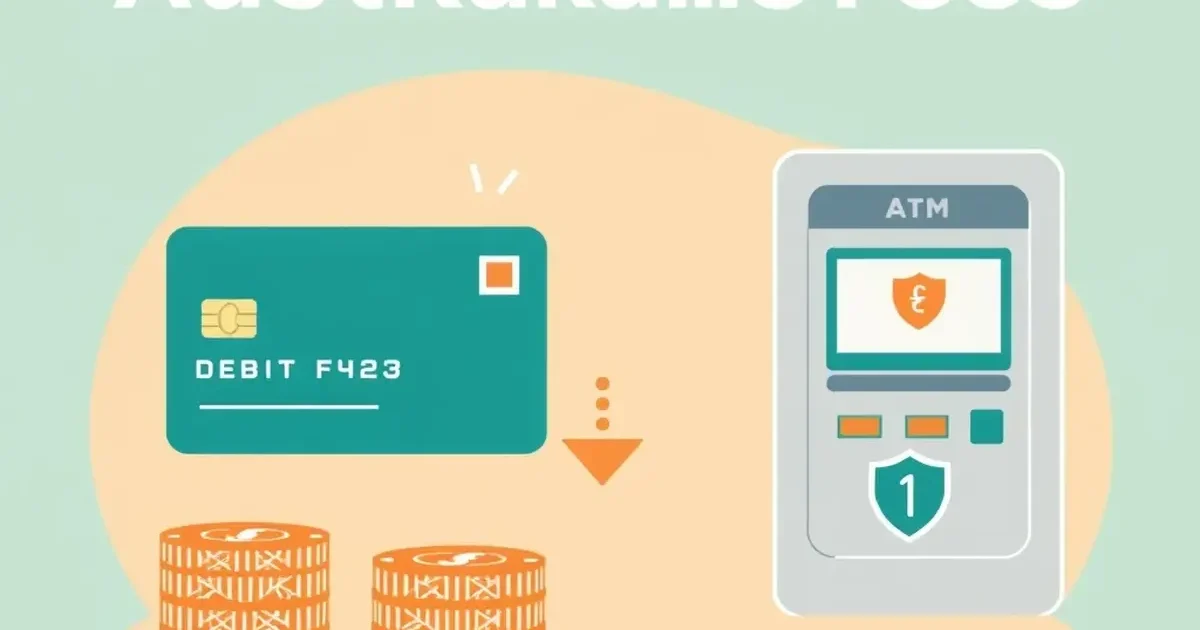
Australian bank fees can quietly drain hundreds of dollars a year, yet almost all of them are avoidable once you know how they work. Between monthly account-keeping fees, ATM charges, overdraw penalties and international transaction fees, the gap between the most and least expensive everyday accounts is real money. The good news: many banks now charge nothing for a basic transaction account, and a few simple habits eliminate the rest. This guide compares fees across ten banks that operate in Australia and shows exactly how to avoid every common charge.
You will find a full fee comparison table, charts of monthly and international fees, a breakdown of the seven most common bank fees, and a clear plan to pay as little as possible, ideally zero.
Fees and conditions change and vary by account; figures here are indicative for 2026. Always confirm current fees on the bank’s website before opening an account.
TL;DR: Bank Fees in Australia
You should not be paying ongoing bank fees in Australia. Most digital banks, Macquarie, ING, ubank, Up and HSBC, charge $0 monthly, $0 international transaction fees and no overseas ATM fees. Among the big four, NAB is the only one with no standard monthly fee, while CommBank, Westpac and ANZ charge around $4 to $5 a month, waived if you are under 30 or deposit about $2,000 a month. All four big banks let you use their own ATMs free; the cost comes from independent ATMs and going overseas. Pick a no-fee account and the rest is easy.
The Full Comparison: 10 Banks
Here is how everyday transaction accounts compare across ten banks operating in Australia, on the fees that matter most.
| Bank (account) | Monthly fee | Own-ATM (AU) | Int’l transaction | Overseas ATM (bank’s own fee) |
|---|---|---|---|---|
| CommBank (Smart Access) | $4 (waived*) | $0 | 3.5% | $5 + 3.5% |
| Westpac (Choice) | $5 (waived*) | $0 | 3% | ~$5 |
| ANZ (Access Advantage) | $5 (waived*) | $0 | 3% | ~$5 |
| NAB (Classic Banking) | $0 | $0 | $0 (NAB fee) | $0 NAB fee |
| Macquarie (Transaction) | $0 | $0 | $0 | $0 |
| ING (Orange Everyday) | $0 | $0 (rebated†) | 3% (rebated†) | $5 (rebated†) |
| ubank (Spend) | $0 | $0 | $0 | $0 ubank fee |
| Up | $0 | $0 | $0 | $0 Up fee |
| Bankwest (Easy Transaction) | $0 | $0 | ~3% | ~$5 |
| HSBC (Everyday Global) | $0 | $0 | $0 (multi-currency) | $0 HSBC fee |
*Big-bank monthly fees are typically waived if you are under 30 or deposit around $2,000 a month. †ING rebates domestic and overseas ATM fees and international transaction fees if you meet its monthly conditions (a set deposit plus a number of card purchases). Independent or non-network ATM operators may charge their own fee regardless of your bank.
Monthly Account Fees Compared
The clearest split is between the older big-bank accounts that still charge a monthly fee and the digital banks that charge nothing. Note that NAB has joined the no-fee camp among the big four.
International Transaction Fees Compared
If you shop online from overseas retailers or travel, the international transaction fee is where the big banks quietly cost you 3 to 3.5% on every foreign purchase. Several banks charge nothing at all.
Best accounts for travel and overseas shopping
The 7 Most Common Bank Fees
| Fee | Typical cost | When it hits |
|---|---|---|
| Monthly account-keeping | $0–$6 | Older big-bank accounts; often waivable |
| Non-network ATM withdrawal | ~$2.50–$3.50 | Using an independent or other-bank ATM |
| International transaction fee | ~3%–3.5% | Any purchase in or converted to foreign currency |
| Overseas ATM withdrawal | ~$5 + a % | Withdrawing cash abroad |
| Overdrawn / overdraw fee | ~$15 + interest | Spending more than your balance |
| Dishonour / failed payment | ~$5+ | A direct debit bounces for low funds |
| Paper statement / inactivity | ~$2–$5 | Optional extras and dormant accounts |
The truth about big-four ATM fees
How to Avoid Every Bank Fee
| Fee | How to avoid it |
|---|---|
| Monthly fee | Choose a $0 account, or meet the deposit/under-30 waiver |
| ATM fees | Use your bank’s or a major bank’s ATMs; get cash out at supermarket checkouts |
| International transaction fee | Use a card with no foreign transaction fee (Macquarie, ubank, Up, HSBC, NAB) |
| Overseas ATM fee | Use a fee-free travel account and withdraw larger amounts less often |
| Overdraw / dishonour | Keep a small buffer and turn off overdraw; set low-balance alerts |
| Inactivity / paper statements | Go paperless and keep accounts active |
If you are choosing an account, our guides to the best student bank accounts and setting up PayID will help, and remember you will need a Tax File Number to avoid extra tax on any interest.
Which Account Is Best for You?
| If you want… | Strong choices |
|---|---|
| No fees at all, all-round | Macquarie, ubank, Up |
| Best for travel & overseas spending | HSBC Everyday Global, Macquarie, ubank |
| A big-bank brand with no monthly fee | NAB Classic Banking |
| ATM-fee and overseas rebates | ING Orange Everyday (meet monthly criteria) |
| Biggest branch & ATM network | CommBank, Westpac, ANZ (use waivers) |
Frequently Asked Questions
Final Thoughts
In 2026 there is little reason to pay ongoing bank fees in Australia. Digital banks like Macquarie, ubank, Up and HSBC offer genuinely fee-free everyday banking, including overseas, and NAB has made no monthly fees standard among the big four. If you prefer a major bank for its branches and ATMs, simply meet the fee waiver. Match your account to how you live, especially if you travel or shop internationally, keep a small buffer to avoid overdraw and dishonour fees, and stick to your bank’s ATMs. Do that and your everyday banking can cost you nothing at all.
You May Also Like

Novated Lease vs Buying a Car in Australia (2026): Which Is Cheaper?

HECS-HELP Repayment Calculator 2026-27: Thresholds, Rates & How Much You Pay