Non-Surgical Rhinoplasty in Australia: Cost, How Long It Lasts and the Real Risks

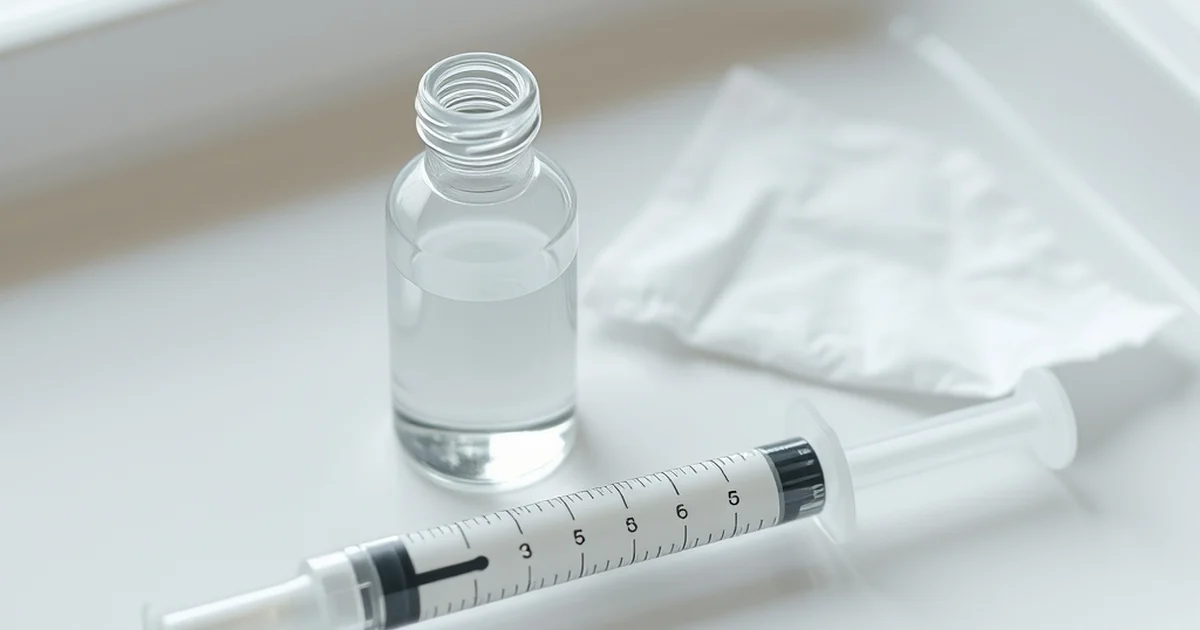
You have seen the before-and-after photos on Instagram: a smoother nose bridge, a lifted tip, no surgery, no downtime, done in a lunch break. Non-surgical rhinoplasty is real and, done properly by a registered practitioner, reasonably safe. It is also widely oversold. It cannot make your nose smaller. It cannot fix a breathing problem. And the single riskiest part of it, a rare but genuine complication involving the blood vessels connecting your nose to your eye, is something most clinic marketing pages will not mention at all.
Non-surgical rhinoplasty is a dermal filler injection, almost always hyaluronic acid, used to smooth bumps, camouflage asymmetry or lift the tip of the nose without any cutting or anaesthesia beyond a numbing cream. In Australia it typically costs $600 to $1,800 per session, lasts roughly 6 to 18 months depending on the filler used, and can only be legally prescribed by a registered medical practitioner, dentist or nurse practitioner under Medical Board of Australia rules. It cannot reduce the size of your nose, and it carries a rare but well-documented vascular risk that this guide explains honestly, alongside the real costs, regulations and questions worth asking before you book. For how filler behaves in other facial areas, see our full dermal fillers guide.
This is general information, not medical advice
What is non-surgical rhinoplasty?
Non-surgical rhinoplasty, also called liquid rhinoplasty or a “nose job without surgery,” is the injection of dermal filler, usually hyaluronic acid, into specific points of the nose to change its visual shape. The same substance, hyaluronic acid, is also the most common filler used for lip filler, with a different risk profile since the two sites have different anatomy. Nothing is cut. No bone or cartilage is touched. The filler sits in the deep tissue layer of the nose and adds volume in precise places to smooth out irregularities or create the illusion of a straighter, more refined profile.
The single most important thing to understand before considering it: filler can only add volume, it cannot remove it. A peer-reviewed clinical reference on the procedure is direct about this: “nasal reduction cannot be achieved with fillers,” though techniques like building up the bridge or refining the tip “can create the illusion of a slimmer or more refined nose.” Cleveland Clinic, an academic medical centre, puts it just as plainly: “with nonsurgical rhinoplasty, your nose can’t be made smaller.” If your goal is a smaller or narrower nose, filler is the wrong tool, and any practitioner who tells you otherwise is either mistaken or not being straight with you.
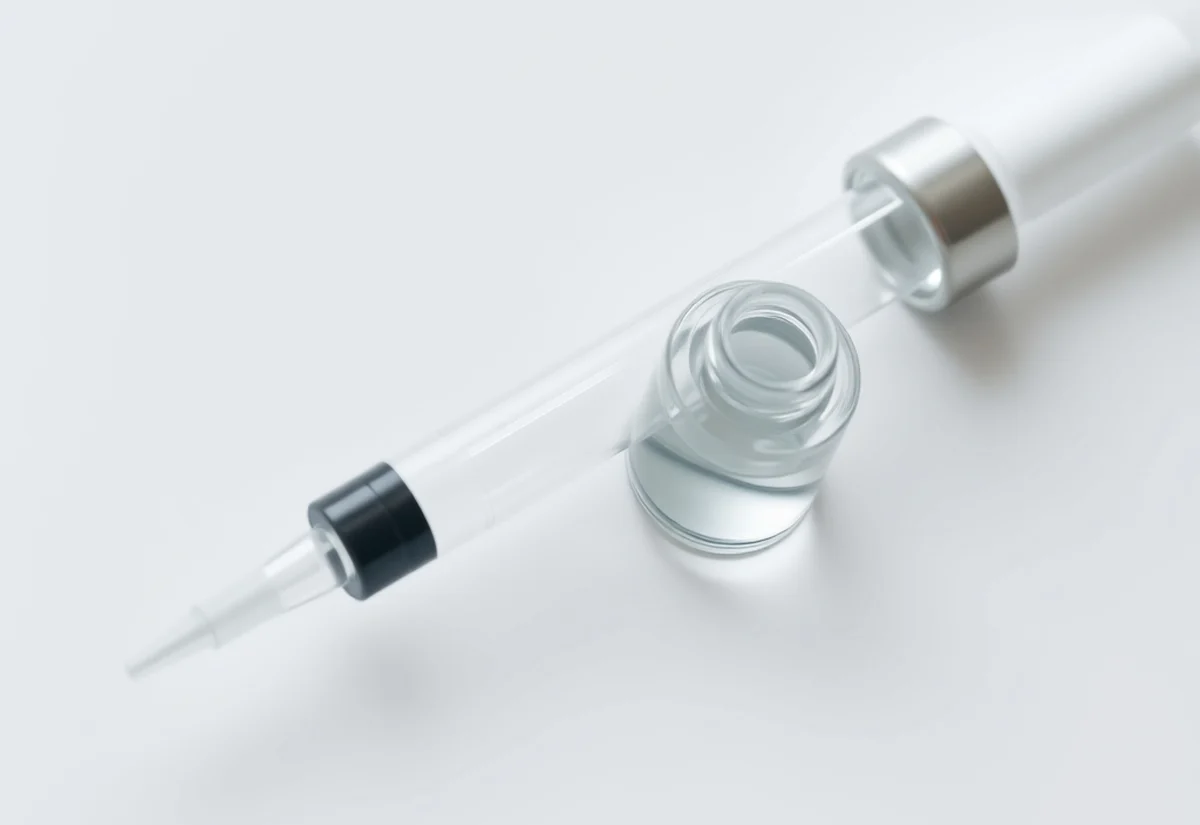
What it does well is camouflage. A small bump on the bridge can be visually smoothed by adding filler above and below it, so the profile reads as straighter even though the bump is still physically there. A slightly drooping tip can be lifted. Mild asymmetry between the two sides of the nose can be evened out. These are genuinely achievable, well-documented uses of the technique, and they are very different from what surgical rhinoplasty can do.
What it can and cannot actually fix
A clinical reference for practitioners lists the specific problems non-surgical rhinoplasty is genuinely suited to, and the wording is worth knowing before your consultation so you can tell a realistic treatment plan from an oversold one.
Good candidate versus not a good candidate
What filler is genuinely good for
- A small to moderate dorsal hump you want visually smoothed
- Mild dorsal concavity or a low, deep radix (the area between the eyes)
- Minor asymmetry or a slightly crooked appearance along the bridge
- A tip that lacks projection, needs subtle refinement, or slight rotation
- Small irregularities left over after a previous surgical rhinoplasty
- Minor irregularities along the nostril rim
What actually needs surgery instead
- A pronounced or large dorsal hump
- Significant deviation or a visibly crooked nose
- A nose you want made smaller or narrower, filler only adds volume
- Breathing or functional problems from a deviated septum, this needs surgery
- Substantial irregularities in tip shape or contour
- A recent history of body dysmorphic disorder symptoms, screening for this is a required part of a proper consultation
That last point in the “not a good candidate” column is not a throwaway line. Body dysmorphic disorder (BDD), a condition where a person becomes preoccupied with a perceived flaw that is minor or not visible to others, is unusually common among people seeking nose procedures specifically. A frequently cited clinical study found BDD symptoms present in up to 43% of patients presenting for a cosmetic rhinoplasty consultation. A responsible practitioner will screen for this before treating you, and may decline to treat or refer you to a psychologist first if signs are present, not to gatekeep, but because patients with underlying BDD are consistently less satisfied with cosmetic results regardless of how technically good the outcome is.
Who is legally allowed to perform it in Australia
This is the section most clinic websites skip, and it matters more than almost anything else on this page. Dermal filler is a prescription-only, Schedule 4 procedure in Australia. That means the person treating you is operating inside a specific legal framework, or they are breaking the law.
- Only a registered medical practitioner, dentist or nurse practitioner can prescribe it. A registered nurse or enrolled nurse can administer the injection, but only under a valid prescription from one of those authorised prescribers, they cannot prescribe it themselves.
- Beauty therapists and other non-medically-registered people cannot legally inject it anywhere in Australia. AHPRA is explicit: it is illegal to call yourself a medical doctor, dentist, nurse practitioner, registered nurse or enrolled nurse if you are not registered, and administering a Schedule 4 substance without the right registration is a poisons-law offence in every state and territory.
- A real-time consultation, in person or by video, is required every single time filler is prescribed. Under current Medical Board of Australia and AHPRA guidance, bulk or batch prescribing is not acceptable, and prescribing based on a text message, email or online questionnaire alone is not legitimate practice.
- The practitioner must screen you for body dysmorphic disorder and take reasonable steps to make sure you actually understand the treatment, the filler type and quantity being used, and the possibility that hyaluronidase may be needed later to dissolve it, before you consent.
- Filler should not be prescribed to anyone under 18 for cosmetic purposes, under the Medical Board’s own position.
Fillers versus Botox: different regulatory categories
In practice, this means a legitimate first appointment should feel like a medical consultation, not a sales pitch: a real conversation about your anatomy, your goals, your medical history, and a clear explanation of what can realistically be achieved, from someone who can prove their AHPRA registration if you ask. If you are studying nursing yourself, our guide to AHPRA registration for nursing graduates covers how that registration process works from the practitioner’s side.
How much does non-surgical rhinoplasty cost in Australia?
There is no government price data for cosmetic procedures like this, so every figure below comes from surveying current pricing published by Australian clinics rather than an official source, and prices vary a genuine amount between a nurse-administered budget clinic and a specialist-led practice. The same applies to other cosmetic and dental procedures in Australia, our dental implant cost guide breaks down pricing the same way.

| Treatment | Typical Australian price range |
|---|---|
| Non-surgical rhinoplasty, per session (typically 0.5 to 1mL of filler) | $600 to $1,800 |
| Budget or nurse-led clinics | $600 to $900 |
| Doctor-led or specialist cosmetic clinics | $1,100 to $1,800 |
| Follow-up top-up session | Usually cheaper than the first session, ask your clinic directly |
| Surgical rhinoplasty, for comparison (one-off, permanent) | $10,990 to $45,000+ |
Because the results are temporary, the honest comparison is not the sticker price of one session against surgery, it is the cost over several years. One session of filler every 12 to 18 months, at say $1,000, works out to roughly $700 to $1,000 a year indefinitely. A single surgical rhinoplasty is a much larger upfront cost but is permanent. Neither is objectively “cheaper,” it depends on your time horizon and how certain you are about wanting a permanent change.
Advertising restrictions mean some prices are hard to find online
Cost estimator
This tool applies the typical Australian price ranges above to your specific situation. It is a starting point for a conversation with a practitioner, not a quote, since your actual price depends on your anatomy, the filler product used, and the clinic.
Select your options above
Whatever the calculator shows, treat it as a planning range. Get an actual quote at a real consultation, where the practitioner can see your specific anatomy and tell you how much filler your case genuinely needs.
How long does non-surgical rhinoplasty last?
The honest answer is a range, because two reputable clinical sources genuinely do not agree on a single number. A peer-reviewed clinical reference states that hyaluronic acid fillers, the most commonly used type, typically last 6 to 12 months, while calcium hydroxyapatite fillers can last 12 to 18 months, sometimes longer as they stimulate some collagen production. Cleveland Clinic, by contrast, gives a more conservative estimate of results lasting “up to six months” for most patients.
The practical takeaway: budget for a touch-up somewhere between 6 and 18 months after your first session, with the exact timing depending on which filler your practitioner used, how quickly your body metabolises it, and how much was injected. Ask your practitioner directly which product they are using and what its typical duration is, since this varies by brand as well as by type. If you are new to the Australian healthcare system, our guide to seeing a doctor in Australia covers costs and bulk billing more broadly.
Non-surgical versus surgical rhinoplasty compared
These are genuinely different procedures solving overlapping but not identical problems. The table below lays out how they compare across the factors that matter most when deciding between them. If you are weighing up other cosmetic or dental costs at the same time, see our braces cost guide for a similar price breakdown.
Non-surgical versus surgical rhinoplasty
| Feature | Non-Surgical (Filler) | Surgical Rhinoplasty |
|---|---|---|
| Anaesthesia | Numbing cream only | General, or local with sedation |
| Procedure time | Around 45 minutes | 1 to 3 hours |
| Downtime recovery | Typically none, some bruising or swelling for a few days | 1 to 2 weeks off work, months for final swelling to resolve |
| Permanence | Temporary, 6 to 18 months | Permanent |
| Typical Australian cost | $600 to $1,800 per session | $10,990 to $45,000+ |
| Can reduce nose size | No, adds volume only | Yes |
| Can fix breathing problems | No | Yes, when combined with functional surgery |
| Reversible | HA filler yes with hyaluronidase, CaHA filler generally no | No |
Neither option is universally “better.” Non-surgical rhinoplasty suits someone who wants to trial a subtle change, cannot take time off for recovery, or has a minor irregularity to camouflage. Surgical rhinoplasty is the only option if you want your nose made smaller, need a functional breathing problem corrected, or want a permanent result and are comfortable with a longer recovery and a much larger cost.
What actually happens during the procedure
A properly run appointment follows a fairly consistent structure, described in clinical references and reputable clinic protocols alike.
- Consultation and assessment. The practitioner examines your nasal anatomy, discusses your goals, checks your medical history, and screens for body dysmorphic disorder. This should happen before any product is opened, not rushed through on the day.
- Marking and photography. Treatment points are marked on the skin, and before photos are taken for the clinical record and for comparison afterward.
- Numbing. A topical anaesthetic cream is applied and left to take effect, sometimes combined with a local nerve block for comfort. General anaesthesia is not used.
- Injection. Using a needle or a blunt-tipped cannula, small amounts of filler are placed at specific points, typically the radix, dorsum or tip, with the practitioner checking and massaging the area between injections to assess symmetry.
- Review and photos. After photos are taken and the practitioner checks blood flow to the tip of the nose (capillary refill) before you leave, an important safety check given the vascular risks covered in the next section.
The whole appointment typically runs around 45 minutes according to Cleveland Clinic, and most patients return to normal activities the same day, though a peer-reviewed clinical reference recommends avoiding strenuous exercise for 2 to 3 days afterward to reduce swelling and bruising risk.
Risks and safety: what clinic marketing pages often leave out
Most of the risks of non-surgical rhinoplasty are the same as any filler injection: bruising, swelling, tenderness, and temporary redness at the injection points. Those are common, minor and expected. The nose, however, carries one risk that is specific to this area of the face and genuinely more serious than a typical lip or cheek filler appointment, and it deserves a straight explanation.

The vascular risk, explained honestly
The nose sits in a location with a direct blood vessel connection to the eye. A clinical reference describes the anatomy plainly: the dorsal nasal artery and angular artery in the nose connect to the ophthalmic artery, which supplies blood to the eye and, further back, to the brain. If filler is accidentally injected into a blood vessel rather than the surrounding tissue, or if enough filler is placed that it compresses a vessel from outside, it can block blood flow. Depending on where that blockage travels, the result can range from localised skin damage (tissue necrosis, where skin dies from lack of blood supply) to, in rare and serious cases, vision loss.
This is a genuine, well-documented risk in the medical literature on nasal filler specifically, and it is the core reason non-surgical rhinoplasty is treated as a higher-skill procedure than filler placed elsewhere on the face, and why it should only be performed by someone with proper training in facial vascular anatomy.
On the numbers you may see quoted for this risk
Why it is usually reversible, but not always
This is the genuine safety advantage hyaluronic acid (HA) filler has over surgery: it can be dissolved. An enzyme called hyaluronidase breaks HA filler down within the tissue, and a practitioner experienced in nasal filler should have it on hand and know how to use it quickly if a vascular complication is suspected. Time matters enormously here, the evidence indicates outcomes are better the sooner hyaluronidase is administered after a suspected vascular event.
Calcium hydroxyapatite (CaHA) filler, the other type sometimes used for this procedure, is a different story: it is not reliably reversible with hyaluronidase. If you are choosing between filler types, this reversibility difference is worth asking your practitioner about directly, particularly for a first treatment while you are still confirming you like the result.
Who is at higher risk
A peer-reviewed source specifically flags prior nasal surgery, including a previous surgical rhinoplasty, as a factor that increases the risk of vascular complications from subsequent filler treatment. The reasoning is straightforward: surgery can alter or scar the normal vascular anatomy of the nose, making the blood supply less predictable for an injector to navigate. If you have had nasal surgery before, tell your injector before your first filler appointment, and expect a more cautious, possibly more conservative, treatment plan as a result.
How to reduce your risk
- Confirm your practitioner is AHPRA-registered and ask specifically about their experience injecting the nose, not just filler in general, since it is a distinct skill from lip or cheek filler.
- Ask whether hyaluronidase is kept on site and whether the practitioner is trained to recognise and respond to a vascular event immediately.
- Disclose your full medical history, including any previous nasal surgery, trauma or filler treatments.
- Understand that sudden, severe pain, unusual blanching (whitening) of the skin, or a dusky or mottled skin colour change during or shortly after injection are emergency warning signs, not normal side effects, and need immediate attention.
- Be genuinely wary of very low prices for nasal filler specifically. This is a higher-skill, higher-risk injection site than most others on the face, and price alone should never be the deciding factor.
Recovery and aftercare
One of the genuine appeals of this procedure is how little recovery it usually involves compared with surgery. Most people are back to normal activities the same day. That said, a few aftercare points matter for both comfort and safety.
- Expect some swelling and bruising for the first few days, this is normal and settles on its own. Ice, applied gently and not directly on the skin, can help in the first 24 hours.
- Avoid touching, pressing or massaging the treated area unless your practitioner has specifically told you to, since this can shift freshly placed filler before it settles.
- Avoid strenuous exercise for 2 to 3 days, in line with clinical guidance, since raising your heart rate and blood pressure can increase swelling and bruising risk.
- Avoid wearing glasses that rest on the bridge of your nose for a couple of weeks where possible, or use tape to keep them from pressing on the treated area, since sustained pressure can distort the result while it settles.
- Skip saunas, hot yoga, sunbathing and alcohol for the first day or two, all of which can worsen swelling.
- Know the emergency signs. Sudden severe pain, skin that turns white or a dusky blue-grey colour, or vision changes are not normal post-treatment symptoms. Contact your practitioner immediately, or present to an emergency department, if these occur.
Final results are usually visible almost immediately, since filler is not like surgery with months of swelling to resolve, though any initial post-injection puffiness should be allowed to settle for around a week or two before you judge the true final shape.
Is non-surgical rhinoplasty right for you?
Use this checklist as an honest starting point before you book a consultation.
- You want to smooth a small bump, lift the tip, or correct minor asymmetry, not reduce the overall size of your nose.
- You do not have a breathing or functional nasal problem that needs correcting, since filler cannot address this.
- You are comfortable with a temporary result that will need repeat sessions roughly every 6 to 18 months to maintain.
- You have no history of body dysmorphic disorder symptoms, or you have discussed this openly with a practitioner who has screened you.
- You are prepared to book with an AHPRA-registered medical practitioner, dentist or nurse practitioner, not a beauty therapist or unregistered injector.
- You understand and accept the vascular risk described above, and you have confirmed your practitioner is trained to recognise and treat it immediately if it occurs.
- You have budgeted for the real cost over time, not just a single session, if you intend to maintain the result long term.
If you are unsure on any of these points, that uncertainty is a legitimate reason to have a proper consultation before committing, not a reason to skip straight to booking based on a social media ad.
Questions worth asking before you book
A confident, properly trained practitioner will answer these directly and without hesitation. Vague or evasive answers to any of these are a reason to look elsewhere.
- Are you AHPRA-registered, and can I see your registration details?
- How many nasal filler treatments have you personally performed, specifically the nose, not filler in general?
- Do you keep hyaluronidase on site, and are you trained to use it in an emergency?
- What filler product are you using, and is it HA or CaHA, and reversible or not?
- What is the total cost including any follow-up or touch-up appointment, not just the first session?
- How will you screen me for suitability, including body dysmorphic disorder?
- What happens if I experience sudden pain or skin colour change after I leave, who do I contact?
- Can I see before-and-after photos of your own previous nasal filler patients specifically?
Non-surgical rhinoplasty can genuinely deliver a subtle, temporary improvement for the right candidate and the right practitioner. It is not a smaller nose in a syringe, it is not risk-free, and it is not something a beauty therapist can legally offer you in Australia. Go in with realistic expectations, ask the direct questions above, and choose your practitioner on training and safety record, not on whoever has the cheapest price or the flashiest before-and-after reel.
Frequently asked questions
You May Also Like
Tear Trough Filler (Under-Eye Filler) in Australia: Cost, Risks and Results

Masseter Botox (Jaw Botox) in Australia: Cost, Dosage and Does It Work?