Staying Fit in Australia on a Budget (2026): Gyms, parkrun & Free Options

You do not need a gym membership to stay fit in Australia. parkrun runs a free, timed 5km every Saturday morning at 522 locations nationwide — walk it, jog it, push a pram, bring the dog. Councils install free outdoor gyms in parks and along beaches. And most universities run free social sport for enrolled students. If you do want a gym, budget chains start around $14.95 a week and campus gyms from about $12. This guide covers every option from free to premium, plus where to buy cheap equipment.
Prices are indicative for 2026 and vary by location — most gym chains are franchises, so the club down the road may charge differently. Always ask about joining fees and contract terms before signing.
Start with what's free
Australia is unusually good at free outdoor fitness. Before you pay for anything, use this:
parkrun — the best free thing going
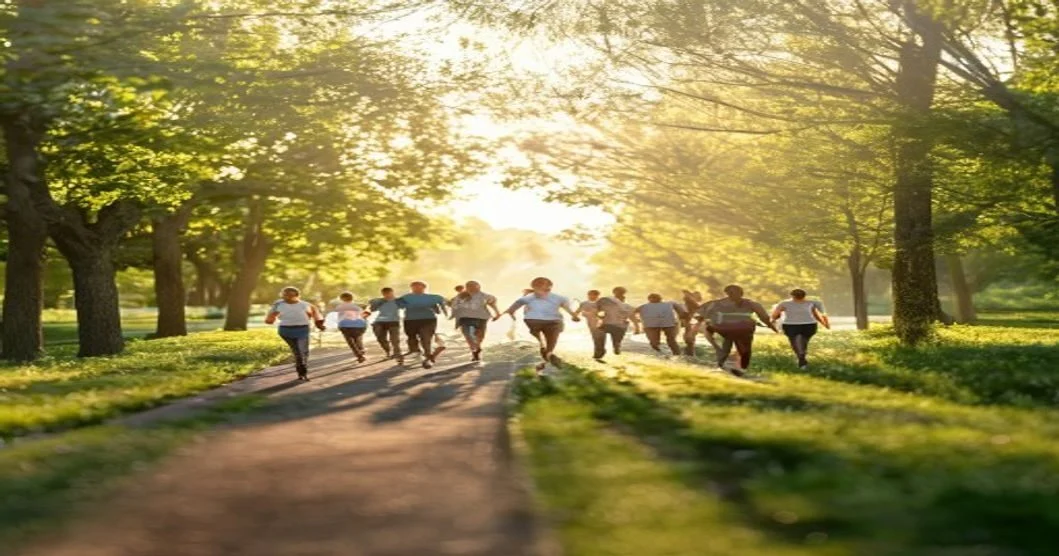
A free, timed 5km every Saturday morning, organised entirely by volunteers, at over 522 locations across Australia. There’s no entry fee, no minimum pace and no time limit — you can walk the whole thing, and the last finisher gets as much support as the first.
How it works: register once, free, at parkrun.com.au, print your barcode (or save it to your phone), and turn up. That single barcode works at every parkrun in the world, forever. Courses are traffic-free, in parks and open spaces. Start times vary slightly by area, so check your local event page.
Walking and cycling are the other free option, and the cheapest way to get around. Our guide to walking and cycling in Australian cities covers the helmet and footpath rules state by state, the best beginner-friendly routes in every capital, and where to get a cheap bike.
For a new arrival it’s worth more than the exercise. It’s a free, low-pressure way to meet people every single week, and the volunteering side is one of the easiest ways into a local community. If you do one thing from this article, do this.
Other genuinely free options
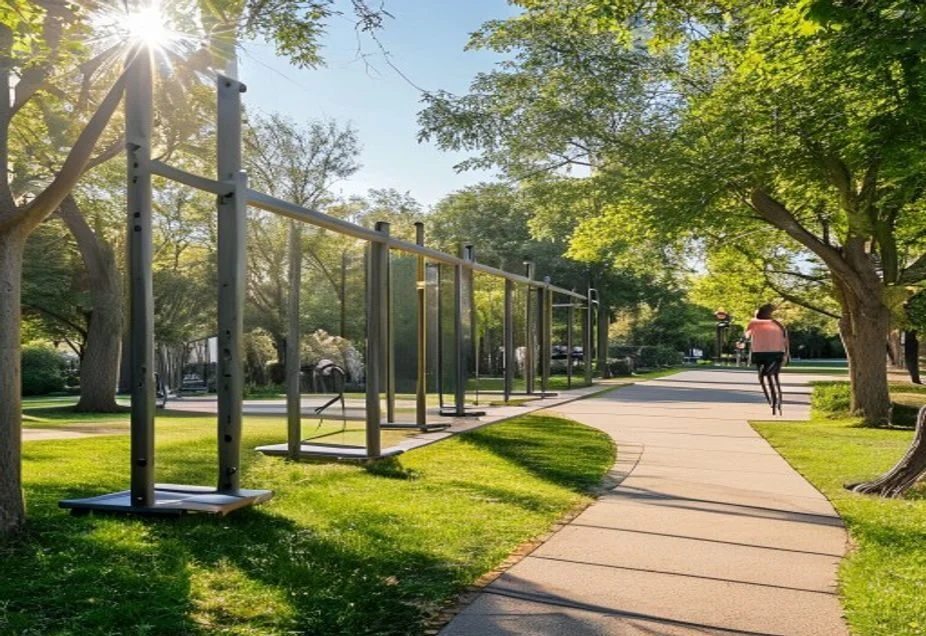
- Outdoor gyms. Councils install free exercise equipment in parks and along foreshores — pull-up bars, benches, cross-trainers, sometimes full calisthenics rigs. Search your council’s website for “outdoor fitness” or just walk the local park.
- Beaches and coastal paths. Swimming between the flags is free, and city coastal walks are some of the best in the world.
- Running and walking. No cost beyond shoes. Australian cities are well supplied with parks and river paths.
- Public BBQ and picnic areas for social sport — frisbee, football, cricket. Free BBQs are everywhere.
- Hiking. National park entry is free or low-cost in most states, and every capital has bushwalks within an hour.
- YouTube workouts at home. Zero equipment, zero cost, and fine for strength and mobility if you’re consistent.
- Cycling and walking to campus — the fitness is free and it replaces a transport cost.
What your university already gives you
This is the most commonly wasted resource on campus. Your Student Services and Amenities Fee already funds sport and recreation, so check what you’ve paid for before joining anything commercial.
- Free social sport. Many universities run free casual competitions during semester — Curtin, for example, offers free social sport games plus free weekday court hire and free equipment hire for students during teaching weeks, and the University of Tasmania runs free social sport for all skill levels.
- Sport and recreation clubs. Many are free to join; others charge a small fee to cover equipment and events. There’ll be everything from basketball and football to climbing, martial arts, dance and hiking.
- The campus gym. Usually the cheapest staffed gym you’ll find, and it’s a two-minute walk from class. ANU Sport starts from about $12 a week; University of Melbourne Sport is around $31.70 a fortnight on direct debit (roughly $760 a year), with single visits at $9.70 and pool entry at $4.50.
- Pools, courts and fields that are often free or heavily discounted for students.
- Free fitness classes and come-and-try days, especially in Orientation Week.
Casual entry is worth knowing about too: at around $9–$10 a visit, if you’ll realistically go once a week, casual visits beat a $16/week membership. Be honest about your actual frequency — gyms make their money from people who join in February and stop in March.
Council leisure centres
Australia’s local councils run public aquatic and leisure centres, and they’re consistently better value than commercial gyms. Typical pricing: a casual swim around $7.50, or roughly $3.50 a day as a member, with gym access usually a small extra. Many centres apply around a 15% concession discount on memberships when you show a valid student ID — always ask, it’s rarely advertised.
You typically get a pool, a gym, group classes and courts in one place, without a lock-in contract. Search your council’s name plus “leisure centre” or “aquatic centre”.
Commercial gyms: what they actually cost
| Gym | Typical weekly | Notes |
|---|---|---|
| Snap Fitness | ~$14.95 (range $12–$18) | 24/7 access; day passes around $20 |
| Plus Fitness 24/7 | From ~$14.95 | 24/7, typically no lock-in contract |
| Jetts | From ~$14.95 (often ~$16.95) | 24/7, no lock-in contract |
| Anytime Fitness | ~$16.98 | 24/7; membership works at other clubs worldwide |
| Council leisure centre | Varies — often the cheapest | Pool + gym + classes; student concession commonly available |
| University gym | From ~$12 | Cheapest staffed option; on campus |
| Premium chains & boutique | $25–$70+ | Fitness First, Goodlife, F45 and similar; classes included but expensive |
Before you sign anything
- Ask about the joining fee and any access-card or admin fee. The advertised weekly rate often excludes them.
- Check the contract length. Prefer no lock-in. A 12-month contract you can’t exit is a real risk when your visa or address might change.
- Ask exactly how to cancel, and how much notice is required. Get it in writing. Difficulty cancelling is the single most common complaint about Australian gyms.
- Ask for a student rate — many offer one without advertising it.
- Take the free trial. Almost every gym offers a few free days or a cheap week. Use it at the time of day you’d actually train, so you see how busy it gets.
- Check it’s close. A cheap gym 25 minutes away gets used twice. Proximity beats price and equipment every time.
- Watch for annual fees hidden in the fine print of low weekly rates.
Under Australian Consumer Law you have rights around unfair contract terms and misleading conduct. If a gym refuses a legitimate cancellation, your state’s consumer affairs or fair trading body handles complaints.
Training at home: what to buy and where
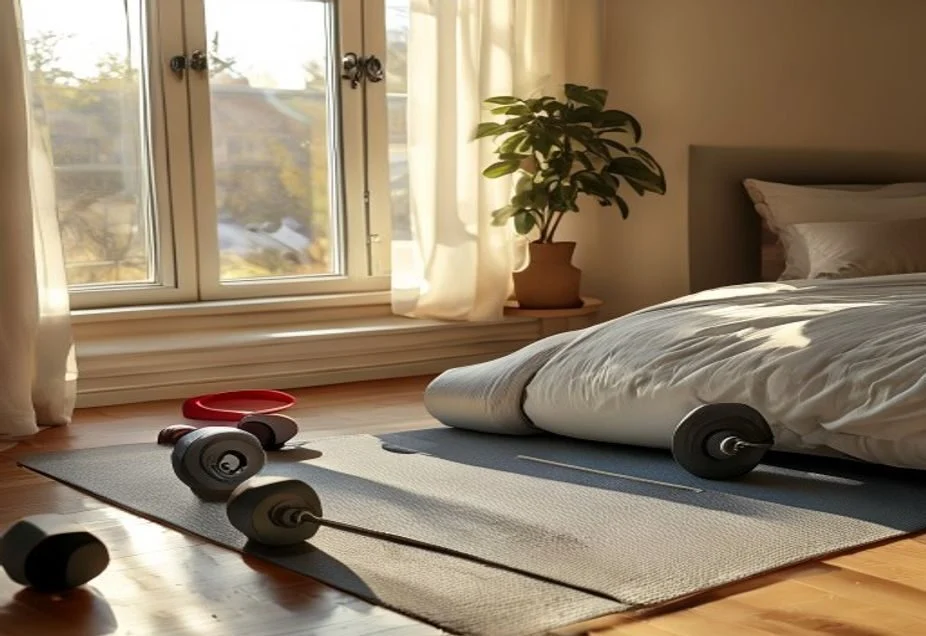
A small amount of equipment covers most strength training. Buy gradually, and buy second-hand where you can — weights are heavy, so people sell them cheap rather than move them.
| Item | Roughly | Best place to buy |
|---|---|---|
| Resistance bands set | $15–$30 | Kmart, Big W, Decathlon |
| Yoga / exercise mat | $15–$30 | Kmart, Big W |
| Skipping rope | $5–$15 | Kmart, Reject Shop |
| Adjustable dumbbells | $40–$120 | Facebook Marketplace, Decathlon, Rebel |
| Kettlebell | $25–$70 | Marketplace, Anaconda, Decathlon |
| Pull-up bar (doorway) | $25–$50 | Kmart, Rebel, Amazon |
| Running shoes | $80–$180 | Rebel, The Athlete’s Foot, outlet stores — buy these properly fitted |
| Second-hand bike | $100–$350 | Marketplace, Gumtree, bike co-ops |
The one thing worth spending properly on is running shoes. Get fitted at a specialist store rather than buying the cheapest pair — poor shoes cause injuries that cost far more than the saving. More on where to shop in our budget shopping guide.
Staying safe while exercising in Australia
- The sun is genuinely stronger here. Australia has one of the highest skin cancer rates in the world. Wear sunscreen, a hat and sunglasses, even on cool or cloudy days, and avoid the middle of the day in summer.
- Heat. Exercise early morning or evening in summer, carry water, and stop if you feel dizzy or stop sweating. Heat exhaustion is common in new arrivals not used to the climate.
- Swim between the red and yellow flags at patrolled beaches, never alone, and never after drinking. Rips are the main danger — if caught in one, don’t swim against it; float, raise an arm and signal for help.
- Cycling: a helmet is compulsory by law in every state and territory, and you’ll be fined without one. Use lights after dark.
- Build up gradually if you’re new to exercise, and speak to a GP first if you have any health condition — see our guide to seeing a doctor.
A $0 weekly routine
If money is tight, this costs nothing and covers cardio, strength and social contact:
- Saturday morning: parkrun 5km — cardio plus meeting people.
- Two weekdays: a bodyweight session at home or at a free outdoor gym (push-ups, squats, lunges, planks, pull-ups).
- One weekday: free social sport through your university.
- Daily: walk or cycle to campus instead of taking transport — free fitness that also saves fares.
- Weekend: a bushwalk or a beach swim.
Exercise is also one of the more reliable things you can do for your mental health, which matters when you’re studying far from home. If you’re struggling, your university counselling service is free and confidential — more in our health guide. And if you’re planning your overall spending, our full student budget breakdown shows where fitness fits.
The bottom line
Check what your university already provides before paying anyone — free social sport, cheap campus gyms from around $12 a week, and free court and equipment hire are common. Register for parkrun: it’s free, it runs every Saturday at 522 locations, and it’s as much a social entry point as a workout. Council leisure centres beat commercial gyms on value and usually offer a student concession. If you do join a chain, expect around $15–$17 a week, insist on no lock-in, confirm the cancellation process in writing, and pick the closest one. Buy basics at Kmart, weights on Marketplace, and spend properly only on running shoes.
You May Also Like

Moving to Australia: The Complete Checklist and Guide (2026)

NT Public Holidays 2026: Full Calendar, Dates and How Darwin and Alice Springs Celebrate