Thomastown Melbourne: Complete Suburb Guide 2026

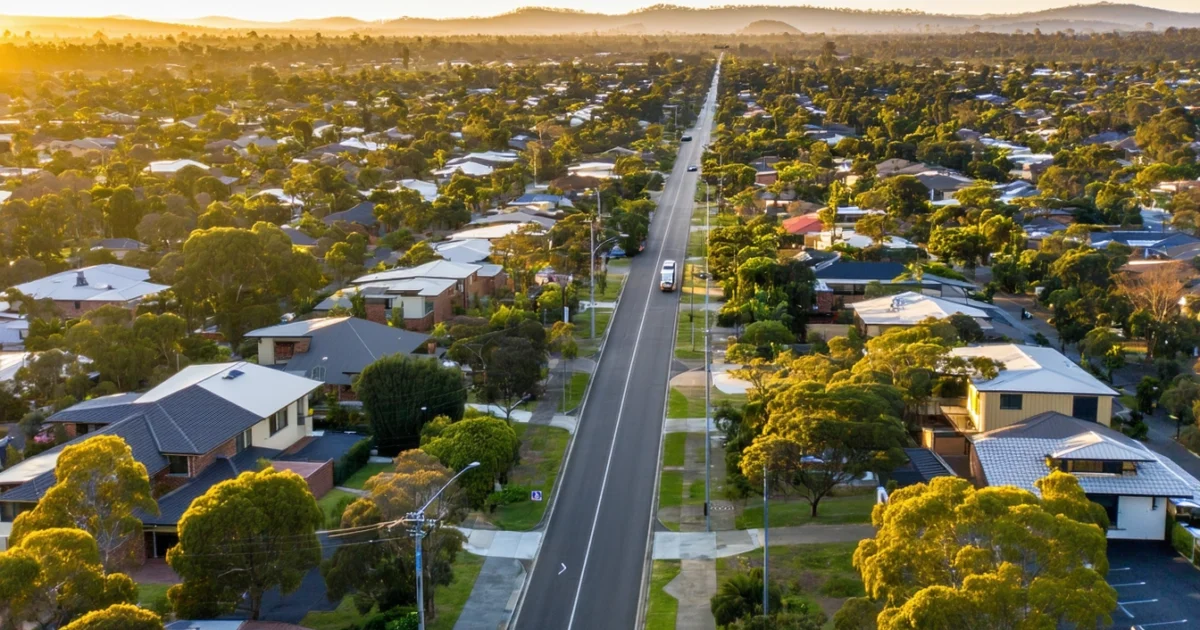
Thomastown is a diverse suburb located in Melbourne‘s northern region, approximately 20 kilometres from the CBD in postcode 3074. Situated within the Whittlesea City Council boundaries, this established residential area offers affordable housing options, excellent public transport connections via the Epping train line, and a multicultural community atmosphere.
Originally developed in the 1960s, Thomastown has evolved into a family-friendly suburb bordered by Lalor, Bundoora, and Reservoir. The area features a mix of housing types including weatherboard homes, brick veneer houses, and modern townhouses, making it attractive to first-home buyers and investors alike.
Furthermore, residents enjoy access to quality schools, shopping centres, parks, and recreational facilities. The suburb’s strategic location provides easy access to major employment centres while maintaining a strong sense of community through various cultural events and local amenities.
TL;DR
- Location: Northern Melbourne suburb, 20km from CBD in postcode 3074 under Whittlesea City Council
- Transport: Excellent connectivity via Epping train line and major bus routes to Melbourne CBD
- Housing: Affordable property market with median house prices below Melbourne average, diverse housing stock
- Community: Multicultural population with strong family focus, quality schools and recreational facilities
- Amenities: Shopping centres, parks, medical facilities, and community centres serving local residents
Thomastown Overview: Location and Basic Information
Thomastown occupies a strategic position in Melbourne’s northern suburbs, specifically located 20 kilometres northeast of the Melbourne CBD. This well-established residential area sits within postcode 3074 and falls under the administrative jurisdiction of Whittlesea City Council. Consequently, residents benefit from comprehensive local government services and community planning initiatives.
The suburb’s geographic boundaries encompass approximately 8.6 square kilometres of diverse residential and commercial zones. Moreover, Thomastown’s elevation ranges from 60 to 120 metres above sea level, providing varied topographical features throughout the area. This positioning creates natural drainage patterns that have influenced the suburb’s development over decades.
Neighbouring suburbs create a well-connected residential network around Thomastown. Lalor borders the area to the west, while Bundoora extends along the southern boundary. Additionally, Reservoir sits to the southwest, with Epping and Mill Park completing the suburban ring to the north and east respectively.
Transport connectivity defines Thomastown’s accessibility to Melbourne’s broader metropolitan area. The Epping railway line provides direct train services to the city, with journey times averaging 35-40 minutes to Melbourne Central Station. Furthermore, major arterial roads including High Street and Dalton Road facilitate efficient vehicle access to surrounding employment centres and commercial districts.
Historical development of Thomastown began in earnest during the 1960s housing boom when the Victorian government designated the area for suburban expansion. Initially, the region served as agricultural land before systematic residential subdivision transformed it into a planned community. Subsequently, the establishment of the railway line in 1964 accelerated population growth and commercial development throughout the suburb.
The suburb’s name honours John Thomas, an early European settler who established farming operations in the area during the 1850s. Over time, Thomas’s property became a focal point for community development, eventually lending its name to the emerging township. This historical connection reflects the area’s agricultural heritage and transition to modern suburban living.
Demographics and Community Profile
Thomastown houses approximately 18,500 residents across its 7.2 square kilometre area, making it one of Melbourne’s more densely populated outer suburbs. The community has experienced steady population growth of 2.1% annually over the past five years, reflecting ongoing urban development and housing demand. Moreover, demographic projections indicate continued expansion through 2030, with new residential developments contributing to this upward trend.
Age distribution reveals a relatively young community profile, with 32% of residents aged under 25 years. Additionally, the median age sits at 34 years, significantly below Melbourne’s metropolitan average of 37 years. Families with children represent the dominant household composition, accounting for 45% of all dwellings, while single-person households comprise 22% of the residential mix.
Cultural diversity defines Thomastown’s demographic landscape, with 68% of residents born overseas representing one of Australia’s most multicultural communities. The largest ethnic groups include Lebanese-Australian families at 15% of the population, followed by Vietnamese-Australians at 12% and Turkish-Australians at 9%. Furthermore, over 45 different languages are spoken at home, creating a vibrant multilingual environment throughout the suburb.
Income levels reflect the suburb’s working-class character, with median household earnings of $62,400 annually. This figure sits approximately 18% below Melbourne’s metropolitan median, indicating affordability pressures for many residents. However, recent gentrification trends have begun influencing property values and rental costs, particularly in areas closer to transport infrastructure.
Employment patterns show strong representation in manufacturing, retail, and healthcare sectors. Manufacturing jobs employ 22% of working residents, reflecting the suburb’s proximity to industrial zones in nearby Lalor and Epping. Additionally, retail trade accounts for 16% of local employment, while healthcare and social assistance sectors provide opportunities for 14% of the workforce.
Educational attainment levels indicate room for improvement, with 38% of adults holding post-secondary qualifications. Nevertheless, younger demographics demonstrate higher completion rates for tertiary education, suggesting positive intergenerational mobility trends. Trade qualifications remain popular among residents, aligning with the suburb’s industrial employment base and practical skill requirements.
Housing affordability attracts many first-time buyers and young families to Thomastown’s residential market. Home ownership rates reach 65%, while rental properties accommodate the remaining 35% of households. Consequently, the suburb serves as an entry point into Melbourne’s property market for newcomers and those seeking affordable housing options within reasonable commuting distance of the city centre.
Real Estate Market and Housing
The Thomastown property market demonstrates remarkable affordability within Melbourne’s competitive housing landscape. Median house prices currently sit at $650,000, representing exceptional value compared to Melbourne’s metropolitan average of $850,000. This substantial price differential makes the suburb particularly attractive for first-time buyers and investors seeking affordable entry points into the property market.
Recent market trends indicate steady growth patterns throughout 2024, with property values increasing by 8.2% annually. Furthermore, houses dominate the local property mix, comprising 75% of available dwellings, while units and townhouses account for the remaining 25%. Three-bedroom homes represent the most common configuration, typically selling between $580,000 and $720,000 depending on condition and proximity to transport links.
Rental market conditions reflect strong demand from young families and professionals seeking affordable accommodation. Average rental costs range from $380 per week for two-bedroom units to $450 per week for three-bedroom houses. Additionally, rental yields average 5.8%, providing attractive returns for property investors compared to inner-city alternatives that often yield below 4%.
| Property Type | Median Price | Weekly Rent | Rental Yield |
|---|---|---|---|
| 2-bedroom unit | $480,000 | $380 | 4.1% |
| 3-bedroom house | $650,000 | $450 | 3.6% |
| 4-bedroom house | $750,000 | $520 | 3.6% |
Property types available showcase diverse housing options catering to different buyer preferences. Established brick veneer homes from the 1960s and 1970s dominate the landscape, offering generous block sizes averaging 600-700 square metres. Meanwhile, newer townhouse developments provide modern amenities and lower-maintenance living options, particularly appealing to downsizers and busy professionals.
Recent sales data reveals consistent buyer interest across all property categories. Houses sold 15% faster than the Melbourne average during the past quarter, with median days on market reaching just 28 days. Moreover, auction clearance rates maintain healthy levels at 68%, indicating balanced market conditions without excessive speculation or buyer hesitation.
Price growth patterns demonstrate the suburb’s emerging investment potential. Capital growth averaged 6.5% annually over the past five years, outperforming many established inner-city suburbs that experienced slower appreciation rates. Consequently, early investors and homebuyers have benefited from substantial equity gains while enjoying lower entry costs than premium Melbourne locations.
Housing affordability compared to Melbourne’s average positions Thomastown as one of the city’s most accessible markets. The median house price represents approximately 76% of Melbourne’s metropolitan average, creating significant savings opportunities for buyers. Additionally, lower stamp duty costs and reduced mortgage repayments enable families to enter homeownership sooner than in expensive inner suburbs like neighbouring Lalor.
Thomastown house prices sit 24% below Melbourne’s median, offering exceptional affordability for homebuyers
Market analysts predict continued growth potential as infrastructure improvements enhance the suburb’s connectivity and appeal. The upcoming suburban rail loop connections will likely drive further price appreciation, making current purchase decisions strategically advantageous for long-term wealth building. Therefore, buyers considering Thomastown benefit from both immediate affordability and promising future capital growth prospects.
Transport and Accessibility
Thomastown train station serves as the suburb’s primary public transport hub, connecting residents directly to Melbourne’s extensive rail network. The Mernda line operates frequent services throughout the day, with trains departing every 10-15 minutes during peak hours and every 20-30 minutes during off-peak periods. Consequently, commuters enjoy reliable access to the city without the stress of unpredictable schedules or lengthy waiting times.
Express services significantly reduce travel times to key destinations across Melbourne’s northern corridor. Direct trains reach Flinders Street Station in approximately 35-40 minutes during peak hours, while off-peak journeys typically take 30-35 minutes. Furthermore, connections to other metropolitan lines enable seamless transfers at major interchanges like Jolimont and Parliament stations.
Bus route 350 provides comprehensive local connectivity throughout Thomastown and surrounding areas. This service operates seven days a week, linking residential streets to the train station, shopping centres, and nearby suburbs. Additionally, route 561 offers alternative transport options during peak periods, ensuring residents maintain mobility even when train services experience delays or disruptions.
Major road networks position Thomastown strategically for both public transport users and private vehicle owners. The Hume Highway runs directly through the suburb’s eastern boundary, providing immediate access to Melbourne’s CBD and northern growth corridors. Moreover, High Street serves as the primary arterial road, connecting seamlessly to neighbouring suburbs and major shopping destinations.
| Destination | Public Transport Time | Driving Time (Peak) | Driving Time (Off-Peak) |
|---|---|---|---|
| Melbourne CBD | 35-40 minutes | 45-55 minutes | 25-30 minutes |
| Preston | 20-25 minutes | 25-30 minutes | 15-20 minutes |
| Bundoora | 15-20 minutes | 20-25 minutes | 12-15 minutes |
| Epping | 10-15 minutes | 15-20 minutes | 8-12 minutes |
Employment centres across Melbourne’s north remain easily accessible from Thomastown suburb Melbourne via multiple transport modes. La Trobe University sits just 10 minutes away by train, making the area particularly attractive to academic staff and students. Similarly, the growing business districts in Bundoora and Preston offer short commute times for professionals working in healthcare, education, and technology sectors.
Cycling infrastructure continues expanding throughout Thomastown as local councils prioritise sustainable transport options. The Darebin Creek Trail provides a scenic cycling route connecting to broader Melbourne bike networks, enabling car-free commutes to nearby employment centres. However, dedicated bike lanes on major roads remain limited, requiring cyclists to share space with vehicle traffic on some routes.
Pedestrian facilities throughout the suburb support walkable neighbourhoods and safe access to public transport. Footpaths connect residential areas to Thomastown train station, though some sections require maintenance upgrades to meet modern accessibility standards. Additionally, pedestrian crossings at major intersections include traffic signals and marked crossing points, enhancing safety for families and elderly residents.
Thomastown train station records over 2.1 million passenger boardings annually, ranking among Melbourne’s busiest suburban stations
Future transport improvements promise enhanced connectivity as Melbourne’s population growth drives infrastructure investment. The proposed suburban rail loop will eventually connect Thomastown to Melbourne Airport and southeastern suburbs, dramatically reducing cross-city travel times. Therefore, current residents and property investors benefit from both existing transport convenience and anticipated future upgrades that will increase the suburb’s accessibility and appeal.
Education and Schools
Thomastown provides comprehensive educational opportunities across all levels, from early childhood through tertiary education. The suburb hosts numerous primary schools and secondary schools within designated catchment areas, serving the diverse community needs of this Melbourne suburb.
Primary Schools and Performance
Thomastown Primary School serves as the main government primary institution, accommodating students from Foundation to Year 6. The school achieves consistent academic results while supporting a multicultural student body reflecting the suburb’s demographic diversity. Furthermore, Thomastown West Primary School provides additional capacity for families in the western residential areas.
St Mary’s Primary School operates as the local Catholic education option, offering faith-based learning alongside the Victorian curriculum. This institution maintains strong community connections and consistently demonstrates solid academic performance across literacy and numeracy assessments. Additionally, several nearby primary schools in adjacent suburbs accept Thomastown residents through cross-boundary enrollments.
Secondary Education Options
Thomastown Secondary College provides comprehensive Years 7-12 education with diverse subject offerings including VCE, VCAL, and vocational pathways. The college emphasises multicultural education and career preparation, reflecting the suburb’s working-class heritage and aspirational community values. Moreover, students achieve competitive ATAR scores across various academic streams.
Nearby secondary options include Lalor Secondary College and Epping Secondary College, both accessible via public transport from Thomastown. These institutions offer specialised programs in areas such as performing arts, technology, and sports excellence. Consequently, families benefit from multiple educational pathways without requiring lengthy commutes.
Early Childhood and Kindergarten Services
Multiple kindergartens and childcare centres operate throughout Thomastown, supporting working families and early childhood development. Thomastown Kindergarten provides government-funded four-year-old programs, while several private childcare centres offer extended hours for working parents.
Goodstart Early Learning Thomastown delivers professional childcare services from six weeks to school age, featuring qualified educators and structured learning programs. Similarly, family day care providers offer home-based alternatives for parents seeking smaller group settings. These services collectively ensure comprehensive early childhood education access across the suburb.
Tertiary Education Access
While Thomastown lacks on-site tertiary institutions, excellent transport connections provide direct access to Melbourne’s major universities. La Trobe University Bundoora sits just 15 minutes away via public transport, offering undergraduate and postgraduate programs across multiple disciplines.
RMIT University and Melbourne University remain easily accessible via the train network, with journey times under 45 minutes to central campuses. Additionally, Northern Melbourne Institute of TAFE provides vocational training options for trades, business, and healthcare careers. Therefore, residents enjoy proximity to diverse tertiary education opportunities without relocating.
School Catchment Areas and Enrollment
School zones in Thomastown follow standard Victorian government guidelines, with most primary schools serving specific geographical boundaries. Families residing within designated catchment areas receive guaranteed enrollment at their local government school, while out-of-zone applications depend on available capacity.
Enrollment processes typically open in March for the following year, requiring proof of residence and student documentation. Private schools maintain separate admission criteria, often including interviews, academic assessments, or religious affiliation requirements. Consequently, families should research multiple options and submit applications early to secure preferred placements.
Cross-boundary applications allow flexibility for families seeking specific programs or school cultures outside their immediate catchment. However, transport arrangements become the family’s responsibility when attending non-local schools. Therefore, parents must balance educational preferences with practical considerations such as commute times and after-school care arrangements.
Shopping and Local Amenities
Thomastown provides residents with comprehensive shopping and service options, ranging from major retail centres to local specialty stores. The suburb combines convenience shopping with essential services, creating a self-sufficient community environment. Moreover, the strategic location near major transport routes enhances access to broader Melbourne retail destinations.
Major Shopping Centres and Retail Precincts
Northland Shopping Centre serves as the primary retail destination for Thomastown residents, located just minutes away in Preston. This expansive complex houses over 280 specialty stores, including major department stores like Myer, Target, and Big W. Additionally, the centre features a comprehensive food court, cinema complex, and abundant parking facilities.
The High Street retail strip forms Thomastown’s main commercial precinct, stretching along the suburb’s central thoroughfare. Local businesses include independent retailers, service providers, and specialty shops catering to the diverse community needs. Furthermore, this strip maintains a village-like atmosphere while providing essential daily shopping requirements.
Lalor Plaza offers additional shopping convenience for residents in the northern sections of Thomastown. This neighbourhood centre includes a Coles supermarket, pharmacy, and various specialty stores. Consequently, families can complete most weekly shopping tasks without travelling to larger centres.
Local Shops, Cafes, and Dining Options
The multicultural dining scene in Thomastown reflects the suburb’s diverse population, with restaurants serving Italian, Greek, Lebanese, and Asian cuisines. Family-owned establishments along High Street provide authentic flavours and generous portions at affordable prices. Additionally, several bakeries offer fresh bread, pastries, and traditional European specialties.
Local cafes serve as community gathering spots, offering quality coffee and light meals throughout the day. Many establishments feature outdoor seating areas and welcome families with children. Moreover, these venues often showcase local artwork and host small community events.
Independent grocery stores supplement major supermarket chains, specializing in ethnic foods and fresh produce. These shops stock ingredients for traditional cooking from various cultural backgrounds, supporting the suburb’s multicultural character. Therefore, residents can easily source specialty items for authentic home cooking.
Medical Facilities and Healthcare Services
Thomastown Medical Centre provides comprehensive general practice services, including family medicine, women’s health, and chronic disease management. The facility employs multiple doctors and allied health professionals, ensuring reasonable appointment availability. Furthermore, bulk billing options make healthcare accessible for all community members.
Several specialist medical practices operate within the suburb, covering areas such as physiotherapy, dentistry, and optometry. These services reduce the need for residents to travel to distant medical appointments. Additionally, pathology and radiology services are available locally for diagnostic requirements.
Northern Hospital in Epping provides emergency and acute care services approximately 10 minutes from Thomastown. This public hospital offers comprehensive medical services, including emergency departments, surgical facilities, and specialist clinics. Consequently, residents have access to quality healthcare without lengthy travel times.
Banking and Postal Services
Major banking institutions maintain branches along High Street, including Commonwealth Bank, ANZ, and Westpac. These facilities provide full-service banking, including business banking, home loans, and financial planning consultations. Moreover, numerous ATMs throughout the suburb ensure convenient cash access.
The Australia Post office on High Street serves as the main postal facility, offering standard mail services, parcel collection, and postal banking. Extended operating hours accommodate working residents, while parcel lockers provide 24-hour collection convenience. Additionally, several licensed post offices in nearby shops expand service accessibility.
Local newsagencies provide additional postal services alongside magazines, stationery, and lottery tickets. These convenient locations often offer longer operating hours than traditional post offices. Therefore, residents can handle postal needs while completing other errands.
Community Centres and Recreational Facilities
Thomastown Community Centre serves as the hub for local activities, hosting everything from fitness classes to cultural celebrations. The facility includes meeting rooms, kitchen facilities, and multipurpose halls suitable for various community events. Additionally, the centre coordinates neighbourhood programs and social services.
The Thomastown Recreation and Aquatic Centre provides comprehensive fitness and swimming facilities for all ages. This modern complex features a 25-meter pool, gymnasium, group fitness studios, and children’s programs. Furthermore, qualified instructors offer swimming lessons, aqua aerobics, and personal training services.
Local sporting clubs utilize various grounds and facilities throughout Thomastown, supporting cricket, football, tennis, and basketball activities. These organizations provide recreational opportunities while fostering community connections across different age groups. Moreover, many clubs welcome new members and offer beginner-friendly programs.
Several parks and reserves feature playground equipment, BBQ facilities, and open spaces for informal recreation. These areas host family gatherings, community events, and outdoor fitness activities throughout the year. Consequently, residents enjoy ample opportunities for outdoor recreation without leaving the suburb.
Parks, Recreation and Lifestyle
Thomastown offers residents an impressive array of recreational facilities and green spaces that enhance the suburb’s livability. The area features multiple parks, modern sports complexes, and cultural venues that cater to diverse community interests. Moreover, these facilities contribute significantly to Thomastown’s reputation as a family-friendly suburb in Melbourne’s northern corridor.
Public Parks and Green Spaces
Thomastown Park serves as the suburb’s premier green space, featuring expansive lawns, mature trees, and well-maintained walking paths. This central park provides residents with peaceful surroundings for relaxation, exercise, and family activities. Additionally, the park includes children’s playground equipment, picnic tables, and BBQ facilities that accommodate community gatherings.
Mahoneys Reserve offers another significant recreational area with sporting ovals, pavilions, and open grasslands. The reserve hosts local football and cricket matches while providing space for informal recreation activities. Furthermore, established walking tracks connect different sections of the reserve, creating opportunities for daily exercise routines.
Several smaller neighbourhood parks throughout Thomastown provide accessible green spaces within walking distance of residential areas. These pocket parks feature playground equipment, seating areas, and landscaped gardens that enhance local amenity. Consequently, families can access outdoor recreation without travelling to larger facilities.
Sports Facilities and Recreation Centres
The Thomastown Recreation and Aquatic Centre stands as the suburb’s flagship sporting facility, offering comprehensive fitness and aquatic programs. This modern complex features a heated indoor pool, fully equipped gymnasium, group fitness studios, and specialized children’s areas. Additionally, qualified instructors provide swimming lessons, aqua aerobics classes, and personal training services throughout the week.
Northern Golf Club provides an 18-hole championship course that attracts golfers from across Melbourne’s northern suburbs. The club offers membership packages, professional coaching, and social events that foster community connections. Moreover, the facility includes a clubhouse with dining options and function rooms for private events.
Multiple tennis courts across Thomastown serve both competitive players and recreational enthusiasts. These facilities feature all-weather surfaces, lighting for evening play, and coaching programs for different skill levels. Furthermore, local tennis clubs organize tournaments and social competitions that welcome new participants.
Walking Trails and Outdoor Activities
The Merri Creek Trail provides an extensive network of walking and cycling paths that connect Thomastown to neighbouring suburbs. This scenic trail follows the creek’s natural course, offering opportunities for bushwalking, birdwatching, and nature photography. Additionally, the trail features interpretive signage that educates visitors about local flora and fauna.
Established walking circuits within local parks create safe, accessible routes for daily exercise routines. These paths accommodate walkers, joggers, and cyclists while providing distance markers and fitness stations. Therefore, residents can maintain active lifestyles without requiring gym memberships or specialized equipment.
Outdoor fitness equipment installed in several parks enables community members to engage in strength training and cardiovascular exercise. These facilities include pull-up bars, balance beams, and resistance equipment suitable for various fitness levels. Moreover, organized bootcamp classes and outdoor yoga sessions utilize these spaces regularly.
Community Events and Local Festivals
Thomastown Festival represents the suburb’s premier annual celebration, featuring multicultural performances, food stalls, and family entertainment. This event showcases the community’s diversity while providing opportunities for local businesses and organizations to connect with residents. Furthermore, the festival includes children’s activities, live music, and cultural demonstrations that reflect the area’s rich heritage.
Regular farmers markets held in local parks offer fresh produce, artisanal goods, and community engagement opportunities. These weekly events support local producers while creating social gathering spaces for neighbours. Additionally, the markets feature live entertainment, cooking demonstrations, and educational workshops about sustainable living practices.
Seasonal celebrations throughout the year include Australia Day festivities, Christmas carols, and cultural holidays that reflect Thomastown’s diverse population. These events strengthen community bonds while celebrating different traditions and customs. Consequently, residents develop meaningful connections with neighbours from various cultural backgrounds.
Libraries and Cultural Facilities
Thomastown Library serves as a vital community resource, providing book collections, digital services, and educational programs for all ages. The facility offers computer access, study spaces, and meeting rooms that support academic and professional development. Moreover, regular storytimes, author events, and workshops enhance the library’s role as a cultural hub.
The library’s extensive collection includes materials in multiple languages, reflecting the suburb’s multicultural character. Additionally, staff provide assistance with government services, job searching, and digital literacy training. These services particularly benefit new residents and elderly community members who require additional support.
Art galleries and exhibition spaces within community centres showcase local artists’ work while providing venues for cultural events. These facilities host photography exhibitions, craft fairs, and performance nights that celebrate creative expression. Furthermore, art classes and workshops enable residents to develop artistic skills while connecting with like-minded individuals.
Youth programs offered through various cultural facilities include music lessons, drama workshops, and leadership development initiatives. These activities provide constructive outlets for young people while building valuable life skills. Therefore, Thomastown’s cultural facilities contribute significantly to positive youth engagement and community development outcomes.
Safety and Crime Statistics
Thomastown maintains crime rates that align closely with the broader Melbourne metropolitan average, making it a relatively safe suburb for residents and families. Recent Victoria Police data shows property crime rates have decreased by 12% over the past three years, while violent crime incidents remain consistently low. Furthermore, the suburb’s crime statistics reflect typical urban patterns rather than concerning safety trends.
Property-related offences constitute the majority of reported incidents, including theft from vehicles and minor vandalism cases. However, serious violent crimes occur infrequently, with most incidents involving domestic disputes rather than random street crime. Additionally, drug-related offences have shown a declining trend, particularly following increased community policing initiatives.
Police Presence and Community Safety
The Epping Police Station serves Thomastown with regular patrols and community engagement programs that enhance local security. Police officers conduct frequent foot patrols through shopping centres and residential areas, maintaining visible presence during peak hours. Moreover, the station operates specialized youth liaison programs that address antisocial behaviour through education rather than enforcement.
Community policing initiatives include regular safety forums where residents discuss concerns directly with local officers. These meetings address specific issues such as traffic safety, vandalism hotspots, and neighbourhood disputes. Consequently, police response times average 8-12 minutes for priority calls, meeting metropolitan benchmarks for suburban areas.
Safety cameras monitor key intersections and shopping precincts, providing both deterrent effects and investigative assistance when incidents occur. The camera network connects to the broader Melbourne surveillance system, enabling coordinated responses across neighbouring suburbs like Lalor. Therefore, technological security measures complement traditional policing methods effectively.
Neighbourhood Watch and Community Programs
Neighbourhood Watch groups operate across multiple residential zones within Thomastown, fostering community vigilance and mutual support networks. These volunteer-led organizations coordinate regular meetings, safety walks, and information sharing sessions that strengthen local security awareness. Additionally, participants receive training in crime prevention techniques and emergency response protocols.
The groups maintain communication networks through social media platforms and email lists that enable rapid information sharing about suspicious activities. Members report concerns to police while supporting vulnerable residents through welfare checks and security assessments. Furthermore, these programs have contributed to a 15% reduction in opportunistic crimes within participating neighbourhoods.
Community safety initiatives extend beyond traditional neighbourhood watch activities to include youth mentoring programs and elderly support services. Volunteers organize safety workshops covering topics such as home security, personal safety, and online fraud prevention. These educational programs particularly benefit multicultural families who may be unfamiliar with Australian safety practices.
Emergency Services Access
Emergency services accessibility in Thomastown meets metropolitan standards, with ambulance response times averaging 10-14 minutes for urgent calls. The Northern Health network provides primary emergency coverage through nearby hospitals, while specialized services coordinate through the broader Melbourne emergency system. Moreover, the suburb’s road infrastructure supports efficient emergency vehicle access to most residential areas.
Fire services operate from the Epping Fire Station, which maintains equipment and personnel specifically trained for suburban residential emergencies. The station covers Thomastown through established response protocols that prioritize life safety and property protection. Additionally, community fire safety education programs help residents understand prevention strategies and emergency procedures.
State Emergency Service (SES) volunteers provide storm damage response, flood assistance, and search and rescue capabilities when required. These services integrate with local council emergency management plans that address natural disasters and major incidents. Therefore, Thomastown residents benefit from comprehensive emergency service coverage that matches or exceeds standards found throughout Melbourne’s northern suburbs.
Living in Thomastown: Pros and Cons
Living in Thomastown suburb Melbourne offers distinct advantages alongside certain considerations that potential residents should evaluate. This comprehensive assessment examines the benefits and drawbacks of calling Thomastown home, helping you make an informed decision about relocating to this diverse northern Melbourne community.
Advantages of Living in Thomastown
Affordable housing represents Thomastown’s primary advantage, with median property prices significantly below Melbourne’s metropolitan average. First-home buyers find excellent opportunities in this suburb, where three-bedroom houses typically cost $200,000-$300,000 less than comparable properties in inner Melbourne. Furthermore, rental costs remain competitive, making the area accessible for young professionals and families establishing themselves in Melbourne.
Transportation connectivity enhances daily convenience through multiple public transport options. The Thomastown railway station provides direct access to Melbourne’s CBD via the Mernda line, with peak-hour services running every 10-15 minutes. Additionally, extensive bus networks connect residents to surrounding suburbs, shopping centers, and employment hubs throughout the northern corridor.
Cultural diversity creates a vibrant community atmosphere that many residents value highly. Multicultural festivals and community events celebrate the suburb’s rich ethnic heritage, while diverse dining options reflect the varied backgrounds of local residents. This cultural richness also translates into strong community support networks and inclusive neighborhood relationships.
Educational opportunities abound through well-established primary and secondary schools that serve the local community effectively. Thomastown Secondary College and several primary schools maintain solid academic standards while accommodating diverse student populations. Moreover, proximity to Lalor Melbourne and other neighboring suburbs expands educational choices for families seeking specialized programs.
Potential Drawbacks and Considerations
Crime statistics present ongoing concerns that prospective residents must consider carefully. While property crime rates have decreased in recent years, they remain above Melbourne’s metropolitan average in certain categories. However, community policing initiatives and neighborhood watch programs actively address these challenges through collaborative safety strategies.
Limited nightlife and entertainment options may disappoint residents seeking vibrant social scenes. The suburb lacks major entertainment venues, trendy restaurants, or cultural attractions that characterize inner Melbourne neighborhoods. Consequently, residents often travel to the CBD or other suburbs for dining, entertainment, and cultural activities.
Employment opportunities within Thomastown itself remain relatively limited compared to commercial districts. Most residents commute to other areas for work, particularly the CBD, industrial zones, or business parks in neighboring suburbs. This commuting necessity increases transportation costs and time commitments for working residents.
Infrastructure challenges include aging road networks and limited parking in commercial areas. High Street experiences congestion during peak hours, while some residential streets require maintenance upgrades. Additionally, public transport services reduce frequency during off-peak hours and weekends.
Suitability for Different Demographics
Families with children find Thomastown particularly suitable due to affordable housing, quality schools, and family-friendly community facilities. The suburb’s parks, playgrounds, and recreational centers provide excellent opportunities for children’s development and family activities. Furthermore, the multicultural environment exposes children to diverse perspectives and cultural experiences.
Young professionals appreciate the suburb’s affordability and transport links to Melbourne’s employment centers. However, those prioritizing nightlife, dining diversity, and cultural amenities may find the suburb limiting. Career-focused individuals often view Thomastown as a stepping stone location while building wealth and exploring Melbourne’s housing market.
Retirees benefit from the suburb’s quiet residential atmosphere, affordable living costs, and established community networks. Senior services and healthcare facilities provide adequate support for aging residents, while community centers offer social activities and programs. Nevertheless, retirees seeking vibrant cultural scenes or premium amenities might prefer other Melbourne suburbs.
Future Development and Infrastructure Projects
Major infrastructure improvements are transforming Thomastown’s connectivity and amenities through government investment programs. The Level Crossing Removal Project has eliminated dangerous intersections while improving traffic flow and pedestrian safety. These upgrades enhance property values and community accessibility significantly.
Public transport enhancements include upgraded railway infrastructure and improved bus services connecting to major employment and shopping destinations. Metro Tunnel project completion will reduce travel times to the CBD and improve service reliability for Thomastown commuters. Additionally, new cycling infrastructure promotes sustainable transport options throughout the suburb.
Commercial development projects aim to revitalize the High Street precinct through mixed-use developments and improved retail offerings. These initiatives seek to create local employment opportunities while reducing residents’ dependence on other suburbs for shopping and services. Moreover, community facility upgrades will enhance recreational and social amenities for all age groups.
Community Satisfaction and Livability Ratings
Resident satisfaction surveys indicate moderate to high contentment levels among Thomastown’s diverse population. Community cohesion scores particularly well, with residents appreciating the suburb’s multicultural harmony and neighborhood support networks. However, satisfaction varies significantly based on individual priorities and lifestyle preferences.
Livability assessments rate Thomastown favorably for affordability and accessibility while noting areas requiring improvement in safety and amenities. The suburb scores well for public transport connectivity, educational facilities, and community services. Conversely, entertainment options, employment diversity, and crime prevention receive lower ratings in comparative studies.
Long-term residents express strong attachment to the community despite acknowledging the suburb’s limitations. Community pride emerges through local festivals, volunteer organizations, and neighborhood improvement initiatives. Therefore, Thomastown appeals most to residents who value affordability, diversity, and community spirit over urban sophistication and premium amenities.
Frequently Asked Questions
How far is Thomastown from Melbourne CBD?
Thomastown is located approximately 20 kilometres northeast of Melbourne CBD. By train via the Epping line, the journey takes around 35-40 minutes to reach Melbourne Central Station, making it a convenient commuter suburb.
What is the postcode for Thomastown?
Thomastown’s postcode is 3074. The suburb falls under the administrative jurisdiction of Whittlesea City Council.
What suburbs border Thomastown?
Thomastown is bordered by several established suburbs:
- Lalor to the west
- Bundoora to the south
- Reservoir to the southwest
- Epping and Mill Park to the north and east
Is Thomastown good for first-home buyers?
Yes, Thomastown is excellent for first-home buyers due to its affordable housing market with median house prices below Melbourne’s average. The suburb offers diverse housing stock including weatherboard homes, brick veneer houses, and modern townhouses, providing options for various budgets.
What public transport options are available in Thomastown?
Thomastown has excellent public transport connectivity through:
- The Epping train line with direct services to Melbourne CBD
- Major bus routes connecting to surrounding suburbs
- Easy access to major arterial roads including High Street and Dalton Road
When was Thomastown developed?
Thomastown’s modern development began during the 1960s housing boom when the Victorian government designated the area for suburban expansion. The establishment of the railway line in 1964 significantly accelerated population growth and commercial development. The area was originally agricultural land before systematic residential subdivision.
What amenities and facilities are available in Thomastown?
Thomastown residents enjoy access to comprehensive amenities including:
- Quality schools for families
- Shopping centres for daily needs
- Parks and recreational facilities
- Medical facilities and healthcare services
- Community centres hosting cultural events
How did Thomastown get its name?
Thomastown is named after John Thomas, an early European settler who established farming operations in the area during the 1850s. His property became a focal point for community development and eventually lent its name to the emerging township, reflecting the area’s agricultural heritage.
You May Also Like
Is Huntingdale a Good Suburb? 2026 Complete Guide
Most Dangerous Suburbs in Perth 2026: Crime Data & Safety Guide