Free Budgeting Apps and Spreadsheets That Actually Still Work (2026)


Most Australian budgeting apps that were popular a few years ago — Pocketbook, MoneyBrilliant — have since shut down or been folded into a bank’s own app, which makes “just download a budgeting app” less straightforward advice than it sounds. This guide covers what’s actually still operating in 2026, a genuinely free government option most people don’t know exists, and how to set up a simple spreadsheet if you’d rather not link an app to your bank at all. For the full 50/30/20 budgeting method itself, see our budgeting method guide.
Quick facts: Frollo and WeMoney are currently operating, free, Australian-built budgeting apps that connect to your bank via Open Banking (the Consumer Data Right). The ASIC Moneysmart Budget Planner is a free, government-run, browser-based tool with no bank linking and no commercial agenda. A basic spreadsheet still works fine if you’d rather not connect any app to your accounts at all.
Apps that actually still work in 2026
| Tool | Cost | Links to your bank? | Best for |
|---|---|---|---|
| Frollo | Free | Yes, via Open Banking | Automatic categorisation, bill and spending alerts |
| WeMoney | Free (paid tier optional) | Yes, via Open Banking | Budgeting plus a free credit score check in one app |
| ASIC Moneysmart Budget Planner | Free, government-run | No — manual entry | A neutral, no-agenda tool with no data-sharing at all |
| Your bank’s own app | Free (included) | Yes, natively | Basic spending categorisation without adding a third-party app |
Open Banking (Australia’s Consumer Data Right, or CDR) is what allows apps like Frollo and WeMoney to securely pull your transaction data with your explicit consent, rather than requiring you to hand over your actual bank login details. If you’re not comfortable linking any third-party app to your bank account at all, the ASIC Moneysmart Budget Planner or a manual spreadsheet are completely reasonable alternatives — automatic tracking is convenient, not mandatory.
Building your own spreadsheet from scratch
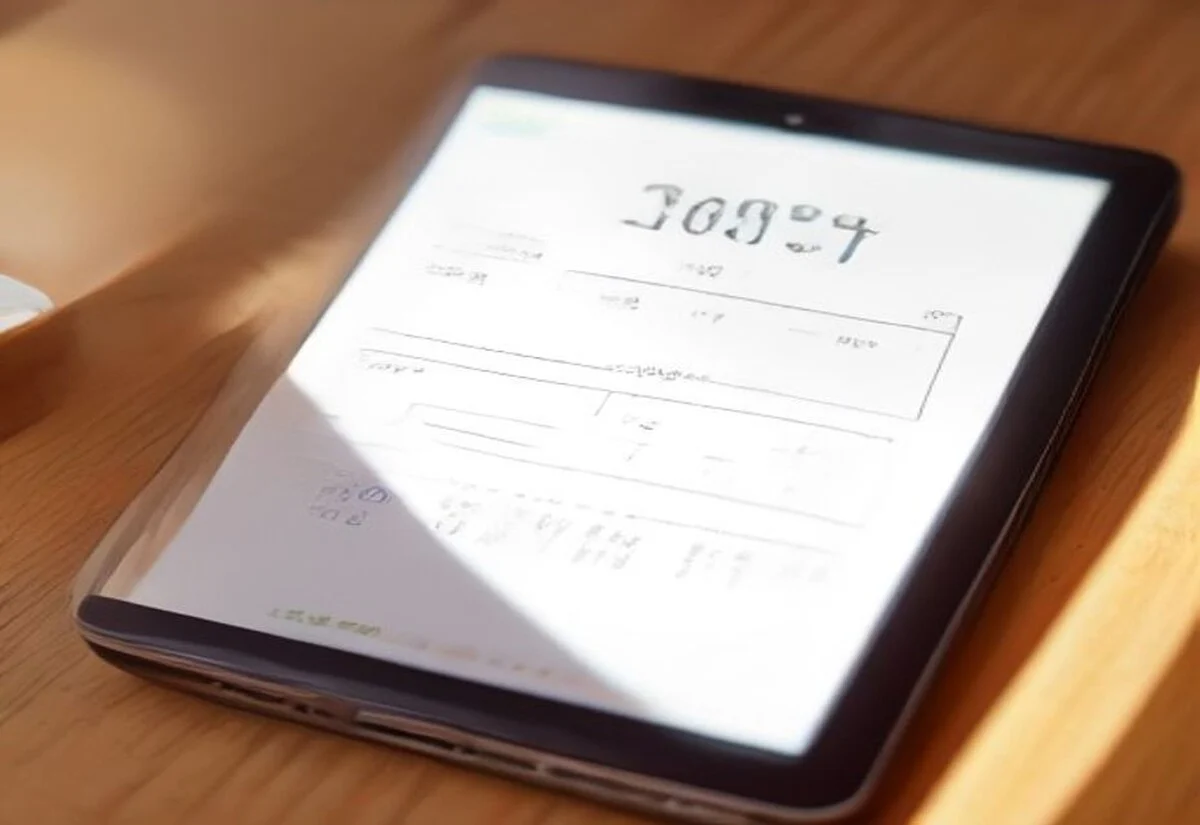
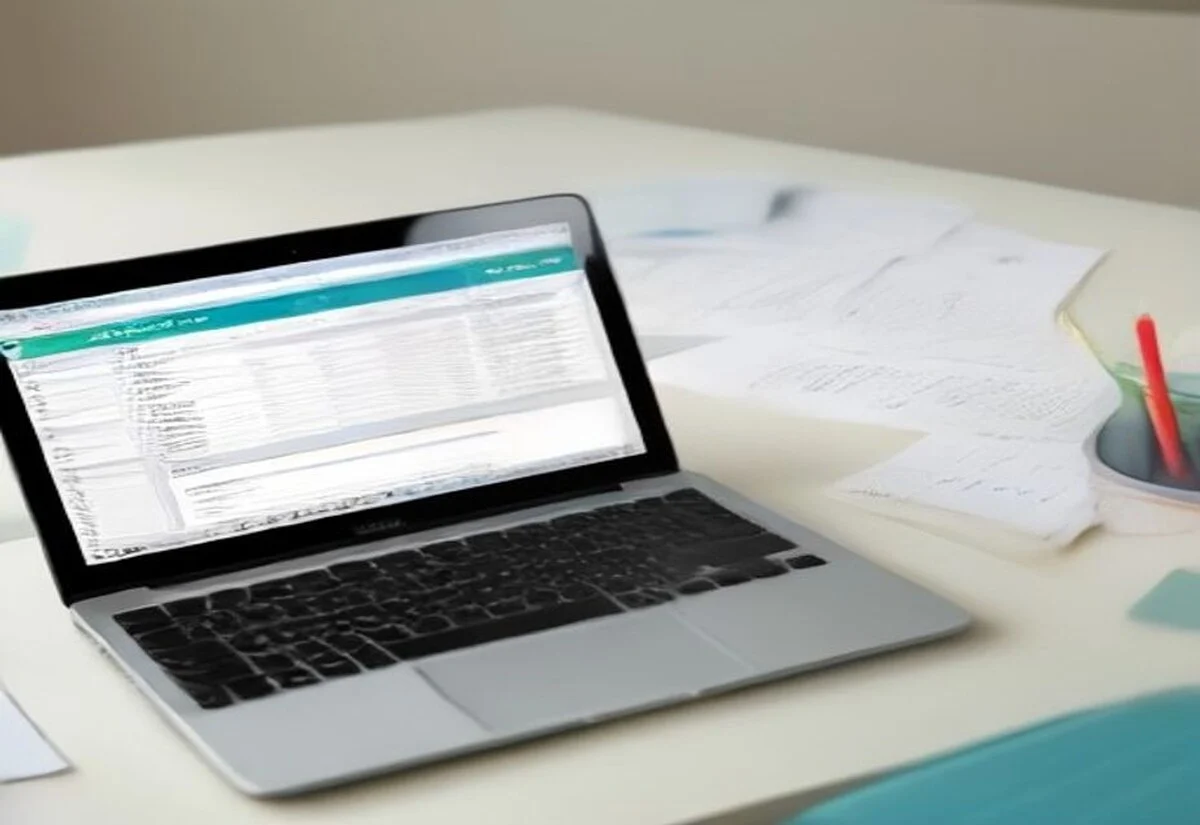
A simple spreadsheet in Google Sheets or Excel needs only a handful of columns to be genuinely useful: date, description, category, amount, and a running balance. Google Sheets has the advantage of being free, accessible from your phone, and easy to share with a partner or flatmate if you’re tracking joint expenses.
- Keep categories broad at first — 6-8 categories (rent, groceries, transport, phone/internet, going out, everything else) is easier to sustain than 20 narrow ones you’ll stop updating within a month
- Enter transactions weekly, not daily — daily entry sounds ideal but is the most common reason people abandon manual tracking; a fixed 10-minute weekly session (Sunday evening, for example) is far more sustainable
- Use your bank statement, not memory — export or screenshot your weekly transaction list rather than trying to recall what you spent, which is where most manual tracking errors creep in
- Add a running total formula — a simple SUM formula against your starting balance catches errors immediately rather than after a month of drift
App vs spreadsheet: which should you actually use?
An app wins on convenience — automatic categorisation means you see where your money went without any manual effort, which matters if you know you won’t keep up a weekly spreadsheet habit. A spreadsheet wins on awareness — the act of manually entering every transaction, even briefly, builds a level of spending awareness that passive automatic tracking doesn’t. Neither is objectively better; the right one is whichever you’ll actually keep using in three months, not the one that looks most sophisticated in week one.
Bottom line
Before downloading anything, check whether your own bank’s app already gives you enough spending breakdown — many do now. If you want more, Frollo or WeMoney are genuinely still operating and free. If you’d rather not link any app to your bank, the ASIC Moneysmart Budget Planner or a basic weekly spreadsheet both work just as well — the tool matters far less than actually keeping it up. For the wider picture beyond tracking – what to actually cut, and how much each change is worth – see our money saving tips guide.
You May Also Like

How to Save Money in Australia (2026): 30+ Money Saving Tips That Actually Work

Novated Lease vs Buying a Car in Australia (2026): Which Is Cheaper?