
Uber 2 Minute Rule Explained: Fees, Cancellations & Tips

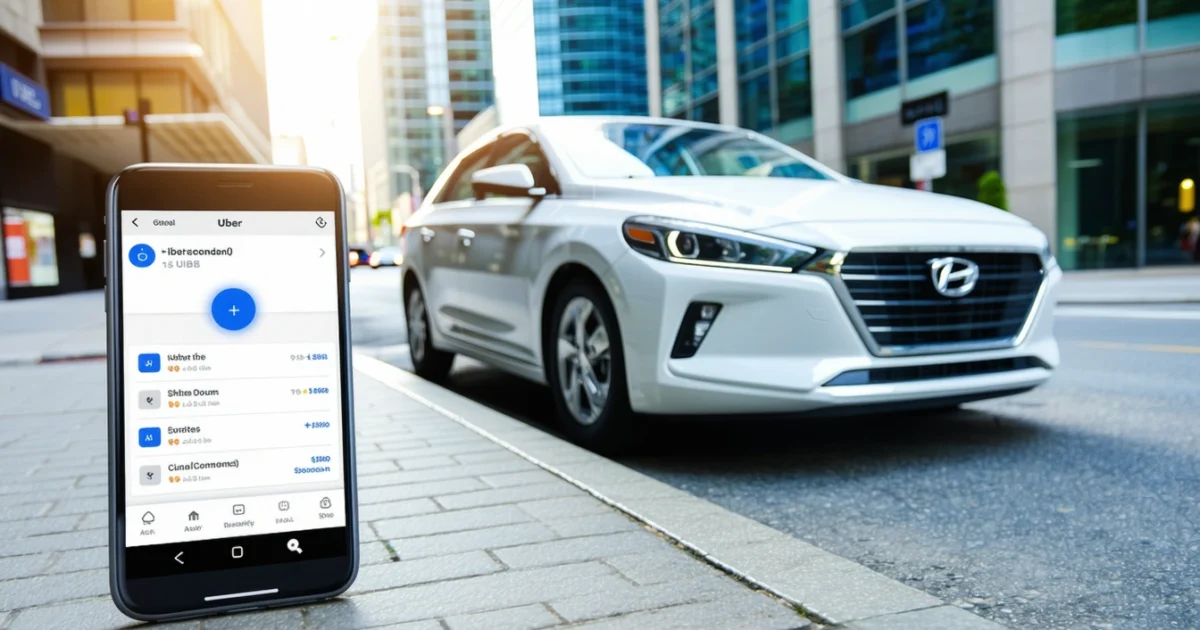
What is the Uber 2 minute rule? It is the common name for the short free waiting period at pickup. Uber says its wait time fees start about 2 minutes after your driver arrives (the free period is longer for some products, such as Uber Black). After a longer wait, which varies by product and location, a driver can cancel and you may be charged a cancellation fee. Exact rules and amounts change, so check the Uber app.
Understanding this rule is useful for Australian passengers who want to avoid unexpected charges. The waiting clock runs from the time your driver arrives at the pickup spot, and the app tells you when they have arrived.
Furthermore, the free waiting period can differ by Uber ride type and location, including airports. Passengers who are not at the pickup spot after the free period may be charged wait time fees, and if the driver eventually cancels, a cancellation fee. Uber shows the fee in the app and amounts vary by city and product, so check the app rather than relying on a fixed figure.
TL;DR
- Uber’s wait time fees start about 2 minutes after your driver arrives at the pickup spot
- Fees vary by city and ride type, and the app shows what applies, so check it before you confirm a cancellation
- Wait time fees compensate drivers for waiting, and a driver can cancel after a longer wait than 2 minutes
- Uber Black, airport pickups and accessibility needs may have different waiting time policies
Understanding Uber's 2-Minute Rule
The Uber 2-minute rule refers to the free waiting period that applies before wait time fees begin. It sets expectations for both passengers and drivers about pickup timing. Check the Uber app or Uber’s help pages for the rules that apply to your ride type and city.
Specifically, Uber says wait time fees begin about two minutes after the driver arrives at the pickup location (longer for Uber Black). A driver can usually cancel only after a longer wait, which depends on the ride type and is shown in the app. The waiting period relates to the pickup spot you set during booking, not the general area.
When the Timer Starts Counting
The countdown timer activates automatically when your driver arrives at the pickup address you provided. Meanwhile, the Uber app uses GPS technology to determine precise arrival times, ensuring accuracy in timer initiation.
Additionally, make sure your pin is accurate. If the driver cannot reach or find your pickup spot, contact them through the app. If you think a fee was charged wrongly, you can ask Uber for a review.
Driver Notification System Upon Arrival
Uber’s notification system sends multiple alerts when your driver reaches the pickup location. First, you receive a push notification stating “Your driver has arrived” along with the vehicle details and license plate number.
Subsequently, the app displays a prominent banner showing your driver’s arrival status. Moreover, some drivers may also call or text passengers to confirm their presence, though this communication isn’t mandatory under Uber’s policies.
The notification system operates through multiple channels to ensure passenger awareness. Therefore, passengers should monitor their phones closely during the estimated arrival window to avoid missing these important alerts.
Passenger Pickup Window Expectations
Passengers should be at the pickup location within the two-minute free period to avoid wait time fees. This expectation requires passengers to be ready and waiting, especially during peak hours when drivers are busy.
Furthermore, the waiting rules can vary by ride type and location. For instance, Uber Black has a longer free waiting period, and airport pickups can follow different rules, so check the app for the policy that applies to your trip.
Passengers should position themselves visibly at the designated pickup spot before their driver arrives. Being prepared means having your phone ready, watching for the vehicle, and being able to enter the car immediately upon driver arrival.
How the 2-Minute Rule Works in Practice
Driver Arrival Notification to Passenger
The notification process begins when your driver reaches the pickup location. Uber’s GPS system detects the driver’s arrival and notifies you in the app. Passengers should keep notifications on so they do not miss the alert.
Additionally, the app shows essential vehicle information such as license plate numbers, car make and model, and the driver’s current location. This arrival notification is the point from which the free waiting period is counted.
Countdown Timer Activation Process
The free waiting period starts once Uber’s system confirms the driver has arrived at the pickup point. Uber’s app shows the driver’s arrival and how long they have been waiting, and wait time fees begin after the free period ends.
During this period, passengers can message or call the driver through the app. This gives you a chance to reach your driver before wait time fees start or before a cancellation becomes possible.
Driver's Options After 2-Minute Wait
Once the free waiting period is over, wait time fees can start to build up. After a longer wait, which varies by ride type (Uber’s rider help lists about 7 minutes for UberX), drivers can cancel the trip and a cancellation fee may apply to you. Drivers may also choose to wait longer, and that decision is voluntary.
Alternatively, drivers can attempt to contact passengers through the app’s communication features before proceeding with cancellation. Many drivers exercise this option, particularly during busy periods when driver earnings depend on completing trips rather than collecting cancellation fees.
The driver’s decision typically considers factors such as passenger communication, pickup location complexity, and current demand levels. Drivers can usually choose whether to cancel or continue waiting once cancelling is available to them.
Automatic Trip Cancellation Mechanism
A cancellation fee can apply when a driver cancels after waiting at the pickup spot for the required time. The app shows the fee, and the driver is then free to accept new ride requests.
After a cancellation, you receive a notification with fee details. If you request another ride, you may face a longer wait for a new driver, and fares can be higher at busy times.
Moreover, Uber may take action on accounts with repeated cancellations. Uber’s help pages say that cancelling several times in a short period may incur a fee and temporarily block ride requests.
Financial Implications for Passengers
Understanding the financial consequences of the Uber 2-minute rule helps passengers make informed decisions about their ride-sharing behavior. These monetary implications directly affect your wallet and can accumulate significantly over time, particularly for frequent users who experience multiple cancellations.
Cancellation Fees After 2-Minute Wait
Uber may charge a cancellation fee when a driver cancels after waiting at your pickup spot. The amount varies by city, ride type and circumstances, and Uber’s help pages say the app shows the exact fee before you confirm a cancellation. Check the app for the current amount rather than relying on a fixed figure.
The cancellation fee is charged to your payment method on the trip. The app shows fee details, which is why it is worth getting to the pickup spot promptly.
Waiting Time Charges (Where Applicable)
Some trips also carry wait time charges that begin after the free waiting period ends (about 2 minutes for most standard rides, longer for Uber Black). Where they apply, they are charged per minute until the trip starts, but the per-minute rate varies by location and product, so check the Uber app for current rates.
Drivers can choose to keep waiting past the free period while wait time fees accumulate, instead of cancelling immediately.
No-Show Penalties in Australia
Repeated no-shows can lead to consequences. Uber’s help pages say that cancelling several times in a short period may incur a fee and temporarily block ride requests, and Uber can also restrict accounts in other circumstances.
Uber does not publish the exact thresholds, so the safest approach is to cancel early if you no longer need the ride, and to message your driver if you are delayed.
Refund Policies for Disputed Charges
Passengers can dispute cancellation fees through Uber’s customer support in the app when there was a genuine problem. Examples include a driver who was not at the pickup location, app errors, or a driver who took much longer than expected to arrive. Response times vary.
Uber reviews disputes using trip information such as GPS data and any messages between you and the driver. Outcomes are not guaranteed, so keep the details of what happened.
Additionally, passengers should document any technical issues or unusual circumstances that contribute to missed pickups. Screenshots of app errors or driver location discrepancies strengthen dispute cases and improve refund approval chances significantly.
Driver Compensation and Benefits
Uber’s wait time fees compensate drivers for time spent waiting at pickup. The exact rates vary by location and product, and Uber changes them from time to time, so check Uber’s current driver and rider information for the figures that apply.
When a passenger causes a cancellation, a cancellation fee may be charged to cover the driver’s time and travel costs. How that fee is split between Uber and the driver is not published in detail, so this guide does not quote a percentage.
Paid waiting turns time that would otherwise be unpaid into some compensation for drivers. Drivers can earn something while waiting for delayed passengers, instead of losing the time entirely.
Beyond waiting time payments, drivers can see ratings and feedback about riders. Passengers who are late or who cancel repeatedly can be rated lower, and consistently low ratings can affect how easily you get a ride.
These payments particularly help drivers in busy areas where waiting would otherwise represent lost earning time. They do not guarantee income, but they reduce the cost to drivers when passengers are late.
Best Practices for Passengers
Passengers can maximize their rideshare experience by following essential practices that respect the Uber 2-minute rule while ensuring smooth trip coordination. Furthermore, these practices reduce waiting time charges and improve driver relationships across Australia’s rideshare network.
Being Ready at Pickup Location
Passengers should arrive at their designated pickup point before the driver arrives to avoid triggering waiting time fees. Additionally, being prepared with belongings and payment methods eliminates delays that activate the 2-minute countdown timer. Smart passengers monitor their driver’s estimated arrival time through the app’s real-time tracking feature.
Preparation includes checking weather conditions and dressing appropriately to minimize boarding time. Moreover, passengers should have their phone charged and accessible for driver communication during the pickup process. Ready passengers contribute to efficient trip completion while avoiding unnecessary charges.
Monitoring Driver Arrival Notifications
The Uber app sends push notifications as your driver approaches the pickup location. Subsequently, you receive a notification when the driver arrives and the waiting period begins. Monitoring these alerts prevents missed connections and reduces waiting time exposure.
Notification monitoring becomes particularly crucial during peak hours when driver demand exceeds supply. Consequently, passengers who respond promptly to arrival alerts avoid extended waiting periods that benefit both parties. The app’s notification system serves as an early warning mechanism for the impending 2-minute rule activation.
Communication with Driver if Delayed
Passengers experiencing unavoidable delays should immediately contact their driver through the app’s messaging or calling features. However, communication doesn’t stop the waiting time charges once the 2-minute period begins. Transparent communication helps drivers make informed decisions about whether to wait or cancel the trip.
Effective passenger communication includes providing realistic arrival estimates and acknowledging potential waiting time charges. Additionally, courteous passengers may offer to cover waiting fees when delays occur due to their circumstances. Pre-booking rides eliminates timing pressure for passengers with fixed schedules.
Choosing Accurate Pickup Locations
Precise pickup location selection prevents driver confusion and reduces the likelihood of extended waiting periods. Passengers should choose easily identifiable landmarks or building entrances rather than vague street addresses. Accurate location pins ensure drivers can locate passengers quickly within the 2-minute window.
Location accuracy becomes especially important in complex areas like shopping centers, airports, or apartment complexes. Therefore, passengers should provide additional details in the pickup notes section when necessary. Strategic location selection minimizes search time and prevents waiting time charges from accumulating unnecessarily.
Passengers using rideshare services near major venues should familiarize themselves with designated pickup zones to avoid confusion. Moreover, choosing well-lit, accessible locations improves safety while facilitating quick driver identification and boarding processes.
Exceptions and Special Circumstances
While the 2-minute rule is a common reference point, some circumstances modify standard waiting time policies, and the rules can differ by ride type and location. Check the Uber app for the rules that apply to your trip.
Airport Pickup Variations
Airport pickups can differ from standard street pickups. Uber’s waiting rules for airports vary (for example, Uber Black’s longer free period does not apply at airports), and passengers must often walk some distance from baggage claim to designated rideshare zones. Check the airport’s rideshare instructions and the Uber app for details.
Pickup zones at Sydney Kingsford Smith and Melbourne Tullamarine airports can require passengers to follow signs to a designated rideshare area. Flight delays and baggage waits are common reasons for late arrival at the pickup spot, so message your driver if you are held up.
High-Demand Area Modifications
Entertainment districts and major event venues often have designated pickup points that differ from the street address. Areas like Crown Casino Melbourne or Circular Quay Sydney experience heavy pedestrian traffic that complicates driver and passenger connections, so follow the pickup location shown in the app.
Stadium events and concert venues create surge demand, and crowd control measures and traffic restrictions can stop drivers reaching standard pickup locations. If you are delayed by factors outside your control, message your driver and contact Uber support if you are charged.
Weather-Related Considerations
Severe weather across Australia can disrupt pickups and make timing harder. Heavy rainfall, flooding, or extreme heat events create safety concerns, so message your driver and choose a safe, sheltered pickup spot. Uber does not publish a fixed weather exemption, so contact support if you are charged unfairly.
During bushfire emergencies or severe storm warnings, follow official safety advice first. Additionally, extreme weather events can create transport disruptions, and you can raise any wait time charges with Uber support afterwards.
Accessibility Requirements Adjustments
Wheelchair-accessible vehicles and passengers with mobility requirements may be covered by different timing arrangements. Uber’s accessibility options, such as WAV, may have their own waiting rules, so check the Uber app or Uber’s accessibility help pages.
Passengers using WAV services, or travelling with service animals or medical equipment, may need extra boarding time that a standard 2-minute period does not allow. Tell your driver through the app, and contact Uber support if you are charged a fee in these circumstances.
If you need help boarding, or are attending a medical appointment, message your driver in advance so they know to expect some extra time. Uber’s accessibility help pages explain the options available.
Frequently Asked Questions
What happens if I'm not ready when my Uber driver arrives?
If you are not at the pickup spot after the free waiting period (about 2 minutes for most rides), wait time fees can start. After a longer wait, which varies by ride type, the driver can cancel and you may be charged a cancellation fee. The amount varies by city and ride type, and the app shows it.
How will I know when my Uber driver has arrived?
You’ll receive multiple notifications when your driver arrives: a push notification saying “Your driver has arrived”, a prominent banner in the app showing arrival status, and vehicle details including the license plate number. Some drivers may also call or text you.
Does the 2-minute rule apply to all Uber ride types?
The free waiting period applies to standard Uber rides, but it varies for some products. Uber Black has a longer free period, airport pickups can follow different rules, and accessibility services may have different policies, so check the app.
When exactly does the 2-minute timer start counting?
Uber says the free waiting period is counted from when your driver arrives at the pickup location. Make sure your pin is at the exact spot you want to be collected from.
Can I avoid the cancellation fee if I'm running late?
To avoid cancellation fees, you should be ready and waiting at the pickup location before your driver arrives. Position yourself visibly at the designated spot, have your phone ready, and be prepared to enter the vehicle immediately upon arrival.
What if my driver can't find the pickup location?
If your driver stops several blocks away or in an inaccessible area, message them through the app and adjust your pickup pin if needed. If you are charged a fee because of a location problem, you can ask Uber support to review it.
How much is the Uber cancellation fee in Australia?
Cancellation fees in Australia vary by city, ride type and circumstances. Uber does not publish a single fixed amount, and the app shows the exact fee before you confirm a cancellation, so check it there.
Why does Uber have a 2-minute waiting rule?
The rule gives drivers some compensation for waiting and sets clear expectations for both passengers and drivers about pickup timing.
You May Also Like
Airport Parking Australia 2026: Rates at Sydney, Melbourne, Brisbane, Perth and Adelaide

Hybrid Cars in Australia 2026: Full, Mild and Plug-in Hybrids, Prices and Which to Buy