Victoria School Holidays 2026: Complete Term Dates Calendar

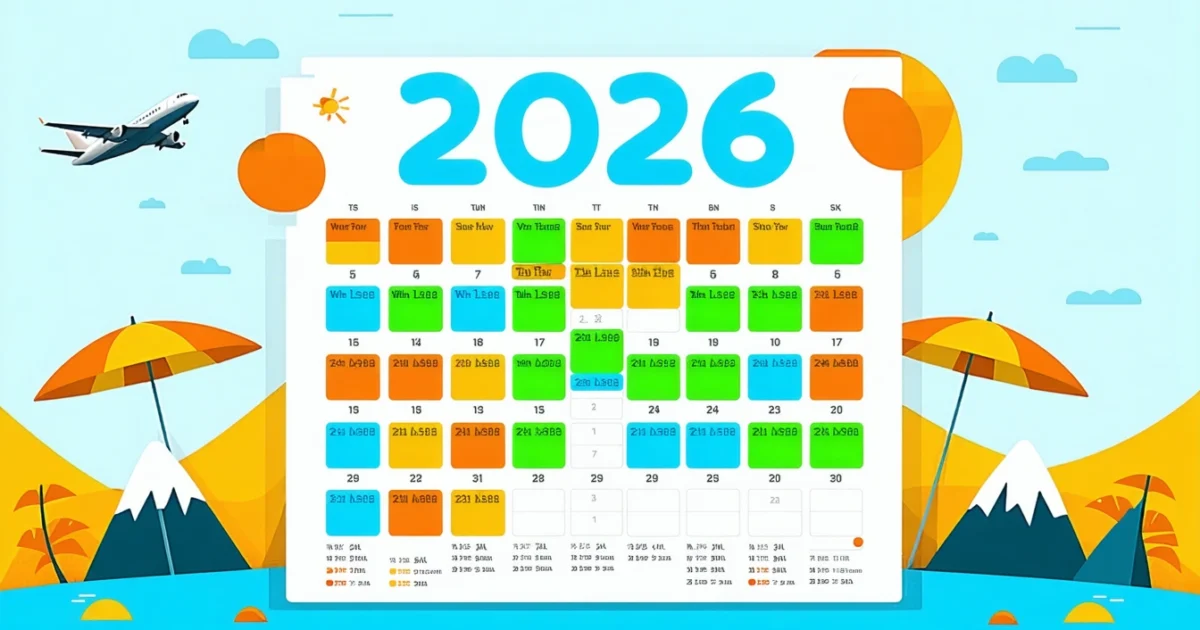
Victoria School Holidays 2026 are officially scheduled across four main holiday periods, providing Victorian families with 14 weeks of school breaks throughout the academic year. The Victorian government has released the complete calendar for all state schools, featuring summer holidays from mid-December 2025 to late January 2026, followed by autumn, winter, and spring breaks strategically placed between the four school terms.
These holiday dates affect over 650,000 Victorian students in government schools, though private and independent schools may follow slightly different schedules. Additionally, families planning holidays should consider how these dates align with other states like Queensland’s school holidays for coordinated travel planning.
Understanding the 2026 school calendar helps parents plan family vacations, arrange childcare, and prepare for peak travel periods when accommodation prices typically increase across Australia.
TL;DR
- Four holiday periods: Summer (6 weeks), autumn (2 weeks), winter (2 weeks), and spring (2 weeks) breaks
- Total 14 weeks of school holidays across 2026 for Victorian government schools
- Public holidays like ANZAC Day, Queen’s Birthday, and Melbourne Cup Day affect term schedules
- Private schools may vary from government school dates, requiring individual school calendar checks
Victoria School Holidays 2026: Complete Calendar Overview
The Victorian Department of Education has released the official school holiday calendar for 2026, establishing four distinct holiday periods across the academic year. Furthermore, these scheduled breaks align with the traditional four-term structure that Victorian government schools follow consistently.
| Holiday Period | Start Date | End Date | Duration |
|---|---|---|---|
| Summer Holidays | December 19, 2025 | January 29, 2026 | 6 weeks |
| Autumn Break | March 30, 2026 | April 13, 2026 | 2 weeks |
| Winter Holidays | June 29, 2026 | July 13, 2026 | 2 weeks |
| Spring Break | September 21, 2026 | October 5, 2026 | 2 weeks |
Victorian students receive a total of 12 weeks of scheduled holidays during 2026, excluding public holidays that fall within term time. Additionally, the calendar incorporates several public holidays including ANZAC Day, Queen’s Birthday, and Melbourne Cup Day that provide extra non-teaching days throughout the year.
The summer holiday period represents the longest break, spanning six weeks from mid-December through late January. Meanwhile, each of the remaining three breaks maintains a consistent two-week duration, providing regular respite periods between academic terms.
Compared to the 2025 school calendar, the 2026 dates show minimal variation in timing and structure. However, the specific start and end dates shift slightly due to how weekends fall within the calendar year, maintaining the established pattern that Victorian families expect.
These official dates apply specifically to Victorian government schools, while private and independent schools may adopt slightly different schedules. Consequently, parents with children in non-government schools should verify their individual school calendars for precise holiday timing.
For families planning interstate travel, these Victorian dates differ from Queensland’s 2026 school holidays, requiring careful coordination for multi-state family visits or holidays.
Term 1 2026: Summer Holidays and First Term Dates
The 2026 summer holidays conclude on Monday, January 26, 2026, marking the official commencement of Term 1 across all Victorian government schools. This transition from holiday period to academic year provides students with a fresh start following the extended six-week break that began in mid-December 2025.
Term 1 2026 spans 11 weeks from January 26 through April 10, representing the longest academic term of the school year. During this period, students engage in foundational learning activities while teachers establish classroom routines and academic expectations for the year ahead.
| Date | Event | Duration |
|---|---|---|
| January 26, 2026 | Term 1 Commences | – |
| April 3-6, 2026 | Easter Holiday Break | 4 days |
| April 25, 2026 | ANZAC Day | 1 day |
| April 10, 2026 | Term 1 Concludes | – |
The Easter holiday period falls within Term 1, providing a mid-term break from Thursday, April 3 through Monday, April 6, 2026. This four-day interruption allows families to observe Easter traditions while giving students a brief respite from academic activities during the extended first term.
ANZAC Day occurs on Friday, April 25, 2026, creating an additional non-teaching day within the term structure. Schools typically incorporate ANZAC commemorative activities in the days leading up to this significant national holiday, connecting students with Australian military history and remembrance traditions.
Term 1 reaches its conclusion on Friday, April 10, 2026, transitioning directly into the two-week autumn holidays. This timing ensures students complete nearly three months of continuous learning before receiving their first substantial break since the summer holidays ended in January.
Families planning interstate travel should note that these Victorian dates differ from Queensland’s 2026 school holiday calendar, particularly regarding the summer holiday conclusion and Easter break timing. Therefore, coordination becomes essential for multi-state family visits during these periods.
Term 2 2026: Autumn Break and Mid-Year Holidays
Term 2 commences on Monday, April 28, 2026, following the conclusion of the two-week autumn break. Students return to classrooms refreshed after their mid-autumn holidays, ready to tackle the academic challenges of the second quarter. This commencement date provides consistency across Victorian government schools, ensuring uniform educational delivery statewide.
The Queen’s Birthday public holiday falls on Monday, June 9, 2026, creating an extended weekend during Term 2. This statutory holiday interrupts the regular school week, providing students and teachers with a mid-term respite. Consequently, schools adjust their weekly planning to accommodate this public holiday within their term structure.
Term 2 concludes on Friday, June 27, 2026, marking the end of the academic semester and the commencement of winter school holidays. This conclusion date aligns with the traditional mid-year break timing, allowing families to plan winter activities and travel. Furthermore, the term’s end coincides with report card distribution and parent-teacher conferences in many Victorian schools.
The winter school holidays extend for two weeks, running from Saturday, June 28 through Sunday, July 12, 2026. These mid-year holidays provide students with their longest break since the summer holidays, offering opportunities for family vacations, winter sports, and academic preparation for Term 3. Additionally, many schools utilize this period for facility maintenance and staff professional development activities.
| Date | Event | Duration |
|---|---|---|
| April 28, 2026 | Term 2 Commences | – |
| June 9, 2026 | Queen’s Birthday Holiday | 1 day |
| June 27, 2026 | Term 2 Concludes | – |
| June 28 – July 12, 2026 | Winter School Holidays | 2 weeks |
Families considering interstate travel should compare these Victorian dates with Queensland’s 2026 school holiday calendar to coordinate visits across state boundaries. Different states maintain varying holiday schedules, particularly during the winter break period, requiring careful planning for multi-state family arrangements.
Term 3 2026: Winter Holidays and Third Term Schedule
Term 3 commences on Monday, July 13, 2026, immediately following the conclusion of winter school holidays. Students return to classrooms refreshed from their two-week mid-year break, ready to tackle the third academic term. Meanwhile, teachers utilize the first week back for assessment reviews and curriculum planning adjustments.
The third term spans 10 weeks, running from July 13 through September 18, 2026. This duration provides sufficient time for comprehensive learning outcomes while maintaining student engagement throughout the winter-to-spring transition. Additionally, Term 3 incorporates several key academic milestones, including mid-term assessments and spring concert preparations.
Victoria observes no public holidays during Term 3 2026, creating an uninterrupted learning period for students and educators. This continuous schedule allows schools to maintain consistent weekly routines without mid-term disruptions. Consequently, many Victorian schools schedule major events like sports carnivals and science fairs during this stable period.
Term 3 concludes on Friday, September 18, 2026, marking the transition into spring school holidays. This end date aligns with traditional seasonal break timing, allowing families to enjoy early spring weather activities. Furthermore, the term’s conclusion coincides with third-quarter report distributions and parent-teacher interview scheduling.
Spring school holidays commence on Saturday, September 19, 2026, providing students with a well-deserved break before the final term. These holidays extend for two weeks, concluding on Sunday, October 4, 2026. Moreover, the spring break timing allows families to participate in school holiday programs and seasonal outdoor activities.
| Date | Event | Duration |
|---|---|---|
| July 13, 2026 | Term 3 Commences | – |
| July 13 – September 18, 2026 | Term 3 Duration | 10 weeks |
| September 18, 2026 | Term 3 Concludes | – |
| September 19 – October 4, 2026 | Spring School Holidays | 2 weeks |
Families planning interstate visits should reference Queensland’s 2026 school holiday calendar to coordinate travel arrangements across state boundaries. Different Australian states maintain varying spring holiday schedules, requiring careful coordination for extended family gatherings and interstate tourism planning.
Term 4 2026: Final Term and Summer Holiday Start
Term 4 commences on Monday, October 5, 2026, following the conclusion of spring school holidays. This final academic term spans 9 weeks, providing students with sufficient time to complete year-end assessments and graduation requirements. Additionally, the term’s commencement allows schools to implement fresh learning objectives after the spring break refreshment period.
The fourth term maintains consistent weekly schedules until the Melbourne Cup Day public holiday on Tuesday, November 3, 2026. This mid-term holiday creates a natural break in the learning schedule, allowing families to participate in traditional Cup Day celebrations. Furthermore, many Victorian schools organize special activities and educational programs around this culturally significant event.
Melbourne Cup Day falls during the seventh week of Term 4, providing students and staff with a welcome respite from academic routines. Schools typically resume normal operations on Wednesday, November 4, 2026, maintaining momentum toward year-end objectives. Consequently, educators often schedule important assessments and projects around this holiday period to maximize learning outcomes.
Term 4 concludes on Friday, December 18, 2026, marking the official end of the 2026 academic year. This conclusion date allows adequate time for final examinations, report card preparation, and graduation ceremonies. Moreover, the term’s end aligns perfectly with traditional Christmas holiday timing, enabling seamless transition into summer festivities.
Summer school holidays commence on Saturday, December 19, 2026, extending through the Christmas and New Year period. These extended holidays continue until Sunday, January 25, 2027, providing families with 5 weeks and 3 days of vacation time. Additionally, this lengthy break allows students to recharge before commencing the new academic year in late January.
| Date | Event | Duration |
|---|---|---|
| October 5, 2026 | Term 4 Commences | – |
| November 3, 2026 | Melbourne Cup Day Holiday | 1 day |
| October 5 – December 18, 2026 | Term 4 Duration | 9 weeks |
| December 18, 2026 | Term 4 Concludes | – |
| December 19, 2026 – January 25, 2027 | Summer School Holidays | 5 weeks, 3 days |
The Christmas period coverage within summer holidays encompasses both Christmas Day and Boxing Day, allowing families to celebrate traditional festivities without academic pressures. Schools remain closed throughout the entire holiday period, including New Year’s Day and Australia Day celebrations. Therefore, families can plan extended vacations, interstate travel, and international trips during this comprehensive break period.
Interstate families should coordinate with Queensland’s 2026 school holiday calendar when planning cross-border activities during the summer break. Different Australian states maintain varying holiday schedules, requiring careful planning for family reunions and tourism activities. Ultimately, Victoria’s summer holiday timing provides optimal flexibility for both domestic and international travel arrangements.
Public Holidays Affecting Victoria Schools in 2026
Victoria’s public holidays create specific impacts on school operations throughout 2026, with several key dates affecting normal term schedules. ANZAC Day falls on Saturday, April 25, 2026, therefore not disrupting regular school attendance during Term 2. However, the Queen’s Birthday occurs on Monday, June 8, 2026, creating a long weekend that interrupts the winter term schedule.
Melbourne Cup Day represents Victoria’s most distinctive public holiday affecting education calendars. Melbourne Cup Day falls on Tuesday, November 3, 2026, during Term 4, providing students and families with an additional day off during the spring term. Consequently, this holiday creates opportunities for extended weekend breaks and family activities during the busy final term period.
How Public Holidays Interact with School Terms
Public holidays significantly influence Victoria’s academic calendar by creating natural breaks within term periods. Schools automatically close on designated public holidays, regardless of their position within term schedules. Furthermore, these closures often extend weekend periods, allowing families to plan short vacations without affecting student attendance records.
Labour Day occurs on Monday, March 9, 2026, during Term 1, providing students with their first extended weekend of the academic year. Additionally, this early-year holiday helps ease students back into school routines after summer holidays. Easter holidays also intersect with Term 1, creating a substantial break period that schools incorporate into their planning.
| Public Holiday | Date 2026 | School Term | Impact |
|---|---|---|---|
| Labour Day | Monday, March 9 | Term 1 | Long weekend |
| ANZAC Day | Saturday, April 25 | Term 2 | No school impact |
| Queen’s Birthday | Monday, June 8 | Term 2 | Long weekend |
| Melbourne Cup Day | Tuesday, November 3 | Term 4 | Mid-week break |
Additional Pupil-Free Days and Curriculum Days
Victorian schools schedule curriculum days strategically around public holidays to maximise professional development opportunities. These pupil-free days typically occur adjacent to public holidays, creating extended breaks for students while allowing teachers to engage in essential training activities. Moreover, schools often combine curriculum days with public holidays to create four-day weekends.
Professional development activities intensify during these extended periods, with teachers participating in workshops, conferences, and collaborative planning sessions. Schools coordinate curriculum days with neighbouring institutions to ensure consistent community scheduling. Therefore, families should anticipate additional non-attendance days beyond standard public holiday closures throughout 2026.
Report writing days frequently coincide with public holiday periods, allowing teachers dedicated time for student assessment and progress documentation. Similarly, schools utilise these extended breaks for facility maintenance, technology upgrades, and administrative planning activities. Consequently, some schools may extend closures beyond official public holiday dates for operational purposes.
Regional Variations for Specific Public Holidays
Melbourne Cup Day creates the most significant regional variation within Victoria’s school holiday calendar. Metropolitan Melbourne schools observe this public holiday, while many regional Victorian schools may choose alternative arrangements based on local community preferences. However, most Victorian schools recognise Melbourne Cup Day regardless of their geographic location.
Agricultural shows and local festivals occasionally influence regional school schedules, creating additional variations beyond standard public holidays. Rural communities often adjust school calendars to accommodate harvest periods, livestock shows, and community celebrations. Additionally, some regional schools coordinate with local events to support community participation and engagement.
Border communities near New South Wales or South Australia may experience scheduling complexities when families have children attending schools in different states. Cross-border families should carefully coordinate holiday planning with Queensland’s 2026 school holiday calendar and other state schedules. Ultimately, regional variations require careful attention to local school policies and community-specific arrangements throughout 2026.
Private and Independent Schools: Holiday Variations
Catholic and independent schools in Victoria maintain significant autonomy over their holiday scheduling, creating variations from government school calendars. While these institutions generally align with state-mandated term structures, they frequently adjust specific holiday dates to accommodate religious observances, educational philosophies, and community needs. Furthermore, private schools often extend or modify breaks based on their unique academic programs and international student requirements.
Catholic schools typically incorporate additional religious holidays into their calendars, including feast days and diocesan celebrations. These institutions may close for Good Friday and Easter Monday extensions, creating longer Easter breaks than government schools. Additionally, Catholic schools often observe patron saint days and other significant religious occasions throughout the academic year.
Independent schools demonstrate the greatest flexibility in holiday scheduling, with some institutions adopting Northern Hemisphere academic calendars or specialized term structures. International schools frequently align their breaks with global academic standards, creating substantial differences from Victorian government school dates. Moreover, elite independent schools may extend holidays for facility renovations, overseas study programs, or specialized academic activities.
Common Variations in Private School Calendars
Most private schools extend winter holidays by one to two weeks compared to government schools, allowing for international exchange programs and facility maintenance. These extended breaks often begin earlier in June or extend later into July, providing families with greater flexibility for overseas travel. Consequently, private school students may return to classes before or after their government school counterparts.
Summer holiday extensions represent another common variation, with many independent schools concluding their academic year earlier in December. Boarding schools particularly benefit from extended summer breaks, allowing international students time for family visits and travel arrangements. Similarly, some private institutions begin the new academic year later in February, creating longer summer holidays for their communities.
Mid-term breaks often differ substantially between private and government schools, with independent institutions creating additional study weeks or wellness breaks. These variations support student mental health initiatives and provide opportunities for intensive academic programs. Additionally, some schools implement flexible learning weeks that replace traditional holiday structures with alternative educational experiences.
Checking Specific School Holiday Schedules
Parents must verify holiday dates directly with their child’s school, as private institutions publish individual academic calendars annually. School websites typically feature downloadable calendar documents outlining all term dates, holidays, and special events for the academic year. Furthermore, schools often distribute printed calendars during enrollment periods and parent information sessions.
School newsletters and parent portals provide regular updates about holiday changes or special arrangements throughout the year. Many institutions send automated notifications about upcoming breaks, ensuring families receive timely information for travel planning. Additionally, schools may adjust holiday dates due to unforeseen circumstances, making regular communication channels essential for accurate scheduling.
Enrollment offices serve as primary contact points for holiday schedule inquiries, particularly for prospective families comparing different schools. These departments maintain comprehensive calendar information and can explain specific variations from government school dates. Moreover, enrollment staff often coordinate with other departments to provide detailed information about holiday programs and childcare arrangements.
Coordination with Government School Dates
Many private schools strategically align their major holidays with government school schedules to support family coordination and community activities. This alignment proves particularly important for families with children attending different types of schools within Victoria. However, complete synchronization rarely occurs due to the diverse needs and priorities of private educational institutions.
Childcare services and holiday programs often coordinate with both government and private school schedules, creating comprehensive coverage for working families. These services typically publish schedules accommodating the various holiday patterns across different school types. Additionally, community organizations and sports clubs adjust their programs to support families navigating multiple school calendars throughout 2026.
Families with mixed school enrollments should create master calendars incorporating all relevant holiday dates early in the academic year. This planning approach helps identify potential conflicts and opportunities for family activities during overlapping break periods. Ultimately, successful coordination requires ongoing communication between schools and proactive family planning throughout the academic calendar.
Planning Around Victoria School Holidays 2026
Strategic planning around Victoria School Holidays 2026 requires careful consideration of multiple factors that significantly impact family life and financial decisions. Consequently, understanding these elements helps families maximize their holiday experiences while minimizing stress and unexpected costs.
Family Vacation Planning and Peak Travel Periods
Peak travel periods coincide directly with Victoria school holiday dates, creating intense competition for flights, accommodation, and popular destinations. Furthermore, airlines and hotels implement dynamic pricing strategies that dramatically increase costs during these high-demand windows. Smart families begin vacation planning at least six months in advance to secure better rates and availability.
International destinations experience particularly high demand during summer holidays and mid-year breaks when Victorian families traditionally travel overseas. Additionally, domestic tourist hotspots like the Gold Coast, Sydney, and Tasmania see massive influxes of visitors during these periods. Early booking becomes essential for securing preferred accommodation and avoiding disappointment at popular family destinations.
Shoulder season travel offers significant advantages for flexible families who can plan trips just before or after official holiday periods. Nevertheless, this strategy works best for families with younger children who aren’t yet bound by strict school attendance requirements. Travel rewards programs and loyalty memberships provide additional value during peak booking periods throughout 2026.
Childcare and Holiday Program Availability
Holiday programs and childcare services experience overwhelming demand during school break periods, requiring parents to register well in advance. Moreover, popular programs often maintain waiting lists due to limited capacity and high staff-to-child ratios. Local councils, community centers, and private providers offer diverse options ranging from sports camps to educational workshops.
Vacation care services typically operate from 7:00 AM to 6:00 PM during school holidays, providing essential support for working parents. However, these services charge premium rates during holiday periods, with daily fees often exceeding regular childcare costs by 20-30%. Some employers offer workplace childcare subsidies or flexible arrangements to help parents manage these additional expenses.
Specialized holiday programs focus on specific interests like coding, arts and crafts, or outdoor adventures, providing enriching experiences for children. Additionally, many programs offer sibling discounts and early bird pricing for families who register before specified deadlines. Grandparents and extended family members often coordinate schedules to provide additional childcare support during busy holiday periods.
Workplace Planning for Parents
Working parents must coordinate annual leave requests with Victoria school holiday schedules to ensure adequate family time and childcare coverage. Subsequently, many workplaces experience high demand for leave during these periods, requiring early submission of requests to secure approval. Smart parents submit leave applications immediately after holiday dates are confirmed for the following year.
Flexible work arrangements become particularly valuable during school holidays, allowing parents to balance professional responsibilities with family needs. Furthermore, some employers offer school holiday leave as a specific entitlement separate from regular annual leave allocations. Remote work options provide additional flexibility for parents managing childcare arrangements during break periods.
Team coordination ensures adequate workplace coverage when multiple employees request leave during popular holiday periods. Additionally, some organizations implement leave rotation systems to manage staff absences fairly across different holiday periods. Parents often negotiate compressed work schedules or job-sharing arrangements to maximize family time during school breaks.
Booking Accommodations During School Holidays
Accommodation booking strategies require significant advance planning due to limited availability and inflated pricing during Victoria school holidays. Consequently, popular family destinations implement minimum stay requirements and premium pricing structures during peak periods. Hotels, resorts, and vacation rentals often require full payment at booking during high-demand holiday windows.
Alternative accommodation options like house swaps, camping, and caravan parks provide budget-friendly solutions for families seeking holiday experiences. Moreover, loyalty program members often receive priority booking access and discounted rates at participating properties. Some families coordinate group bookings with friends or relatives to secure better rates and larger accommodations.
Cancellation policies become more restrictive during school holiday periods, with many properties offering limited or no refund options. Additionally, travel insurance provides essential protection against unexpected changes that might affect holiday plans. Early booking platforms and comparison websites help families identify the best available rates across multiple accommodation providers.
Cost Implications of Traveling During School Break Periods
Travel costs increase dramatically during Victoria school holiday periods, with some destinations charging 50-100% more than off-peak rates. Furthermore, these price premiums affect all aspects of travel including flights, accommodation, car rentals, and even restaurant prices in tourist areas. Budget-conscious families must allocate significantly more funds for holiday travel during school break periods.
Holiday travel costs can increase by up to 100% during Victoria school break periods compared to off-peak times
Hidden costs emerge during peak travel periods, including parking fees at airports, baggage charges, and activity surcharges at popular destinations. Additionally, dining costs escalate in tourist areas where restaurants capitalize on increased demand during school holidays. Families should budget an extra 30-40% beyond standard travel costs when planning holiday trips during school break periods.
Financial planning strategies help families manage the significant cost increases associated with school holiday travel. Nevertheless, some families choose to save money by traveling during term time when children are younger and attendance requirements are more flexible. Travel savings accounts and holiday funds provide structured approaches to managing the higher costs of peak period travel throughout 2026.
Frequently Asked Questions
When do Victoria school holidays start and end in 2026?
Victoria has four main holiday periods in 2026: Summer holidays run from December 19, 2025 to January 29, 2026 (6 weeks), Autumn break from March 30 to April 13 (2 weeks), Winter holidays from June 29 to July 13 (2 weeks), and Spring break from September 21 to October 5 (2 weeks).
Do private schools follow the same holiday dates as government schools in Victoria?
Private and independent schools may follow slightly different schedules than Victorian government schools. Parents with children in non-government schools should verify their individual school calendars for precise holiday timing, as these institutions have flexibility in setting their own term dates.
How many weeks of school holidays do Victorian students get in 2026?
Victorian students receive a total of 14 weeks of school holidays in 2026, including 12 weeks of scheduled holiday periods plus additional public holidays that fall within term time such as ANZAC Day, Queen’s Birthday, and Melbourne Cup Day.
When does Term 1 start in Victoria for 2026?
Term 1 2026 officially commences on Monday, January 26, 2026 across all Victorian government schools. This marks the end of the summer holidays and spans 11 weeks through to April 10, making it the longest academic term of the school year.
Are Victoria school holidays the same as other Australian states in 2026?
No, Victorian school holidays differ from other states like Queensland in 2026. Families planning interstate travel or multi-state family visits need to carefully coordinate between different state school calendars, as each state sets its own holiday schedule.
Why should parents plan ahead for Victoria school holidays 2026?
Planning ahead helps parents arrange family vacations, organize childcare, and prepare for peak travel periods when accommodation prices typically increase across Australia. Understanding the school calendar also helps coordinate with work schedules and book popular holiday destinations before they fill up.
How do public holidays affect Victoria school terms in 2026?
Several public holidays fall within term time and provide extra non-teaching days throughout 2026. These include ANZAC Day, Queen’s Birthday, and Melbourne Cup Day, which are incorporated into the school calendar and give students additional breaks beyond the four main holiday periods.
How many Victorian students are affected by these 2026 school holiday dates?
These holiday dates affect over 650,000 Victorian students in government schools. However, students in private and independent schools may follow slightly different schedules, so the total number of affected students across all school types would be even higher.
You May Also Like
NSW School Holidays 2026: Complete Calendar & Term Dates
QLD School Holidays 2026: Complete Calendar & Dates
Living in Bundoora: Complete Guide for La Trobe & RMIT Students
Considering Bundoora? Real guide for La Trobe and RMIT students from a Melbourne student.