Where to Live in Sydney as a Student: Inner West, CBD and Western Suburbs

Sydney is Australia’s biggest, most exciting — and most expensive — student city, and where you live shapes your experience more here than almost anywhere else. The city is vast, so a poorly chosen suburb can mean a 90-minute commute and a rent that swallows your budget, while the right one drops you into a vibrant community a short ride from campus. This guide explains where to live in Sydney as a student in 2026, organised by the city’s big regions — the Inner West, the CBD, the Eastern Suburbs, the Northern Suburbs and the Western Suburbs — and matched to your university, with real weekly rents, transport, vibe and a clear sense of how much you need.
The single most important rule in Sydney is to live near your campus, or on a single direct train, metro or light-rail line to it. Sydney’s size punishes long commutes, so the area that suits a University of Sydney student is the wrong choice for someone at Macquarie or Western Sydney University. Use the area-to-university map below to find your region, then read its deep-dive.
TL;DR: Where to Live by University
If you study at USyd or UTS, live in the Inner West (Glebe, Newtown, Camperdown, Chippendale) or the CBD. For UNSW, choose the Eastern Suburbs (Kensington, Kingsford, Randwick, Coogee). For Macquarie University, the Northern Suburbs (Macquarie Park, Epping, Eastwood, Ryde). For Western Sydney University — and for anyone on a tight budget commuting to a city campus — the Western Suburbs (Parramatta, Auburn, Granville, Strathfield) offer the lowest rents by far. Expect a room in a share house to cost roughly $170–$240 in the west, $250–$350 in the north, and $270–$420 in the Inner West, CBD and east. Budget around $1,500–$2,500 a month to live in Sydney all-in.
Match the Area to Your University
| Region | Best for (university) | Room/wk | Vibe in one line |
|---|---|---|---|
| Inner West | University of Sydney, UTS | $270–$380 | Artsy, lively, the student heartland |
| CBD / City | UTS, Notre Dame, ACU | $300–$450 | Central, high-rise, zero commute |
| Eastern Suburbs | UNSW | $300–$420 | Beaches, sunny, sought-after |
| Northern Suburbs | Macquarie University | $250–$350 | Quiet, leafy, big Asian communities |
| Western Suburbs | Western Sydney Uni + budget commuters | $170–$300 | Affordable, diverse, more space |
For deeper suburb-by-suburb detail, see our companion guides to the best Sydney suburbs near USYD, UNSW and UTS and the best Sydney suburbs for students near universities and TAFE. This guide takes the wider, region-by-region view to help you choose where to start.
How Much Do You Need to Live in Sydney?
Sydney is the most expensive city in Australia, so budgeting honestly matters. A student typically needs around $1,500–$2,500 a month all-in, depending on where and how you live, with rent making up the largest share. Here is a realistic monthly breakdown for a student sharing a house and cooking at home.
| Expense | Monthly cost (AUD) |
|---|---|
| Rent (room in a share house) | $1,100–$1,500 |
| Groceries | $400–$500 |
| Transport (Opal) | $150–$200 |
| Phone & internet | $60–$80 |
| Eating out & social | $250–$350 |
| Other (toiletries, misc) | $120–$150 |
| Total | ≈ $2,100–$2,800 |
The two levers that control your Sydney budget
The Inner West: Sydney's Student Heartland
If there is a “default” student region in Sydney, it is the Inner West. Wrapped around the University of Sydney and a short ride from UTS, it is artsy, multicultural and alive with independent cafés, live music, vintage shops and student energy. It is not cheap — demand keeps rents high — but for many it is worth it for the lifestyle and the short commute. Note that Inner West share-house rooms are often advertised including bills, which makes the headline rent more comparable than it first looks.
Glebe, Newtown and Camperdown
Glebe sits right beside the University of Sydney — many students simply walk to class — and offers leafy streets, the famous Glebe Markets, cafés and a village feel, with rooms at $280–$380. Newtown, centred on the buzzing King Street, is the cultural heart of the Inner West: alternative, diverse, packed with bars, music venues and cheap eats, and hugely popular with students at $290–$380 (often bills-included). Camperdown and neighbouring Darlington are on the campus’s doorstep, quieter than Newtown but just as convenient, at $280–$370. This trio is the core of student Sydney.
Chippendale — between the universities
Chippendale deserves a special mention because it sits between the University of Sydney and UTS/the CBD, making it ideal if you want to be close to both. Once industrial, it has been transformed by the Central Park development, the Spice Alley food precinct and a wave of cafés and galleries. Rooms run $290–$400, and you can walk to USyd, UTS and Central Station — an unbeatable location for anyone studying at either university.
Marrickville, Erskineville and the value pockets
Further out, the Inner West gets cheaper while keeping its character. Marrickville is the standout — intensely multicultural, a renowned food and craft-beer destination, gentrifying fast and now on the Sydney Metro, with rooms at $260–$340. Erskineville and Enmore are hip and slightly quieter alternatives to Newtown at $280–$360. Stanmore, Petersham and Annandale offer leafy, family-friendly streets at $270–$350, and Dulwich Hill and Lewisham, on the light rail at the western edge, are the best value of all at $260–$330. These suburbs suit students who want the Inner West vibe without the very top rents.
The Inner West at a glance
Strengths
- Walk or short ride to USyd and UTS
- Sydney's best café, music and food culture
- Often bills-included rooms, big student community
- Light rail and Metro give easy access
Watch-outs
- Among Sydney's pricier student areas
- Newtown and Glebe can be crowded and noisy
- Older housing stock in many share houses
The CBD and City: Zero Commute
Living in or right beside the CBD puts you on the doorstep of UTS, the University of Notre Dame and ACU, with everything — campuses, jobs, transport, nightlife — within walking distance. The cost is high rent and high-rise living, but for students who prize zero commute and a 24/7 city, it can be worth it.
Ultimo, Haymarket and Pyrmont
Ultimo is UTS’s home suburb — dense, student-heavy and as close to campus as it gets, with rooms at $300–$430 and a lot of purpose-built student accommodation. Haymarket and Chinatown next door are central and packed with cheap Asian eateries, while Pyrmont offers a waterfront feel a short walk from UTS and the city at $320–$450. These are the practical bases for UTS students who want to roll out of bed and into a lecture.
The city centre, Surry Hills and Darlinghurst
The CBD proper is all high-rise apartments — convenient and buzzing but the priciest option, with studios from $450–$600. Just south and east, Surry Hills and Darlinghurst are trendy, dining-and-nightlife-rich inner suburbs a short walk from Central Station and the universities, with rooms at $320–$430. They suit social students who want to be at the centre of Sydney life and can stretch to the rent. For value, look to share with more housemates or move one ring out to the Inner West.
The CBD & city at a glance
Strengths
- Walk to UTS, Notre Dame and ACU — zero commute
- Everything on your doorstep, 24/7
- Best transport hub in the city (Central, Metro)
- Great for students working city jobs
Watch-outs
- The most expensive rents in Sydney
- Mostly small high-rise apartments
- Busy and noisy; little green space
The Eastern Suburbs: Beaches and UNSW
The Eastern Suburbs are the home of UNSW and some of Sydney’s most famous beaches. The region is sunny, sought-after and well-served by the L2/L3 light rail, which runs from the CBD through Randwick and Kingsford right past the UNSW campus — a game-changer for students who can now ride straight to class.
Kensington, Kingsford and Randwick
Kensington is UNSW’s home suburb — many students walk to campus, and the light rail runs through it — with rooms at $300–$420. Kingsford, at the light-rail terminus beside the campus, is lively and intensely multicultural, with one of Sydney’s largest Asian-student communities and superb cheap eats, at $290–$400. Randwick, just north, is a more established suburb with the major hospital precinct, good shops and its own light-rail branch, at $300–$420. This trio is where most UNSW students base themselves.
Coogee, Maroubra and the value pockets
For the beach lifestyle, Coogee is the favourite — a lively beach suburb a short bus from UNSW, popular with students and backpackers, at $320–$450. Maroubra offers a similar beach life a little cheaper at $290–$400. Inland, the newer apartment suburbs of Zetland, Waterloo and Mascot around Green Square give you modern units with train and metro access at $300–$420 — a practical middle ground between the beaches and the city. The Eastern Suburbs suit students who want sun, sand and a premium lifestyle, and can pay for it.
The Eastern Suburbs at a glance
Strengths
- Light rail runs right to UNSW
- World-famous beaches (Coogee, Maroubra)
- Sunny, safe and highly desirable
- Great cheap eats around Kingsford
Watch-outs
- Pricey, especially near the beaches
- Quieter nightlife than the Inner West
- Mostly relevant to UNSW students
The Northern Suburbs: Macquarie University
North of the harbour, Macquarie University sits in a cluster of quiet, leafy, safe suburbs with large and well-established East Asian communities — a big draw for international students who want familiar food and a calm environment. The Sydney Metro has transformed access here, putting the campus on a fast, driverless line into the city.
Macquarie Park, North Ryde and Marsfield
Macquarie Park is the campus suburb itself — modern apartments, a huge shopping centre and its own Metro station, so you can live a few minutes’ walk from class, at $250–$350. North Ryde and Marsfield next door are quieter and slightly cheaper at $240–$340, ideal for students who want a peaceful base right by the university. The whole cluster is well connected by Metro and bus.
Eastwood, Epping, Ryde and Chatswood
Eastwood is famous for its Chinese and Korean food and grocery scene, a short trip from campus and on the train line, at $250–$340. Epping is a transport junction (Metro plus train) with a family feel and a strong Asian community, at $260–$350. Ryde and West Ryde offer good value and bus access at $240–$330, while Chatswood — a major commercial hub on the Metro with outstanding Asian dining — is a more upmarket option at $280–$380. The Northern Suburbs suit students who value quiet, safety, great food and a modern Metro commute over inner-city buzz.
The Northern Suburbs at a glance
Strengths
- Walk or short Metro ride to Macquarie
- Quiet, leafy, very safe and family-friendly
- Outstanding East Asian food and groceries
- Cheaper than the Inner West or east
Watch-outs
- Quieter — limited nightlife
- A long way from the southern/eastern campuses
- Mainly relevant to Macquarie students
The Western Suburbs: Affordability and Western Sydney University
The Western Suburbs are where Sydney becomes affordable. This is the home of Western Sydney University (with campuses at Parramatta, Bankstown, Penrith, Campbelltown and more), and also the budget choice for students at the city universities who are willing to commute by train in exchange for much lower rent and more space. The west is vast and intensely multicultural, with some of the best and cheapest food in Sydney.
Parramatta, Westmead and Harris Park
Parramatta is Sydney’s second CBD — a major Western Sydney University location and a huge transport, jobs and shopping hub, with trains, the new light rail and Metro on the way, at $250–$350. Westmead next door is the giant hospital and health-research precinct (great for health students), on the train at $250–$330. Harris Park, Sydney’s “Little India”, is cheaper and full of South Asian food and groceries, walking distance from Parramatta, at $220–$300. This cluster gives you a real second-city lifestyle at well below inner-city rents.
Strathfield, Burwood, Ashfield and Lidcombe
Midway between the city and the far west, this band of suburbs on the main train line is hugely popular with students for combining a reasonable commute with lower rents and big migrant communities. Strathfield is a major train hub with a large Korean and South Asian student population, at $250–$330. Burwood is the “Chinatown of the west”, lively and well-served, at $250–$330. Ashfield (famous for Shanghainese food) and Lidcombe (a Korean hub and train junction) offer similar value at $220–$320. All are 15–30 minutes by train to the city.
Granville, Auburn and the far west
For the lowest rents in Sydney, head further west. Granville and Auburn are the value champions at $170–$240 a room, multicultural and on the train line. Bankstown (now on the Metro, with a Western Sydney University campus) is cheap and diverse at $200–$290, while Liverpool, Penrith and Campbelltown — all Western Sydney University locations in the far west and south-west — offer the cheapest rooms of all at $170–$270, plus four-bedroom share houses where a room with bills included can cost as little as $130–$180. The trade-off is a longer commute to the city, but for WSU students and the most budget-focused, the west is unbeatable on price.
The Western Suburbs at a glance
Strengths
- By far the cheapest rents in Sydney
- Home of Western Sydney University campuses
- Incredible, affordable multicultural food
- More space and bills-included share houses
Watch-outs
- Long commute to city-based universities
- Sprawling — you rely on the train line
- Some far-western areas feel a long way out
Master Rent Table: Sydney Student Suburbs
Here is every suburb in this guide in one place, grouped by region, with its best-fit university and the typical weekly cost of a room in a share house. Inner-west and city rooms are often advertised bills-included.
| Suburb | Region | Best for | Room/wk |
|---|---|---|---|
| Glebe | Inner West | USyd | $280–$380 |
| Newtown | Inner West | USyd / UTS | $290–$380 |
| Camperdown | Inner West | USyd | $280–$370 |
| Chippendale | Inner West | USyd / UTS | $290–$400 |
| Marrickville | Inner West | USyd / UTS | $260–$340 |
| Erskineville | Inner West | USyd | $280–$360 |
| Dulwich Hill | Inner West | USyd / UTS | $260–$330 |
| Ultimo | CBD / City | UTS | $300–$430 |
| Haymarket | CBD / City | UTS | $320–$450 |
| Pyrmont | CBD / City | UTS | $320–$450 |
| Surry Hills | CBD / City | UTS / all | $320–$430 |
| Sydney CBD | CBD / City | UTS / Notre Dame | $450–$600 (studio) |
| Kensington | Eastern | UNSW | $300–$420 |
| Kingsford | Eastern | UNSW | $290–$400 |
| Randwick | Eastern | UNSW | $300–$420 |
| Coogee | Eastern | UNSW | $320–$450 |
| Maroubra | Eastern | UNSW | $290–$400 |
| Zetland / Mascot | Eastern | UNSW / city | $300–$420 |
| Macquarie Park | Northern | Macquarie | $250–$350 |
| Eastwood | Northern | Macquarie | $250–$340 |
| Epping | Northern | Macquarie | $260–$350 |
| Ryde | Northern | Macquarie | $240–$330 |
| Chatswood | Northern | Macquarie | $280–$380 |
| Parramatta | Western | Western Sydney U | $250–$350 |
| Strathfield | Western | Budget / city | $250–$330 |
| Burwood | Western | Budget / city | $250–$330 |
| Harris Park | Western | Western Sydney U | $220–$300 |
| Granville | Western | Western Sydney U | $170–$240 |
| Auburn | Western | Budget | $170–$240 |
| Bankstown | Western | Western Sydney U | $200–$290 |
| Penrith | Western | Western Sydney U | $180–$270 |
| Campbelltown | Western | Western Sydney U | $170–$260 |
Getting Around Sydney
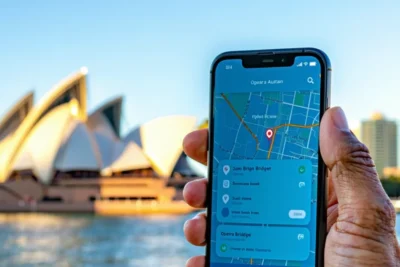
Sydney has Australia’s most extensive public transport network, all on the Opal card (or contactless payment). Choosing a home on a direct line to campus is the key to a sane commute in such a large city.
- Trains: the backbone of the network, reaching across the Inner West, the north, the east and deep into the Western Suburbs — how most western students commute to city campuses.
- Metro: the fast, driverless Sydney Metro serves Macquarie University, Chatswood, the CBD and Bankstown, with the Metro West line to Parramatta on the way — a major boost for the north and west.
- Light rail: the L2/L3 lines run from the CBD through Randwick and Kingsford right to UNSW, while the L1 links the city through Glebe to Dulwich Hill in the Inner West.
- Buses and ferries: fill in the gaps everywhere, with ferries adding a scenic option across the harbour.
International students and Opal fares
Safety and Choosing Well
Sydney is a large, generally safe city, and all the student regions in this guide are comfortable to live in with normal precautions. As anywhere, some pockets feel busier or rougher at night than others, and the practical advice is the same across the city: choose a place near a train station, Metro or light-rail stop and a busy shopping strip, visit the specific street in the evening before you commit, and take normal care with your belongings. Proximity to transport matters more than a suburb’s overall reputation.
Tips for Finding a Place in Sydney
- Anchor on your university’s region first, then set a firm rent ceiling and favour a single direct transport line.
- Share with more people — a room in a four- or five-person western share house can be $130–$180 with bills included.
- Never pay for an unseen room. Scams target new arrivals; always inspect in person or have a trusted friend do it.
- Avoid the January–February rush, when demand and prices peak before Semester 1.
- Start with short-term or student accommodation for a few weeks, then find a permanent share once you know the city.
- Compare the total cost — a cheaper western room plus a long daily train fare may not beat a closer, pricier one.
Frequently Asked Questions
Final Thoughts
Where to live in Sydney comes down to a trade-off between proximity to your campus, your budget and the lifestyle you want — and because Sydney is so large and so pricey, getting it right matters more here than in any other Australian city. Anchor on your university’s region, set a firm rent ceiling, favour a single direct transport line, and inspect any place before you pay. Do that and even expensive Sydney becomes manageable. For the wider picture, see our guide to how much rent students pay across Australia.
You May Also Like
How to Become a Hairdresser in Australia (2026): Certificate III, TAFE Costs and Visa Pathway for International Students

Studying Accounting in Australia: Courses, Costs and Career Path