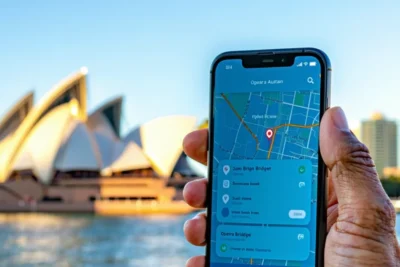
Work Rights for International Students Australia 2026 Guide


Work rights for international students in Australia allow you to work up to 48 hours per fortnight during study periods and unlimited hours during scheduled breaks, with full access to minimum wage protections and workplace rights. However, understanding the complex rules around visa condition 8105, tax obligations, and workplace protections is crucial to avoid visa cancellation and ensure fair treatment.
Moreover, international students must navigate superannuation contributions, tax file number requirements, and industry-specific award wages while protecting themselves from exploitation. Additionally, work restrictions change significantly before course commencement and after completion, particularly when transitioning to Temporary Graduate visas.
Furthermore, compliance with work hour limits is strictly monitored, and breaches can result in visa cancellation. Consequently, knowing your rights regarding minimum wage entitlements and workplace protections helps prevent underpayment and ensures legal employment throughout your studies.
TL;DR
- Work 48 hours per fortnight during study periods, unlimited during breaks under visa condition 8105
- Minimum wage protection applies with superannuation, tax obligations, and penalty rates for weekends/holidays
- Visa cancellation risks exist for exceeding work limits – compliance is strictly monitored by authorities
- Workplace rights include anti-discrimination protection, safety rights, leave entitlements, and union membership
- Exploitation prevention requires understanding red flags, using legitimate job platforms, and accessing Fair Work Ombudsman support
Current Work Hour Limits for International Students (2026)
International students in Australia can work 48 hours per fortnight during study periods under the updated visa condition 8105 regulations. Previously, students faced a 40-hour fortnightly limit, but the Australian government increased this allowance to provide greater financial flexibility while maintaining academic focus.
During scheduled course breaks and holidays, students enjoy unlimited work hours without restrictions. Consequently, this flexibility allows students to maximize their earning potential during university breaks, summer holidays, and semester breaks when academic commitments are minimal.
Understanding the Fortnightly Calculation System
The fortnightly cycle operates on a rolling 14-day period rather than calendar weeks. Therefore, students must track their working hours across any consecutive 14-day period to ensure compliance with visa conditions.
For example, if you work 25 hours in the first week and 23 hours in the second week, you’ve reached your 48-hour limit for that fortnight. Subsequently, you must wait until the earliest worked hours drop off the 14-day calculation before adding new hours.
| Period Type | Work Hour Limit | Calculation Method |
|---|---|---|
| Study Periods | 48 hours per fortnight | Rolling 14-day cycle |
| Course Breaks | Unlimited hours | No restrictions apply |
| Scheduled Holidays | Unlimited hours | No restrictions apply |
Study Periods vs Break Periods: Key Differences
Study periods encompass all times when your course is in session, including teaching weeks, assessment periods, and examination periods. During these times, the 48-hour fortnightly limit applies strictly to ensure students maintain their primary focus on academic achievement.
Break periods include official semester breaks, summer holidays, winter breaks, and any scheduled course intermissions lasting more than one week. Moreover, these periods allow unlimited working hours, enabling students to pursue full-time employment opportunities and build their savings for the upcoming semester.
Universities typically publish academic calendars that clearly define study periods and break periods. Furthermore, students should consult their institution’s official calendar to determine when unlimited work hours apply versus when the 48-hour restriction is in effect.
How Many Hours Are Actually Sustainable Alongside Study
Being legally allowed to work up to 24 hours a week on average is different from being able to sustain it alongside a full study load. Most students find 10 to 15 hours a week manageable without study suffering, 15 to 20 hours workable with solid time management, and the full 24 hours genuinely difficult to combine with assignments and exam preparation. Use official course breaks, when the cap does not apply, to earn more rather than pushing close to the limit during term.
Visa Condition 8105: Compliance Requirements
Visa condition 8105 mandates that student visa holders must not work more than the prescribed hours during study periods. Importantly, this condition applies to all forms of paid work, including casual employment, part-time positions, freelance work, and self-employment activities.
The Department of Home Affairs monitors compliance through various methods, including employer reporting systems, tax file number cross-referencing, and random audits. Additionally, breaching work hour limits can result in immediate visa cancellation and removal from Australia.
- All paid work counts toward the 48-hour limit, regardless of employer
- Volunteer work generally doesn’t count unless it involves payment or benefits
- Self-employment and freelance activities are included in hour calculations
- Work performed before course commencement is prohibited entirely
Students must maintain accurate records of their working hours across all employers to demonstrate compliance if questioned by immigration authorities. Therefore, keeping detailed timesheets and employment contracts helps protect against potential visa complications and ensures you understand your complete work rights as an international student.
Breaching the 48-hour fortnightly limit can result in immediate visa cancellation and removal from Australia
Minimum Wage and Pay Entitlements
Understanding your minimum wage entitlements protects you from exploitation and ensures fair compensation for your work. Australia’s minimum wage system provides comprehensive protection for all workers, including international students on temporary visas.
Current Australian Minimum Wage Rates for 2026
The national minimum wage in Australia stands at $24.10 per hour as of July 2024, with annual adjustments typically announced by the Fair Work Commission. Consequently, this rate applies to all employees aged 21 and over who aren’t covered by specific industry awards or enterprise agreements.
Junior employees receive reduced minimum wage rates based on their age. For instance, workers under 16 earn 36.8% of the adult minimum wage, while 20-year-olds receive 97.7% of the full rate. However, most international students work at the full adult minimum wage rate.
| Age Group | Percentage of Adult Rate | Hourly Rate (2024) |
|---|---|---|
| Under 16 | 36.8% | $8.87 |
| 16 years | 47.3% | $11.40 |
| 17 years | 57.8% | $13.93 |
| 18 years | 68.3% | $16.46 |
| 19 years | 82.5% | $19.88 |
| 20 years | 97.7% | $23.55 |
| 21+ years | 100% | $24.10 |
Award Wages vs Minimum Wage for Different Industries
Many industries operate under Modern Awards that set wages above the national minimum wage. These awards establish industry-specific pay rates, conditions, and entitlements that often exceed basic minimum standards. Moreover, award wages typically include additional allowances and penalty rates not found in minimum wage calculations.
Popular student employment sectors frequently offer higher award wages than the national minimum. For example, the Hospitality Industry Award sets rates for restaurant workers, while the General Retail Industry Award covers shop assistants and sales staff. Additionally, these awards often include specific provisions for casual employees and penalty rate calculations.
- Hospitality Award: Base rates from $25.41 per hour for Level 1 employees
- General Retail Award: Starting rates around $25.09 per hour
- Fast Food Award: Minimum $24.70 per hour for adult employees
- Cleaning Services Award: Base rates from $25.41 per hour
Furthermore, you can check your specific award entitlements using the Fair Work Ombudsman’s online Pay Calculator tool. This resource helps determine exact pay rates, penalty loadings, and allowances applicable to your specific role and industry classification.
Penalty Rates for Weekend, Evening, and Public Holiday Work
Penalty rates provide additional compensation for working outside standard business hours. These rates recognize the social and personal costs of working evenings, weekends, and public holidays when most people enjoy leisure time.
Standard penalty rate structures apply across most industries, though specific percentages vary by award. Generally, Saturday work attracts a 25% loading, while Sunday work receives 50% additional pay above base rates. Meanwhile, evening penalties typically apply after 6 PM on weekdays.
| Time Period | Typical Penalty Rate | Example Hourly Rate* |
|---|---|---|
| Monday-Friday (standard hours) | 100% | $24.10 |
| Saturday | 125% | $30.13 |
| Sunday | 150% | $36.15 |
| Public Holiday | 225-250% | $54.23-$60.25 |
| Evening (after 6 PM) | 110-115% | $26.51-$27.72 |
*Based on national minimum wage – award rates may differ
Public holiday penalty rates offer the highest compensation, typically ranging from 225% to 250% of base rates. However, these rates only apply when you’re required to work on gazetted public holidays, and some awards provide alternatives like time-off-in-lieu arrangements.
Casual Loading Rates
Casual employees receive a 25% casual loading in addition to their base hourly rate to compensate for lack of paid leave entitlements. This loading recognizes that casual workers don’t receive annual leave, sick leave, or other permanent employee benefits.
The casual loading applies to all hours worked by casual employees, including penalty rate calculations. Therefore, a casual worker earning penalty rates receives both the penalty percentage and the 25% casual loading on their base rate. Consequently, casual weekend work can result in significantly higher hourly earnings than permanent positions.
Casual employees earn 25% more per hour but receive no paid leave entitlements
Additionally, casual loading calculations compound with penalty rates rather than simply adding percentages. For instance, a casual employee working Sunday receives 150% penalty rate plus 25% casual loading, resulting in approximately 187.5% of the base award rate for that shift.
Piece Rates and Commission-Based Pay Structures
Piece rate systems pay workers based on output rather than time worked, such as per item produced or task completed. However, Australian law requires that piece rates still meet minimum wage requirements when calculated over total hours worked. Similarly, commission-based roles must guarantee minimum wage protection regardless of sales performance.
Employers using piece rates must ensure workers can reasonably achieve minimum wage during standard working hours. Furthermore, detailed records of both output and time worked help protect workers from exploitation under these payment systems. Many international students encounter piece rates in delivery work, fruit picking, or manufacturing roles.
Commission structures often combine base wages with performance incentives, providing security while rewarding high achievers. Nevertheless, the base component must meet minimum wage requirements, and total earnings should exceed minimum wage calculations for hours worked. Therefore, understanding your payment structure helps ensure fair compensation regardless of the system used.
For detailed guidance on checking your pay entitlements and understanding award wages, visit our comprehensive guide on minimum wage in Australia for casual and part-time workers. This resource provides practical tools for verifying your pay rates and identifying potential underpayment issues.
Superannuation and Tax Obligations
International students working in Australia face specific superannuation and tax obligations that differ from domestic workers. Understanding these requirements ensures compliance while maximizing your financial benefits during your studies. Moreover, proper management of these obligations can significantly impact your take-home pay and future financial planning.
Superannuation Guarantee Contributions
Australian employers must contribute 11.5% of your ordinary time earnings to a superannuation fund, known as the Superannuation Guarantee (SG). This contribution applies to all employees earning more than $450 per month, regardless of visa status or working hours. Consequently, even casual workers receive superannuation benefits from their first day of employment.
The SG contribution sits on top of your wage, meaning employers cannot reduce your pay to cover superannuation costs. Additionally, these contributions compound over time through investment returns, creating long-term wealth accumulation. However, international students can often access their superannuation when departing Australia permanently through the Departing Australia Superannuation Payment (DASP) scheme.
For comprehensive information about how superannuation works for international students, including withdrawal processes and fund selection, visit our detailed guide on superannuation for international students in Australia.
Tax File Number Requirements and Application
A Tax File Number (TFN) serves as your unique identifier within Australia’s taxation system. International students must apply for a TFN before starting work to avoid paying the highest marginal tax rate of 47% on all earnings. Furthermore, the Australian Taxation Office (ATO) processes TFN applications free of charge through their official website.
The TFN application requires your passport, visa details, and Australian address. Processing typically takes 10-15 business days, though delays can occur during peak periods. Meanwhile, you can start working before receiving your TFN, but employers will withhold tax at the highest rate until you provide the number.
Students often confuse TFNs with Australian Business Numbers (ABNs), which serve different purposes. Our comprehensive comparison of TFN vs ABN in Australia explains when students should use each number and the implications of choosing incorrectly.
Income Tax Obligations for Temporary Residents
International students pay temporary resident tax rates, which differ from Australian resident rates. The tax-free threshold does not apply to temporary residents, meaning you pay tax from the first dollar earned. Specifically, temporary residents pay 15% on income up to $120,000, then higher rates on additional earnings.
| Income Range | Tax Rate for Temporary Residents |
|---|---|
| $0 – $120,000 | 15% |
| $120,001 – $180,000 | 32.5% |
| $180,001+ | 37% |
These rates exclude the Medicare Levy, which temporary residents typically don’t pay unless they hold Medicare eligibility. However, you may still pay the Medicare Levy Surcharge if your income exceeds certain thresholds and you lack appropriate private health insurance. Therefore, understanding your tax obligations helps with accurate budgeting and financial planning.
Tax Return Filing Requirements and Deadlines
International students must lodge annual tax returns if they earn income in Australia, regardless of the amount. The standard deadline falls on October 31 each year for the previous financial year ending June 30. Nevertheless, using a registered tax agent extends this deadline to May 15 the following year.
Tax returns determine whether you’ve paid correct amounts throughout the year. Many students receive tax refunds due to over-withholding by employers or eligibility for certain deductions. Conversely, some students may owe additional tax, particularly those with multiple income sources or complex employment arrangements.
The ATO provides free online lodgment through myTax, designed for straightforward tax situations. Additionally, many universities offer free tax preparation services during tax season. However, students with complex situations should consider professional tax advice to maximize deductions and ensure compliance.
Superannuation Fund Selection and Consolidation
Employers typically offer a default superannuation fund, but you can choose your preferred fund through the Standard Choice Form. This choice becomes important when working multiple jobs, as different employers may use different default funds. Consequently, you might accumulate multiple superannuation accounts, each charging separate fees.
Consolidating superannuation accounts reduces fees and simplifies management of your retirement savings. The ATO’s online services allow you to view all your superannuation accounts and initiate consolidation processes. Moreover, choosing a low-fee fund with strong investment performance maximizes your long-term returns.
Popular superannuation funds among international students include industry funds like Australian Super and Hostplus, known for competitive fees and strong performance. However, some students prefer retail funds offered by banks for integrated banking services. Regardless of your choice, comparing fees, investment options, and insurance coverage helps optimize your superannuation strategy.
Workplace Rights and Protections
International students working in Australia receive comprehensive workplace protections under federal employment laws. These rights apply regardless of your visa status, ensuring equal treatment and fair working conditions across all industries. Understanding these protections helps you identify workplace violations and seek appropriate remedies when necessary.
Equal Treatment and Anti-Discrimination Protections
Australian workplaces must provide equal treatment to all employees, including international students. The Fair Work Act prohibits discrimination based on race, nationality, religion, gender, age, or disability. Furthermore, employers cannot treat you differently because of your temporary visa status or accent.
Discrimination can occur during recruitment, workplace treatment, promotion opportunities, or termination processes. If you experience discriminatory behavior, document incidents with dates, witnesses, and specific details. Subsequently, you can lodge complaints with the Fair Work Commission or the Australian Human Rights Commission for investigation and resolution.
Work Health and Safety Rights and Responsibilities
Work health and safety (WHS) laws protect all workers from workplace hazards and injuries. Employers must provide safe working environments, proper training, and necessary protective equipment. Additionally, they must identify risks, implement safety measures, and maintain incident reporting systems.
Workers have the right to refuse unsafe work without penalty or dismissal threats. You can also request safety information, participate in workplace safety consultations, and report hazards to supervisors. Moreover, if employers fail to address safety concerns, you can contact SafeWork Australia or your state’s workplace safety regulator.
Leave Entitlements and Accrual
Part-time and casual employees accrue different leave entitlements under Australian employment standards. Part-time workers receive pro-rata annual leave, personal leave, and compassionate leave based on their regular hours. Conversely, casual employees receive higher hourly rates instead of paid leave entitlements.
| Leave Type | Part-Time Entitlement | Casual Entitlement |
|---|---|---|
| Annual Leave | 4 weeks pro-rata | None (casual loading instead) |
| Personal/Sick Leave | 10 days pro-rata | None (unpaid leave available) |
| Compassionate Leave | 2 days per occasion | 2 days unpaid per occasion |
Annual leave accrues continuously during employment and carries forward if unused. However, employers can direct employees to take excessive annual leave in certain circumstances. Personal leave covers illness, injury, or caring for family members, while compassionate leave applies to deaths or life-threatening illnesses of close relatives.
Notice Periods for Termination and Resignation
Notice periods protect both employers and employees during employment transitions. Employees must provide reasonable notice when resigning, typically matching the pay cycle frequency. For instance, weekly-paid workers give one week’s notice, while monthly-paid employees provide one month’s notice.
Employers must provide minimum notice periods when terminating employment, ranging from one week for employees with less than one year’s service to four weeks for those with five or more years. Additionally, employees over 45 years with two or more years’ service receive an extra week’s notice. Casual employees typically receive no notice period from either party.
Payment in lieu of notice allows immediate termination while compensating the employee for the notice period. Furthermore, serious misconduct justifies summary dismissal without notice or payment. Understanding these provisions helps you navigate employment transitions and prepare for new job applications effectively.
Union Rights and Collective Bargaining
International students have the right to join trade unions and participate in collective bargaining processes. Union membership provides access to workplace representation, legal advice, and collective negotiation for better wages and conditions. Moreover, employers cannot discriminate against union members or prevent union activities during appropriate times.
Unions negotiate enterprise agreements that often provide superior conditions to minimum award rates. These agreements cover wages, working hours, leave entitlements, and dispute resolution procedures. Consequently, unionized workplaces frequently offer better job security and career development opportunities for all employees, including international students.
Popular unions for student workers include the Shop, Distributive and Allied Employees Association (SDA) for retail workers, United Workers Union for hospitality staff, and the Australian Services Union for various service industries. Additionally, many unions offer discounted membership rates for students and provide specialized support for temporary visa holders navigating workplace issues.
Types of Work and Industry Restrictions
International students can work across most Australian industries, with retail, hospitality, and customer service representing the most accessible entry points. These sectors actively recruit students due to flexible scheduling and part-time availability. Additionally, tutoring, administrative support, and delivery services provide excellent opportunities for students to gain local work experience while managing their studies.
Common student jobs include casual retail assistant positions, café and restaurant staff, call center representatives, and warehouse workers. Furthermore, many students find employment in cleaning services, childcare assistance, and aged care support roles. These positions typically offer the flexibility needed to balance work commitments with academic requirements.
Restricted Occupations Under Visa Conditions
Student visa holders face minimal occupation restrictions compared to other temporary visa categories. However, certain roles require specific qualifications, licensing, or security clearances that may limit access. For instance, positions in defense, national security, or sensitive government departments typically exclude temporary visa holders from consideration.
Professional roles requiring Australian registration or certification present practical barriers rather than legal restrictions. Healthcare positions, legal services, and financial advisory roles demand local qualifications that international students may not possess initially. Consequently, these careers become accessible only after completing relevant Australian qualifications and registration processes.
Self-Employment and Business Ownership Limitations
Student visa conditions prohibit business ownership and self-employment activities in most circumstances. The Department of Home Affairs restricts students from operating their own businesses or working as independent contractors. However, students can apply for permission to engage in business activities if the work relates directly to their course of study.
Freelancing and gig economy work present complex compliance challenges for international students. Platforms like rideshare services typically require ABN registration, which constitutes self-employment. Therefore, students must obtain specific permission before engaging in such activities or risk visa cancellation.
Students who receive approval for business activities must demonstrate that the work enhances their educational outcomes. The business must relate to their field of study and provide practical learning experiences. Moreover, any business income still counts toward the 48-hour fortnightly work limit, ensuring students maintain their primary focus on education.
Volunteer Work and Unpaid Internship Considerations
Genuine volunteer work does not count toward the 48-hour fortnightly work limit, provided no payment or benefits are received. Charitable organizations, community groups, and non-profit entities offer valuable volunteering opportunities that enhance students’ Australian experience. However, the work must be truly voluntary without any form of compensation or expectation of future employment.
Unpaid internships require careful evaluation to ensure compliance with visa conditions. The internship must form part of the student’s formal course requirements or provide genuine educational value. Furthermore, unpaid positions cannot replace roles that would normally attract wages, and employers cannot use unpaid interns to perform regular business operations.
Students should verify that unpaid work arrangements meet legal requirements under Australian employment law. Legitimate unpaid internships provide structured learning experiences, mentorship, and clear educational objectives. Conversely, arrangements that primarily benefit the employer while providing minimal learning value may violate both visa conditions and employment standards.
Work Integrated Learning and Course-Related Employment
Work integrated learning (WIL) programs allow students to exceed the standard work hour limits when employment forms part of their registered course curriculum. These programs include industry placements, clinical rotations, and practical training components that educational institutions arrange with employer partners. Importantly, WIL activities do not count toward the 48-hour fortnightly restriction.
Course-related employment encompasses roles that directly support a student’s educational objectives and career development. Research assistant positions, teaching assistant roles, and industry-specific traineeships often qualify as course-related work. However, students must obtain written confirmation from their education provider that the employment enhances their learning outcomes.
Students participating in WIL programs maintain the same workplace rights and protections as other employees. They receive minimum wage rates, superannuation contributions, and standard leave entitlements where applicable. Additionally, clear communication about visa status during job interviews helps employers understand work authorization and any course-related requirements that may affect scheduling or duties.
Work Before and After Course Completion
International students face specific work restrictions that change throughout their educational journey in Australia. Understanding these restrictions helps students plan their employment and maintain visa compliance during critical transition periods.
Work Restrictions Before Course Commencement
Students cannot work until they commence their registered course of study. This restriction applies from the visa grant date until the official course start date listed on the Confirmation of Enrolment (CoE). Even if students arrive weeks before classes begin, they must wait until the course commences to start any employment.
Volunteering activities remain permitted before course commencement, provided they do not involve payment or replace positions that would normally be paid roles. Additionally, students can engage in job searching, attending interviews, and completing employment paperwork during this pre-commencement period.
Grace Periods and Course Completion Work Rights
Students receive work authorization during specific grace periods that extend beyond their course completion date. Primary course graduates can work unlimited hours for up to four months after completing their studies, while non-primary course completers maintain standard work rights until their visa expires.
The grace period begins immediately after the course completion date listed on the academic transcript or completion letter. During this time, students can work full-time while preparing applications for further study or other visa options. However, students must maintain adequate health insurance throughout the grace period.
Temporary Graduate Visa Transition
The Temporary Graduate visa (subclass 485) provides extended work rights for eligible graduates who complete qualifying Australian qualifications. This visa allows unlimited work hours and serves as a pathway to permanent residency for many international students.
Students must apply for the subclass 485 visa within six months of course completion to maintain continuous work authorization. The application process requires English language proficiency evidence, health insurance coverage, and character requirements. Meanwhile, students can continue working under their student visa grace period until the new visa decision.
Post-study work stream applicants receive two to four years of work authorization depending on their qualification level, while graduate work stream participants get 18 months of employment rights. These extended periods allow graduates to gain valuable Australian work experience and potentially qualify for employer-sponsored or skilled migration visas.
Bridging Visa Work Entitlements During Applications
Bridging visas automatically grant work authorization when students lodge valid visa applications before their current visa expires. These interim visas maintain the same work conditions as the previous student visa, including the 48-hour fortnightly restriction for most applicants.
Students applying for subsequent student visas, partner visas, or skilled migration options receive bridging visa coverage during processing periods. Importantly, work rights continue uninterrupted as long as the application was submitted before the previous visa expiry date. However, students who apply after visa expiry may face work restrictions or prohibitions.
Course Change Implications on Work Rights
Changing courses or education providers can significantly impact work authorization, particularly during transition periods between enrollments. Students must maintain continuous enrollment to preserve their work rights, as gaps in study can trigger visa cancellation or work prohibition conditions.
Course transfers within the same education level typically maintain existing work conditions, while moving between qualification levels may alter work entitlements. For instance, transferring from a diploma to a bachelor’s degree usually preserves standard work rights, but changing from higher education to vocational training might affect future visa options.
Students planning course changes should consult with education providers and migration agents to understand potential impacts on their work authorization. Additionally, maintaining clear documentation of enrollment changes helps demonstrate compliance during future visa applications or job interviews where visa status explanations become necessary.
Compliance and Consequences
The Department of Home Affairs actively monitors student visa compliance through sophisticated tracking systems that cross-reference work records with visa conditions. Educational institutions must report student enrollment status changes within 14 days, while employers face obligations to verify work authorization before hiring international students.
Monitoring and Reporting Requirements
Universities and colleges monitor student work hours through Provider Registration and International Student Management System (PRISMS) reporting requirements. Furthermore, these institutions must notify authorities when students fail to commence studies, change courses, or discontinue enrollment. Tax file number data from the Australian Taxation Office also enables cross-verification of work hours against visa conditions.
Students must maintain accurate records of all employment, including casual shifts, freelance work, and volunteer positions that involve payment or benefits. Additionally, keeping detailed timesheets, pay slips, and employment contracts helps demonstrate compliance during potential investigations.
Penalties for Work Hour Violations
Exceeding the 48-hour fortnightly limit triggers automatic visa condition breaches that can result in immediate work prohibition or visa cancellation. The Department issues breach notices requiring written explanations within 28 days, and students must demonstrate exceptional circumstances to avoid penalties.
- First-time minor breaches may result in formal warnings
- Repeated violations typically lead to work rights suspension
- Serious breaches can trigger immediate visa cancellation
- Employers may face penalties up to $66,600 for hiring non-compliant workers
Visa Cancellation Risks and Appeals
Visa cancellation becomes likely when students repeatedly breach work conditions or fail to respond adequately to Department notices. However, students facing cancellation can lodge appeals through the Administrative Appeals Tribunal (AAT) within 21 days of the decision.
Successful appeals typically require demonstrating exceptional circumstances, such as medical emergencies or family crises that necessitated additional work hours. Moreover, students must show genuine commitment to study and provide evidence of future compliance measures.
Over 85% of student visa cancellations for work breaches could be avoided through proper record-keeping and compliance monitoring
Department Compliance Checks
The Department conducts random compliance audits targeting students in high-risk employment sectors, including hospitality, retail, and delivery services. These investigations involve reviewing tax records, bank statements, and employment documentation to verify work hour compliance.
Students should prepare for potential compliance checks by organizing employment records chronologically and calculating total fortnightly hours accurately. Additionally, maintaining communication records with employers about visa conditions demonstrates proactive compliance efforts that investigators view favorably.
For students seeking employment opportunities while maintaining compliance, understanding minimum wage requirements helps ensure fair treatment and proper documentation of work hours.
Workplace Exploitation and Support Resources
International students face workplace exploitation at significantly higher rates than domestic workers, with approximately 60% of international students experiencing some form of wage theft or unfair treatment. Furthermore, exploitative employers often target students who lack knowledge of Australian workplace laws or fear visa cancellation if they report violations.
Common Forms of Exploitation
Wage theft represents the most prevalent form of exploitation, where employers pay below minimum wage rates or fail to provide penalty rates for weekend and public holiday work. Additionally, some employers demand cash payments to avoid proper record-keeping, leaving students without documentation of their employment history.
Employers frequently exploit students through unpaid trial shifts that extend beyond reasonable assessment periods, sometimes lasting entire weeks without compensation. Moreover, workplace bullying and discrimination targeting international students creates hostile environments that discourage workers from asserting their rights.
Sexual harassment and unsafe working conditions disproportionately affect international students, particularly those in hospitality and cleaning industries. Consequently, these vulnerable workers often endure exploitation rather than risk losing employment or facing visa complications.
Fair Work Ombudsman Reporting Process
The Fair Work Ombudsman provides free assistance to international students experiencing workplace exploitation through multiple reporting channels. Students can lodge complaints online, by phone, or through in-person appointments at regional offices across Australia.
When filing complaints, students should gather employment contracts, payslips, bank statements, and any communication with employers regarding work conditions. Subsequently, Fair Work inspectors investigate claims and can recover unpaid wages, impose penalties on non-compliant employers, and provide workplace education.
- Online complaint form available 24/7 at fairwork.gov.au
- Telephone assistance: 13 13 94 (multilingual support available)
- Anonymous tip-off service for reporting exploitation
- Recovery of unpaid wages and entitlements
- Workplace inspections and compliance audits
Importantly, the Fair Work Ombudsman cannot share information with the Department of Home Affairs regarding visa compliance, ensuring students can report exploitation without fear of visa cancellation.
Legal Aid and Support Services
Legal Aid Australia provides free legal advice and representation to international students facing workplace exploitation, regardless of their visa status or financial circumstances. Additionally, community legal centres across Australia offer specialized employment law services targeting international student populations.
The Migrant Workers’ Centre delivers comprehensive support including legal representation, workplace education, and advocacy services specifically designed for temporary visa holders. Similarly, state-based organizations like the Fair Work Commission provide dispute resolution services for unfair dismissal and workplace conflicts.
Students can access free interpreting services during legal consultations, ensuring language barriers don’t prevent effective representation. Moreover, many legal aid services offer evening and weekend appointments to accommodate student schedules and work commitments.
University Support Programs
Australian universities maintain dedicated international student support services that provide workplace rights education, advocacy assistance, and referrals to external support agencies. These services often collaborate with student unions to deliver workshops on employment rights and exploitation prevention.
Student advocacy officers help navigate complex workplace disputes and can accompany students to meetings with employers or government agencies. Furthermore, university counselling services provide emotional support for students experiencing workplace trauma or exploitation-related stress.
Many institutions offer emergency financial assistance for students who lose income due to workplace exploitation, helping maintain study continuity while pursuing wage recovery. Additionally, career services departments provide guidance on finding ethical employers who comply with workplace laws and respect student visa conditions.
Students who report workplace exploitation recover an average of $3,200 in unpaid wages and entitlements
For students seeking compliant employment opportunities, understanding minimum wage requirements helps identify legitimate employers and avoid exploitative situations from the outset.
Finding Legal Employment
International students can access numerous legitimate job search platforms that connect them with compliant employers who respect work rights for international students in Australia. Major job boards like Seek, Indeed, and Jora feature dedicated student employment sections, while university career portals offer exclusive opportunities with pre-vetted employers who understand visa conditions.
Legitimate Job Search Platforms and Resources
University career services provide the most reliable pathway to compliant employment, as participating employers undergo screening processes to ensure they meet workplace standards. Additionally, government-funded employment services like JobActive connect students with legitimate opportunities while providing ongoing support throughout the application process.
Professional networking platforms such as LinkedIn enable students to research potential employers’ reputations and connect with other international students who can share workplace experiences. Furthermore, industry-specific job boards often feature higher-quality opportunities with established companies that maintain proper employment practices.
Red Flags to Identify Exploitative Employers
Employers who offer cash-only payments immediately signal potential exploitation, as legitimate businesses always provide proper payslips and maintain taxation records. Similarly, job advertisements that promise wages below minimum rates or require upfront payments for equipment represent clear violations of employment standards.
- Refusing to provide written contracts or employment terms
- Demanding passport surrender or visa document retention
- Advertising roles exclusively through social media without proper business details
- Requiring excessive unpaid trial periods beyond reasonable assessment needs
- Pressuring students to work beyond their 20-hour weekly limit
Legitimate employers always discuss visa conditions openly and demonstrate understanding of international student work restrictions. Conversely, employers who discourage questions about workplace rights or become evasive about payment structures typically engage in exploitative practices.
Employment Contract Essentials and Negotiation
Every employment contract must specify hourly rates, shift patterns, and payment schedules in clear, understandable language that complies with Fair Work Act requirements. Students should verify that proposed wages meet or exceed minimum standards for their industry and employment classification before signing any agreements.
Effective contract negotiation involves researching industry standards and understanding your rights as an international student worker. Moreover, students can request modifications to scheduling arrangements that accommodate study commitments while maintaining productivity expectations.
Always request a written contract before starting work, even for casual positions, as verbal agreements provide insufficient protection against exploitation.
Professional resume preparation significantly improves employment prospects, and students can learn how to tailor their resume for different jobs in Australia to match specific employer requirements. Additionally, understanding how to list overseas degrees and experience on an Australian resume helps international students present their qualifications effectively.
Networking and Career Development Opportunities
Professional associations in various industries offer student memberships that provide networking events, mentorship programs, and exclusive job opportunities with reputable employers. These organizations also deliver workshops on Australian workplace culture and professional development skills that enhance long-term career prospects.
University alumni networks connect current students with graduates working in their target industries, creating valuable mentorship relationships and potential employment referrals. Furthermore, industry meetups and professional conferences enable students to build relationships with employers who value diversity and international perspectives.
Volunteer work with established charities and community organizations provides networking opportunities while demonstrating commitment to Australian society. Consequently, many students secure paid employment through connections made during volunteer activities, as employers observe their work ethic and cultural integration firsthand.
Industry-Specific Job Search Strategies
Retail and hospitality sectors typically offer the most accessible entry-level positions for international students, with major chains providing structured training programs and clear advancement pathways. Students should prepare for common interview questions for casual retail jobs to improve their success rates in these competitive markets.
Technology and IT roles require targeted preparation, and students should familiarize themselves with typical IT job interview questions in Australia for junior and graduate roles. Additionally, pursuing relevant certifications and building portfolio projects demonstrates technical competency to potential employers.
Healthcare and aged care industries experience ongoing labor shortages, creating opportunities for students with relevant qualifications or willingness to complete required training. However, these sectors maintain strict compliance requirements, making them excellent choices for students seeking legitimate employment with proper workplace protections.
Students considering warehouse and logistics roles should understand warehouse job interview questions in Australia and how to answer them effectively. These positions often provide stable hours and clear progression opportunities with established employers who maintain proper safety standards and employment practices.
Frequently Asked Questions
Can I work more than 48 hours per fortnight as an international student in Australia?
No, during study periods you are limited to 48 hours per fortnight under visa condition 8105. However, during scheduled course breaks and holidays, you can work unlimited hours. Exceeding the 48-hour limit during study periods can result in visa cancellation.
How is the fortnightly work limit calculated?
The fortnightly limit operates on a rolling 14-day period, not calendar weeks. You must track your working hours across any consecutive 14-day period. For example, if you work 25 hours in week one and 23 hours in week two, you’ve reached your 48-hour limit and must wait until the earliest hours drop off before working additional hours.
What happens if I exceed my work hour limits?
Exceeding work hour limits can result in visa cancellation. Australian authorities strictly monitor compliance with visa condition 8105. If you breach your work restrictions, you may face deportation and be unable to return to Australia for a specified period.
Am I entitled to minimum wage and superannuation as an international student?
Yes, international students have the same workplace rights as Australian workers, including minimum wage protection, superannuation contributions, and penalty rates for weekends and holidays. You’re also entitled to leave entitlements and protection from workplace discrimination.
Do I need a Tax File Number (TFN) to work in Australia?
Yes, you need a Tax File Number (TFN) to work legally in Australia. Without a TFN, employers must deduct tax at the highest marginal rate. You can apply for a TFN online through the Australian Taxation Office (ATO) website once you arrive in Australia.
When do study periods end and break periods begin?
Study periods include teaching weeks, assessment periods, and examination periods. Break periods include official semester breaks, summer holidays, winter breaks, and scheduled course intermissions lasting more than one week. Check your university’s official academic calendar to determine when unlimited work hours apply.
Can I work before my course starts?
Work restrictions apply before course commencement. You generally cannot work until your course officially begins, unless you hold a different visa that permits work. Check your specific visa conditions and consult with your education provider or migration agent for clarification.
How can I protect myself from workplace exploitation?
To prevent exploitation:
- Use legitimate job platforms and avoid cash-in-hand arrangements
- Understand your minimum wage entitlements and penalty rates
- Keep detailed records of hours worked and wages received
- Contact the Fair Work Ombudsman if you experience underpayment or unfair treatment
- Know the red flags of exploitative employers
What work rights do I have after completing my studies?
After course completion, your work rights change significantly. You may be eligible for a Temporary Graduate visa which allows full-time work rights. However, there are specific timeframes and requirements to meet. Apply for your post-study work visa before your student visa expires to maintain legal work status.
If the pressure of working and studying at once is starting to feel unmanageable, our guide to student burnout in Australia covers the warning signs, what actually helps, and the free confidential support available — including why using your university counsellor does not affect your visa.
You May Also Like

National Police Check in Australia (2026): How to Apply, Cost and Which Type You Need

Working with Children Check in Australia (2026): State-by-State Guide