Uber Fare Estimator Guide: Australia Costs & Pricing 2026

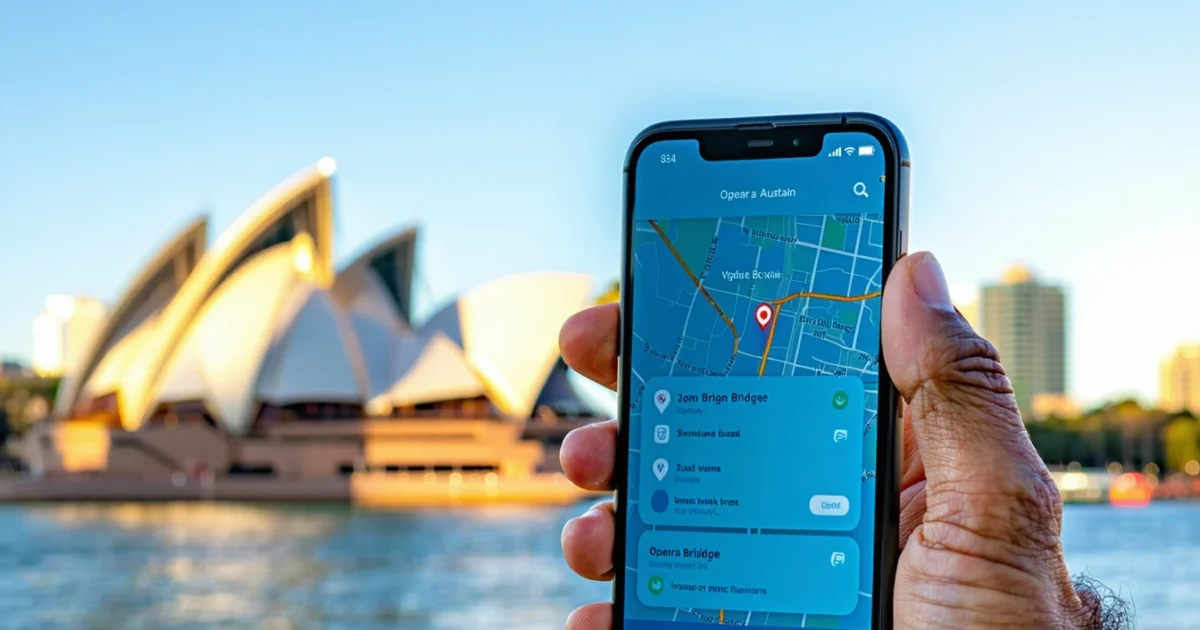
Uber fare estimator tools help Australian riders calculate trip costs before booking, with prices varying significantly across cities like Sydney, Melbourne, and Brisbane. Understanding how much Uber costs in Australia requires knowing the key pricing components: base fares, distance rates, time charges, and booking fees, plus additional costs like surge pricing and airport surcharges. However, the actual fare can differ from estimates due to traffic conditions, route changes, and dynamic pricing adjustments.
Most Australian cities use upfront pricing models that show estimated costs before you confirm your ride. Nevertheless, factors like toll roads, waiting time, and peak hour multipliers can affect your final bill. Additionally, different Uber service types have varying rate structures, with UberX being the most affordable option.
Furthermore, understanding when surge pricing applies and comparing costs with alternatives like traditional taxis and other rideshare apps can help you make smarter transportation decisions. This comprehensive guide breaks down everything you need to know about Uber pricing across Australia’s major cities.
TL;DR
- Uber’s fare estimator shows upfront pricing based on base fare + distance/time rates + booking fees, but final costs may vary
- Surge pricing can increase fares by 1.2x to 3x+ during peak hours, bad weather, or high demand periods
- Additional fees include airport charges ($3-5), toll roads, waiting time ($0.55/min after grace period), and potential cleaning fees
- City variations: Sydney and Melbourne typically have higher rates than Brisbane and Perth, with CBD and airport pickups costing more
- Cost-saving tips: Avoid peak times, use fare splitting, choose optimal pickup locations, and compare with other rideshare apps for better deals
Understanding Uber's Pricing Structure in Australia
Uber operates an upfront pricing model across Australian cities, displaying estimated fares before you confirm your booking. This transparent approach calculates costs using multiple components rather than traditional taxi meter systems. Consequently, passengers receive predictable pricing that eliminates fare surprises during their journey.
The platform’s pricing algorithm combines several key elements to determine your total fare. Moreover, this comprehensive calculation method ensures consistency across different ride requests while accounting for local market conditions.
Core Pricing Components
Every Uber fare consists of four fundamental components that work together to create your final price. Understanding these elements helps passengers anticipate costs and make informed transportation decisions.
- Base fare: Fixed starting amount ranging from $1.25 to $2.50 depending on service type and city
- Time rate: Per-minute charge typically between $0.35 to $0.65 for travel duration
- Distance rate: Per-kilometre fee usually ranging from $1.45 to $2.80 across Australian markets
- Booking fee: Service charge of $0.55 to $0.75 applied to each trip
Additionally, these rates vary significantly between different Uber service types, with UberX offering the most economical option. Furthermore, premium services like Uber Premier command higher rates across all pricing components.
Dynamic Pricing Mechanics
Dynamic pricing automatically adjusts base rates when demand exceeds driver supply in specific areas. This surge pricing system multiplies standard fares by factors ranging from 1.2x to 3x or higher during peak periods. Consequently, passengers pay premium rates during busy times but benefit from increased driver availability.
The algorithm monitors real-time demand patterns across Australian cities, activating surge pricing during predictable events. For instance, Friday night entertainment districts, airport terminals during flight arrivals, and severe weather conditions typically trigger fare multipliers. Similarly, major sporting events and public holidays create demand spikes that increase pricing.
Uber’s app displays surge multipliers prominently before booking confirmation, ensuring price transparency. Nevertheless, these multipliers can change rapidly as supply and demand conditions fluctuate throughout the day.
Estimated vs Final Fare Differences
While Uber provides upfront estimates, your final fare may differ from the initial quote due to several factors. Route changes, traffic delays, and additional stops can increase the actual cost beyond the estimated amount. However, significant variations typically occur only when trip circumstances change substantially.
The app’s estimate assumes optimal routing and normal traffic conditions for calculation purposes. Therefore, unexpected detours, road closures, or passenger-requested route modifications can affect the final billing amount. Additionally, waiting time charges apply when passengers delay pickup beyond the grace period.
Toll road fees represent another common difference between estimates and final charges. Although the app attempts to include toll costs in upfront pricing, route variations may introduce unexpected toll charges. Furthermore, airport pickup fees and cleaning charges can add to your final bill if applicable.
Most fare variations remain within 10-20% of the original estimate under normal circumstances. However, comparing Uber costs with other rideshare alternatives can help you find better value, especially when surge pricing is active.
How to Use Uber's Fare Estimator
Getting accurate fare estimates helps you budget for your Uber trips effectively. Consequently, understanding how to use both the app-based and web-based estimators ensures you can plan your transportation costs before booking.
Step-by-Step Guide to Getting Fare Estimates in the App
The Uber app provides the most accurate fare estimates because it accesses real-time data. First, open your Uber app and enter your pickup location in the “Where to?” field. Next, input your destination address to see available service options.
Each Uber service type displays its estimated fare range prominently below the vehicle option. Additionally, the app shows estimated arrival times and current demand levels for each service category. Tap any service option to view a detailed fare breakdown including base rates, distance charges, and potential surge pricing.
The app automatically calculates the most efficient route between your locations. Furthermore, it factors in current traffic conditions and typical travel patterns for more accurate estimates. However, you can modify your route by adding stops or changing your destination before confirming the booking.
Using the Web-Based Fare Estimator
Uber’s web-based estimator provides convenient fare calculations without requiring the mobile app. Visit the official Uber website and navigate to the fare estimate tool to access this feature. Enter your pickup and drop-off locations using the address fields provided.
The web estimator displays fare ranges for all available service types in your area. Moreover, it includes estimated trip duration and distance information for planning purposes. However, web estimates may be less precise than app-based calculations because they don’t access real-time surge pricing data.
Web-based estimates work particularly well for advance trip planning and budget preparation. Nevertheless, always check the app for current pricing before booking, especially during peak demand periods when surge multipliers may apply.
Understanding the Estimate Range and Accuracy
Fare estimates typically display as ranges rather than fixed amounts to account for variable factors. The lower end represents optimal conditions with minimal traffic and direct routing. Conversely, the higher end accounts for potential delays, detours, and moderate traffic conditions.
Most Uber estimates prove accurate within 10-15% of the final fare under normal trip conditions
Estimate accuracy depends heavily on real-time data availability and trip complexity. Simple point-to-point journeys during off-peak hours typically match estimates closely. However, complex routes with multiple stops or trips during surge periods may vary more significantly from initial quotes.
The app’s algorithm considers historical traffic patterns, current road conditions, and typical driver availability. Therefore, estimates become more reliable as Uber gathers more data about specific routes and time periods in your area.
Factors That Can Cause Final Fare to Differ from Estimate
Several factors can cause your final fare to exceed the initial estimate significantly. Route changes represent the most common cause of fare variations, particularly when passengers request alternative paths or additional stops during the trip.
- Traffic delays beyond typical patterns increase time-based charges
- Toll road usage adds fees that may not appear in initial estimates
- Waiting time charges apply when passengers exceed the grace period
- Route modifications requested during the trip affect distance calculations
- Airport fees and special pickup charges may apply at certain locations
Surge pricing changes can also impact your final bill if demand spikes occur between estimate generation and trip completion. Additionally, cleaning fees may apply if incidents occur during your journey, though these situations are relatively uncommon.
Understanding these potential variations helps you make informed decisions about your transportation choices. Alternatively, consider exploring other rideshare options when Uber estimates seem unusually high due to surge pricing or other factors.
Uber Fare Components and Rates (2026)
Understanding Uber’s fare structure helps you calculate trip costs accurately across Australia’s major cities. Each Uber ride combines multiple pricing components that vary by location, service type, and demand conditions.
Base Fare Rates Across Major Australian Cities
Base fares represent the initial charge applied to every Uber trip, regardless of distance or duration. Sydney maintains the highest base rates at $2.50 for UberX, while Melbourne charges $2.20 and Brisbane applies $2.00 for standard services.
| City | UberX Base Fare | Uber Comfort Base Fare | UberXL Base Fare |
|---|---|---|---|
| Sydney | $2.50 | $3.20 | $4.00 |
| Melbourne | $2.20 | $2.90 | $3.50 |
| Brisbane | $2.00 | $2.70 | $3.20 |
| Perth | $1.80 | $2.40 | $2.90 |
| Adelaide | $1.70 | $2.30 | $2.80 |
Regional cities typically charge lower base fares, with Gold Coast and Canberra applying rates similar to Brisbane. However, these rates fluctuate based on local market conditions and operational costs in each metropolitan area.
Per-Kilometre and Per-Minute Charges by Service Type
Distance charges accumulate throughout your journey, while time charges apply during slow-moving traffic or stops. UberX services charge between $1.45-$1.85 per kilometre across major Australian cities, with Sydney commanding premium rates.
Time-based charges range from $0.35-$0.55 per minute for standard UberX rides. Premium services like Uber Comfort and Premier apply higher rates, typically 30-50% above standard pricing for both distance and time components.
- UberX: $1.45-$1.85/km, $0.35-$0.55/minute
- Uber Comfort: $1.90-$2.40/km, $0.45-$0.70/minute
- UberXL: $2.10-$2.70/km, $0.50-$0.75/minute
- Uber Premier: $2.80-$3.50/km, $0.65-$0.90/minute
These rates apply during normal demand periods. Furthermore, surge pricing multiplies these base rates when demand exceeds driver availability in your area.
Booking Fees and Service Charges
Booking fees cover Uber’s operational costs and platform maintenance across Australia. Most cities apply a standard $0.55 booking fee to every ride, though this amount may vary during promotional periods or special events.
Additional service charges include airport pickup fees ranging from $3.00-$5.00 at major terminals like Sydney Kingsford Smith and Melbourne Tullamarine. Toll charges pass through directly to passengers when drivers use toll roads during your journey.
Cancellation fees apply when you cancel rides after drivers have started traveling to your pickup location. Standard cancellation charges range from $5.00-$8.00 depending on your city and service type selected.
Minimum Fare Requirements
Uber enforces minimum fare policies to ensure drivers receive reasonable compensation for very short trips. Sydney maintains the highest minimum fare at $8.00 for UberX, while other major cities typically require $6.50-$7.50 minimums.
These minimum charges apply regardless of actual distance or time traveled during your trip. Consequently, short journeys of 1-2 kilometres often cost the minimum fare amount rather than calculated distance and time charges.
Premium services maintain higher minimum fares, with Uber Comfort requiring $10.00-$12.00 minimums and Premier services starting at $15.00-$18.00 across major Australian markets. Understanding these minimums helps you evaluate whether alternative rideshare apps might offer better value for short-distance travel.
Surge Pricing and Peak Hour Rates
Uber’s surge pricing system automatically increases fares when passenger demand exceeds driver availability in your area. This dynamic pricing mechanism applies multipliers ranging from 1.2x to 5.0x the standard base rates during high-demand periods across Australian cities.
The surge algorithm activates within minutes when ride requests spike beyond available drivers. Consequently, passengers see elevated prices that encourage more drivers to come online while balancing supply and demand in real-time.
How Surge Pricing Works
Uber calculates surge multipliers using real-time data from passenger requests and active driver locations. The platform divides cities into hexagonal zones, with each area maintaining independent surge rates based on local demand patterns.
When surge pricing activates, the app displays the current multiplier prominently before you confirm your ride request. For example, a 2.1x surge multiplier transforms a typical $15.00 fare into a $31.50 charge during peak demand periods.
Furthermore, surge notifications appear as bright orange indicators on your fare estimate screen. The app requires you to manually type the surge amount or tap confirmation buttons to acknowledge higher pricing before booking your ride.
Peak Hour Patterns in Australian Cities
Sydney experiences consistent surge pricing during weekday morning rush (7:00-9:30 AM) and evening commute periods (5:00-7:30 PM). Additionally, weekend nights from 11:00 PM to 3:00 AM regularly trigger surge multipliers of 1.5x-3.0x in entertainment districts like Kings Cross and Darlinghurst.
Melbourne’s surge patterns mirror Sydney’s timing, with particularly high multipliers during major sporting events at the MCG and Marvel Stadium. Rain significantly amplifies surge pricing across both cities, often doubling normal rates within 15 minutes of precipitation starting.
| City | Peak Morning | Peak Evening | Weekend Surge |
|---|---|---|---|
| Sydney | 7:00-9:30 AM | 5:00-7:30 PM | 11:00 PM-3:00 AM |
| Melbourne | 7:30-9:00 AM | 5:30-7:00 PM | 12:00-3:30 AM |
| Brisbane | 7:00-9:00 AM | 4:30-6:30 PM | 11:30 PM-2:30 AM |
| Perth | 7:30-8:30 AM | 5:00-6:30 PM | 12:00-2:00 AM |
Airport pickups trigger surge pricing during flight arrival peaks, particularly at Sydney Kingsford Smith between 6:00-8:00 AM and 8:00-10:00 PM. Similarly, major events like AFL Grand Final or New Year’s Eve generate surge multipliers exceeding 4.0x in surrounding areas.
Strategies to Avoid Surge Charges
Timing your rides strategically helps you avoid peak surge periods entirely. Traveling 30-45 minutes before or after rush hour typically saves 40-60% on fare costs compared to peak demand pricing.
Walking 2-3 blocks away from high-demand areas often places you in different surge zones with lower multipliers. Entertainment districts, shopping centers, and transport hubs maintain higher surge rates than residential streets just minutes away.
- Check multiple pickup locations within walking distance
- Wait 10-15 minutes for surge rates to decrease naturally
- Consider alternative rideshare apps like Didi during high surge periods
- Use public transport during extreme surge events (3.0x+)
- Pre-book rides through Uber Reserve to lock in standard rates
Comparing prices across different rideshare platforms becomes particularly valuable during surge periods. Didi often maintains lower rates when Uber applies significant surge multipliers, especially during weekend nights and special events.
Understanding Surge Multipliers and Notifications
Uber displays surge multipliers using decimal notation (1.2x, 1.8x, 2.5x) with corresponding color coding from yellow (low surge) to bright red (extreme surge). The app calculates your estimated fare by multiplying the base rate by the current surge factor.
Surge notifications include both the multiplier amount and estimated total fare before you confirm your booking. However, surge rates change dynamically, so your actual fare may differ if the multiplier increases between booking and pickup.
Surge multipliers above 3.0x typically indicate major events, severe weather, or transport disruptions affecting your area
The app sends push notifications when surge pricing ends in your area, helping you time your rides for standard rates. Additionally, enabling location services allows Uber to provide surge forecasts based on upcoming events and historical demand patterns in your neighborhood.
Additional Fees and Charges
Beyond the base fare and surge pricing, Uber charges additional fees for specific services and circumstances. Understanding these extra costs helps you calculate accurate trip expenses and avoid unexpected charges on your final bill.
Airport Pickup and Drop-off Fees
Airport surcharges apply to all rides starting or ending at Australian airports, with fees varying by location. Sydney Airport charges $3.50 for pickups and drop-offs, while Melbourne Airport adds $4.20 per trip. Brisbane Airport implements a $2.50 surcharge for both directions.
These airport fees appear as separate line items on your receipt and cannot be avoided when using designated pickup zones. However, some airports offer free pickup areas located slightly further from terminals, though these require additional walking time.
Toll Road Charges and Calculations
Toll charges transfer directly to passengers when drivers use toll roads during your trip. Uber calculates these fees using real-time toll pricing data and adds them to your final fare automatically.
Major toll roads like the M2 Hills Motorway ($3.30), Cross City Tunnel ($5.67), and CityLink in Melbourne ($6.25) significantly impact your total cost. Furthermore, drivers choose toll routes to reduce travel time, especially during peak hours when alternative roads experience heavy congestion.
The app displays estimated toll costs before you confirm your booking, though actual charges may vary based on the specific route taken. Additionally, comparing Didi vs Uber for airport trips can help you find the most cost-effective option when toll roads are involved.
Waiting Time Charges and Grace Periods
Waiting time fees begin after your driver arrives and waits beyond the standard grace period. UberX provides a 2-minute grace period for pickups, while premium services like Uber Comfort and Premier offer 5-minute grace periods.
After the grace period expires, Uber charges $0.55 per minute for waiting time across most Australian cities. Consequently, delays in reaching your pickup location or making stops during your trip increase your total fare substantially.
| Service Type | Grace Period | Waiting Fee per Minute |
|---|---|---|
| UberX | 2 minutes | $0.55 |
| Uber Comfort | 5 minutes | $0.55 |
| Uber XL | 2 minutes | $0.65 |
| Uber Premier | 5 minutes | $0.75 |
Cancellation Fees and Conditions
Cancellation fees apply when you cancel your ride after a driver accepts your request and begins traveling to your location. Standard cancellation charges range from $5.00 to $10.00 depending on your service type and city.
You can cancel without penalty within the first 2 minutes after booking, or if your driver fails to make progress toward your pickup location for 5 minutes. Moreover, technical issues with the app or driver no-shows result in automatic fee waivers.
Premium services like Uber Premier charge higher cancellation fees ($10.00) compared to standard UberX rides ($5.00). Therefore, confirming your pickup details and timing before booking helps avoid unnecessary cancellation charges.
Cleaning Fees for Vehicle Damage
Cleaning fees apply when passengers cause damage or excessive mess requiring professional cleaning services. These charges range from $20 for minor spills to $150 for significant damage like vomiting or permanent stains.
Drivers document damage with photos and submit cleaning fee requests through the app within 24 hours of your trip. Subsequently, Uber reviews each claim and charges your payment method if the damage claim proves valid.
Cleaning fees can reach $150 for severe vehicle damage, making alternative rideshare options worth considering for potentially messy trips.
Common cleaning fee scenarios include food spills, muddy shoes, pet accidents, and bodily fluids. However, normal wear and tear from regular use does not qualify for cleaning charges, and passengers can dispute unreasonable fee claims through Uber’s support system.
Uber Service Types and Pricing Differences
Understanding Uber’s diverse service options helps you choose the most cost-effective ride for your specific needs. Each service type offers different pricing structures, vehicle specifications, and passenger capacities that directly impact your fare calculations.
UberX vs UberXL vs Uber Premium Pricing
UberX represents the most economical option, accommodating up to 4 passengers in standard sedans and hatchbacks. Base fares typically start at $2.50-$3.50 with per-kilometre rates ranging from $1.45-$2.10 depending on your city.
UberXL provides larger vehicles for up to 6 passengers, charging approximately 30-50% more than UberX rates. Consequently, base fares increase to $3.50-$4.50 with per-kilometre charges reaching $2.20-$2.80 across major Australian cities.
Uber Premier delivers premium sedan experiences with professional drivers and luxury vehicles. Premium pricing reflects enhanced service quality, with base fares starting at $5.00-$7.00 and per-kilometre rates of $2.50-$3.20. Additionally, Premier services often include complimentary water and phone chargers.
| Service Type | Base Fare | Per KM Rate | Passenger Capacity | Vehicle Type |
|---|---|---|---|---|
| UberX | $2.50-$3.50 | $1.45-$2.10 | Up to 4 | Standard sedan/hatch |
| UberXL | $3.50-$4.50 | $2.20-$2.80 | Up to 6 | SUV/large vehicle |
| Uber Premier | $5.00-$7.00 | $2.50-$3.20 | Up to 4 | Premium sedan |
Learn more about each option in our comprehensive Uber Service Types Australia guide for detailed comparisons and availability information.
Uber Pool/Share Cost Savings
Uber Pool (now called UberX Share in some markets) offers significant cost reductions by sharing rides with other passengers traveling similar routes. This shared service typically costs 15-25% less than standard UberX fares, making it ideal for budget-conscious travelers.
However, availability varies significantly across Australian cities, with Pool services primarily operating in Sydney and Melbourne’s CBD areas during peak hours. Furthermore, shared rides increase journey times by 10-20 minutes due to additional passenger pickups and drop-offs.
Pool pricing works by splitting the base fare and distance charges among passengers, though each rider pays their individual booking fee. Therefore, a $15 UberX trip might cost approximately $11-$13 when shared with another passenger heading in the same direction.
Uber Green and Eco-Friendly Options
Uber Green connects riders with hybrid and electric vehicles, supporting environmental sustainability while maintaining competitive pricing. Green service rates typically match standard UberX pricing, occasionally adding small premiums of $0.50-$1.00 per trip in select markets.
Electric vehicle options include Tesla Model 3, Nissan Leaf, and various hybrid sedans that reduce carbon emissions by 40-60% compared to traditional petrol vehicles. Moreover, Green rides contribute to cleaner air quality in urban areas while providing the same comfort and convenience as standard services.
Currently, Uber Green operates primarily in Sydney, Melbourne, and Brisbane, with plans for expansion to other major cities throughout 2026. Additionally, some drivers receive incentives for operating eco-friendly vehicles, helping maintain competitive pricing for environmentally conscious passengers.
Accessibility Options and Pricing
Uber WAV (Wheelchair Accessible Vehicle) provides specialized transportation for passengers with mobility requirements at standard UberX pricing. These vehicles feature wheelchair ramps, secure restraint systems, and trained drivers experienced in accessibility assistance.
WAV services maintain the same fare structure as regular UberX rides, ensuring equal access without premium charges for accessibility features. Consequently, passengers pay identical base fares, per-kilometre rates, and time charges regardless of their mobility needs.
However, availability remains limited across Australian cities, with longer wait times of 15-30 minutes compared to standard services. Therefore, booking WAV rides in advance through Uber’s scheduled ride feature helps ensure vehicle availability for time-sensitive appointments.
Additionally, Uber partners with local disability organizations to expand accessibility services and driver training programs. These initiatives aim to improve service coverage while maintaining affordable pricing for passengers requiring specialized transportation assistance.
City-Specific Pricing: Sydney, Melbourne, Brisbane, Perth
Uber pricing varies significantly across Australia’s major cities due to local market conditions, regulatory requirements, and operational costs. Furthermore, Sydney typically commands the highest fares, with base rates starting at $2.50 and per-kilometre charges reaching $1.85 during standard periods.
Melbourne offers more competitive pricing, with base fares averaging $2.20 and distance rates of $1.65 per kilometre. Meanwhile, Brisbane maintains moderate pricing at $2.30 base fare and $1.70 per kilometre, while Perth features the most affordable rates with $2.10 base charges and $1.55 per kilometre.
| City | Base Fare | Per Kilometre | Per Minute | Minimum Fare |
|---|---|---|---|---|
| Sydney | $2.50 | $1.85 | $0.55 | $8.00 |
| Melbourne | $2.20 | $1.65 | $0.50 | $7.50 |
| Brisbane | $2.30 | $1.70 | $0.52 | $7.80 |
| Perth | $2.10 | $1.55 | $0.48 | $7.20 |
Traffic and Regulatory Impact on Pricing
Dense traffic conditions directly influence fare calculations through time-based charges, particularly affecting Sydney’s congested CBD and arterial roads. Consequently, passengers experience higher costs during peak hours when vehicles move slowly through heavy traffic, increasing per-minute charges significantly.
State regulations also impact pricing structures differently across cities. For instance, New South Wales imposes stricter licensing requirements that increase operational costs for drivers, while Victoria maintains more flexible regulatory frameworks that help keep fares competitive.
Additionally, local government fees and taxes vary between states, with some cities charging higher registration costs and permit fees that drivers pass on to passengers through adjusted fare structures. These regulatory differences explain why identical trips cost more in certain cities despite similar distances.
Airport and CBD Premium Charges
Airport pickups incur additional fees ranging from $3.50 to $5.50 depending on the terminal and city. Moreover, Sydney Kingsford Smith Airport charges the highest pickup fee at $5.50, while Melbourne Tullamarine adds $4.80 to standard fares.
CBD zones implement dynamic pricing during business hours, with surcharges of 10-25% above standard rates. Furthermore, parking restrictions and limited pickup zones in city centers create operational challenges that increase costs for both drivers and passengers.
Toll roads connecting airports to city centers add extra charges to trip costs, particularly affecting routes from Brisbane Airport via the AirportlinkM7 and Sydney Airport through the Eastern Distributor. These infrastructure costs appear as separate line items on fare receipts.
For comparison with other rideshare options, consider exploring Didi vs Uber airport pickup services to understand pricing differences between platforms at major Australian airports.
Regional and Suburban Rate Variations
Suburban areas typically offer lower base fares but higher per-kilometre rates due to longer distances between pickup points and destinations. Consequently, outer metropolitan zones may cost more overall despite cheaper initial charges.
Regional cities like Gold Coast, Newcastle, and Wollongong maintain competitive pricing with base fares starting at $1.80-$2.10 and distance rates of $1.40-$1.60 per kilometre. However, driver availability decreases significantly outside major metropolitan areas.
Remote and rural locations often experience surge pricing due to limited driver supply, with multipliers reaching 2.0-3.5x standard rates during peak demand periods. Therefore, passengers in these areas should consider alternative transportation options or other rideshare apps for better availability and pricing.
Weekend and evening services in suburban areas frequently cost 15-30% more than weekday rates due to reduced driver numbers and increased demand from entertainment venues and social events.
Cost Comparison: Uber vs Alternatives
Uber vs Traditional Taxi Fares
Traditional taxis in Australia typically charge higher base fares than Uber, with initial rates ranging from $3.50-$5.00 compared to Uber’s $1.55-$2.50 starting fee. However, taxi distance rates often remain competitive at $1.60-$2.20 per kilometre, particularly during off-peak periods.
Waiting time charges create significant differences between services. Furthermore, taxis impose $0.65-$0.85 per minute for stationary periods, while Uber charges $0.45-$0.55 per minute during traffic delays or passenger delays.
| Service Type | Base Fare | Per KM Rate | Waiting Time |
|---|---|---|---|
| Traditional Taxi | $3.50-$5.00 | $1.60-$2.20 | $0.65-$0.85/min |
| UberX | $1.55-$2.50 | $1.45-$1.75 | $0.45-$0.55/min |
Airport surcharges represent another cost differential. Consequently, taxis often include airport fees in their standard meter rates, while Uber adds separate booking fees and toll charges to final receipts.
Comparison with Other Rideshare Apps
DiDi consistently offers lower prices than Uber across most Australian cities, with base fares 10-25% cheaper and competitive per-kilometre rates. Additionally, DiDi frequently runs promotional campaigns offering 50% discounts for new users and regular riders.
Bolt maintains competitive pricing structures similar to Uber, though availability remains limited to select metropolitan areas. Meanwhile, other rideshare alternatives like Shebah focus on specific market segments with premium pricing models.
Ride availability differences significantly impact actual costs, as limited driver supply on alternative platforms can result in longer wait times and surge pricing activation.
Public Transport Cost Comparison
Public transport offers substantial savings compared to rideshare services for regular commuters. For instance, Sydney’s Opal card daily cap of $16.80 covers unlimited travel across trains, buses, and ferries, while equivalent Uber trips typically cost $25-$45 for similar distances.
Melbourne’s myki system provides daily caps at $9.20 for metropolitan zones, making public transport approximately 60-70% cheaper than rideshare options for city center commutes. Similarly, Brisbane’s go card offers competitive daily rates under $10.00 for most urban journeys.
However, public transport becomes less cost-effective for late-night travel when services reduce frequency or cease operations. Therefore, rideshare services fill essential gaps in public transport timetables, particularly after midnight and during weekend periods.
When Uber is Most Cost-Effective
Uber demonstrates optimal cost-effectiveness during specific scenarios and travel patterns. Consequently, short-distance trips under 5 kilometres often cost less via Uber than traditional taxis due to lower base fares and competitive per-kilometre rates.
Group travel using UberXL or Comfort services provides excellent value when splitting costs among 4-6 passengers. Additionally, airport transfers during off-peak hours typically cost 20-30% less than taxi alternatives.
Time-sensitive journeys benefit from Uber’s predictable pricing and upfront fare estimates, eliminating concerns about meter manipulation or unexpected route changes. Furthermore, Uber One membership can reduce costs for frequent users through priority booking and reduced service fees.
Late-night and early-morning travel often favors Uber over public transport due to limited service availability and safety considerations. Therefore, rideshare services become essential for shift workers, airport transfers, and emergency transportation needs outside standard public transport hours.
Tips to Minimize Your Uber Costs
Smart Uber users employ strategic booking techniques to reduce their transportation expenses significantly. Moreover, understanding fare dynamics and promotional opportunities can slash your rideshare costs by 30-50% annually across Australian cities.
Best Times to Book for Lower Fares
Off-peak hours between 10 AM and 3 PM typically offer the lowest base rates without surge pricing multipliers. Additionally, Tuesday through Thursday mornings demonstrate consistently lower demand across Melbourne, Sydney, and Brisbane markets.
Avoiding surge pricing periods saves substantial money during peak demand windows. Consequently, Friday and Saturday nights between 11 PM and 3 AM often trigger 2x-5x surge multipliers in major Australian cities.
Early morning bookings before 7 AM frequently bypass surge pricing while maintaining reliable driver availability. Furthermore, scheduling rides during school holidays reduces weekday morning surge rates significantly.
Using Fare Splitting and Sharing Options
Uber’s fare splitting feature allows passengers to divide costs equally among multiple riders through the app interface. Therefore, group travel using this functionality reduces individual expenses while maintaining convenience and comfort.
Choosing appropriate Uber service types maximizes cost-effectiveness for different group sizes. Specifically, UberXL accommodates up to 6 passengers at rates often cheaper than multiple UberX bookings.
Coordinating with colleagues or friends for regular commutes creates informal carpooling arrangements that significantly reduce individual transportation costs. Additionally, university students frequently organize shared airport transfers during semester breaks.
Choosing Optimal Pickup and Drop-off Locations
Strategic pickup points near major roads reduce driver detour time and associated fare increases. Consequently, walking 2-3 blocks to main streets often decreases total trip costs by 10-15% in congested urban areas.
Avoiding airport pickup zones saves significant surcharge fees imposed at Sydney Kingsford Smith, Melbourne Tullamarine, and Brisbane airports. Instead, catching public transport to nearby suburbs before booking Uber reduces costs substantially.
Selecting drop-off locations near public transport hubs enables cost-effective journey completion using trains or buses. Moreover, this strategy proves particularly valuable for long-distance trips where final-mile public transport costs less than extended Uber rides.
Loyalty Programs and Promotional Offers
Uber One membership provides priority booking and reduced service fees for frequent users across Australia. Additionally, members receive exclusive promotional codes and discounted rides during special events.
First-time user promotions offer substantial discounts or free rides up to specific dollar amounts. Furthermore, referral programs reward existing users with ride credits when friends complete their initial Uber journeys.
Seasonal promotions during major holidays and sporting events provide temporary fare reductions and bonus ride credits. Therefore, monitoring Uber’s promotional calendar helps users plan cost-effective travel during discount periods.
Corporate partnerships with employers often include subsidized Uber rides for business travel or late-night employee transportation. Consequently, checking workplace benefits packages may reveal hidden rideshare cost savings opportunities.
Frequently Asked Questions
How accurate are Uber fare estimates in Australia?
Uber’s fare estimates are generally accurate within 10-15% of the final cost under normal conditions. However, the actual fare can vary due to traffic delays, route changes, toll roads, and surge pricing. The upfront pricing model shows your estimated cost before booking, but factors like waiting time and dynamic pricing adjustments can affect your final bill.
What is surge pricing and when does it apply in Australian cities?
Surge pricing is Uber’s dynamic pricing system that increases fares by 1.2x to 3x or higher when demand exceeds driver supply. It commonly applies during peak hours (Friday/Saturday nights), bad weather, major events, public holidays, and at busy locations like airports and entertainment districts. The app clearly displays surge multipliers before you confirm your booking.
Are there additional fees beyond the base Uber fare?
Yes, several additional fees may apply to your Uber trip:
- Airport charges: $3-5 surcharge for pickups/drop-offs at major airports
- Toll roads: Automatically added when your route includes tolls
- Waiting time: $0.55 per minute after a 2-minute grace period
- Cleaning fees: $80-150 if the vehicle requires cleaning due to passenger mess
- Booking fee: $0.55-0.75 service charge on each trip
Which Australian cities have the highest Uber rates?
Sydney and Melbourne typically have the highest Uber rates in Australia, particularly for CBD and airport trips. Brisbane and Perth generally offer more affordable rates, while regional cities may have limited service availability. Distance rates can range from $1.45 to $2.80 per kilometre depending on the city and service type.
What's the difference between UberX, Uber Comfort, and Uber Premier pricing?
UberX is the most affordable option with standard vehicles and basic service. Uber Comfort costs approximately 20-30% more and offers newer cars with extra legroom. Uber Premier is the premium service with luxury vehicles, costing 50-100% more than UberX. Each service type has different base fares, time rates, and distance charges.
How can I reduce my Uber costs in Australia?
Several strategies can help lower your Uber expenses:
- Avoid peak times: Travel outside surge pricing periods when possible
- Use fare splitting: Share costs with friends using Uber’s split fare feature
- Choose optimal pickup locations: Walk to main roads or less congested areas
- Compare apps: Check other rideshare services for competitive pricing
- Consider UberPool: Share rides with other passengers (where available)
- Book in advance: Use scheduled rides to potentially avoid surge pricing
Do I get charged for cancelled Uber trips in Australia?
You can cancel your Uber trip free of charge within 2 minutes of booking. After this grace period, a cancellation fee of $4-8 applies depending on your city and service type. If the driver has already started moving toward your pickup location, you’ll likely be charged the cancellation fee even within the 2-minute window.
How does Uber pricing compare to traditional taxis in Australia?
Uber is generally 10-30% cheaper than traditional taxis during normal conditions, especially for longer trips. However, during surge pricing periods, Uber can become more expensive than taxis. Taxis have fixed meter rates and don’t use dynamic pricing, making them potentially more cost-effective during peak demand times. Always compare both options during high-demand periods.
You May Also Like

Moving to Australia: The Complete Checklist and Guide (2026)

NT Public Holidays 2026: Full Calendar, Dates and How Darwin and Alice Springs Celebrate