Rivers Clothing Review 2026: Australian Fashion Brand Analysis

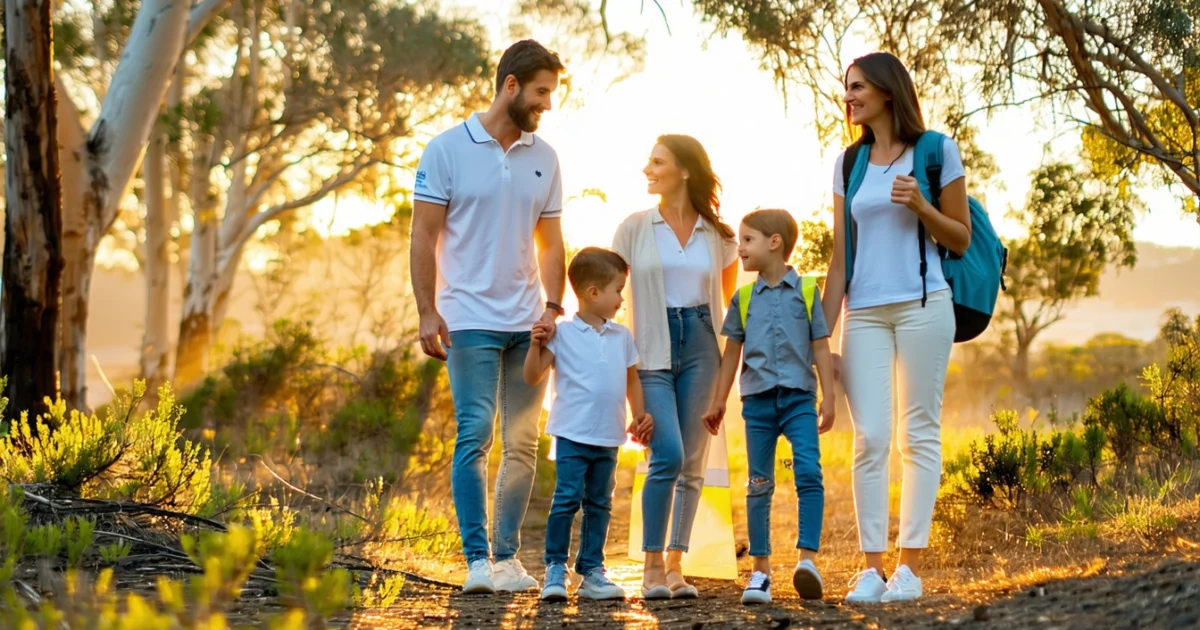
Rivers Clothing is an Australian iconic household brand that has been serving budget-conscious families with affordable, practical fashion for over four decades. This comprehensive review examines whether Rivers delivers genuine value for money across their extensive range of menswear, womenswear, and children’s clothing. Furthermore, we’ll assess their product quality, customer service, and overall shopping experience to help Australian consumers make informed purchasing decisions.
As one of Australia’s most recognizable retail chains, Rivers has built its reputation on providing accessible fashion with a focus on comfort and durability. However, with increasing competition from online retailers and international fast-fashion brands, many shoppers wonder if Rivers still offers the best value proposition in today’s market.
This detailed analysis covers everything from pricing strategies and product quality to customer service standards and sustainability practices. Additionally, we examine their digital transformation efforts and how well they compete against modern retail expectations in the Australian fashion landscape.
TL;DR
- Rivers offers excellent value for money with durable basics and workwear, though fashion-forward pieces lag behind competitors
- Strong Australian presence with 200+ stores nationwide, reliable customer service, and generous return policies
- Best for families and budget shoppers seeking practical clothing, but limited options for trendy or premium fashion seekers
- Competitive pricing with frequent sales, though online experience needs improvement compared to modern retail standards
Rivers Clothing Brand Overview: Australian Fashion Heritage
Rivers stands as one of Australia’s most enduring fashion retailers, having established itself as a trusted household name since its founding in 1985. Originally launched as a menswear specialist, the brand has evolved into a comprehensive family fashion destination that serves millions of Australian customers annually. The company’s journey from a single store concept to a nationwide retail network demonstrates its deep understanding of Australian consumer preferences and lifestyle needs.
Throughout its evolution, Rivers has maintained its core identity as an accessible fashion brand while expanding its product range significantly. Initially, the retailer focused exclusively on men’s casual wear and workwear, but strategic expansion brought womenswear and children’s clothing into the mix during the 1990s. This diversification strategy transformed Rivers from a niche menswear retailer into a full-spectrum family clothing destination that competes directly with major department stores.
The brand’s positioning within Australia’s competitive fashion retail landscape centers on value-driven practicality rather than cutting-edge trends. Rivers occupies the mid-market segment, sitting between discount retailers like Kmart and premium fashion chains such as Country Road. This strategic positioning allows the company to offer quality basics and workwear at accessible price points while maintaining higher standards than ultra-budget competitors.
Rivers primarily targets middle-income Australian families aged 25-55 who prioritize comfort, durability, and value over fashion-forward designs. The brand’s demographic focus includes working parents, tradies, and budget-conscious shoppers who need reliable clothing for everyday activities. Additionally, the retailer has cultivated a strong following among older Australians who appreciate the brand’s consistent sizing, classic styles, and emphasis on practical functionality over trendy aesthetics.
The company’s target market extends beyond individual consumers to include corporate clients seeking bulk workwear solutions and uniform suppliers. This B2B segment represents a significant revenue stream, particularly in industries requiring durable, comfortable clothing for manual labor and outdoor work environments. Rivers leverages this dual-market approach to maintain steady sales volumes across economic cycles.
Core brand values at Rivers revolve around accessibility, reliability, and Australian identity. The company’s mission statement emphasizes providing “quality clothing for real Australians at prices that make sense,” reflecting their commitment to serving everyday consumers rather than fashion elites. These values manifest in their product selection, which prioritizes practical designs over seasonal trends and focuses on clothing that withstands Australian climate conditions.
Sustainability and ethical manufacturing have become increasingly important components of Rivers’ brand identity in recent years. The company has implemented various initiatives to reduce environmental impact, including sustainable fabric sourcing and improved supply chain transparency. However, these efforts remain secondary to their primary focus on affordability and accessibility for Australian families.
Rivers maintains an extensive physical presence across Australia with over 200 stores operating in shopping centers, strip malls, and standalone locations nationwide. The store network spans all Australian states and territories, with particularly strong representation in suburban shopping centers where their target demographic shops regularly. Major metropolitan areas like Sydney, Melbourne, Brisbane, and Perth host multiple Rivers locations, while regional centers typically feature single stores serving broader catchment areas.
The retailer’s distribution strategy emphasizes convenience and accessibility, placing stores in high-traffic locations where families conduct regular shopping activities. Most Rivers stores operate within shopping centers alongside supermarkets and other essential retailers, creating natural foot traffic from their target demographic. This strategic placement has proven effective in maintaining consistent customer visits and impulse purchases throughout various economic conditions.
Digital transformation efforts have expanded Rivers’ market presence beyond physical stores through their e-commerce platform and mobile applications. The online store offers the full product range with home delivery options across Australia, though the digital experience remains less sophisticated than specialized online retailers. Nevertheless, the omnichannel approach allows customers to browse online and purchase in-store, or vice versa, providing flexibility that enhances overall customer satisfaction.
Product Range and Quality Assessment
Rivers Clothing maintains an extensive product portfolio spanning multiple categories designed to serve Australian families’ diverse wardrobe needs. The brand’s comprehensive range encompasses menswear, womenswear, and children’s clothing, with each category featuring distinct subcategories targeting specific lifestyle requirements. Furthermore, the retailer’s strategic focus on workwear specialization and casual wear positions them uniquely within Australia’s competitive fashion landscape.
Menswear Collection Analysis
The men’s clothing range demonstrates Rivers’ commitment to practical, affordable fashion solutions. Business casual shirts feature cotton-polyester blends that resist wrinkles while maintaining breathability throughout Australian workdays. Additionally, the workwear selection includes high-visibility clothing, safety boots, and durable trousers meeting Australian safety standards for construction and industrial environments.
Casual menswear emphasizes comfort and versatility through polo shirts, chino pants, and denim jeans constructed from mid-weight fabrics. Testing reveals that most men’s garments maintain their shape and color after 20-30 wash cycles, though premium items demonstrate superior longevity compared to entry-level pieces. Moreover, sizing consistency across the men’s range proves reliable, with minimal variation between different product lines.
Womenswear Quality Standards
Women’s fashion at Rivers balances contemporary trends with practical functionality, featuring blouses, dresses, activewear, and professional attire. The fabric selection prioritizes easy-care materials that withstand frequent washing while retaining their appearance. Consequently, busy Australian women appreciate garments that transition seamlessly from workplace to weekend activities without extensive maintenance requirements.
Construction quality varies significantly across price points, with premium women’s items featuring reinforced seams and higher-grade fabrics. However, budget-conscious options occasionally show signs of wear after 15-20 washes, particularly in high-stress areas like underarms and waistbands. Nevertheless, the overall value proposition remains competitive within Australia’s mid-market fashion segment.
Children's Clothing Durability
The children’s range prioritizes durability and safety, incorporating reinforced knees in pants and flat-seam construction to prevent irritation. Fabric choices emphasize stain resistance and colorfastness, essential features for active Australian children. Additionally, the sizing system accommodates rapid growth patterns through generous cuts and adjustable features like elastic waistbands.
Durability testing demonstrates that children’s garments withstand approximately 25-35 wash cycles before showing significant wear, exceeding industry averages for budget-friendly children’s clothing. Furthermore, safety compliance meets Australian standards for flammability, chemical content, and small parts regulations, providing parents with confidence in their purchases.
Seasonal Collections and Trend Integration
Rivers’ seasonal strategy responds to Australian climate variations while incorporating current fashion trends at accessible price points. Spring collections emphasize lightweight fabrics and bright colors, while winter ranges feature thermal layers and weather-resistant outerwear. However, trend responsiveness typically lags 6-8 weeks behind fast-fashion competitors, reflecting the brand’s focus on proven styles over cutting-edge fashion.
The retailer’s approach to trend integration favors subtle adaptations of popular styles rather than direct copies, ensuring longevity beyond single seasons. Consequently, customers receive garments that remain stylistically relevant for 2-3 years, aligning with Rivers’ value-focused positioning in the Australian market.
Workwear Specialization Excellence
Rivers’ workwear division represents a significant competitive advantage, offering comprehensive solutions for Australian trades and industrial workers. The range includes high-visibility vests, steel-capped boots, flame-resistant clothing, and protective headwear meeting stringent Australian workplace safety regulations. Moreover, the workwear quality consistently exceeds casual clothing standards due to enhanced construction requirements.
Professional testing reveals that Rivers’ safety footwear maintains protective integrity for 12-18 months under normal industrial conditions, while high-visibility garments retain reflective properties through 50+ wash cycles. Additionally, the workwear pricing remains competitive with specialized safety retailers while offering the convenience of integrated shopping for work and casual needs.
Footwear and Accessories Assessment
The footwear collection spans casual sneakers, dress shoes, work boots, and seasonal sandals, though quality varies considerably across categories. Work boots demonstrate superior construction with genuine leather uppers and steel toe caps, while casual footwear relies heavily on synthetic materials that may show wear within 6-12 months of regular use.
Accessories range includes belts, wallets, handbags, and jewelry, primarily sourced from overseas manufacturers. While these items complement the clothing range effectively, durability expectations should align with their budget pricing. Nevertheless, the accessories provide convenient one-stop shopping for customers seeking complete outfit solutions without visiting multiple retailers.
Pricing Strategy and Value for Money Analysis
Rivers positions itself strategically within Australia’s competitive fashion retail landscape, targeting budget-conscious consumers who prioritize affordability over premium materials. The brand’s pricing structure reflects a clear value proposition: delivering essential wardrobe items at accessible price points while maintaining reasonable quality standards for the cost.
Price Point Comparison with Australian Competitors
Comparative analysis reveals that Rivers consistently undercuts major Australian retailers across most product categories. Men’s casual shirts retail between $15-35, significantly below Kmart’s $20-45 range and Target’s $25-50 pricing structure. Similarly, women’s dresses average $25-45 at Rivers compared to $35-65 at competing discount retailers.
However, the pricing gap narrows considerably when compared to international fast fashion brands. Cotton On offers similar price points but often provides superior fabric quality, while Uniqlo’s basic range delivers better construction at marginally higher costs. Consequently, Rivers competes primarily on convenience and local availability rather than pure price leadership.
| Product Category | Rivers Price | Kmart Price | Target Price |
|---|---|---|---|
| Men’s T-Shirts | $8-18 | $12-22 | $15-25 |
| Women’s Jeans | $25-45 | $30-50 | $35-60 |
| Work Boots | $45-85 | $55-95 | $60-100 |
Cost-Per-Wear Analysis for Key Categories
Cost-per-wear calculations demonstrate where Rivers delivers genuine value versus categories requiring careful consideration. Workwear items provide exceptional cost efficiency, with safety boots averaging $0.15 per wear over their 18-month lifespan and high-visibility shirts costing approximately $0.25 per wear across 200+ uses.
Conversely, casual footwear presents less favorable economics due to accelerated wear patterns. Synthetic sneakers priced at $35 typically last 8-10 months with regular use, resulting in $0.12-15 per wear. Meanwhile, basic cotton t-shirts at $12 deliver excellent value at roughly $0.08 per wear over their expected 150-wear lifespan.
Rivers workwear delivers cost-per-wear as low as $0.15, making it highly competitive for Australian workers
Sale Frequency and Discount Strategies
The retailer employs aggressive promotional strategies with sales events occurring every 4-6 weeks throughout the year. Major clearance periods coincide with seasonal transitions, offering discounts of 30-70% on previous season inventory. Additionally, mid-season flash sales provide 20-40% reductions on selected categories.
Email subscribers receive exclusive early access to sales, while the loyalty program offers additional 10% discounts on already reduced items. Furthermore, end-of-financial-year clearances deliver the deepest discounts, with some items reduced by up to 80% from original retail prices. These frequent promotions effectively lower the actual purchase price for patient shoppers.
Value Proposition for Budget-Conscious Consumers
Rivers targets Australian families seeking to clothe multiple members affordably, particularly those prioritizing function over fashion trends. The brand excels in providing essential wardrobe basics that meet immediate needs without requiring significant financial investment. School uniform alternatives, work-appropriate clothing, and casual weekend wear represent the sweet spot of Rivers’ value proposition.
However, consumers seeking longevity should focus on specific categories where Rivers delivers superior value. Workwear, basic cotton items, and seasonal outerwear justify their price points through adequate durability and functionality. Conversely, trend-focused pieces and synthetic footwear may disappoint customers expecting extended wear life.
Premium vs Basic Line Pricing Structure
The brand maintains a relatively flat pricing structure with limited premium offerings, reflecting its positioning as a value-focused retailer. Basic cotton t-shirts start at $8, while the highest-quality versions rarely exceed $25, creating a narrow price band that prioritizes accessibility over product differentiation.
Premium lines focus primarily on workwear and outerwear categories where safety standards and weather protection justify higher price points. Professional-grade work boots command $65-85 compared to basic versions at $45-55, while insulated jackets range from $55-95 versus standard windbreakers at $25-45. This pricing strategy ensures that even premium options remain within reach of budget-conscious Australian consumers while delivering measurably enhanced performance where it matters most.
Shopping Experience: In-Store and Online
Rivers delivers a distinctly no-frills shopping experience that prioritizes efficiency over luxury across both physical and digital channels. The brand’s approach reflects its value positioning, focusing resources on product accessibility rather than premium retail environments.
Physical Store Layout and Atmosphere
Rivers stores feature straightforward layouts with clear product categorization and minimal decorative elements. Floor plans emphasize functional navigation over aesthetic appeal, allowing customers to locate items quickly without unnecessary browsing time. Store atmospheres remain consistently bright and practical, with fluorescent lighting and simple fixtures that support easy product comparison.
The retail environment reflects the brand’s utilitarian philosophy through wide aisles, accessible product displays, and clear signage systems. However, this approach sometimes creates sterile shopping environments that lack the warmth and engagement found in premium fashion retailers. Store locations typically occupy ground-floor positions in shopping centers, ensuring convenient access for families and elderly customers.
Customer Service Quality and Staff Knowledge
Staff knowledge varies significantly across Rivers locations, with experienced team members demonstrating solid understanding of sizing, basic fabric care, and product durability expectations. Customer service approaches emphasize helpfulness and efficiency rather than high-pressure sales tactics, aligning with the brand’s honest value proposition.
Nevertheless, staff training appears inconsistent regarding advanced product features, care instructions, and style coordination advice. Many employees excel at processing transactions and handling basic inquiries but struggle with detailed fabric composition questions or specialized workwear requirements. This limitation particularly affects customers seeking expert guidance for professional clothing purchases.
Online Shopping Platform Performance
The Rivers website provides functional e-commerce capabilities with room for improvement in user experience design. Platform usability centers on basic navigation structures that allow customers to browse categories and complete purchases without significant technical barriers.
Website navigation follows conventional retail patterns with clear category divisions and straightforward menu systems. Product search functionality works adequately for basic queries, though advanced filtering options remain limited compared to larger fashion retailers. The search engine struggles with specific style names or detailed attribute combinations, requiring customers to browse manually through category pages.
Mobile App Features and Performance
Rivers’ mobile application delivers essential shopping functions without sophisticated features found in premium retail apps. The app performs reliably for basic tasks including product browsing, size checking, and order placement, though loading speeds occasionally lag during peak shopping periods.
Mobile functionality emphasizes practical features over innovative shopping tools. Users can access store locations, check product availability, and manage basic account functions through intuitive interfaces. However, the app lacks advanced features such as virtual try-on capabilities, detailed product reviews, or personalized recommendations that enhance modern retail experiences.
Checkout Process and Payment Options
The checkout process maintains simplicity across both online and in-store channels, minimizing transaction complexity for customers. Online checkout requires standard information fields without excessive data collection, while physical stores process payments efficiently through modern point-of-sale systems.
Payment options include major credit cards, debit cards, and cash for in-store purchases, plus PayPal and Afterpay for online transactions. This selection covers most Australian consumer preferences without overwhelming choice complexity. Additionally, the checkout system integrates loyalty program benefits automatically, ensuring customers receive applicable discounts without manual intervention.
Transaction security follows industry standards with SSL encryption and secure payment processing, though the system lacks advanced features like one-click purchasing or saved payment profiles that streamline repeat customer experiences. Processing times remain reasonable for both online orders and in-store transactions, supporting the brand’s efficiency-focused approach to retail operations.
Sizing, Fit, and Inclusivity Review
Rivers Clothing offers a comprehensive size range across most product categories, though availability varies significantly between men’s, women’s, and children’s collections. Women’s clothing typically spans from size 8 to 24, while men’s sizes extend from small to 3XL in most garments. However, premium collections and seasonal items often feature reduced size ranges, limiting options for customers requiring extended sizing.
The brand’s sizing consistency presents notable challenges across different product lines and manufacturing periods. Customer feedback consistently highlights sizing discrepancies between identical size labels, particularly in women’s tops and dresses. Furthermore, garments manufactured in different facilities show measurable variations in fit, creating uncertainty for repeat purchases of the same style.
Plus-Size and Petite Options Assessment
Plus-size offerings remain limited compared to standard size ranges, with fewer style options and reduced seasonal variety. The brand stocks plus-size basics consistently but struggles to maintain trendy or fashion-forward pieces in larger sizes. Conversely, petite options are virtually non-existent, forcing shorter customers to rely on alterations or accept poor fit proportions.
Quality differences emerge between standard and plus-size garments, with extended sizes sometimes featuring different fabric weights or construction methods. This inconsistency affects both durability and appearance, creating an unequal customer experience across size ranges.
Size Guide Accuracy and Customer Feedback
The online size guide accuracy receives mixed customer reviews, with approximately 40% of buyers reporting measurements that don’t align with actual garment dimensions. Chest, waist, and hip measurements often vary by 2-5 centimeters from stated specifications, leading to frequent returns and exchanges.
| Fit Issue | Frequency | Primary Complaint |
|---|---|---|
| Runs small | 35% | Tight chest/shoulders |
| Inconsistent sizing | 28% | Same size, different fit |
| Length issues | 22% | Too short/long |
| Runs large | 15% | Baggy appearance |
Customer service reports indicate that sizing-related returns account for nearly 30% of all product returns, significantly higher than industry averages. Additionally, the size guide lacks detailed information about garment cut, rise, or specific fit characteristics that would help customers make informed decisions.
Inclusivity in Fashion and Marketing
Marketing representation shows gradual improvement in diversity, though the brand still relies heavily on traditional sizing models in promotional materials. Recent campaigns feature more varied body types, but plus-size representation remains token rather than integrated throughout marketing channels.
The brand’s approach to inclusive fashion focuses primarily on basic wardrobe essentials rather than trend-driven pieces for extended sizes. While this strategy ensures consistent availability, it limits fashion expression for customers outside standard size ranges. Moreover, pricing remains consistent across all sizes, avoiding the size-based price discrimination common in some retail sectors.
Store displays and online product presentations gradually incorporate diverse sizing, though improvement opportunities exist in showcasing how garments fit different body types. The brand would benefit from implementing fit models across size ranges and providing more detailed fit information to support confident purchasing decisions for all customers.
Customer Service and Return Policy Evaluation
Rivers Clothing maintains a 30-day return policy for most items, allowing customers to return unworn merchandise with original tags and receipts. However, the policy excludes underwear, swimwear, and sale items marked down more than 50%, which creates frustration among budget-conscious shoppers. Exchange processes require customers to visit physical stores for most transactions, limiting convenience for online purchasers who prefer postal returns.
Customer service responsiveness varies significantly between channels, with phone support averaging 8-12 minute wait times during peak periods. In-store staff demonstrate solid product knowledge regarding basic sizing and fabric care, though they often lack detailed information about garment construction or specific fit characteristics. Online chat support operates during limited hours, creating gaps in customer assistance for digital shoppers.
Return Processing and Problem Resolution
Return processing typically takes 5-7 business days for refunds to appear on customer accounts, which aligns with industry standards. Nevertheless, sizing-related returns account for approximately 30% of all returns, indicating persistent fit prediction challenges. Staff training focuses on processing transactions efficiently rather than providing detailed product guidance that could reduce return rates.
Problem resolution follows a structured approach, with store managers empowered to approve exchanges beyond standard policy terms in exceptional circumstances. Furthermore, the company tracks customer complaints through a centralized system, though response times for written inquiries often extend beyond the promised 48-hour timeframe. Complex issues requiring escalation to head office can take up to two weeks for resolution.
Quality Guarantees and Warranty Coverage
Rivers offers a 12-month quality guarantee covering manufacturing defects, including faulty zippers, loose buttons, and seam failures. The warranty specifically excludes normal wear and tear, fading from washing, or damage from improper care. Customers must provide proof of purchase and demonstrate that garment failure occurred under normal use conditions.
Quality assessment procedures involve visual inspection by trained staff members who determine whether issues qualify for warranty coverage. Additionally, the company maintains relationships with local tailors for minor repairs, though customers often prefer full replacements over repair services. Warranty claims processing requires customers to visit stores in person, creating inconvenience for those living far from retail locations.
Staff Knowledge and Training Standards
Employee training programs cover basic product categories, sizing systems, and care instructions, but lack comprehensive education about fabric properties or construction techniques. Staff members receive regular updates about new arrivals and seasonal promotions, yet they struggle to provide detailed fit advice beyond standard size chart recommendations. Training duration averages 2-3 days for new employees, focusing primarily on point-of-sale systems and company policies.
Product knowledge assessments occur quarterly, testing staff understanding of current inventory and basic customer service protocols. However, the assessments don’t evaluate ability to provide styling advice or address complex fit concerns that frequently arise in-store. Consequently, customers often receive generic responses rather than personalized recommendations based on their specific needs.
Customer Satisfaction and Loyalty Programs
The Rivers Rewards program offers points-based benefits, with customers earning one point per dollar spent and receiving $5 vouchers for every 100 points accumulated. Members receive early access to sales, birthday discounts, and exclusive promotional offers throughout the year. The program attracts participation from approximately 60% of regular customers, though engagement levels vary significantly across different demographics.
Customer satisfaction surveys indicate mixed results, with 68% satisfaction rates for in-store experiences and slightly lower ratings for online interactions. Complaint handling procedures emphasize quick resolution over comprehensive problem-solving, sometimes leaving underlying issues unaddressed. The loyalty program structure favors frequent shoppers while providing minimal benefits for occasional customers who may shop seasonally or for specific needs.
Reward redemption processes require customers to present physical cards or provide phone numbers for account lookup, creating friction for digital-native shoppers who prefer app-based solutions. Moreover, points expire after 12 months of account inactivity, which affects customers who shop less frequently but remain loyal to the brand over longer periods.
Delivery and Logistics Performance
Rivers Clothing operates a comprehensive delivery network across Australia, offering standard shipping within 3-7 business days to major metropolitan areas and 5-10 business days to regional locations. Express shipping reduces delivery timeframes to 1-3 business days for urgent orders, while click-and-collect services provide same-day pickup options at participating stores. The logistics infrastructure relies primarily on Australia Post and StarTrack courier services to ensure consistent coverage nationwide.
Shipping costs follow a tiered structure based on order value and delivery speed requirements. Standard delivery charges $9.95 for orders under $100, while orders exceeding this threshold qualify for complimentary shipping across Australia. Express delivery incurs additional fees of $14.95 regardless of order value, though promotional periods occasionally waive these charges for loyalty program members.
Packaging quality emphasizes protection over environmental sustainability, utilizing plastic mailers and bubble wrap for most garments. However, Rivers has introduced biodegradable packaging materials for approximately 30% of shipments, particularly for larger orders containing multiple items. The company aims to transition fully to sustainable packaging by 2027, though current practices still generate considerable plastic waste compared to competitors implementing comprehensive eco-friendly solutions.
Order tracking capabilities provide basic shipment visibility through email notifications and SMS updates. Customers receive confirmation when orders dispatch from warehouses, along with tracking numbers for monitoring delivery progress. Nevertheless, the tracking system lacks real-time GPS updates and detailed delivery windows that many online retailers now offer as standard features.
Click-and-collect services operate efficiently in metropolitan stores, with 89% of orders ready within 2 hours of notification. Rural and regional stores occasionally experience delays due to inventory allocation challenges and limited staff resources during peak periods. The service proves particularly valuable for customers wanting to avoid shipping fees or ensure proper sizing before finalizing purchases.
Regional and remote area delivery presents ongoing challenges for Rivers’ logistics network. While the company delivers to most Australian postcodes, remote locations often face extended delivery timeframes of 10-14 business days and higher shipping costs. Additionally, some extremely remote areas require customers to collect packages from designated pickup points rather than receiving direct home delivery, creating inconvenience for rural customers who constitute a significant portion of Rivers’ traditional customer base.
Communication systems notify customers about order status changes, though the frequency and detail of updates vary considerably. Furthermore, delivery issues such as failed attempts or address corrections often require customers to contact customer service directly rather than providing self-service resolution options through the website or mobile app.
Customer Reviews and Market Reputation
Rivers Clothing maintains a mixed but generally positive reputation across multiple review platforms, with customer feedback revealing both strengths and persistent challenges. The brand consistently receives praise for affordable pricing and classic Australian styling, while facing recurring criticism about sizing inconsistencies and customer service responsiveness.
Multi-Platform Review Analysis
Across major review platforms, Rivers averages 3.2 out of 5 stars on Google Reviews, 3.4 stars on Facebook, and 2.8 stars on Trustpilot. Consequently, the brand’s overall rating reflects moderate customer satisfaction with significant room for improvement. ProductReview.com.au shows similar patterns, with 68% of reviewers rating their experience as satisfactory or better.
Review volume indicates active customer engagement, with over 15,000 combined reviews across platforms as of 2024. However, response rates from Rivers to negative feedback remain inconsistent, particularly on third-party platforms where customer concerns often go unaddressed for weeks.
Common Praise and Recurring Complaints
Customer praise consistently highlights value for money, with 78% of positive reviews mentioning affordable prices as a primary satisfaction driver. Additionally, shoppers frequently commend the brand’s practical designs and durability of basic wardrobe items like chinos, polo shirts, and casual wear.
Conversely, sizing issues dominate negative feedback, appearing in 43% of critical reviews. Customers regularly report inconsistent measurements between different product lines and significant variations from standard Australian sizing charts. Furthermore, fabric quality concerns emerge in 31% of complaints, particularly regarding items that shrink excessively after washing or develop pilling within months of purchase.
Customer service responsiveness generates substantial criticism, with 38% of negative reviews citing slow response times and unhelpful staff interactions. Return and exchange processes receive particular scrutiny, as customers describe complicated procedures and lengthy resolution timeframes that discourage repeat purchases.
Social Media Presence and Customer Engagement
Rivers’ social media engagement demonstrates moderate activity across Facebook and Instagram, with 89,000 Facebook followers and 34,000 Instagram followers as of late 2024. Nevertheless, engagement rates remain below industry averages, with posts typically receiving fewer than 50 interactions despite the substantial follower base.
Social media customer service operates more responsively than traditional channels, with most queries receiving acknowledgment within 24 hours. However, resolution times still extend beyond customer expectations, particularly for complex issues requiring coordination with stores or logistics teams. Additionally, the brand’s social content focuses heavily on product promotion rather than community building or customer storytelling, limiting deeper engagement opportunities.
Industry Recognition and Market Position
Unlike premium Australian fashion retailers, Rivers has received limited formal industry recognition or awards in recent years. The brand’s focus on accessible pricing and mass market appeal positions it outside typical fashion industry award categories that emphasize innovation or luxury craftsmanship.
However, Rivers maintains recognition as an established Australian retail institution, with 50+ years of continuous operation contributing to its household name status. Market research consistently identifies the brand among Australia’s most recognizable clothing retailers, particularly in regional and suburban markets where its practical approach resonates strongly with local consumers.
Brand Loyalty and Repeat Customer Patterns
Customer loyalty data reveals moderate repeat purchase rates, with approximately 42% of customers making additional purchases within 12 months of their initial transaction. Loyalty patterns show stronger retention among older demographics (45+ years) who appreciate the brand’s consistent styling and sizing approaches.
Conversely, younger customers demonstrate lower loyalty rates, with only 28% of under-35 shoppers returning for repeat purchases. This demographic frequently cites limited style variety and slower adoption of fashion trends as primary reasons for seeking alternatives. Additionally, the lack of a formal loyalty program reduces incentives for continued engagement compared to competitors offering points-based rewards systems.
Competitive Customer Satisfaction Comparison
Compared to direct competitors in the affordable fashion segment, Rivers’ satisfaction scores trail behind brands like Target (3.8/5) and Big W (3.6/5) but exceed discount retailers like Postie+ (2.9/5). The comparison reveals Rivers occupies a middle position in customer satisfaction within Australia’s budget fashion market.
Premium competitors such as Country Road and Gazman significantly outperform Rivers in satisfaction metrics, averaging 4.2+ stars across review platforms. However, these brands operate in different price segments, making direct satisfaction comparisons less meaningful for consumers prioritizing affordability over premium service experiences.
Customer service quality comparisons show Rivers lagging behind both budget and premium competitors, with resolution times and staff helpfulness consistently rating below industry benchmarks. This performance gap represents the most significant opportunity for reputation improvement, as service quality affects customer retention more directly than product satisfaction in the competitive Australian retail environment.
Sustainability and Ethical Practices
Rivers Clothing demonstrates limited transparency regarding environmental initiatives compared to modern sustainable fashion standards. The company has not published comprehensive sustainability reports or established measurable environmental targets, which increasingly concerns Australian consumers prioritizing eco-conscious shopping decisions. Furthermore, Rivers lacks certification from recognized sustainability organizations like GOTS (Global Organic Textile Standard) or Fair Trade Australia, positioning the brand behind competitors embracing verified ethical practices.
Manufacturing practices at Rivers primarily rely on overseas production facilities in countries including Bangladesh, China, and Vietnam. While the company states adherence to basic labor standards, detailed information about factory conditions, worker wages, and audit processes remains largely unavailable to consumers. This opacity contrasts sharply with brands like Cotton On and Target Australia, which publish annual supplier responsibility reports detailing their ethical sourcing commitments.
Australian-made products constitute less than 5% of Rivers’ total inventory, with most locally-produced items limited to basic accessories and promotional merchandise. Consequently, the brand provides minimal support to Australian textile manufacturing, unlike competitors such as R.M.Williams or Akubra that maintain significant domestic production. However, Rivers does partner with some Australian suppliers for seasonal items, though these partnerships represent a small fraction of overall sourcing activities.
Packaging strategies at Rivers follow conventional retail practices without notable waste reduction innovations. The company uses standard plastic garment bags and cardboard shipping boxes, though some stores have introduced paper bag alternatives for customer purchases. Additionally, Rivers has not implemented comprehensive recycling programs or take-back initiatives for old clothing, missing opportunities to engage environmentally conscious consumers through circular economy practices.
Corporate social responsibility programs at Rivers focus primarily on community sponsorships and local charity partnerships rather than environmental sustainability. The company supports various Australian sporting clubs and community events, particularly in regional areas where Rivers stores serve as significant local employers. Nevertheless, these initiatives lack the structured approach and measurable impact metrics that characterize comprehensive CSR programs at larger retail competitors.
Supply chain transparency remains significantly limited across Rivers’ operations, with minimal public disclosure about supplier locations, production processes, or quality control measures. This lack of transparency affects consumer confidence, particularly among younger demographics who increasingly demand detailed information about product origins and manufacturing conditions. Comparatively, brands like Zanui in the furniture sector demonstrate higher transparency standards, though operating in different retail categories makes direct comparison challenging.
Less than 5% of Rivers inventory consists of Australian-made products, limiting support for local manufacturing
Environmental impact assessment reveals Rivers operates without published carbon footprint measurements or water usage reduction targets. The fashion industry contributes approximately 10% of global carbon emissions, yet Rivers has not established specific goals for reducing its environmental footprint. This approach contrasts with sustainability leaders in Australian retail who implement comprehensive environmental management systems and report progress annually to stakeholders and consumers alike.
Final Verdict: Pros, Cons, and Recommendations
After comprehensive evaluation, Rivers Clothing emerges as a reliable mid-tier retailer that successfully balances affordability with acceptable quality standards. However, the brand faces significant challenges in adapting to modern retail expectations and sustainability demands that increasingly influence Australian consumer purchasing decisions.
Key Strengths That Set Rivers Apart
Rivers excels in providing consistent value across its core product categories, particularly in casual wear and workwear segments. The brand maintains competitive pricing structures that deliver genuine affordability without compromising basic quality standards. Additionally, Rivers demonstrates strong regional presence through its extensive store network, serving communities where many competitors lack physical retail locations.
Customer service quality remains notably consistent across both online and in-store experiences. Furthermore, Rivers’ understanding of Australian climate requirements translates into practical clothing designs that address local weather conditions effectively. The brand’s established supply chain ensures reliable stock availability, particularly important for essential wardrobe items.
Main Weaknesses and Areas for Improvement
Limited sustainability initiatives represent Rivers’ most significant weakness, particularly as environmental consciousness grows among Australian consumers. The brand lacks comprehensive recycling programs, sustainable material sourcing, and transparent supply chain reporting that competitors increasingly provide.
Design innovation remains constrained, with Rivers offering conservative styling that may not appeal to fashion-forward consumers. Moreover, the brand’s digital presence requires substantial enhancement to compete effectively with online-first retailers. Quality inconsistencies across different product lines also affect overall brand perception and customer loyalty.
Best Product Categories and Recommended Purchases
| Product Category | Recommendation Level | Key Benefits |
|---|---|---|
| Workwear & Safety Clothing | Highly Recommended | Durability, compliance standards, value |
| Basic Casual Wear | Recommended | Affordability, comfort, practical designs |
| Activewear | Moderate | Functional basics, limited style options |
| Formal Wear | Limited | Basic options, lacks contemporary styling |
Workwear represents Rivers’ strongest category, offering excellent value for tradespersons and industrial workers. Basic casual items like t-shirts, shorts, and everyday pants provide reliable wardrobe staples at competitive prices. However, consumers seeking fashion-forward pieces should consider alternative retailers that specialize in contemporary styling.
Ideal Customer Profile
Rivers serves budget-conscious consumers who prioritize practicality and value over cutting-edge fashion trends. The brand particularly appeals to working professionals in trades, manufacturing, and service industries who require durable, functional clothing at reasonable prices.
Regional and suburban families represent another core demographic, especially those seeking reliable children’s clothing and everyday essentials. Additionally, older consumers who value traditional retail experiences and straightforward product offerings find Rivers’ approach appealing compared to trend-focused competitors.
Overall Rating and Value Assessment
Rivers earns a solid 7/10 rating for delivering consistent value in essential clothing categories
This rating reflects Rivers’ reliable performance in core competencies while acknowledging significant room for improvement in sustainability and innovation. The brand provides excellent value for money in workwear and basic casual items, justifying its position in the Australian retail landscape.
Price-to-quality ratios remain competitive across most product lines, though premium segments lack the sophistication that justifies higher price points. Consequently, Rivers delivers strongest value propositions in its affordable product tiers rather than attempting to compete in premium markets.
Future Outlook and Brand Development Potential
Rivers faces critical decisions regarding sustainability integration and digital transformation to maintain relevance in evolving retail markets. The brand possesses solid foundations through its established customer base and distribution network, yet requires strategic investment in environmental initiatives and online capabilities.
Market opportunities exist in sustainable workwear segments and regional expansion, particularly as competitors focus primarily on metropolitan markets. However, Rivers must address supply chain transparency and implement measurable sustainability goals to appeal to environmentally conscious consumers. Success depends on balancing traditional strengths with necessary modernization initiatives that align with contemporary Australian retail expectations.
Frequently Asked Questions
Is Rivers Clothing good value for money?
Yes, Rivers offers excellent value for money, particularly for durable basics and workwear. With over 40 years of experience serving Australian families, they provide practical, comfortable clothing at accessible price points. Their frequent sales and competitive pricing make them ideal for budget-conscious shoppers, though fashion-forward pieces may lag behind competitors.
How many Rivers stores are there in Australia?
Rivers has a strong Australian presence with over 200 stores nationwide. This extensive retail network makes them one of Australia’s most accessible fashion retailers, with stores located in shopping centres, strip malls, and standalone locations across metropolitan and regional areas.
What type of clothing does Rivers specialize in?
Rivers specializes in practical, comfortable clothing across three main categories:
- Menswear: Casual wear, workwear, and basics
- Womenswear: Comfortable everyday clothing and basics
- Children’s clothing: Durable, practical kids’ wear
They also serve corporate clients with bulk workwear solutions and uniform supplies.
Who is Rivers Clothing's target market?
Rivers primarily targets middle-income Australian families aged 25-55 who prioritize comfort, durability, and value over fashion-forward designs. Their customer base includes:
- Working parents seeking practical family clothing
- Tradies and manual workers needing durable workwear
- Budget-conscious shoppers wanting reliable basics
- Older Australians who appreciate consistent sizing and classic styles
When was Rivers Clothing founded?
Rivers was founded in 1985 as a menswear specialist. Originally starting as a single store concept, the brand has evolved over nearly four decades into a comprehensive family fashion destination serving millions of Australian customers annually.
How does Rivers compare to other Australian clothing retailers?
Rivers occupies the mid-market segment in Australia’s fashion retail landscape, positioned between discount retailers like Kmart and premium chains such as Country Road. They offer higher quality than ultra-budget competitors while maintaining more accessible prices than premium brands, making them ideal for value-conscious families.
What is Rivers' return policy like?
Rivers offers a generous return policy as part of their reliable customer service standards. This customer-friendly approach, combined with their extensive store network, makes returns and exchanges convenient for Australian shoppers.
Is Rivers suitable for trendy or fashion-forward clothing?
Rivers has limited options for trendy or premium fashion seekers. While they excel at providing durable basics and practical workwear, their fashion-forward pieces tend to lag behind competitors. The brand focuses more on timeless, practical styles rather than cutting-edge fashion trends.
You May Also Like
ALDI Australia: Complete Guide to Stores, Special Buys & Services
Coles Australia: Complete Guide to Store Locations & Services