Safest Suburbs for International Students in Melbourne and Sydney

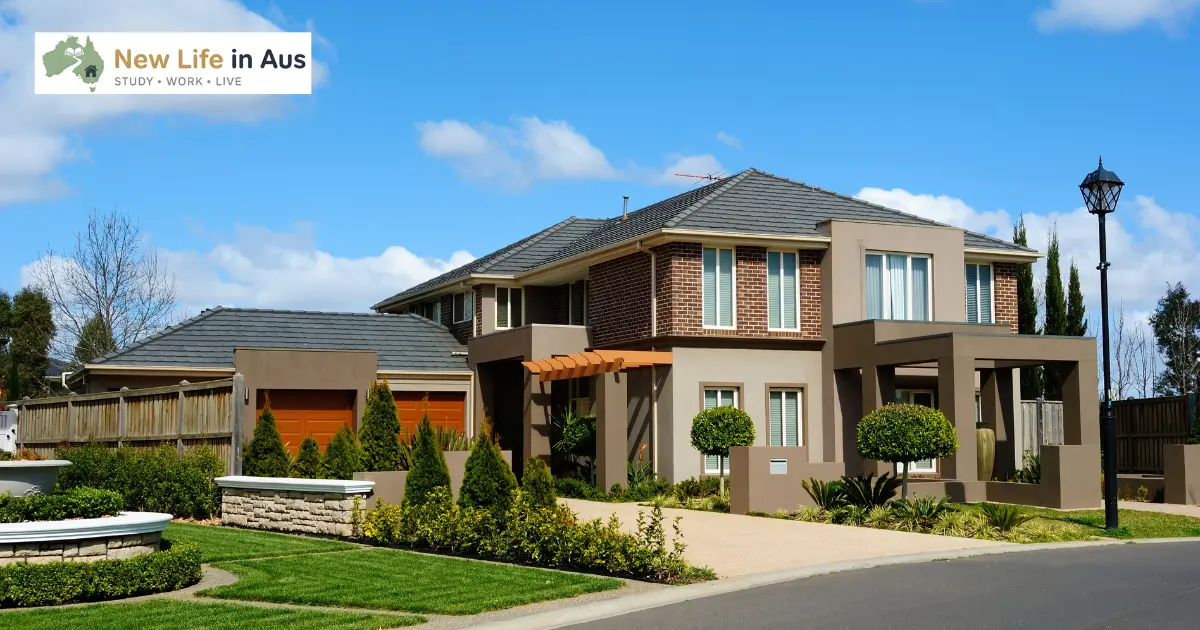
Safest suburbs for international students in Melbourne and Sydney became my obsession after my first share house experience in Footscray. The rent was cheap, the location was convenient to uni, and everyone online said it was “up and coming.” What they didn’t mention was the constant car break-ins, the unsettling walk home from the train station after 8pm, or the night my housemate got his phone stolen at knifepoint two streets from our house.
That incident changed how I thought about where to live in Melbourne. Safety isn’t just about crime statistics on council websites. It’s about how you feel walking home after a late library session, whether you can leave your bike outside without it disappearing, and if you can focus on studying instead of worrying about your neighbourhood.
Three years and four different Melbourne suburbs later, plus multiple visits helping friends find places in Sydney, I’ve learned what actually makes a suburb safe for international students. The official “safest suburb” lists often include places that are technically low-crime but completely impractical for student life. Here’s the real guide to safest suburbs for international students in Melbourne and Sydney based on actual lived experience, not just police statistics.
What "Safe" Actually Means for Students
Before diving into specific suburbs, understand that safety for students involves multiple factors beyond just crime rates. A suburb can have low crime overall but still feel unsafe because of poorly lit streets, isolated train stations, or lack of people around at night.
Factors that make suburbs genuinely safe for students:
Active street life during evenings. When I moved to Carlton, the streets had people walking around until 10-11pm regularly. Cafes stayed open late, other students walked to and from campus, couples walked their dogs. This natural foot traffic made walking home feel safe because you were never completely alone.
Good street lighting and maintained footpaths. Footscray had entire streets with broken or no street lights. Walking those streets at night was genuinely scary regardless of actual crime statistics. Suburbs with council investment in lighting and infrastructure feel safer immediately.
Proximity to public transport that runs late. If your last train home is 9:30pm and you sometimes study until 10pm, you’re walking or Ubering from the station every time. That limits your flexibility and increases costs. Safe suburbs have frequent transport options until at least 11pm-midnight.
Mix of students and permanent residents. Student-only areas can feel unsafe during semester breaks when everyone leaves and streets empty out. Suburbs with families, professionals, and students maintain consistent activity levels year-round.
Visible police presence without it being needed constantly. I’m not talking about police cars every five minutes responding to incidents. I mean occasional patrols and a police station nearby for emergencies. Carlton has a police station on Lygon Street that provides reassurance without suggesting the area is dangerous.
Crime statistics alone don’t tell the full story. Some suburbs have low reported crime but feel unsafe because of poor lighting, isolation, or lack of community. Others have slightly higher statistics but feel perfectly safe because they’re well-lit, busy areas where the “crime” is often minor property offences not violent incidents.
What international students specifically worry about:
Not knowing which areas are considered safe versus unsafe. Local students grew up hearing “don’t go to this suburb after dark” or “avoid this train station.” International students lack this knowledge and can end up in genuinely risky situations.
Language and cultural barriers making it harder to assess situations. Reading body language, understanding when someone’s being threatening versus just direct, knowing when to be concerned versus when something’s normal Australian behaviour.
Being targeted as international students perceived to carry valuable electronics and cash. This is real. Some areas have higher rates of targeting international students specifically.
Not having support networks nearby if something happens. Local students can call parents or friends who’ll pick them up. International students often lack this local support, making safety more critical.
For context on choosing where to live, my guides to best suburbs in Melbourne and best suburbs in Sydney cover the overall location decision factors.
Understanding Crime Statistics and Safety Data
Before recommending specific suburbs, you need to understand where safety data comes from and what it actually means.
Official crime statistics sources:
Victoria Police Crime Statistics provides data by local government area and suburb. These show reported incidents by category: assault, robbery, burglary, theft, property damage, drug offences.
NSW Bureau of Crime Statistics and Research (BOCSAR) publishes crime data for Sydney suburbs with rates per 100,000 population.
The limitation of these statistics:
Reporting rates vary. Wealthier suburbs often have higher reporting rates because residents report minor incidents. Lower-income areas might have actual crime but less reporting to police.
They measure reported crime, not how safe an area feels. A suburb with lots of car break-ins (property crime) might feel safer than one with lower overall crime but higher violent crime.
They’re historical data, often 12-18 months old by publication. Suburbs change faster than statistics update.
Better indicators of student safety:
Student forums and Facebook groups where people share actual experiences. “Fairy Floss Real Estate” and similar groups have students posting honest reviews of areas including safety concerns.
Walking around suburbs yourself at different times, especially evenings. Twenty minutes walking around 8-9pm tells you more than statistics. Is it well-lit? Are other people around? Does it feel comfortable?
Talking to current students living there. I learned more about Footscray’s actual safety situation from students who lived there than from any official statistics.
Real estate agent knowledge of the area. Good agents know which streets in a suburb are better than others, where students should avoid, practical safety considerations.
Melbourne: Safe Suburbs Close to Universities
Melbourne’s safest suburbs for students cluster in specific areas, each with trade-offs between safety, cost, and university access.
Carlton: The Student Safety Hub
Carlton sits immediately north of Melbourne CBD and is probably the safest central suburb for students because of sheer student population density. I lived here for 18 months and it’s the safest I’ve felt in Melbourne.
Why Carlton is safe:
Constant foot traffic from University of Melbourne and RMIT students. Streets are busy until midnight most nights during semester. This natural surveillance makes street crime much harder.
Excellent street lighting throughout. Carlton had council investment in lighting that makes walking at night comfortable. Compare this to some other inner suburbs with dark streets and the difference is stark.
Police station on Lygon Street plus regular patrols. I saw police walking beats on Lygon Street regularly, which provided visible security presence.
Mix of students, academics, and long-term Italian community. This diversity means the suburb doesn’t empty out during breaks and maintains activity year-round.
The trade-offs:
Rent is expensive. I paid $280 per week for a room in a share house in 2023. Studios start around $400-450 weekly. It’s worth it for safety and location but hits student budgets hard.
Can be noisy, especially on Lygon Street and surrounding areas. Restaurants, bars, and constant foot traffic mean noise until late. Not ideal if you need quiet for studying or sleeping.
Parking is terrible and expensive. If you have a car, street parking is scarce and permit parking costs extra. Most Carlton students don’t have cars.
Best streets and areas in Carlton:
The grid between Lygon Street and Rathdowne Street, roughly from Grattan Street to Princes Park. This is prime student territory with excellent safety.
Areas near Princes Park are quieter while still safe. Good if you want Carlton safety with less noise.
Avoid the very southern edge near Victoria Street which borders less safe areas. Stay north of Queensberry Street generally.
Transport from Carlton:
Multiple tram routes (1, 3, 5, 6, 8, 16, 64, 67, 72) running through Carlton provide excellent connectivity. You can get to any Melbourne campus easily.
Walking distance to University of Melbourne (5-15 minutes) and RMIT City (15-20 minutes). I walked to campus every day and felt safe doing so even after evening classes.
For more on living near Melbourne universities, check my guide on living near University of Melbourne, RMIT, and Monash.
Camberwell: Safe but Far
Camberwell consistently ranks among Melbourne’s safest suburbs statistically. It’s affluent, quiet, and has very low crime rates. But there are reasons it’s not my top recommendation for students.
Why Camberwell is safe:
Genuinely low crime statistics across all categories. Property crime, violent crime, all well below Melbourne averages.
Wealthy, established suburb with strong community presence and neighbourhood watch culture. Residents look out for suspicious activity.
Well-maintained streets, excellent lighting, and general infrastructure investment making it physically safe to navigate.
The downsides for students:
It’s far from most universities. Commute to Melbourne CBD is 30-40 minutes by train, longer to other campuses. This daily travel time adds up and limits your flexibility for late classes or library sessions.
Expensive rent even by Melbourne standards. Share house rooms start around $250-300 weekly, studios are $450-500+. You’re paying premium for safety and location but getting limited student lifestyle benefits.
Very quiet and suburban. If you want any social life or entertainment, you’re travelling to the city. Camberwell itself has cafes and shopping but limited student-oriented activity.
Who Camberwell works for:
Students who absolutely prioritize safety and quiet over convenience and social life. If you’re older, value peace for focused study, and don’t mind commuting, Camberwell delivers safety reliability.
Students with cars who can drive to campus and aren’t reliant on public transport. The commute becomes more manageable with a car.
Transport from Camberwell:
Train line to city with good frequency during peak times. Belgrave and Lilydale lines stop at Camberwell.
Bus connections to various suburbs but less comprehensive than inner-city options.
My article on inner city versus suburban living explores these trade-offs in detail.
Glen Waverley: Safe Suburban Student Hub
Glen Waverley appears on every “safe Melbourne suburbs” list and actually deserves it. It’s further out than Carlton but has built a legitimate student community, particularly international students.
Why Glen Waverley is safe:
Strong local Asian community (particularly Chinese and Indian) creates familiar environment for many international students. This community connection contributes to safety through social networks and cultural familiarity.
The Glen shopping centre and surrounding businesses create active streetlife during daytime and early evening. Commercial activity means people around and natural surveillance.
Good crime statistics with low rates of violent crime and moderate property crime. The property crime that exists is mostly car break-ins in shopping centre parking, not home invasions or street crime.
Student considerations:
Large existing international student population means you’re not alone or standing out. This peer community provides both safety in numbers and practical support.
Distance from city universities is significant – 45-60 minutes by train to Melbourne CBD. Monash Clayton campus is closer (20-25 minutes) making Glen Waverley particularly good for Monash students.
Rent is moderate – $200-280 for share house rooms, $350-450 for studios. Cheaper than inner suburbs but more expensive than outer areas, reflecting the safety and amenities.
The Glen Waverley experience:
I have multiple friends who lived in Glen Waverley during their degrees. The consensus is it feels very safe, has everything you need for daily life (Asian groceries, restaurants, shops), but you’re somewhat isolated from central Melbourne student life. Good if you prioritize study over socializing, less ideal if you want the full Melbourne experience.
One friend who lived there said she felt completely safe walking around at night near The Glen area, but anywhere beyond the main shopping district got quiet and dark quickly. Stick to the established residential areas near the shopping centre.
Transport from Glen Waverley:
Glen Waverley line train with good frequency to city. About 45 minutes to Flinders Street station.
Multiple bus routes connecting to Monash Clayton, Chadstone, and other suburbs.
My guide to cheapest suburbs in Melbourne with reasonable commute times covers the cost-versus-distance calculation.
Brunswick: The False Safety Reputation
Brunswick gets recommended frequently but my experience contradicts the “safe suburb” narrative. Parts of Brunswick are fine, other parts are genuinely sketchy, and telling the difference requires local knowledge international students don’t have.
Why Brunswick’s reputation is complicated:
Northern Brunswick (near RMIT Brunswick campus, around Sydney Road north of Moreland Road) is generally safe with active street life from shops, restaurants, and student population.
Southern Brunswick (closer to the city, particularly streets between Lygon Street and Brunswick Road) has higher crime rates and feels less safe at night. Car break-ins are common, street harassment happens, lighting is poor in residential streets.
Brunswick has gentrified significantly in past decade creating pockets of safety and affluence alongside areas that haven’t changed. Knowing which is which requires living there or having local knowledge.
My Brunswick experience:
I lived in southern Brunswick for six months in a share house near Barkly Square. The main streets (Sydney Road, Brunswick Road) felt fine during the day. At night, I felt uncomfortable walking alone, particularly on smaller residential streets between main roads.
Car break-ins happened constantly on our street – three different housemates had cars broken into during that six months. We heard about two muggings within five blocks of our house during that period.
I moved to Carlton after six months specifically because I was tired of not feeling safe walking home after evening classes or social events.
If you’re considering Brunswick:
Stick to the northern areas near Sydney Road above Moreland Road. These are safer and have better street lighting and activity.
Avoid cheaper rentals in southern Brunswick unless you’ve visited the specific streets multiple times at night and felt comfortable. Cheap rent in Brunswick usually signals less safe areas.
Have a clear route between your place and the train station that’s well-lit and populated. Don’t assume you’ll always be able to get Ubers late at night.
For context on safety considerations, my safety in Melbourne guide covers which areas feel safe and how to move smartly at night.
Other Melbourne Suburbs Worth Considering
Kew and Kew East:
Very safe, affluent, quiet suburbs between city and eastern suburbs. Crime statistics are excellent, streets are well-maintained and lit, community presence is strong.
Expensive ($250-350 for share houses) and far from most student life. Good for postgraduate students or those who value extreme safety over social access.
Hawthorn:
Next to Swinburne University so has student population. Generally safe with mix of students and established residents.
Moderate rent ($220-280 share houses) and good tram access to city. Good middle-ground option between safety and convenience.
Parkville:
Technically part of greater Carlton area but worth mentioning separately. Houses University of Melbourne campus, Royal Melbourne Hospital, and parklands.
Extremely safe due to university and hospital presence meaning people around 24/7. Very expensive if you can even find accommodation given limited rental stock.
Sydney: Safe Suburbs for International Students
Sydney’s safe suburbs face different challenges than Melbourne. The city is more spread out, transport is more complicated, and the cost of living is higher across the board. Finding safety, affordability, and university access simultaneously is harder.
North Shore Suburbs: Maximum Safety, Maximum Cost
Sydney’s North Shore (areas like Chatswood, Wahroonga, Turramurra, Pymble, St Ives) consistently rank as Sydney’s safest areas statistically and experientially. If safety is your absolute top priority and budget isn’t a constraint, North Shore delivers.
Why North Shore is safe:
Genuinely low crime rates across all categories. These suburbs have the lowest assault, robbery, and property crime rates in Sydney.
Wealthy, established communities with strong social cohesion. Neighbourhood watch is active, streets are maintained, infrastructure is excellent.
Good public transport and well-lit streets make moving around feel safe even at night. Multiple train stations and bus routes with frequent service.
The student reality of North Shore:
Rent is prohibitively expensive for most international students. Share house rooms start at $300-350 weekly minimum, studios are $500-600+. This is significantly above student budgets typically.
Distance from Sydney universities is substantial. 30-40 minutes to USYD or UTS by train, longer to UNSW. This daily commute limits flexibility and eats into study time.
Very family-oriented with limited student amenities or social life. You’re living in suburbs designed for wealthy families, not students. Cafes close early, nightlife is nonexistent, student community is minimal.
Who North Shore works for:
Students from wealthy families where cost isn’t a concern and safety is paramount. Some international students, particularly from certain Asian countries, specifically choose North Shore for its safety reputation and established Asian community in areas like Chatswood.
Postgraduate students or mature-age students who don’t want typical student lifestyle and prefer quiet residential living.
Specific North Shore suburbs:
Chatswood is the most student-accessible North Shore option. Large Asian community, excellent shopping, train and bus connections. Still expensive but has more services and activity than purely residential North Shore suburbs.
Wahroonga and Turramurra are quieter and safer but even more expensive and isolated from student life.
For students considering Sydney locations, my ultimate guide to living in Sydney provides comprehensive suburb information.
Inner West: The Sydney Balance
Sydney’s Inner West (Newtown, Stanmore, Dulwich Hill, Summer Hill, Ashfield) provides the best balance of safety, student accessibility, and reasonable costs I’ve seen in Sydney. This is where I’d live if I were a student in Sydney.
Why Inner West is safe:
Active street life and strong local community without being overwhelmingly crowded. These suburbs have cafes, restaurants, and shops creating natural foot traffic and surveillance.
Mix of students, young professionals, and long-term residents creates diverse community. Areas don’t empty out during semester breaks.
Good street lighting and maintained infrastructure in most areas. Council investment in these increasingly gentrified suburbs shows in safety features.
The practical reality:
Moderate rent by Sydney standards – $250-350 for share houses, $400-500 for studios. Still expensive by absolute terms but significantly cheaper than CBD or North Shore.
Excellent public transport access to most Sydney universities. Train lines to city, light rail to various campuses, bus networks are comprehensive. 15-25 minute commute to most campuses.
Genuine student community exists here. You’ll find other international students, student-oriented cafes and shops, university-organized events and housing.
Suburb-specific notes in Inner West:
Newtown is the most established student suburb. King Street is one of the most active student areas in Sydney with restaurants, bars, vintage shops, all catering to student demographics and budgets. Safety comes from constant activity and student population density.
Newtown’s main streets (King Street, Enmore Road) are very safe. Smaller residential streets can vary – check specific areas at night before committing.
Dulwich Hill and Summer Hill are quieter Inner West options with family presence adding safety. Less student-oriented nightlife but more peaceful for studying.
Ashfield has strong Asian community (particularly Chinese) making it popular with Asian international students. Good safety, familiar food and services, but slightly further from central universities.
My friend’s Inner West experience:
A friend doing her Master’s at USYD lived in Stanmore for two years. She felt completely safe walking between her place and Newtown station even at 11pm regularly. The streets were well-lit, other people were always around, and she never felt uncomfortable. Her only complaint was noise from nearby Newtown nightlife on weekends.
For more on Sydney living costs, check my cost of living in Sydney guide that breaks down actual expenses.
Bondi and Eastern Suburbs: Beach Safety
Bondi, Bondi Junction, Coogee, and surrounding Eastern Suburbs have excellent safety reputations and the appeal of beach lifestyle. But they’re expensive and not particularly convenient for most university campuses.
Safety perspective:
Beach suburbs have active communities and good safety statistics. Lots of people around during daytime and early evening, especially in summer months.
Bondi Junction specifically has police presence and shopping centre activity creating safe environment. Well-lit streets and public transport.
Student considerations:
Very expensive. Bondi area is premium real estate. Share house rooms are $350-450 weekly, studios $550-700+. This is beyond most student budgets unless you’re working significant hours or have substantial family support.
Distance from universities is moderate. 25-35 minutes by bus to UNSW, 35-45 minutes to USYD/UTS. Transport is reliable but commuting daily adds up.
Beach lifestyle is fantastic but not essential for successful studying. You’re paying premium specifically for beach access which matters more for lifestyle than education.
Who Eastern Suburbs work for:
Students who can afford premium rent and prioritize beach lifestyle alongside safety. Some international students, particularly from beach-oriented home countries, specifically choose this despite costs.
Students studying at UNSW Kensington campus have easier access than those at other universities.
My guide to living near beaches in Sydney covers the beach suburb experience in detail.
Areas to Avoid or Approach Carefully
Some Sydney suburbs have reputations for higher crime or safety concerns that international students should be aware of.
Western Sydney suburbs with higher crime statistics:
Parts of Blacktown, Mount Druitt, and surrounding areas have higher assault and property crime rates than Sydney average. These areas are very affordable which attracts students on tight budgets, but the safety trade-off is real.
If you’re considering Western Sydney for cost reasons, research specific streets and areas carefully. Some pockets are fine, others are genuinely problematic.
South-western suburbs:
Cabramatta, Bankstown, and surrounding areas have complex safety situations. Parts have strong community cohesion making them safer than statistics suggest. Other parts have genuine crime issues.
The affordability is tempting but visit multiple times, talk to current residents, and understand exactly what you’re getting into.
Sydney CBD itself:
Living in CBD sounds convenient but can feel less safe at night than surrounding residential suburbs. Lots of foot traffic but it’s transient – people passing through, not communities looking out for each other.
Kings Cross specifically has cleaned up significantly from its rough past but still has pockets and times that feel unsafe. I’d avoid it for student accommodation.
How to Research Suburb Safety Yourself
Don’t rely solely on articles like this. Research specific areas you’re considering moving to using these methods:
Visit at different times:
Walk around the suburb during daytime on a weekday. Check out shops, cafes, general activity levels and see if it feels welcoming.
Return on an evening and weekend night around 8-10pm. Walk the route you’d take from transport to your potential accommodation. How does it feel? Is it well-lit? Are other people around?
Visit during semester break if possible to see what the area is like when students are away. Some suburbs feel completely different when student populations leave.
Check online resources:
Crime Statistics Victoria and NSW BOCSAR provide actual crime data by suburb and category.
Google Maps street view lets you see streets before visiting. Check lighting, street condition, general appearance.
Student Facebook groups like “Fairy Floss Real Estate Melbourne” or Sydney equivalents have students posting honest reviews and asking about specific suburbs.
Talk to current students:
Contact your university’s international student office and ask to speak with students from similar backgrounds living in different suburbs. They’ll give honest perspectives.
Join university Facebook groups and ask directly about suburb safety. Current students will share their experiences candidly.
Visit the area and talk to people who look like students. Most will happily share their thoughts on living there.
Consider proximity to emergency services:
Check how far the nearest hospital is. In emergencies, proximity to major hospitals matters.
Look for police station locations. Having a station nearby provides faster response times and often visible patrols.
Use real estate agent knowledge:
Good agents know their areas intimately, including which streets are better than others within suburbs. Ask directly about safety, where students should avoid, any concerns.
Agents want you to rent successfully, so most will be honest about safety issues if you ask specific questions.
For comprehensive suburb selection guidance, my articles on choosing suburbs based on commute, budget and lifestyle help with the decision framework.
Practical Safety Tips Once You've Chosen a Suburb
Even in the safest suburbs, following basic safety practices protects you:
Walking and transport safety:
Plan your route home from public transport before moving somewhere. Walk it at night during your inspection to confirm it feels safe.
Avoid shortcuts through parks, alleys, or unlit areas at night. Take the well-lit main streets even if they’re slightly longer.
Walk confidently and stay aware of surroundings. Don’t be glued to your phone in public spaces, especially at night.
Home security:
Check locks on doors and windows work properly. Ask landlord to upgrade if they’re inadequate.
Don’t share your address or housing situation publicly on social media. Be selective about who knows where you live.
Get to know your immediate neighbors. Having people nearby who recognize you adds informal security.
Avoiding targeting:
Don’t display expensive electronics obviously in public. Keep laptops and tablets in bags, not visible on tables in cafes or libraries.
Vary your routine slightly so you’re not predictable. Same route same time every day can make you a target.
Trust your instincts. If a situation or person feels wrong, remove yourself immediately. Better to be overly cautious than ignore warning signs.
Emergency preparedness:
Save emergency contacts in your phone: 000 for emergencies, non-emergency police line, your country’s consulate, university security.
Know where the nearest 24-hour places are: hospital emergency room, police station, petrol stations. These are safe places to go if you feel threatened.
Have backup transport options. Download Uber/DiDi, know taxi numbers, have emergency cash for cab fare. Don’t rely solely on public transport late at night.
My Australian culture basics guide covers safety expectations and local norms.
The Cost-Safety Balance Reality
Every student faces the same dilemma: safest suburbs are expensive, affordable suburbs often have higher crime. Finding the balance is personal and depends on your priorities and budget.
My honest assessment:
Carlton, Inner West Sydney, and Glen Waverley represent good safety-cost-convenience balances. They’re not the absolute safest statistically, but they’re safe enough while being accessible to universities and somewhat affordable by student standards.
North Shore Sydney and Camberwell Melbourne are genuinely safest but the cost and isolation trade-offs are significant. Unless safety is your absolute top priority or you have substantial budget, they’re impractical.
Outer suburbs in both cities can be very safe (Doncaster East, Northern Beaches) but the commute time cost is real. Spending 2 hours daily commuting affects your study quality, social life, and mental health even if you save money on rent.
What I’d do with different budgets:
High budget ($350-450/week): Carlton Melbourne, Inner West Sydney, Eastern Suburbs Sydney. Maximum safety and convenience, worth the cost if you can afford it.
Medium budget ($250-350/week): Glen Waverley Melbourne, Hawthorn Melbourne, Ashfield/Dulwich Hill Sydney. Good safety, reasonable access, moderate costs.
Tight budget ($180-250/week): Northern Brunswick Melbourne, Western Inner West Sydney. Requires more research and careful area selection but possible to find safe pockets at lower costs.
The budget mistakes I see:
Students choosing absolute cheapest options without considering safety implications. Saving $50-80 weekly on rent isn’t worth being scared to walk home or having possessions stolen.
Overspending on rent thinking expensive automatically means safe. You can pay premium prices in some suburbs and still have safety issues. Research matters more than just cost.
My comprehensive sample monthly budget for Melbourne students shows how rent fits into overall expenses.
Frequently Asked Questions
Is Carlton actually safe for international students or is it gentrified hype?
Carlton is genuinely safe in my experience and that of dozens of students I know who lived there. The university presence creates natural surveillance and student population density makes street crime difficult. Yes it’s gentrified, but that gentrification includes safety improvements like better lighting and active street life. Main downsides are cost and noise, not safety.
Which is safer for international students: Melbourne or Sydney?
Both cities have very safe areas and areas to avoid. Melbourne generally feels more accessible to students safety-wise because good suburbs are closer together and transport is simpler. Sydney requires more research because safe areas are more spread out and expensive. Neither city is inherently safer, it depends on specific suburb choices.
Can I live in Western Sydney suburbs safely as an international student?
Some Western Sydney suburbs are perfectly safe, others have legitimate crime issues. If you’re considering Western Sydney for affordability, research specific areas extremely carefully. Visit multiple times at different hours, talk to current students there, check crime statistics. Don’t just choose based on cheap rent without thorough investigation.
How important is it to live in a "safe" suburb versus just being careful?
Both matter. Living in a genuinely unsafe area means constant vigilance and stress affecting your study and mental health. Living in a safe area with careless behavior still puts you at risk. Choose the safest suburb your budget allows, then practice good safety habits regardless of location.
Do international students get targeted more in certain suburbs?
Yes, some areas have higher rates of targeting international students specifically, particularly for electronics and cash. Suburbs with high international student populations (Glen Waverley, Chatswood, parts of Inner West) ironically can have slightly higher targeting rates. This doesn’t mean avoid them, just be aware and take precautions with valuable belongings.
Should I choose suburb based on safety or proximity to university?
Ideally both, but if forced to choose, I’d pick safety with reasonable commute over absolute closest-to-campus with safety concerns. An extra 15-20 minutes commuting is manageable. Feeling unsafe every day affects your entire student experience and academic performance.
Final Thoughts
Safest suburbs for international students in Melbourne and Sydney aren’t just about crime statistics on council websites. They’re about feeling comfortable walking home after evening classes, not worrying about your belongings constantly, and being able to focus on your degree instead of safety concerns.
My Footscray experience taught me that cheap rent isn’t worth the stress of feeling unsafe. Carlton cost me $100 more per week but I slept better, studied more effectively, and enjoyed my time in Melbourne instead of being anxious about my neighbourhood.
Safety requirements are personal. What feels safe to one student might feel uncomfortable to another based on cultural background, previous experiences, and personal anxiety levels. Visit suburbs yourself, trust your instincts, and don’t let anyone tell you you’re being “too cautious” about safety.
If you’re planning your move to Australia, check my guides on finding student accommodation and what to expect in your first week. Choosing a safe suburb is the foundation of successful student life in Australia.
Safest suburbs for international students in Melbourne and Sydney exist and are worth finding. Your safety directly affects your academic success, mental health, and overall experience. Choose wisely, research thoroughly, and don’t compromise on feeling secure in your own neighbourhood.
You May Also Like

Moving to Australia: The Complete Checklist and Guide (2026)

NT Public Holidays 2026: Full Calendar, Dates and How Darwin and Alice Springs Celebrate