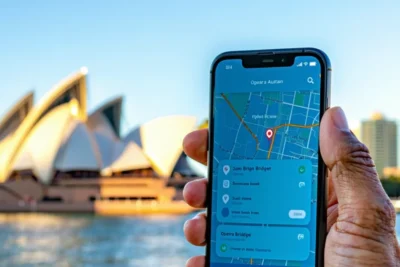
Uber 2 Minute Rule Explained: Fees, Cancellations & Tips


What is the Uber 2 minute rule? The Uber 2-minute rule allows drivers to cancel trips and charge a cancellation fee if passengers aren’t ready within two minutes of their arrival at the pickup location. This policy protects drivers’ time while ensuring efficient service across Australia’s major cities.
Understanding this rule is crucial for Australian passengers who want to avoid unexpected charges. The timer starts when your driver arrives at the designated pickup spot and sends you an arrival notification through the app.
Furthermore, the 2-minute waiting period applies to standard Uber rides but may vary for airport pickups or special circumstances. Passengers who aren’t present after the waiting period expires will face cancellation fees ranging from $5 to $10 depending on your city and ride type.
TL;DR
- Uber’s 2-minute rule starts counting when your driver arrives and notifies you through the app
- Passengers face $5-$10 cancellation fees if not ready within the 2-minute window
- Drivers receive compensation for waiting time and can cancel trips to protect their earnings
- Airport pickups and accessibility requirements may have different waiting time policies
Understanding Uber's 2-Minute Rule
The Uber 2-minute rule defines the exact waiting period drivers must provide before they can legitimately cancel a trip. This policy establishes clear expectations for both passengers and drivers regarding pickup timeframes across Australian cities.
Specifically, drivers must wait a minimum of two minutes after arriving at your designated pickup location. However, this waiting time begins only when the driver reaches the exact spot you specified during booking, not when they enter the general vicinity.
When the Timer Starts Counting
The countdown timer activates automatically when your driver arrives at the pickup address you provided. Meanwhile, the Uber app uses GPS technology to determine precise arrival times, ensuring accuracy in timer initiation.
Additionally, the timer only starts if the driver parks within reasonable proximity to your specified location. Consequently, drivers cannot begin the waiting period if they stop several blocks away or in an inaccessible area.
Driver Notification System Upon Arrival
Uber’s notification system sends multiple alerts when your driver reaches the pickup location. First, you receive a push notification stating “Your driver has arrived” along with the vehicle details and license plate number.
Subsequently, the app displays a prominent banner showing your driver’s arrival status. Moreover, some drivers may also call or text passengers to confirm their presence, though this communication isn’t mandatory under Uber’s policies.
The notification system operates through multiple channels to ensure passenger awareness. Therefore, passengers should monitor their phones closely during the estimated arrival window to avoid missing these important alerts.
Passenger Pickup Window Expectations
Passengers must present themselves at the pickup location within the two-minute window to avoid cancellation fees. This expectation requires passengers to be ready and waiting, especially during peak hours when driver demand is highest.
Furthermore, the pickup window expectation varies slightly based on ride type and location complexity. For instance, airport pickups often allow additional waiting time due to terminal navigation challenges, while standard street pickups maintain the strict two-minute policy.
Passengers should position themselves visibly at the designated pickup spot before their driver arrives. Being prepared means having your phone ready, watching for the vehicle, and being able to enter the car immediately upon driver arrival.
How the 2-Minute Rule Works in Practice
Driver Arrival Notification to Passenger
The notification process begins when your driver reaches the designated pickup location. Uber’s GPS system automatically detects the driver’s arrival and triggers multiple notification channels simultaneously. Consequently, passengers receive both push notifications and in-app alerts confirming their driver’s presence.
Additionally, the notification includes essential vehicle information such as license plate numbers, car make and model, and the driver’s current location. Most importantly, this arrival notification marks the official start of the two-minute countdown timer.
Countdown Timer Activation Process
The countdown timer activates automatically once Uber’s system confirms driver arrival at the pickup point. This timer appears prominently in both the passenger and driver apps, displaying the remaining wait time in real-time. Furthermore, the timer operates independently of manual driver input, ensuring consistent application across all rides.
During the countdown period, passengers can track the timer’s progress through the app interface. The system also sends intermediate notifications at the one-minute mark, providing passengers with a final opportunity to reach their driver before cancellation becomes possible.
Driver's Options After 2-Minute Wait
Once the two-minute timer expires, drivers gain access to several options through their app interface. Cancellation becomes the primary option, allowing drivers to end the trip and collect a cancellation fee. However, drivers may also choose to wait longer if they prefer, though this decision remains entirely voluntary.
Alternatively, drivers can attempt to contact passengers through the app’s communication features before proceeding with cancellation. Many drivers exercise this option, particularly during busy periods when driver earnings depend on completing trips rather than collecting cancellation fees.
The driver’s decision-making process typically considers factors such as passenger communication, pickup location complexity, and current demand levels. Nevertheless, drivers maintain full discretion over whether to cancel or continue waiting beyond the mandatory two-minute period.
Automatic Trip Cancellation Mechanism
Automatic cancellation occurs when drivers select the cancellation option after the two-minute window expires. The system immediately processes the cancellation, charges the passenger a cancellation fee, and releases the driver to accept new ride requests. This mechanism ensures efficient driver utilization during peak demand periods.
The cancellation process triggers several automated responses within Uber’s platform. First, passengers receive notification of the cancellation along with fee details. Subsequently, the system begins searching for alternative drivers in the area, often resulting in longer wait times and potentially higher surge pricing.
Moreover, the automatic mechanism records the cancellation in both passenger and driver profiles. Frequent passenger no-shows may result in account warnings or restrictions, while drivers who cancel excessively face similar consequences under Uber’s quality standards.
Financial Implications for Passengers
Understanding the financial consequences of the Uber 2-minute rule helps passengers make informed decisions about their ride-sharing behavior. These monetary implications directly affect your wallet and can accumulate significantly over time, particularly for frequent users who experience multiple cancellations.
Cancellation Fees After 2-Minute Wait
Uber charges passengers a cancellation fee when drivers cancel trips after waiting the mandatory two-minute period. In Australia, this fee typically ranges from $5 to $10 depending on your city and service type. Premium services like Uber Black incur higher cancellation charges than standard UberX rides.
The cancellation fee appears automatically on your payment method once the driver initiates the cancellation process. Furthermore, this charge processes immediately without requiring additional passenger confirmation, making it essential to arrive promptly at pickup locations.
Waiting Time Charges (Where Applicable)
Some Australian markets implement waiting time charges that begin accumulating after the initial free waiting period expires. These charges typically cost $0.55 per minute and continue until trip commencement or cancellation occurs. However, waiting time policies vary significantly between cities and service types.
Drivers can choose to wait beyond the two-minute minimum while collecting these per-minute fees instead of cancelling immediately. This option often proves more profitable for drivers during low-demand periods when new ride requests remain scarce.
No-Show Penalties in Australia
Repeated no-show incidents trigger escalating penalties within Uber’s Australian operations. Initially, passengers receive warnings about their cancellation behavior through in-app notifications. Subsequently, frequent offenders face temporary account restrictions or requirements to pay upfront for future rides.
The penalty system tracks passenger reliability over rolling 30-day periods. Passengers who accumulate multiple no-shows within this timeframe may experience reduced service availability or mandatory waiting periods before booking new trips. These measures protect driver earnings and maintain platform efficiency.
Refund Policies for Disputed Charges
Passengers can dispute cancellation fees through Uber’s customer support system when legitimate circumstances warrant refunds. Valid dispute reasons include driver location errors, app malfunctions, or situations where drivers arrive significantly late to pickup locations. The dispute process typically resolves within 24-48 hours.
Uber’s refund policy considers factors such as passenger history, driver GPS data, and communication records when evaluating disputes. Passengers with strong account standing generally receive favorable dispute resolutions, while those with frequent cancellation patterns face stricter scrutiny during the review process.
Additionally, passengers should document any technical issues or unusual circumstances that contribute to missed pickups. Screenshots of app errors or driver location discrepancies strengthen dispute cases and improve refund approval chances significantly.
Driver Compensation and Benefits
Uber’s 2-minute rule directly impacts driver compensation through structured waiting time payments and cancellation fee sharing. Drivers receive $0.55 per minute for waiting time beyond the initial grace period, ensuring compensation for passenger delays. This payment structure protects drivers against unpaid waiting periods that previously reduced hourly earnings.
When passengers cancel after the 2-minute window, drivers retain the full cancellation fee as compensation for their time and travel costs. Furthermore, Uber splits the cancellation fee between platform fees and driver payments, with drivers typically receiving 80-85% of the total charge. This revenue sharing model ensures drivers maintain profitability even when trips don’t materialize.
The waiting time payment structure significantly improves driver earnings efficiency by monetizing previously unpaid periods. Drivers can earn additional income while waiting for delayed passengers, rather than losing money through idle time. Moreover, the compensation system encourages drivers to wait for passengers, reducing the likelihood of premature departures that frustrate riders.
Driver protection against time wastage operates through multiple compensation mechanisms within the 2-minute framework. Beyond waiting time payments, drivers receive trip completion bonuses that increase when passengers arrive promptly. Additionally, the system tracks passenger punctuality patterns, allowing drivers to decline requests from chronically late riders through acceptance rate protections.
These compensation benefits particularly benefit drivers in high-demand areas where waiting time previously represented lost opportunity costs. Consequently, drivers can maintain consistent earnings regardless of passenger behavior, while the structured payment system provides predictable income streams. The protection measures ensure that driver time receives appropriate monetary value, improving overall job satisfaction and retention rates across Australia’s rideshare market.
Best Practices for Passengers
Passengers can maximize their rideshare experience by following essential practices that respect the Uber 2-minute rule while ensuring smooth trip coordination. Furthermore, these practices reduce waiting time charges and improve driver relationships across Australia’s rideshare network.
Being Ready at Pickup Location
Passengers should arrive at their designated pickup point before the driver arrives to avoid triggering waiting time fees. Additionally, being prepared with belongings and payment methods eliminates delays that activate the 2-minute countdown timer. Smart passengers monitor their driver’s estimated arrival time through the app’s real-time tracking feature.
Preparation includes checking weather conditions and dressing appropriately to minimize boarding time. Moreover, passengers should have their phone charged and accessible for driver communication during the pickup process. Ready passengers contribute to efficient trip completion while avoiding unnecessary charges.
Monitoring Driver Arrival Notifications
The Uber app sends push notifications when drivers approach the pickup location, typically 1-2 minutes before arrival. Subsequently, passengers receive a final notification when the driver reaches the designated spot and the waiting period begins. Monitoring these alerts prevents missed connections and reduces waiting time exposure.
Notification monitoring becomes particularly crucial during peak hours when driver demand exceeds supply. Consequently, passengers who respond promptly to arrival alerts avoid extended waiting periods that benefit both parties. The app’s notification system serves as an early warning mechanism for the impending 2-minute rule activation.
Communication with Driver if Delayed
Passengers experiencing unavoidable delays should immediately contact their driver through the app’s messaging or calling features. However, communication doesn’t stop the waiting time charges once the 2-minute period begins. Transparent communication helps drivers make informed decisions about whether to wait or cancel the trip.
Effective passenger communication includes providing realistic arrival estimates and acknowledging potential waiting time charges. Additionally, courteous passengers may offer to cover waiting fees when delays occur due to their circumstances. Pre-booking rides eliminates timing pressure for passengers with fixed schedules.
Choosing Accurate Pickup Locations
Precise pickup location selection prevents driver confusion and reduces the likelihood of extended waiting periods. Passengers should choose easily identifiable landmarks or building entrances rather than vague street addresses. Accurate location pins ensure drivers can locate passengers quickly within the 2-minute window.
Location accuracy becomes especially important in complex areas like shopping centers, airports, or apartment complexes. Therefore, passengers should provide additional details in the pickup notes section when necessary. Strategic location selection minimizes search time and prevents waiting time charges from accumulating unnecessarily.
Passengers using rideshare services near major venues should familiarize themselves with designated pickup zones to avoid confusion. Moreover, choosing well-lit, accessible locations improves safety while facilitating quick driver identification and boarding processes.
Exceptions and Special Circumstances
While the 2-minute rule applies universally across Uber’s platform, certain circumstances create exceptions that modify standard waiting time policies. These special situations require passengers and drivers to understand alternative procedures that deviate from normal timing protocols. Consequently, awareness of these exceptions prevents confusion and ensures smoother ride experiences.
Airport Pickup Variations
Airport pickups operate under extended waiting periods that differ significantly from standard street pickups. Most Australian airports allow drivers to wait up to 5-10 minutes before charging waiting fees, recognizing the complexity of terminal navigation. Furthermore, passengers must often walk considerable distances from baggage claim areas to designated rideshare zones.
Terminal-specific pickup zones at Sydney Kingsford Smith and Melbourne Tullamarine airports require passengers to locate specific bay numbers. Additionally, airport security procedures and flight delays create legitimate reasons for extended passenger arrival times. Therefore, Uber’s airport policies accommodate these operational realities through modified waiting time structures.
High-Demand Area Modifications
Entertainment districts and major event venues often implement modified pickup procedures that extend standard waiting times. Areas like Crown Casino Melbourne or Circular Quay Sydney experience heavy pedestrian traffic that complicates driver-passenger connections. Consequently, these locations may allow longer waiting periods before fees commence.
Stadium events and concert venues create surge demand conditions where normal timing rules require adjustment. Moreover, crowd control measures and traffic restrictions prevent drivers from accessing standard pickup locations immediately. These circumstances necessitate flexible waiting time policies that account for external factors beyond passenger control.
Weather-Related Considerations
Severe weather conditions across Australia trigger emergency protocols that modify standard waiting time enforcement. Heavy rainfall, flooding, or extreme heat events create safety concerns that override normal timing requirements. During these conditions, drivers and passengers receive additional flexibility regarding pickup timing and waiting charges.
Bushfire emergencies or severe storm warnings activate safety-first policies where waiting time charges may be waived entirely. Additionally, extreme weather events can create transportation disruptions that justify extended waiting periods. These circumstances prioritize passenger and driver safety over standard operational procedures.
Accessibility Requirements Adjustments
Wheelchair-accessible vehicles and passengers with mobility requirements receive extended waiting time allowances under Australian disability legislation. These accommodations recognize that passengers with disabilities may require additional time for vehicle boarding and equipment setup. Therefore, accessibility-focused rides operate under modified timing structures.
Vision-impaired passengers using UberWAV services receive additional assistance time without penalty charges. Furthermore, passengers with service animals or medical equipment require extra boarding time that standard 2-minute rules cannot accommodate. These adjustments ensure equitable access to rideshare services for all Australian passengers.
Disability support workers accompanying passengers also qualify for extended waiting periods when assisting with boarding procedures. Additionally, medical appointments and therapy sessions create legitimate circumstances where flexibility in timing becomes essential for passenger welfare and legal compliance.
Frequently Asked Questions
What happens if I'm not ready when my Uber driver arrives?
If you’re not ready within 2 minutes of your driver’s arrival, they can cancel the trip and charge you a cancellation fee. The fee ranges from $5 to $10 depending on your city and ride type across Australia.
How will I know when my Uber driver has arrived?
You’ll receive multiple notifications when your driver arrives: a push notification saying “Your driver has arrived”, a prominent banner in the app showing arrival status, and vehicle details including the license plate number. Some drivers may also call or text you.
Does the 2-minute rule apply to all Uber ride types?
The 2-minute rule applies to standard Uber rides, but waiting times may vary for special circumstances. Airport pickups often allow additional waiting time due to terminal navigation challenges, and accessibility requirements may have different policies.
When exactly does the 2-minute timer start counting?
The timer starts when your driver arrives at the exact pickup location you specified during booking, not when they enter the general area. The driver must park within reasonable proximity to your designated spot for the timer to begin.
Can I avoid the cancellation fee if I'm running late?
To avoid cancellation fees, you should be ready and waiting at the pickup location before your driver arrives. Position yourself visibly at the designated spot, have your phone ready, and be prepared to enter the vehicle immediately upon arrival.
What if my driver can't find the pickup location?
If your driver stops several blocks away or in an inaccessible area, they cannot start the 2-minute timer. The waiting period only begins when the driver reaches the exact spot you specified and parks within reasonable proximity.
How much is the Uber cancellation fee in Australia?
Cancellation fees in Australia range from $5 to $10 depending on your city and the type of ride you booked. This fee compensates drivers for their time and ensures efficient service across Australia’s major cities.
Why does Uber have a 2-minute waiting rule?
The 2-minute rule protects drivers’ time and ensures efficient service. It provides compensation for waiting time while maintaining clear expectations for both passengers and drivers regarding pickup timeframes across Australian cities.
You May Also Like

How to Get an Australian Driving Licence as an International Student (2026 State-by-State Guide)

Novated Lease vs Buying a Car in Australia (2026): Which Is Cheaper?