Hospitality and Cookery Courses in Australia: Fees, Jobs and Real Workload

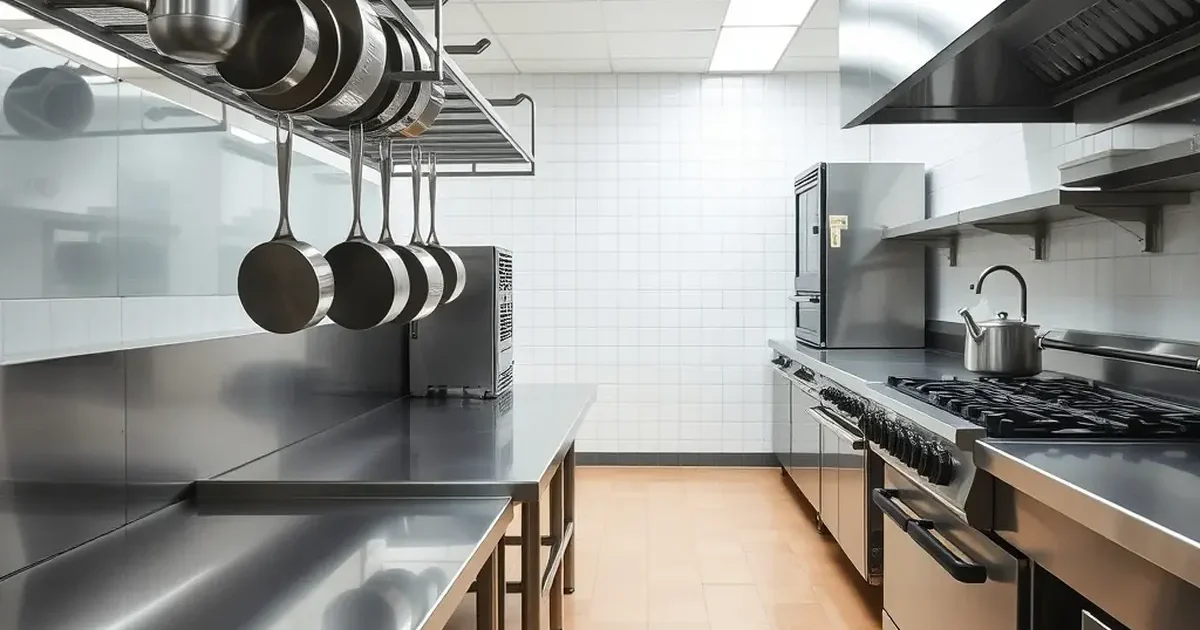
Hospitality and cookery work looks appealing from the outside – cooking, customer interaction, a fast-paced environment – but the reality splits people sharply. Graduates who go in with accurate expectations about the hours, the physical demands and the entry-level pay tend to do well and often build genuinely rewarding careers; those expecting something closer to home cooking or a TV cooking show often burn out fast or leave the industry.
Quick facts: Certificate III in cookery usually costs $5,000-10,000/year; Certificate IV or Diploma usually costs $6,000-12,000/year. Chef (ANZSCO 351311) sits on Australia’s Core Skills Occupation List and Medium and Long-term Strategic Skills List, making it a genuine (though not guaranteed) skilled migration pathway, especially in regional areas. Standard student work rights apply: 48 hours/fortnight during term, unlimited during breaks. Checked August 2026.
Here’s a realistic picture of hospitality and cookery courses in Australia – the fees, the job outcomes, and the real day-to-day workload – based on what actually happens, not the marketing version.
What Are Hospitality and Cookery Courses Actually?
Let me start with the basics, because I got confused about this at first.
Hospitality courses cover the broader hospitality industry. You learn about customer service, restaurant operations, hotel management, event management, and more. It’s about running hospitality businesses, not just cooking.
Cookery courses focus specifically on cooking. You learn cooking techniques, food preparation, menu planning, kitchen management, and more. It’s hands on cooking training.
Both types of courses are available at TAFE and private colleges. They’re usually Certificate III or IV, or sometimes Diploma level.
But here’s what nobody tells you: hospitality and cookery work is demanding. The hours are long, the work is physical, and the pay can be low, especially when you’re starting out. It’s not glamorous work, despite what TV shows might suggest.
Course Fees: The Real Numbers
Let’s talk about money, because this is where hospitality and cookery courses have advantages.
Course fees vary by level and institution. Certificate III in cookery usually costs $5,000 to $10,000 per year. Certificate IV or Diploma usually costs $6,000 to $12,000 per year.
Living costs are the same regardless of where you study. You still need to cover rent, food, transport, and other expenses.
So a one year cookery course might cost $25,000 to $35,000 total including living costs. A two year course might cost $45,000 to $60,000 total.
This is cheaper than university degrees, but you need to consider job outcomes and pay rates.
I’ve written about cheapest TAFE courses in Australia by state if you want specific numbers.
Job Outcomes: What Actually Happens
This is the part that matters most, and where reality often differs from expectations.

Hospitality and cookery jobs exist, but competition can be fierce. There are many graduates, and not all of them find work in the industry. Some end up in other fields.
Entry level jobs pay low. Kitchen hands, wait staff, these roles often pay minimum wage or slightly above. The pay improves as you gain experience and move up, but starting pay is usually low.
The hours are tough. Hospitality work often involves evenings, weekends, and public holidays. You’ll work when other people are socialising. This can be hard on your social life and relationships.
The work is physical. You’ll be on your feet for long hours, lifting, carrying, working in hot kitchens. It’s tiring work, and it can be hard on your body.
But here’s what I’ve learned: some people love it. If you enjoy the fast pace, the creativity, and the satisfaction of making people happy, hospitality and cookery can be rewarding careers.
I know hospitality and cookery graduates who got great jobs and are doing well. I also know graduates who struggled to find work or left the industry because of the hours and pay. The difference was their expectations, their location, and whether they suited the work.
The Real Workload: What It's Actually Like
This is important, because hospitality and cookery courses are intensive.
Practical components are heavy. You’ll spend a lot of time in kitchens, practicing cooking, learning techniques, and working on projects. It’s hands on, not just theory.
The pace is fast. You’ll learn a lot in a short time. There’s not much time to slow down or catch up if you fall behind.
The standards are high. You’ll be expected to produce quality work consistently. There’s no room for slacking off.
But here’s what I’ve learned: the workload prepares you for the industry. Hospitality work is fast paced and demanding. The course workload reflects that. If you can’t handle the course workload, you’ll struggle in the industry.
Career Paths: Where Can You Go?
This is important, because understanding career paths helps you decide if it’s right for you.
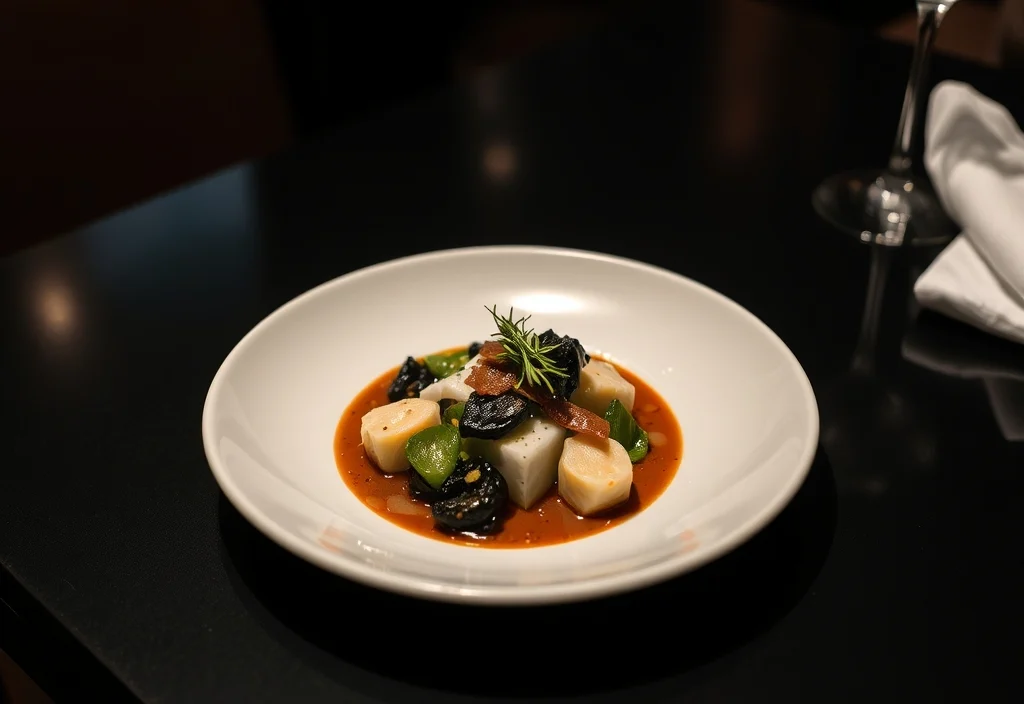
Entry level roles include: kitchen hand, wait staff, bar staff, these are where most people start. Pay is usually low, but you learn the basics.
With experience, you can move to: chef, sous chef, head chef, restaurant manager, these roles pay better and have more responsibility.
Some people start their own businesses. Opening a restaurant, cafe, or catering business is possible, but it’s risky and requires capital and business skills.
Some people move to other industries. The skills you learn in hospitality can transfer to other customer service or management roles.
But here’s what to watch for: career progression isn’t automatic. You need to work hard, gain experience, and prove yourself. Don’t expect to start as a chef just because you have a qualification.
Is It Right for You?
This is the key question, and here’s how to think about it.
Hospitality and cookery might be right if: you enjoy fast paced work, you’re creative and enjoy cooking, you don’t mind working evenings and weekends, you’re physically fit and can handle long hours on your feet, or you’re willing to start at the bottom and work your way up.
Hospitality and cookery might not be right if: you want regular hours, you want high pay from the start, you don’t like physical work, you want a desk job, or you’re not willing to work evenings and weekends.
But here’s what I’ve learned: don’t choose hospitality and cookery just because you like cooking at home. Professional cooking is very different from home cooking. It’s faster, more demanding, and less creative than you might think.
Frequently Asked Questions
Bottom Line
Hospitality and cookery courses in Australia can be good options for students who enjoy fast paced, physical work and are willing to start at the bottom and work their way up. They’re cheaper than university degrees and lead to practical skills. But the hours are tough, the pay can be low, and the work is demanding.
Don’t choose hospitality and cookery just because it sounds fun. Choose it because you understand what the work involves and you’re suited to it. If you want regular hours and high pay from the start, hospitality might not be for you.
Match your course to your realistic expectations and lifestyle, not the version of the industry that looks good on TV. If you’re still planning your study journey, check out our guides on what is TAFE in Australia and popular trade courses for international students. And if you’re considering hospitality or cookery, talk to people actually working in the industry – they’ll tell you what it’s really like, not what marketing materials say.
You May Also Like

How to Become a Hairdresser in Australia (2026): Certificate III, TAFE Costs and Visa Pathway for International Students

Studying Accounting in Australia: Courses, Costs and Career Path