Dental Implant Cost Australia 2026: Full Price Breakdown + Calculator

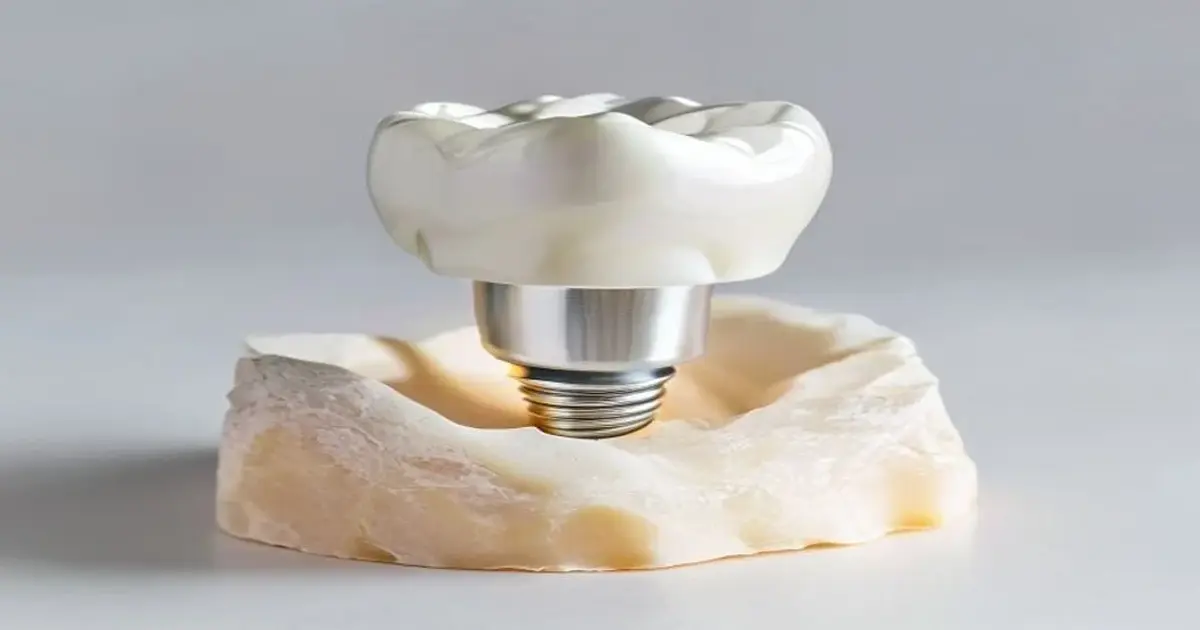
How much does a dental implant cost in Australia? A single dental implant typically costs $3,000 to $6,500 in 2026 — a fee that should cover the consultation, 3D scan, the titanium implant, the abutment and the crown. Bigger jobs cost more: All-on-4 runs about $23,000–$35,000 per arch, and a full-mouth restoration $45,000–$70,000+. If you need a bone graft or sinus lift first, add roughly $500–$3,000. Medicare doesn’t cover implants, and private health rebates are modest — so most people pay out of pocket. Use the calculator below to estimate your own case.
Dental implant cost calculator (2026)
Pick your treatment, whether you’re likely to need bone grafting, and your state for an indicative cost range (before any health-fund rebate). It’s a guide only — the real figure comes from a consultation and 3D scan.
How much does a single dental implant cost?
A single tooth implant in Australia costs $3,000–$6,500, depending on the clinic, your bone condition, the materials, and whether extra procedures are needed. Clinics in Sydney and Melbourne sit at the higher end; regional practices are often cheaper. Beware very low “from” prices — they sometimes quote only one stage (just the implant fixture, not the abutment or crown). A reputable clinic quotes a comprehensive fee that includes everything.
What's included in the price
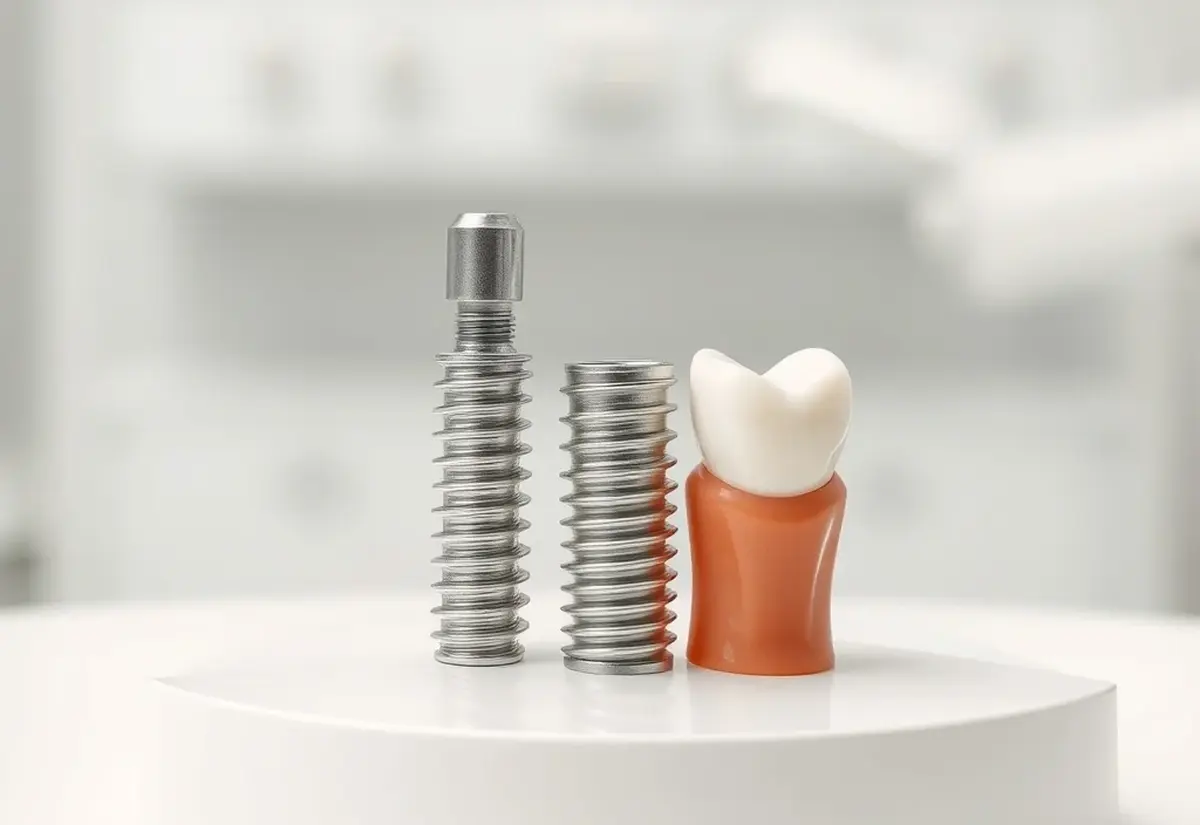
A complete single-implant fee is made up of several parts. Understanding them helps you compare quotes and spot anything that’s been left out.
| Component | What it is | Rough share of the fee |
|---|---|---|
| Implant fixture | The titanium post placed in the jaw | ~35% |
| Crown | The visible ceramic/zirconia tooth | ~28% |
| Abutment | The connector between post and crown | ~15% |
| Consult + 3D CBCT scan | Assessment and surgical planning | ~12% |
| Surgery & follow-up | Placement and healing checks | ~10% |
What makes up a single implant fee
Replacing several teeth: implant bridges
You don’t need one implant per missing tooth. To replace two to four teeth in a row, dentists often use an implant-supported bridge — two implants carrying a bridge of several teeth — which usually costs $8,000–$15,000, less than one implant per tooth. For larger gaps or a whole arch, All-on-4 (below) is the more economical route than many individual implants. The right approach depends on how many teeth are missing, where they are, and your bone — which is why a proper assessment matters before comparing prices.
All-on-4 dental implants cost
All-on-4 replaces a full arch of teeth (top or bottom) with just four implants supporting a fixed bridge of teeth — a popular option for people who’ve lost most or all of their teeth, or are facing full dentures. In Australia in 2026 it typically costs $23,000–$35,000 per arch. Some clinics advertise “from” prices around $15,000–$20,000 (usually a basic acrylic prosthesis or a promotional package), while premium zirconia results can reach $45,000 per arch. Doing both arches (a full mouth) is covered below.
The price depends heavily on the prosthesis material (acrylic is cheapest, then porcelain, then zirconia), the lab workflow, whether you need extractions and grafting first, and whether a specialist prosthodontist or oral surgeon is involved. All-on-4 is a bigger, more predictable procedure than several separate implants, which is part of why it’s quoted as a package.
Full-mouth dental implants cost
Restoring a full mouth (both the upper and lower arches) generally costs $45,000–$70,000+, and premium cases with zirconia prostheses on both jaws can run $70,000–$84,000. The exact figure turns on how many implants are used per arch (four, six or more), the prosthesis material, and any grafting. Full-mouth implant treatment is a major investment, but for people who would otherwise wear full dentures, it restores a fixed, natural-feeling bite that doesn’t come out.
Dental implant cost by state
Where you live moves the price, mainly through clinic overheads and labour. As a rough guide for a single implant:
| Location | Typical single implant |
|---|---|
| Sydney & Melbourne (metro) | $4,000 – $6,500 |
| Brisbane, Perth | $3,500 – $6,000 |
| Adelaide | $3,000 – $5,500 |
| Regional areas | $3,000 – $5,000 |
Types of dental implants and materials
Most implants in Australia are endosteal implants — a screw-shaped post placed directly into the jawbone — and the vast majority are made of titanium, which has decades of clinical track record and fuses reliably with bone. Zirconia (ceramic) implants are a newer, metal-free option some patients prefer for aesthetics or metal sensitivity; they can cost more and have a shorter track record. The crown or prosthesis on top ranges from acrylic (cheapest, used in some All-on-4 packages) to porcelain and zirconia (most durable and natural-looking, higher lab fees).
You may also hear about mini implants (narrower posts, sometimes used to stabilise dentures at lower cost) and All-on-6 (six implants per arch instead of four, for extra support in some cases). The implant brand matters too: established systems (Straumann, Nobel Biocare, and other well-documented brands) cost more than generic ones but are easier to service and replace anywhere in the world — an important point if you’re comparing local and overseas quotes.
What affects the cost of a dental implant?
- Bone grafting or sinus lift — if your jawbone has shrunk, you may need grafting before an implant can be placed, adding $500–$3,000.
- Extractions — removing a failing tooth first is an added fee.
- Materials — the crown/prosthesis material (acrylic vs porcelain vs zirconia) and the implant brand affect both price and longevity.
- Who does it — a specialist prosthodontist, periodontist or oral surgeon typically charges more than a general dentist.
- Case complexity — the position of the tooth, your gum and bone health, and any medical conditions.
- Number of implants — multiple implants or full-arch work change the per-tooth economics.
- Location — metro capital-city clinics generally cost more than regional ones.
Does Medicare cover dental implants?
No. Medicare doesn’t cover dental implants. The Medicare Benefits Schedule excludes almost all dental treatment, and implants fall outside it regardless of why you lost the tooth. There are only rare exceptions for hospital-based, medically necessary surgery (for example, reconstruction after trauma or cancer). The Child Dental Benefits Schedule helps eligible children with basic dental but doesn’t cover implants either, and public dental services have long waitlists and generally don’t provide implants. For most Australians, implants are an out-of-pocket cost.
Does private health insurance cover dental implants?
Partly — if you hold the right cover. Implants sit under “major dental” in an extras (ancillary) policy, so you need a comprehensive extras policy, not a basic one. Expect a rebate of roughly $500–$1,500 per implant, but note two big limits: most policies cap annual major-dental benefits at about $1,000–$2,500, and there’s usually a 12-month waiting period for major dental. Because the annual limit is far below the cost of an implant, insurance typically covers only a fraction — so plan ahead, and consider spreading treatment across two calendar years to claim the limit twice.
How to pay for dental implants
- Payment plans — many clinics offer in-house plans or third-party dental finance (e.g. interest-free periods), letting you spread the cost over months.
- Health-fund rebate — claim your major-dental limit; time treatment to maximise it across benefit years.
- Early release of super (compassionate grounds) — the ATO may allow super to be released to pay for medical treatment where it’s needed to treat a life-threatening illness, chronic pain or chronic mental illness. Dental implants can qualify where they’re for genuine functional restoration (not cosmetic), but the ATO assesses each application strictly and requires supporting reports from registered practitioners.
- Save and stage — for full-arch work, some patients phase treatment to align with savings and health-fund limits.
Implants vs bridge vs denture: cost comparison
Implants aren’t the only way to replace a missing tooth. Here’s how the main options compare on cost and lifespan.
| Option | Typical cost (per tooth) | Lifespan | Notes |
|---|---|---|---|
| Dental implant | $3,000 – $6,500 | 20+ years | Most natural; doesn’t affect neighbouring teeth |
| Fixed bridge | $2,000 – $5,000 | 10–15 years | Grinds down the teeth either side |
| Partial denture | $800 – $3,000 | 5–8 years | Cheapest; removable, less stable |
Getting dental implants overseas: is it worth it?
Dental tourism to Bali, Thailand, Vietnam and Turkey is popular with Australians because the sticker prices are dramatically lower — a single implant that’s $4,500–$6,500 here can be $1,000–$1,800 in Bali, and an All-on-4 that’s $25,000+ here can be $5,500–$8,500. Even after flights and accommodation, savings of 50–70% are common, especially for big full-arch cases. But the savings come with real risk.
| Single implant | Australia | Overseas (Bali/Thailand) |
|---|---|---|
| Implant fee | $4,500 – $6,500 | $1,000 – $1,800 |
| Travel & stay | — | $2,000 – $3,500 |
| Follow-up if problems | Local, accountable | Hard to access from home |
Weigh the risks before flying out
The Australian Dental Journal reports that around 47% of Australians who had implants done overseas needed corrective work within five years, at an average remedial cost of about $4,800 — and UK research put the rate needing corrective treatment even higher. Overseas clinics often use implant systems that can’t be serviced in Australia, so if one fails, the whole implant may need removing and replacing. Follow-up can be hard to arrange from home. If you go, choose an accredited clinic, insist on branded implant systems, and budget for the possibility of corrective care back in Australia.
The dental implant process and timeline
An implant isn’t a single visit — it’s a staged process over several months, because the bone needs time to fuse to the implant (osseointegration).
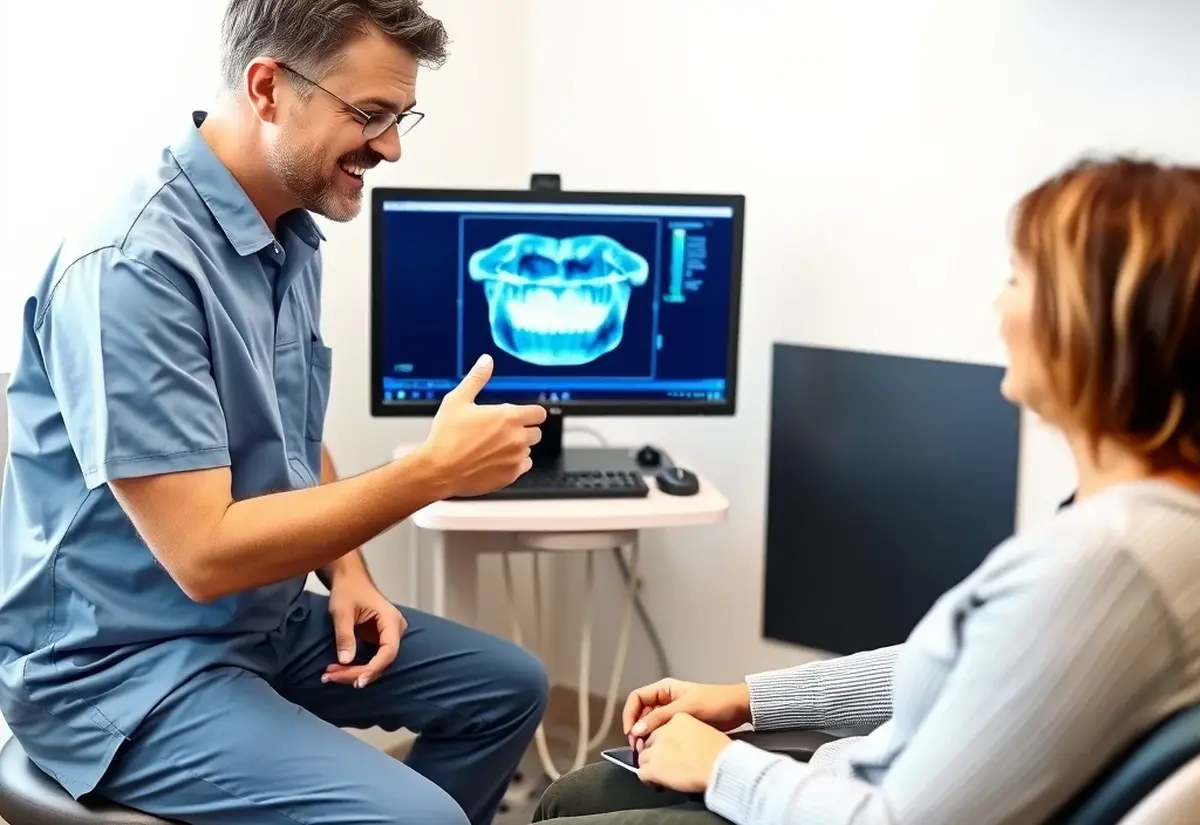
- Consultation & 3D scan — assessment, CBCT imaging and a written treatment plan and quote.
- Extraction & grafting (if needed) — removing a failing tooth and building up bone; healing can take a few months.
- Implant placement — the titanium post is surgically placed in the jaw.
- Healing / osseointegration — usually 3–6 months for the bone to fuse to the implant.
- Abutment & crown — the connector and the final tooth are fitted once healing is complete.
Start to finish, a straightforward single implant often takes 4–8 months; cases needing grafting take longer. Some clinics offer “immediate load” implants (a temporary tooth the same day) in suitable cases.
Risks, aftercare and how long implants last
Dental implants are one of the most predictable procedures in dentistry, but they aren’t risk-free. Possible complications include infection, nerve or sinus issues, and peri-implantitis (gum disease around the implant), which is the main cause of late failure. Smoking, uncontrolled diabetes and poor oral hygiene all raise the risk. The good news: with a skilled clinician and good aftercare, success rates exceed 95%.
Aftercare is simple but essential: brush and floss around the implant like a natural tooth, keep up regular dental check-ups and cleans, and don’t smoke. Looked after, the titanium implant itself can last 20 years or more — frequently a lifetime — while the crown on top may need replacing after 10–15 years. Factoring in one crown replacement over the implant’s life is the honest way to compare its long-term cost against a bridge or denture that needs redoing more often.
Are dental implants worth it?
For most people, yes. Dental implants have a success rate above 95% and, with good care, can last 20 years or more — often a lifetime for the implant itself, though the crown may need replacing eventually. Unlike a bridge, an implant doesn’t rely on grinding down neighbouring teeth, and unlike a denture it’s fixed and stable. Spread over its lifespan, the higher upfront cost can work out competitive with cheaper options that need replacing more often. That said, it’s a significant expense and a surgical procedure — so it’s worth getting two or three quotes and a clear plan first.

How to reduce the cost (without cutting corners)
- Get 2–3 written quotes that spell out every component — compare like with like, not “from” prices.
- Ask about dental-school clinics — university teaching clinics can be cheaper (supervised students).
- Use your health-fund limit, and time treatment to claim across two benefit years.
- Consider a regional clinic if you’re near one — fees are often lower than in the big capitals.
- Don’t skip the consult and scan — a proper plan avoids expensive surprises later.
Weighing up big costs generally? See our Cost of Living in Australia price guide for what everything costs, and if you’re a new arrival, our guide to Overseas Student Health Cover explains what your health cover does and doesn’t include. Considering a cosmetic procedure instead of surgery? Our non-surgical rhinoplasty cost guide covers pricing, how long results last and the risks worth knowing first.
Frequently asked questions
Common questions about the cost of dental implants in Australia in 2026.
This article is general information only, based on published 2026 Australian dental pricing, the Australian Dental Journal, the ATO and healthdirect. Costs vary widely by clinic, case and location, and this is not dental, medical or financial advice. Always get a consultation, 3D scan and written quote from a registered dentist before making a decision.
You May Also Like

The Four D’s: Dyslexia, Dysgraphia, Dyscalculia and Dyspraxia Explained (2026)

AHPRA Registration for Nursing Graduates: Step-by-Step (2026)