Split System Air Conditioner Installation Cost in Australia (2026)

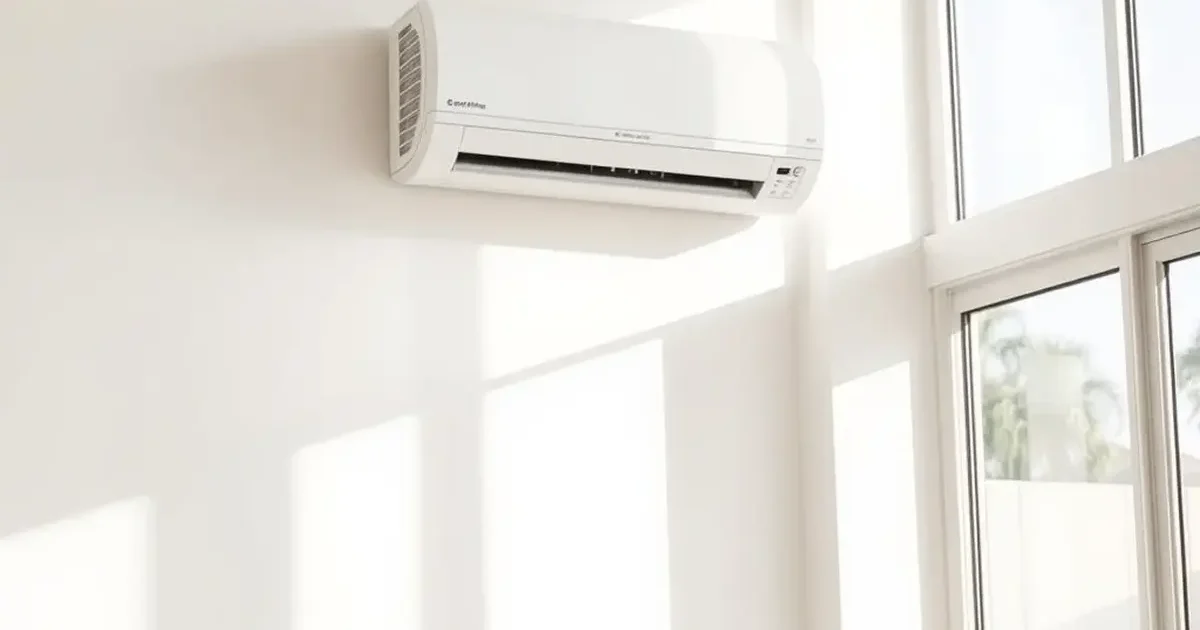
A split system air conditioner costs $1,200 to $4,500 supplied and installed in Australia in 2026 for a single room, and roughly $3,500 to $9,000 for a multi-head system that cools several rooms from one outdoor unit. A small 2.5 kW bedroom unit on an easy back-to-back wall sits at the bottom of that range; a large 8–9 kW living-room unit, or a multi-head setup, sits at the top. If you supply your own unit, labour alone is about $600 to $1,200 for a standard install.
The reason the range is so wide is that the wall-mounted box you see is only half the job. What you are really paying for is the install: the copper pipe run, the electrical connection, mounting the outdoor unit, drilling through the wall, and the two licensed trades who are legally required to do it. Get the unit sized right and placed back-to-back on an easy wall and you will pay near the bottom; a bigger unit, a long pipe run, an upstairs bedroom or a switchboard upgrade pushes you toward the top. This guide breaks down every figure — by size, by state, by brand, single vs multi-head, retailer install prices, running costs, and the licensing rules you must not skip — so you know what a fair quote looks like before an installer (a “sparkie” who also holds a refrigerant licence) knocks on your door.
Split system installation cost calculator (2026)
Pick your system size, the brand tier, how tricky the install is and your state for an indicative supplied-and-installed price. It is a starting point — the detailed tables below show exactly what drives the number.
Indicative 2026 estimate based on Australian supplier and installer pricing (CHOICE, SolarQuotes, ServiceSeeking and licensed-installer quotes). Your real quote depends on the unit, pipe run, wall type, electrical work and season. Not a formal quote or financial advice.
Split system installation costs at a glance (2026)
Here is the quick lookup most people want — the typical supplied-and-installed price for a standard back-to-back job with a mid-range brand. “Supplied and installed” means the unit plus all labour and standard materials in one price, which is how most Australian installers quote.
| System size | Suits (room) | Supplied & installed |
|---|---|---|
| 2.5 kW | Bedroom, study (10–20 m²) | $1,200 – $1,800 |
| 3.5 kW | Medium room (20–30 m²) | $1,500 – $2,300 |
| 5 kW | Living area (30–45 m²) | $1,900 – $2,900 |
| 7 kW | Large living (45–60 m²) | $2,400 – $3,600 |
| 8–9 kW | Open-plan living (60–75 m²) | $2,800 – $4,500 |
| Multi-head (2 rooms) | 2 zones, 1 outdoor unit | $3,500 – $5,500 |
| Multi-head (3–4 rooms) | 3–4 zones, 1 outdoor unit | $4,500 – $9,000 |
The single biggest way to save: install in the off-season
How much does a split system cost by size (kW)?
A split system’s price is driven first and foremost by its kilowatt (kW) rating — that’s the cooling (and, for reverse-cycle, heating) capacity of the unit. Bigger room, more kW, higher price. But cost doesn’t climb in a straight line: jumping from a 5 kW to a 7 kW unit might add only $400–$700, while crossing from 7 kW to 9 kW can add $600–$1,000 because you move into a bigger chassis and sometimes a heavier electrical requirement. Here’s what each size band typically costs supplied and installed in 2026, and what it suits.
2.5 kW — the bedroom unit ($1,200–$1,800)
The most popular size in Australia and the one behind most “2.5kW split system installation cost” searches. A 2.5 kW unit cools a bedroom, study or small room of roughly 10–20 m². On an easy back-to-back wall it’s the cheapest install you’ll get — often under $1,500 all-in with a budget brand. It’s also the sweet spot for renters’ rooms and student share-houses because it sips power.
3.5 kW — medium rooms ($1,500–$2,300)
A 3.5 kW unit handles a larger bedroom, a home office or a small lounge of about 20–30 m². It’s the natural step up when a 2.5 kW would be working flat out (running at maximum) on a hot afternoon.
5 kW — the living-room workhorse ($1,900–$2,900)
Around 5 kW is the most common living-area size, cooling 30–45 m² — a typical lounge or open kitchen-diner. This is where premium brands (Daikin, Mitsubishi Electric) start to earn their keep with quieter operation and better warranties, because it’s the unit that runs the most.
7 kW and 8–9 kW — large and open-plan ($2,400–$4,500)
A 7 kW unit suits a large living zone of 45–60 m²; an 8–9 kW unit is for big open-plan areas of 60–75 m². At this size the unit itself gets expensive ($2,000–$3,000+ for the box alone), the outdoor unit is heavier, and you may need a dedicated electrical circuit — all of which pushes a difficult install toward $4,500. Above about 75 m² or three-plus rooms, a multi-head or ducted system usually makes more sense (covered below).
What size split system do I need?
As a rule of thumb, allow about 0.125–0.15 kW of cooling per square metre of floor for a room with average ceilings and insulation. So a 4 m × 4 m bedroom (16 m²) needs roughly 2–2.5 kW; a 6 m × 7 m living room (42 m²) needs around 5–6 kW. Bump it up for west-facing rooms that cop the afternoon sun, high or raked ceilings, big windows or poor insulation — and don’t over-size “to be safe”, because an over-sized unit short-cycles, costs more to buy and runs less efficiently.
| Room size | Example | Suggested capacity |
|---|---|---|
| Up to 20 m² | Bedroom, study, nursery | 2.0–2.6 kW |
| 20–30 m² | Large bedroom, small lounge | 3.5 kW |
| 30–45 m² | Living room, kitchen-diner | 5.0–6.0 kW |
| 45–60 m² | Large living, open lounge | 7.0–7.1 kW |
| 60–75 m² | Open-plan living | 8.0–9.0 kW |
| 75 m²+ or 3+ rooms | Whole zone / multiple rooms | Multi-head or ducted |
Supply and install, or labour only? What's included
There are two ways to buy a split system in Australia, and the quote you get depends on which one you choose:
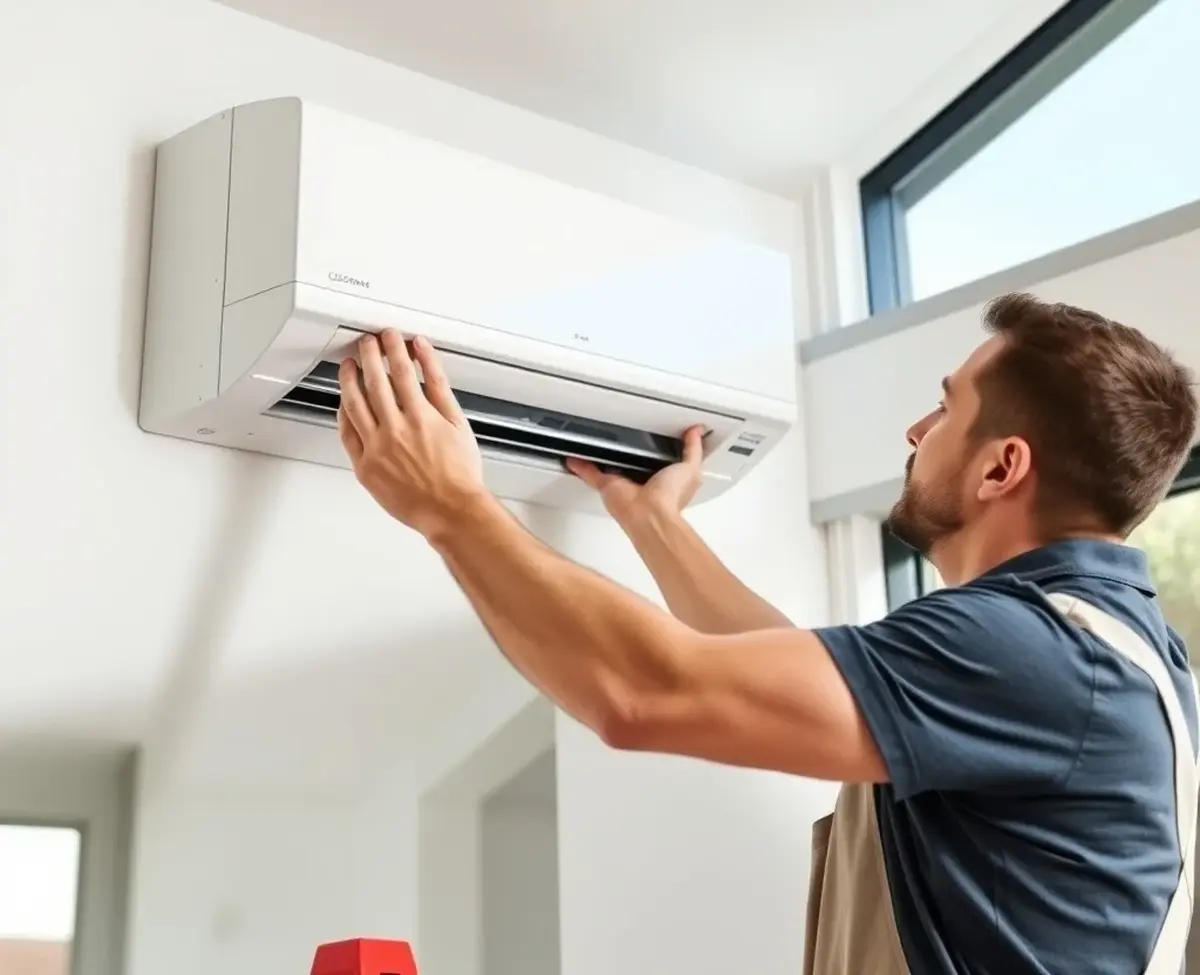
- Supply and install — the installer sources the unit and quotes one all-in price for the unit plus labour and standard materials. This is how most people buy, and it’s usually the cheaper option because installers buy units at trade prices, and you have a single point of contact if anything goes wrong.
- Labour only (you supply the unit) — you buy the box yourself from a retailer or online, and pay an installer just to fit it. Expect $600–$1,200 for a standard back-to-back single install. It can work out cheaper if you snag a unit on sale, but the installer won’t warrant the unit itself, and some won’t touch a unit they didn’t supply.
Licensed installers charge roughly $80–$150 an hour, and a straightforward single-room job takes about 3–5 hours, which is where that $600–$1,200 labour figure comes from. A standard install price normally includes: mounting the indoor and outdoor units, up to around 3–5 metres of insulated copper pipe and interconnecting cable, the condensate drain, a wall bracket or ground pad for the outdoor unit, connecting to a suitable nearby power point or circuit, and vacuuming and commissioning the system so it’s ready to run.
Where your money actually goes
On a typical $2,500 supplied-and-installed 5 kW job, the unit is a bit over half the bill, labour is about a third, and materials plus the electrical connection make up the rest. That’s roughly $1,375 unit, $750 labour and $375 materials and electrical. Understanding this split helps you spot a dodgy (unreliable) quote: if someone is hundreds below everyone else, they’re usually cutting the materials or the electrical corners.
Where a typical $2,500 split system install goes
Multi-head split system cost (cooling multiple rooms)
A multi-head (or “multi-split”) system runs two to five indoor units from a single outdoor unit. It’s the go-to when you want to cool several rooms but don’t have wall space — or the appetite — for a separate outdoor unit bolted to the wall outside each one. You’ll pay $3,500 to $9,000 supplied and installed depending on how many heads, with each extra indoor head adding roughly $1,000–$1,500. The install is more involved than a single — longer pipe runs to each head, more refrigerant, and often a one-to-two-day job rather than an afternoon.
| System | Rooms | Typical supplied & installed |
|---|---|---|
| 2-head multi | 2 rooms, 1 outdoor unit | $3,500 – $5,500 |
| 3-head multi | 3 rooms, 1 outdoor unit | $4,500 – $7,000 |
| 4-head multi | 4 rooms, 1 outdoor unit | $5,500 – $9,000 |
| 5-head multi | 5 rooms, 1 outdoor unit | $7,000 – $11,000 |
Multi-head vs several single splits vs ducted
Here’s the counter-intuitive bit: if you have the wall space, several single splits are often cheaper than one multi-head. Four 2.5 kW singles at about $1,800 each is roughly $7,200 — but each needs its own outdoor unit and a spot to put it. A 4-head multi ($5,500–$9,000) uses just one outdoor unit and looks far tidier, which is why it wins in apartments, double-storey homes and anywhere outdoor space or body-corporate rules are tight. Once you’re cooling four or more rooms and want it hidden, ducted air conditioning ($8,000–$20,000+ installed) starts to make sense — it’s invisible, zoned and adds resale value, but it’s a much bigger job.
Multi-head system: is it worth it?
Pros
- One outdoor unit for the whole home — tidy and space-saving
- Ideal for apartments, townhouses and homes with little outdoor wall space
- Independent temperature control in each room
- Only one outdoor unit to service and maintain
Cons
- Often dearer than the same number of single splits
- If the outdoor unit fails, every room loses cooling at once
- More complex install — usually a one-to-two-day job
- Longer pipe runs can trim efficiency versus a back-to-back single
Split system installation cost by state and city
Where you live shifts the price. Labour rates, how many installers compete for the work, travel distance and even the local housing stock (older double-brick homes are harder to drill than weatherboard) all move the number. As a guide, Sydney and Canberra sit at the dearer end, while Melbourne, Brisbane, Perth and Adelaide are keenly competitive. Here’s a typical supplied-and-installed range for a single 2.5–5 kW back-to-back job around the country in 2026.
| City / state | Single 2.5–5 kW installed | Local notes |
|---|---|---|
| Sydney (NSW) | $1,300 – $3,000 | Higher labour; lots of older brick homes |
| Melbourne (VIC) | $1,200 – $2,800 | Very competitive; reverse-cycle popular for winter |
| Brisbane (QLD) | $1,600 – $3,500 | High demand and humidity; book early for summer |
| Perth (WA) | $1,300 – $2,900 | Competitive; hot dry summers drive demand |
| Adelaide (SA) | $1,250 – $2,800 | Competitive mid-range market |
| Canberra (ACT) | $1,325 – $3,850 | Smaller market and travel push prices up |
| Hobart (TAS) | $1,400 – $3,000 | Mostly bought for efficient winter heating |
| Darwin (NT) | $1,600 – $3,800 | Freight and remoteness lift costs; year-round demand |
Bunnings, Harvey Norman and Good Guys installation costs
The big retailers sell “cash-and-carry” units and offer installation through local electricians they subcontract. Their advertised install prices are tempting, but read them carefully: they’re basic back-to-back labour prices that exclude extras like additional pipe, brackets, electrical upgrades or upper-storey work, which the installer quotes on the day. For a simple ground-floor back-to-back they can be great value; for anything tricky, a dedicated local installer often beats them on the total and gives you one accountable point of contact.
| Retailer | Basic install from | Watch out for |
|---|---|---|
| The Good Guys | ~$499 | Double-storey and extra pipe quoted on site; $599–$799 common in metro areas |
| Bunnings | ~$450–$600 | Outsourced to local installers; excludes electrical upgrades and long runs |
| Harvey Norman | ~$399 (basic) | The “from” price is bare-bones; a real back-to-back is often around $700 |
What affects the price (and the extras that blow out quotes)
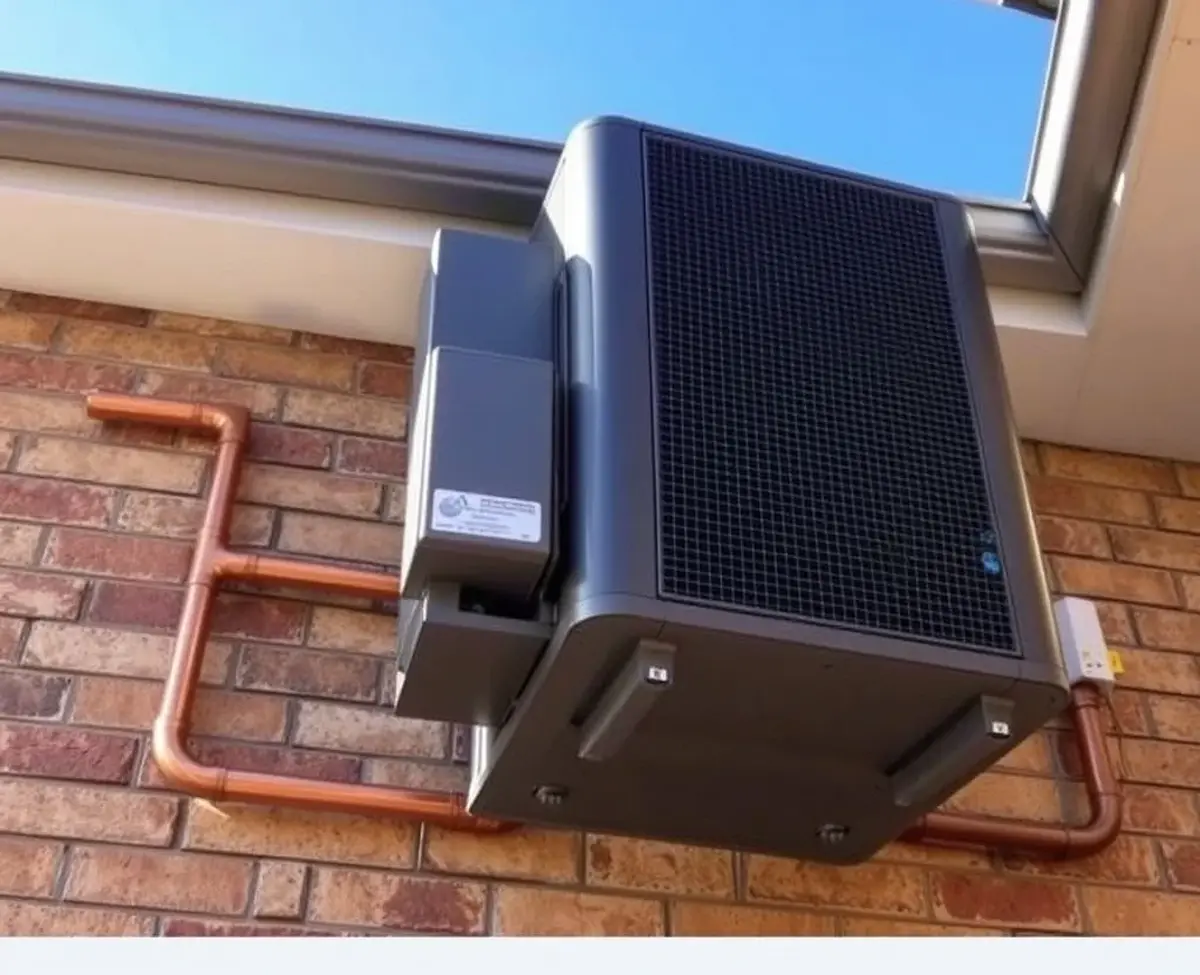
Two identical units can cost hundreds of dollars apart to install, and it almost always comes down to the same handful of variables. The single biggest is how far the outdoor unit sits from the indoor unit — a back-to-back (indoor unit on an external wall with the outdoor unit directly behind) is the cheapest possible run, while carrying pipe across the roof to the other side of the house adds metres of copper and hours of labour. After that it’s the wall type, the storey, and whether your switchboard and wiring are up to the job.
These are the extras that most often turn a $1,500 quote into a $2,200 one. None are rip-offs — they’re real work — but you want them itemised before you commit, not sprung on you on install day.
| Extra / variable | Typical add-on |
|---|---|
| Extra pipe run beyond the ~3–5 m included | +$50–$100 per metre |
| Difficult wall (double brick, solid concrete) | +$100–$300 |
| Upper-storey / height work (ladders, scaffold, brackets) | +$150–$400 |
| New electrical circuit and isolator switch | +$150–$400 |
| Switchboard upgrade (old or full board) | +$400–$1,200 |
| Outdoor unit wall bracket or concrete pad | +$80–$250 |
| Removal and disposal of an old unit | +$100–$250 |
| Extra wiring for a hard-to-reach powerpoint | +$100–$300 |
| Peak-summer premium (December–February) | +10–20% on labour |
Insist on a fixed written quote after a site visit
Can you install a split system yourself? The licensing rules
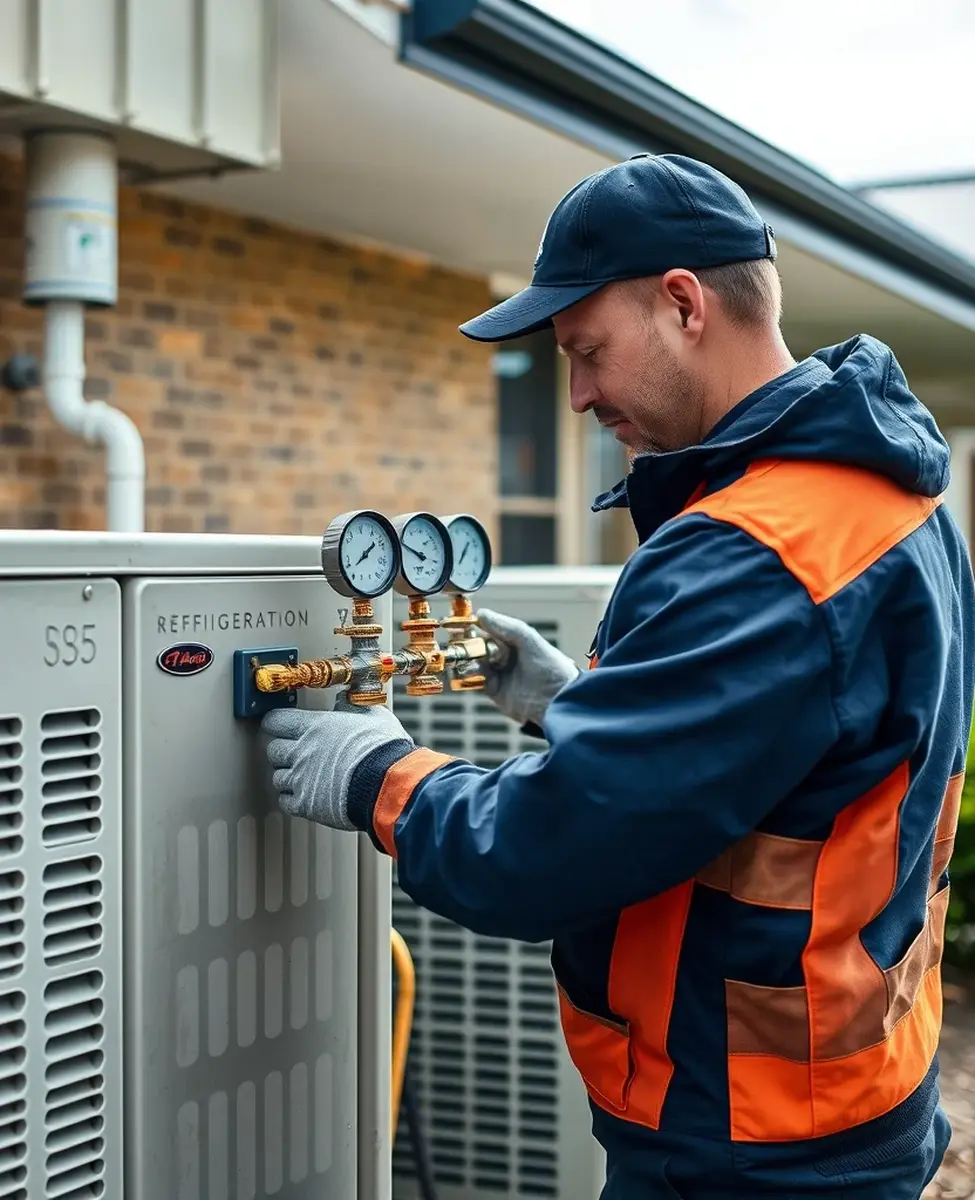
You can legally buy a split system in Australia, but you cannot legally install a standard hardwired one yourself. A proper install involves two licensed trades, and skipping either is against the law:
- Refrigerant work needs an ARC Refrigerant Handling Licence (the “ARCtick” licence). Under Commonwealth ozone-protection law, anyone who installs, commissions or services refrigeration and air-conditioning equipment containing refrigerant must hold one. The Australian Refrigeration Council (ARC) issues it, and the Department of Climate Change, Energy, the Environment and Water (DCCEEW) enforces it.
- The electrical connection needs a licensed electrician — running the interconnecting cable, adding a circuit or fitting an isolator is electrical installation work. Importantly, an ARCtick licence does not authorise electrical work, so a refrigeration mechanic without an electrical licence can’t legally wire your unit in.
In practice, most professional aircon installers either hold both tickets or work as a small team that covers both. When you get a quote, ask for the ARC licence number and check the electrician’s licence on your state register (NSW Fair Trading, Queensland’s QBCC, Energy Safe Victoria, and so on). A licensed “sparkie” (electrician) with an ARCtick is exactly who you want.
Unlicensed refrigerant work is an offence
There’s one narrow exception: a handful of “plug-in” or pre-charged DIY split kits are sold for the handy homeowner, but they’re a small niche, often lower quality, and still need a proper power supply. The vast majority of quality splits are hardwired and refrigerant-charged on site — not a DIY job. If you’re new to Australia, note this is stricter than in many countries: don’t let an unlicensed handyman fit your aircon to save a few hundred dollars, because you carry the legal and insurance risk, not them.
Split system brands: budget vs mid-range vs premium
The brand you choose can swing the unit price by $1,000 or more for the same capacity. What you’re really buying at the top end is quieter running, a longer warranty (often five years), better energy efficiency and stronger after-sales support. Here’s how the market splits, with indicative unit-only prices for a 2.5 kW model.
| Tier | Common brands | ~2.5 kW unit only | What you get |
|---|---|---|---|
| Budget | Hisense, Kelvinator, TCL, Teco | $600 – $900 | Cheapest upfront; shorter warranties; can be noisier |
| Mid-range | Fujitsu General, Panasonic, LG, Rinnai | $900 – $1,300 | The value sweet spot — reliable, efficient, well supported |
| Premium | Daikin, Mitsubishi Electric | $1,100 – $1,800 | Quietest, most efficient, best warranties and resale reputation |
A sensible strategy for most homes: fit a reliable mid-range unit in bedrooms that only run a few hours a day, and spend up on a premium unit in the main living room where it runs the most and the quiet operation and efficiency pay you back. Whatever you pick, check the Energy Rating label — the more stars, the less it costs to run — and for reverse-cycle models look at the Zoned Energy Rating Label (ZERL), which shows heating and cooling performance for your climate zone.
Match the brand to the room, not the whole house
How much does a split system cost to run?
Installation is a one-off; running cost is forever, so it’s worth knowing. A split system costs roughly $0.25 to $0.95 an hour to run for cooling, depending on its size and your electricity tariff. But that’s the figure at full noise — because modern inverter units ease off once the room hits temperature, your real-world cost is usually 40–60% lower. Over a summer, Canstar Blue puts the average reverse-cycle air conditioner at about $30 to $400 a year for typical use, and up to around $580 a year if you run a big unit hard on most days.
Cheaper alternative worth pairing with it: a ceiling fan costs $150 to $400 to install and under $5 a month to run, against more than $125 for air conditioning. Running both lets you set the aircon a couple of degrees higher — see our ceiling fan installation cost guide.
| System size | Running cost (cooling, at full power) |
|---|---|
| 2.5 kW | $0.25 – $0.45 / hour |
| 3.5 kW | $0.35 – $0.60 / hour |
| 5 kW | $0.50 – $0.80 / hour |
| 7 kW | $0.65 – $0.95 / hour |
Reverse cycle: your cheapest winter heating too
Here’s the value most buyers miss: a reverse-cycle split (which almost all now are) doesn’t just cool — it’s also the cheapest way to heat a room in most of Australia. Because it’s a heat pump, it moves three to five units of heat for every unit of electricity, making it far cheaper to run than a plug-in electric heater or gas. For anyone in Melbourne, Hobart, Canberra or the cooler parts of the country, that winter heating is often the main reason to install one — the summer cooling is a bonus.
Cut your running cost by a third with the thermostat
How to save on split system installation
You can shave hundreds off the total without cutting any corners that matter. The biggest wins:
- Install in the off-season. Autumn and winter are quiet for installers — you’ll dodge the summer premium and often get 10–20% off labour.
- Get three quotes. Use a site like hipages, ServiceSeeking or Oneflare, and make sure each quote is for the same unit and includes the electrical work. The spread is often several hundred dollars for the identical job.
- Right-size the unit. Don’t over-size “to be safe” — you pay more upfront and more to run it. Match the kW to the room.
- Choose a back-to-back spot. Placing the indoor unit on an external wall with the outdoor unit directly behind keeps the pipe run short and the labour cheap.
- Take a supply-and-install package. It’s usually cheaper than buying the unit at retail and paying labour separately, because installers buy at trade prices.
- Check for rebates. Some states run energy-efficiency programs (for example Victoria’s Energy Upgrades) that discount efficient reverse-cycle units — ask your installer what’s available where you live.
- Bundle multiple units. Getting several rooms done in one visit is cheaper per unit than separate call-outs.
Mistakes to avoid
- Chasing the cheapest quote. If it’s hundreds below the rest, it usually excludes the electrical work or the extra pipe — you’ll pay it on the day anyway.
- Using an unlicensed installer. No ARCtick or electrical licence means it’s illegal, your warranty is void, and your insurance may not cover a fault.
- Getting the size wrong. An under-sized unit runs flat out and never cools the room; an over-sized one short-cycles and wastes money.
- Ignoring the outdoor unit. It needs airflow, clearance and a spot where its hum won’t annoy you or the neighbours — a bad location causes noise complaints and poor performance.
- Buying online before checking install. Some installers won’t fit a unit they didn’t supply. Line up your installer first.
Worked examples: three real scenarios
1. The renter’s bedroom (Melbourne). A 2.5 kW budget unit, easy back-to-back on a ground-floor weatherboard wall: around $1,100–$1,600 supplied and installed. (Renters — get your landlord’s written permission first; many will split the cost or add it to the lease.)
2. The family living room (Sydney). A 5 kW premium unit (Daikin or Mitsubishi Electric), standard install on a brick home: around $2,350–$3,600. The premium brand costs more but runs quietly and efficiently in the room that’s on the most.
3. The whole townhouse (Brisbane). A 3-head multi-split covering the lounge and two bedrooms from one outdoor unit, mid-range brand: around $4,500–$7,000 — tidier than three separate outdoor units and independently controlled in each room.
Sorting out other big household costs as you settle in? See our complete cost of living and services price guide for Australia, and if you’re setting up a home, our guides to roof replacement costs and concreting costs per m² use the same no-surprises approach.
Frequently asked questions
Prices in this guide are indicative 2026 figures drawn from Australian supplier and installer pricing (including CHOICE, SolarQuotes, Canstar Blue and licensed-installer quotes) and are for general information only — not a formal quote or financial advice. Installation must be carried out by an ARCtick-licensed technician and a licensed electrician. Always get a fixed written quote after a site inspection, and confirm current prices and any state rebates before you commit.
You May Also Like
Buying a Used Car in Australia 2026: The Complete Checklist
Car Registration Cost in Australia 2026: Rego and Stamp Duty by State