
Best Australia Scholarships for International Students 2026

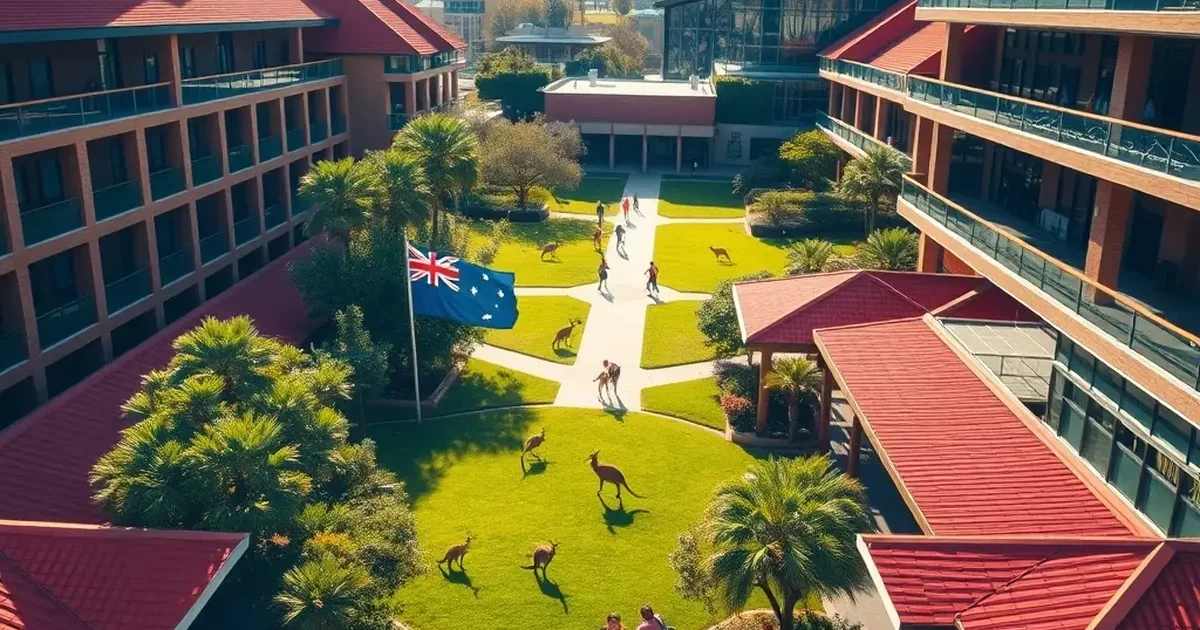
International students seeking the best scholarships in Australia for 2026 have access to an impressive range of funding opportunities worth millions of dollars annually. From fully-funded Australia Awards Scholarships covering tuition, living expenses, and health insurance to prestigious university-specific programs at Group of Eight institutions, scholarship options span every study level and academic field. Moreover, the 2026 application cycle introduces updated eligibility criteria and increased funding amounts across government and institutional programs.
Australia’s scholarship landscape offers both full and partial funding options for undergraduate, masters, and PhD programs. Government initiatives like the Research Training Program (RTP) and Destination Australia Program complement university-specific awards from institutions such as the University of Melbourne, Australian National University, and Monash University. Additionally, subject-specific scholarships target high-demand fields including STEM, business, and health sciences.
Successfully securing Australian scholarships requires strategic planning and understanding of application timelines. Key deadlines typically fall between March and October 2025 for 2026 commencement, with some programs accepting rolling applications throughout the year.
TL;DR
- Australia Awards Scholarships and RTP scholarships offer full funding for international students across all study levels
- Group of Eight universities provide competitive merit-based scholarships with partial to full tuition coverage
- 2026 application deadlines typically run from March-October 2025, requiring early preparation and strong academic profiles
- STEM and research programs receive priority funding, with additional stipends and research support available
- Alternative funding includes industry scholarships, private foundations, and part-time work opportunities for international students
Introduction to Australian Scholarships for International Students in 2026
Australia’s scholarship ecosystem has undergone significant transformation, creating unprecedented opportunities for international students seeking world-class education without the financial burden. The country now offers over 3,000 scholarships annually through government programs, universities, and private organizations, making it one of the most accessible destinations for funded higher education globally.
The Australian education sector recognizes international students as vital contributors to research excellence and cultural diversity. Consequently, funding opportunities span across all academic levels, from undergraduate degrees to doctoral research programs. Furthermore, the government’s commitment to international education has resulted in streamlined application processes and expanded eligibility criteria for 2026.
Benefits of Studying in Australia with Scholarship Support
Scholarship recipients gain access to world-renowned universities that consistently rank among the top 100 globally, including institutions like the University of Melbourne, Australian National University, and University of Sydney. These scholarships eliminate financial barriers while providing recipients with comprehensive support systems including academic mentoring, career guidance, and professional networking opportunities.
Additionally, scholarship holders enjoy preferential treatment in visa processing and work authorization. Most programs include living allowances ranging from $28,000 to $35,000 annually, covering accommodation, meals, and personal expenses. International students also benefit from Australia’s post-study work visa policies, allowing graduates to remain and gain valuable professional experience.
Types of Funding Available
Full scholarships represent the most comprehensive funding option, covering tuition fees, living expenses, health insurance, and travel costs. Programs like Australia Awards Scholarships and Research Training Program (RTP) scholarships provide complete financial support, enabling students to focus entirely on their studies without financial concerns.
Partial scholarships offer targeted support, typically covering tuition fees or living expenses rather than both. These awards often complement other funding sources, allowing students to create customized financial packages. Moreover, many universities provide merit-based partial scholarships that reduce tuition by 25% to 75%, making Australian education significantly more affordable.
- Government scholarships: Australia Awards, Destination Australia Program, RTP scholarships
- University scholarships: Vice-Chancellor’s scholarships, faculty-specific awards, research scholarships
- Industry scholarships: Corporate partnerships, professional association funding
- Private foundation scholarships: Philanthropic organizations, alumni networks
Key Changes and Updates for 2026 Application Cycle
The 2026 scholarship landscape introduces several important modifications designed to attract top international talent. Application deadlines have been extended for major programs, with Australia Awards Scholarships now accepting applications until May 2025, providing additional preparation time for prospective students.
Universities have also expanded their scholarship portfolios, with Group of Eight institutions increasing funding allocations by an average of 15% compared to 2025. Additionally, new subject-specific scholarships target emerging fields including renewable energy, artificial intelligence, and biotechnology, reflecting Australia’s strategic research priorities.
Furthermore, the government has introduced simplified application processes through the Australian Government Study Australia portal, centralizing scholarship applications and reducing administrative complexity. This digital transformation enables students to apply for multiple scholarships simultaneously while tracking application status in real-time.
Top Government Scholarships for International Students
Government-funded scholarships represent the most prestigious and comprehensive funding opportunities available to international students in Australia. These programs provide substantial financial support while fostering diplomatic relationships and educational excellence across diverse academic disciplines.
Australia Awards Scholarships
The Australia Awards Scholarships program stands as the flagship government initiative, offering fully funded opportunities to students from developing countries. This comprehensive program covers tuition fees, living allowances, health insurance, and return airfare, creating a complete educational package worth up to $150,000 per recipient.
Eligibility requirements focus on academic excellence, leadership potential, and commitment to contributing to home country development. Applicants must demonstrate English proficiency through IELTS (minimum 6.5) or equivalent testing, while maintaining strong academic records from recognized institutions. Moreover, candidates cannot hold dual Australian citizenship or permanent residency status.
The application process operates through a competitive selection system managed by Australian diplomatic missions worldwide. Successful applicants undergo rigorous assessment including academic evaluation, leadership assessment, and development impact analysis. Subsequently, recipients commit to returning to their home countries for a minimum period equal to their study duration.
Endeavour Leadership Program Scholarships
The Endeavour Leadership Program provides merit-based funding for high-achieving international students pursuing undergraduate, postgraduate, and research opportunities. This program emphasizes leadership development alongside academic achievement, targeting students who demonstrate exceptional potential in their chosen fields.
Financial support varies by study level, with undergraduate scholarships providing up to $272,500 over four years, while postgraduate awards offer up to $140,500 for two-year programs. Additionally, the program includes establishment allowances, monthly stipends, and professional development opportunities through exclusive networking events.
Application evaluation considers academic merit, leadership experience, and potential contribution to Australia-home country relationships. Furthermore, successful candidates participate in leadership development workshops, mentoring programs, and alumni networks that extend beyond graduation.
Research Training Program (RTP) Scholarships
The Research Training Program specifically targets international students pursuing research degrees at Masters and PhD levels. This program recognizes research excellence while supporting Australia’s position as a global research leader across multiple disciplines including science, technology, engineering, and medicine.
RTP scholarships provide tuition fee offsets for the standard duration of research programs, typically three years for PhD candidates and two years for research Masters students. However, living allowances require separate funding through university-specific scholarships or external sources, creating hybrid funding arrangements for many recipients.
Selection criteria emphasize research potential, academic achievement, and alignment with university research priorities. Consequently, successful applicants often secure additional stipend support through university partnerships, creating comprehensive funding packages comparable to other government programs.
Destination Australia Program Scholarships
The Destination Australia Program encourages international students to study in regional Australia through targeted financial incentives. This initiative supports both domestic and international students while addressing skill shortages in regional communities across various sectors.
Each scholarship provides $15,000 annually for up to four years, specifically for students studying at regional campuses or universities. Additionally, recipients gain access to enhanced support services including accommodation assistance, career guidance, and community integration programs designed for regional living.
Participating institutions span multiple states and territories, offering diverse study options from vocational education to doctoral research. Therefore, students can pursue qualifications in agriculture, healthcare, education, and emerging technologies while experiencing authentic Australian regional culture.
Application Deadlines and Key Dates for 2026
| Scholarship Program | Application Opens | Application Deadline | Results Announced |
|---|---|---|---|
| Australia Awards Scholarships | February 1, 2025 | May 31, 2025 | December 2025 |
| Endeavour Leadership Program | April 1, 2025 | June 30, 2025 | October 2025 |
| Research Training Program | Rolling applications | October 31, 2025 | January 2026 |
| Destination Australia Program | March 1, 2025 | September 30, 2025 | November 2025 |
Early application submission significantly improves selection chances across all government scholarship programs. Most programs require extensive documentation including academic transcripts, English proficiency scores, personal statements, and referee reports, necessitating several months of preparation time.
Additionally, many scholarships operate on country-specific quotas, creating varying competition levels depending on applicant nationality and chosen study destination. Therefore, prospective students should research program-specific requirements well in advance of deadline dates to ensure comprehensive application preparation.
Best University-Specific Scholarships
Australia’s leading universities offer comprehensive scholarship portfolios specifically designed to attract exceptional international students across undergraduate, masters, and PhD programs. These institutional awards complement government funding schemes while providing direct pathways to world-class education and research opportunities.
Group of Eight (Go8) University Scholarships
The Group of Eight universities collectively provide Australia’s most prestigious institutional scholarships, with combined annual funding exceeding $200 million for international students. These research-intensive institutions prioritize academic excellence while offering substantial financial support across all study levels.
Go8 scholarship recipients typically receive full tuition coverage plus living allowances ranging from $28,000 to $35,000 annually. Furthermore, many programs include additional benefits such as thesis supervision funding, conference attendance support, and industry placement opportunities that enhance career prospects significantly.
University of Melbourne Scholarships for International Students
Melbourne Graduate Research Scholarships provide comprehensive funding for PhD and research masters candidates, covering full tuition fees plus annual stipends of $31,200 for up to four years. Additionally, the university offers Melbourne International Undergraduate Scholarships worth up to $56,000 over three years for exceptional bachelor’s degree applicants.
The Melbourne Chancellor’s Scholars Program represents the university’s flagship undergraduate award, providing full fee remission plus annual living allowances of $20,000. Moreover, recipients gain access to exclusive mentoring programs, leadership development workshops, and guaranteed research project placements with leading academic staff.
Australian National University (ANU) Scholarship Programs
ANU delivers internationally recognized scholarship opportunities through its Chancellor’s International Scholarships, providing full tuition coverage plus annual stipends of $25,000 for undergraduate programs. Research students benefit from ANU PhD Scholarships offering comprehensive funding packages worth over $150,000 across four-year candidatures.
The university’s College-specific scholarships target specialized fields including engineering, medicine, and public policy, with awards ranging from partial fee remissions to full funding packages. Consequently, students can access tailored support matching their academic interests and career aspirations while studying in Australia’s capital city.
University of Sydney International Scholarships
Sydney Scholars Awards provide Australia’s most generous undergraduate scholarships for international students, offering full tuition coverage plus annual allowances up to $40,000 for living expenses. These merit-based awards recognize exceptional academic achievement while supporting diverse study pathways across all university faculties.
Research candidates access Sydney International Postgraduate Awards covering full PhD tuition fees plus competitive stipends of $28,597 annually. Similarly, the university’s Faculty-specific scholarships provide targeted funding for disciplines including business, engineering, and health sciences, creating specialized opportunities for international talent attraction.
Monash University Scholarship Opportunities
Monash University offers International Merit Scholarships providing up to $10,000 annually for undergraduate students, while Monash Graduate Scholarships deliver comprehensive PhD funding including full tuition coverage plus annual stipends of $29,500. These programs emphasize research excellence and international collaboration across multiple campus locations.
The university’s Faculty Excellence Scholarships target specific disciplines including medicine, engineering, and information technology, offering both partial and full funding options. Therefore, international students can access specialized support while pursuing qualifications in high-demand professional fields with strong employment prospects.
Other Notable University Scholarships Across Australia
University of Queensland provides International Scholarships worth up to $12,000 annually, while University of Western Australia offers Global Excellence Scholarships covering 50% of tuition fees for exceptional international applicants. These programs demonstrate widespread institutional commitment to international education excellence.
Queensland University of Technology delivers Vice-Chancellor’s Scholarships providing full tuition coverage for outstanding students, whereas University of Adelaide offers Global Citizens Scholarships reducing fees by 15-30% across all study levels. Additionally, Griffith University provides International Student Academic Excellence Scholarships worth up to $5,000 per semester for high-achieving candidates.
Regional universities including James Cook University and University of Tasmania offer competitive international scholarships with additional benefits such as accommodation support and career placement assistance. Consequently, students can access quality education opportunities beyond major metropolitan centers while experiencing diverse Australian cultural environments.
Scholarships by Study Level
Australian universities structure their scholarship offerings across distinct academic levels, with funding amounts and eligibility criteria varying significantly between undergraduate, postgraduate, and research programs. Furthermore, each study level presents unique opportunities for international students to access financial support while pursuing their educational goals.
Undergraduate Scholarships – Requirements and Funding Amounts
Undergraduate scholarships for international students typically range from $5,000 to $30,000 annually, with merit-based awards requiring minimum ATAR equivalents of 85-95 or GPA scores above 3.5. Additionally, most universities demand English proficiency scores of IELTS 6.5 or TOEFL 90+ alongside demonstrated academic excellence in secondary education.
Major undergraduate funding programs include the Australia Awards Scholarships covering full tuition, living allowances, and health insurance for students from eligible developing countries. Similarly, university-specific programs such as Melbourne’s International Undergraduate Scholarship provide partial fee reductions of 50-100% based on academic merit and leadership potential.
Application requirements commonly include academic transcripts, personal statements, referee reports, and proof of English proficiency. Moreover, some scholarships require community service evidence, extracurricular achievements, or specific citizenship from targeted regions to qualify for funding consideration.
Masters Degree Scholarships – Coursework and Research Options
Masters scholarships distinguish between coursework and research pathways, offering different funding structures and application processes. Coursework scholarships typically provide $10,000 to $25,000 annually for tuition support, while research masters programs offer higher stipends ranging from $28,000 to $35,000 per year including living allowances.
Research Training Program (RTP) scholarships support both coursework and research components of masters degrees, covering tuition fees plus providing tax-free stipends for living expenses. Consequently, students pursuing research-intensive masters programs access comprehensive financial support throughout their candidature period.
- Coursework masters: Merit-based scholarships with partial fee coverage
- Research masters: Full funding including stipends and research expenses
- Professional masters: Industry-sponsored scholarships in specialized fields
- Combined programs: Integrated funding for coursework-research pathways
Application deadlines for masters scholarships typically occur 6-12 months before program commencement, requiring early planning and preparation. Therefore, prospective students should begin scholarship applications during their final undergraduate year to maximize funding opportunities.
PhD and Research Scholarships – Stipends and Research Support
PhD scholarships provide the most comprehensive funding packages, with Research Training Program stipends reaching $35,000 annually for up to 3.5 years of doctoral study. Additionally, these scholarships cover tuition fees, health insurance, and research expenses including conference attendance and equipment costs.
Australian Government Research Training Program (RTP) scholarships represent the primary funding source for international PhD candidates, offering tax-free stipends alongside fee offset scholarships. Furthermore, universities supplement RTP funding with top-up scholarships providing additional $5,000-$10,000 annually for exceptional candidates.
Industry-sponsored PhD programs through Australian Research Council (ARC) and Cooperative Research Centres (CRC) provide enhanced stipends of $40,000-$50,000 per year plus industry placement opportunities. These programs combine academic research with practical industry experience, improving employment prospects upon graduation.
Research support extends beyond stipends to include conference funding, research travel grants, and equipment allowances. Consequently, PhD scholarship recipients access comprehensive support enabling focus on research excellence without financial constraints.
Postdoctoral Fellowships and Early Career Researcher Funding
Postdoctoral fellowships bridge the transition from PhD completion to independent research careers, offering $70,000-$120,000 annually for 2-3 year appointments. Moreover, these positions provide research independence, mentorship opportunities, and pathways to permanent academic positions within Australian universities.
Australian Research Council (ARC) Discovery Early Career Researcher Awards (DECRA) provide $375,000 over three years for salary, research expenses, and administrative support. Similarly, National Health and Medical Research Council (NHMRC) fellowships offer equivalent funding for health and medical research postdoctoral positions.
University-specific postdoctoral programs include Vice-Chancellor’s Research Fellowships and McKenzie Fellowships, providing competitive salaries plus research budgets for outstanding early career researchers. These appointments often include teaching opportunities and professional development support to enhance career progression prospects.
Application processes for postdoctoral fellowships require demonstrated research excellence, publication records, and clear research proposals aligned with institutional priorities. Therefore, PhD graduates should develop strong publication portfolios and research networks during doctoral study to maximize fellowship success rates.
Subject-Specific and Field-Based Scholarships
Australian universities allocate $180 million annually across discipline-specific scholarships, recognizing that different fields require specialized funding approaches. Furthermore, these targeted awards address industry skill shortages while supporting international students pursuing careers in high-demand sectors.
STEM Scholarships (Science, Technology, Engineering, Mathematics)
STEM fields receive the largest allocation of subject-specific funding, with over 2,000 scholarships available annually for international students. Additionally, these awards range from $25,000-$50,000 per year, often including research stipends and equipment allowances for laboratory-based programs.
The Australia-ASEAN Scholarships and Short Courses prioritize STEM disciplines, offering full tuition coverage plus $3,000 monthly stipends for living expenses. Similarly, university-specific programs like the Monash International Merit Scholarship provides $10,000 annually for outstanding STEM undergraduate and postgraduate students.
Technology companies partner with universities to fund specialized scholarships in artificial intelligence, cybersecurity, and data science. Consequently, recipients often receive internship opportunities and potential employment pathways with sponsoring organizations upon graduation.
Business and Economics Scholarships
Business schools across Australia offer merit-based scholarships worth $15,000-$40,000 for MBA and specialized master’s programs. Moreover, these awards often include networking opportunities with industry leaders and access to exclusive career development programs.
The Australian Business Deans Council coordinates funding for economics research, providing $30,000 annual stipends for PhD candidates studying economic policy and development. Therefore, students focusing on Asia-Pacific economic relations receive priority consideration for these competitive awards.
Arts, Humanities, and Social Sciences Funding
Humanities scholarships emphasize cultural exchange and research collaboration, with awards typically ranging $20,000-$35,000 annually. Additionally, these programs often include conference attendance funding and research travel allowances for fieldwork and archival research.
Social sciences funding prioritizes research addressing global challenges like climate change, social inequality, and cultural diversity. Consequently, international students conducting community-engaged research receive enhanced support through specialized fellowship programs.
Medical and Health Sciences Scholarships
Medical research scholarships provide $28,000-$45,000 annually plus research expenses, recognizing the high costs associated with clinical and laboratory research. Furthermore, these awards often include hospital placement opportunities and access to cutting-edge medical facilities.
The National Health and Medical Research Council offers international research training scholarships for PhD candidates in health sciences. Similarly, specialized programs in nursing, physiotherapy, and public health provide targeted funding for international students addressing healthcare workforce shortages.
Engineering and Technology-Specific Awards
Engineering scholarships focus on infrastructure development, renewable energy, and mining technology, reflecting Australia’s economic priorities. Additionally, these awards typically provide $30,000-$50,000 annually plus industry placement opportunities with major engineering firms.
Civil engineering programs receive substantial funding through government infrastructure initiatives, while electrical and mechanical engineering scholarships emphasize innovation in sustainable technology development. Therefore, students with relevant industry experience often receive preferential consideration.
Environmental and Sustainability Scholarships
Environmental science funding reflects Australia’s commitment to climate research and conservation, with scholarships averaging $25,000-$40,000 annually. Moreover, these programs often include fieldwork opportunities in unique Australian ecosystems and collaboration with environmental organizations.
Sustainability-focused scholarships emphasize renewable energy, marine conservation, and agricultural innovation. Consequently, international students contributing to Australia’s environmental research priorities receive enhanced funding support and research collaboration opportunities with government agencies.
Application Strategy
Scholarship Application Process and Requirements
Securing Australian scholarships for international students requires strategic preparation and meticulous attention to application requirements. Most scholarship programs open applications between February and August for the following academic year, with specific deadlines varying by institution and funding body.
General Eligibility Criteria for International Students
Academic excellence forms the foundation of scholarship eligibility, with most programs requiring a minimum GPA of 3.5/4.0 or equivalent. Furthermore, applicants must demonstrate English language proficiency and meet specific citizenship requirements that exclude Australian permanent residents from international student categories.
Age restrictions typically limit applicants to under 35 years for undergraduate programs and under 40 years for postgraduate studies. Additionally, many scholarships require applicants to return to their home country for a minimum period after graduation, reinforcing the development-focused objectives of these funding programs.
Required Documents and Supporting Materials
Comprehensive documentation packages distinguish successful scholarship applications from incomplete submissions. Therefore, applicants must prepare certified academic transcripts, passport copies, and detailed curriculum vitae highlighting academic achievements and relevant experience.
- Certified academic transcripts from all previous institutions
- Official passport copy with minimum 18 months validity
- Detailed curriculum vitae emphasizing academic and professional accomplishments
- Portfolio materials for creative disciplines (where applicable)
- Medical examination reports for specific scholarship categories
Academic Transcripts and English Proficiency Requirements
Academic transcript evaluation requires official documents translated into English by certified translators. Moreover, institutions assess grade point averages using Australian equivalency scales, with competitive scholarships typically requiring performance in the top 10% of graduating classes.
English proficiency standards vary significantly across scholarship programs, with IELTS scores of 6.5-7.5 representing typical requirements. However, TOEFL iBT scores of 90-110 or PTE Academic scores of 65-79 provide alternative pathways for demonstrating language competency to scholarship committees.
| Test Type | Minimum Score | Competitive Score | Validity Period |
|---|---|---|---|
| IELTS Academic | 6.5 | 7.5+ | 2 years |
| TOEFL iBT | 90 | 110+ | 2 years |
| PTE Academic | 65 | 79+ | 2 years |
| Cambridge CAE | 176 | 185+ | No expiry |
Personal Statements and Research Proposals
Personal statements must articulate clear academic goals while demonstrating alignment with Australia’s development priorities and institutional research strengths. Consequently, successful statements typically span 1,000-2,000 words and address specific selection criteria outlined in scholarship guidelines.
Research proposals for postgraduate scholarships require detailed methodology sections and comprehensive literature reviews. Additionally, these documents must demonstrate feasibility within Australian academic contexts while addressing significant knowledge gaps in chosen fields of study.
Writing Tip
Letters of Recommendation Guidelines
Academic referees should possess detailed knowledge of applicants’ scholarly capabilities and research potential. Furthermore, recommendation letters must address specific selection criteria while providing concrete examples of academic excellence and leadership potential.
Professional referees contribute valuable perspectives on applicants’ practical experience and career development trajectory. Therefore, employers, supervisors, and industry mentors can provide compelling evidence of professional competence and commitment to chosen fields of study.
- Academic supervisors or professors familiar with research capabilities
- Professional supervisors who can attest to work performance
- Community leaders who know applicants through volunteer activities
- Industry experts relevant to proposed study fields
Application Timeline and Key Milestones for 2026
Early preparation beginning in January 2025 provides optimal positioning for competitive scholarship applications. Meanwhile, most major scholarship programs announce opening dates between March and May 2025 for 2026 academic year commencement.
Australia Awards Scholarships typically open applications in February 2025 with closing dates in April-May 2025. Similarly, university-specific scholarships maintain rolling application processes throughout 2025, with priority deadlines occurring between July and October 2025.
- January-March 2025: Research scholarship options and prepare documentation
- April-June 2025: Complete English proficiency testing and secure references
- July-September 2025: Submit applications for major scholarship programs
- October-December 2025: Interview preparation and follow-up communications
- January-March 2026: Final decisions and visa application processes
- April-July 2026: Pre-departure preparations and orientation programs
Successful applicants typically receive notification between December 2025 and February 2026, allowing sufficient time for visa processing and travel arrangements. Therefore, maintaining organized application tracking systems ensures timely responses to scholarship committee requests and interview invitations.
Tips for Successful Scholarship Applications
Crafting a winning scholarship application requires strategic planning and meticulous attention to detail. Furthermore, successful candidates demonstrate exceptional academic merit while showcasing unique personal qualities that align with scholarship objectives.
How to Strengthen Your Academic Profile
Academic excellence forms the foundation of competitive scholarship applications. Consequently, maintaining a GPA above 3.5 significantly improves selection prospects for major funding programs like Australia Awards Scholarships.
Research experience enhances academic credentials through publications, conference presentations, and collaborative projects. Additionally, relevant coursework completion demonstrates subject mastery and commitment to chosen fields of study.
- Pursue advanced coursework in target disciplines
- Engage in undergraduate or postgraduate research projects
- Seek publication opportunities in academic journals
- Participate in academic conferences and symposiums
- Complete relevant certifications and professional development programs
Writing Compelling Personal Statements
Personal statements differentiate candidates by revealing motivations, aspirations, and unique perspectives. Moreover, effective statements connect personal experiences with academic goals while demonstrating cultural awareness and leadership potential.
Successful statements typically follow a narrative structure that highlights transformative experiences, academic achievements, and future contributions. Similarly, authentic storytelling resonates with selection committees more than generic academic accomplishments.
Personal Statement Structure
Securing Strong Letters of Recommendation
Recommendation letters provide third-party validation of academic abilities, character, and potential for success. Therefore, selecting recommenders who know applicants well and can provide specific examples proves crucial for application strength.
Academic supervisors offer insights into research capabilities and intellectual curiosity. Meanwhile, professional mentors highlight practical skills and workplace performance relevant to proposed study programs.
- Request recommendations at least 8-10 weeks before deadlines
- Provide recommenders with comprehensive application materials
- Include specific achievements and projects to highlight
- Follow up respectfully to ensure timely submission
- Express gratitude regardless of recommendation outcome
Preparing for Scholarship Interviews
Interview preparation involves researching scholarship programs, universities, and current developments in chosen fields. Additionally, practicing responses to common questions while maintaining authenticity helps candidates communicate effectively under pressure.
Mock interviews with mentors or career counselors identify areas for improvement and build confidence. Furthermore, preparing thoughtful questions about programs demonstrates genuine interest and engagement with scholarship opportunities.
Pros
- Practice with mock interviews
- Research interviewer backgrounds
- Prepare specific examples and stories
- Review application materials thoroughly
Cons
- Over-rehearsing responses
- Memorizing scripted answers
- Ignoring current affairs knowledge
- Failing to prepare questions
Common Application Mistakes to Avoid
Application errors significantly reduce selection chances despite strong academic credentials. Consequently, careful proofreading and adherence to specific requirements prevent unnecessary disqualification from competitive programs.
Generic applications fail to demonstrate genuine interest in specific scholarships or universities. Instead, tailored applications highlighting program alignment and institutional fit create stronger impressions with selection committees.
| Common Mistake | Impact | Solution |
|---|---|---|
| Missing deadlines | Automatic disqualification | Create detailed timeline with buffer periods |
| Generic personal statements | Weak differentiation | Customize for each scholarship program |
| Incomplete documentation | Application rejection | Use comprehensive checklists |
| Poor English proficiency scores | Minimum threshold failure | Retake tests if necessary |
| Weak recommendation letters | Reduced competitiveness | Choose recommenders strategically |
Building a Competitive Application Portfolio
Comprehensive portfolios showcase diverse achievements beyond academic performance. Moreover, demonstrating leadership, community engagement, and cultural competency creates well-rounded candidate profiles that appeal to scholarship committees.
Digital portfolios allow multimedia presentation of projects, research, and accomplishments. Similarly, organized documentation facilitates quick reference during application completion and interview preparation processes.
- Compile academic transcripts and certificates
- Document research projects and publications
- Gather evidence of leadership roles and achievements
- Collect community service and volunteer records
- Prepare professional portfolio samples
- Organize awards and recognition certificates
Students who begin application preparation 12-18 months in advance achieve 40% higher success rates in competitive scholarship programs.
Early preparation allows iterative improvement of application components while providing flexibility to address unexpected requirements. Therefore, successful candidates treat scholarship applications as long-term projects requiring sustained effort and strategic planning throughout the process.
Alternative Funding Sources and Support
Beyond traditional university scholarships, international students can access diverse funding opportunities through private foundations, industry partnerships, and government support programs. Furthermore, these alternative sources often provide more flexible eligibility criteria and specialized support for specific fields of study.
Private Foundation Scholarships
Private foundations offer substantial funding opportunities with less competition than government programs. Additionally, many foundations focus on specific demographics, academic disciplines, or career paths that align with their philanthropic missions.
The Rotary Foundation provides global grants covering full tuition and living expenses for graduate studies in peace, disease prevention, and economic development. Similarly, the Asia Pacific Foundation supports students from developing countries pursuing degrees in sustainable development and environmental science.
- Ford Foundation International Fellowships Program
- Open Society Foundations scholarships
- MasterCard Foundation Scholars Program
- Canon Collins Educational and Legal Assistance Trust
- Commonwealth Scholarship and Fellowship Plan
Industry-Sponsored Scholarships and Internships
Major corporations sponsor scholarships while providing guaranteed internship placements and potential employment pathways. Consequently, these programs create direct connections between academic achievement and professional opportunities in Australia’s growing industries.
Mining companies like BHP and Rio Tinto offer comprehensive packages including tuition support, accommodation allowances, and paid work experience. Meanwhile, technology firms such as Atlassian and Canva provide scholarships specifically for computer science and engineering students.
| Industry Sector | Major Sponsors | Typical Package Value |
|---|---|---|
| Mining & Resources | BHP, Rio Tinto, Woodside | $25,000-$45,000 annually |
| Technology | Atlassian, Canva, Xero | $20,000-$35,000 annually |
| Banking & Finance | Commonwealth Bank, ANZ, Westpac | $15,000-$30,000 annually |
| Healthcare | CSL, Cochlear, ResMed | $18,000-$40,000 annually |
Part-Time Work Opportunities
International students on student visas can work up to 48 hours per fortnight during study periods and unlimited hours during scheduled breaks. Therefore, part-time employment provides essential income while developing professional skills and local work experience.
On-campus positions offer convenient scheduling around academic commitments while providing networking opportunities with faculty and staff. Moreover, research assistant roles often lead to academic references and potential pathways to PhD scholarships or graduate research positions.
- Campus tour guides and student ambassadors
- Library assistants and tutoring services
- Research assistants in laboratories
- Administrative support in student services
- Food service and retail positions
Student Loans and Financial Aid
International education loans bridge funding gaps when scholarships cover only partial expenses. However, these financial products require careful evaluation of interest rates, repayment terms, and currency exchange risks that affect long-term affordability.
Several Australian banks offer specialized student loan products for international students with local guarantors or collateral. Additionally, home country banks often provide education loans for overseas study with competitive rates and flexible repayment schedules.
Loan Considerations
Cost of Living Support and Accommodation Scholarships
Accommodation scholarships significantly reduce the largest expense category for international students in Australian cities. Furthermore, these programs often include additional benefits such as meal plans, utilities, and social programming that enhance the student experience.
University-managed housing provides cost-effective accommodation with built-in support services and community connections. Similarly, homestay programs offer cultural immersion opportunities while providing stable housing arrangements with local families.
Accommodation costs represent 35-45% of total student expenses in major Australian cities
External housing assistance comes through community organizations, religious institutions, and cultural associations that support international students. Consequently, these networks provide both financial relief and social integration opportunities that enhance academic success and personal wellbeing throughout the study period.
2026 Application Deadlines and Key Dates
Strategic timing determines scholarship success more than any other factor for international students pursuing Australian education. Moreover, major scholarship deadlines cluster around specific periods throughout 2026, requiring careful coordination and advance preparation to maximize application opportunities.
Major Scholarship Application Deadlines Throughout 2026
Australia Awards Scholarships maintain their traditional February application window, with submissions typically closing on February 28, 2026. Additionally, most university-specific merit scholarships follow similar early-year deadlines between January and March 2026.
| Scholarship Type | Application Opens | Deadline | Results Announced |
|---|---|---|---|
| Australia Awards | January 1, 2026 | February 28, 2026 | June 2026 |
| University Merit Scholarships | October 2025 | March 31, 2026 | May 2026 |
| Research Training Program | Rolling | October 31, 2025 | December 2025 |
| Endeavour Leadership Program | April 2026 | June 30, 2026 | September 2026 |
Furthermore, PhD scholarships often operate on different cycles, with many programs accepting applications year-round while maintaining specific intake periods for February and July semester starts.
University-Specific Application Periods
Group of Eight universities typically open scholarship applications in August 2025 for 2026 commencement, creating extended application periods that benefit early planners. Consequently, these institutions process thousands of applications through multiple assessment rounds before final selections.
Regional universities often maintain more flexible deadlines, with some accepting applications until May 2026 for July intake periods. Similarly, specialized programs in fields like medicine, engineering, and business may have unique deadlines that align with professional accreditation requirements.
Government Scholarship Timeline
Australian government scholarship programs follow structured timelines that begin with policy announcements in September 2025. Subsequently, application portals open in January 2026, allowing prospective students three months to complete comprehensive submissions.
Assessment processes extend from March through May 2026, involving multiple evaluation stages including academic review, interview panels, and final selections. Therefore, successful applicants receive notifications by June 30, 2026, providing adequate time for visa processing and pre-departure preparations.
Tips for Managing Multiple Application Deadlines
Successful scholarship applicants typically submit 8-12 applications across different programs and institutions to maximize their chances. However, this strategy requires systematic organization and deadline management to maintain application quality while meeting multiple requirements.
- Create master spreadsheets tracking all deadlines, requirements, and submission status
- Prepare standardized documents (transcripts, references, essays) that adapt to multiple applications
- Set personal deadlines two weeks before official submission dates
- Establish regular check-ins with referees to ensure timely recommendation submissions
- Use calendar alerts and project management tools to track progress
Additionally, many successful applicants recommend starting the application process six months before the earliest deadline to allow adequate time for document preparation and revision.
Planning Your Scholarship Application Calendar
Effective scholarship planning begins in July 2025 with research and initial document gathering for 2026 applications. Moreover, this timeline provides sufficient opportunity to address potential challenges such as credential evaluation, English proficiency testing, and referee coordination.
Critical Timeline Tip
Document preparation phases should occur between August and October 2025, focusing on academic transcripts, personal statements, and research proposals. Furthermore, this period allows multiple revision cycles that significantly improve application quality and competitiveness.
Final submission phases typically span November 2025 through March 2026, depending on specific program requirements. Consequently, applicants benefit from staggered submission schedules that prevent last-minute rushes and technical difficulties that could compromise application success.
Frequently Asked Questions
What are the best fully funded scholarships in Australia for international students in 2026?
The Australia Awards Scholarships are the most comprehensive fully funded options, covering tuition, living expenses, health insurance, and travel costs. The Research Training Program (RTP) offers full funding for research degrees, while Group of Eight universities provide competitive merit-based scholarships. These programs typically offer annual living allowances ranging from $28,000 to $35,000.
When are the application deadlines for Australian scholarships in 2026?
Most scholarship application deadlines for 2026 commencement fall between March and October 2025. Australia Awards Scholarships typically close in April-May, while university-specific programs have varying deadlines throughout this period. Some programs accept rolling applications year-round, making early preparation essential for success.
Are there fully funded undergraduate scholarships available for international students?
Yes, several programs offer fully funded undergraduate scholarships including Australia Awards Scholarships for developing country students, university-specific merit scholarships from institutions like University of Melbourne and Australian National University, and the Destination Australia Program for regional universities. These cover tuition fees, living expenses, and additional support services.
What masters scholarships are available for international students in Australia?
Masters scholarships include Australia Awards for coursework and research masters, university-specific programs like Melbourne Graduate Scholarships, and subject-specific awards in high-demand fields. Many programs offer partial to full tuition coverage plus living stipends, with priority given to STEM, business, and health sciences disciplines.
How can international students find PhD scholarships in Australia for 2026?
PhD scholarships are primarily available through the Research Training Program (RTP), university-specific research scholarships, and industry partnerships. The RTP provides full funding including tuition fee offset and living stipend. Students should contact potential supervisors directly and apply through university graduate research offices for the best opportunities.
What is the step-by-step process to get a scholarship in Australia?
- Research available scholarships and eligibility criteria
- Prepare required documents (transcripts, English test scores, references)
- Submit university applications first, then scholarship applications
- Write compelling personal statements and research proposals
- Apply 6-12 months before intended start date
- Follow up on application status and prepare for potential interviews
What are Australia Awards Scholarships and who is eligible?
Australia Awards Scholarships are the Australian Government’s flagship international scholarship program, offering full funding to students from developing countries in the Indo-Pacific region. Eligibility requires citizenship from participating countries, strong academic records, leadership potential, and commitment to contributing to home country development upon graduation.
Are there scholarship opportunities for domestic Australian students as well?
Yes, domestic students have access to numerous scholarships including Commonwealth Supported Places, university merit scholarships, Indigenous scholarships, and equity-based awards. The Research Training Program also supports domestic PhD and research masters students with fee offsets and living stipends.
Which fields of study receive priority funding in Australian scholarships?
STEM fields receive priority funding, including engineering, computer science, biotechnology, and environmental sciences. Other high-priority areas include health sciences, business and economics, agriculture, and renewable energy. These programs often provide additional research support and industry placement opportunities.
What additional benefits do scholarship recipients receive beyond tuition coverage?
Scholarship recipients typically receive comprehensive support packages including living allowances ($28,000-$35,000 annually), health insurance, academic mentoring, career guidance, professional networking opportunities, and preferential visa processing. Many programs also include travel allowances, establishment costs, and thesis completion support.
Can international students work while on scholarship in Australia?
Most scholarship programs allow limited part-time work (typically 20 hours per week during studies). However, fully funded scholarship recipients may have restrictions on additional employment. Students should check specific scholarship conditions and maintain focus on academic performance as the primary requirement.
What are the English language requirements for Australian scholarships?
Most scholarships require IELTS scores of 6.5-7.0 overall (with minimum band scores), TOEFL iBT 79-94, or equivalent PTE Academic scores. Some programs accept alternative English proficiency demonstrations or provide pre-enrollment English language training for successful applicants who need additional support.
How competitive are Australian scholarships and what improves success chances?
Australian scholarships are highly competitive with acceptance rates typically below 10% for prestigious programs. Success factors include strong academic records (GPA 3.5+), relevant research experience, compelling personal statements, strong references, leadership experience, and clear career goals aligned with the scholarship’s objectives.
What happens after graduation for scholarship recipients?
Scholarship graduates benefit from post-study work visa opportunities (2-4 years depending on qualification level), extensive alumni networks, and career support services. Australia Awards recipients have specific obligations to return home and contribute to development, while other scholarship holders may pursue permanent residency pathways through skilled migration programs.
You May Also Like

How to Become a Hairdresser in Australia (2026): Certificate III, TAFE Costs and Visa Pathway for International Students

Studying Accounting in Australia: Courses, Costs and Career Path