How Much Do Braces Cost in Australia? 2026 Price Guide

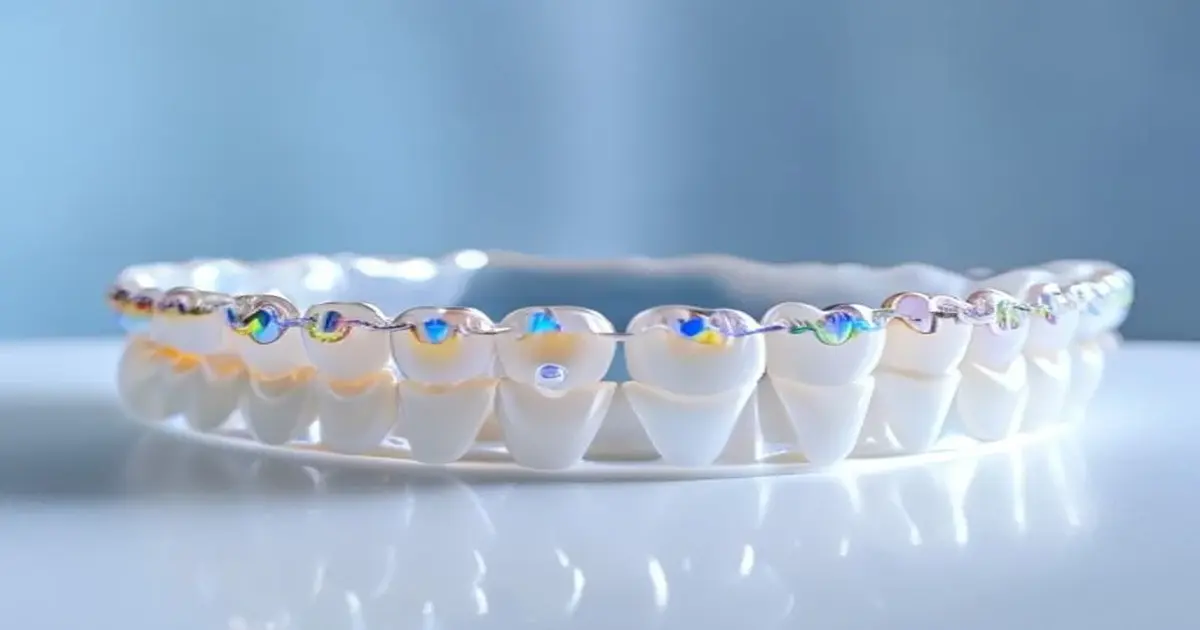
How much do braces cost in Australia? In 2026, metal braces cost $6,000–$9,000, ceramic braces $7,000–$10,000, and Invisalign (clear aligners) $4,500–$9,000, while lingual braces (behind the teeth) run $11,000–$16,000. Budget at-home aligners are cheaper at $2,000–$3,000 but only suit mild cases. Medicare and the Child Dental Benefits Schedule don’t cover braces, but a top orthodontic extras policy gives a lifetime rebate of $1,500–$3,500, and most clinics offer interest-free payment plans. Use the calculator below to estimate your own case. Braces are also commonly called “teeth clips” or “tooth clips” in Australian and New Zealand slang, so if that’s the term you searched, this guide covers exactly the same thing.
Braces cost calculator (2026)
Pick the type of braces, your case complexity and your state for an indicative total cost — plus a rough monthly figure on a typical 24-month interest-free payment plan. It’s a guide only; a consultation gives the real quote.
How much do braces cost in Australia?
For a typical comprehensive treatment, most Australians pay $6,000–$9,000 for braces or Invisalign. The exact figure depends mostly on the type you choose and how complex your case is — a few crowded teeth cost far less than a full bite correction. Prices are fairly consistent across the country, though Sydney and Melbourne sit a little higher. The chart and table below break it down by type.
Braces cost by type
| Type | Typical cost | Best for |
|---|---|---|
| At-home aligners | $2,000 – $3,000 | Mild cases; budget; no in-person orthodontist |
| Metal braces | $6,000 – $9,000 | All cases; lowest cost of the professional options |
| Invisalign / clear aligners | $4,500 – $9,000 | Mild-to-moderate cases; discreet; removable |
| Ceramic braces | $7,000 – $10,000 | Those wanting less-visible fixed braces |
| Lingual braces | $11,000 – $16,000 | Fully hidden braces (behind the teeth) |
Metal braces are the workhorse — the most affordable professional option and effective for every kind of case. Ceramic braces do the same job with tooth-coloured brackets that are less obvious, for a 20–30% premium. Lingual braces are fixed behind the teeth so they’re invisible from the front, but the custom hardware makes them the priciest. Clear aligners like Invisalign are removable and discreet, and now cost about the same as metal braces for many cases.
Braces vs Invisalign: cost and treatment time
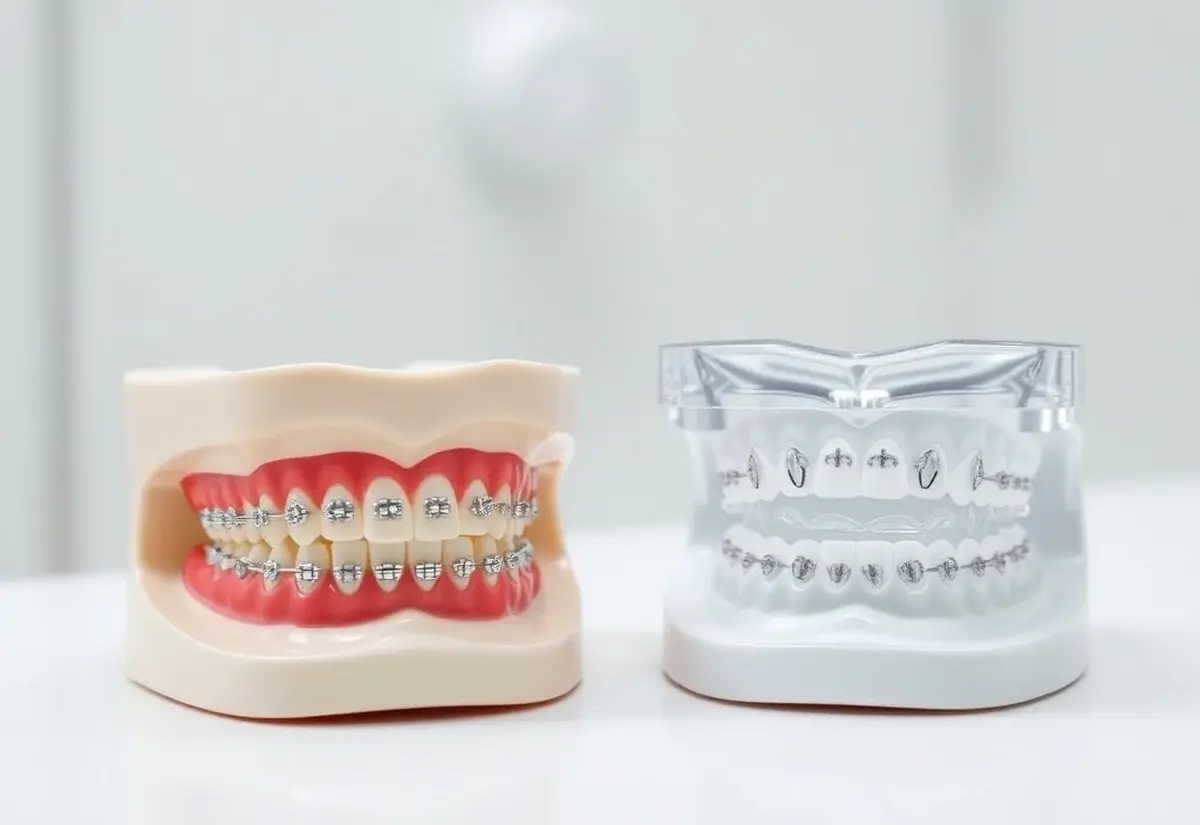
The price gap between braces and Invisalign has narrowed — both typically cost $6,000–$9,000 for a moderate case. Invisalign can be cheaper for minor corrections (Invisalign Express is $3,500–$5,000) but comparable or slightly dearer for complex cases, where traditional braces sometimes work out better value and faster.
| Braces (metal/ceramic) | Invisalign | |
|---|---|---|
| Typical cost | $6,000 – $10,000 | $4,500 – $9,000 |
| Treatment time | 12–18 months (to 24) | 6–12 months simple; up to 24 complex |
| Appearance | Visible (ceramic less so) | Nearly invisible |
| Removable? | No — fixed on | Yes — 20–22 hrs/day needed |
| Best for | All cases, incl. complex | Mild-to-moderate cases |
How much do braces cost for a child vs an adult?
The cost is broadly the same for children and adults — it’s driven by the type of braces and case complexity, not age. Orthodontists recommend a first assessment around age 7 to catch problems early, though treatment often starts later once adult teeth are through. Adults increasingly choose Invisalign or ceramic braces for discretion at work. One difference: for children, a small part of the cost may be claimable if you hold family orthodontic extras cover (see below), whereas the Child Dental Benefits Schedule does not cover braces.

Braces cost by city and state
Braces prices are fairly consistent nationally, but the big capitals run a little higher on clinic overheads:
| State/territory | Low | Mid | High |
|---|---|---|---|
| NSW | $6,300 | $7,900 | $9,500 |
| VIC | $6,200 | $7,700 | $9,300 |
| QLD | $5,800 | $7,300 | $8,700 |
| WA | $6,100 | $7,650 | $9,200 |
| SA | $5,650 | $7,050 | $8,500 |
| TAS | $5,500 | $6,900 | $8,300 |
| ACT | $6,500 | $8,100 | $9,700 |
| NT | $6,400 | $7,950 | $9,500 |
How much do single-arch braces cost (top or bottom teeth only)?
Single-arch treatment, braces on only your top or only your bottom teeth, is less common than full treatment but does exist for the right case, and it costs roughly 50-65% of full comprehensive treatment. For metal braces that works out to about $3,000-$5,500 for one arch, rather than $6,000-$9,000 for both.
Single-arch braces only suit specific cases, typically minor crowding or spacing on one arch where the opposing arch’s bite already lines up correctly. An orthodontist needs to confirm your bite (occlusion) won’t be thrown off by treating only one arch before recommending this option. It’s not simply “half price” for anyone who wants to save money; it depends on whether your case is actually suited to it.
What affects the cost of braces?
- Type of braces — from budget at-home aligners to premium lingual braces, as above.
- Case complexity — minor crowding costs far less than a full bite correction; this is the biggest single factor.
- Treatment length — longer treatment means more appointments and adjustments.
- Orthodontist vs dentist — a specialist orthodontist typically charges more than a general dentist offering braces.
- Location — capital-city clinics generally cost a little more than regional ones.
- Extras — X-rays, extractions, retainers after treatment, and replacement of lost aligners or retainers.
Does Medicare or the CDBS cover braces?
No. Medicare doesn’t cover orthodontic treatment, and neither does the Child Dental Benefits Schedule (CDBS). The CDBS provides eligible children aged 2–17 up to $1,095 over two calendar years for basic dental care — check-ups, fillings and the like — but braces and other orthodontic treatment are specifically excluded. Very rare, severe cases (such as a cleft palate) may get limited public orthodontic help through a hospital scheme, but for almost everyone braces are a private cost.
Does private health insurance cover braces?
Yes, partly — with the right extras cover. Braces sit under orthodontic extras, which usually means a higher level of extras cover, not a basic policy. Most funds pay a lifetime orthodontic benefit of $1,500–$3,500 per person (some less, some more), and there’s typically a 12-month waiting period before you can claim. Because it’s a lifetime limit rather than annual, you can generally only claim it once per person — so it’s worth having the right cover in place a year before treatment starts.
How to pay for braces
- Payment plans — the main way most people pay. Orthodontists commonly offer interest-free plans with a deposit and monthly instalments over the 12–24 months of treatment.
- Orthodontic extras rebate — claim your lifetime orthodontic benefit; make sure your cover has been active past the 12-month wait.
- Early release of super (compassionate grounds) — the ATO may allow this only for treatment of a serious medical condition, not for cosmetic straightening, and assesses each case strictly.
- At-home aligners — for mild cases, at-home clear-aligner brands cost $2,000–$3,000, though you trade away in-person orthodontist supervision.
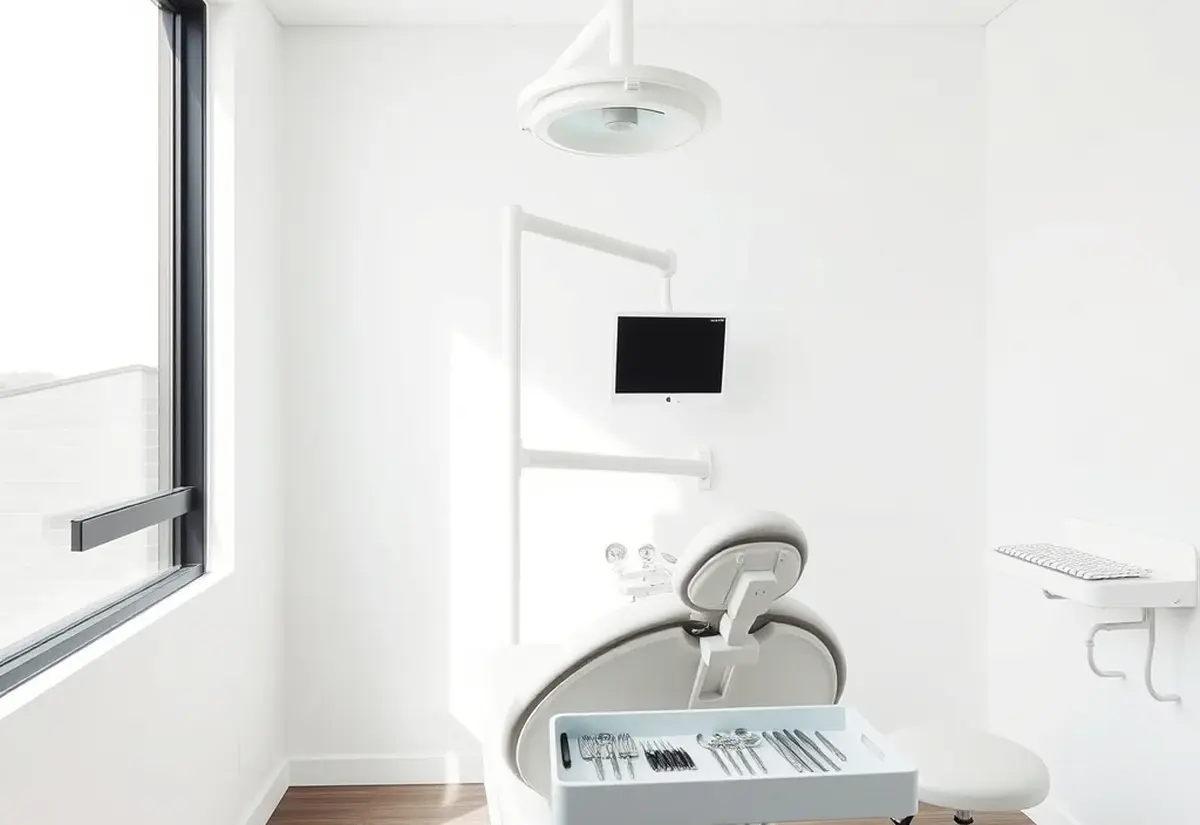
How long do braces take? The process
Most comprehensive treatment takes 12–24 months, with simple cases finishing faster. The usual journey:
- Consultation & records — assessment, X-rays and scans, and a written treatment plan and quote.
- Fitting — braces are bonded on, or your first set of aligners is issued.
- Adjustments — regular visits (every 6–8 weeks for braces) to tighten wires or change aligners.
- Removal — braces come off once teeth are in position.
- Retainers — you wear a retainer afterwards to hold the result; budget for this, as retainers wear out and need replacing.
How to reduce the cost of braces
- Get 2–3 quotes — prices vary between clinics for the same treatment; compare what’s included (records, retainers, adjustments).
- Consider metal over ceramic or lingual — the same result for less, if appearance during treatment isn’t a dealbreaker.
- Use your orthodontic extras — and set up the right cover 12+ months ahead so you clear the waiting period.
- Ask about interest-free plans — spreading payments makes the cost manageable without a loan.
- Dental-school and public options — teaching clinics can be cheaper for suitable cases.
Comparing other big costs? See our Cost of Living in Australia price guide, and if you’re weighing up other dental work, our guide to dental implant costs covers implants, All-on-4 and full-mouth prices.
A few essentials for once your braces are on
Once treatment starts, a few small purchases make day-to-day life with braces easier.
As an Amazon Associate, newlifeinaus.com.au earns from qualifying purchases. Prices and availability change, so check the current price on Amazon before buying.
Orthodontic Wax
For sore spots from brackets or wires in the first few weeks after fitting.
Shop on Amazon AU →Interdental Brush Kit
Essential for cleaning around brackets and wires that a regular toothbrush can’t reach.
Shop on Amazon AU →Water Flosser
Makes daily cleaning around braces significantly easier than string floss.
Shop on Amazon AU →Orthodontic Travel Kit
Compact brush, wax and floss threaders for cleaning on the go.
Shop on Amazon AU →Soft-Bristle Toothbrush (Orthodontic)
Designed with a V-shaped bristle cut to clean around brackets more effectively.
Shop on Amazon AU →Retainer Case
For after treatment, when you’ll be removing and storing a retainer daily.
Shop on Amazon AU →Frequently asked questions
Common questions about the cost of braces in Australia in 2026.
This article is general information only, based on published 2026 Australian orthodontist pricing and healthdirect. Costs vary widely by clinic, case and location, and this is not dental, medical or financial advice. Always get a consultation and written quote from a registered orthodontist or dentist before starting treatment.
You May Also Like

The Four D’s: Dyslexia, Dysgraphia, Dyscalculia and Dyspraxia Explained (2026)

AHPRA Registration for Nursing Graduates: Step-by-Step (2026)