Concreting Cost Per Square Metre Australia (2026): Driveways, Slabs & Paths

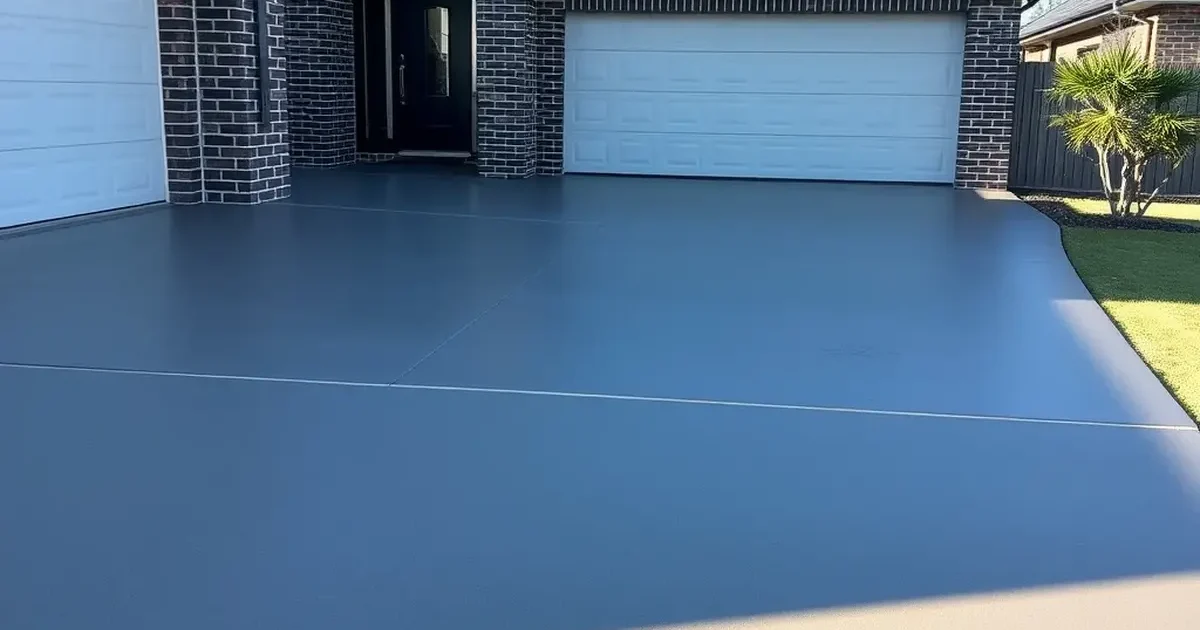
Concreting costs $85 to $130 per square metre supplied and laid in Australia in 2026 for a plain broom-finish driveway or path. Decorative finishes cost more: coloured or stencilled runs $130–$200/m² and exposed aggregate $140–$220/m². A plain shed slab is cheaper at $70–$105/m², while a house slab runs $100–$150/m². In practical terms, a standard 40 m² double driveway costs about $3,400 to $5,200 plain, and a 60 m² driveway around $5,100 to $7,800.
Here is the number that should shape how you buy. Three concreters quoting the same 60 m² driveway — same 100 mm slab, same SL72 mesh, same plain broom finish, old slab removal included — came back at $5,200, $5,900 and $7,400. That is a 42% spread for identical work. Concreting is one of the trades where getting three quotes genuinely pays, and this guide gives you the per-m² rates, the specs to write into your brief, and the extras that quietly inflate a quote.
Buying the concrete itself, rather than a finished job?
Concreting cost calculator (per m², 2026)
Enter your area, pick the job and finish, and tick any extras. The estimate is for a finished job — supplied, laid and finished by a concreter.
Indicative 2026 estimates based on published Australian concreter pricing. Site access, soil type, reinforcement and council requirements all move the final number. Always get three written quotes. Not a quote or financial advice.
Concreting cost per square metre at a glance (2026)
| Job / finish | Cost per m² | Typical use |
|---|---|---|
| Shed slab (plain) | $70 – $105 | Garden shed, garage floor |
| Driveway / path — plain broom | $85 – $130 | The standard choice |
| House slab | $100 – $150 | Waffle pod from ~$90; raft on reactive soil to ~$200 |
| Coloured / stencilled | $130 – $200 | Decorative driveways and patios |
| Exposed aggregate | $140 – $220 | Premium finish, popular for driveways |
Concrete driveway cost
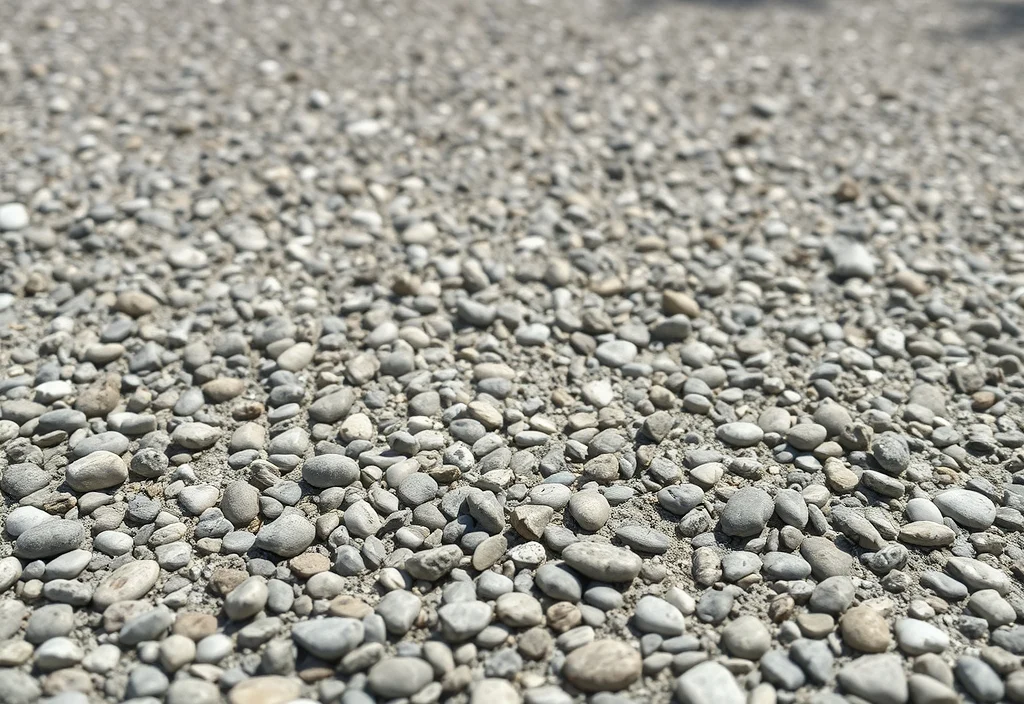
A driveway is the most common concreting job, and the one where the finish you choose swings the price most. Plain broom finish is the workhorse at $85–$130/m²; exposed aggregate — the pebbled surface you see on newer homes — costs $140–$220/m², or roughly 60% more for the same area.
Building a driveway specifically? Our dedicated concrete driveway cost guide goes much deeper — prices by driveway size, the council crossover approval process and fees, concrete versus asphalt and pavers over 10 years, and a driveway calculator.
| Driveway size | Plain broom | Exposed aggregate |
|---|---|---|
| Single, 20 m² | $1,700 – $2,600 | $2,800 – $4,400 |
| Double, 40 m² | $3,400 – $5,200 | $5,600 – $8,800 |
| Long double, 60 m² | $5,100 – $7,800 | $8,400 – $13,200 |
| Large / rural, 100 m² | $8,500 – $13,000 | $14,000 – $22,000 |
The specs to write into your brief
This is how you compare quotes fairly and avoid being underquoted by someone planning to pour a thinner slab. Insist on these in writing:
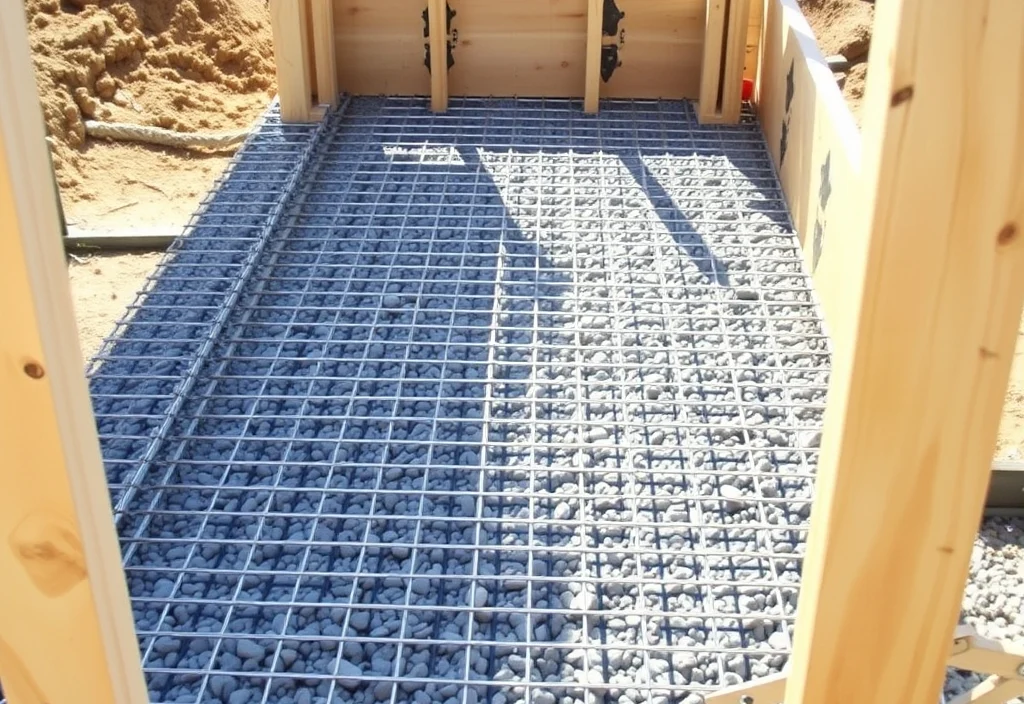
- 100 mm minimum thickness for a residential driveway. Anything thinner will crack under vehicle loads.
- SL72 steel mesh reinforcement — the standard for residential driveways.
- 125 mm if you will park a caravan, boat trailer or heavy 4WD on it. The extra 25 mm is cheap insurance against cracking.
- Correct sub-base preparation and compaction — what happens under the slab determines whether it lasts 30 years or cracks in three.
- Control joints cut at the right spacing, so the slab cracks where you want it to rather than randomly.
Give every concreter the identical brief
Concrete slab cost: sheds, garages and houses
Slabs are priced differently to driveways because the engineering requirement differs enormously — a garden shed floor and a house foundation are not the same product.
Pricing a slab specifically? Our dedicated concrete slab cost guide goes deeper — shed, garage and house slab prices, waffle pod versus stiffened raft, how soil classification drives the price, and a slab calculator.
Shed and garage slabs — $70 to $105 per m²
The cheapest concreting you will buy, because it carries light loads, needs less reinforcement and involves simple formwork. A typical 6 m × 6 m (36 m²) shed slab costs roughly $2,500 to $3,800. If you plan to park a vehicle or run heavy machinery on it, ask for driveway-grade thickness and reinforcement instead, and expect driveway pricing.
House slabs — $100 to $150 per m²
A house slab is an engineered structural element, designed to a soil classification and usually certified. That is why it costs more and why the range is wide. A waffle pod slab on a stable site starts around $90/m², while a conventional raft slab on a moderately reactive (Class M) site can reach $200/m². For a 120 m² home footprint that is a difference of about $13,200 — driven almost entirely by your soil.
The soil classification (Class A through Class E, plus P for problem sites) comes from a geotechnical report, and it is not optional. Reactive clay — common across Melbourne, Adelaide and parts of Sydney — moves with moisture and demands a stronger, dearer slab. If a builder quotes a house slab without a soil test, that is a red flag, not a saving.
| Slab type | Cost per m² | 36 m² shed | 120 m² house |
|---|---|---|---|
| Shed / garage (plain) | $70 – $105 | $2,500 – $3,800 | — |
| Waffle pod, stable site | from ~$90 | — | from ~$10,800 |
| Standard residential slab | $100 – $150 | — | $12,000 – $18,000 |
| Raft slab, reactive Class M soil | up to ~$200 | — | up to ~$24,000 |
Where the money actually goes
Labour is the largest slice, not the concrete. Professional installation accounts for roughly 40–50% of the total, with concreters charging around $45–$65 per m² for formwork, pouring, finishing and curing. The ready-mix concrete itself is a surprisingly modest part of a finished job — which is why doing it yourself saves far less than people expect, and why a botched finish is expensive to fix.
Roughly where a concreting quote goes
The extras that inflate a concreting quote
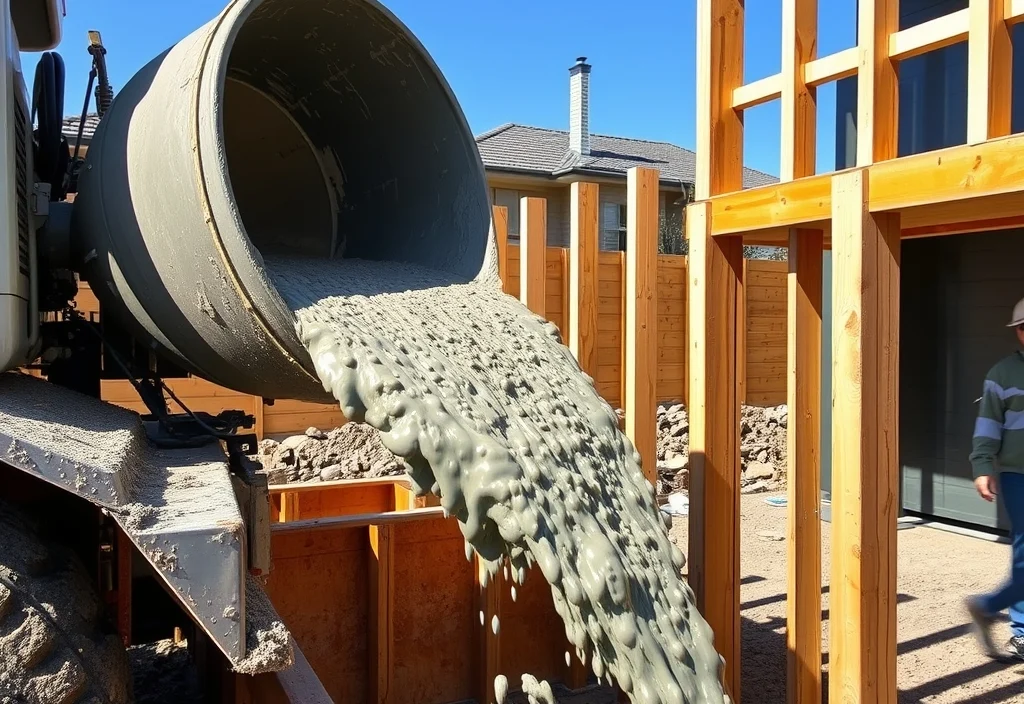
The per-m² rate assumes a clean, flat, accessible site with nothing to remove. Most real jobs have at least one of these, and they are where quotes diverge.
| Extra | Typical cost |
|---|---|
| Demolition and removal of existing slab | $30 – $60 per m² incl. disposal |
| Site preparation and excavation (50 m² job) | $500 – $1,500 |
| Sloping block | About +$10 per m² |
| Sealing the finished surface | $8 – $15 per m² |
| Difficult access (no truck or pump access) | Varies — ask specifically |
| Reactive clay / poor soil | Site-specific premium |
That last point is worth dwelling on. Demolition quoted standalone runs $30–$60/m², which on a 40 m² slab is $2,000–$3,600 — yet concreters pricing a complete job routinely fold it in for far less, because the machinery and disposal run is already happening. Always ask for the job priced as a package rather than as separate line items you assemble yourself.
How to save on concreting
- Get three quotes on an identical written brief. The single biggest lever — a 42% spread on the same 60 m² job is real money for an hour of effort.
- Choose plain broom over decorative. Exposed aggregate looks great but costs roughly 60% more; on a 40 m² driveway that is $2,200–$3,600 extra.
- Do not skimp on thickness or mesh. This is the one place saving money backfires — a cracked driveway costs more to replace than it ever saved.
- Book in the off-season. Concreters are busiest in spring and early summer; autumn and winter work is often keener priced.
- Combine jobs. Doing the driveway, path and shed slab in one pour spreads the set-up, delivery and minimum-load costs across more area.
- Handle your own demolition or excavation only if you genuinely have the gear and a disposal plan — otherwise it usually costs more, not less.
- Check whether you need council approval. Driveway crossovers onto the street almost always require council sign-off, and doing it without can mean tearing it out.
Pricing the raw material rather than a finished job? See our concrete price per m³ guide, which covers Boral, Hanson and Holcim supplier rates, delivery fees and minimum loads. For other home project costs, our cost of living and services price guide collects them together, including roof replacement and split system installation.
Frequently asked questions
Prices in this guide are indicative 2026 figures drawn from published Australian concreter and trade-marketplace pricing, and vary by state, site conditions, soil classification and access. Structural slabs must be designed and certified to your soil classification — always use a licensed concreter and check whether council approval is required, particularly for driveway crossovers. General information only, not construction or financial advice.
You May Also Like

Moving to Australia: The Complete Checklist and Guide (2026)

NT Public Holidays 2026: Full Calendar, Dates and How Darwin and Alice Springs Celebrate