Roof Replacement Cost Calculator Australia 2026 | Free Tool

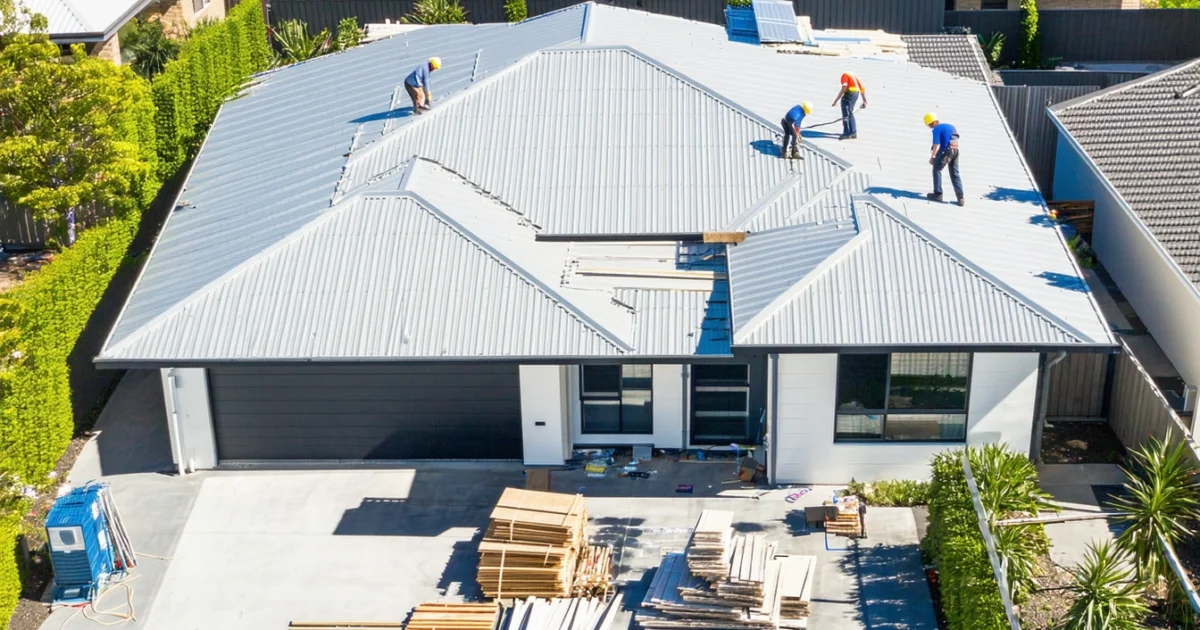
How much does it cost to replace a roof in Australia? A full roof replacement typically costs $15,000–$30,000 for an average home, or roughly $50–$160 per square metre installed depending on the material. Colorbond steel runs about $60–$120/m², concrete tiles $45–$90/m², and terracotta tiles $90–$160/m². For a typical 200m² roof, expect around $18,000–$32,000 including removal of the old roof and GST. Use the calculator below to estimate your own, then read the full breakdown by material, house size and location.
Roof replacement cost calculator
Choose your roof material, enter the roof area, and add any extra work for an instant estimate based on typical 2026 Australian contractor rates (supply, installation and GST). It’s a guide only — always get at least three itemised quotes.
Roof Replacement Cost Calculator
Estimate your roof replacement cost anywhere in Australia. Prices include supply, installation and GST — based on 2024–25 contractor rates.
Estimated Roof Replacement Cost
Cost Breakdown (Low – High)
Estimates are based on typical Australian contractor rates for 2024–25 and include GST. Actual costs vary with site access, existing roof condition, local labour market, and individual contractor pricing. Always obtain at least three quotes from licensed roofing contractors before proceeding.
Average roof replacement cost per square metre (2026)
The single biggest driver of price is the material. The table shows typical installed costs per square metre, including GST, for the main roofing types used in Australia.
| Roofing material | Cost per m² (installed) | Lifespan | Notes |
|---|---|---|---|
| Asphalt shingles | $30 – $65 | 15–25 years | Cheapest; less common in Australia |
| Metal sheeting | $50 – $95 | 25–40 years | Corrugated/standing seam |
| Colorbond steel | $60 – $120 | 30–50 years | Most popular; light and durable |
| Concrete tiles | $45 – $90 | 40–60 years | Good value; heavier |
| Terracotta tiles | $90 – $160 | 50–100 years | Premium look; long-lasting |
| Slate | $120 – $200 | 75–150 years | Top-end; heaviest |
How much does a new roof cost by house size?
Multiply the per-square-metre rate by your roof area (not your floor area — a roof is larger because of pitch and overhangs). As a guide, multiply floor area by about 1.15 for a low-pitch roof or 1.3 for a medium pitch. The table shows typical total costs for a Colorbond re-roof, including removal of the old roof and GST.
| Home size (roof area) | Typical Colorbond re-roof (incl. removal, GST) |
|---|---|
| Small (~100 m²) | $8,000 – $15,000 |
| Medium (~150 m²) | $12,000 – $23,000 |
| Large (~200 m²) | $15,000 – $30,000 |
| Extra-large (~300 m²) | $24,000 – $46,000 |
Most Australian homeowners spend $15,000–$30,000 on a full re-roof. A typical 200m² four-bedroom home in Colorbond lands around $18,000–$32,000; switching a tile roof to Colorbond on a 150–200m² home commonly runs $25,000–$35,000 once removal and structural checks are included.
Colorbond vs tiles vs metal: which to choose
The three most common choices in Australia are Colorbond steel, concrete or terracotta tiles, and plain metal sheeting. Each trades off price, weight, looks and climate performance.
| Option | Cost per m² | Best for | Watch-outs |
|---|---|---|---|
| Colorbond steel | $60 – $120 | Most homes; bushfire & cyclone zones; fast installs | Can be noisier in rain without insulation |
| Concrete tiles | $45 – $90 | Budget-conscious; thermal mass; traditional look | Heavy; may need structural check |
| Terracotta tiles | $90 – $160 | Heritage/premium homes; very long life | Highest cost; heavy |
| Metal sheeting | $50 – $95 | Sheds, extensions, budget re-roofs | Fewer colour/finish options than Colorbond |
Colorbond’s light weight can reduce load on the roof frame and it installs quickly, which keeps labour down. Tiles cost less per tile but are heavier and slower to lay, and terracotta’s premium is mostly in the material. If you’re replacing a roof to add solar or improve energy efficiency, factor in insulation and sarking upgrades at the same time.
What affects your roof replacement cost
Two identical-sized roofs can differ by thousands. The main cost drivers:
- Roof size — the per-square-metre rate multiplied by your actual roof area (bigger than floor area).
- Material — from budget concrete tiles to premium terracotta or slate, as above.
- Pitch and complexity — steep roofs and those with many valleys, hips, dormers or skylights take longer and need more safety setup.
- Removing the old roof — stripping and disposing of the existing material adds roughly $20–$40/m² (more for heavy tiles).
- Structural repairs — rotten or sagging timber battens and rafters found during the strip add cost.
- Access and storeys — two-storey homes, difficult access or tight sites need scaffolding and more labour.
- Asbestos — older roofs may contain asbestos, which must be removed by a licensed contractor (a significant added cost).
- Insulation, sarking and ventilation — worthwhile upgrades to do while the roof is off, at extra cost.
- Permits — some jobs need council approval or heritage consent.
Labour costs and how long it takes
Labour typically makes up 40–50% of the total roof replacement cost, with materials making up most of the rest and permits and disposal a smaller share. A straightforward re-roof on an average home usually takes 3–7 days, weather permitting; larger, steeper or two-storey roofs, or those needing structural repairs, can take one to two weeks. Metal roofing is generally faster to install than tiles. Wet or windy weather is the most common cause of delays, and some roofers charge a premium in peak periods (late spring to autumn).
Regional and state cost differences
Location moves the price mainly through labour rates and access. Roofing in Sydney and Melbourne generally costs around 15–25% more than in Adelaide, Brisbane or Perth, reflecting higher labour and operating costs in the biggest cities. Regional and remote areas can be cheaper on labour but dearer on materials and travel, and remote jobs may carry a logistics surcharge. Cyclone regions (northern Queensland, WA and NT) and bushfire-prone areas have stricter building requirements that can add to the cost. The calculator above applies a state adjustment so your estimate reflects where you live.
Extra costs to budget for
The headline re-roof price often isn’t the whole job. Common add-ons:
| Add-on | Typical cost |
|---|---|
| Old roof removal & disposal | $20 – $40 / m² |
| New gutters & downpipes | $25 – $45 / linear metre |
| Fascia & timber battens | Varies with condition |
| Scaffolding (2-storey/complex) | Adds to labour |
| Asbestos removal (licensed) | $50 – $150 / m² |
| Solar panel removal & refit | $350 – $700 / panel |
| Skylight re-flashing | Per penetration |
| Council permit (if required) | $200 – $800 |
Should you repair or replace your roof?
Repair usually makes sense for isolated damage — a few broken tiles, a small leak or localised rust. Replacement is better value when the roof is near the end of its life, leaks in several places, has widespread rust or cracked tiles, or the timber and sarking underneath are failing. A good rule of thumb: if repair costs approach half the price of a new roof, or you’re patching the same roof repeatedly, replacing is usually the more economical choice. Lifespans vary by material — asphalt shingles 15–25 years, Colorbond 30–50, concrete tiles 40–60, terracotta 50–100, and slate 75–150 years.
How to get accurate quotes and choose a roofer
Roofing is a high-value job, so shop carefully:
- Get at least three itemised quotes that break down materials, labour, removal, disposal and any structural work — not just a single lump sum.
- Check licensing and insurance — use a licensed roofer with current public liability cover, and confirm any council permits are handled.
- Ask about the workmanship warranty as well as the material warranty (Colorbond and tile makers offer long product warranties).
- Be wary of the cheapest quote — a low price that skimps on old-roof removal, structural checks or sarking can cost far more later.
- Confirm what happens if problems are found once the old roof is off (e.g. rotten battens), so you aren’t hit with surprise variations.
Home insurance generally covers roof damage from sudden insured events like storms or fallen trees, but not age or wear and tear — so a voluntary replacement of an old roof isn’t usually claimable. If a storm damages your roof, document it and lodge a claim promptly.
This guide is part of our complete Cost of Living in Australia price guide — the hub for what everything costs in 2026, from rent and groceries to home projects, insurance and tax.
Frequently asked questions
Common questions about the cost of replacing a roof in Australia in 2026.
This guide gives indicative 2026 market ranges based on published Australian roofing pricing and contractor rates. Actual costs vary with site access, roof condition, material choice, location and individual contractors. Always obtain at least three quotes from licensed roofers before proceeding. This is general information, not a quote or professional advice.
You May Also Like
Uber Eats Driver Australia 2026: Pay, Requirements and Real Earnings

Work Injury Damages Claim Calculator & Payout Guide 2026