Bathroom Renovation Cost in Australia (2026): Full Breakdown + Calculator

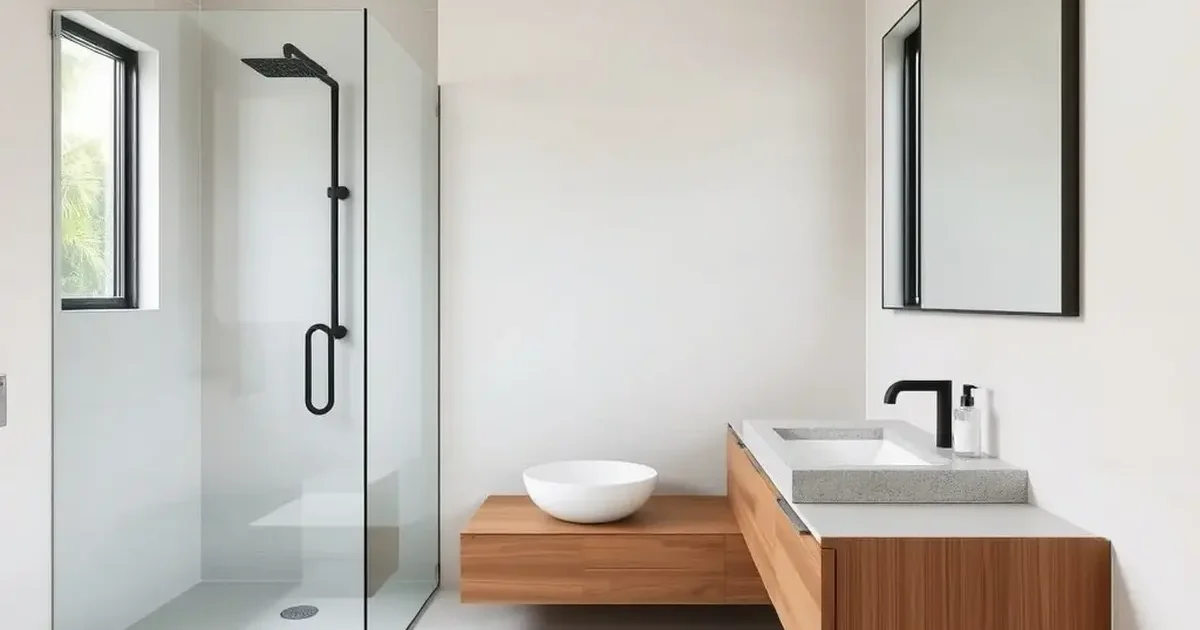
A bathroom renovation costs $20,000 to $35,000 for a typical mid-range job in Australia in 2026, with the Housing Industry Association putting the national average at around $26,000. A cosmetic refresh that keeps the layout starts near $8,000, while premium and luxury renovations run $35,000 to $95,000+. Measured by area, most renovations land between $2,300 and $4,600 per square metre.
The single biggest cost decision is whether you move the plumbing. Keeping the toilet, shower and vanity where they are keeps you in the lower half of every range; relocating them adds $1,500 to $3,000, and moving the main waste pipe — which usually means cutting into a slab or floor joists — adds $3,000 to $5,000 on its own. The second is waterproofing, which is both the most important line in the project and, in NSW and Queensland, illegal for you to do yourself. This guide gives you the per-item costs, the week-by-week timeline, the compliance rules by state, and a calculator that includes the contingency most quotes leave out.
Bathroom renovation cost calculator (2026)
Set your bathroom size, the scope of work and the fittings quality. A small ensuite is around 3–4 m²; a standard family bathroom is 6–8 m².
Indicative 2026 estimates based on HIA data and published Australian renovation pricing. Your quote depends on your building, access, substrate condition and what the demolition uncovers. Not a quote or financial advice.
Bathroom renovation cost brackets
Renovations are priced by scope far more than by size. A big bathroom done cosmetically can cost less than a small one gutted back to studs.
| Tier | Cost | What you get |
|---|---|---|
| Cosmetic refresh | $8,000 – $15,000 | Same layout and plumbing. New tapware, vanity, paint, maybe re-tiling over sound substrate. |
| Mid-range full renovation | $20,000 – $35,000 | Strip-out, new waterproofing with certificate, full re-tile, quality fixtures. Where most licensed renovators start. |
| Premium | $35,000 – $55,000 | Custom design, premium fixtures, stone, project management, layout changes. |
| Luxury | $55,000 – $95,000+ | Bespoke joinery, imported stone, underfloor heating, structural change. |
Where every dollar goes: the full item-by-item breakdown
Most cost guides stop at “it depends”. Here are the actual line items, so you can price your own bathroom from the ground up and sanity-check any quote you receive.
| Item | Typical cost | Notes |
|---|---|---|
| Tiles — supply | $35 – $120 per m² | Ceramic at the bottom, porcelain and stone at the top |
| Tiling — laying | $50 – $70 per m² (tiler $55–$120/m²) | Small format, patterns and niches cost more to lay |
| Tiles + laying, 6 m² bathroom | $3,000 – $8,000 | Walls and floor combined |
| Waterproofing | $800 – $2,500 (up to $6,000) | The most important line in the project — never cut it |
| Vanity | $800 – $4,000+ | Floating vanities, stone tops and custom joinery push this up |
| Shower screen | $600 – $2,500 | Frameless costs most, framed least |
| Toilet | $300 – $1,500 | Wall-hung looks cleaner but costs more to install |
| Tapware set | $200 – $1,500 | Check WELS water-efficiency rating |
| Plumber | $100 – $150 per hour | 2–4 days for rough-in and fit-off combined |
| Electrician | $80 – $100 per hour | Lighting, exhaust fan, heated towel rail, GPOs |
| Moving fixtures (toilet, vanity, bath, shower) | +$1,500 – $3,000 | New pipe runs and extra labour |
| Moving the main waste pipe | +$3,000 – $5,000 | Cutting into slab or floor joists |
Roughly where a bathroom renovation budget goes
Two numbers worth holding onto. Plumbing is 20–25% and tiling another 20–25% — together roughly half your budget, and both are driven by layout decisions you make before anyone picks up a tool. Waterproofing is only 5–10% of the cost but causes close to 100% of catastrophic bathroom failures, which is the worst risk-to-reward ratio in the whole project to economise on.
The single cheapest decision you can make
Waterproofing, licensing and what you legally cannot DIY
This is the section that saves people the most money and grief, and it is the one most cost guides skim. Bathroom waterproofing in Australia is governed by the National Construction Code and AS 3740:2021, the standard for waterproofing domestic wet areas. Among other things it requires the shower floor and walls to be waterproofed to a minimum height of 1,800 mm.
Whether you may do that work yourself depends on where you live — and getting this wrong does not just risk a leak, it risks your insurance.
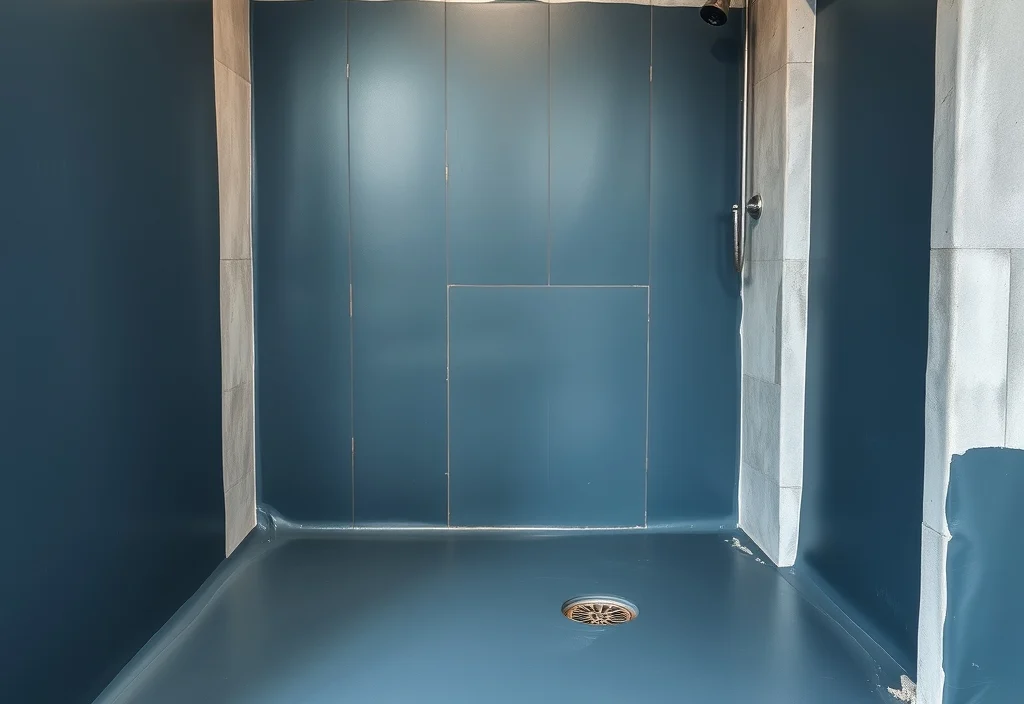
| State | Can a homeowner DIY waterproofing? |
|---|---|
| NSW | No. Must be done by a licensed professional who issues a certificate of compliance |
| QLD | No. Same — licensed waterproofer and compliance certificate required |
| VIC | Permitted unless the job exceeds $10,000 — but only a registered building practitioner can issue the Certificate of Compliance |
| WA | Homeowners may do it, provided the work complies with AS 3740 |
| Other states/territories | Check your local building authority — rules and thresholds differ |
No compliance certificate, no insurance claim
Regardless of state, three trades are always licensed work: plumbing, electrical, and (in most states) waterproofing. What you can realistically do yourself is demolition, painting, and sourcing your own fittings — and demolition is genuinely worth considering, since stripping out a bathroom is heavy but unskilled work that can save a day or two of trade labour.
One more compliance point worth budgeting for: in most states a full bathroom renovation above a certain value requires a licensed builder and a written contract, and may need council or private certifier approval — particularly if you are moving walls, changing windows or altering drainage. Ask any quoting renovator which licences they hold and which approvals your job needs, and get the answer in writing.
How long a bathroom renovation takes, week by week
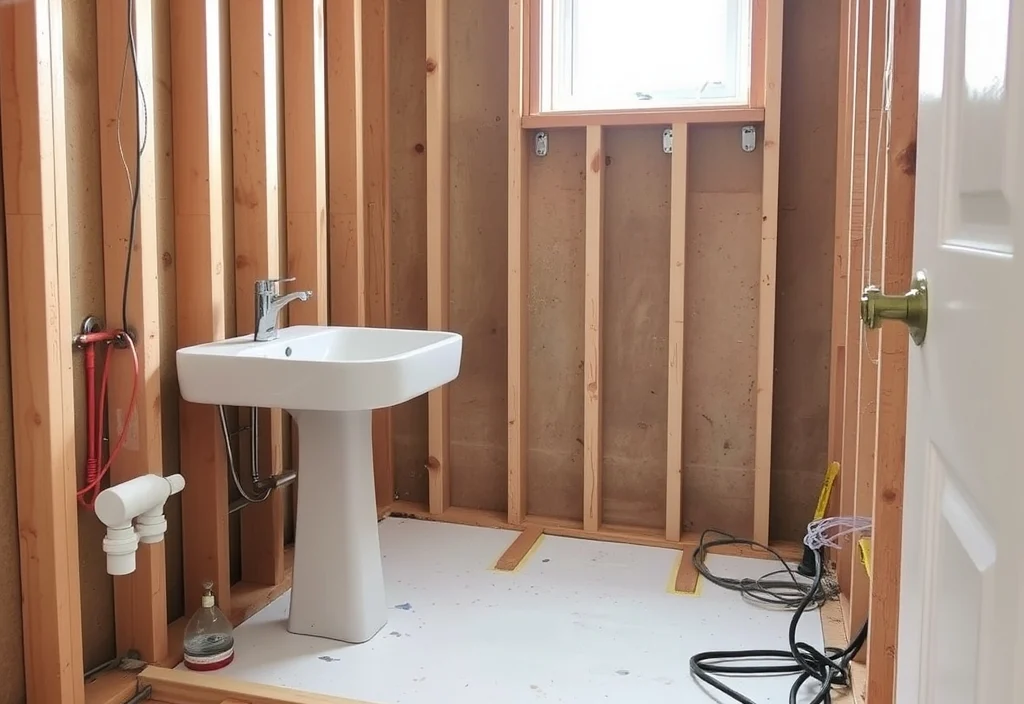
A full bathroom renovation typically takes three to five weeks on site. The reason it is not faster is that several stages simply cannot be rushed — waterproofing has to cure, and screed and tile adhesive need time. Anyone promising a complete bathroom in a week is either doing a cosmetic refresh or cutting a corner that matters.
| Stage | Typical duration | What happens |
|---|---|---|
| Demolition / strip-out | 1 – 2 days | Everything out, back to studs and substrate. Surprises surface here. |
| Plumbing & electrical rough-in | 2 – 3 days | Pipes and cables set in walls and floor. Layout is locked in from this point. |
| Wall sheeting, screed & prep | 2 – 3 days | Villaboard or equivalent, floor screed to falls |
| Waterproofing + curing | 2 – 4 days | Multiple coats with drying time between. Cannot be rushed. |
| Tiling | 3 – 5 days | Walls and floor, then grouting after adhesive cures |
| Fit-off (plumbing & electrical) | 1 – 2 days | Toilet, vanity, tapware, screen, lights, exhaust fan |
| Painting, silicone & final touches | 1 – 2 days | Then a final inspection and defect list |
Practical planning point: if it is your only bathroom, you are without it for that entire period. Factor in where you will shower, and note that the gaps between trades are often the longest delays — a good renovator sequences trades tightly, which is a fair part of what a project-managed quote is buying you.
Why quotes blow out: PC sums, provisional sums and variations
Understanding three pieces of contract language will protect your budget more than any shopping tip.
- PC sum (prime cost) — an allowance for an item you have not chosen yet, like a vanity or tapware. If the quote allows $900 for a vanity and you fall in love with a $2,600 one, you pay the difference. Check every PC sum against what you actually intend to buy before signing.
- Provisional sum — an allowance for work whose extent is not yet known, such as repairing rotten framing found behind old tiles. It is an estimate, not a fixed price.
- Variation — any change to the agreed scope once work starts. Variations should be priced and approved in writing before the work happens, not settled at the end.
Most “blowouts” are not dishonesty — they are PC sums set low to make a quote look competitive, plus genuine surprises behind the walls. Old bathrooms commonly hide rotten or termite-damaged framing, failed old waterproofing, asbestos sheeting in pre-1990 homes, and pipework that no longer meets code. That is exactly why you hold a contingency.
Hold back 10–20% as contingency
Bathroom renovation cost by city
Labour rates and compliance requirements drive most of the geographic difference. Sydney typically runs 15–25% above the national average, with Melbourne next, while smaller markets sit closer to — or below — the average.
| City | Mid-range full renovation | Notes |
|---|---|---|
| Sydney | $25,000 – $42,000 | Highest labour rates and strictest compliance |
| Melbourne | $22,000 – $37,000 | Deep trade pool; competitive |
| Brisbane | $20,000 – $34,000 | Close to national average |
| Perth | $20,000 – $34,000 | Competitive market |
| Adelaide | $19,000 – $32,000 | Often the most affordable capital |
| Canberra / Hobart / Darwin | $22,000 – $38,000 | Smaller trade pools; scheduling can add time |
Does a bathroom renovation add value?
Bathrooms and kitchens are consistently the two rooms that most influence what a buyer will pay, and a dated or leaking bathroom is one of the first things flagged at inspection. But the return depends heavily on matching the spend to the property. A $60,000 luxury bathroom in a modest suburban home will not return $60,000; a competent $25,000 renovation in the same house often returns considerably more of its cost.
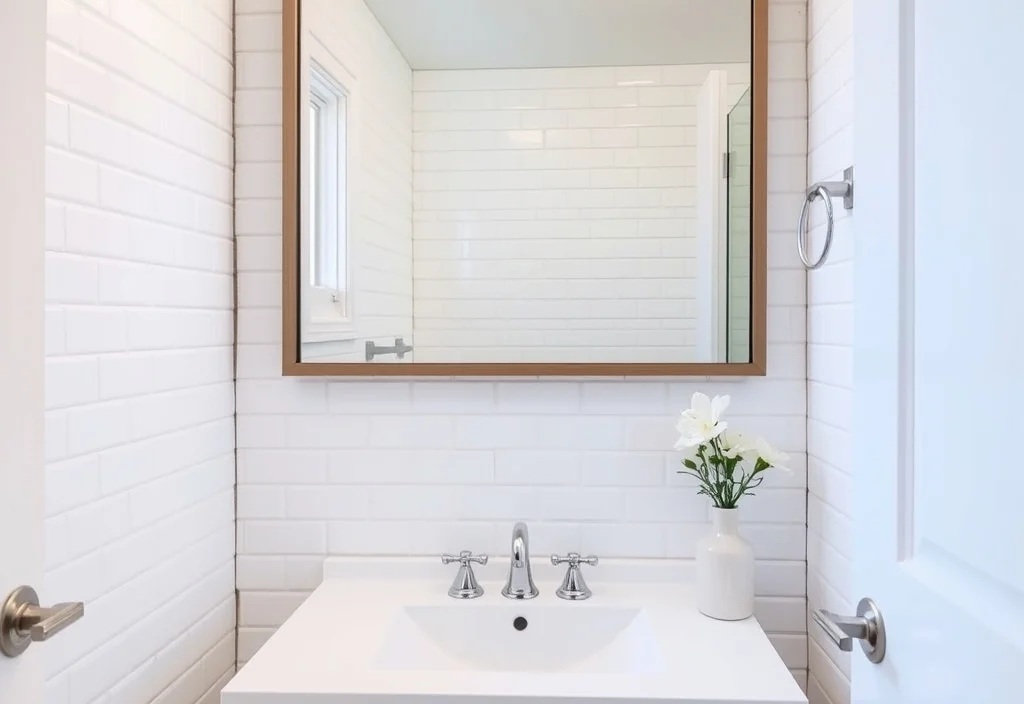
Two practical rules. If you are renovating to sell, aim for clean, neutral and compliant rather than bespoke — and keep the certificates, because a documented, properly waterproofed bathroom is a selling point and an undocumented one is a bargaining chip for the buyer. If you are renovating to live in it, spend where you touch things daily — the shower, the tapware, storage and ventilation — and save on the parts nobody notices.
How to save money without regretting it
- Keep the layout. The biggest saving available — avoids $1,500–$3,000 in relocation and potentially $3,000–$5,000 in waste pipe work.
- Get three itemised quotes against the same written scope, and compare the PC sums line by line, not just the totals.
- Tile smart. Full-height tiling on every wall is expensive; tiling the wet areas fully and painting elsewhere is a legitimate, common choice. Larger format tiles also lay faster than mosaics.
- Do your own demolition if you are able — it is unskilled work that can save a day or two of trade labour. Stop at anything involving plumbing, wiring or possible asbestos.
- Buy fixtures in end-of-line sales, but confirm with your plumber that what you buy will fit the rough-in before it is installed.
- Never economise on waterproofing, the exhaust fan, or the substrate. These are the three things that cause the failures that force a second renovation.
- Book outside spring. Trades are busiest in the pre-summer rush; autumn and winter quotes are often keener.
Costing other parts of the home at the same time? Our cost of living and services price guide pulls the major household costs together, and if the project extends outdoors see our guides to concreting costs per m², roof replacement and split system installation.
Frequently asked questions
Prices are indicative 2026 figures drawn from Housing Industry Association data and published Australian renovation and trade pricing, and vary by state, property age, access and what demolition uncovers. Waterproofing, licensing and approval requirements differ by state and change over time — always confirm current rules with your state building authority and use licensed trades. General information only, not construction, legal or financial advice.
You May Also Like

Moving to Australia: The Complete Checklist and Guide (2026)

NT Public Holidays 2026: Full Calendar, Dates and How Darwin and Alice Springs Celebrate