Dinner Ideas (2026): 30 Easy, Cheap Dinners for Australia

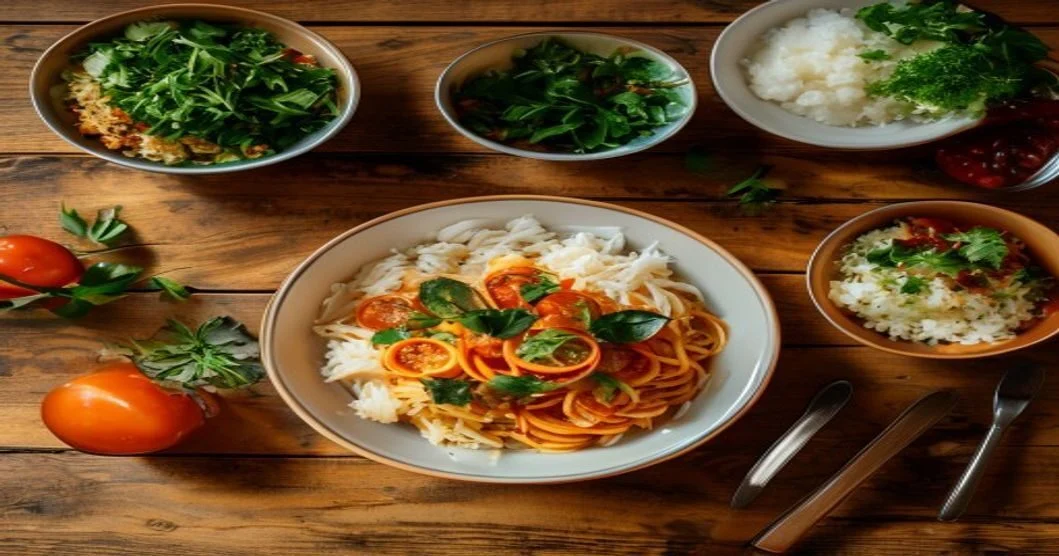
“What’s for dinner” is rarely a cooking problem. It’s a decision problem — you’re tired, it’s 6:30, and choosing is harder than cooking. So this guide is organised the way the question actually arrives: by how much time, energy, money and food you have right now.
Thirty dinners, each with a real cost per serve at Australian supermarket prices. Plus a season-by-season guide to what’s actually cheap in Australian shops each month, which is the single biggest lever on a food budget and almost nobody uses it.
Pick your situation
- 15 minutes or less — six dinners, none needing more than one pan
- No energy at all — five that are barely cooking
- Nothing in the fridge — five built entirely from pantry and freezer
- Feeding four or more — five that scale without scaling the cost
- Dinner for two — four that don’t leave you eating it for a week
- Broke until payday — five under $1.50 a serve
- What’s cheap right now — the Australian seasonal table
Costs are indicative July 2026 supermarket prices and assume you own basic spices. If you’re setting up a kitchen from scratch, our guide to cheap healthy meals covers the $95 starter kit and the pantry staples these all assume.
The trick that removes the decision
Before the recipes, the thing that actually fixes weeknight dinner. Almost every quick meal is the same shape, and once you can see it you stop needing to choose from an infinite list — you’re choosing one item from four short ones.
Base + Protein + Vegetables + Sauce
Every dinner below is one row of that table. Change the sauce column and the same three ingredients become an Italian, Asian or Indian dinner. This is why a well-stocked pantry beats a full fridge — the sauce column is what makes a meal feel different, and it’s the cheapest column.
Two habits that help more than any recipe. Decide dinner in the morning, not at 6pm — the decision is the hard part and morning-you is better at it. And cook double whenever the effort is the same: a pot of bolognese takes the same 40 minutes whether it feeds three or six.
15 minutes or less
Garlic & Chilli Pasta
Ingredients
- 200g spaghetti
- 4 cloves garlic, sliced thin
- 3 tbsp olive oil · chilli flakes
- Parsley, parmesan or tasty cheese
Method
- Boil the pasta. Save a cup of the water before draining.
- Gently fry the garlic and chilli in the oil — low heat, until pale gold, not brown.
- Toss the drained pasta through with a splash of the pasta water. That starchy water is what turns oil into sauce.
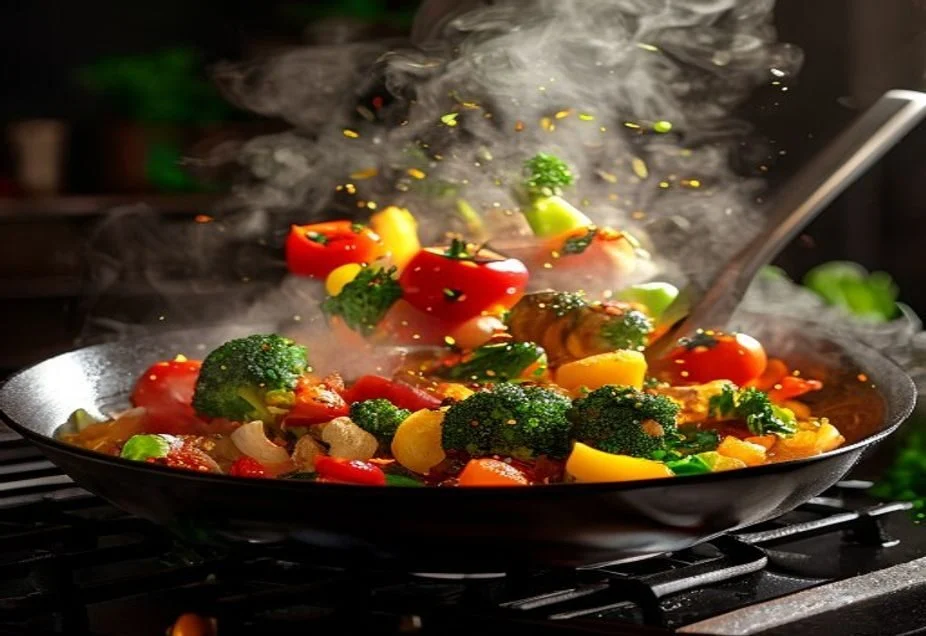
Any-Vegetable Stir Fry
Ingredients
- 300g chicken, tofu or beef strips
- Whatever vegetables you have, sliced thin
- Garlic, ginger · 3 tbsp soy, 1 tbsp oyster sauce
- 1 tsp cornflour in 2 tbsp water · rice to serve
Method
- Get the pan properly hot before anything goes in. This is the difference between a stir fry and a stew.
- Protein first, 3–4 minutes, remove.
- Hard vegetables 3 minutes, soft ones 1 minute, garlic and ginger last.
- Protein back in, sauce and cornflour slurry, 30 seconds until it thickens and coats.
Tuna & Tomato Pasta
Ingredients
- 300g pasta · 1 large (425g) can tuna
- 1 can diced tomatoes · 1 onion, garlic
- Chilli flakes, dried oregano
- Frozen peas, cheese
Method
- Pasta on. Add frozen peas for the last two minutes.
- Fry onion and garlic, add tomatoes and herbs, simmer while the pasta cooks.
- Flake the tuna through the sauce at the end so it doesn’t disintegrate.
Eggs in Tomato Sauce
Ingredients
- 4 eggs · 1 can diced tomatoes
- 1 onion, 2 cloves garlic
- 1 tsp cumin, 1 tsp paprika, chilli
- Bread to serve · feta if you have it
Method
- Fry onion, garlic and spices until soft.
- Tomatoes in, simmer 8 minutes until thick.
- Make four wells, crack in the eggs, cover and cook 5–7 minutes until the whites set.
Chicken & Vegetable Noodles
Ingredients
- 3 blocks instant or hokkien noodles
- 300g chicken thigh, sliced
- 1 carrot, 1 capsicum, handful of greens
- Soy, sesame oil, garlic, ginger
Method
- Soak or boil the noodles, drain, and toss in a little oil so they don’t clump.
- Stir fry the chicken hot, then the vegetables.
- Noodles in, sauce over, toss for a minute. Bin the instant-noodle flavour sachet — it’s mostly salt.
Loaded Jacket Potatoes
Ingredients
- 2 large potatoes
- 1 can baked beans or tuna
- Grated cheese · butter
- Spring onion, pepper
Method
- Pierce the potatoes several times. Microwave 8–10 minutes, turning once.
- Split, fork the inside up with butter and salt.
- Load with beans or tuna, cheese on top while hot.
No energy at all
For the nights when the realistic alternative is ordering delivery. Everything here is under ten minutes of actual effort.
| Dinner | Cost/serve | What’s involved |
|---|---|---|
| Toasted sandwich and soup | $2.20 | Cheese and tomato toastie, tinned soup. Zero decisions |
| Fried rice from leftover rice | $0.90 | Cold rice, egg, frozen peas and corn, soy. Ten minutes, one pan |
| Pesto pasta with frozen peas | $2.30 | Boil pasta, stir through jarred pesto and peas, cheese on top |
| Wrap with whatever’s in the fridge | $2.60 | Tortilla, tinned beans or leftover meat, cheese, salad, sauce. Toast it in a dry pan |
| A portion from the freezer | ~$1.50 | The real answer. This is what batch cooking is for |
Worth doing the sum once: two delivery orders a week is $50 to $70, which is most of a weekly grocery budget for one person. The point of keeping two portions in the freezer permanently isn’t thrift for its own sake — it’s that the freezer meal is what you eat instead of the $30 one.
Nothing in the fridge
Built entirely from tins, dry goods and the freezer. If you keep the pantry from our cheap healthy meals guide, you can always make all five of these.
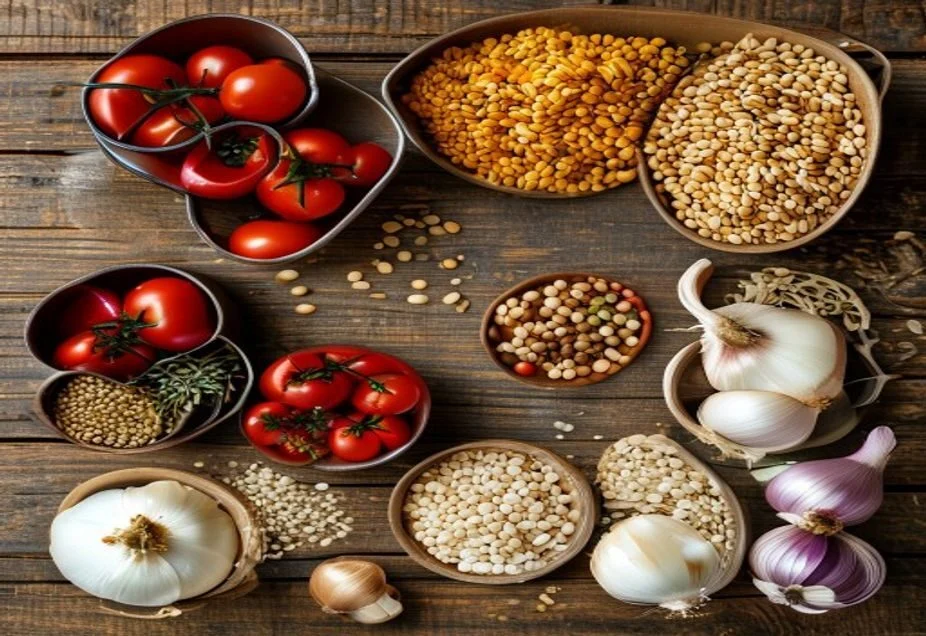
Red Lentil Dhal
Ingredients
- 1½ cups red lentils
- 1 onion, garlic · 1 can diced tomatoes
- Cumin, coriander, turmeric, chilli
- 4 cups water · rice to serve
Method
- Fry onion, add garlic and spices for a minute.
- Lentils, tomatoes and water in. Boil, then simmer 20–25 minutes.
- Salt well. It thickens as it sits.
Chickpea Curry
Ingredients
- 2 cans chickpeas, drained
- 1 can diced tomatoes · 1 onion, garlic
- 400g frozen mixed vegetables
- 2 tbsp curry powder · rice
Method
- Onion and curry powder in oil until fragrant.
- Tomatoes and chickpeas, simmer 10 minutes.
- Frozen vegetables straight from the freezer, 8 minutes more.
Pantry Puttanesca
Ingredients
- 300g pasta · 1 can diced tomatoes
- Garlic, chilli flakes, dried oregano
- Olives, capers or anchovies — any or all
- Olive oil
Method
- Fry garlic and chilli, add the salty things and let them melt in.
- Tomatoes, simmer hard 12 minutes until thick and glossy.
- Toss with the pasta and a splash of pasta water.
Everything Soup
Ingredients
- 1¼ cups lentils or 2 cans of beans
- Onion, carrot, potato, half a cabbage
- 1 can diced tomatoes · stock
- Cumin, paprika, bay leaf
Method
- Fry the onion, add chopped hard vegetables, 5 minutes.
- Everything else in, boil, then simmer 25 minutes.
- Add shredded cabbage for the last 8 minutes only.
Tuna Mornay Bake
Ingredients
- 300g pasta · 1 large can tuna
- 2 tbsp butter, 2 tbsp flour, 2 cups milk
- 1 cup grated cheese · frozen peas and corn
- Breadcrumbs
Method
- Boil the pasta. Meanwhile melt the butter, stir in the flour for a minute, then add milk slowly, whisking, until it thickens.
- Cheese into the sauce, then tuna, vegetables and pasta.
- Into a dish, breadcrumbs over, 15 minutes at 200°C until golden.
Feeding four or more
The rule for cooking for a group cheaply: let a legume do some of the work the meat is doing. Every dish here stretches a small amount of expensive protein across more people without anyone noticing.
Lentil-Stretched Bolognese
Ingredients
- 500g beef mince
- ¾ cup dried red lentils
- 1 can tomatoes · onion, 2 carrots grated, garlic
- 2 cups water · mixed herbs · 500g pasta
Method
- Brown the mince, add onion, grated carrot and garlic.
- Tomatoes, lentils, water, herbs.
- Simmer 25–30 minutes until the lentils have vanished into the sauce.
Chicken Drumstick Tray Bake
Ingredients
- 1kg chicken drumsticks
- 800g potatoes, chunked · 3 carrots
- 1 onion in wedges
- 2 tbsp oil, paprika, salt
Method
- Oven to 200°C. Everything tossed together on one big tray.
- Spread it out — crowding steams it instead of roasting it.
- 45–50 minutes, turning once. Chicken must reach 75°C inside.
Sausage & Bean Casserole
Ingredients
- 6 thick sausages, cut into chunks
- 2 cans cannellini or kidney beans
- 1 can tomatoes · onion, 2 carrots, garlic
- Stock, paprika, herbs · bread to serve
Method
- Brown the sausage chunks, remove.
- Soften onion, carrot and garlic in the fat.
- Everything back in with tomatoes, beans and stock. Simmer 30 minutes.
Baked Pasta
Ingredients
- 500g pasta · 2 cans tomatoes
- 500g mince or 2 cans lentils
- Onion, garlic, herbs
- 2 cups grated cheese
Method
- Make the sauce; boil the pasta a couple of minutes short.
- Combine, tip into a dish, cheese over the top.
- 25 minutes at 190°C until browned and bubbling.
Slow Cooker Chicken Stew
Ingredients
- 1kg chicken drumsticks
- 600g potatoes, 4 carrots, 1 onion
- 1 can tomatoes · ½ cup red lentils
- 2 cups water, paprika, herbs
Method
- Everything in the slow cooker at once. Genuinely everything.
- Low 6–8 hours, or high 4.
- Pull the meat off the bones with two forks and stir back through.
Build-Your-Own Taco Night
Ingredients
- 500g mince + 1 can black beans
- Tortillas or taco shells
- Lettuce, tomato, onion, cheese
- Cumin, paprika, chilli · lemon, yoghurt
Method
- Brown the mince with the spices, stir the drained beans through, simmer 10 minutes.
- Chop everything else and put it on the table in bowls.
- Everyone builds their own.
Dinner for two
Cooking for two is oddly awkward — most recipes serve four or six, and single portions cost more per serve. These scale properly.
| Dinner | Cost/serve | Time | Note |
|---|---|---|---|
| Salmon and greens | $5.20 | 12 min | The treat one. Air fryer or oven, no smoke, nothing to scrub |
| Steak, potatoes and salad | $6.50 | 25 min | Pull at 63°C for medium rare and rest it 5 minutes — that’s the whole technique |
| Mushroom risotto | $2.40 | 30 min | Don’t rinse arborio — the surface starch is what makes it creamy |
| Chicken, lemon and potato tray | $3.60 | 40 min | Two thighs, potatoes, half a lemon, one tray |
| Anything above, halved | — | — | Or cook the full batch and take lunch to work tomorrow |
Broke until payday
Five dinners under $1.50 a serve. None of these are punishment food — they’re just built on the cheapest calories and protein in an Australian supermarket.
| Dinner | Cost/serve | Why it’s cheap |
|---|---|---|
| Egg fried rice | $0.90 | Rice is about 30c a serve from a 5kg bag; eggs and frozen veg do the rest |
| Red lentil dhal and rice | $1.05 | The cheapest protein in the shop, at about $1.90 per 100g of protein |
| Everything soup | $1.16 | Lentils plus whatever vegetables are cheapest that week |
| Pantry puttanesca | $1.30 | Home-brand pasta is 90c for 500g; tinned tomatoes 95c |
| Chickpea curry | $1.40 | Two 95c cans of chickpeas feed four |
If you are genuinely short of food
Skipping meals to save money is where food budgets do real damage, and it’s worth knowing that help is normal and easy to access.
- Every Australian university runs some combination of a food pantry, free breakfast, subsidised meals or hardship grants. Student services or the student union will point you at them, and using them is confidential and common.
- Community food relief operates in every capital — food banks, community pantries and low-cost grocery programs. Ask at a community centre or council.
- Food past its best-before date is legal to sell and generally safe to eat — only use-by is a safety date. That’s why discount bins and food-rescue outlets are a legitimate way to eat cheaply, not a risk.
What's actually cheap right now
This is the section that saves the most money and gets used the least. Buy the vegetables that are in season and your grocery bill falls without you changing anything else — produce at peak supply is dramatically cheaper than the same item shipped in or grown out of season.
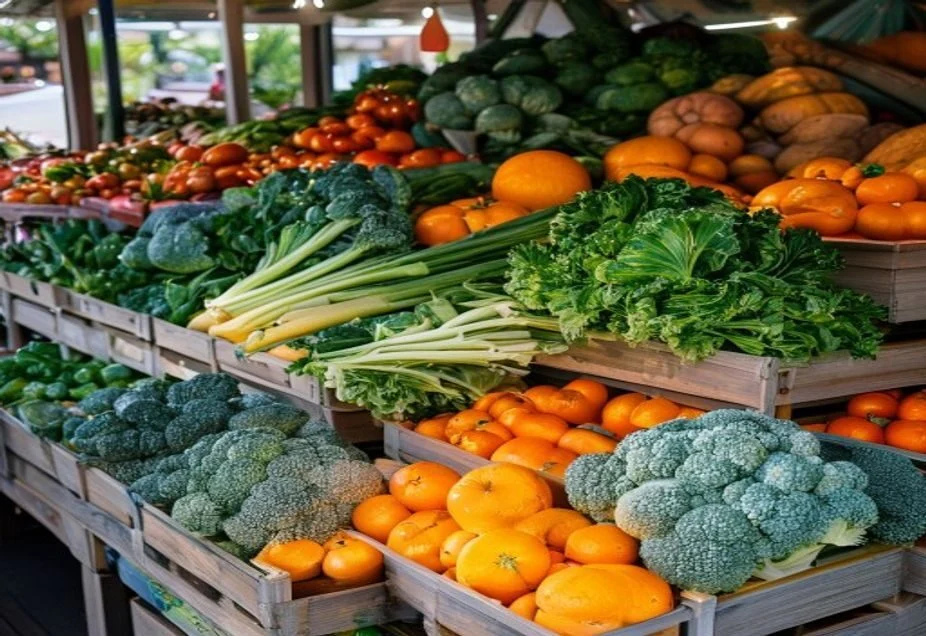
Australia’s seasons run opposite to the northern hemisphere, which catches out almost every new arrival: summer is December to February, winter is June to August. The lists below follow Sydney Markets’ seasonal guides. Western Australia, South Australia and Queensland run a few weeks either side.
| Season | Vegetables at their cheapest | Fruit at its cheapest |
|---|---|---|
| Summer Dec–Feb | Tomatoes, capsicum, zucchini, eggplant, cucumber, sweetcorn, green beans, lettuce, celery, radish, okra | Mangoes, cherries, stone fruit (peaches, nectarines, apricots, plums), grapes, melons, berries, lychees, pineapple, passionfruit, figs |
| Autumn Mar–May | Pumpkin, broccoli, cauliflower, cabbage, Brussels sprouts, leeks, silverbeet, kale, sweet potato, fennel, parsnips, mushrooms, chestnuts | Apples, pears, grapes, figs, kiwifruit, persimmons, quinces, pomegranates, then Imperial mandarins from April and Navel oranges from May |
| Winter Jun–Aug | The cheapest season for vegetables. Broccoli, cauliflower, cabbage, Brussels sprouts, kale, silverbeet, leeks, pumpkin, carrots, parsnips, swede, turnips, beetroot, potatoes, sweet potato | Citrus at its best — Navel oranges, mandarins, grapefruit, lemons, tangelos, blood oranges (Aug). Apples, pears, kiwifruit. And strawberries |
| Spring Sep–Nov | Asparagus (the only cheap window all year), fresh green peas, broad beans, spring onions, globe artichokes, fresh garlic, lettuce, cucumber, then zucchini and sweetcorn from November | Strawberries, blueberries, then mangoes, cherries and melons arriving from October–November. Late citrus |
Three things worth knowing
- Strawberries are a winter fruit in Australia. This surprises everyone. Queensland’s winter strawberry crop is large and cheap, and July–August is when they’re best and cheapest — the opposite of what northern-hemisphere instincts tell you.
- Winter is the cheap season for vegetables, not summer. Broccoli, cauliflower, cabbage, pumpkin, carrots and leeks all peak June to August. Which is convenient, because that’s also soup and casserole weather.
- Bananas have no season. About 94% of Australia’s bananas come from Far North Queensland, which crops continuously, and imports are effectively blocked for biosecurity reasons. That’s why bananas are almost always the cheapest fruit in the shop, in any month.
Cheap all year round
These never really have a bad month, and every recipe on this page is built on them: potatoes, onions, carrots, cabbage, pumpkin, mushrooms, and bananas. Apples and pears are grown February to May but stored in controlled atmosphere, so they’re available and reasonable all year. Avocados are near year-round because Western Australia and Queensland crop at opposite times.
What to be careful with
Leafy greens, capsicum, tomatoes, berries and fresh herbs are the most price-volatile things in the shop. They have short shelf lives, no storage buffer, and Australia’s supply is geographically concentrated — a single weather event in the Queensland growing corridor moves the national price within a fortnight.
The famous example is the $12 iceberg lettuce of June 2022, when KFC Australia publicly switched to a lettuce-and-cabbage blend rather than pay it. The ABS recorded vegetables rising 7.3% in that quarter alone, attributing it to flooding in key New South Wales and Queensland growing areas. It wasn’t only floods — diesel was up around 60%, fertiliser had multiplied in price, and two years of closed borders had removed the seasonal picking workforce. Lettuce takes eight to ten weeks from replanting to harvest, so there is no quick fix when a crop is lost. Prices were back to about $2.50 by August.
The practical lesson isn’t to avoid these foods. It’s that when one thing spikes, substitute rather than pay — cabbage instead of lettuce, frozen or tinned instead of fresh, whatever’s in the table above instead of what the recipe said.
Read the shelf ticket, not the sign
Australian law requires country of origin information on unpackaged fresh fruit and vegetables at the point of sale — usually on the small shelf ticket rather than the item itself. It’s the single most useful line of text in a supermarket and almost nobody reads it.
- Australian grown carries the kangaroo-in-a-triangle logo plus a bar chart and a “Grown in Australia” statement.
- Imported produce carries a country statement in a defined box — “Product of USA” — and cannot use the kangaroo.
- ⚠️ “Packed in Australia” does not mean grown in Australia. This is the trap, and it’s common on frozen berries and canned goods.
- Restaurants, cafes and takeaways are exempt from origin labelling entirely.
If a fruit is wildly expensive and the ticket says it’s imported, that’s your signal it’s out of season here — check the table above and buy something else.
The habits that matter more than the recipes
- Decide in the morning. The cooking is easy; the 6:30pm decision is what sends people to a delivery app.
- Cook double whenever effort is flat. A pot of sauce takes the same time for three serves or six.
- Keep two portions in the freezer permanently. Not for thrift — so there’s an alternative on the night you’d otherwise order in.
- Shop the season, not the recipe. Look at what’s cheap, then pick the dinner. That’s backwards from how most people cook and it’s why most people overspend.
- Buy the biggest pack of anything that won’t spoil. Rice is $1.70/kg in a 5kg bag. Cheese is $10.50/kg in a 1kg block and $24/kg in a 250g one.
- Compare the unit price, not the special. The per-kilo figure in small print on the shelf ticket is the only honest number — and in May 2026 the Federal Court found Coles had misled customers over “Down Down” discount claims across 245 products.
- Cook the carbs separately when batch cooking. Rice and pasta go mushy frozen in sauce.
- Cool leftovers fast and refrigerate within two hours. Three days for most things, but only two for cooked rice and pasta.
Where to go next, depending on what you need:
- Cheap healthy meals in Australia — the kit, the pantry, protein costs compared, and the food safety rules for batch cooking
- One pot meals — twenty dinners sorted by what you cook them in, and almost no washing up
- How to cook rice — ratios for every variety, and why your rice keeps coming out hard
- Air fryer times and temperatures — a full Celsius chart for 50+ foods
- Healthy breakfast ideas — 25 breakfasts sorted by how much time you have
- Cheap weekly meal plans — five full weeks planned out if you’d rather not decide at all
If tonight is the problem: egg fried rice, 90c a serve, ten minutes, one pan. You almost certainly have everything for it already.
Frequently asked questions
You May Also Like

Moving to Australia: The Complete Checklist and Guide (2026)

NT Public Holidays 2026: Full Calendar, Dates and How Darwin and Alice Springs Celebrate