Melbourne Night Safety Guide 2026: Safe Areas & Smart Tips

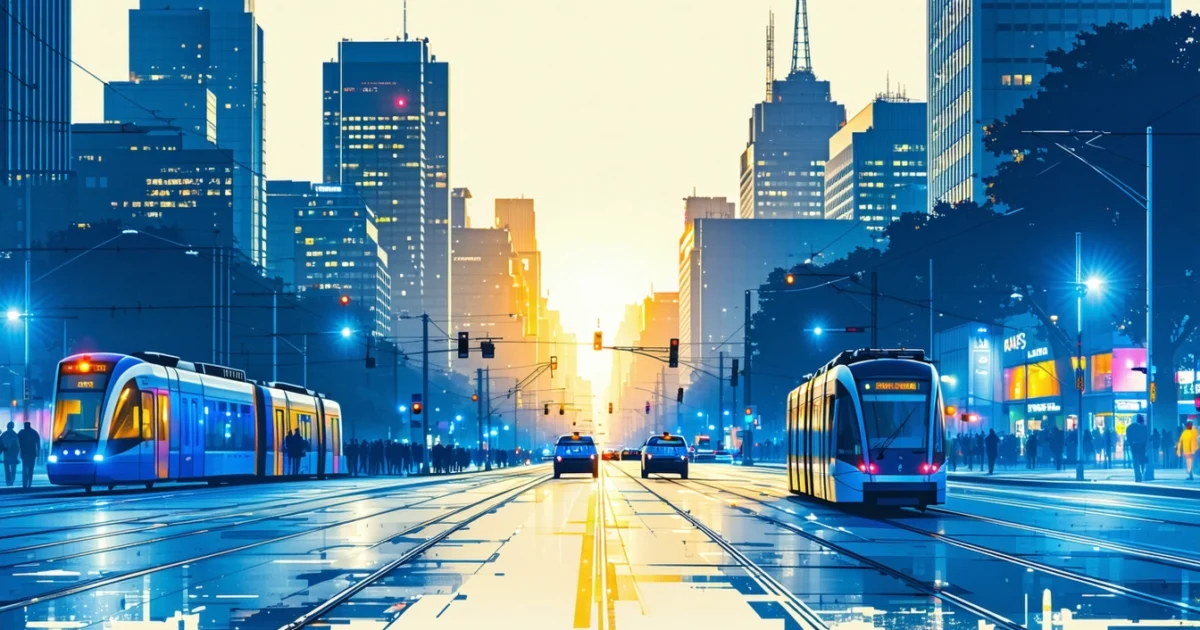
Safety in Melbourne varies significantly by location and time, with the CBD and inner suburbs like South Yarra generally feeling safe at night, while certain outer areas require extra caution after dark. Melbourne consistently ranks as one of the world’s safest cities, but smart navigation strategies can further enhance your personal security when moving around at night.
Understanding Melbourne’s safety landscape helps both locals and visitors make informed decisions about nighttime activities. The city’s well-lit entertainment precincts, efficient public transport network, and strong police presence contribute to overall security. However, knowing which areas to avoid and how to move strategically can make the difference between a safe night out and a potentially risky situation.
This comprehensive guide covers Melbourne’s safest neighborhoods, areas requiring extra vigilance, and practical strategies for navigating the city after dark. Additionally, we’ll explore public transport safety protocols, personal security tools, and emergency procedures to ensure you’re prepared for any situation.
TL;DR
- Melbourne CBD, South Yarra, and Brighton are among the safest areas for nighttime activities with good lighting and police presence
- Avoid isolated streets and certain outer suburbs after dark; stick to well-populated, well-lit areas
- Use Melbourne’s Night Network public transport, travel in groups when possible, and always have backup transport plans
- Essential safety tools include emergency apps, location sharing, and knowing when to call 000 for emergencies
Melbourne's Overall Safety Landscape in 2026
Melbourne maintains its position as Australia’s second-safest major city, with crime rates consistently declining over the past five years. The Victoria Police Crime Statistics Agency reports that violent crime decreased by 12% between 2021 and 2025, while property crime fell by 8% during the same period. These improvements reflect targeted policing initiatives and community safety programs across Melbourne’s diverse neighborhoods.
Globally, Melbourne ranks 17th in the Safe Cities Index 2026, scoring particularly well for infrastructure security and personal safety metrics. The city outperforms major international destinations like Los Angeles, Paris, and Berlin in overall safety ratings. Furthermore, Melbourne’s digital security infrastructure and emergency response systems contribute significantly to its high global ranking.
Current Crime Statistics and Trends
Assault rates in Melbourne dropped to 4.2 incidents per 1,000 residents in 2025, compared to 4.8 per 1,000 in 2021. Theft from motor vehicles represents the most common property crime, affecting approximately 2.1% of vehicle owners annually. However, theft rates show a downward trajectory, particularly in well-monitored areas with CCTV coverage and regular police patrols.
Drug-related offenses concentrate primarily in specific hotspots around Flinders Street Station and certain laneways in the CBD. Nevertheless, these incidents rarely involve random members of the public and typically occur between known associates. Street harassment complaints decreased by 15% following the implementation of enhanced lighting programs and increased police foot patrols in entertainment districts.
Key Safety Improvements and Initiatives
The Safe City CCTV Program expanded Melbourne’s surveillance network to over 3,200 cameras across the metropolitan area in 2025. This initiative covers major transport hubs, shopping centers, and high-traffic pedestrian zones. Additionally, the program integrates with Victoria Police’s real-time monitoring systems, enabling rapid response to incidents.
Melbourne’s Night Network transport system significantly improved safety for late-night travelers through dedicated security personnel and enhanced lighting at stations. The program includes protective services officers at major stations and regular safety patrols on Night Network services. Moreover, the city introduced emergency help points at 150 locations throughout the CBD and inner suburbs.
Community safety partnerships between local councils and Victoria Police established neighborhood watch programs in 85% of Melbourne suburbs. These collaborative efforts focus on crime prevention, resident education, and rapid incident reporting. Consequently, community-reported suspicious activity increased by 23%, leading to faster police response times and crime prevention.
Understanding Safety Zones and Risk Factors
Melbourne’s safety landscape varies significantly by location, time, and circumstances. The CBD, South Yarra, and Toorak maintain consistently high safety ratings due to excellent lighting, regular police presence, and high pedestrian traffic. Conversely, certain areas in the outer suburbs experience higher crime rates, particularly after midnight when foot traffic decreases substantially.
Risk factors include isolated locations, poorly lit streets, and areas with limited public transport access. Alcohol-related incidents peak between 1 AM and 3 AM, particularly around licensed venues and transport hubs. Understanding these patterns helps residents and visitors make informed decisions about travel routes and timing when moving through Melbourne at night.
Weather conditions also influence safety dynamics, with rainy nights seeing 18% fewer street crimes but increased risks from reduced visibility and slippery surfaces. Similarly, major events and festivals temporarily alter crime patterns, with increased police presence in event areas but potentially reduced coverage in surrounding neighborhoods.
Safest Areas in Melbourne for Night Activities
Melbourne’s entertainment districts offer varying levels of safety, with well-patrolled precincts providing the highest security for nighttime activities. The Melbourne CBD stands out as the city’s safest zone for evening entertainment, featuring comprehensive CCTV coverage, regular police patrols, and excellent lighting throughout major thoroughfares like Collins Street, Flinders Lane, and the Southbank entertainment precinct.
Police presence intensifies during peak entertainment hours, with mounted police units patrolling Flinders Street Station and Federation Square every 30 minutes after 9 PM. Additionally, the CBD benefits from 24-hour foot traffic, creating natural surveillance that deters criminal activity and provides assistance when needed.
Premium Inner Suburbs: South Yarra and Toorak
South Yarra maintains exceptional safety standards, particularly along Chapel Street and Toorak Road, where upscale venues attract well-behaved crowds and security personnel monitor establishments closely. The area features premium lighting infrastructure and regular private security patrols that supplement Victoria Police presence.
Meanwhile, Toorak offers unparalleled residential safety with low crime rates and affluent demographics contributing to neighborhood stability. However, these areas can become quieter after midnight, requiring extra caution when walking alone through residential streets away from main commercial strips.
Family-Friendly Suburban Areas
Camberwell, Hawthorn, and Kew represent Melbourne’s safest family-oriented suburbs for evening activities. These areas feature well-maintained streetscapes, active community watch programs, and excellent public transport connections that enhance overall security.
Camberwell Junction provides safe late-night dining and shopping options with consistent foot traffic until 10 PM on weekends. Similarly, Hawthorn’s Glenferrie Road offers secure evening entertainment with regular tram services and well-lit pedestrian areas that connect seamlessly to residential neighborhoods.
Kew maintains the lowest crime statistics among Melbourne’s inner suburbs, with community-driven safety initiatives and excellent street lighting creating secure environments for evening walks and local dining experiences.
University Districts: Carlton and Parkville
University areas present unique safety dynamics, with Carlton offering mixed security levels depending on specific locations. Lygon Street maintains excellent safety standards with busy restaurants, regular police presence, and consistent pedestrian activity until late evening hours.
However, residential streets surrounding the University of Melbourne require increased vigilance, particularly during semester breaks when student populations decrease significantly. Parkville benefits from university security services and well-lit campus areas, though safety diminishes in quieter residential pockets after 11 PM.
Both areas feature emergency call points and regular security patrols during academic periods, creating safer environments for students and residents moving between venues and transport hubs.
Coastal Suburb Considerations
St Kilda presents complex safety considerations, with Acland Street and Fitzroy Street offering vibrant nightlife but requiring heightened awareness due to higher crime rates compared to inner suburban areas. The beachfront attracts diverse crowds, creating both natural surveillance and potential security concerns.
Police maintain increased presence during summer months and weekends, yet visitors should exercise caution when moving between venues or walking to transport connections after midnight. Port Melbourne provides significantly safer alternatives, with Bay Street offering secure dining and entertainment options alongside excellent lighting and regular foot traffic.
Furthermore, Port Melbourne’s proximity to the city ensures reliable late-night transport options, while St Kilda’s transport connections can become limited after 1 AM, potentially stranding visitors in less secure areas during peak crime hours.
Areas Requiring Extra Caution After Dark
Melbourne’s safety landscape transforms significantly after sunset, with certain areas experiencing elevated risk factors that require informed navigation strategies. Understanding these high-risk zones helps residents and visitors make smarter decisions about nighttime movement throughout the city.
High-Risk Zones and Contributing Factors
King Street represents Melbourne’s most challenging nighttime environment, with alcohol-fueled incidents peaking between 2 AM and 4 AM on weekends. The concentration of nightclubs and bars creates volatile situations, particularly around the intersections with Collins and Bourke Streets where crowds converge after venue closures.
Meanwhile, Chapel Street in South Yarra experiences similar risks, though violence typically occurs in concentrated hotspots rather than throughout the entire precinct. The stretch between Toorak Road and Commercial Road sees the highest incident rates, especially during peak entertainment hours.
Footscray requires heightened awareness after 10 PM, with Irving Street and Hopkins Street presenting particular challenges due to reduced lighting and lower pedestrian traffic. Additionally, the area around Footscray Station becomes riskier as public transport services decrease, leaving fewer natural surveillance opportunities.
Critical Streets and Intersections
Several specific locations demand extra vigilance during nighttime hours. Russell Street between La Trobe and Bourke Streets experiences frequent incidents due to its proximity to entertainment venues and reduced police visibility during shift changes.
The intersection of Swanston and Collins Streets becomes problematic after midnight, despite heavy daytime foot traffic. Consequently, the area transforms from a bustling commercial hub into a gathering point for antisocial behavior as legitimate businesses close.
Furthermore, Elizabeth Street north of Melbourne Central presents challenges, particularly the section leading toward the Queen Victoria Market. This area experiences reduced lighting and minimal security presence, creating opportunities for opportunistic crime.
Temporal Risk Factors
Risk levels fluctuate dramatically based on specific timeframes and circumstances. Thursday through Saturday nights see crime rates increase by approximately 40% compared to weekday evenings, with peak danger occurring during venue closing times between 2 AM and 4 AM.
School holiday periods create different risk patterns, as reduced student populations in areas like Carlton and Parkville decrease natural surveillance. Moreover, major sporting events and festivals temporarily alter crime patterns, often displacing usual hotspots to surrounding areas.
Weather conditions also influence safety dynamics, with rainy nights typically reducing street crime but increasing risks around covered areas and transport hubs where people congregate for shelter.
Perceived Versus Actual Danger
Understanding the distinction between perceived and actual danger proves crucial for making informed decisions about nighttime navigation. Chinatown often feels unsafe due to narrow laneways and unfamiliar signage, yet crime statistics show relatively low incident rates compared to entertainment precincts.
Conversely, well-lit areas like Southbank Promenade create feelings of security despite experiencing property crime rates above the city average. The presence of restaurants and hotels provides psychological comfort, though isolated sections near the river present genuine risks after 11 PM.
Similarly, Federation Square appears safe due to its open design and cultural significance, but the surrounding laneways and underpasses harbor actual security concerns that contradict the main area’s welcoming atmosphere. Therefore, distinguishing between environmental cues and statistical reality helps travelers make better safety decisions when moving through Melbourne after dark.
Smart Night Movement Strategies
Effective nighttime navigation in Melbourne requires strategic planning that combines route selection, timing awareness, and contingency preparation. Pre-planning your journey eliminates dangerous decision-making under pressure while ensuring you understand transport schedules, walking distances, and potential obstacles before departing.
Route Planning and Transport Options
Smart travelers research multiple transport combinations before venturing out, as Melbourne’s night network operates on reduced schedules after midnight. Furthermore, pre-booking ride-sharing services prevents lengthy waits in vulnerable locations during peak demand periods.
Additionally, identifying 24-hour venues along your route creates natural refuge points where you can wait safely if plans change. Consequently, mapping these locations before departure provides security options that spontaneous navigation cannot offer.
Pathway Selection Strategies
Choosing well-lit, populated pathways significantly reduces exposure to opportunistic crime, even when these routes require additional walking time. Main thoroughfares like Collins Street, Bourke Street, and Swanston Street maintain consistent lighting and foot traffic throughout most evening hours.
However, avoiding isolated laneways becomes critical after 10 PM, when natural surveillance decreases dramatically. Popular shortcuts through Hosier Lane or Centre Place transform from vibrant cultural spaces into potential risk zones once crowds disperse.
Timing Considerations
Different Melbourne areas experience distinct peak risk periods that influence optimal travel timing. Entertainment districts like Chapel Street and King Street become most dangerous between 1-3 AM when intoxicated crowds create unpredictable situations.
Conversely, business districts present highest risks during the transition period between 6-8 PM when legitimate foot traffic decreases but criminal activity hasn’t yet peaked. Therefore, timing your movements to coincide with natural crowd patterns enhances personal security.
Group Versus Solo Travel Protocols
Group travel provides natural deterrence against most street crimes, though groups must avoid splitting up or leaving intoxicated members behind. Moreover, designated group leaders should maintain sobriety to make critical safety decisions throughout the evening.
Solo travelers require heightened awareness protocols, including regular check-ins with trusted contacts and avoiding headphones that impair environmental awareness. Confident body language and purposeful movement patterns also signal that you’re not an easy target to potential criminals.
Emergency Backup Plans
Effective emergency planning involves identifying multiple exit strategies from any location, including alternative transport options if primary plans fail. Additionally, maintaining sufficient phone battery and portable charging capacity ensures communication capabilities during extended evenings.
Furthermore, establishing predetermined meeting points with companions prevents dangerous searching behaviors if separation occurs. Emergency contacts should include local friends, accommodation details, and relevant emergency services numbers stored in easily accessible formats.
Finally, carrying sufficient cash for emergency transport eliminates dependence on potentially unreliable digital payment systems during critical situations when quick departure becomes necessary.
Public Transport Safety at Night
Melbourne’s public transport network operates comprehensive Night Network services that maintain safety protocols specifically designed for after-dark travel. However, understanding these systems and implementing personal safety strategies significantly reduces risks while using trams, trains, and buses during nighttime hours.
Tram, Train, and Bus Safety Protocols After Dark
Metropolitan trains implement enhanced security measures during evening operations, including increased Protective Services Officers presence at major stations after 6 PM on weekdays and all day weekends. Additionally, emergency communication points connect directly to control rooms throughout the rail network.
Tram safety protocols focus on well-lit boarding areas and driver visibility of passenger zones. Furthermore, route 96 and other major tram lines maintain frequent services that reduce isolated waiting periods at stops.
Bus networks coordinate with police patrols along key routes, while drivers receive specific training for managing evening passenger safety concerns. Consequently, sitting near the driver provides additional security and immediate assistance access if problems arise.
Night Network Services and Safety Features
The Night Network operates Friday and Saturday nights with trains running hourly until approximately 5 AM, while selected bus and tram routes provide extended coverage. These services include dedicated security personnel and enhanced lighting at major interchange points.
Safety features encompass Help Points at all train stations that connect directly to Metro control rooms, plus CCTV monitoring across the entire network. Moreover, smartphone apps provide real-time service updates that minimize unpredictable waiting times at isolated locations.
Station and Stop Safety Assessment
Safe stations typically feature adequate lighting, clear sightlines, and regular patronage even during late hours. Flinders Street Station and Southern Cross Station maintain high security standards with constant foot traffic and security presence.
Conversely, isolated suburban stations require careful assessment before use during nighttime hours. Therefore, checking recent crime statistics and local community feedback helps identify potentially problematic locations that warrant alternative transport arrangements.
- Choose stations with active retail outlets or nearby businesses
- Avoid stations with poor lighting or limited visibility
- Select stops with regular security patrols or staff presence
- Consider stations with multiple exit options
Personal Safety on Public Transport
Maintaining situational awareness while traveling requires positioning yourself strategically within vehicles and avoiding distractions that compromise environmental monitoring. Specifically, sitting near exits provides quick escape options while staying alert to passenger behavior changes.
Trust your instincts when fellow passengers exhibit concerning behavior, and don’t hesitate to change carriages or exit at the next safe stop. Personal safety takes precedence over convenience, particularly when traveling alone during late-night hours.
Keep valuables concealed and maintain confident body language that discourages potential troublemakers from targeting you. Additionally, avoid displaying expensive electronics or large amounts of cash that might attract unwanted attention from other passengers.
Alternative Transport Options When Public Transport Feels Unsafe
Rideshare services like Uber and Didi provide door-to-door alternatives when public transport conditions feel unsafe or unreliable. Pre-booking rides ensures guaranteed transport availability and eliminates waiting in potentially unsafe locations.
Taxi services remain available throughout Melbourne with designated ranks at major entertainment districts and transport hubs. However, booking through official taxi apps provides better tracking and accountability compared to street hails during late-night hours.
Walking becomes a viable option for short distances in well-lit, populated areas with regular foot traffic. Nevertheless, assess route safety carefully and consider calling someone to stay on the phone during the journey for additional security.
Finally, staying overnight at a friend’s place or booking nearby accommodation eliminates transport risks entirely when returning home feels unsafe. This option proves particularly valuable during extreme weather conditions or when public transport disruptions occur unexpectedly.
Personal Safety Tools and Technology
Modern technology transforms personal safety through smartphone applications that connect users instantly with emergency services and trusted contacts. Melbourne residents benefit from several essential safety apps that provide location tracking, emergency alerts, and direct communication channels with authorities.
The Emergency Plus app automatically shares your GPS coordinates with emergency services when calling 000, eliminating location confusion during crisis situations. Furthermore, this official Australian government app works offline and displays your exact position using what3words technology for precise emergency response.
bSafe offers comprehensive safety features including fake call functionality, automatic emergency alerts, and live GPS tracking that friends can monitor in real-time. Meanwhile, the app’s SOS alarm sends immediate notifications to your safety network with location details and audio recordings of surrounding activity.
Personal safety devices complement smartphone applications by providing dedicated protection tools that function independently of mobile networks. Personal alarms emit piercing 120-decibel sounds that attract attention and deter potential attackers while remaining legal to carry in all Australian states.
Wearable safety devices like smart jewelry and fitness trackers incorporate panic buttons that send silent alerts to emergency contacts without drawing attention. These devices prove particularly effective because they appear as regular accessories while providing instant access to help during threatening situations.
Smartphone safety features extend beyond dedicated apps through built-in emergency functions that activate quickly during dangerous encounters. iPhone users can press the side button five times rapidly to trigger Emergency SOS, which automatically calls emergency services and shares location data with designated contacts.
Android devices offer similar protection through the Emergency button on lock screens and Google’s Personal Safety app that detects car crashes and unusual activity patterns. Additionally, both platforms support international calling features for contacting overseas family during emergencies.
Location sharing becomes crucial for maintaining safety accountability when traveling alone through Melbourne’s entertainment districts. Find My Friends and Google Maps location sharing allow trusted contacts to monitor your movements and receive automatic notifications when you arrive safely at destinations.
Effective emergency contact systems require structured communication protocols that ensure reliable check-ins without becoming burdensome daily routines. Establish specific times for safety updates and create code words that signal different levels of concern or immediate danger.
- Check-in frequency: Text updates every 2-3 hours during extended outings
- Safe arrival confirmation: Send location pin when reaching planned destinations
- Code word system: Use predetermined phrases to indicate safety levels discreetly
- Emergency escalation: Define timeframes for contacting authorities if check-ins stop
Technology integration maximizes safety effectiveness when multiple tools work together seamlessly during actual emergencies. However, remember that battery life affects all electronic safety devices, so maintain backup power sources and know manual alternatives for critical safety functions.
Situational Awareness and Risk Assessment
Developing situational awareness transforms your ability to navigate Melbourne’s nightlife safely while maintaining confidence in unfamiliar environments. This cognitive skill involves continuously scanning your surroundings, processing environmental information, and making informed decisions about potential risks before they escalate into dangerous situations.
Reading Environmental Cues and Crowd Dynamics
Crowd behavior reveals critical safety information through observable patterns that experienced locals instinctively recognize. Dense crowds moving in single directions typically indicate normal foot traffic, while sudden dispersal or agitated movement suggests potential trouble brewing nearby.
Environmental indicators provide early warning systems for changing safety conditions throughout Melbourne’s entertainment precincts. Broken glass, graffiti, and poorly lit areas signal neglected spaces where criminal activity increases, particularly during late-night hours when foot traffic decreases significantly.
- Monitor group dynamics: Large gatherings becoming increasingly loud or aggressive
- Notice venue security: Bouncers positioning themselves strategically or calling for backup
- Observe police presence: Officers clustering in specific areas indicate recent incidents
- Watch for intoxication levels: Heavily drunk individuals create unpredictable safety risks
Identifying Potential Threats and Escape Routes
Threat assessment requires systematic evaluation of people, places, and situations that could compromise your personal safety. Suspicious behavior includes individuals following your movements, loitering without apparent purpose, or attempting to isolate you from groups and public areas.
Escape route planning becomes essential before entering any venue or walking through unfamiliar neighborhoods during nighttime hours. Furthermore, pre-booking rides ensures reliable transportation options when immediate departure becomes necessary for safety reasons.
| Threat Level | Indicators | Response Action |
|---|---|---|
| Low Risk | Normal crowd behavior, adequate lighting | Continue with standard precautions |
| Moderate Risk | Aggressive individuals nearby, poor visibility | Move to well-lit, populated areas |
| High Risk | Direct confrontation, feeling followed | Seek immediate help, call emergency services |
Trust Your Instincts – When to Change Plans
Intuitive feelings about danger often process subconscious information faster than conscious analysis can evaluate complex situations. Consequently, that gut feeling telling you something feels wrong deserves serious consideration rather than dismissal as paranoia or overthinking.
Plan flexibility enables quick responses to changing circumstances without feeling committed to unsafe situations. Additionally, having backup venues, alternative routes, and emergency contacts ready allows seamless transitions when original plans become inappropriate or dangerous.
If something feels off, it probably is. Trust your instincts and prioritize safety over social obligations or financial commitments.
De-escalation Techniques and Conflict Avoidance
Verbal de-escalation prevents minor disagreements from escalating into physical confrontations through calm communication and strategic positioning. Non-threatening body language includes maintaining open postures, avoiding direct staring, and keeping hands visible while speaking in measured tones.
Conflict avoidance strategies focus on removing yourself from potentially volatile situations before they require active de-escalation techniques. Moreover, recognizing early warning signs allows proactive responses that prevent dangerous encounters entirely.
- Acknowledge the other person’s concerns without agreeing or disagreeing
- Use neutral language that doesn’t assign blame or escalate emotions
- Create physical distance while maintaining respectful communication
- Offer face-saving alternatives that allow graceful exits for all parties
- Signal for help discreetly if the situation continues deteriorating
What to Do if You Feel Unsafe or Threatened
Immediate safety responses require quick decision-making that prioritizes personal protection over property or social considerations. Emergency protocols should be practiced mentally so they become automatic responses during high-stress situations when clear thinking becomes difficult.
Professional help becomes necessary when personal safety measures prove insufficient for handling threatening situations. Police, security personnel, and venue staff receive training to handle conflicts that exceed civilian capabilities and resources.
Call 000 immediately if you feel in immediate physical danger or witness criminal activity in progress.
Safe extraction from threatening situations requires calm assessment of available options while maintaining awareness of changing circumstances. Subsequently, document incidents through photos, notes, and witness information to support potential police reports or venue complaints that could prevent future occurrences.
Special Considerations for Different Demographics
Different groups face unique safety challenges when navigating Melbourne’s nighttime environment, requiring tailored approaches that address specific vulnerabilities and circumstances. Understanding these demographic-specific considerations helps create more effective personal safety strategies.
Safety Tips for Women Traveling Alone at Night
Solo female travelers encounter heightened risks that require proactive planning and heightened situational awareness throughout their nighttime journeys. Trust your instincts immediately when situations feel uncomfortable, as women’s intuitive responses often detect subtle danger signals before conscious recognition occurs.
Share your location and travel plans with trusted contacts who can monitor your progress and respond if communication stops unexpectedly. Furthermore, avoid wearing headphones that block ambient sounds, as auditory awareness provides crucial early warning systems for approaching threats or dangerous situations.
- Keep phone battery above 50% and carry portable chargers for extended outings
- Use ride-sharing apps that provide driver details and trip tracking features
- Stay in well-lit areas with good foot traffic and visible security cameras
- Carry keys between fingers or personal alarms for quick defensive responses
- Book accommodations in safe neighborhoods with 24-hour reception services
International Students and Tourists – Unique Safety Considerations
International visitors often lack local knowledge that helps residents identify potentially dangerous situations or navigate cultural nuances effectively. Cultural unfamiliarity can make tourists targets for opportunistic crimes, as perpetrators recognize their vulnerability and limited local support networks.
Language barriers complicate emergency communications and prevent effective help-seeking when dangerous situations develop rapidly. Additionally, unfamiliarity with local emergency services, transportation systems, and safe neighborhoods increases risks during nighttime activities and social interactions.
Research Melbourne’s emergency numbers, including 000 for police, fire, and ambulance services, before venturing out alone at night. Moreover, understanding Melbourne’s weather patterns helps international students prepare appropriate clothing and plan safer routes during adverse conditions.
- Download offline maps and translation apps before heading out
- Keep embassy contact information and travel insurance details accessible
- Join international student groups for local safety knowledge sharing
- Avoid displaying expensive electronics, jewelry, or large amounts of cash
- Learn basic Australian slang and emergency phrases for better communication
LGBTQ+ Community Safety in Melbourne's Nightlife Areas
LGBTQ+ individuals may face targeted harassment or discrimination in certain areas, requiring careful venue selection and route planning for nighttime activities. Melbourne’s LGBTQ+ friendly precincts like Collingwood, Fitzroy, and parts of the CBD generally provide safer environments with supportive communities and inclusive businesses.
Research venues beforehand to ensure they maintain inclusive policies and welcoming atmospheres for diverse sexual orientations and gender identities. Consequently, traveling with supportive friends or connecting with local LGBTQ+ groups provides additional safety networks and cultural knowledge for navigating nightlife safely.
Report discrimination or harassment to venue management, police, or LGBTQ+ support organizations that can provide appropriate assistance and advocacy. Furthermore, Victorian government LGBTIQ+ support services offer resources and emergency assistance for community members facing safety concerns.
Elderly and Mobility-Impaired Individuals – Accessible Safe Routes
Physical limitations require careful route planning that prioritizes accessibility, lighting, and proximity to assistance when mobility-impaired individuals navigate Melbourne at night. Uneven footpaths, poor lighting, and crowded areas create additional hazards that can lead to falls, injuries, or vulnerability to opportunistic crimes.
Plan routes using well-maintained footpaths with adequate lighting and minimal elevation changes that accommodate wheelchairs, walking aids, or slower movement speeds. Additionally, identify rest points, accessible toilets, and emergency assistance locations along planned routes before departure.
| Safety Feature | Importance | Melbourne Examples |
|---|---|---|
| Accessible Transport | Reliable mobility options | Low-floor trams, accessible taxis |
| Well-lit Pathways | Prevents falls and crimes | Southbank Promenade, Collins Street |
| Emergency Call Points | Quick assistance access | Train stations, major shopping areas |
| Accessible Venues | Safe destination points | Crown Casino, Federation Square |
Carry emergency contact information and medical details that first responders can access quickly if assistance becomes necessary. Moreover, consider traveling during earlier evening hours when public transport runs more frequently and assistance remains more readily available throughout the city.
Emergency Protocols and Response
Knowing how to respond effectively during emergencies determines the difference between minor incidents and serious safety threats when navigating Melbourne at night. Furthermore, understanding proper emergency protocols enables quick access to appropriate help while ensuring personal safety remains the top priority.
When and How to Contact Police
Dial 000 immediately for life-threatening emergencies, violent crimes in progress, or situations requiring urgent police response in Melbourne. Emergency operators connect callers to police, ambulance, or fire services based on the nature of the incident. However, non-emergency situations require different contact methods to ensure emergency lines remain available for critical incidents.
Contact Police Assistance Line on 131 444 for non-urgent matters such as reporting completed crimes, suspicious activity, or requesting general police assistance. Additionally, many Melbourne police stations accept walk-in reports during business hours for incidents that don’t require immediate response.
| Emergency Type | Contact Method | Response Time |
|---|---|---|
| Life-threatening incidents | 000 | Immediate dispatch |
| Crimes in progress | 000 | Priority response |
| Completed crimes | 131 444 | 24-48 hours |
| General inquiries | Local station | Business hours |
Reporting Incidents and Suspicious Activity
Document incident details immediately while memory remains fresh, including exact location, time, descriptions of people involved, and any witnesses present. Accurate reporting helps police investigate incidents effectively and prevents similar crimes from occurring in the same areas.
Report suspicious activity through Crime Stoppers on 1800 333 000 if you prefer to remain anonymous or feel unsafe providing personal details. Moreover, many Melbourne councils operate local safety apps that enable residents to report incidents directly to community safety officers.
Take photos or videos only if doing so doesn’t compromise personal safety or escalate dangerous situations. Subsequently, provide this evidence to police along with written statements that include specific details about the incident timeline and circumstances.
Safe Spaces and 24-Hour Emergency Shelter
24-hour McDonald’s restaurants throughout Melbourne CBD and major suburbs provide safe, well-lit spaces with security cameras and staff present during overnight hours. Similarly, major hospitals like Royal Melbourne Hospital and Alfred Hospital maintain 24-hour emergency departments that offer immediate safety for people in distress.
Police stations across Melbourne operate continuously and provide immediate safe harbor for anyone feeling threatened or requiring emergency assistance. Additionally, 7-Eleven stores and 24-hour service stations offer temporary refuge with security systems and staff who can contact emergency services if needed.
- Melbourne Central Station – 24-hour security and transport police
- Crown Casino complex – Extensive security coverage and multiple entry points
- Royal Children’s Hospital – Emergency department with family support services
- Flinders Street Station – Transport police and security personnel
Contact Safe Steps Family Violence Response Centre on 1800 015 188 for immediate accommodation assistance if domestic violence creates unsafe home conditions. Furthermore, Launch Housing operates emergency accommodation services for people experiencing homelessness or housing crises in Melbourne.
Post-Incident Support Services and Resources
Victims of Crime Helpline (1800 819 817) provides free counseling, legal advice, and financial assistance for people affected by criminal incidents in Victoria. Professional counselors offer immediate crisis support and connect victims with ongoing therapeutic services tailored to individual recovery needs.
Beyond Blue (1300 22 4636) offers 24-hour mental health support for people experiencing anxiety, depression, or trauma following safety incidents. Additionally, Lifeline (13 11 14) provides crisis counseling and suicide prevention services for individuals struggling with emotional distress after traumatic experiences.
Melbourne’s Centre Against Sexual Assault (CASA) delivers specialized support for sexual assault survivors, including medical examinations, counseling, and legal advocacy services. Moreover, these services remain free and confidential, with trained professionals who understand trauma responses and recovery processes.
Document all expenses related to incident aftermath, including medical bills, counseling costs, and replacement of stolen items for potential compensation claims through Victims of Crime Assistance Tribunal. Consequently, maintaining detailed records supports successful compensation applications and ensures access to available financial support during recovery periods.
Frequently Asked Questions
Is Melbourne safe to walk around at night?
Yes, Melbourne is generally safe for nighttime walking, particularly in the CBD and inner suburbs like South Yarra and Brighton. The city ranks as Australia’s second-safest major city with well-lit streets, strong police presence, and declining crime rates. However, it’s important to stick to well-populated, well-lit areas and avoid isolated streets or certain outer suburbs after dark.
Which areas of Melbourne should I avoid at night?
While Melbourne is generally safe, you should exercise extra caution in certain outer suburbs and avoid isolated streets after dark. Some hotspots around Flinders Street Station and specific CBD laneways may have higher drug-related activity, though these incidents rarely involve random members of the public. Always research your destination beforehand and stick to main roads with good lighting.
How safe is Melbourne's public transport at night?
Melbourne’s Night Network public transport system is quite safe, featuring dedicated security personnel, enhanced lighting at stations, and protective services officers at major hubs. The system includes regular safety patrols and real-time monitoring. However, it’s still advisable to travel in groups when possible and remain aware of your surroundings, especially during late-night hours.
What safety tools should I carry when out at night in Melbourne?
Essential safety tools for nighttime activities in Melbourne include emergency apps on your phone, location sharing capabilities with trusted contacts, and knowledge of when to call 000 for emergencies. Keep your phone charged, have backup transport plans ready, and consider carrying a personal alarm. Always inform someone of your planned route and expected return time.
How does Melbourne's safety compare to other Australian cities?
Melbourne ranks as Australia’s second-safest major city with consistently declining crime rates. Violent crime decreased by 12% between 2021 and 2025, while property crime fell by 8%. Globally, Melbourne ranks 17th in the Safe Cities Index 2026, outperforming major cities like Los Angeles, Paris, and Berlin in overall safety ratings.
What should I do if I feel unsafe while out at night in Melbourne?
If you feel unsafe, immediately move to a well-lit, populated area such as a 24-hour venue, police station, or major transport hub. Call 000 for emergencies or use emergency apps to alert authorities and trusted contacts. Melbourne has over 3,200 CCTV cameras across the metropolitan area with real-time monitoring, so seek areas with visible surveillance when possible.
Are there specific safety measures for women traveling alone at night in Melbourne?
Women traveling alone should take extra precautions by sticking to main roads and well-lit areas, using the Night Network transport system, and sharing their location with trusted contacts. Street harassment complaints have decreased by 15% due to enhanced lighting programs and increased police foot patrols. Consider traveling in groups when possible and always have a backup transport plan ready.
What are the most common crimes in Melbourne at night?
The most common nighttime crime in Melbourne is theft from motor vehicles, affecting approximately 2.1% of vehicle owners annually. However, theft rates are declining, particularly in well-monitored areas. Assault rates dropped to 4.2 incidents per 1,000 residents in 2025. Drug-related offenses occur mainly in specific hotspots but rarely involve random members of the public.
You May Also Like
Is Huntingdale a Good Suburb? 2026 Complete Guide
Most Dangerous Suburbs in Perth 2026: Crime Data & Safety Guide