NAIDOC Week: Dates, History and How to Get Involved


NAIDOC Week is Australia’s national celebration of Aboriginal and Torres Strait Islander history, culture and achievements, held every year in the first week of July. It is not a public holiday, but it is one of the most significant weeks on the Australian cultural calendar, marked by community events, awards ceremonies, school activities and workplace acknowledgements right across the country. If you are new to Australia, NAIDOC Week is a genuinely good opportunity to learn about the world’s oldest continuous living cultures directly from First Nations communities. This guide covers what NAIDOC actually stands for, the real history behind the week, the 2026 theme, and how to take part respectfully.
Quick summary
When is NAIDOC Week?
National NAIDOC Week is held every year in the first full week of July, running Sunday to Sunday. In 2026, that is Sunday 5 July to Sunday 12 July.
| Year | National NAIDOC Week dates |
|---|---|
| 2025 | 6 – 13 July |
| 2026 | 5 – 12 July |
It is not a public holiday
What does NAIDOC stand for, and where did it come from?
NAIDOC stands for National Aborigines and Islanders Day Observance Committee – originally the name of the committee that ran the event, now used as the name for the week itself. According to the National NAIDOC Committee’s own history, the story behind the name stretches back much further than most people expect, and it grew directly out of protest, not celebration.
1920s-1938: protest on Australia Day
Before the 1920s, Aboriginal rights groups boycotted Australia Day (26 January) in protest against the treatment of Aboriginal people. Organisations including the Australian Aborigines Progressive Association (1924) and the Australian Aborigines League (1932) pushed for change, and in 1935 William Cooper, founder of the AAL, petitioned King George V for dedicated Aboriginal electorates in Federal Parliament. On Australia Day 1938, protestors marched through Sydney followed by a congress of more than a thousand people – one of the first major civil rights gatherings anywhere in the world. It became known as the Day of Mourning, and a deputation led by Cooper presented Prime Minister Joseph Lyons with a proposed national policy for Aboriginal people, which the Government again rejected.
1940-1975: from a day of protest to a week of celebration
From 1940 to 1955, the Day of Mourning was held annually on the Sunday before Australia Day, known as Aborigines Day. In 1955 it moved to the first Sunday in July, and organisers deliberately reframed it as not just a protest day but also a celebration of Aboriginal culture. Major Aboriginal organisations and state and federal governments then backed the formation of the National Aborigines Day Observance Committee (NADOC), and the second Sunday in July became a day of remembrance. In 1972, the Department of Aboriginal Affairs was formed following the 1967 referendum. In 1974, the NADOC committee was composed entirely of Aboriginal members for the first time, and the following year it was decided the observance should run for a full week – from the first to the second Sunday in July.
1991 to today: recognising Torres Strait Islander people
In 1984, NADOC formally asked that National Aborigines Day be made a national public holiday – a request that has never been granted, despite continuing calls from Indigenous leaders. From 1991 onward, with growing recognition of the distinct cultural histories of Aboriginal and Torres Strait Islander peoples, the committee was expanded and renamed the National Aborigines and Islanders Day Observance Committee – NAIDOC – with the new name adopted for the whole week rather than just the committee. The National NAIDOC Committee itself notes that it retains the now-outdated term “Aborigines” in its title specifically out of respect for the historic use of the word by the Elders who established the observance in 1938.
The 2026 theme: "50 Years of Deadly"
Every National NAIDOC Week has its own theme, chosen by the National NAIDOC Committee to guide events, artwork and messaging for the year. The 2026 theme is “50 Years of Deadly”, marking roughly 50 years since the observance grew from a single day into the full week-long national event it is today, following the 1975 decision covered above. According to the National NAIDOC Committee, the theme is “both a reflection and a declaration” – honouring the Elders, organisers and communities who built the movement, while also celebrating Aboriginal and Torres Strait Islander leadership today across health, education, media, business and the arts.
What does "deadly" mean?
How NAIDOC Week is marked today
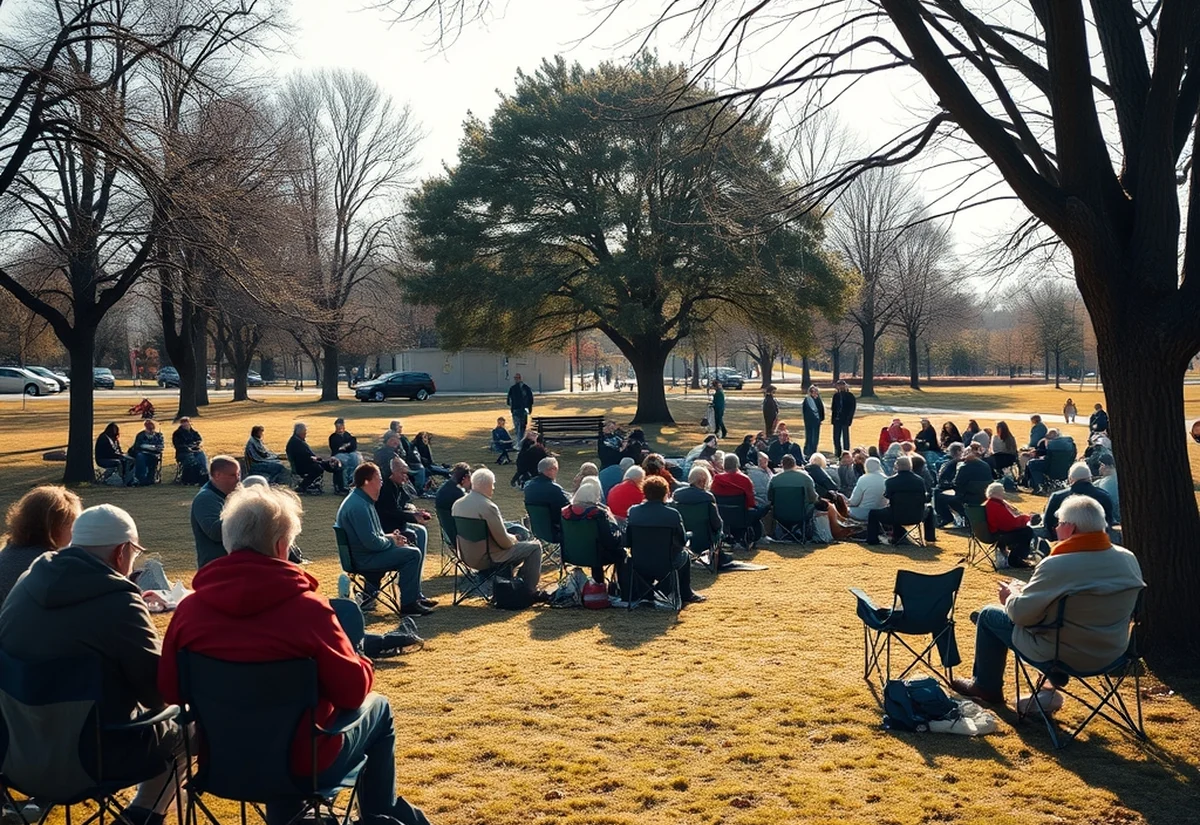
National NAIDOC Awards Ceremony
The premiere event of National NAIDOC Week is the National NAIDOC Awards Ceremony, which showcases Aboriginal and Torres Strait Islander excellence across around ten categories, including Person of the Year, Lifetime Achievement, Sportsperson of the Year, Artist of the Year, and separate Female Elder and Male Elder awards. A different focus city hosts the ceremony each year, and nominations for the Awards open to the public well ahead of the event.
National NAIDOC Poster Competition
The National NAIDOC Poster Competition dates back to 1967, when the committee first began producing posters, and has become an iconic part of the week. Aboriginal and Torres Strait Islander artists aged 18 and over submit original artwork reflecting that year’s theme, and winning designs have gone on to be exhibited by institutions such as the National Museum of Australia and wrapped around public transport vehicles in several states.
Local events, grants and community celebrations
Most of what happens during NAIDOC Week actually takes place at the local level rather than nationally: community festivals, family days, flag-raising ceremonies, exhibitions, school assemblies, university events and workplace acknowledgements are held in cities, suburbs and regional towns right across Australia. The Australian Government funds many of these through NAIDOC Local Grants, which support community organisations, schools and regional groups to run their own events. Wherever you live in Australia, there is very likely a NAIDOC Week event happening somewhere nearby.
How to get involved respectfully as a newcomer
NAIDOC Week is genuinely open to everyone, and Aboriginal and Torres Strait Islander communities generally welcome broad participation and interest – the National NAIDOC Committee itself describes the week as “an opportunity for all Australians to learn about First Nations cultures and histories”. A few practical, respectful ways to take part if you are new to Australia:
- Attend a local event. Councils, universities, libraries, museums and community organisations run free public NAIDOC Week events – flag-raising ceremonies, exhibitions, markets, talks and family days. Check your local council’s website or your university’s events calendar in the lead-up to the week.
- Go in as a learner, not a performer. The most respectful approach is simply to attend, listen and learn – there is no expectation that non-Indigenous attendees participate in cultural practices such as dance or ceremony unless directly and explicitly invited to.
- Support Aboriginal and Torres Strait Islander artists and businesses. NAIDOC Week is a good time to buy directly from Aboriginal and Torres Strait Islander-owned art centres, businesses and creators rather than from unrelated retailers selling imitation “Aboriginal-style” products.
- Expect an Acknowledgement or Welcome to Country. Many NAIDOC events, like many official Australian events generally, open with an Acknowledgement of Country (a respectful statement recognising the Traditional Owners of the land) or a Welcome to Country (delivered by a Traditional Owner or Elder). Standing respectfully and listening is the appropriate response.
- Follow your workplace or institution’s lead. If your employer or university runs its own NAIDOC Week event or acknowledgement, attending is a straightforward, low-pressure way to take part.
Related public holidays and observances
NAIDOC Week’s roots are closely tied to the history of 26 January – see our Australia Day guide for the full story of the 1938 Day of Mourning that NAIDOC Week grew out of. For the full list of 2026 public holidays across every state and territory, see our Australian public holidays guide.
Frequently Asked Questions
You May Also Like

Christmas in Australia (2026): Traditions, Food, Weather and What to Expect

Mother’s Day Gifts Australia 2027: Gift Ideas for Mum by Budget and Interest