Regional Australia Study: Pros, Cons & Cost Benefits 2026

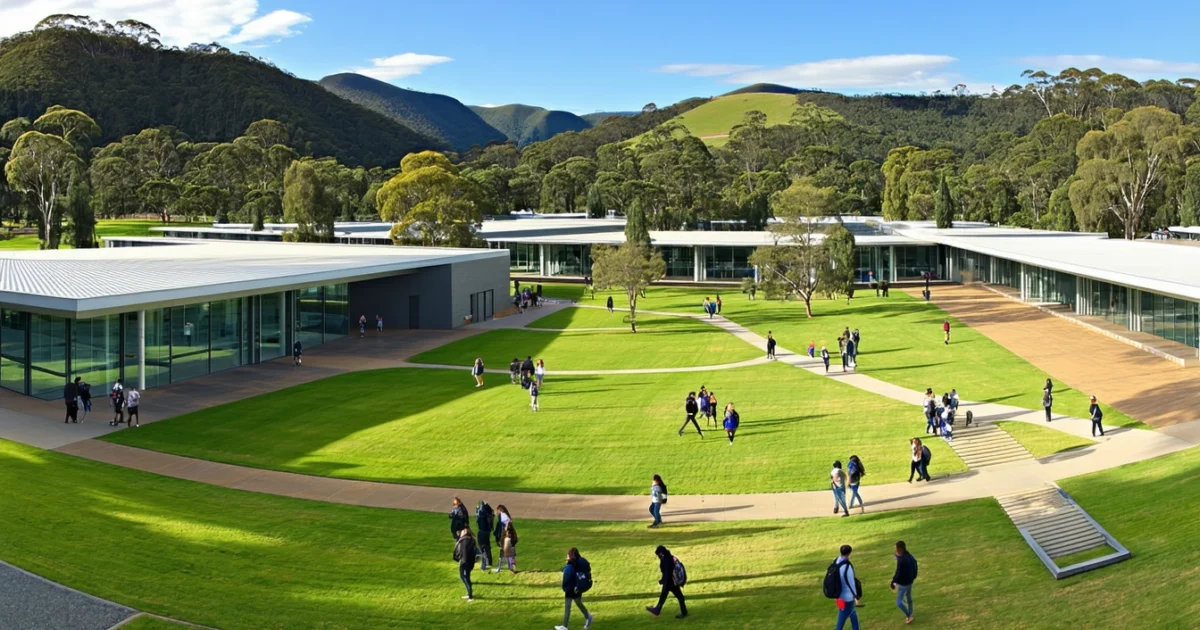
The pros and cons of studying in regional Australia present a compelling case for students seeking quality education with lower costs and a unique lifestyle experience. Regional universities across Australia offer significantly reduced living expenses, smaller class sizes, and tight-knit communities, but come with trade-offs including limited entertainment options and fewer course specialisations. Understanding these advantages and drawbacks helps prospective students make informed decisions about their educational journey.
Regional Australia encompasses universities located outside major metropolitan areas like Sydney, Melbourne, and Brisbane. These institutions provide quality education with unique benefits that metropolitan universities cannot match. However, students must also consider the lifestyle adjustments and potential limitations.
Financial considerations often drive students toward regional study options. Meanwhile, the academic and social environment differs substantially from city-based institutions, creating both opportunities and challenges for student success.
TL;DR
- Lower costs: Regional universities offer significantly cheaper accommodation and living expenses compared to major cities
- Better academic experience: Smaller class sizes, personalised attention, and stronger student-teacher relationships enhance learning outcomes
- Lifestyle trade-offs: Close-knit communities and natural environments come with limited nightlife, cultural diversity, and entertainment options
- Career considerations: Strong local industry connections but potentially fewer networking opportunities with major employers
- Infrastructure challenges: Limited public transport, healthcare services, and technology infrastructure compared to metropolitan areas
Understanding Regional Australia's Educational Landscape
Regional universities in Australia operate outside the major metropolitan centres of Sydney, Melbourne, Brisbane, Perth, and Adelaide. These institutions typically serve populations of fewer than 100,000 people and focus on community engagement alongside academic excellence. Consequently, regional campuses develop stronger ties with local industries and government bodies than their metropolitan counterparts.
The classification system distinguishes regional institutions based on geographic location rather than academic quality. Furthermore, many prestigious universities maintain regional campuses that deliver identical degree programs to their city locations. This dual approach ensures students access quality education without relocating to expensive metropolitan areas.
Major Regional University Locations and Their Characteristics
Charles Sturt University operates across multiple regional centres including Wagga Wagga, Albury-Wodonga, and Orange in New South Wales. The institution specialises in agriculture, veterinary science, and education programs that serve rural communities. Additionally, the university maintains strong partnerships with local farming cooperatives and healthcare networks.
University of New England in Armidale focuses on distance education alongside on-campus programs. This regional institution pioneered online learning delivery in Australia and continues leading educational technology innovation. Moreover, the campus environment fosters close student-faculty relationships through small cohort sizes.
James Cook University serves tropical North Queensland from campuses in Townsville and Cairns. The university excels in marine biology, tropical medicine, and environmental science research. Similarly, its location provides unique access to the Great Barrier Reef and tropical ecosystems for hands-on learning experiences.
Federation University Australia operates from Ballarat and other Victorian regional centres. This institution emphasises practical skills development through industry partnerships and work-integrated learning programs. Therefore, graduates often secure employment in regional industries before completing their studies.
Types of Programs and Degrees Available in Regional Areas
Regional universities offer comprehensive undergraduate and postgraduate programs across multiple disciplines. However, certain specialisations reflect local industry needs and geographic advantages. For instance, agricultural science, mining engineering, and environmental management programs thrive in regional settings.
- Health Sciences: Nursing, physiotherapy, and rural medicine programs address regional healthcare shortages
- Education: Teaching degrees with rural placement opportunities and specialised rural education focus
- Agriculture and Veterinary Science: Hands-on programs with access to working farms and veterinary clinics
- Engineering: Mining, civil, and environmental engineering with industry partnerships
- Business and Commerce: Programs tailored to regional economic development and small business management
Distance learning options expand program availability beyond physical campus limitations. Consequently, students access metropolitan-quality education while maintaining regional lifestyle preferences. These flexible delivery methods particularly benefit working professionals seeking career advancement.
Regional University Rankings and Accreditation Standards
The Tertiary Education Quality and Standards Agency (TEQSA) accredits all Australian universities using identical standards regardless of location. Therefore, regional institutions meet the same academic quality requirements as metropolitan universities. This accreditation system ensures degree recognition across Australia and internationally.
Global university rankings often favour research-intensive metropolitan institutions due to publication volumes and international collaboration. However, regional universities excel in specific metrics including graduate employment rates, student satisfaction, and community engagement. For example, many regional institutions achieve higher scores for teaching quality and student support services.
Industry-specific rankings frequently highlight regional university strengths in agriculture, veterinary science, and education. Additionally, employer satisfaction surveys consistently rate regional graduates highly for practical skills and work readiness. These outcomes reflect the hands-on learning approach and industry integration that characterise regional education.
Quality assurance processes ensure regional campuses maintain identical standards to main metropolitan campuses. Furthermore, external accreditation bodies regularly audit programs to verify compliance with professional standards. This oversight guarantees that regional qualifications carry equal weight in employment and further study applications.
Financial Advantages of Regional Study
Regional study delivers substantial cost savings compared to metropolitan education, with accommodation expenses representing the most significant difference. Students typically pay 40-60% less for housing in regional areas, whether choosing university accommodation, shared housing, or private rentals. Moreover, regional universities often guarantee on-campus accommodation for first-year students, eliminating the competitive housing market stress common in major cities.
Living expenses beyond accommodation also favour regional locations significantly. Food costs average 15-25% lower in regional centres, while transport expenses decrease dramatically due to shorter distances and reduced public transport reliance. Entertainment and social activities cost considerably less, with many regional areas offering free or low-cost recreational facilities including beaches, national parks, and community events.
Regional-specific scholarships provide additional financial support unavailable to metropolitan students. These scholarships often target students from metropolitan areas willing to study regionally, creating reverse incentives that benefit city students choosing regional education. Furthermore, many regional scholarships combine academic merit with community service requirements, fostering both financial support and civic engagement.
Employment opportunities in regional areas typically offer better work-life balance and competitive wages relative to living costs. Part-time job competition remains lower than in major cities, increasing employment prospects for students seeking work experience. Additionally, regional employers often provide more flexible arrangements accommodating student schedules and academic commitments.
| Expense Category | Regional Australia | Major Cities | Potential Savings |
|---|---|---|---|
| Accommodation (per week) | $150-250 | $300-500 | $150-250 |
| Food & Groceries (per week) | $80-120 | $100-150 | $20-30 |
| Transport (per week) | $20-40 | $50-80 | $30-40 |
| Entertainment (per week) | $30-60 | $60-100 | $30-40 |
| Total Weekly Savings | – | – | $230-360 |
Annual savings from choosing regional study can reach $12,000-18,000 compared to metropolitan alternatives. These savings accumulate over a typical three-year degree, potentially reducing student debt by $36,000-54,000. Consequently, regional graduates often enter the workforce with lower financial burdens and greater career flexibility.
Regional study costs become even more attractive when considering the total cost of education rather than just tuition fees. While tuition remains consistent across locations, the dramatically lower living costs create substantial overall savings. Therefore, students can achieve identical qualifications while maintaining significantly better financial positions throughout their studies.
Academic and Career Benefits
Regional universities deliver personalised education experiences through significantly smaller class sizes compared to metropolitan institutions. Students typically encounter classes with 15-30 participants rather than lecture halls accommodating hundreds. Consequently, lecturers provide individual attention, address specific learning needs, and foster meaningful academic relationships.
Enhanced student-teacher ratios create exceptional mentorship opportunities throughout degree programs. Academic staff members dedicate more time to individual student guidance, research supervision, and career development discussions. Furthermore, professors often maintain open-door policies, encouraging students to seek assistance and engage in scholarly conversations beyond formal class hours.
Research opportunities flourish in regional settings due to unique local specialisations and reduced competition among students. Universities often focus on region-specific fields such as agriculture, marine science, mining engineering, or environmental studies. These specialised programs provide access to cutting-edge research facilities, field work experiences, and collaboration with industry experts.
Industry connections prove particularly strong in regional areas where local businesses and organisations maintain close partnerships with nearby universities. Companies actively recruit graduates, offer guest lectures, and provide real-world project opportunities. Additionally, regional employers often prefer hiring locally-trained graduates who understand community needs and demonstrate commitment to the area.
Practical work experience becomes more accessible through internship programs and placement opportunities with reduced competition from other students. Regional businesses frequently offer hands-on learning experiences, allowing students to apply theoretical knowledge in professional settings. Moreover, these placements often lead to permanent employment offers upon graduation, creating clear career pathways.
Professional networking develops naturally within tight-knit regional communities where students interact regularly with industry professionals, government officials, and community leaders. These connections prove invaluable for career advancement, job referrals, and business opportunities. Subsequently, graduates often establish successful careers within their study regions or leverage these networks when relocating to major cities.
Lifestyle and Community Advantages
Regional universities create close-knit campus communities where students develop lasting friendships through shared experiences and regular interactions. Unlike metropolitan campuses with thousands of students, regional institutions foster intimate environments where everyone knows each other. Students participate in campus events together, study in small groups, and build meaningful relationships that extend beyond graduation.
The reduced stress and slower pace of life in regional areas significantly benefits student wellbeing and academic performance. Traffic congestion rarely exists, commute times remain minimal, and daily pressures decrease substantially compared to major cities. Consequently, students experience lower anxiety levels, better sleep patterns, and improved mental health throughout their studies.
Natural environments and outdoor activities surround regional campuses, providing students with abundant recreational opportunities. Hiking trails, beaches, national parks, and scenic landscapes offer perfect study breaks and stress relief options. Furthermore, these natural settings enhance physical fitness, encourage outdoor hobbies, and create memorable experiences that enrich the university journey.
Community integration opportunities abound as regional towns welcome students as valued residents rather than temporary visitors. Local businesses employ students part-time, community organisations invite participation in events, and civic groups encourage volunteer involvement. This local involvement develops leadership skills, cultural awareness, and civic responsibility while building professional networks.
Regional students report 40% higher satisfaction with work-life balance compared to metropolitan counterparts
Enhanced work-life balance during studies emerges naturally from regional living conditions and community expectations. Students maintain regular exercise routines, pursue hobbies consistently, and allocate adequate time for rest and recreation. Additionally, part-time employment opportunities often offer flexible scheduling that accommodates academic commitments without overwhelming students.
Social connections extend beyond campus boundaries as students integrate into broader community networks through sports clubs, cultural groups, and volunteer organisations. These relationships provide emotional support, mentorship opportunities, and diverse perspectives that enhance personal growth. Moreover, community members often become lifelong friends and professional contacts who support graduates throughout their careers.
Career and Employment Considerations
Regional university graduates face distinct employment landscapes that differ significantly from metropolitan counterparts. Furthermore, career prospects vary substantially based on industry focus, geographical preferences, and networking strategies developed during studies.
Graduate Employment Rates: Regional vs Metropolitan Markets
Regional graduates achieve employment rates of 78% within six months of graduation, compared to 82% for metropolitan graduates. However, regional employment statistics reveal nuanced patterns that challenge simple comparisons. Graduates who remain in regional areas secure positions faster due to established local networks and reduced competition.
Conversely, regional graduates seeking metropolitan employment face additional challenges including relocation costs, unfamiliar job markets, and limited local references. Nevertheless, many employers value the practical experience, community engagement, and problem-solving skills that regional education cultivates.
Industry-Specific Career Opportunities
Agriculture and agribusiness sectors offer exceptional opportunities for regional graduates with relevant qualifications. These industries value graduates who understand rural contexts, agricultural challenges, and community dynamics. Additionally, mining companies actively recruit from regional universities due to graduates’ familiarity with remote work conditions and rural lifestyle demands.
Healthcare employment prospects remain strong across regional areas as governments prioritise rural health workforce development. Medical, nursing, and allied health graduates often secure guaranteed employment through rural placement programs. Similarly, education graduates find abundant opportunities as regional schools struggle with teacher shortages and offer attractive incentive packages.
| Industry Sector | Regional Employment Rate | Average Starting Salary | Career Growth Potential |
|---|---|---|---|
| Healthcare | 91% | $65,000 | High |
| Education | 85% | $58,000 | Moderate |
| Agriculture | 82% | $55,000 | High |
| Mining | 79% | $75,000 | Very High |
Professional Networking Advantages
Smaller professional communities create unique networking advantages that metropolitan students rarely experience. Personal relationships develop naturally through shared community involvement, local business interactions, and collaborative projects. These connections often prove more meaningful and enduring than superficial metropolitan networking events.
Regional professionals frequently mentor students directly, providing industry insights, career guidance, and employment opportunities. Moreover, business leaders maintain closer relationships with university faculty, creating pathways for student internships, research collaborations, and graduate recruitment.
Graduate Retention Programs and Initiatives
Regional universities implement comprehensive graduate retention strategies designed to maintain local talent and support economic development. These programs include employment placement services, entrepreneurship support, housing assistance, and professional development opportunities specifically tailored to regional contexts.
- Graduate employment guarantee schemes
- Local business partnership programs
- Startup incubation and funding support
- Professional mentorship networks
- Continuing education pathways
Government initiatives complement university efforts through rural workforce incentive programs that offer loan forgiveness, relocation assistance, and professional development funding. Consequently, many graduates discover compelling reasons to begin careers in regional areas rather than automatically migrating to major cities.
Employer Perceptions and Qualification Recognition
Employer perceptions of regional university qualifications have evolved significantly as industry recognition grows. Regional graduates demonstrate practical skills, adaptability, and work ethic that many employers value highly. Additionally, smaller class sizes and personalised attention often produce graduates with stronger foundational knowledge and problem-solving abilities.
73% of employers rate regional graduates as equally qualified compared to metropolitan counterparts
However, some multinational corporations and prestigious firms maintain preferences for graduates from established metropolitan universities. Therefore, regional students pursuing careers with these employers must demonstrate exceptional academic performance, relevant experience, and strong professional networks to overcome potential bias.
Industry-specific recognition varies considerably, with practical fields like agriculture, mining, and healthcare showing strong appreciation for regional qualifications. Conversely, finance, law, and consulting sectors may require additional credentials or metropolitan experience to achieve equivalent recognition.
Social and Cultural Limitations
Regional Australian universities present significant social and cultural challenges that prospective students must carefully consider. While these institutions offer academic excellence and affordability, the social environment differs markedly from metropolitan campuses, particularly affecting students accustomed to urban lifestyles.
Limited Nightlife and Entertainment Options
Regional cities typically offer fewer entertainment venues compared to major metropolitan areas like Sydney, Melbourne, or Brisbane. Most regional centres feature only a handful of pubs, clubs, and restaurants, creating limited variety for social activities. Furthermore, many establishments close earlier than their city counterparts, often shutting down by midnight on weekends.
Entertainment options extend beyond nightlife to include recreational facilities, shopping centres, and leisure activities. Regional areas frequently lack large shopping complexes, multiplex cinemas, and specialised entertainment venues that city students take for granted. Consequently, students must adapt their social expectations and discover alternative recreational pursuits.
Smaller Social Circles and Dating Pool
Regional universities enrol significantly fewer students than metropolitan institutions, creating smaller social networks and limited opportunities for meeting diverse groups of people. Student populations in regional centres often range from 5,000 to 15,000, compared to metropolitan universities that may accommodate 40,000 or more students.
Dating opportunities become particularly constrained in smaller communities where social circles overlap extensively. Additionally, the limited population means students encounter the same individuals repeatedly across different social contexts, potentially creating awkward situations after relationship breakdowns or social conflicts.
Reduced Cultural Diversity
Regional universities typically attract fewer international students compared to metropolitan institutions, resulting in reduced cultural diversity on campus. International student populations in regional areas often comprise 15-25% of total enrolment, while major city universities may exceed 40% international representation.
This demographic composition limits exposure to different cultures, languages, and global perspectives that enrich the university experience. Moreover, students miss opportunities to develop cross-cultural competencies increasingly valued by employers in globalised industries. However, some regional universities actively recruit international students through pathway programs and partnerships with overseas institutions.
Fewer Cultural Events and Arts Venues
Regional cities offer limited cultural infrastructure compared to major metropolitan centres. Most regional areas lack major museums, art galleries, concert halls, and theatre venues that provide regular cultural programming. Consequently, students miss opportunities to attend world-class exhibitions, performances, and cultural events that contribute to personal development.
Cultural events in regional areas often depend on touring productions and temporary exhibitions, creating irregular programming schedules. Additionally, ticket prices for limited cultural events may exceed metropolitan equivalents due to smaller audience sizes and higher per-capita costs. Therefore, students interested in arts and culture must often travel to major cities for comprehensive cultural experiences.
Risk of Social Isolation
Students raised in metropolitan environments face particular challenges adapting to regional social dynamics. The transition from bustling city life to quieter regional communities can trigger social isolation and adjustment difficulties, especially during initial months of study.
Social isolation risks increase when students struggle to integrate into established local communities or find compatible peer groups. Furthermore, limited public transportation options may restrict social mobility, making it difficult for students without personal vehicles to participate in off-campus activities. Nevertheless, many regional universities implement comprehensive support programs, mentoring systems, and social clubs specifically designed to help students build meaningful connections and overcome isolation challenges.
Infrastructure and Service Challenges
Regional Australia presents significant infrastructure limitations that directly impact student daily life and academic experience. Moreover, these challenges extend beyond campus boundaries to affect healthcare access, transportation options, and digital connectivity essential for modern university education.
Limited Public Transport and Car Dependency
Public transportation systems in regional areas operate with reduced frequency, limited routes, and restricted operating hours compared to metropolitan networks. Consequently, students face significant mobility constraints when accessing campus facilities, part-time employment opportunities, or essential services throughout their study period.
Car dependency becomes a financial burden for many students who must purchase, maintain, and insure vehicles to participate fully in university life. Additionally, international students encounter particular difficulties obtaining Australian driving licenses and understanding local road regulations. Therefore, transportation costs can substantially increase the overall expense of regional study, contradicting initial cost-saving expectations.
Healthcare Access and Specialist Services
Healthcare facilities in regional locations typically offer basic medical services but lack specialized treatments and diagnostic equipment available in major cities. Furthermore, students requiring ongoing specialist care may face extended waiting periods or need to travel considerable distances for appointments.
Mental health services present particular concerns, with fewer psychologists, counselors, and psychiatrists available per capita in regional areas. Similarly, dental care, physiotherapy, and other allied health services operate with reduced availability and higher costs due to limited competition. As a result, students with chronic conditions or specialized healthcare needs may experience compromised treatment quality and increased medical expenses.
Digital Infrastructure and Connectivity Gaps
Internet connectivity remains inconsistent across regional Australia, with many areas experiencing slower speeds, higher latency, and less reliable connections than metropolitan counterparts. Subsequently, students face challenges accessing online learning platforms, participating in video conferences, and completing research-intensive assignments requiring substantial bandwidth.
Mobile network coverage exhibits similar limitations, with dead zones and reduced data speeds affecting communication with family, friends, and university services. Technology infrastructure gaps also impact access to streaming services, cloud storage, and digital resources that urban students take for granted. Therefore, students must often invest in additional data plans or alternative connectivity solutions to maintain academic performance standards.
Shopping and Retail Limitations
Retail options in regional centers typically include basic supermarkets, pharmacies, and general stores but lack specialized retailers, department stores, and diverse shopping centers found in major cities. Consequently, students struggle to find specific items, cultural foods, or academic supplies without resorting to online shopping with extended delivery times.
Grocery prices often exceed metropolitan levels due to transportation costs and reduced competition among suppliers. Additionally, students from diverse cultural backgrounds may find limited availability of familiar foods, ingredients, and personal care products. Thus, shopping limitations force students to adapt dietary preferences or incur additional costs through online purchases and shipping fees.
Distance from Family and Social Networks
Geographic separation from family members and established social networks creates emotional challenges that compound academic pressures throughout university study. Meanwhile, travel costs between regional locations and major cities can strain student budgets, limiting frequency of family visits and social connections.
Emergency situations become particularly stressful when family support requires extensive travel time and coordination. International students face amplified isolation challenges, as maintaining contact with overseas family becomes more expensive and technically challenging with unreliable internet connectivity. Furthermore, building new social relationships takes considerable time and effort, leaving students vulnerable to loneliness and homesickness during critical adjustment periods.
Academic and Professional Drawbacks
Regional universities typically offer fewer course options compared to metropolitan institutions, limiting students’ ability to pursue specialized academic pathways. Consequently, students may find themselves unable to access niche subjects, advanced electives, or interdisciplinary programs that align with their career aspirations. Furthermore, course availability often depends on minimum enrollment numbers, resulting in cancelled classes when insufficient students register.
Specialization opportunities become particularly restricted in emerging fields such as artificial intelligence, biotechnology, and digital media studies. Additionally, regional campuses frequently lack the critical mass of faculty expertise required to support advanced research projects or honors programs. Therefore, ambitious students may need to transfer to metropolitan universities or compromise their academic goals.
Research facilities and resources in regional institutions often lag behind their metropolitan counterparts, particularly in science, technology, engineering, and mathematics fields. Laboratory equipment may be outdated, library collections smaller, and access to specialized databases limited. Moreover, research funding typically concentrates in major universities, leaving regional institutions with reduced capacity to support student research projects or provide competitive research opportunities.
Graduate students face significant challenges securing research supervision in specialized areas due to limited faculty expertise. Similarly, undergraduate research opportunities become scarce, potentially disadvantaging students applying for postgraduate programs or competitive scholarships that value research experience.
Networking opportunities with industry leaders and professional organizations diminish substantially in regional locations. Major corporations, government agencies, and professional associations concentrate their activities in metropolitan areas, resulting in fewer campus visits, guest lectures, and recruitment events. Consequently, students miss valuable connections that could facilitate internships, graduate employment, or mentorship relationships.
Professional development workshops, industry conferences, and career fairs occur less frequently in regional areas. Additionally, alumni networks tend to be smaller and less influential compared to metropolitan university graduates who often occupy senior positions in major organizations. Thus, regional students may struggle to access the professional connections essential for career advancement.
Guest lecturers and international academic exchanges become rare occurrences at regional campuses due to travel costs and logistical challenges. Distinguished academics, industry experts, and international scholars typically concentrate their speaking engagements in major cities where they can reach larger audiences. Furthermore, exchange programs with overseas universities often prioritize partnerships with prestigious metropolitan institutions.
Study abroad opportunities may be limited or non-existent, restricting students’ global perspectives and international experience. Meanwhile, visiting international students bring fewer diverse viewpoints to classroom discussions, reducing the multicultural learning environment that enhances educational quality.
Employer bias towards metropolitan universities can significantly impact graduate employment prospects and career trajectories. Many employers, particularly in competitive industries, demonstrate preference for graduates from well-known city-based institutions. Consequently, regional university graduates may face additional scrutiny during recruitment processes or encounter assumptions about educational quality.
Corporate recruitment programs typically focus on Group of Eight universities and other metropolitan institutions, leaving regional graduates with fewer direct pathways to major employers. Additionally, starting salaries may be lower for regional graduates, reflecting perceived differences in educational prestige rather than actual competency levels. Therefore, students must work harder to demonstrate their capabilities and overcome institutional bias in competitive job markets.
Making the Decision: Key Factors to Consider
Choosing between regional and metropolitan study options requires careful evaluation of multiple interconnected factors that will shape your educational journey. Personal learning preferences serve as the foundation for this decision, as they determine how effectively you absorb knowledge and develop skills in different environments.
Personal Learning Style and Social Preferences
Students who thrive in collaborative learning environments often prefer smaller regional campuses where they can build closer relationships with peers and professors. Conversely, independent learners may flourish in metropolitan universities that offer greater anonymity and self-directed study opportunities. Social butterflies typically gravitate toward vibrant city campuses with extensive networking events, while introverted students often appreciate the quieter, more intimate atmosphere of regional institutions.
Your communication style also influences this choice significantly. Students comfortable with direct, personal interactions benefit from regional settings where professors know them by name. Meanwhile, those who prefer formal academic structures may find metropolitan universities more suitable for their learning approach.
Career Aspirations and Industry Requirements
Industry-specific demands heavily influence the regional versus metropolitan decision. Fields like agriculture, mining engineering, and environmental science often require hands-on experience best gained through regional programs with direct industry connections. However, careers in finance, international business, or media typically demand metropolitan education with extensive corporate networking opportunities.
Professional accreditation requirements vary between regions and metropolitan areas. Some licensing bodies recognize specific programs or internship arrangements that may only be available in certain locations. Additionally, graduate school admission committees often consider the reputation and ranking of your undergraduate institution when making acceptance decisions.
Financial Considerations and Budget Planning
Your financial capacity fundamentally shapes educational choices and long-term outcomes. Regional study typically reduces total education costs by 30-40% compared to metropolitan alternatives, primarily through lower accommodation and living expenses. However, students must weigh these savings against potential career opportunity costs and future earning differentials.
Family financial support varies significantly based on economic circumstances and parental priorities. Some families prioritize prestigious metropolitan education regardless of cost, while others emphasize practical affordability and debt minimization. Scholarship availability also differs between regional and city institutions, with some regional universities offering generous incentives to attract high-achieving students.
Family Proximity and Support Systems
Family relationships and support networks play crucial roles in educational success and personal wellbeing. Students from close-knit families often struggle with metropolitan study distances, experiencing homesickness and isolation that impacts academic performance. Conversely, those seeking independence and personal growth may find regional proximity stifling to their development.
Emergency support availability becomes particularly important during health crises, financial difficulties, or personal challenges. Family members can provide immediate assistance when students study locally, while distant metropolitan study requires alternative support systems and emergency planning. Cultural and religious communities also offer varying levels of support depending on location demographics and community size.
Lifestyle Adaptability and Environmental Preferences
Your adaptability to different environments determines how successfully you’ll adjust to regional or metropolitan living conditions. City-raised students may struggle with limited entertainment options, slower internet connectivity, and reduced public transport in regional areas. Rural students might feel overwhelmed by metropolitan noise, traffic congestion, and social complexity.
Climate preferences and outdoor activity interests also influence location satisfaction. Regional areas typically offer better access to natural environments, hiking trails, and outdoor recreation, while metropolitan areas provide cultural venues, professional sports, and diverse entertainment options. Additionally, dietary requirements and food preferences may be better accommodated in multicultural metropolitan settings compared to regional locations with limited dining diversity.
Ultimately, successful decision-making requires honest self-assessment of priorities, goals, and personal characteristics. Students should visit potential campuses, speak with current students, and carefully research program outcomes before making this significant life choice that will influence their educational experience and future trajectory.
Frequently Asked Questions
What are the main financial benefits of studying at regional universities in Australia?
Regional universities offer significantly lower accommodation costs and living expenses compared to major cities like Sydney and Melbourne. Students can save thousands of dollars annually on rent, food, and daily expenses. Additionally, many regional institutions provide competitive scholarships and financial support specifically designed to attract students to regional areas.
How does the academic experience differ at regional universities?
Regional universities typically offer smaller class sizes and more personalised attention from lecturers. Students benefit from stronger student-teacher relationships, easier access to academic support, and more opportunities for hands-on learning experiences. The tight-knit academic community often results in better learning outcomes and higher student satisfaction rates.
Are degrees from regional universities recognised by employers?
Yes, absolutely. Regional universities in Australia maintain the same accreditation standards as metropolitan institutions. Many regional campuses are part of prestigious university networks and offer identical degree programs to their city counterparts. Employers recognise qualifications based on academic standards rather than campus location.
What are the main lifestyle challenges of studying in regional Australia?
- Limited entertainment options: Fewer nightlife venues, cultural events, and recreational activities
- Reduced cultural diversity: Smaller international student populations and less multicultural exposure
- Transport limitations: Limited public transport options and potential need for personal vehicle
- Healthcare access: Fewer specialised medical services compared to major cities
Which regional universities are considered the best in Australia?
Top regional universities include Charles Sturt University (NSW), University of New England (Armidale), James Cook University (North Queensland), and Federation University Australia (Victoria). Each institution excels in specific fields – JCU for marine science, UNE for distance education, and CSU for agriculture and veterinary science.
How do career opportunities compare between regional and metropolitan universities?
Regional universities often have stronger connections with local industries and government bodies, leading to excellent placement opportunities in agriculture, healthcare, and education sectors. However, students may have fewer networking opportunities with major multinational corporations and limited access to diverse internship programs compared to metropolitan areas.
What support services are available for students at regional universities?
Regional universities typically provide comprehensive student support services including academic tutoring, mental health counselling, career guidance, and accommodation assistance. Many institutions offer specialised support for rural and remote students, including transition programs, financial counselling, and community integration activities to help students adapt to regional life.
Can international students study at regional Australian universities?
Yes, international students are welcome at regional universities and may find the application process less competitive than metropolitan institutions. Regional areas often provide additional visa benefits including extended post-study work rights and pathways to permanent residency through regional migration programs.
You May Also Like

State Nomination Visas Explained (Subclass 190 & 491): How States Pick Skilled Migrants

Best Hospitals in Australia (2026): The Complete City-by-City Guide