Student Guide to Op Shops Australia: Clothes, Furniture & Gems

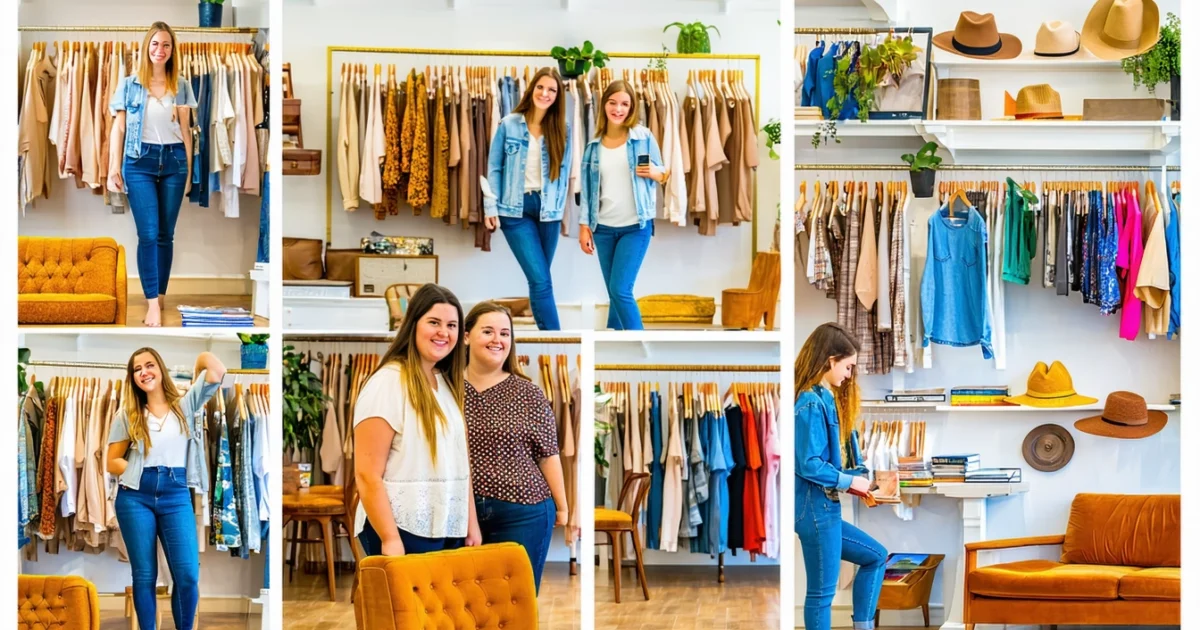
This student guide to op shops in Australia reveals how to find quality clothes, furniture and hidden gems at opportunity shops across the country. Op shops offer students incredible savings of 70-90% compared to retail stores while supporting local charities like Vinnies, Salvos, Lifeline and Red Cross. Moreover, second-hand shopping helps students build sustainable wardrobes and furnish their accommodation on tight budgets.
Australian students can discover everything from professional interview attire to study furniture, textbooks, and vintage designer pieces. Furthermore, op shopping supports environmental sustainability by reducing textile waste and promoting circular consumption. Each purchase directly funds community programs and charitable initiatives across Australia.
This comprehensive guide covers shopping strategies, state-by-state recommendations, and budget maximization techniques. Additionally, you’ll learn about online op shop platforms and how to spot quality items quickly during your thrifting adventures.
TL;DR
- Save 70-90% on clothes, furniture and essentials at Australian op shops like Vinnies, Salvos and Lifeline
- Shop weekday mornings for best selection and build relationships with staff for insider tips
- Focus on wardrobe staples, professional attire and quality furniture pieces for student accommodation
- Support local charities and environmental sustainability while furnishing your student lifestyle affordably
What Are Op Shops and Why They're Perfect for Students
Opportunity shops, commonly called op shops, are second-hand retail stores operated by charitable organizations across Australia. These shops sell donated goods including clothing, furniture, books, and household items to raise funds for their parent charity’s community programs. Furthermore, op shops provide affordable shopping alternatives while diverting usable items from landfills.
The term “opportunity shop” originated because these stores offer opportunities for both shoppers and charities. Additionally, they create employment opportunities for disadvantaged community members while generating revenue for social services.
Major Australian Op Shop Chains
Vinnies (St Vincent de Paul Society) operates Australia’s largest op shop network with over 600 stores nationwide. Their shops support homelessness services, youth programs, and disaster relief initiatives. Meanwhile, Salvos (Salvation Army) runs approximately 400 stores funding addiction recovery, aged care, and family support services.
Lifeline operates over 300 op shops across Australia, with proceeds directly supporting their 24-hour crisis helpline and suicide prevention programs. Similarly, Red Cross shops fund humanitarian aid, emergency response, and community health initiatives through their retail operations.
Other notable chains include Anglicare, Brotherhood of St Laurence, and numerous independent charity shops. Each organization channels op shop profits into their specific charitable missions and community programs.
Massive Cost Savings for Students
Op shops typically offer 70-90% savings compared to retail prices
Students can purchase quality clothing items for $3-15 compared to retail prices of $30-150. For example, a business shirt costing $80 at department stores typically sells for $8-12 at op shops. Moreover, furniture pieces like study desks retail for $200-500 but cost only $20-50 second-hand.
Textbooks represent another significant saving opportunity, with op shops selling academic books for $2-10 versus $50-200 new. Additionally, kitchen essentials, bedding, and electronics frequently appear at fraction of original prices, helping students furnish accommodation affordably.
Environmental Benefits of Second-Hand Shopping
Op shopping significantly reduces environmental impact by extending product lifecycles and preventing waste. The fashion industry produces 92 million tonnes of textile waste annually, making second-hand purchases crucial for sustainability. Furthermore, buying pre-owned items reduces demand for new manufacturing and associated carbon emissions.
Each op shop purchase diverts usable goods from landfills while reducing resource consumption. Additionally, the circular economy model promoted by op shops aligns with growing environmental consciousness among Australian students. This sustainable shopping approach helps build eco-friendly lifestyles during formative university years.
Supporting Local Communities Through Purchases
Every op shop purchase directly funds local community programs and charitable initiatives. Vinnies uses proceeds to provide emergency accommodation, food assistance, and financial counseling services. Similarly, Salvos funds drug rehabilitation programs, youth mentoring, and aged care facilities across Australia.
Students can track their community impact through op shop purchases, knowing each dollar supports vulnerable Australians. Moreover, many op shops employ people facing employment barriers, creating inclusive workplaces while building retail skills. This social enterprise model transforms simple shopping trips into meaningful community contributions.
Local op shops often support region-specific initiatives, making student purchases particularly impactful for their immediate communities. Additionally, volunteering opportunities at op shops provide students with work experience while supporting charitable missions firsthand.
Essential Op Shop Shopping Strategies for Students
Successful op shop shopping requires strategic timing and systematic approaches to maximize value while minimizing time investment. Smart students develop efficient shopping routines that consistently yield quality finds at budget-friendly prices.
Optimal Shopping Times and Days
Weekday mornings between 9am-11am offer the best selection before popular items disappear. Most op shops receive fresh donations overnight, creating prime hunting opportunities for early shoppers. Additionally, weekday shopping avoids weekend crowds that compete for quality pieces.
Donation drop-off days typically occur on Mondays and Tuesdays when people clear out weekend organizing projects. Furthermore, many op shops process new stock during these periods, restocking shelves with recently donated items. Consequently, Tuesday and Wednesday mornings frequently yield the freshest inventory selections.
End-of-month shopping coincides with rental turnover periods when tenants donate furniture and household items. Similarly, post-holiday periods generate increased donations as people declutter gift-receiving spaces. These seasonal patterns create predictable opportunities for finding specific item categories.
Quick Quality Assessment Techniques
Experienced op shoppers develop rapid quality identification skills to efficiently scan large inventories. Visual inspection techniques focus on fabric quality, construction details, and brand recognition to quickly separate premium items from lower-quality pieces.
Natural fiber clothing typically offers superior longevity compared to synthetic blends, making wool, cotton, and linen pieces worthwhile investments. Moreover, examining seam construction reveals manufacturing quality, with reinforced stitching indicating durable garments. Brand labels provide immediate quality indicators, though lesser-known quality manufacturers often hide among generic labels.
Furniture assessment requires checking structural integrity through gentle testing of joints, drawers, and moving parts. Additionally, solid wood construction generally outlasts particle board alternatives, making timber pieces valuable long-term purchases for student accommodations.
Comprehensive Inspection Checklist
Systematic inspection prevents costly mistakes and ensures purchases meet quality standards for extended use. Clothing inspection begins with checking for stains, holes, missing buttons, and broken zippers that might require expensive repairs.
- Examine armpit areas for deodorant stains and fabric wear
- Check hemlines for alterations and original length potential
- Test zipper functionality and button security
- Inspect collar and cuff areas for excessive wear patterns
- Verify care label instructions match lifestyle requirements
Furniture inspection requires more thorough evaluation due to higher price points and transportation challenges. Structural soundness takes priority over cosmetic imperfections that students can easily address through cleaning or minor repairs.
- Test all drawers, doors, and moving mechanisms
- Check for pest damage, particularly in wooden items
- Assess upholstery condition and cleaning requirements
- Measure dimensions against intended space requirements
- Evaluate transportation logistics and assembly needs
Effective Negotiation and Haggling Approaches
Strategic negotiation can reduce op shop prices, particularly for higher-value items or multiple purchases. However, appropriate haggling timing respects charitable missions while achieving reasonable discounts for student budgets.
Bundle negotiations work effectively when purchasing multiple items, as staff appreciate larger transactions that clear inventory space. Additionally, pointing out minor flaws or repair needs provides legitimate grounds for price discussions without undermining charitable purposes.
End-of-day shopping sometimes yields negotiation opportunities as staff prefer selling items rather than restocking them. Similarly, seasonal clearances create natural discount periods when op shops reduce prices to move older inventory. Nevertheless, maintaining respectful attitudes ensures positive interactions regardless of negotiation outcomes.
Building Strategic Staff Relationships
Regular customers receive preferential treatment from op shop staff who remember shopping preferences and budget constraints. Friendly interactions create rapport that leads to insider information about incoming donations and special sales events.
Volunteering occasionally builds deeper relationships while supporting charitable missions through direct service contribution. Furthermore, volunteer experience provides behind-the-scenes knowledge about inventory management, pricing decisions, and donation processing schedules.
Staff members often hold back exceptional items for regular customers who appreciate quality pieces, creating unofficial reservation systems for valued shoppers. Additionally, building these relationships during school holidays when shopping frequency increases helps establish recognition patterns that benefit future visits.
Expressing genuine interest in op shop missions and community impact resonates with staff who chose charitable retail work for meaningful reasons. Consequently, students who demonstrate appreciation for social enterprise values often receive enhanced service and shopping guidance from experienced team members.
Student Clothing Essentials: What to Hunt For
Strategic students prioritise wardrobe staples that deliver exceptional value across multiple occasions and seasons. Therefore, focusing on versatile pieces maximises limited budgets while building comprehensive clothing collections that transition seamlessly from campus to career opportunities.
Investment-Quality Wardrobe Staples
Blazers represent the ultimate versatile investment, transforming casual outfits into professional ensembles instantly. Moreover, quality blazers from established brands retain their structure and appearance through years of wear, making them worthwhile op shop discoveries even at higher price points.
Wool coats and trench coats provide essential outer layer protection while elevating overall appearance sophistication. Additionally, these classic styles remain fashionable across decades, ensuring long-term wardrobe relevance that justifies initial investment costs.
Premium denim jeans from brands like Levi’s, Wrangler, or designer labels offer superior construction and fit compared to fast fashion alternatives. Furthermore, quality denim improves with age and washing, developing unique character that reflects personal style evolution.
Professional Attire for Career Success
Students preparing for internships and job interviews require professional clothing that projects competence and attention to detail. Consequently, op shops provide affordable access to business attire that might otherwise strain student budgets significantly.
- Dress shirts in white, light blue, and subtle patterns
- Tailored trousers in navy, charcoal, and black
- Professional dresses suitable for office environments
- Leather shoes in classic styles and neutral colours
- Conservative accessories including belts and watches
Business attire requires careful inspection for stains, wear patterns, and structural integrity since professional settings demand impeccable presentation standards. However, minor alterations can transform ill-fitting pieces into perfectly tailored garments that enhance confidence during important career interactions.
Seasonal Shopping Strategies
Seasonal clothing strategies maximise wardrobe efficiency while minimising storage challenges in cramped student accommodation. Therefore, shopping for opposite-season items during school holidays when prices drop creates significant savings opportunities.
Winter items appear abundantly during summer months when demand decreases, allowing students to secure quality sweaters, boots, and heavy jackets at reduced prices. Similarly, summer clothing becomes readily available during colder months when storage space motivates sellers to clear seasonal inventory quickly.
Storage solutions become critical for managing seasonal clothing collections in limited space environments. Vacuum storage bags compress bulky winter items effectively, while under-bed containers maximise unused space for out-of-season garments.
Designer and Vintage Treasure Hunting
Designer pieces occasionally surface in op shops when affluent donors clear wardrobes, creating extraordinary value opportunities for knowledgeable students. Additionally, recognising quality construction details helps identify valuable items regardless of brand recognition or label visibility.
Vintage clothing from the 1970s through 1990s experiences renewed popularity among younger demographics, making these pieces both fashionable and potentially valuable. Furthermore, authentic vintage items demonstrate superior construction quality compared to contemporary reproductions available in mainstream retail outlets.
Key indicators of quality garments include natural fiber content, hand-finished seams, genuine leather components, and substantial hardware details. Moreover, examining care labels reveals fabric composition and maintenance requirements that influence long-term ownership costs and satisfaction levels.
Sizing and Alteration Considerations
Sizing variations between brands and decades require flexible approaches to fit assessment beyond standard size labels. Therefore, trying on garments whenever possible prevents disappointing purchases that require expensive alterations or remain unwearable entirely.
Simple alteration possibilities include hemming trousers, taking in waistbands, and shortening sleeves on shirts and jackets. However, complex structural modifications like shoulder adjustments or significant size changes often cost more than the original garment purchase price.
Professional tailoring services transform promising pieces into perfect fits, but students should calculate total costs including alteration fees before committing to purchases. Alternatively, learning basic sewing skills enables simple modifications while building practical life skills that extend clothing lifespans significantly.
Furniture and Homeware Treasures for Student Living
Op shops across Australia stock essential furniture pieces that transform basic student accommodation into comfortable living spaces. Additionally, these second-hand stores offer significant savings compared to retail furniture prices, making them invaluable resources for budget-conscious students establishing their first independent homes.
Essential Furniture Pieces for Student Accommodation
Study desks represent the most crucial furniture investment for academic success, with op shops frequently stocking solid timber desks that outlast modern particle board alternatives. Furthermore, vintage office chairs provide ergonomic support during long study sessions while costing significantly less than contemporary equivalents.
Bedroom furniture essentials include single beds with mattresses, bedside tables, and wardrobes that maximize limited storage space. Moreover, many op shops receive donations from downsizing elderly residents, resulting in quality timber furniture pieces that demonstrate superior craftsmanship compared to flat-pack alternatives.
Living area furniture transforms shared spaces into welcoming environments for socializing and relaxation. Consequently, lounge suites, coffee tables, and bookshelves create functional zones within open-plan student accommodations while maintaining affordable budgets throughout university years.
Kitchen Items and Appliances Commonly Found
Op shop kitchen sections overflow with practical appliances that enable independent cooking and meal preparation. Specifically, rice cookers, slow cookers, and toasters appear regularly at fraction of retail prices, allowing students to prepare nutritious meals without expensive takeaway reliance.
Complete cookware sets including pots, pans, and utensils frequently arrive as donation bundles from households upgrading their kitchen equipment. Therefore, students can acquire comprehensive cooking tools through single purchases rather than accumulating items individually over extended periods.
- Small appliances: kettles, blenders, sandwich makers, microwaves
- Cookware essentials: saucepans, frying pans, baking trays, mixing bowls
- Dining items: plates, bowls, glasses, cutlery sets
- Storage solutions: food containers, spice racks, dish racks
Testing electrical appliances before purchase ensures safety and functionality, with most reputable op shops providing power points for demonstration purposes. Additionally, checking warranty periods and return policies protects against faulty purchases that could pose safety risks in student accommodations.
Study Furniture and Organization Solutions
Desk organization systems maximize productivity through dedicated storage for textbooks, stationery, and electronic devices. Furthermore, filing cabinets and desk drawers create structured environments that support academic achievement while maintaining tidy living spaces.
Bookshelves serve dual purposes as storage solutions and room dividers in shared accommodations, creating privacy zones within open-plan layouts. Similarly, study lamps provide focused lighting that reduces eye strain during evening study sessions while consuming minimal electricity.
Ergonomic considerations become increasingly important during extended study periods, making adjustable chairs and monitor stands worthwhile investments. Consequently, op shops offer vintage office furniture that provides superior support compared to budget alternatives available through discount retailers. For comprehensive homeware options, students can also explore ICON Homeware for designer pieces that complement second-hand finds.
Decorative Items to Personalize Student Spaces
Artwork and decorative accessories transform sterile student accommodations into personalized living environments that reflect individual tastes and cultural backgrounds. Moreover, vintage posters, framed prints, and ceramic ornaments create visual interest without requiring permanent modifications to rental properties.
Textile accessories including cushions, throws, and curtains introduce color and texture while providing practical comfort during study breaks. Additionally, plants and decorative planters improve air quality while creating calming environments that support mental wellbeing throughout demanding academic schedules.
Mirrors serve functional and aesthetic purposes by reflecting natural light and creating illusions of expanded space within compact accommodations. Furthermore, vintage mirrors often feature decorative frames that add character to otherwise plain walls without violating lease agreements regarding permanent fixtures.
Transportation and Delivery Considerations for Large Items
Large furniture purchases require careful transportation planning, with many op shops offering delivery services for reasonable fees that include professional handling and placement within student accommodations. Alternatively, hiring removal trucks or borrowing vehicles from friends provides cost-effective solutions for multiple item purchases.
Measuring doorways, staircases, and room dimensions prevents purchasing furniture that cannot physically enter student accommodations. Therefore, carrying measuring tapes during op shop visits eliminates disappointing discoveries that expensive items cannot fit through narrow apartment entrances or corridors.
Timing purchases strategically around semester breaks allows adequate preparation time for furniture arrangement without disrupting academic schedules. Consequently, students can establish comfortable living environments before intensive study periods begin, creating supportive spaces that enhance academic performance throughout university years. For convenient transportation to op shops, students can utilize ride-sharing services by learning how to pre-book Didi rides for efficient furniture hunting expeditions.
Hidden Gems and Unexpected Finds
Beyond clothing and furniture, Australian op shops harbor unexpected treasures that savvy students discover through persistent exploration. Moreover, these hidden gems often provide exceptional value compared to retail alternatives, making regular visits worthwhile investments in both time and money.
Books, Textbooks, and Educational Materials
University textbooks frequently appear in op shop collections, particularly near campus locations where graduating students donate their academic materials. Additionally, reference books, study guides, and supplementary reading materials cost significantly less than bookstore prices while maintaining identical educational value.
Fiction collections offer recreational reading opportunities that support mental health during stressful academic periods. Furthermore, classic literature, contemporary novels, and specialized non-fiction books create personal libraries without straining student budgets allocated for essential expenses.
Electronics and Tech Accessories
Gaming consoles, vintage electronics, and computer peripherals regularly surface in op shop inventories, though functionality requires careful testing before purchase. Similarly, phone cases, charging cables, and laptop accessories provide practical solutions for students managing multiple devices throughout their academic careers.
Speakers, headphones, and audio equipment enhance study environments and social experiences while costing substantially less than retail alternatives. However, electronic purchases demand thorough inspection for damage, missing components, or compatibility issues that could render items unusable.
Sports and Fitness Equipment
Exercise equipment including yoga mats, dumbbells, and resistance bands support student wellness initiatives without expensive gym memberships or equipment purchases. Consequently, maintaining physical fitness becomes accessible regardless of financial constraints that typically limit recreational activities.
Sporting goods such as tennis rackets, footballs, and cycling accessories enable participation in university sports clubs and recreational activities. Therefore, students can engage in social and physical pursuits that enhance their overall university experience while building lasting friendships.
Musical Instruments and Creative Supplies
Guitars, keyboards, and other musical instruments appear regularly in op shop collections, offering affordable entry points for students exploring creative hobbies or continuing musical education. Additionally, art supplies including paints, brushes, and crafting materials support creative expression and stress relief activities.
Sewing machines, fabric collections, and crafting tools enable students to develop practical skills while creating personalized items for their living spaces. Moreover, these creative pursuits provide therapeutic benefits that complement academic pursuits and promote mental wellbeing throughout challenging study periods.
Collectibles and Items with Resale Potential
Vintage items, branded accessories, and unique collectibles occasionally offer resale opportunities that can supplement student incomes through online marketplaces or specialty collectors. Furthermore, developing expertise in identifying valuable items transforms op shop visits into potential income-generating activities.
Designer clothing, authentic vintage pieces, and limited edition items frequently sell for multiples of their op shop purchase prices when marketed effectively. Therefore, students with entrepreneurial interests can combine bargain hunting with business opportunities that support their financial independence throughout university years.
Research skills developed through identifying valuable items enhance critical thinking abilities that benefit academic performance across multiple disciplines. Additionally, understanding market values, authenticity verification, and consumer demand patterns provides practical business education that complements formal university coursework.
State-by-State Op Shop Guide
Australia’s diverse op shop landscape varies significantly across states, with each region offering unique opportunities for student bargain hunters. Consequently, understanding local shopping patterns, charity shop concentrations, and regional specialties helps students maximize their thrifting success while exploring different areas.
NSW: Best Locations in Sydney, Newcastle, and Regional Areas
Sydney‘s inner suburbs like Newtown, Glebe, and Surry Hills host numerous charity shops within walking distance of major universities. Additionally, the Salvation Army stores in Bondi Junction and Chatswood offer extensive clothing selections that cater to diverse student budgets and style preferences.
Newcastle’s op shop scene thrives around the university precinct, particularly along Hunter Street and in nearby Hamilton. Furthermore, regional centers like Orange, Bathurst, and Wollongong feature well-stocked charity shops that serve large student populations with competitive pricing structures.
Students attending universities during NSW school holidays often discover increased inventory turnover as families donate seasonal items. Moreover, coastal towns like Byron Bay and Port Macquarie offer unique vintage finds that reflect their artistic communities and tourist demographics.
Victoria: Melbourne's Op Shop Districts and Suburban Gems
Melbourne‘s Chapel Street precinct contains over fifteen charity shops within a two-kilometer stretch, making it Australia’s most concentrated op shopping destination. Similarly, Smith Street in Collingwood and Sydney Road in Brunswick offer diverse selections that appeal to university students seeking affordable fashion and furniture options.
Suburban areas like Camberwell, Hawthorn, and Kew feature upmarket charity shops where affluent residents donate high-quality items including designer clothing and premium homewares. Consequently, students willing to travel beyond inner Melbourne often discover exceptional bargains that would cost significantly more in retail environments.
The Geelong and Ballarat regions serve substantial student populations with well-established charity shop networks that offer competitive pricing and regular stock rotations. Additionally, timing visits during Victoria school holidays provides access to increased donation volumes from local families.
Queensland: Brisbane, Gold Coast, and University Town Hotspots
Brisbane‘s West End and Paddington districts concentrate multiple charity shops near Griffith University and University of Queensland campuses. Meanwhile, Fortitude Valley’s op shops specialize in alternative fashion and vintage items that appeal to creative students and young professionals.
The Gold Coast’s charity shop circuit spans from Southport to Burleigh Heads, offering beachwear, casual clothing, and furniture suitable for student accommodation. Furthermore, university towns like Toowoomba, Rockhampton, and Cairns maintain active charity shop scenes that cater specifically to student demographics and budget constraints.
Students can optimize their shopping schedules by planning visits during QLD school holidays when donation rates typically increase. Additionally, Sunshine Coast locations like Noosa and Maroochydore offer unique finds that reflect the region’s relaxed coastal lifestyle and tourist influences.
South Australia: Adelaide's Charity Shop Precincts
Adelaide‘s Rundle Street and Hindley Street areas contain concentrated charity shop clusters within easy reach of University of Adelaide and UniSA campuses. Moreover, Norwood and Unley districts feature established op shops that receive regular donations from affluent residential areas.
Suburban locations like Glenelg, Brighton, and Mitcham offer excellent furniture selections that suit student accommodation needs while maintaining affordable pricing structures. Consequently, students seeking larger items benefit from exploring these areas where charity shops typically offer more spacious retail environments.
Planning shopping trips during SA school holidays often yields increased inventory availability as local families clear out seasonal items. Additionally, regional centers like Mount Gambier and Port Augusta serve student populations with well-stocked charity shops that maintain competitive pricing year-round.
Western Australia: Perth's Thrifting Scene
Perth‘s Fremantle district hosts numerous charity shops that cater to students attending nearby universities while offering unique vintage items that reflect the area’s maritime heritage. Similarly, Subiaco and Leederville feature concentrated op shop precincts within walking distance of major educational institutions.
Northern suburbs like Joondalup and Wanneroo contain large charity superstores that stock extensive furniture collections suitable for student accommodation needs. Furthermore, these locations often provide better parking facilities and easier access for students transporting larger purchases.
Students can coordinate shopping trips with WA school holidays to access increased donation volumes from local families. Additionally, regional centers like Bunbury, Geraldton, and Albany maintain active charity shop networks that serve university students and TAFE learners throughout Western Australia.
Tasmania, ACT, and NT: Local Op Shop Recommendations
Hobart’s Salamanca Place and Battery Point areas feature boutique charity shops that offer unique items while serving University of Tasmania students with convenient campus proximity. Meanwhile, Launceston’s charity shop circuit provides excellent value for students attending the northern campus facilities.
Canberra’s Civic and Manuka districts contain multiple charity shops that cater to ANU and University of Canberra students seeking affordable clothing and textbooks. Moreover, suburban areas like Woden and Belconnen offer larger charity superstores with extensive furniture and household item selections.
Students in these regions benefit from timing visits during Tasmania school holidays when donation activity typically increases. Additionally, Darwin’s charity shops specialize in tropical clothing and lightweight furniture suitable for the Northern Territory’s climate conditions and student accommodation requirements.
Each territory offers unique opportunities for student bargain hunters, with local charity organizations adapting their inventory to regional preferences and climate considerations. Therefore, students relocating between states can expect different product mixes and pricing structures that reflect local economic conditions and donation patterns.
Online Op Shopping and Digital Platforms
Digital transformation has revolutionized Australia’s op shopping landscape, with online charity stores expanding access beyond traditional brick-and-mortar locations. Furthermore, students can now browse, purchase, and discover secondhand treasures through multiple digital channels that operate 24/7 across all Australian time zones.
Op Shop Websites and Online Stores
Major charity organizations like Salvos Stores, Vinnies, and Lifeline operate comprehensive e-commerce platforms that showcase premium donated items nationwide. Additionally, these websites feature curated collections of vintage clothing, rare books, and quality furniture that might never appear in physical stores.
Students benefit from online shopping through detailed product descriptions, multiple photos, and customer reviews that eliminate guesswork. Moreover, many charity websites offer click-and-collect services that allow students to reserve items online and pick them up from convenient local branches.
Facebook Marketplace and Gumtree Integration
Facebook Marketplace has become Australia’s largest secondhand trading platform, with thousands of charity shops and individual sellers listing items daily. Consequently, students can filter searches by location, price range, and category to find specific items within their budget and travel distance.
Gumtree Australia complements Facebook Marketplace by offering more detailed search filters and professional seller verification systems. Therefore, students can safely purchase larger items like furniture and appliances with greater confidence in seller reliability and product condition.
Mobile Apps for Finding Nearby Op Shops
Specialized mobile applications like Charity Shop Finder and Op Shop Locator use GPS technology to identify nearby charity stores and display their opening hours, contact information, and user ratings. Meanwhile, these apps often include real-time inventory updates and special sale notifications that help students maximize their shopping efficiency.
Google Maps integration allows students to plan op shopping routes that visit multiple stores in a single trip, reducing transportation costs and time investment. Additionally, many apps feature user-generated content where shoppers share recent finds and store recommendations with the broader community.
Online Auction Platforms Run by Charities
Charity auction websites like GraysOnline and Pickles Auctions host regular sales of donated goods, allowing students to bid on items and potentially secure bargains below retail prices. Furthermore, these platforms often feature bulk lots of clothing, books, and electronics that provide exceptional value for student buyers.
Auction timing typically favors students, with many sales ending during evening hours when university students are most likely to be online and available to monitor bidding activity. However, successful auction participation requires understanding bidding strategies, shipping costs, and payment terms that vary between different charity organizations.
Social Media Groups for Op Shop Finds and Tips
Facebook groups like “Australian Op Shop Finds” and “Thrift Store Treasures Australia” create vibrant communities where students share discoveries, seek specific items, and exchange shopping tips across different cities and regions. Similarly, Instagram accounts dedicated to op shop styling provide inspiration for creating fashionable outfits from secondhand pieces.
Local city-specific groups offer targeted advice for students attending particular universities, with members sharing information about store sales, new arrivals, and seasonal clearance events. Additionally, these communities often facilitate item swaps and direct sales between students, creating an extended network of affordable shopping opportunities beyond traditional charity shops.
Maximizing Your Op Shop Budget
Smart budgeting transforms op shop visits from impulsive spending sprees into strategic shopping missions that maximize value while minimizing financial strain. Consequently, students who establish clear spending limits find themselves making better purchasing decisions and avoiding buyer’s remorse that often accompanies unplanned thrift store hauls.
Setting Monthly Thrifting Budgets
Effective budget allocation begins with categorizing your op shop needs into essentials, wants, and experimental purchases that allow for creative risk-taking without financial consequences. Moreover, students typically benefit from allocating 60% of their budget to clothing basics, 25% to furniture or household items, and 15% to books or specialty finds that enhance their academic or personal interests.
Weekly spending limits prevent month-end budget exhaustion while ensuring consistent access to fresh inventory across different stores and locations. Additionally, tracking purchases through simple smartphone apps or notebooks reveals spending patterns that help identify whether your budget allocation matches your actual shopping priorities and lifestyle needs.
Loyalty Programs and Member Discounts
Salvation Army stores offer membership cards that provide 10-15% discounts on regular purchases, while Vinnies shops frequently run loyalty programs that reward repeat customers with exclusive preview access to new donations. Furthermore, many independent charity shops create informal loyalty systems where regular customers receive advance notice about special sales or high-quality item arrivals.
Student identification cards unlock additional savings at participating op shops, with some stores offering student discount days that stack with existing membership benefits for maximum savings. Similarly, volunteering a few hours monthly at your favorite charity shop often provides volunteer discounts that significantly reduce your shopping costs while supporting community causes.
Special Sale Days and Promotional Events
Most Australian op shops follow predictable sale schedules, with Monday clearance events targeting weekend inventory overflow and Thursday bag sales allowing customers to fill provided bags for fixed prices. Additionally, seasonal clearance periods typically occur in late January, early June, and mid-September when stores rotate inventory to match upcoming weather patterns.
| Sale Type | Typical Timing | Best Items | Average Savings |
|---|---|---|---|
| Bag Sales | Thursdays | Clothing basics | 60-80% |
| Half-Price Days | First Monday monthly | Furniture, books | 50% |
| Clearance Events | End of season | Seasonal clothing | 70-90% |
| Preview Sales | Member exclusive | Designer items | 20-30% |
Holiday weekend sales often feature store-wide discounts that coincide with university break periods, making them ideal for students who need time to browse extensively without academic pressure. However, popular sale days attract larger crowds, so arriving early ensures access to the best selection before other bargain hunters claim premium items.
Bulk Buying Strategies for Basics
Purchasing multiple similar items during sales creates a wardrobe foundation that reduces future shopping pressure while ensuring consistent style across different occasions and seasons. Therefore, buying three basic t-shirts in different colors costs less than purchasing designer alternatives while providing greater versatility for mixing and matching with other wardrobe pieces.
Bulk furniture purchases work particularly well for students sharing accommodation, with group buying reducing individual costs while ensuring coordinated room aesthetics. Moreover, splitting bulk purchases of books, kitchen items, or study materials among flatmates creates shared resources that benefit everyone while minimizing individual financial commitment to items used occasionally.
Selling Unwanted Purchases for Profit
Successful op shop flipping requires identifying undervalued items with strong resale potential on platforms like Facebook Marketplace, Gumtree, or Depop where students actively seek affordable alternatives to retail prices. Additionally, vintage clothing, designer accessories, and unique furniture pieces often sell for 2-5 times their op shop purchase price when marketed effectively to the right audience.
Research tools like sold listings on eBay help determine realistic resale values before purchasing potential flip items, ensuring your investment time and money generate positive returns rather than storage problems. Furthermore, developing relationships with other students creates a ready market for items that don’t fit your personal style but appeal to different tastes and size requirements within your social network.
Students who track their op shop spending and reselling activities often find they can fund their entire thrift shopping hobby through strategic item flipping
Sustainable Shopping and Ethical Considerations
Op shopping represents Australia’s most accessible form of sustainable consumption, directly countering the environmental devastation caused by fast fashion production. Meanwhile, the fashion industry produces 92 million tonnes of textile waste annually, while thrift shopping extends clothing lifespans by decades rather than months.
Students who choose secondhand shopping reduce their carbon footprint by 82% compared to retail purchases, since manufacturing new garments requires enormous water consumption and chemical processing. Furthermore, each op shop purchase prevents one item from entering Australian landfills, where textiles decompose slowly while releasing harmful methane gases into the atmosphere.
Supporting Local Charities and Their Causes
Salvation Army stores fund homeless shelters and addiction recovery programs across Australia, transforming your clothing purchases into direct community support. Similarly, St Vincent de Paul shops channel proceeds toward poverty relief initiatives, while Lifeline stores support suicide prevention services through every transaction you make.
Local charity shops often display information about their specific causes, allowing students to align their shopping choices with personal values and community needs. Additionally, many op shops offer volunteer opportunities that provide work experience while supporting meaningful causes, creating connections between sustainable shopping and civic engagement.
Research shows that charity retail generates over $300 million annually for Australian social services, demonstrating how individual shopping decisions collectively create substantial community impact through accumulated small purchases.
Donating Items Back to the Community
Creating a donation cycle ensures your wardrobe remains fresh while continuously supporting community causes through items you no longer wear or need. Moreover, regular donations prevent closet overcrowding while maintaining the circular economy that makes op shopping possible for other budget-conscious students.
Students should donate clean, wearable items rather than using charity shops as disposal services for damaged goods that create sorting burdens for volunteers. Furthermore, timing donations strategically around school holidays or semester breaks ensures maximum benefit when other students actively seek affordable clothing options.
Quality donations include outgrown clothing, duplicate items, and pieces that no longer match your evolved style preferences, creating opportunities for other shoppers to discover treasures while clearing space for new finds.
Building a Circular Wardrobe Approach
A circular wardrobe emphasizes quality pieces that can be mixed, matched, and styled multiple ways rather than accumulating numerous single-use items that quickly lose appeal. Consequently, this approach reduces overall consumption while maximizing outfit possibilities through strategic selection of versatile, timeless pieces.
Students practicing circular fashion focus on capsule wardrobe principles when op shopping, seeking items that complement existing pieces rather than requiring entirely new accessories or styling approaches. Additionally, this methodology encourages mindful purchasing decisions that consider long-term wearability rather than impulse attraction to trendy pieces.
Successful circular wardrobes typically contain 30-40 carefully chosen pieces that create over 100 different outfit combinations, demonstrating how strategic thrift shopping achieves variety without excess consumption or storage challenges.
Educating Friends About Sustainable Consumption
Sharing your op shopping discoveries with friends creates awareness about sustainable alternatives while building a community of conscious consumers who support each other’s ethical shopping goals. Meanwhile, organizing group thrift shopping trips makes sustainable consumption social and enjoyable rather than solitary and challenging.
Students can demonstrate sustainable consumption benefits through outfit documentation showing how thrifted pieces create stylish looks at fraction of retail costs, providing tangible evidence that ethical shopping doesn’t require aesthetic compromise. Furthermore, sharing cost comparisons between op shop finds and retail equivalents helps friends understand the financial advantages of sustainable consumption.
Creating clothing swap events among friend groups extends the circular economy concept while providing free wardrobe updates, demonstrating how sustainable consumption can be both environmentally responsible and socially engaging for budget-conscious students.
Frequently Asked Questions
What are the best days and times to shop at op shops?
The best time to shop at op shops is weekday mornings, particularly Tuesday through Thursday between 9am-11am. This is when new stock is typically put out and you’ll have first pick of donated items. Avoid weekends when shops are busiest and picked over. Many op shops also have special discount days like “Fill a bag for $10” promotions.
How much money should I budget for op shop shopping as a student?
A realistic monthly op shop budget for students is $30-50 for clothing and household items. This can cover 3-5 clothing pieces, books, or small furniture items. For larger purchases like desks or chairs, budget an additional $20-80. Remember that op shop prices are typically 70-90% less than retail, so your money goes much further.
Are op shop clothes clean and safe to wear?
Yes, op shop clothes are generally clean and safe. Most reputable op shops like Vinnies and Salvos have quality control processes and wash or steam clean items before sale. However, it’s recommended to wash all second-hand clothing before wearing as a precaution. Check items for stains, damage, or wear before purchasing.
Can I find professional interview clothes at op shops?
Absolutely! Op shops are excellent sources for professional attire including business shirts, blazers, dress pants, and formal dresses. Look for quality brands and classic styles that won’t date quickly. A complete interview outfit can cost $20-40 at op shops compared to $200-400 retail. Check the business/formal sections first.
Do op shops accept returns or exchanges?
Most op shops have no returns or exchanges policies due to their charitable nature and low prices. Some larger chains may offer exchanges within 7 days with receipt for faulty items only. Always inspect items carefully before purchasing, try on clothes when possible, and check that electronics work before buying.
What should I look for when buying furniture at op shops?
When buying op shop furniture, check for structural integrity first – test drawers, doors, and joints. Look for solid wood pieces rather than particle board as they last longer. Check for stains, odours, or pest damage. Measure items and your space beforehand. Focus on classic designs that won’t date quickly and consider repainting or reupholstering potential.
Are there online op shops I can shop from?
Yes, several Australian op shops now sell online. Vinnies has an online store, and many local op shops use Facebook Marketplace or Instagram to showcase items. There are also dedicated online second-hand platforms like The RealReal and local Facebook buy/sell groups. However, physical op shops still offer the best selection and prices for students.
How do I know if an op shop item is good quality?
Look for these quality indicators: natural fabrics like wool, cotton, and linen over synthetics; well-known brand labels; sturdy construction with straight seams and secure buttons; minimal pilling or fading; and classic styles. For furniture, check for solid wood construction, smooth-operating hardware, and minimal wear. Avoid items with strong odours, stains, or structural damage.
You May Also Like

Moving to Australia: The Complete Checklist and Guide (2026)

NT Public Holidays 2026: Full Calendar, Dates and How Darwin and Alice Springs Celebrate