Safe Late Night Public Transport Travel in Australia 2026

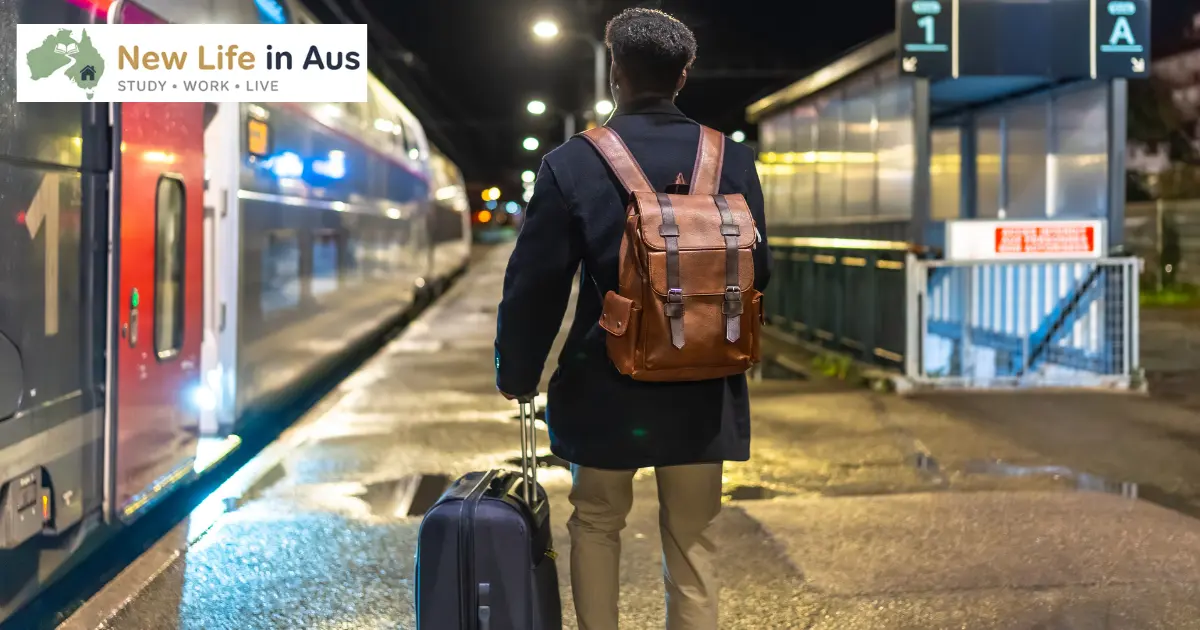
Navigating Australia’s public transport system during late night hours can feel daunting, especially if you’re new to the country or unfamiliar with local safety protocols. Whether you’re a student working night shifts, heading home from a night out, or catching an early morning service, understanding how to travel safely on buses, trains, and trams after dark is essential for your peace of mind and personal security.
Recent statistics show that while Australia’s public transport networks are generally safe, late night travel does present unique challenges and risks that require specific preparation and awareness. From choosing the right waiting spots to knowing when to consider alternatives like ride-sharing services, there are proven strategies that can significantly improve your safety and confidence when traveling during off-peak hours.
This comprehensive guide covers everything you need to know about safe late night public transport travel across Australia’s major cities, including Sydney, Melbourne, Brisbane, Perth, and Adelaide. You’ll discover practical safety tips, emergency procedures, city-specific information, and technology tools that can help protect you during your journey.
TL;DR
- Plan ahead: Research routes, check schedules, and inform someone of your travel plans
- Stay alert: Choose well-lit waiting areas near CCTV cameras and avoid distractions
- Sit strategically: Position yourself near drivers, exits, and security cameras on vehicles
- Use technology: Download official transport apps and keep emergency contacts handy
- Know alternatives: Have backup options like ride-sharing or taxi services ready
- Trust your instincts: If something feels wrong, change locations or get help immediately
Understanding Late Night Public Transport Safety in Australia
Before diving into specific safety strategies, it’s crucial to understand the current landscape of late night public transport safety across Australia. While our public transport systems are among the safest globally, the reality is that late night travel presents unique challenges that require awareness and preparation.
Current Safety Statistics for Australian Public Transport (2025-2026 Data)
According to the latest data from Transport Australia and state transport authorities, public transport crime rates remain relatively low, with approximately 2.1 incidents per 100,000 passenger journeys across all Australian networks. However, these statistics shift significantly during late night hours (10 PM to 5 AM), where incident rates increase to approximately 4.8 per 100,000 journeys.
The most recent safety audit reports show that:
- 87% of late night incidents involve verbal harassment or antisocial behaviour rather than serious physical assault
- Night Network services (weekend late night services) report 15% fewer incidents than regular late services due to increased security presence
- Female passengers report feeling unsafe 2.3 times more often than male passengers during late night travel
- Station-based incidents account for 65% of all late night public transport safety concerns
Common Safety Concerns and Incidents During Late Night Hours
Understanding what you might encounter helps you prepare effectively. The most frequently reported late night public transport safety concerns include:
Antisocial Behaviour and Intoxication: Weekend nights see increased incidents involving intoxicated passengers, particularly between 11 PM and 3 AM. This includes loud, aggressive behaviour, inappropriate comments, and unpredictable actions.
Harassment and Unwanted Attention: Verbal harassment, inappropriate touching, and persistent unwanted conversation are unfortunately common, with young women being disproportionately affected.
Theft and Pickpocketing: Opportunistic theft increases during late hours, particularly when passengers are distracted by phones or appear vulnerable due to fatigue or intoxication.
Isolated Waiting Areas: Many incidents occur at poorly lit stations or bus stops with minimal foot traffic, where help may not be readily available.
Service Disruptions: Late night services often run less frequently, meaning longer waits in potentially unsafe environments if connections are missed.
How Transport Authorities Have Improved Safety Measures Recently
Australian transport authorities have implemented significant safety improvements over the past two years:
Enhanced CCTV Coverage: All major networks now feature high-definition cameras with facial recognition capabilities at 95% of stations and on 88% of vehicles. Real-time monitoring has increased response times by an average of 40%.
Transit Police and Security Presence: Dedicated transport police units now operate across all major networks, with increased patrols during peak risk hours (Friday and Saturday nights, 10 PM to 4 AM).
Emergency Communication Systems: New emergency help points have been installed at all major stations, connecting directly to 24/7 security control rooms. Mobile apps now include panic buttons that alert authorities with GPS location data.
Improved Lighting and Infrastructure: Over $200 million has been invested in upgrading station lighting, with LED systems providing better visibility and reducing dark spots where incidents might occur.
Safe Waiting Areas: Designated safe zones with enhanced lighting, CCTV coverage, and direct communication to security have been established at high-risk locations.
Differences Between Major Australian Cities
Each major Australian city presents unique safety considerations for late night public transport users:
Sydney: The extensive Night Ride bus network and 24-hour weekend train services on some lines provide good coverage, but the sheer size of the network means some areas are less monitored. Central Station and Town Hall are generally safe due to high security presence, while outer suburban stations require more caution.
Melbourne: The Night Network operates on weekends with trains, trams, and buses running all night. Flinders Street and Southern Cross stations maintain strong security presence, but some tram stops in outer areas can be isolated. The extensive tram network provides good coverage but varies significantly in safety by location.
Brisbane: Limited late night services mean longer waits and fewer passengers, potentially increasing isolation. The City Cat river services stop early, forcing reliance on buses. Roma Street and Central stations are well-monitored, but suburban stations can be poorly lit.
Perth: The Transperth network has good security coverage in the CBD and major stations, but services end relatively early compared to eastern cities. The Joondalup and Mandurah lines are generally safe, but some bus routes through certain suburbs require extra caution.
Adelaide: The smaller network means fewer late night options but generally better monitoring of available services. The O-Bahn is well-regarded for safety, while some suburban train stations can be isolated during late hours.
Peak Risk Times and Locations to Be Aware Of
Understanding when and where risks are highest allows you to plan accordingly:
Highest Risk Times:
- Friday and Saturday nights, 11 PM to 3 AM: Peak drinking hours coincide with increased antisocial behaviour
- Sunday nights after 10 PM: Reduced security presence combined with fewer passengers
- Public holiday weekends: Extended party periods lead to prolonged risk windows
- Last services of the night: Concentrated numbers of intoxicated passengers
Higher Risk Locations:
- Stations near entertainment districts and nightclub areas
- Outer suburban stations with poor lighting and minimal foot traffic
- Underground stations with limited mobile phone reception
- Bus stops on quiet streets without nearby businesses or foot traffic
- Interchange stations during connection periods when crowds disperse
For students and workers who frequently travel during these times, consider exploring ride-sharing alternatives like Didi when public transport feels unsafe or unavailable.
Pre-Travel Planning and Preparation
Thorough preparation is your first line of defence when travelling on Australian public transport late at night. Taking time to plan your journey properly can mean the difference between a safe trip home and finding yourself stranded or in an uncomfortable situation.
Researching Your Route and Alternative Options
Never rely on a single route when travelling late at night. Start by mapping out your primary journey using your city’s official transport website or app, then identify at least two alternative routes to your destination. Consider different transport modes – if your usual train line stops running, could you catch a bus partway and then use a ride-sharing service for the final stretch?
Pay particular attention to connection points and transfer stations. Some interchanges that feel safe during the day can become isolated and poorly monitored late at night. Research whether alternative routes avoid these potentially risky transfer points, even if they take slightly longer.
For students managing tight budgets, it’s worth comparing the cost of late-night public transport with ride-sharing options like Didi Australia, especially when travelling in groups where costs can be split.
Checking Late Night Service Schedules and Frequency
Australian cities vary significantly in their late-night public transport offerings. Sydney’s Night Ride buses and Melbourne’s Night Network provide more comprehensive coverage than other cities, but services are still less frequent than daytime operations.
Key schedule considerations:
- Last service times for each mode of transport on your route
- Frequency of night services (some run every 30-60 minutes)
- Weekend vs weekday schedule differences
- Public holiday variations that might affect your usual services
- Planned maintenance or service disruptions
Build buffer time into your plans. If the last train leaves at 12:30 AM, aim to be at the station by 12:15 AM to account for any delays or unexpected issues.
Identifying Well-Lit and Staffed Stations/Stops
Not all public transport stops are created equal when it comes to late-night safety. During your route research, use street view mapping tools to assess the lighting and surroundings of stations and stops you’ll be using.
Look for stations and stops with:
- Adequate overhead lighting and emergency help points
- CCTV cameras clearly visible
- Security personnel or transit police presence
- Nearby 24-hour businesses or well-lit areas
- Good visibility from surrounding streets
Major interchange stations typically have better security infrastructure, while outer suburban stops may be more isolated. If your usual stop feels unsafe, consider getting off at a busier station and arranging alternative transport for the final stretch of your journey.
Essential Items to Carry
Your late-night travel kit should be compact but comprehensive. Keep these items easily accessible:
Safety essentials:
- Personal alarm: A loud, battery-operated alarm can deter potential threats and attract help
- Fully charged phone: Your lifeline for emergencies, navigation, and communication
- Portable phone charger: Essential backup power for extended journeys
- Emergency contacts list: Written backup in case your phone fails
- Cash for emergencies: Small denominations for alternative transport if needed
- Transport card with sufficient credit: Avoid the stress of topping up late at night
Keep valuables minimal and concealed. Avoid displaying expensive electronics, jewellery, or large amounts of cash that might attract unwanted attention.
Informing Someone of Your Travel Plans
Always let a trusted friend, family member, or flatmate know your travel plans when heading out late at night. Share your expected departure time, route, and estimated arrival time. This creates a safety net – if you don’t check in as planned, someone will know to look for you.
For regular late-night commuters, such as international students working evening shifts, establish a routine check-in system. A simple text message when you board transport and another when you arrive safely provides peace of mind for both you and your contacts.
Consider sharing your live location through your phone’s built-in features during the journey, especially if you’re feeling uneasy about your surroundings or fellow passengers.
Using Official Transport Apps for Real-Time Updates and Safety Features
Every major Australian city has official transport apps that provide more than just timetables. These apps are invaluable for late-night travel safety:
Key app features to utilise:
- Real-time tracking: Know exactly when your service will arrive and if there are delays
- Service alerts: Immediate notifications about disruptions or safety incidents
- Journey planning with live updates: Dynamic route suggestions based on current conditions
- Station facilities information: Details about lighting, accessibility, and security features
- Emergency contact integration: Quick access to transport police and security services
Download and familiarise yourself with your city’s official app before you need it. Sydney’s TripView, Melbourne’s PTV Mobile, Brisbane’s MyTransLink, and similar apps for other cities all offer these essential safety features.
Enable push notifications for service disruptions on your regular routes. Being informed about delays or cancellations while you’re still in a safe location gives you time to arrange alternative transport rather than being stranded at a station late at night.
Safety Strategies While Waiting for Transport
The waiting period at stations and stops is often when you’re most vulnerable during late-night travel. Your positioning, awareness, and preparation during these moments can significantly impact your safety and peace of mind.
Choosing Safe Waiting Locations and Avoiding Isolated Areas
Strategic positioning while waiting for transport is crucial for your safety. Always choose well-lit areas with good visibility in multiple directions. At train stations, wait near the platform entrance or close to staff areas rather than at the far ends of platforms where you might be isolated.
Look for designated waiting areas that are specifically designed for passenger safety. Many Australian stations have designated safe zones marked with clear signage and enhanced lighting. These areas are typically positioned where station staff and security can easily monitor them.
Avoid these high-risk waiting locations:
- Dark corners or areas behind pillars and structures
- Empty carriages or platform sections far from other passengers
- Stairwells, tunnels, or underpasses unless absolutely necessary
- Areas with limited escape routes or dead ends
- Locations where your view of approaching transport is obstructed
Staying Alert and Maintaining Situational Awareness
Maintaining awareness of your surroundings while waiting is essential. Keep your head up and regularly scan the area around you. Avoid becoming absorbed in your phone or music to the point where you lose awareness of approaching people or changing situations.
Practice the 360-degree awareness rule: periodically look in all directions, including behind you. This helps you identify potential issues early and shows others that you’re alert and aware of your environment.
Trust your instincts if something feels wrong. If you notice someone behaving unusually, following you, or making you uncomfortable, don’t dismiss these feelings. Move to a different location, closer to other people or security personnel.
Positioning Yourself Near CCTV Cameras and Emergency Help Points
Most Australian public transport hubs have extensive CCTV coverage and emergency communication systems. Position yourself within clear view of security cameras whenever possible. These areas are actively monitored and provide evidence if incidents occur.
Look for and familiarise yourself with emergency help points or intercoms at your regular stations. These devices provide direct communication with transport security or police and are strategically placed throughout stations and major bus stops.
Emergency help point features typically include:
- Direct line to transport police or security control
- Built-in cameras that activate when the button is pressed
- Bright lighting that illuminates when activated
- Clear audio communication both ways
- GPS location transmission to emergency services
What to Do If You Feel Unsafe While Waiting
If you feel threatened or unsafe while waiting, take immediate action. Move toward other passengers, staff areas, or better-lit locations. Don’t hesitate to use emergency help points or call 000 if you feel in immediate danger.
Consider these immediate safety responses:
- Move to the busiest part of the platform or waiting area
- Position yourself near transport staff or security personnel
- Use emergency help points to report concerns
- Have your phone ready to call for help
- Consider alternative transport options like rideshare services
If someone is making you uncomfortable through staring, following, or inappropriate comments, document the incident and report it to transport authorities. Many transport systems have dedicated apps or SMS services for reporting safety concerns.
Interacting Safely with Other Passengers
While most fellow passengers are harmless, maintaining appropriate boundaries is important during late-night travel. Be polite but cautious when strangers initiate conversations, especially if they seem intoxicated or agitated.
Keep interactions brief and avoid sharing personal information such as where you live, work, or study. If someone becomes persistent or makes you uncomfortable, politely excuse yourself and move to a different area or closer to other people.
Safe interaction guidelines:
- Maintain physical distance from strangers
- Keep conversations general and brief
- Avoid displaying expensive items or large amounts of cash
- Don’t accept food, drinks, or other items from strangers
- Trust your instincts about people’s intentions
Using Mobile Apps to Track Transport Arrival Times
Real-time tracking apps minimise your waiting time and help you plan your positioning strategy. Knowing exactly when your transport will arrive allows you to time your approach to the platform or stop, reducing extended waiting periods in potentially vulnerable situations.
Download your city’s official transport app and enable location services for accurate predictions. These apps often show live vehicle positions, allowing you to see your bus or train approaching in real-time.
Popular transport tracking apps include:
- Sydney: TripView, Opal Travel
- Melbourne: PTV Mobile, TramTracker
- Brisbane: MyTransLink, Brisbane Transport
- Perth: Transperth, Perth Transport
- Adelaide: Adelaide Metro
For additional safety, consider backup transport options. Have rideshare apps like Didi Australia ready as alternatives if public transport is significantly delayed or if you feel unsafe continuing to wait.
Set up notifications for service disruptions on your regular routes. Being informed about delays while you’re still in a safe location gives you time to arrange alternative transport rather than being stranded at a station late at night.
Onboard Safety Best Practices
Once you’re on board your chosen transport, your safety strategy shifts to positioning yourself strategically and maintaining awareness throughout your journey. The decisions you make about where to sit and how to behave can significantly impact your safety during late-night travel.
Strategic Seating Choices (Near Driver, Exits, and CCTV)
Your seating choice is one of the most important safety decisions you’ll make on public transport. Position yourself where you have the best visibility, easiest access to help, and multiple exit options.
On buses: Sit in the front third of the bus, ideally within speaking distance of the driver. This position gives you immediate access to help and makes you visible to the person controlling the vehicle. Avoid the very back seats, which can isolate you from other passengers and the driver.
On trains: Choose carriages near the driver’s cabin when possible, or select seats close to emergency help buttons. Look for carriages with good lighting and other passengers present. Many Australian trains have CCTV cameras marked with visible signs – position yourself where you’re clearly in view of these cameras.
On trams: Sit near the driver or conductor, avoiding isolated sections at the rear. Melbourne trams often have multiple doors, so position yourself near an exit while maintaining visibility to transport staff.
Always choose aisle seats or seats near exits when possible. This gives you quick escape routes and prevents you from being trapped by other passengers. If the transport becomes crowded, you can move to maintain your strategic positioning.
Staying Alert and Avoiding Distractions
Maintaining situational awareness is crucial throughout your journey. While it’s tempting to zone out with headphones or focus entirely on your phone, staying alert to your surroundings can help you identify and avoid potential problems before they escalate.
Keep your music at a volume where you can still hear announcements and conversations around you. Use only one earbud if possible, leaving the other ear free to monitor your environment. This allows you to enjoy entertainment while remaining aware of what’s happening nearby.
Regularly scan your surroundings, noting who gets on and off at each stop. Pay attention to passengers who seem intoxicated, aggressive, or are paying unusual attention to you or your belongings. Trust your instincts if someone’s behavior makes you uncomfortable.
Stay aware of upcoming stops and any service announcements. Knowing your route helps you identify if something unusual is happening, such as unexpected delays or route changes that might affect your safety planning.
Keeping Valuables Secure and Out of Sight
Visible valuables make you a target for opportunistic theft, especially during late-night hours when fewer witnesses are around. Proper storage and discretion with your belongings significantly reduces your risk of becoming a victim.
Keep your phone, wallet, and other valuables in inside pockets or a bag that you can keep in front of your body. Avoid placing valuable items in back pockets or loose jacket pockets where they can be easily accessed by pickpockets.
If you need to use your phone, be discreet about it. Expensive devices attract unwanted attention, particularly late at night when people may be more desperate or opportunistic. Consider using a basic phone case that doesn’t advertise the device’s value.
Keep bags zipped and positioned where you can see them at all times. Place bags on your lap or between your feet rather than on empty seats beside you where they’re vulnerable to grab-and-run theft.
Recognizing and Avoiding Potentially Dangerous Situations
Learning to identify escalating situations early gives you time to remove yourself before problems develop. Watch for signs of aggression, intoxication, or unusual behavior that might indicate developing trouble.
Be alert to passengers who are heavily intoxicated, as their behavior can be unpredictable and potentially dangerous. Look for signs like loud, aggressive speech, unsteady movement, or confrontational behavior toward other passengers or transport staff.
Watch for groups of people who seem to be targeting other passengers, particularly if they’re moving through carriages or positioning themselves near exits. Groups that separate and position themselves strategically around the transport may be planning something.
Pay attention to your gut feelings. If a situation feels wrong or makes you uncomfortable, trust that instinct and take action to remove yourself from potential danger. It’s better to change carriages or get off early than to ignore warning signs.
Using Emergency Communication Systems and Buttons
Australian public transport systems are equipped with various emergency communication options designed to connect you quickly with help when needed. Familiarize yourself with these systems before you need them.
Most trains have emergency help buttons located throughout each carriage, typically marked with clear signage and often featuring both audio and visual indicators. These buttons connect you directly to the driver or control center, allowing you to report emergencies or request assistance.
On buses, the driver is your primary point of contact for emergencies. Most buses also have emergency exits and communication systems. Don’t hesitate to alert the driver if you feel unsafe or notice concerning behavior from other passengers.
Many transport systems also have mobile apps with emergency features or direct contact numbers for transport police. Save these numbers in your phone before you travel, and ensure you know how to access them quickly if needed.
When using emergency communication systems, speak clearly and provide your location, the nature of the problem, and any immediate safety concerns. Stay on the line until help arrives or you’re instructed otherwise.
When and How to Change Carriages or Get Off Early
Sometimes the best safety strategy is to remove yourself from a developing situation by changing your location on the transport or exiting earlier than planned. Knowing when and how to do this safely can prevent minor concerns from becoming serious problems.
When to consider moving: Change carriages or get off early if you notice aggressive behavior escalating, if someone is making you feel uncomfortable through persistent attention or inappropriate behavior, or if a situation feels like it’s developing in a concerning direction.
On trains, wait until the train stops at a station before moving between carriages. Moving while the train is in motion can be dangerous and may put you in a more vulnerable position. Choose a carriage with more passengers and better lighting when possible.
If you decide to get off early, ensure you’re exiting at a safe, well-lit station with good transport connections or alternative ways to reach your destination. Consider having rideshare apps like Didi Australia ready as backup options for completing your journey safely.
When changing carriages, move confidently and purposefully. Don’t announce your intentions or make it obvious that you’re moving because of specific people or situations, as this could escalate tensions unnecessarily.
Always have a plan for what you’ll do after changing carriages or getting off early. Whether that’s continuing your journey on the next service, calling someone for a ride, or using alternative transport, having a clear next step prevents you from being stranded in an unsafe situation.
City-Specific Safety Information
Each major Australian city has developed unique safety measures and protocols for their late-night public transport services. Understanding these city-specific features can significantly enhance your safety when traveling after hours.
Sydney: Night Ride bus services and safety features
Sydney’s Night Ride bus network operates comprehensive late-night services with enhanced security measures. These buses feature CCTV monitoring, GPS tracking, and direct communication links to transport control centers. The buses run on major routes between midnight and 4:30 AM on weekends, with services departing every 30 minutes from key locations including Circular Quay, Central Station, and major shopping districts.
Night Ride buses are equipped with panic buttons that passengers can access near the driver’s area. The buses also maintain constant radio contact with dispatch, allowing for immediate response if incidents occur. Drivers undergo specialized training for late-night operations and are instructed to wait at stops until passengers safely enter buildings or connect with other transport.
Key safety features include well-lit bus stops with emergency help points, real-time tracking through the Transport for NSW app, and priority boarding for vulnerable passengers near the front of the bus close to the driver.
Melbourne: Late night tram and train safety protocols
Melbourne’s late-night transport network includes Night Network services running on Friday and Saturday nights, with trains operating until approximately 1:30 AM and selected tram routes continuing through the night. The system employs Protective Services Officers (PSOs) at major stations and transport hubs during late-night hours.
Trams feature emergency intercoms connected directly to the driver, while trains have emergency buttons in each carriage that alert both the driver and Metro control center. The network maintains enhanced lighting at all late-night service stops and stations, with security patrols conducting regular checks.
Melbourne’s safety protocols include designated safe waiting areas at stations, marked with clear signage and positioned near CCTV cameras and emergency help points. The myki system also allows for contactless boarding, reducing interaction time at stops during vulnerable late-night hours.
Brisbane: TransLink night network security measures
Brisbane’s TransLink network operates NightLink bus services and extends train services on Friday and Saturday nights. The system features Transit Officers who patrol services and stations during peak late-night periods, with particular focus on entertainment districts and major transport interchanges.
Security measures include emergency help points at all stations, CCTV coverage across the network, and the ability to contact TransLink directly through their app for immediate assistance. Buses and trains feature multiple emergency communication options, including driver intercoms and emergency buttons.
TransLink’s safety initiatives include SafeCity cameras at key locations, coordinated with Queensland Police, and dedicated security personnel at major stations like Central, Roma Street, and Fortitude Valley during late-night service hours.
Perth: Transperth after-hours safety initiatives
Perth’s Transperth network provides late-night services with comprehensive safety measures including Transit Guards who patrol trains, stations, and bus stations during evening and late-night hours. The network features emergency help points at all train stations and major bus stations, with direct lines to security control.
Transperth’s safety features include well-lit stations and stops, CCTV monitoring across the network, and the SmartRider contactless payment system that reduces boarding delays. Trains feature emergency intercoms in each car, while buses have panic buttons accessible to passengers.
The network maintains enhanced security presence at key interchange points including Perth Underground, Elizabeth Quay, and major suburban stations during late-night service periods, with security personnel trained to assist passengers and respond to incidents.
Adelaide: Metro late night service safety tips
Adelaide Metro operates limited late-night services with focused safety measures including security patrols at major stations and interchanges. The network features emergency help points at all train stations and key bus stops, with direct communication to Adelaide Metro control.
Safety features include CCTV coverage at stations and on vehicles, emergency intercoms on trains, and well-lit waiting areas at all late-night service locations. The network coordinates with South Australia Police for enhanced security during major events and peak late-night periods.
Adelaide Metro’s safety initiatives include designated safe waiting zones at stations, marked with clear signage and positioned for optimal visibility and security coverage. The metroCARD system enables quick boarding, minimizing time spent at stops during vulnerable late-night hours.
Regional and interstate transport considerations
Regional and interstate transport services present unique safety challenges due to longer journey times, fewer passengers, and limited service frequency. When traveling on regional services, inform someone of your travel plans, including departure times, expected arrival, and service details.
Interstate buses and trains often have different safety protocols than urban transport. Familiarize yourself with emergency procedures specific to your service provider, including location of emergency exits, communication systems, and staff assistance procedures. Many interstate services provide passenger manifest systems for enhanced security tracking.
For regional travel, consider alternative transport options like rideshare services for the final portion of your journey, especially when arriving at regional stations late at night with limited onward transport options.
Regional services may have limited mobile phone coverage during portions of the journey. Download offline maps and emergency contact information before traveling, and carry backup power sources for your devices. Consider informing family or friends of your expected arrival time and location.
Technology and Apps for Enhanced Safety
Modern technology provides powerful tools to enhance your safety when traveling on late-night public transport in Australia. From official transport apps to emergency services, leveraging the right digital solutions can significantly improve your security and peace of mind during nighttime journeys.
Official transport apps with safety features
Each major Australian city offers official transport apps with built-in safety features designed specifically for passenger protection. PTV Mobile in Melbourne includes real-time alerts, service disruptions, and direct links to transport police. The app allows you to report safety concerns directly to authorities and provides estimated arrival times to minimize waiting periods at stops.
Opal Travel in Sydney offers similar functionality, including trip planning that considers current safety advisories and service disruptions. The app’s “My Opal” feature tracks your journey history, which can be valuable for emergency services if needed. Queensland’s MyTransLink app provides real-time vehicle tracking and allows passengers to report incidents directly through the platform.
These official apps often integrate with local emergency services and provide verified information about service changes, station closures, or safety incidents that might affect your late-night travel plans. Always download and familiarize yourself with your city’s official transport app before traveling.
Emergency and safety apps recommended for Australia
The Emergency Plus app, developed by Australia’s emergency services, should be installed on every traveler’s device. This free app provides your GPS coordinates to emergency services when calling 000, crucial when you’re unsure of your exact location on public transport routes.
bSafe offers comprehensive personal safety features including fake call functionality, automatic emergency alerts when you don’t check in as planned, and live GPS tracking for trusted contacts. The app’s “Follow Me” feature allows friends or family to track your journey in real-time during late-night travel.
Consider downloading Red Panic Button, which sends immediate alerts to your emergency contacts with your location when activated. The app works even with limited mobile coverage and can be triggered discreetly during uncomfortable situations on public transport.
GPS tracking and location sharing with trusted contacts
Location sharing technology provides an additional safety layer for late-night public transport users. Find My Friends (iOS) and Google Family Link (Android) allow you to share your real-time location with trusted contacts throughout your journey.
Set up automatic location sharing before departing, ensuring your chosen contacts can monitor your progress and receive alerts if you deviate from planned routes or fail to arrive as expected. Many users create a “safety contact” group specifically for late-night travel situations.
WhatsApp’s live location feature offers a temporary sharing option perfect for individual journeys. Share your location for the duration of your trip, allowing contacts to see your movement along transport routes and receive notifications when you safely reach your destination.
Using ride-sharing as backup options
Ride-sharing services provide crucial backup options when public transport feels unsafe or services are disrupted. Didi Australia offers competitive pricing and comprehensive coverage across major cities, making it an excellent alternative to late-night public transport when safety concerns arise.
Uber and Didi both offer safety features including driver verification, trip tracking, and emergency assistance buttons. Pre-load these apps with payment methods and verify your account before needing them in emergency situations. Consider the cost implications, but prioritize safety over budget when situations warrant immediate alternative transport.
Some ride-sharing services offer scheduled rides, allowing you to book return transport in advance when planning late-night activities. This provides peace of mind knowing you have guaranteed safe transport home, regardless of public transport service disruptions or safety concerns.
Digital payment methods for contactless travel
Contactless payment methods reduce the need to handle cash or cards in potentially vulnerable situations. Student bank accounts often include tap-and-pay features that work seamlessly with transport systems across Australia.
Set up Apple Pay, Google Pay, or Samsung Pay on your smartphone for quick, secure transactions. These digital wallets work with all major Australian transport networks and eliminate the need to fumble with physical cards or cash during late-night travel.
Many transport apps now support in-app ticket purchases, allowing you to buy and validate tickets before boarding. This reduces interaction time with ticket machines and minimizes the visibility of your payment methods to other passengers.
Real-time incident reporting through apps
Most official transport apps include incident reporting features that allow passengers to alert authorities to safety concerns, harassment, or suspicious behavior. These reports are typically processed immediately by transport security teams and can trigger rapid response protocols.
The See Something, Say Something feature in many Australian transport apps enables anonymous reporting of concerning behavior or safety hazards. Reports include automatic location data and timestamps, helping authorities respond quickly to developing situations.
Consider using general safety apps like Hollaback! to document and report harassment incidents on public transport. These platforms contribute to broader safety databases and help transport authorities identify problem areas or recurring issues on specific routes or services.
Always prioritize immediate personal safety over app reporting. If you’re in immediate danger, call 000 directly rather than relying solely on app-based reporting systems. Use incident reporting apps for follow-up documentation or when observing concerning behavior that doesn’t require immediate emergency response.
Dealing with Emergencies and Incidents
When traveling late at night on Australian public transport, knowing how to respond effectively to emergencies can make the difference between a minor incident and a serious safety threat. Having a clear action plan helps you stay calm and take appropriate steps to protect yourself and get help when needed.
Immediate steps if you feel threatened or unsafe
Trust your instincts immediately if something feels wrong. Move away from the source of concern and position yourself near other passengers, transport staff, or well-lit areas. If someone is making you uncomfortable through staring, following, or inappropriate comments, change your seating position or move to a different carriage if possible.
Create distance between yourself and any perceived threat without appearing confrontational. Avoid direct eye contact with aggressive individuals, but remain aware of their movements. If you’re on a bus, consider moving closer to the driver. On trains, head toward carriages with more passengers or closer to guard compartments.
Make yourself visible to others by moving into well-lit areas where CCTV cameras are clearly present. Most Australian transport systems have extensive camera coverage, and positioning yourself within clear view of these systems can deter potential troublemakers while ensuring any incident is recorded.
Prepare your phone discreetly and have emergency contacts ready to call. Keep your voice low when making calls to avoid escalating situations, but don’t hesitate to speak loudly and clearly if you need to attract attention from other passengers or staff members.
How to contact transport security and police
Every Australian state has specific emergency numbers for transport-related incidents. In addition to calling 000 for immediate police response, familiarize yourself with local transport security numbers. In New South Wales, the Transport for NSW Customer Feedback line operates 24/7, while Victoria’s Public Transport Victoria has dedicated incident reporting systems.
Use the emergency intercom systems available on most trains and trams to contact the driver or control center directly. These systems connect you immediately to trained staff who can coordinate with police and security services. The intercom also announces your communication to other passengers, which can deter aggressive behavior.
Text 106 for emergency services if you cannot make voice calls safely. This SMS service connects to 000 operators and is particularly useful in situations where speaking aloud might escalate danger or when you need to report incidents discreetly.
Save important transport security numbers in your phone before traveling. Many transport operators have dedicated safety hotlines that operate around the clock, including Metro Trains Melbourne’s safety line and TransLink’s safety and security number in Queensland.
Using emergency buttons and communication systems
Emergency buttons are strategically located throughout Australian public transport vehicles and stations. On trains, look for red emergency buttons near doors and seating areas. These buttons immediately alert the driver and control center to stop the train and dispatch assistance.
Bus emergency buttons are typically located near the driver and at the rear of the vehicle. Pressing these buttons triggers an alarm and emergency lighting while automatically notifying the depot and emergency services of the bus location through GPS tracking systems.
Station emergency phones are positioned on platforms and in waiting areas, connecting directly to transport control centers. These phones often have built-in cameras that activate when used, providing real-time visual information to operators who can assess situations and coordinate appropriate responses.
Help points at major transport hubs include both audio and video communication with security personnel. These systems allow you to show identification documents or describe situations visually, which is particularly helpful for international students who might face language barriers during emergencies.
Reporting incidents to authorities
Document incidents immediately while details remain fresh in your memory. Record the time, location, vehicle number, and description of individuals involved. Take photos of any visible injuries or property damage, but prioritize your safety over documentation.
Report incidents through multiple channels to ensure proper follow-up. File reports with transport operators, local police, and relevant safety organizations. This comprehensive reporting helps authorities identify patterns and implement targeted safety improvements on specific routes or at particular times.
Provide detailed written statements within 24 hours of incidents when possible. Include witness contact information if other passengers saw what happened and are willing to provide statements. Comprehensive reports increase the likelihood of successful investigations and prosecutions.
Keep copies of all incident reports and reference numbers. Follow up with authorities if you don’t receive acknowledgment within reasonable timeframes. Persistent follow-up demonstrates the seriousness of incidents and helps ensure appropriate action is taken.
Getting help from transport staff and other passengers
Transport staff are trained in emergency response and passenger safety protocols. Approach drivers, conductors, or station staff immediately if you feel unsafe or witness concerning behavior. These employees have direct communication with security services and can implement immediate safety measures.
Other passengers can be valuable allies during emergencies, but approach them carefully. Look for individuals who appear alert and responsible, such as people in work uniforms or those traveling in groups. Avoid approaching passengers who appear intoxicated or distracted.
Use clear, direct language when asking for help. Say “I need help” or “This is an emergency” rather than indirect requests. Specific requests like “Please call the police” or “Can you stay with me until help arrives” are more likely to generate appropriate responses.
Position yourself near helpful passengers when possible, but avoid creating confrontational group dynamics. Sometimes the presence of supportive passengers is enough to deter problematic behavior without direct intervention.
Post-incident support and follow-up procedures
Seek medical attention immediately if you’ve been physically harmed, even for seemingly minor injuries. Many injuries from transport incidents become apparent hours after the event, and medical documentation is crucial for insurance claims and legal proceedings.
Contact victim support services available in all Australian states. Organizations like Victim Services NSW and Victims of Crime Victoria provide counseling, financial assistance, and legal support for people affected by transport-related crimes or incidents.
Follow up with transport operators about safety improvements or additional security measures. Your incident reports contribute to safety reviews and can result in enhanced lighting, increased security patrols, or improved emergency communication systems on affected routes.
Consider counseling or support groups if incidents have affected your confidence using public transport. Many universities and community organizations offer specific support for people who’ve experienced harassment or violence on public transport, helping you maintain independence and mobility.
Keep detailed records of all costs related to incidents, including medical expenses, alternative transport costs, and time off work. These records are essential for insurance claims and compensation applications through victim support programs.
Special Considerations for Vulnerable Groups
Certain groups face additional challenges and risks when using public transport during late night hours in Australia. Understanding these specific vulnerabilities and implementing targeted safety strategies can significantly improve personal security and confidence while traveling.
Additional Safety Tips for Women Traveling Alone
Women traveling alone on late night public transport should prioritize visibility and communication. Sit near the driver or conductor on buses and trains, as these areas typically have better lighting and more frequent staff presence. Avoid empty carriages or buses entirely, even if it means waiting for the next service.
Carry a fully charged phone with emergency contacts easily accessible. Share your travel plans with trusted friends or family members, including departure times, route details, and expected arrival times. Consider using location-sharing apps that allow trusted contacts to track your journey in real-time.
Trust your instincts about other passengers and situations. If someone makes you uncomfortable, move to a different seat or carriage. Don’t hesitate to alert transport staff or other passengers if you feel threatened. Keep personal items secure and avoid displaying expensive jewelry, electronics, or large amounts of cash.
Plan your route carefully to minimize walking distances at both ends of your journey. Research well-lit paths to and from stations, and consider alternative transport options like rideshare services for the final leg of your journey if walking routes seem unsafe.
Considerations for Elderly Passengers
Elderly passengers should allow extra time for boarding and alighting from vehicles, as rushing increases the risk of falls and injuries. Request assistance from transport staff when needed, particularly for navigating stairs, escalators, or gap between platform and train.
Carry a medical alert device or ensure emergency contacts are clearly listed in your phone. Keep essential medications easily accessible in case of delays or medical emergencies during travel. Consider wearing a medical bracelet if you have specific health conditions that emergency responders should know about.
Choose seats near exits when possible, but ensure they’re also well-lit and visible to other passengers and staff. Avoid sitting in isolated areas of vehicles, even if seats appear more comfortable or spacious.
Keep important documents like Medicare cards, emergency contact information, and medication lists in an easily accessible wallet or purse. Consider carrying a small torch or flashlight to help navigate poorly lit areas around stations and stops.
Safety Advice for People with Disabilities
People with disabilities should familiarize themselves with accessible routes and facilities before traveling. Contact transport operators in advance to arrange assistance services, particularly for wheelchair users or those with mobility aids who need ramp access or priority seating.
Carry backup batteries for mobility devices, hearing aids, or other essential equipment. Keep emergency contact information in multiple formats, including written cards for those who may have communication difficulties during emergencies.
Plan alternative routes in case of service disruptions or equipment failures at stations. Many Australian transport networks have dedicated accessibility services that can provide real-time updates about elevator outages or platform changes that might affect your journey.
Consider traveling with a companion during late night hours when possible, particularly if you have visual or hearing impairments that might make it difficult to assess your surroundings or respond to emergency announcements.
Youth and Student-Specific Safety Measures
Young people and students often rely heavily on late night public transport for work, study, and social activities. International students working late shifts should be particularly aware of safety protocols and their rights as workers in Australia.
Travel in groups when possible, especially after late night study sessions or social events. Establish buddy systems with classmates or colleagues who use similar routes, and check in with each other during journeys.
Keep student ID cards and emergency contact information easily accessible. Many universities offer 24-hour security services that can provide assistance or safe transport options for students traveling late at night.
Be aware of student discounts and concession fares that might influence your transport choices. However, never compromise safety for cost savings. If public transport feels unsafe, consider alternative options like rideshare services, which may be cost-effective when shared with other students.
Stay alert to surroundings and avoid wearing headphones at high volumes that might prevent you from hearing important announcements or approaching dangers. Keep phones charged and consider carrying portable chargers for longer journeys.
LGBTQ+ Community Safety Considerations
LGBTQ+ individuals may face additional harassment or discrimination on public transport, particularly during late night hours when fewer people are around to witness or intervene in problematic situations. Be aware of your surroundings and trust your instincts about other passengers’ behavior.
Consider your visibility and how you present yourself based on the area you’re traveling through. While you should never have to hide your identity, being aware of local attitudes and potential risks can help inform your safety decisions.
Know your rights regarding discrimination and harassment on public transport. All Australian states have anti-discrimination laws that protect LGBTQ+ individuals, and transport operators have policies against harassment based on sexual orientation or gender identity.
Connect with local LGBTQ+ community groups that may offer safety resources, travel tips, or support networks. Many cities have specific safety apps or services designed for LGBTQ+ individuals that can provide additional security during travel.
Report any incidents of harassment or discrimination to transport authorities and consider contacting LGBTQ+ advocacy organizations who can provide support and help ensure appropriate follow-up action.
Night Shift Workers' Transport Safety Strategies
Night shift workers face unique challenges as they regularly travel during the least safe hours and often when they’re tired from work. Establish consistent routines for your commute, using the same routes and transport services when possible to become familiar with normal patterns and potential risks.
Inform your employer about transport safety concerns, particularly if you’re required to work late shifts. Some employers may provide transport allowances, shuttle services, or flexible finish times to help employees travel more safely.
Consider the timing of your commute carefully. Sometimes finishing work 30 minutes earlier or later can mean traveling with more people or during better-lit hours. Discuss flexible arrangements with your employer if safety is a significant concern.
Pack safety essentials in your work bag, including a fully charged phone, emergency contacts, a small torch, and any personal safety devices you prefer to carry. Keep these items easily accessible rather than buried in work equipment.
Build relationships with other night shift workers who use similar transport routes. Coordinate travel times when possible and establish check-in systems to ensure everyone arrives home safely. Many night shift workers find that informal buddy systems significantly improve their sense of security during commutes.
Stay alert despite fatigue from work. Avoid falling asleep on public transport, as this makes you vulnerable to theft and means you might miss your stop or important safety announcements. If you’re extremely tired, consider alternative transport options that allow you to rest safely.
Alternative Transport Options
While public transport is often the most economical choice for late-night travel, there are situations where alternative transport options may be safer, more convenient, or better suited to your specific circumstances. Understanding when to consider these alternatives and how they compare can help you make informed decisions about your late-night travel in Australia.
When to consider ride-sharing or taxis instead
Ride-sharing services like Didi and Uber, along with traditional taxis, become particularly valuable when public transport services are limited or when safety concerns outweigh cost considerations. Consider these alternatives when traveling very late at night (after midnight), when you’re carrying valuable items or large amounts of cash, or when you’re feeling unwell or particularly vulnerable.
Weather conditions also play a crucial role in this decision. During severe storms, extreme heat, or when walking to transport stops becomes hazardous, ride-sharing or taxi services provide door-to-door convenience that eliminates exposure to harsh conditions. Similarly, if you’re traveling to or from an unfamiliar area where you’re unsure about the safety of walking routes to transport stops, these services offer a more secure option.
For those who have been drinking alcohol, ride-sharing and taxis are not just safer alternatives but responsible choices that protect both yourself and others. Many Australian cities offer discounted late-night transport options specifically to encourage safe travel after social events.
Cost comparison between public transport and alternatives
The cost difference between public transport and alternative options varies significantly across Australian cities. A typical late-night train or bus journey might cost between $3-8, while a comparable taxi or ride-share trip could range from $15-50 depending on distance and surge pricing.
However, this comparison becomes more complex when you factor in the total journey cost. Public transport might require additional expenses such as parking fees at stations, or the cost and time of connecting services. For international students working late shifts, the time saved by using ride-sharing services might be worth the extra cost, especially when factoring in study commitments and the need for adequate rest.
Consider splitting ride-sharing costs with friends or colleagues traveling similar routes. Many apps now offer shared ride options that can reduce individual costs while maintaining the safety benefits of door-to-door transport. Some employers also provide transport allowances that can offset the higher cost of alternative transport options for night shift workers.
Organized group travel options
Many Australian universities, workplaces, and community organizations arrange group transport for late-night events or shift workers. University colleges often provide shuttle services for students returning from evening activities, while some employers coordinate carpools or charter buses for workers finishing late shifts.
Social and sports clubs frequently organize group transport to and from evening events, which not only reduces individual costs but also provides safety through numbers. These arrangements are particularly common for events in entertainment districts or venues that are not well-served by public transport during late hours.
Consider joining or forming informal transport groups with neighbors, colleagues, or fellow students who share similar travel patterns. Social media groups and workplace notice boards are excellent places to coordinate these arrangements. Many people find that sharing transport costs and ensuring group safety creates lasting friendships and support networks.
Company-provided transport for night shift workers
Many Australian employers recognize their responsibility to ensure employee safety, particularly for those working non-standard hours. Large hospitals, manufacturing facilities, call centers, and security companies often provide shuttle services, transport allowances, or flexible finish times to help employees travel safely.
If your employer doesn’t currently offer transport assistance, it’s worth discussing this with HR or management. Under Australian workplace safety laws, employers have a duty of care that can extend to ensuring employees can travel safely to and from work. This is particularly relevant for workers in industries with high night shift requirements.
Some companies partner with taxi or ride-sharing services to provide discounted rates for employees, while others offer parking facilities with enhanced security for those who drive to work. Understanding your workplace rights can help you advocate for better transport support if needed.
Walking and cycling safety for short distances
For journeys under 2-3 kilometers, walking or cycling can be viable alternatives to public transport, provided you take appropriate safety precautions. Stick to well-lit, populated routes and avoid shortcuts through parks, alleyways, or industrial areas during late hours.
When cycling at night, Australian law requires proper lighting and reflective gear. Invest in quality front and rear lights, reflective clothing, and consider using bike paths and dedicated cycling infrastructure where available. Many Australian cities have improved their cycling infrastructure significantly, making night cycling safer than in previous years.
Inform someone of your intended route and expected arrival time when walking or cycling late at night. Carry a charged phone and consider using safety apps that can share your location with trusted contacts. Stay alert to your surroundings and trust your instincts if a situation feels unsafe.
Emergency transport services and contacts
In genuine emergencies, don’t hesitate to call 000 for police, ambulance, or fire services. For non-emergency situations where you feel unsafe but don’t require immediate police response, many Australian states have dedicated transport safety hotlines or text services.
Keep important contact numbers saved in your phone, including local taxi companies, your preferred ride-sharing apps, trusted friends or family members who could assist with transport, and any workplace or university security services that might provide assistance.
Many Australian cities offer late-night safety escort services, particularly around university campuses and entertainment districts. These services, often provided by security personnel or volunteers, can accompany you to transport stops or your destination. Research what’s available in your area and keep these contact details easily accessible.
Consider downloading safety apps that can quickly summon help or share your location with emergency contacts. Some transport apps also include safety features like trip sharing and emergency buttons that can be valuable during late-night travel.
Recent Safety Improvements and Future Developments
Australian public transport authorities have significantly ramped up their safety initiatives in recent years, with major improvements implemented throughout 2025-2026 specifically targeting late-night passenger security. These developments represent the largest investment in transport safety infrastructure in decades, directly addressing community concerns about after-hours travel.
New Safety Initiatives Launched in 2025-2026
Transport for NSW, Public Transport Victoria, and other state authorities have rolled out comprehensive safety programs focusing on late-night services. The “Safe Journey Home” initiative includes dedicated safety officers on high-risk routes, improved emergency response protocols, and enhanced coordination with local police forces.
New passenger assistance programs have been introduced across major cities, providing support for vulnerable travelers including international students working late shifts and people with disabilities. These programs include priority boarding, dedicated seating areas, and direct communication channels to security personnel.
Real-time safety reporting systems now allow passengers to immediately alert authorities about concerning situations through mobile apps and onboard emergency buttons. Response times have improved dramatically, with security personnel typically arriving within 3-5 minutes of an alert being raised.
Enhanced CCTV and Monitoring Systems
State-of-the-art surveillance technology has been installed across the public transport network, with particular focus on stations and stops that operate during late-night hours. High-definition cameras with night vision capabilities now monitor platforms, waiting areas, and vehicle interiors continuously.
AI-powered monitoring systems can detect unusual behavior patterns, crowd disturbances, and potential safety threats automatically. These systems alert control centers immediately, enabling rapid response to developing situations before they escalate.
The new monitoring infrastructure includes audio recording capabilities in addition to video surveillance, providing comprehensive evidence for incident investigations and helping to deter antisocial behavior through visible security presence.
Improved Lighting and Infrastructure
Significant upgrades to station and stop lighting have been completed across major transport networks. LED lighting systems provide brighter, more consistent illumination while reducing energy consumption and maintenance costs.
Platform and waiting area designs have been modified to eliminate blind spots and improve natural surveillance. Clear sightlines allow passengers and security personnel to monitor entire areas effectively, reducing opportunities for criminal activity.
Emergency call points have been strategically positioned throughout transport infrastructure, with direct connections to security control rooms. These bright, clearly marked stations provide immediate assistance and are monitored 24/7.
Additional Security Personnel Deployment
Transport authorities have substantially increased security staffing during late-night hours, with roving patrols covering high-traffic routes and stations. These personnel are specifically trained in de-escalation techniques and emergency response procedures.
Plain-clothes security officers now operate on selected services, providing discrete monitoring while maintaining the ability to respond quickly to incidents. This approach has proven particularly effective in deterring antisocial behavior without creating an overly intimidating environment.
Coordination between transport security and local police has been strengthened, with joint patrols and shared intelligence helping to identify and address emerging safety concerns proactively.
Community Safety Programs and Partnerships
Partnerships with local businesses, universities, and community organizations have created comprehensive safety networks around transport hubs. Late-night venues near stations now participate in safety initiatives, providing additional eyes and ears for security monitoring.
Educational programs targeting specific groups, including international students and shift workers, provide practical safety advice tailored to their unique travel patterns. These programs are often delivered through workplaces, universities, and community centers.
Bystander intervention training has been introduced to encourage passengers to safely assist others in distress while protecting their own wellbeing. This community-focused approach creates a collective responsibility for passenger safety.
Upcoming Safety Technology Implementations
Advanced safety technologies scheduled for deployment in late 2026 include panic button apps that integrate directly with transport control systems, providing instant location tracking and emergency response coordination.
Smart lighting systems that respond to passenger presence and movement are being tested, ensuring well-lit pathways while conserving energy in unused areas. These systems will automatically brighten when passengers approach and maintain optimal lighting levels throughout their journey.
Predictive analytics platforms are being developed to identify potential safety risks before they occur, using historical data, weather patterns, and event schedules to deploy resources proactively where they’re most needed.
Integration with ride-sharing services like Didi and other transport alternatives will provide seamless backup options when public transport services are disrupted or feel unsafe, ensuring passengers always have reliable alternatives for getting home safely.
What are the safest times to use public transport at night in Australia?
The safest late night travel times are typically between 10 PM and midnight, before the peak period of incidents that occurs between 11 PM and 3 AM. Weekend Night Network services are actually 15% safer than regular late services due to increased security presence. If possible, avoid traveling during the 1-3 AM window when antisocial behavior and intoxication-related incidents peak.
How can I find well-lit and secure waiting areas at stations?
Look for areas near CCTV cameras, emergency help points, and station staff offices. Most Australian stations have designated safe waiting zones marked with blue lights or special signage. Use official transport apps to check which stations have 24-hour staff presence, and always position yourself under bright lighting where you’re visible to security cameras and other passengers.
What should I do if I feel unsafe on public transport at night?
Trust your instincts immediately. Move closer to the driver or security personnel, change carriages at the next stop if possible, or get off at a well-lit station with other people around. Use emergency help points or contact transport security through official apps. If you feel threatened, don’t hesitate to call 000 or use ride-sharing services as an alternative to complete your journey.
Are there specific apps I should download for safer night travel?
Download your city’s official transport app (like Opal Travel for Sydney or PTV Mobile for Melbourne) for real-time updates and emergency features. Many apps include safety features like journey sharing, station safety ratings, and direct contact with transport security. Also consider general safety apps that can share your location with trusted contacts during your journey.
How do crime statistics differ between cities for late night public transport?
While the national average is 4.8 incidents per 100,000 late night journeys, rates vary by city and specific routes. Generally, larger cities like Sydney and Melbourne have more comprehensive security measures but also higher passenger volumes. Smaller cities like Adelaide and Perth often have lower incident rates but fewer late night services. Check your local transport authority’s safety reports for city-specific statistics.
What's the difference in safety between buses, trains, and trams at night?
Trains generally offer the highest security with CCTV coverage, emergency intercoms, and often security personnel on Night Network services. Buses provide the advantage of being closer to the driver, but have limited escape routes. Trams fall somewhere in between, with good visibility but varying security features depending on the city. Choose based on route directness and your comfort level with each mode.
Should I inform someone about my late night travel plans?
Absolutely. Always inform a trusted friend or family member about your departure time, route, and expected arrival. Share your live location through your phone if possible, and establish a check-in protocol. This is especially important for regular late night travelers like shift workers. Having someone aware of your journey provides an additional safety net.
What are the best alternatives if public transport feels unsafe?
Have backup options ready including ride-sharing services (Uber, Ola), taxi companies, or calling a trusted friend or family member. Some employers offer late night transport allowances for shift workers. In emergencies, don’t hesitate to contact police (000) or use transport security services. Budget for alternative transport costs as part of your late night travel planning.
How can I protect my belongings during late night travel?
Keep valuables secure and out of sight – use bags with zippers and keep them in front of your body. Avoid displaying expensive electronics, jewelry, or large amounts of cash. Stay alert and avoid distractions like headphones at high volume or being absorbed in your phone. Position yourself where you can see potential threats approaching and have quick access to exits.