Warehouse Job Interview Questions in Australia: How to Answer Them

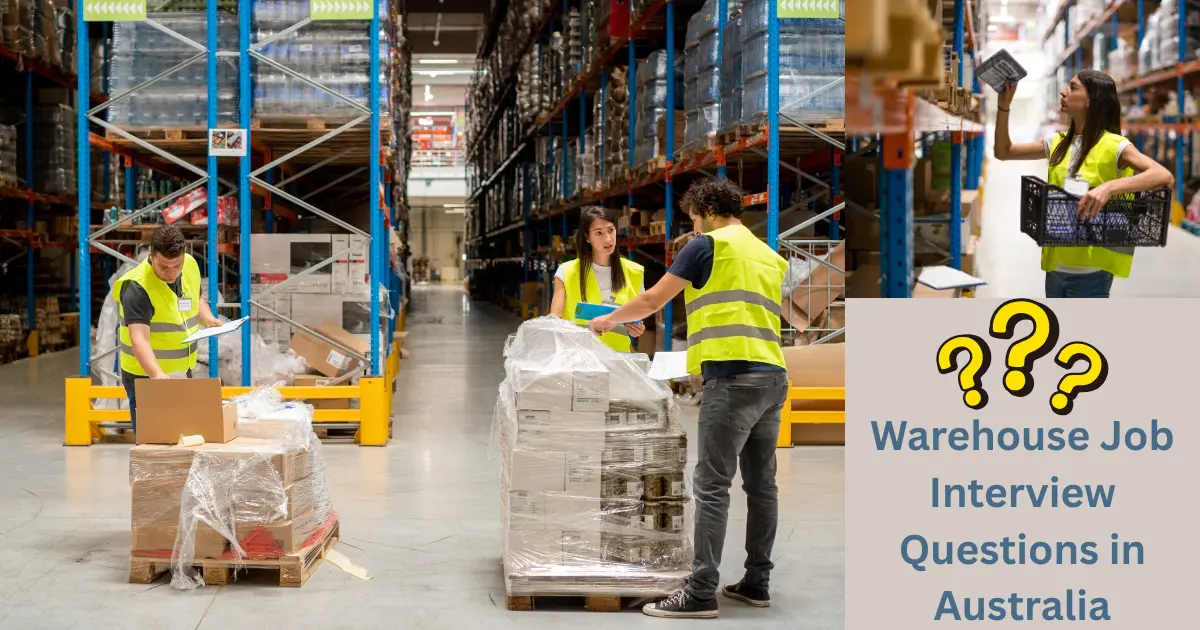
Warehouse job interview questions in Australia are surprisingly straightforward once you know what they’re actually looking for. I remember walking into my first warehouse interview in Dandenong, completely overdressed and overthinking every possible question. Turns out, the hiring manager spent about 15 minutes with me, asked maybe six questions, and offered me a trial shift on the spot.
That’s the thing about warehouse interviews here. They’re not trying to trick you or test your problem-solving skills with brain teasers. They want to know three things: can you show up on time, can you handle physical work, and will you cause problems with the team?
I’ve worked at two different warehouses since coming to Melbourne for my Master’s, one in logistics and one in retail distribution. I’ve seen dozens of people come through interviews, and I’ve picked up on what separates the people who get hired from the ones who don’t. So here’s everything I know about warehouse job interview questions in Australia, including the exact questions I was asked and how I answered them.
What Warehouse Employers in Australia Actually Care About
Before we get into specific questions, you need to understand the mindset of a warehouse hiring manager. These aren’t corporate HR people with psychology degrees. They’re operations supervisors or team leaders who need bodies on the floor.
Their biggest fear isn’t hiring someone who lacks skills. You can teach someone to use a scanner or pack boxes. Their biggest fear is hiring someone who doesn’t show up, or someone who creates drama with coworkers.
Everything they ask connects back to reliability, physical capability, and attitude. Keep that in mind, and most of your answers write themselves.
Common Warehouse Interview Questions and Sample Answers
"Tell me about yourself"
This one throws people off because it feels so open-ended. But in a warehouse context, they’re not asking about your life story or your dreams. They want a 60-second summary that explains why you’re standing in front of them.
Sample answer:
“I’m an international student at [university], studying [course]. I’m looking for consistent part-time work that fits around my classes, and I’ve always preferred physical work over sitting at a desk. I don’t have warehouse experience in Australia, but I worked in a factory back home for two years during university breaks. I’m used to early starts, and I’m available most mornings and weekends.”
Notice what that answer does. It addresses the visa situation without making it weird, mentions relevant experience even if it’s from overseas, and signals availability and willingness to work unpopular shifts.
If you need more help with this question specifically, I’ve written a detailed guide on how to answer “tell me about yourself” in Australian job interviews.
"Do you have any experience in warehouse or logistics work?"
Be honest. They’re going to find out on your first shift anyway. But “no experience” doesn’t mean “nothing relevant.”
Sample answer if you have no direct experience:
“I haven’t worked in a warehouse before, but I’ve done plenty of physical work. I helped my uncle’s moving business back home during summers, which involved lifting heavy items all day, loading trucks, and working in a team to get jobs done quickly. I’m comfortable on my feet for long hours, and I pick up systems fast.”
Sample answer if you have some experience:
“Yes, I worked at a distribution centre in [country] for about 18 months. I did picking and packing mostly, using a handheld scanner to locate items. The systems here might be different, but the basics are the same. I’m used to working quickly while being accurate with orders.”
"Are you comfortable with physical work?"
This is a screening question. They’ve had people quit after one shift because they didn’t realise how demanding the work is. Your job is to remove any doubt.
Sample answer:
“Absolutely. I actually prefer it. I go to the gym regularly, and I’d rather be moving around than stuck at a desk. I understand warehouse work means being on my feet for the full shift, lifting boxes, and working in conditions that aren’t always comfortable. That’s fine with me.”
If you’ve never done physical work before, don’t lie. But focus on your fitness level and willingness to push through. Mentioning gym habits or sports actually helps here.
"What's your availability?"
This question has ended more interviews than any other. Warehouses run on shifts. Morning, afternoon, night. Weekends, public holidays. If you can only work Tuesday afternoons, you’re probably not getting hired.
Sample answer:
“I can do mornings Monday through Wednesday, and I’m completely free on weekends. My classes are in the afternoons on Thursday and Friday, but I could do early morning shifts those days too if you need me to start at 5 or 6am.”
Be specific. Give them actual days and rough times. And if you can work nights or weekends, say so enthusiastically. Those shifts are harder to fill, and flexibility makes you more valuable.
"How do you handle repetitive tasks?"
Warehouse work is repetitive. Pick, scan, pack. Pick, scan, pack. For eight hours. They need to know you won’t lose your mind.
Sample answer:
“I actually find repetitive work kind of relaxing once I get into a rhythm. I focus on getting faster and more efficient, almost like a personal challenge. In my last job, I’d set small targets for myself, like trying to beat my previous hour’s numbers. It keeps me engaged without getting bored.”
"Can you work in a team?"
Warehouses live and die by teamwork. One slow person backs up the whole line. One person with attitude problems poisons the entire shift.
Sample answer:
“I work well with others. I understand that in a warehouse, everyone’s output affects everyone else. I’m not the type to disappear when there’s work to be done or leave heavy lifting to other people. If someone needs help, I help them. That’s just how it should work.”
If you want to prepare more thoroughly for teamwork questions, check out my guide on behavioural interview questions and the STAR method.
"How do you handle pressure or busy periods?"
Peak seasons in warehouses are intense. Christmas, Black Friday, EOFY sales. They need people who won’t crack.
Sample answer:
“I actually work better under pressure. When things get busy, I focus more. I’ve been through exam periods where I was working and studying full-time simultaneously, so I know how to manage when everything ramps up. I just put my head down and get through it.”
"What would you do if you saw a coworker not following safety procedures?"
This is testing whether you’re a snitch or a liability. The right answer is somewhere in the middle.
Sample answer:
“I’d probably say something to them directly first, like ‘hey mate, you might want to grab a harness for that’ or whatever the situation was. Not in a confrontational way, just looking out for them. If it was something seriously dangerous or they kept doing it, then I’d mention it to a supervisor. Safety stuff isn’t worth risking someone getting hurt.”
"Why do you want to work in a warehouse?"
Don’t overthink this. They know you’re not passionate about cardboard boxes.
Sample answer:
“Honestly, I need consistent work that fits around my studies, and warehouse jobs offer good hours and fair pay. I like physical work, and I’ve heard that places like this are pretty straightforward. You show up, do your job, go home. That works for me.”
Authenticity beats enthusiasm here. They can spot rehearsed answers about “loving logistics” from a mile away.
"Do you have a forklift licence?"
If you don’t, just say no. But express interest in getting one if the opportunity comes up.
Sample answer:
“Not yet, but I’d definitely be interested in getting certified if there’s an opportunity here. I’m planning to stay in Australia for at least a couple of years, so it’s something I’ve been thinking about for career development.”
"How would you deal with a conflict with a coworker?"
They’ve seen workplace dramas escalate. They want to know you’re mature enough to handle disagreements without involving management.
Sample answer:
“I’d talk to them directly and try to sort it out between us. Most conflicts are just miscommunication anyway. I’m not the type to go running to supervisors over small stuff or hold grudges. Life’s too short, and we’re all just trying to get through the shift.”
Questions About Your Visa Status
This comes up in almost every interview for international students. Don’t be defensive about it. Don’t wait for them to ask awkwardly. I learned to bring it up myself early in the conversation, which actually made things smoother.
Sample answer when they ask about work rights:
“I’m on a student visa, so I can work up to 48 hours per fortnight during semester, and unlimited hours during uni breaks. I’ve got my TFN sorted, and I’m legally allowed to work in Australia. I can show you my VEVO check if you need it.”
For a more detailed breakdown of how to handle these conversations, read my guide on explaining your visa status clearly in Australian job interviews.
Physical and Safety Questions
Warehouses take safety seriously because injuries cost them money and paperwork. Expect at least one or two questions about this.
"Are you comfortable lifting up to 20kg repeatedly?"
Sample answer:
“Yes, that’s fine. I understand proper lifting technique, bending at the knees and keeping the back straight. I’ve lifted heavier than that at the gym, and I know to ask for help if something’s too awkward to lift alone.”
"Do you have any injuries or conditions that would affect your ability to do this work?"
Be honest. If you have a dodgy back, this isn’t the job for you. But if you’re healthy, say so clearly.
Sample answer:
“No, I’m in good health and don’t have any injuries or conditions that would affect my work. I’m fit enough to handle the physical demands.”
"What would you do if you saw a hazard in the warehouse?"
Sample answer:
“I’d deal with it immediately if I could do so safely. Like if there was a spill, I’d put up a sign or find something to block the area while I got cleaning supplies. If it was something bigger, like damaged racking or an electrical issue, I’d report it to a supervisor straight away and keep people away from the area.”
Questions You Should Ask Them
At the end of every interview, they’ll ask if you have questions. Always have at least two. It shows you’re serious and thinking ahead.
Good questions to ask:
- “What does a typical shift look like here?”
- “How long is the training period before I’m working independently?”
- “What’s the busiest time of year?”
- “Is there opportunity for more hours during semester breaks?”
- “What’s the team like on the shifts I’d be working?”
Avoid asking about pay rates in the first interview unless they bring it up. You can negotiate that once they’ve decided they want you.
For more ideas, check out my guide on questions to ask employers at the end of an interview.
What to Wear and Bring
Don’t wear a suit. Seriously. I made this mistake and felt ridiculous standing in a concrete warehouse in formal shoes.
Wear clean, neat casual clothes. Jeans are fine. Closed-toe shoes are essential, steel caps if you have them. Bring a printed copy of your resume, your ID, and your VEVO confirmation if you’ve got it.
If you need help with your resume, I’ve put together a sample resume for warehouse and factory jobs in Australia that you can use as a template.
After the Interview
Most warehouse interviews move fast. You’ll often hear back within a few days, sometimes with a trial shift offer. If you haven’t heard anything after a week, it’s fine to follow up with a brief phone call or email.
I’ve covered the full process in my guide on what to do after an interview in Australia.
Red Flags to Watch Out For
Not every warehouse job is legitimate. Watch out for:
- Requests for upfront payments for “training” or “uniforms”
- Vague answers about pay rates or conditions
- Cash-in-hand offers (this can affect your visa)
- No mention of superannuation or proper contracts
If something feels off, trust your gut. There are plenty of legitimate warehouse jobs out there.
Frequently Asked Questions
How long do warehouse interviews usually take in Australia?
Most warehouse interviews are pretty quick, usually between 10 and 20 minutes. They’re not looking to grill you for an hour. The hiring manager has a shift to run, so they’ll ask their key questions, see if you seem reliable, and make a decision fairly fast. I’ve had interviews that were literally 12 minutes from handshake to “we’ll call you tomorrow.”
Do I need experience to get a warehouse job in Australia?
No, most entry-level warehouse positions don’t require prior experience. What they care about is your attitude, physical fitness, and availability. If you can show up on time, handle repetitive physical work, and get along with the team, you’re hireable. Having relevant experience helps, but plenty of warehouses will train you from scratch.
What's the starting pay for warehouse jobs in Australia?
As of 2025, casual warehouse workers typically earn around $28 to $35 per hour depending on the company, location, and whether you’re working standard hours or penalty rates. Night shifts and weekends usually pay more. Make sure any job you take pays at least the minimum wage, which you can check on the Fair Work website.
Should I mention I'm an international student in the interview?
Yes, be upfront about it. Trying to hide your visa status creates problems later and makes you look dishonest. Most warehouse employers are familiar with student visa work conditions. Just explain your situation clearly, mention your available hours, and have your VEVO check ready to show if they ask.
What happens after a warehouse interview?
You’ll typically hear back within a few days. Many warehouses offer a paid trial shift as the next step, which is basically a practical test to see if you can handle the work. This is normal. If you pass the trial, they’ll offer you ongoing shifts. If you don’t hear back within a week, follow up with a quick phone call.
Can I negotiate the pay rate for a warehouse job?
For entry-level positions, there’s usually not much room for negotiation since rates are often set by awards or company policy. However, if you have relevant experience, certifications like a forklift licence, or they really need staff, you might have some leverage. Wait until they’ve offered you the job before discussing pay.
Final Thoughts
Warehouse job interview questions in Australia aren’t designed to catch you out. They’re designed to find reliable people who can handle physical work and show up consistently. If you’re honest about your experience, clear about your availability, and come across as someone who won’t cause problems, you’re already ahead of half the applicants.
I got rejected from my first warehouse interview because I oversold myself and came across as someone who’d get bored and leave. My second interview, I was just honest. I said I needed the money, I could handle the work, and I’d show up when they needed me. Got the job.
If you’re still exploring your options, have a read through my overview of warehouse jobs for students in Australia to understand what the work actually involves. And if you’re applying for other types of casual work too, check out my guides on retail interview questions and the best student jobs in Australia.
Good luck with your interview. You’ve got this.
You May Also Like

Uber Driver Earnings Australia 2026: Real Income & Expenses

Can International Students Drive Uber/Didi in Australia 2026?
How to Tailor Your Resume for Different Jobs in Australia in 10 Minutes
Need to tailor your resume quickly? Real 10 minute guide from a Melbourne student.