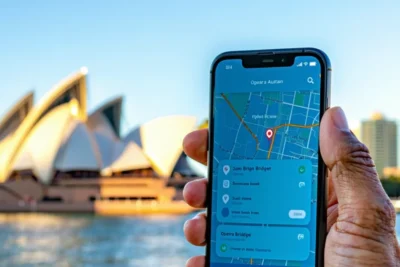
Coles Australia: Complete Guide to Store Locations & Services

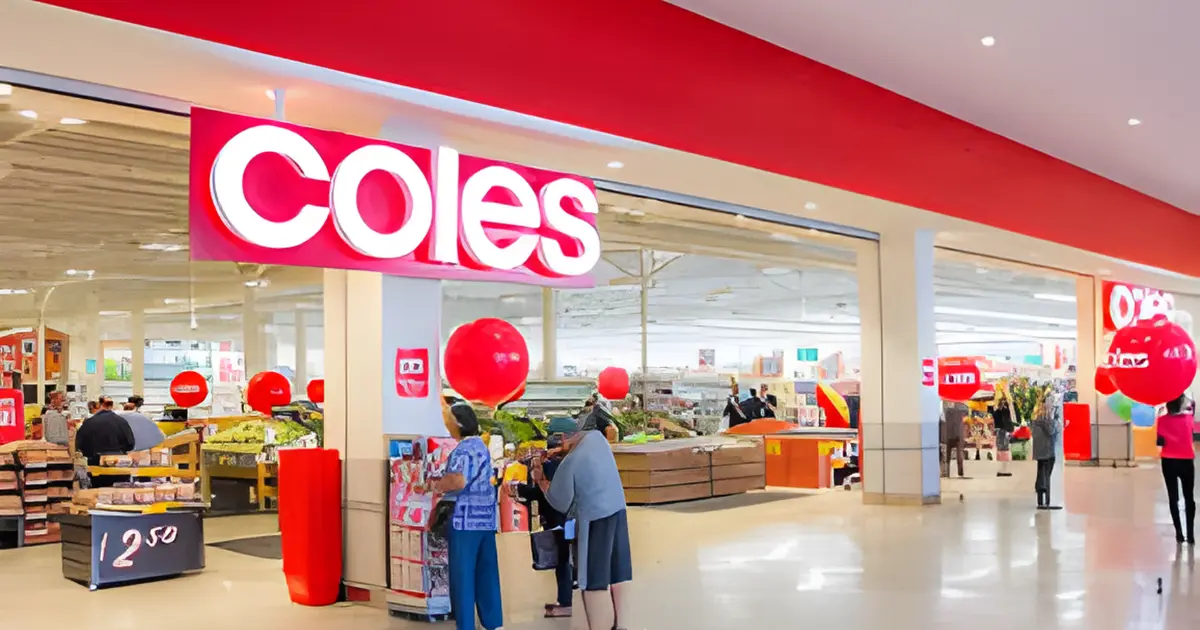
Coles Australia is the nation’s second-largest supermarket chain, operating over 800 stores nationwide and serving millions of customers weekly. Owned by Wesfarmers Limited since 2007, Coles commands approximately 28% of the Australian grocery market and employs more than 120,000 people across the country. The retailer offers comprehensive shopping services including in-store supermarkets, Coles Online delivery, Coles Express fuel stations, and the popular Flybuys loyalty program.
Founded in 1914 by George Coles, the company has evolved from a single variety store into Australia’s retail powerhouse. Today, Coles competes directly with Woolworths in the Australian supermarket duopoly, offering competitive pricing, weekly catalogues, and extensive product ranges across major cities including Sydney, Melbourne, Perth, and Brisbane.
Furthermore, Coles provides multiple shopping formats from standard supermarkets to convenience stores, plus specialized services including pharmacy, liquor, and financial offerings. The company’s digital transformation includes mobile apps, click & collect services, and personalized promotional programs that enhance the customer experience.
TL;DR
- Coles Australia is the country’s second-largest supermarket chain with 800+ stores and 28% market share, owned by Wesfarmers Limited
- Founded in 1914, Coles competes with Woolworths in Australia’s retail duopoly across major cities like Sydney, Melbourne, and Perth
- Services include supermarkets, Coles Online delivery, Coles Express fuel stations, Flybuys loyalty program, and weekly promotional catalogues
About Coles Australia: Overview and Company Profile
Coles Australia stands as the nation’s second-largest supermarket chain, serving millions of Australian families through its extensive retail network. The company operates over 800 stores nationwide, establishing itself as a cornerstone of Australian retail alongside its primary competitor, Woolworths. Moreover, Coles maintains a significant presence in every Australian state and territory, from bustling metropolitan areas to regional communities.
Currently, Coles commands approximately 28% of the Australian grocery market, making it a formidable force in the retail landscape. The supermarket giant employs more than 120,000 people across Australia, contributing significantly to the national workforce. Additionally, the company generates annual revenue exceeding $40 billion as of 2026, reflecting its substantial economic impact and market influence.
Wesfarmers Limited owns Coles Australia, having acquired the retail chain in 2007 for $22 billion. This ownership structure provides Coles with substantial financial backing and strategic resources to compete effectively in the Australian market. Furthermore, the Wesfarmers ownership enables Coles to invest heavily in technology, infrastructure, and customer experience improvements.
The company’s primary business operations encompass comprehensive retail services designed to meet diverse consumer needs. Coles supermarkets form the core business, offering fresh produce, groceries, household items, and specialty products. Meanwhile, Coles Online provides convenient home delivery and click-and-collect services, adapting to modern shopping preferences and digital transformation trends.
Beyond traditional supermarket operations, Coles operates Coles Express fuel stations across Australia, providing integrated shopping and refueling experiences. The company also manages the popular Flybuys loyalty program, which rewards customer purchases and drives repeat business. Consequently, these diverse service offerings position Coles as more than just a grocery retailer—it functions as a comprehensive lifestyle and convenience provider.
Coles Australia maintains strong market positioning through competitive pricing strategies, weekly promotional catalogues, and extensive product ranges. The retailer focuses on fresh food quality, private label products, and customer service excellence to differentiate itself from competitors. Therefore, Coles continues to play a vital role in Australia’s retail ecosystem, serving communities from major cities like Melbourne to regional towns across the continent.
Coles Ownership and Corporate Structure
Wesfarmers Limited has owned Coles since November 2007, when the conglomerate acquired the retailer for $19.3 billion in one of Australia’s largest corporate takeovers. This acquisition transformed Coles from a struggling retail chain into one of Australia’s most profitable supermarket operations. Subsequently, Wesfarmers invested billions in modernizing stores, improving supply chains, and enhancing customer experiences across the network.
Before Wesfarmers ownership, Coles Myer Limited operated the supermarket chain as part of a broader retail conglomerate from 1985 to 2007. Originally, G.J. Coles founded the company in 1914 as a small variety store in Melbourne. The business expanded rapidly throughout the 20th century, eventually merging with Myer department stores to create the Coles Myer retail empire.
Current Corporate Governance Structure
Coles operates as a wholly-owned subsidiary within the Wesfarmers corporate structure, benefiting from the parent company’s diversified business portfolio and financial strength. The governance framework includes a dedicated Coles management team led by a Managing Director who reports directly to Wesfarmers’ executive leadership. Additionally, the company maintains independent operational control while leveraging Wesfarmers’ strategic resources and expertise.
| Corporate Level | Entity | Role |
|---|---|---|
| Parent Company | Wesfarmers Limited | Ultimate owner and strategic oversight |
| Operating Division | Coles Group | Retail operations management |
| Subsidiaries | Coles Online, Express | Specialized service delivery |
The leadership structure encompasses experienced retail executives who drive operational excellence and strategic growth initiatives. Furthermore, Coles maintains robust corporate governance practices, including risk management frameworks, compliance systems, and stakeholder engagement protocols that align with Wesfarmers’ standards.
Stock Exchange Listing and Shareholder Information
Wesfarmers Limited trades on the Australian Securities Exchange under the ticker symbol WES, making Coles indirectly accessible to public investors through the parent company’s shares. The conglomerate’s market capitalization exceeds $60 billion, with Coles representing a significant portion of enterprise value. Consequently, shareholders gain exposure to Coles’ performance through their Wesfarmers investment.
Major institutional shareholders include Australian superannuation funds, international investment firms, and retail investors who recognize Wesfarmers’ stable dividend history and growth potential. The ownership structure provides Coles with access to capital markets while maintaining operational focus on retail excellence. Therefore, this arrangement enables long-term strategic planning without the pressures of independent public company reporting requirements.
Wesfarmers acquired Coles for $19.3 billion in 2007, transforming it into Australia’s second-largest supermarket chain
Coles Store Network and Locations Across Australia
Coles operates over 800 supermarkets across Australia, establishing itself as the nation’s second-largest grocery retailer with comprehensive coverage spanning metropolitan cities, regional centers, and rural communities. The extensive network serves approximately 21 million customers weekly, demonstrating the chain’s significant market penetration and accessibility throughout the continent.
State-by-State Distribution of Coles Locations
New South Wales hosts the largest concentration of Coles supermarkets with over 200 stores, reflecting the state’s population density and economic activity. Victoria follows closely with approximately 180 locations, while Queensland maintains around 150 stores across its diverse geographic regions. Additionally, Western Australia, South Australia, Tasmania, Northern Territory, and the Australian Capital Territory collectively house the remaining store network.
| State/Territory | Approximate Store Count | Major Urban Centers |
|---|---|---|
| New South Wales | 200+ | Sydney, Newcastle, Wollongong |
| Victoria | 180+ | Melbourne, Geelong, Ballarat |
| Queensland | 150+ | Brisbane, Gold Coast, Cairns |
| Western Australia | 100+ | Perth, Fremantle, Bunbury |
| South Australia | 80+ | Adelaide, Mount Gambier |
| Tasmania | 25+ | Hobart, Launceston |
| Northern Territory | 10+ | Darwin, Alice Springs |
| ACT | 15+ | Canberra |
Metropolitan Market Presence
Sydney’s metropolitan area contains over 80 Coles locations, strategically positioned across inner-city suburbs, outer residential areas, and major shopping centers. Melbourne’s network encompasses approximately 70 stores, serving diverse communities from the CBD to suburban growth corridors. Perth maintains around 40 supermarkets, while Brisbane operates over 50 locations throughout its expanding urban footprint.
These metropolitan stores typically feature larger floor spaces, extended trading hours, and comprehensive product ranges including fresh produce, bakery items, delicatessen services, and specialty departments. Moreover, many urban locations integrate with major shopping centers, providing convenient access for commuters and families. The strategic placement ensures most metropolitan residents live within 5 kilometers of a Coles supermarket.
Regional and Rural Coverage
Coles extends its reach into regional Australia through approximately 200 stores serving smaller cities, towns, and rural communities. These locations often function as essential community hubs, providing grocery access where alternative options remain limited. Regional stores adapt their product mix to local preferences while maintaining core grocery essentials and fresh food offerings.
Rural communities benefit from Coles’ commitment to serving diverse geographic areas, with stores operating in towns with populations as small as 10,000 residents. The company invests in regional infrastructure, local employment, and community partnerships to support these markets. Furthermore, many regional stores feature extended pharmacy services, post office facilities, and local product sourcing initiatives.
Store Formats and Specialized Locations
The Coles network encompasses multiple store formats designed to serve different market segments and shopping preferences. Standard supermarkets represent the majority of locations, offering full-service grocery shopping with fresh departments, extensive product ranges, and customer service counters. These stores typically range from 2,000 to 4,000 square meters in floor space.
Coles Express convenience stores operate alongside fuel stations, providing quick-shop grocery items, snacks, beverages, and essential household products for time-pressed customers. Additionally, the company operates several specialty formats including Coles Local stores in dense urban areas, offering curated product selections in compact spaces suited to apartment living and pedestrian traffic.
- Standard Supermarkets: Full-service grocery stores with comprehensive departments
- Coles Express: Convenience stores integrated with fuel stations
- Coles Local: Compact urban stores for high-density areas
- Coles Central: Large-format stores in major shopping centers
- Online Fulfillment Centers: Dedicated facilities for digital grocery orders
The diverse store network positions Coles to serve Australia’s varied demographic and geographic landscape effectively. Each format addresses specific customer needs while maintaining the brand’s commitment to quality, value, and service excellence across all touchpoints.
Coles vs Woolworths: Market Competition and Positioning
The Australian grocery retail landscape operates as a duopoly, with Coles Australia and Woolworths commanding approximately 70% of the total market share. This competitive dynamic shapes pricing strategies, product offerings, and customer experiences across the nation. Both retailers compete intensively for consumer loyalty through differentiated value propositions and strategic positioning.
Market Share and Competitive Landscape
Woolworths maintains the largest market share at approximately 37%, while Coles holds around 33% of the Australian grocery market. The remaining market share distributes among independent retailers, ALDI, and specialty stores. This close competition drives continuous innovation in customer service, product development, and operational efficiency.
| Retailer | Market Share | Store Count | Annual Revenue (AUD) |
|---|---|---|---|
| Woolworths | 37% | 1,000+ | $48 billion |
| Coles | 33% | 800+ | $39 billion |
| ALDI | 10% | 570+ | $11 billion |
| IGA & Others | 20% | 1,400+ | $22 billion |
The duopoly structure creates significant barriers for new entrants while enabling both companies to achieve economies of scale in purchasing, distribution, and marketing. However, this concentration also attracts regulatory scrutiny regarding pricing practices and supplier relationships.
Competitive Advantages and Differentiation
Coles differentiates itself through its “Down Down, Prices are Down” campaign, emphasizing consistent low pricing and value for money. The company invests heavily in private label products, which account for approximately 30% of sales and offer higher profit margins while providing customers with affordable alternatives to national brands.
Meanwhile, Woolworths positions itself as the premium option with superior fresh food quality and customer service. Their “Fresh Food People” brand promise focuses on product freshness, extensive organic ranges, and innovative store formats. Woolworths also leads in digital transformation with advanced online shopping platforms and delivery services.
Pros
- Aggressive pricing strategies
- Strong private label portfolio
- Efficient supply chain operations
- Comprehensive store network coverage
Cons
- Smaller market share than Woolworths
- Less premium brand perception
- Limited organic product range
- Fewer digital innovation initiatives
Pricing Strategies and Value Propositions
Both retailers employ sophisticated pricing strategies to attract and retain customers. Coles focuses on everyday low pricing combined with promotional campaigns that highlight permanent price reductions. This approach appeals to budget-conscious families and creates a perception of consistent value without requiring customers to time their shopping around sales cycles.
Woolworths utilizes a high-low pricing strategy, offering regular promotional specials while maintaining higher baseline prices on premium products. Their loyalty program provides personalized discounts and rewards, encouraging repeat visits and higher basket values. This strategy supports their premium positioning while still competing on price for key product categories.
Australian families spend an average of $150 per week on groceries, with 85% shopping at either Coles or Woolworths
The competitive intensity between these retailers benefits Australian consumers through lower prices, improved service quality, and continuous innovation in product offerings. Both companies invest heavily in technology, sustainability initiatives, and customer experience improvements to maintain their market positions in an increasingly competitive retail environment.
Coles Services and Shopping Options
Coles Australia delivers comprehensive retail services across multiple channels, serving millions of customers through traditional in-store experiences and modern digital platforms. The retailer operates 834 supermarkets nationwide, each designed to provide convenient access to fresh groceries, household essentials, and specialty products that meet diverse Australian family needs.
In-Store Shopping Experience and Product Ranges
Physical Coles stores feature carefully curated product ranges spanning fresh produce, meat, dairy, bakery items, and packaged goods. Each location stocks approximately 25,000 different products, including extensive organic selections under the Coles Organic brand and premium ranges that compete directly with specialty retailers.
Store layouts prioritize customer navigation through wide aisles, clear signage, and strategic product placement. Fresh departments occupy prominent positions near store entrances, while convenience items like ready-made meals and grab-and-go options cater to time-pressed shoppers. Additionally, many locations feature in-store bakeries, delicatessens, and seafood counters staffed by trained specialists.
Coles Online Shopping Platform and Delivery Services
The Coles Online platform enables customers to shop digitally through web browsers and mobile applications. This service covers metropolitan areas across Australia, offering same-day delivery windows and next-day options depending on location and demand.
Digital shopping features include personalized product recommendations, shopping list management, and reorder functionality for frequently purchased items. Furthermore, the platform integrates with the flybuys loyalty program, allowing customers to earn and redeem points on online purchases. Delivery fees start at $2 for orders over $50, making online shopping accessible for regular grocery needs.
Click & Collect Service Availability
Click & Collect services combine online convenience with in-store pickup efficiency. Customers place orders through digital channels and collect groceries from designated parking areas without leaving their vehicles. This hybrid shopping model appeals to busy families who want to avoid delivery fees while maintaining control over pickup timing.
Service availability spans over 400 Coles locations across major cities and regional centers. Orders typically require two-hour minimum preparation time, though peak periods may extend this window. The service includes temperature-controlled storage for frozen and refrigerated items, ensuring product quality during extended pickup windows.
Coles Express Fuel Stations and Convenience Offerings
Coles Express operates 710 fuel stations nationwide, combining petrol services with convenience retail offerings. These locations stock essential grocery items, hot food options, coffee, and automotive products, serving customers who need quick access to everyday necessities.
Fuel discount programs integrate with supermarket shopping, offering 4 cents per litre savings when customers spend $30 or more at Coles supermarkets. This cross-channel loyalty strategy encourages regular engagement across both grocery and fuel purchases. Moreover, many Coles Express sites feature 24-hour operations, providing essential services during extended hours when supermarkets remain closed.
Specialty Services: Pharmacy, Liquor, and Financial Services
Specialized retail divisions extend Coles Australia’s service portfolio beyond traditional grocery offerings. Liquorland operates as the company’s bottle shop network, while selected locations house pharmacies providing prescription services, health consultations, and wellness products.
- Liquorland stores: 680+ locations offering wine, beer, and spirits
- Pharmacy services: Available in select supermarket locations
- Financial services: Gift cards, money transfers, and bill payment facilities
- Photo services: Digital printing and photo product creation
These complementary services create comprehensive shopping destinations where customers can complete multiple errands during single visits. The integration strategy particularly benefits families managing busy schedules who value consolidated shopping experiences over visiting multiple specialized retailers.
Coles Catalogue and Promotional Programs
Coles Australia releases its weekly catalogue every Wednesday, featuring hundreds of discounted products across grocery, household, and seasonal categories. These promotional publications drive significant customer traffic and purchasing decisions throughout the retail network. Additionally, the catalogue serves as a primary marketing tool for communicating special offers, new product launches, and seasonal promotions to millions of Australian households.
Digital catalogue access transforms how customers engage with promotional content through the Coles mobile app and website platform. Users can browse current specials, create shopping lists, and receive personalized offers based on purchase history. Furthermore, the digital format enables real-time updates, interactive features, and seamless integration with online shopping services.
Weekly Catalogue Features and Special Offers
Each weekly catalogue typically contains 300-500 promotional items spanning fresh produce, packaged goods, health and beauty products, and household essentials. Half-price specials represent the most popular promotional format, offering substantial savings on branded products. Moreover, catalogue planning occurs 8-12 weeks in advance, allowing suppliers to coordinate inventory and production schedules.
- Fresh produce specials: Seasonal fruits and vegetables at reduced prices
- Pantry staples: Bulk discounts on rice, pasta, canned goods, and cooking essentials
- Household products: Cleaning supplies, laundry detergents, and personal care items
- Frozen foods: Ice cream, ready meals, and frozen vegetables
- Baby and pet products: Nappies, formula, pet food, and accessories
Catalogue distribution reaches approximately 9 million Australian households through letterbox delivery, in-store pickup, and digital channels. This extensive reach makes Coles catalogues among the most widely circulated promotional materials in Australian retail. Consequently, catalogue specials significantly influence weekly shopping patterns and brand preferences across diverse customer segments.
Seasonal Promotions and Major Sale Events
Seasonal promotional campaigns align with Australian holidays, school terms, and cultural celebrations throughout the year. Christmas promotions typically begin in early November, featuring expanded ranges of festive foods, gifts, and entertaining essentials. Similarly, back-to-school campaigns in January and July target families preparing for new school terms with lunch box items, stationery, and uniforms.
| Season | Key Promotions | Duration |
|---|---|---|
| Summer | BBQ essentials, fresh seafood, cold beverages | December-February |
| Autumn | Back-to-school items, comfort foods | March-May |
| Winter | Warming foods, indoor entertainment | June-August |
| Spring | Fresh produce, outdoor dining, spring cleaning | September-November |
Major sale events include Easter promotions featuring chocolate, hot cross buns, and family meal solutions, while Mother’s Day and Father’s Day campaigns focus on gift ideas and special dining options. These targeted promotions often generate 15-25% higher sales volumes compared to regular promotional periods.
Price Matching Policies and Competitive Pricing
Coles Australia operates a comprehensive price matching policy that compares prices with major competitors including Woolworths, ALDI, and IGA stores. Customers can request price matches at checkout by presenting competitor advertisements or digital proof of lower prices. However, the policy excludes online-only retailers, membership-based stores, and clearance items to maintain fair comparison standards.
Price Matching Requirements
Competitive pricing initiatives include Down Down campaigns that permanently reduce prices on popular items rather than offering temporary discounts. These price reductions typically target everyday essentials like bread, milk, bananas, and cleaning products. Furthermore, the strategy aims to build customer confidence in Coles’ ongoing value proposition rather than relying solely on promotional pricing.
Digital price comparison tools within the Coles app enable customers to track price changes, compare costs across different pack sizes, and identify the best value options. These transparency measures support informed purchasing decisions while demonstrating Coles’ commitment to competitive pricing across its extensive product range.
Flybuys Loyalty Program and Customer Benefits
Flybuys represents Australia’s largest loyalty program, serving over 8.8 million active members across Coles stores nationwide. The program operates on a points-based earning system where customers accumulate 1 Flybuys point per dollar spent on eligible purchases. Additionally, bonus point promotions regularly offer 2-4 times the standard earning rate on specific product categories or spending thresholds.
Members earn points through multiple channels beyond grocery shopping, including Coles Express fuel purchases, Kmart transactions, and Target retail spending. Furthermore, the program extends earning opportunities through partner retailers such as Bunnings Warehouse, Officeworks, and various online merchants. These diverse earning mechanisms enable customers to accumulate points across their regular shopping activities.
Redemption Options and Partner Benefits
Flybuys points convert to $10 Flybuys Dollars for every 2,000 points collected, providing immediate savings on future Coles purchases. Alternatively, members can redeem points for travel rewards through Velocity Frequent Flyer transfers at a rate of 2 Flybuys points to 1 Velocity point. The program also offers merchandise redemptions, gift cards, and charitable donations as additional redemption pathways.
Partner benefits include exclusive access to Coles Insurance products with member discounts, Shell Coles Express fuel savings of 4 cents per litre, and priority booking for Coles events. Moreover, members receive early access to limited-time offers and seasonal promotions before general availability to non-members.
Digital Integration and Mobile App Functionality
The Coles mobile app seamlessly integrates Flybuys functionality, allowing members to scan their digital card, track points balance, and view personalized offers in real-time. Digital receipt storage eliminates the need for paper receipts while enabling automatic points crediting for all eligible purchases. The app also features a points predictor tool that estimates earning potential based on shopping history and current promotions.
Push notifications alert members to bonus point opportunities, expiring offers, and points balance milestones. Meanwhile, the app’s shopping list feature suggests products that qualify for current bonus point promotions, helping members maximize their earning potential during each visit.
Exclusive Member Offers and Personalized Deals
Flybuys members receive personalized weekly offers based on purchase history, seasonal preferences, and demographic data. These targeted promotions typically provide 10-50% discounts on frequently purchased items or encourage trial of new products through substantial savings. The personalization algorithm analyzes shopping patterns to deliver relevant offers that align with individual household needs.
Member-only pricing provides additional savings on selected items throughout the store, clearly marked with special shelf tags. These exclusive prices often apply to premium products, seasonal items, and new product launches. Furthermore, members gain access to early bird specials and extended sale periods that begin before general promotional periods.
Birthday rewards, anniversary bonuses, and milestone celebrations provide additional value throughout the membership journey. The program also offers surprise and delight campaigns that randomly reward active members with bonus points or exclusive discounts, enhancing engagement and customer satisfaction levels.
Company History and Evolution
George James Coles founded the first Coles store in 1914 in Collingwood, Melbourne, establishing what would become Australia’s second-largest supermarket chain. The entrepreneurial grocer opened his initial store with a simple philosophy: provide quality products at affordable prices while delivering exceptional customer service. This foundational principle guided the company’s growth from a single storefront into a retail empire spanning the entire continent.
Initially operating as G.J. Coles & Co., the business expanded rapidly throughout the 1920s and 1930s across Victoria and New South Wales. Coles pioneered the self-service retail format in Australia, introducing the concept in 1958 at its Malvern store. This revolutionary approach transformed shopping experiences, allowing customers to browse and select products independently while reducing operational costs.
Major Acquisitions and Strategic Expansion
The company achieved significant growth through strategic acquisitions during the latter half of the 20th century. Coles Myer Limited formed in 1985 through the merger with Myer, creating Australia’s largest retail conglomerate. Subsequently, the acquisition of Bi-Lo supermarkets in 1987 expanded Coles’ market presence across South Australia and Western Australia.
Furthermore, the purchase of Liquorland and other specialty retail chains diversified the company’s portfolio beyond traditional grocery retail. These acquisitions established Coles as a comprehensive retail destination, offering everything from fresh produce to alcoholic beverages under one corporate umbrella.
Modern Supermarket Transformation
The transformation into the modern supermarket format accelerated during the 1990s and 2000s. Coles invested heavily in store renovations, introducing wider aisles, improved lighting, and expanded fresh food sections. The company also implemented advanced point-of-sale systems and inventory management technologies to enhance operational efficiency.
Wesfarmers acquired Coles Group in 2007 for $19.3 billion, marking a pivotal moment in the company’s evolution. Under new ownership, Coles underwent extensive restructuring, focusing on price competitiveness and customer experience improvements. The “Down Down” pricing strategy launched in 2011 positioned Coles as a value-focused retailer competing directly with Woolworths.
Coles operates over 800 supermarkets across Australia, serving millions of customers weekly
Digital Innovation and Recent Developments
Recent strategic initiatives focus on digital transformation and omnichannel retail experiences. The launch of Coles Online in 2015 enabled home delivery services across major metropolitan areas. Additionally, the introduction of click-and-collect services provides customers with convenient pickup options while maintaining competitive pricing.
Moreover, Coles has invested significantly in automation and supply chain optimization. The company opened its first automated distribution center in Melbourne, utilizing robotic systems to improve efficiency and reduce delivery times. These technological advancements support the growing demand for online grocery shopping while maintaining product freshness standards.
Environmental sustainability initiatives represent another key focus area for modern Coles operations. The company committed to achieving net-zero emissions by 2050, implementing renewable energy solutions and reducing plastic packaging across its product range. These efforts align with changing consumer preferences and regulatory requirements while positioning Coles as a responsible corporate citizen.
Looking ahead, Coles continues expanding its private label offerings and exploring new retail formats to meet evolving customer needs. The company’s strategic partnership with various technology providers enables continued innovation in areas such as personalized marketing, inventory optimization, and customer engagement platforms.
Frequently Asked Questions
Is Coles American or Australian?
Coles is a 100% Australian company founded in 1914 by George Coles. Despite being owned by Wesfarmers Limited since 2007, Coles remains an Australian retail institution with deep roots in the country’s history and culture.
Who is the owner of Coles Australia?
Wesfarmers Limited owns Coles Australia, having acquired the supermarket chain in 2007 for $22 billion. This ownership provides Coles with substantial financial backing and strategic resources to compete effectively in the Australian retail market.
What is Coles known for in Australia?
Coles is known for being Australia’s second-largest supermarket chain with competitive pricing, weekly promotional catalogues, fresh food focus, and the popular Flybuys loyalty program. The company is also recognized for its extensive network of over 800 stores nationwide and comprehensive retail services.
Is Coles the biggest supermarket in Australia?
No, Coles is the second-largest supermarket in Australia with approximately 28% market share. Woolworths is the largest, and together they form Australia’s retail duopoly, dominating the grocery market across the country.
How many Coles stores are there in Australia?
Coles operates over 800 stores nationwide across all Australian states and territories, from major metropolitan areas like Sydney, Melbourne, Perth, and Brisbane to regional communities throughout the country.
Does Coles offer online shopping and delivery?
Yes, Coles Online provides convenient home delivery and click-and-collect services across Australia. The platform includes mobile apps and personalized promotional programs as part of Coles’ digital transformation initiatives.
What is the Flybuys loyalty program?
Flybuys is Coles’ popular loyalty program that rewards customer purchases with points that can be redeemed for discounts, products, or travel rewards. The program drives repeat business and enhances the overall customer experience.
Where can I find Coles catalogues?
Coles catalogues are available through multiple channels:
- Coles website and mobile app
- In-store at Coles supermarkets
- Delivered to homes in local areas
- Digital versions with personalized offers
How many people does Coles employ in Australia?
Coles employs more than 120,000 people across Australia, making it one of the country’s largest employers and a significant contributor to the national workforce.
What services does Coles Express provide?
Coles Express operates fuel stations across Australia, providing integrated shopping and refueling experiences. These locations often include convenience store items and connect with the broader Coles ecosystem.
When was Coles founded?
Coles was founded in 1914 by George Coles, starting as a single variety store before evolving into Australia’s retail powerhouse over more than a century of operation.
What is Coles' annual revenue?
Coles generates annual revenue exceeding $40 billion as of 2026, reflecting its substantial economic impact and significant market influence in the Australian retail sector.
Does Coles operate in all Australian states?
Yes, Coles maintains a significant presence in every Australian state and territory, serving communities from major cities like Sydney, Melbourne, Perth, and Brisbane to regional areas across the country.
What additional services does Coles offer beyond supermarkets?
Beyond traditional supermarkets, Coles offers:
- Coles Online delivery and click-and-collect
- Coles Express fuel stations
- Pharmacy services
- Liquor stores
- Financial services
- Convenience store formats
You May Also Like
ALDI Australia: Complete Guide to Stores, Special Buys & Services
AliExpress Australia 2026: Complete Shopping Guide & Review