Weather in Sydney: What to Expect Each Season as a Newcomer

Weather in Sydney seems straightforward until you actually experience it. Before I moved to Australia, I looked at Sydney’s climate data and thought, “Great, mild winters, warm summers, sounds perfect.” Then I visited mates studying there and realised the numbers don’t tell you what it actually feels like.
I’m based in Melbourne doing my Master’s at UniMelb, but I’ve spent enough time in Sydney visiting friends, attending conferences, and exploring the city to understand its weather patterns. And the biggest lesson? Sydney weather is nothing like what I expected coming from South Asia.
The humidity hits different. The UV is no joke. The temperature swings within a single day can be ridiculous. And the way seasons work here doesn’t match the mental model I arrived with at all.
So here’s what I wish someone had explained to me about weather in Sydney before my first visit, broken down by actual seasons with real talk about what to expect, what to pack, and what catches newcomers off guard.
Summer in Sydney (December to February): Hot, Humid, and Intense
Summer in Sydney is not the dry heat I was used to back home. It’s humid, sticky, and relentless.
Temperatures regularly hit 30-35°C, sometimes pushing 40°C during heatwaves. But the humidity makes it feel much worse than the number suggests. You walk outside and immediately start sweating. The air feels thick. Your clothes stick to you.
I remember visiting a mate in Parramatta during January and we spent the entire afternoon just moving between air-conditioned spaces. Outside for five minutes, back inside to cool down, repeat. That’s summer in Sydney.
The UV index is extreme. I’m not exaggerating when I say you can get sunburnt in fifteen minutes during peak summer. Coming from a sunny country doesn’t make you immune. Australian sun is different because of the ozone hole and southern hemisphere intensity.
My first Sydney summer, I thought I’d be fine without sunscreen because I’m used to sun back home. Massive mistake. I got burnt walking from Circular Quay to the Opera House. That’s maybe twenty minutes. Learnt my lesson about sun safety in Australia pretty quickly.
Bushfire smoke can affect air quality. During bad fire seasons, Sydney gets blanketed in smoke for days or weeks. The sky turns orange, the air smells like burning, and you’re advised to stay indoors. This isn’t every summer, but when it happens, it’s genuinely unpleasant.
Afternoon thunderstorms are common. You’ll have a scorching hot morning, then around 3-4pm massive storm clouds roll in. Heavy rain, thunder, lightning, the works. Then it clears up and becomes humid again. These storms cool things down temporarily but make the humidity worse.
What to pack for Sydney summer:
- Light, breathable clothing (cotton or moisture-wicking materials)
- Wide-brimmed hat (not a cap, you need neck protection)
- High SPF sunscreen (SPF 50+, reapply constantly)
- Sunglasses with UV protection
- Light rain jacket or umbrella for sudden storms
- Refillable water bottle (hydration is critical)
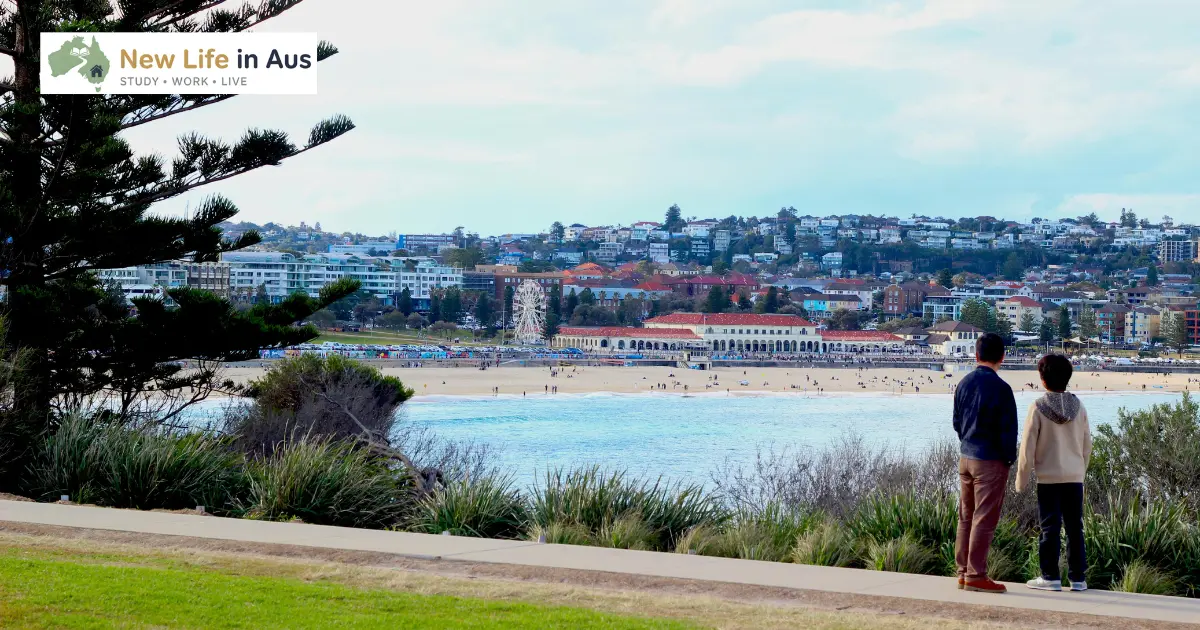
The beaches are packed during summer. Bondi, Coogee, Manly, all the famous spots. If you’re considering living near beaches in Sydney, summer is when you’ll understand why people pay premium rent for beach proximity. The water is actually warm enough to swim comfortably.
But seriously, respect the sun. International students end up in hospital with severe sunburn every summer because they underestimate Australian UV.
Autumn in Sydney (March to May): The Best Season
Autumn is genuinely the most pleasant time in Sydney. The humidity drops, temperatures become manageable, and the weather is consistently nice without being extreme.
Days are typically 20-25°C, perfect for being outside without melting. You can actually walk around the city comfortably. Do outdoor activities without planning around heat. Sit at cafes without sweating through your shirt.
The first time I visited Sydney in April, I was confused about why everyone was outside all the time. Then I realised this is the weather window everyone takes advantage of before winter arrives.
Nights start getting cooler, dropping to 12-15°C. You’ll need a light jacket or hoodie for evenings, but it’s not cold. Just pleasant. The kind of temperature where you can sit outside at night without being uncomfortable.
Rain is less frequent but still possible. You get occasional rainy days, but they’re not the constant drizzle you might be used to elsewhere. Usually quick showers that clear up. The storms are less intense than summer.
This is when Sydney looks its best. Clear blue skies, comfortable temperatures, less humidity. If you’re trying to decide whether to study in Sydney versus other cities, check out Sydney vs Melbourne comparisons to see how they differ.
Autumn is also when international students arriving for Semester 1 get the best first impression of Sydney. You land in late February or early March, the weather is still warm but manageable, and you think, “This is amazing, I love it here.” Then summer or winter arrives and you recalibrate.
What to pack for Sydney autumn:
- Mix of short and long sleeves
- Light jacket or hoodie for evenings
- Jeans or long pants alongside shorts
- Closed shoes (not just thongs)
- Layers you can add or remove
If you’re just arriving for your first semester, check what to do in your first week in Australia so you’re not scrambling with practical setup while adjusting to weather.
Winter in Sydney (June to August): Mild but Misleading
Sydney winters confuse international students because they’re not cold by global standards, but they feel colder than you’d expect from the temperature numbers.
Daytime temperatures are usually 16-20°C, dropping to 8-12°C at night. That doesn’t sound bad. But the dampness and wind make it feel much colder than the same temperature in a dry climate.
I’ve got mates from northern India who were shocked at how cold Sydney winter felt. They’d experienced much lower temperatures back home, but the humidity and wind cut through layers in ways they weren’t prepared for.
The houses aren’t built for cold weather. Most Sydney homes and apartments have minimal insulation and no central heating. You’re relying on portable heaters, reverse-cycle air conditioning, or just layering up with blankets. Indoor temperature often matches outdoor temperature, which is miserable.
If you’re looking at where to live in Sydney as a student, factor in whether the accommodation has heating. Makes a huge difference to your winter experience.
Rain is frequent during winter. Not constant downpours, but regular drizzly days. The rain is cold and makes everything feel damp. Your clothes take forever to dry. The moisture gets into everything.
I visited a mate’s place in winter and everything in his apartment felt slightly damp to touch. Towels, bedding, clothes. That’s just what Sydney winter is like in poorly ventilated accommodation.
The sun sets early, around 5pm. Coming home from uni or work in darkness is depressing, especially if you’re used to tropical climates where daylight doesn’t vary much through the year. The short days affect mood more than you’d think.
But it never actually freezes in Sydney. There’s no snow. No ice on roads. Frost is rare. If you’re from somewhere with proper winters, Sydney winter will feel laughably mild. But if you’re from somewhere tropical, it’ll feel genuinely cold.
What to pack for Sydney winter:
- Warm jacket (waterproof is ideal)
- Multiple layers (thermals, long sleeves, jumpers)
- Jeans and long pants
- Closed shoes and socks
- Scarf and beanie for really cold days
- Umbrella for constant rain
Winter is actually a good time for exploring Sydney on a budget because outdoor activities are less appealing, but you can still do plenty of cheap things in Sydney without freezing.
Spring in Sydney (September to November): Unpredictable Chaos
Spring in Sydney is beautiful but incredibly unpredictable. You genuinely don’t know what weather you’re getting day to day.
Temperatures range wildly from 15-25°C, sometimes within the same day. Morning might be 12°C, afternoon hits 26°C, evening drops back to 15°C. Dressing for this is impossible. You see people in shorts and t-shirts walking past people in winter jackets.
I’ve been in Sydney during October and needed a jacket in the morning, sweated through lunch, then needed the jacket again by evening. Pack layers. Always.
The weather changes fast. Sunny morning, rainy afternoon, clear evening. Or overcast all day with sudden sunshine. Or perfect weather that randomly turns into a storm. You can’t trust the forecast beyond “probably warm-ish, maybe rain.”
Wind is a major factor in spring. Sydney gets these strong winds that make temperatures feel much colder than they are. The wind also brings dust and pollen, which is rough if you have allergies.
Spring is peak allergy season. If you’ve never had hayfever before, you might develop it in Australia. The different plants, higher pollen counts, and Spring bloom trigger allergies in people who’ve never experienced them. Stock up on antihistamines.
This is when Sydney starts warming up properly. By November, you’re getting summer previews. Hot days, beach weather, outdoor events. People start spending time outside again after winter hibernation.
Spring is also when Semester 2 students arrive, and they get a confusing mix of weather that doesn’t make sense. One week you’re freezing, next week you’re sweating.
What to pack for Sydney spring:
- Everything. Literally everything.
- T-shirts and shorts for warm days
- Jumpers and jackets for cold days
- Jeans and a light jacket as default
- Umbrella (always)
- Sunglasses and sunscreen for surprise sunny days
The unpredictability is the hardest part. You can’t plan outfits in advance. You can’t commit to outdoor plans without backup indoor options.
The Things Nobody Tells You About Sydney Weather
Beyond the seasonal patterns, there are specific quirks about Sydney weather that catch newcomers off guard.
The city versus western suburbs temperature gap is huge. Parramatta can be 5-10°C hotter than the CBD on summer days because it’s inland. If you’re considering suburbs for accommodation, factor in that western areas are significantly hotter.
Check best suburbs near universities in Sydney to understand the climate variations across different areas.
Humidity affects how you function. Even at moderate temperatures, high humidity makes you feel gross and sluggish. You sweat more, sleep worse, and get exhausted faster. Air conditioning becomes essential, not optional.
The ocean breeze makes coastal areas much more pleasant. There’s a reason beach suburbs cost more. The breeze keeps temperatures 5-10°C cooler than inland areas and reduces humidity. If you can afford it, living near the coast makes Sydney summer bearable.
Weather affects transport reliability. Trains get delayed in extreme heat because rails expand. Buses get stuck in flash flooding. If you’re relying on public transport in Sydney, factor in that extreme weather means delays.
You need different wardrobes for different seasons. Unlike tropical climates where one wardrobe works year-round, you need actual seasonal clothing in Sydney. Budget for this if you’re arriving with just tropical clothes.
The weather influences your living costs. Summer electricity bills spike from air conditioning. Winter bills spike from heating. If you’re budgeting for cost of living in Sydney, factor in seasonal utility cost increases.
Weather impacts your mood and social life. Nice weather brings everyone outside, makes the city feel alive, and creates social opportunities. Bad weather drives everyone indoors and makes Sydney feel isolating.
I’ve noticed my mates in Sydney are much more active and social during autumn and spring when the weather is good. Summer and winter, everyone becomes more selective about leaving their accommodation.
How to Prepare Before You Arrive
If you’re moving to Sydney soon, here’s what I’d suggest based on watching mates make mistakes and learning from them.
Don’t pack your entire wardrobe from home. Bring versatile basics that work across seasons, then buy Sydney-specific items after you arrive. You don’t know what you’ll actually need until you experience the weather firsthand.
Budget for seasonal clothing shopping. You’ll probably need to buy: proper sunscreen, a warm jacket, rain gear, and better shoes for wet weather. Factor maybe $200-300 for clothing adjustments in your first few months.
Check when you’re arriving and pack accordingly. Arriving in February? Pack for summer. Arriving in July? Pack for winter. Seems obvious but international students show up in winter with only summer clothes because they came from hot countries and didn’t think about seasons.
Download a reliable weather app. BOM (Bureau of Meteorology) is the official one and most accurate. Check it every morning because Sydney weather changes fast.
Research your accommodation’s heating/cooling. If the place doesn’t have air conditioning and you’re arriving for summer, that’s a problem. If there’s no heating and you’re arriving for winter, also a problem. This matters more than you’d think.
Plan your arrival setup around weather. If you’re arriving in peak summer or winter, you’ll be dealing with extreme weather while trying to open bank accounts, get a phone, and sort accommodation. Read my first week checklist and prioritise shelter with climate control.
Understand that seasons are reversed from the northern hemisphere. This seems obvious but international students from the north constantly forget. December is summer. July is winter. Your brain might take weeks to adjust.
Comparing Sydney Weather to Other Major Australian Cities
Since a lot of international students compare cities before deciding where to study, here’s how Sydney weather stacks up.
Sydney versus Melbourne: Sydney is more humid, Melbourne is drier. Sydney has more consistent seasons, Melbourne has four seasons in one day year-round. Sydney winters are milder, Melbourne winters are colder but drier. For detailed comparison, check Sydney vs Melbourne for students.
Sydney versus Brisbane: Brisbane is hotter and more humid year-round. Brisbane winters are much milder, almost non-existent. Brisbane summers are brutal. Sydney has more defined seasons and cooler winters. Both are humid cities, but Brisbane is consistently tropical.
Sydney versus Melbourne versus other cities in terms of cost: Weather affects living costs through heating/cooling needs. Sydney and Melbourne both have high seasonal utility variations. Brisbane is cheaper for heating but expensive for cooling. Consider this when looking at cost comparisons.
Every city has weather trade-offs. Sydney’s main appeal is consistent warmth and beach lifestyle. The humidity is the price you pay for that.
Practical Tips for Surviving Sydney Weather
Let me share some specific strategies that actually work for managing Sydney’s weather extremes.
Layer everything in winter and spring. Start with a t-shirt, add a long-sleeve, add a jumper, bring a jacket. Remove layers as the day warms up. This is the only way to handle temperature swings.
Invest in a good umbrella and keep it with you. Cheap ones break in Sydney wind. Get a sturdy one and just carry it. Rain happens without warning.
Always have sunscreen accessible. Keep one at home, one in your bag. The UV is constant across seasons. Even winter days can cause sunburn.
Choose accommodation with outdoor space if possible. Balconies and courtyards become essential during nice weather. Being stuck entirely indoors during beautiful autumn and spring days is depressing.
Plan indoor backup activities. For summer heat and winter rain, have a list of libraries, shopping centres, museums, and indoor spaces you can escape to. The guide to living in Sydney covers these options.
Use the beach strategically. Summer evenings at the beach are cooler than inland. Winter sunny days at the beach are actually pleasant. Don’t just think of beaches as summer destinations.
Adjust your schedule around weather. Summer: do outdoor activities early morning or evening. Winter: do outdoor activities midday when it’s warmest. Spring: just accept chaos and roll with it.
Hydrate constantly in summer. Carry water everywhere. Humidity and heat cause dehydration faster than you realise. This isn’t optional advice.
Budget for air conditioning in summer. If your accommodation doesn’t have it, you’ll need to buy a portable unit or spend money on cafes and libraries to escape the heat. Factor this into your Sydney living costs.
Weather and Your Study Experience
Weather affects your university life more than you’d think. Let me explain how.
Extreme heat makes studying difficult. If your accommodation doesn’t have air conditioning, you physically can’t concentrate during heatwaves. University libraries become packed because they’re air-conditioned. Plan your study locations based on climate control.
Winter rain makes getting to uni miserable. Wet commutes, soaked clothes, damp everything. This affects attendance for morning classes. Be honest with yourself about whether you’ll actually make it to 9am lectures in pouring rain.
Beautiful weather creates FOMO. When it’s perfect outside, sitting in lectures or studying at home feels like torture. Autumn and spring have the highest rates of students skipping class to enjoy the weather.
Seasonal illness affects study. Winter brings colds and flu. Summer brings heat exhaustion. Spring brings allergies. All of this impacts your ability to focus and submit assignments on time.
Weather influences your social integration. Easy to meet people and make friends during good weather when everyone’s outside. Harder during summer heat and winter rain when people stay home. Factor this into your experience.
Understanding how to balance study, work, and life includes managing how weather affects your routine and mental health.
Frequently Asked Questions
Does Sydney get cold enough to snow?
No, never. Sydney doesn’t get snow at sea level. The coldest it typically gets is around 8°C at night in the middle of winter. The nearby Blue Mountains can get snow occasionally, but in Sydney itself, you’ll never see it. If you’re from somewhere with real winters, Sydney winter will feel very mild. If you’re from somewhere tropical, it’ll feel genuinely cold despite never freezing.
When is the best time to arrive in Sydney as an international student?
Late February or early March for Semester 1 is ideal. You get the tail end of summer but it’s starting to cool down into autumn. The weather is still warm but not oppressively hot, and you have time to adjust before winter. If you’re starting Semester 2 in July, you’re arriving in winter, which means dealing with cold, rain, and short days while setting up your life. Not ideal but manageable.
How bad is the humidity in Sydney compared to tropical countries?
Sydney humidity isn’t as consistently high as proper tropical climates, but it spikes uncomfortably during summer. You’ll get days with 70-80% humidity combined with 30-35°C temperatures. That’s brutal. The difference is it’s not year-round like proper tropics. You get respite in autumn and winter when humidity drops. But summer humidity can rival tropical cities during the worst periods.
Do I need a proper winter coat for Sydney?
Not a heavy winter coat like you’d need in Europe or North America. But you do need a decent jacket. Something waterproof, windproof, and warm enough for 8-15°C temperatures. A lightweight puffer jacket or good windbreaker works well. Don’t arrive with just hoodies and think you’ll be fine. The wind and rain will cut through light layers.
How do I protect myself from Sydney sun if I've never dealt with strong UV before?
Apply SPF 50+ sunscreen every morning, even on overcast days. Reapply every two hours if you’re outside. Wear sunglasses with UV protection. Use a wide-brimmed hat that covers your face, ears, and neck. Seek shade when possible, especially between 11am and 3pm. And take UV seriously from day one. I’ve watched international students get hospitalised with severe sunburn because they underestimated Australian sun. Read the full guide on sun safety in Australia if you’re not familiar with high UV.
Does weather affect part-time job opportunities in Sydney?
Yes, indirectly. Outdoor venues like beach cafes and outdoor markets have seasonal staffing. They hire more in summer and spring, less in winter. Retail stays consistent. Hospitality is busy year-round but peaks in summer. Warehouse and logistics work isn’t affected much by weather. If you’re looking for work, check part-time job opportunities in Sydney to understand which sectors suit you.
Final Thoughts
Weather in Sydney is one of those things you can’t fully understand until you’ve lived through all four seasons. The temperature numbers don’t tell you how the humidity feels, how the wind affects you, how the UV impacts your daily life, or how the seasonal variations will influence your mood and routine.
I’ve watched mates move to Sydney thinking the weather would be universally pleasant, then struggle through humid summer nights without air conditioning or freeze through winter in poorly insulated apartments. The climate is genuinely nice for about half the year. The other half requires adjustment and preparation.
Pack appropriately for your arrival season, budget for climate-control costs, take sun safety seriously, and understand that seasons are reversed if you’re from the northern hemisphere. Those basics will get you through the adjustment period.
For comprehensive context on everything else about student life in Sydney beyond weather, check out the ultimate guide to living in Sydney and how Sydney costs compare to your budget.
Weather in Sydney won’t make or break your university experience, but understanding it helps you prepare properly. And preparation makes everything easier when you’re trying to adjust to a new country while studying, working, and building a life.
You’ll figure out your rhythm with Sydney’s seasons. Everyone does eventually. Just give yourself grace during those first few months of adjustment.
You May Also Like

Best Hospitals in Australia (2026): The Complete City-by-City Guide

Best Hospitals in Darwin (2026): Public, Private and How to Choose