Day Trips from Brisbane: Gold Coast and Sunshine Coast for Students

Day trips from Brisbane to the Gold Coast or Sunshine Coast are one of the best perks of studying in Queensland. You’re literally an hour from world-class beaches, national parks, and coastal towns that would take Melbourne or Sydney students half a day to reach. I was genuinely jealous when visiting my friend studying at QUT and realising weekend beach escapes were this accessible.
The first time I visited Brisbane, my mate insisted we do both coasts in one weekend. Saturday was Gold Coast chaos with Surfers Paradise crowds and theme park energy. Sunday was Sunshine Coast serenity with Noosa’s calm beaches and national park walks. Completely different vibes, both brilliant in their own ways.
Three visits to Brisbane later, I’ve done both day trips multiple times and figured out what actually works on a student budget versus what’s tourist trap nonsense. The transport logistics, the hidden costs, the spots worth visiting versus the overhyped ones. Here’s everything you need to know about day trips from Brisbane to either coast without wasting money or time.
Gold Coast vs Sunshine Coast: Understanding the Difference
Before planning anything, understand that Gold Coast and Sunshine Coast are opposite personalities. Choosing between them depends entirely on what kind of day you want, not which is objectively “better.”
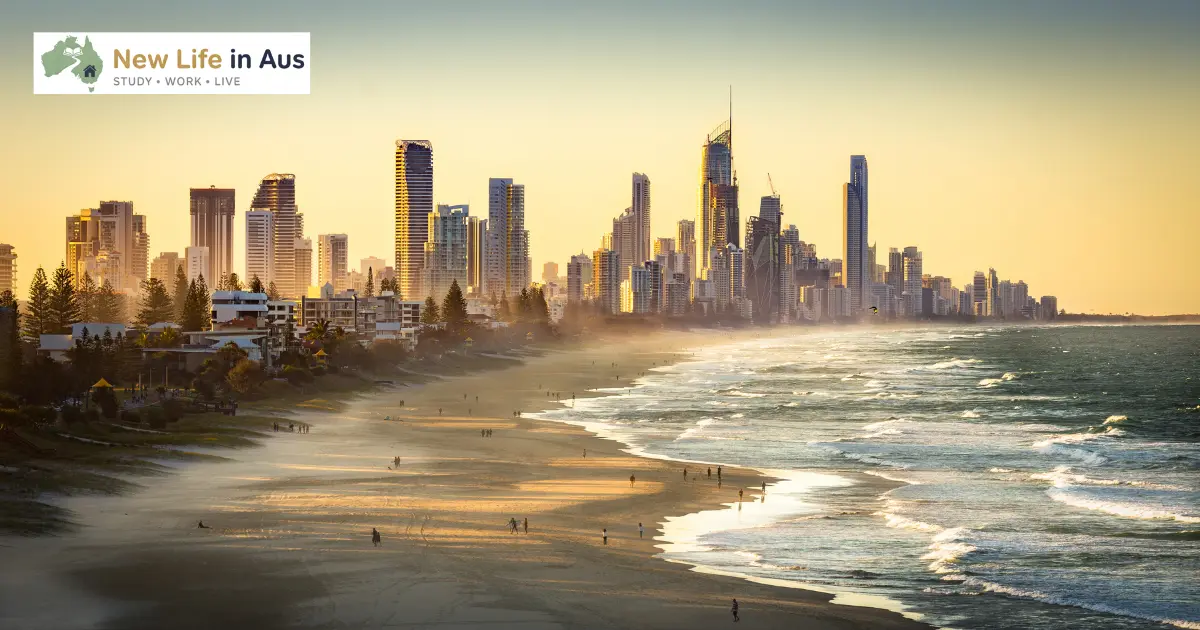
Gold Coast is Australia’s Miami. High-rise apartments lining beaches, theme parks everywhere, nightclubs pumping until 3am, shopping centres bigger than some suburbs. It’s developed, commercialised, and unapologetically touristy. You go there for entertainment, crowds, and that energetic beach city vibe.
Sunshine Coast is the alternative lifestyle version. Laid-back beach towns, national parks, organic cafes, surf culture without the commercialisation. Less developed, more natural, quieter. You go there to actually relax and disconnect from city stress.
I prefer Sunshine Coast personally because I get enough city energy living in Melbourne. But my Brisbane friends who want action and things to do overwhelmingly choose Gold Coast for quick day trips. Neither choice is wrong, they’re just serving different purposes.
Distance from Brisbane CBD:
- Gold Coast (Surfers Paradise): ~80km, 1 hour by car, about 1 hour 45 minutes by train and tram
- Sunshine Coast (Mooloolaba): ~100km, 1 hour 20 minutes by car, 2.5-3 hours by public transport
The Gold Coast wins on accessibility via public transport, which matters if you don’t have a car. Getting to Sunshine Coast without a vehicle is possible but tedious enough that most students either drive or skip it.
Getting to Gold Coast from Brisbane
The train and tram combo to Gold Coast is genuinely good by Australian public transport standards. I was shocked how easy it was compared to Melbourne’s patchy regional connections.
By train (recommended for solo or pairs):
Catch any southbound train from Brisbane Central, Roma Street, or South Brisbane heading toward the Gold Coast line. Major stops are Helensvale, Nerang, Robina, and Varsity Lakes. Trains run every 15-30 minutes during the day, less frequently on weekends.
Journey time to Helensvale is about 50-60 minutes from Brisbane Central. From Helensvale, transfer to the G:Link light rail (tram) that runs down the coast to Burleigh Heads (extended in August 2026). The tram stops at Surfers Paradise, Main Beach, Broadbeach, and everywhere in between.
Go card costs (check TransLink for current fares):
- Under Queensland’s 50 cent fares, each trip costs a flat 50 cents, so a return train and tram journey is about $1-2 total
- If the 50 cent fares scheme changes, standard go card fares apply and cost more, so check the TransLink journey planner before you go
- You can pay with a go card or a contactless credit or debit card on the tram
Buy a go card if you don’t have one. Single paper tickets cost significantly more. I used my Brisbane friend’s spare go card and the savings were noticeable over a weekend.
By car (recommended for groups of 3-4):
Take the M1 Pacific Motorway southbound directly to Gold Coast. It’s a straight shot down the highway, impossible to get lost. Exit at Southport for northern beaches, Surfers Paradise for the main tourist strip, or Burleigh Heads for the southern, chiller beaches.
Parking in Surfers Paradise costs $3-5 per hour in council car parks, more at private lots. Broadbeach has similar pricing. Burleigh Heads has free street parking if you’re willing to walk 10-15 minutes to the beach.
Split between four people, driving costs less than public transport when you factor in petrol and parking. Plus you have flexibility to explore multiple beaches at your own pace.
By bus (not recommended):
Some coach operators run services between Brisbane and Gold Coast (check which operators currently run the route), but they’re not cheaper than trains and take about the same time. Only use these if train times don’t work for some reason.
For broader context on public transport options, my guide to public transport in Brisbane covers the go card system in detail.
What to Do at Gold Coast: Student Perspective
Most Gold Coast tourist guides push theme parks and expensive activities. Here’s what actually makes sense for students doing a day trip on limited budget and time.
Surfers Paradise Beach is the obvious starting point. Yes, it’s crowded and touristy, but the beach itself is genuinely good. White sand, decent waves for bodyboarding, lifeguards everywhere, free showers and bathrooms. I’ve swum at beaches around Australia and Surfers holds up quality-wise despite the commercial surroundings.
The beach is free. Bring your towel, maybe rent a bodyboard for $10-15 if you want, and you’ve got 2-3 hours of entertainment sorted. The surrounding area is pure tourist trap though. Overpriced cafes, souvenir shops selling garbage, and people trying to sell you theme park tickets at “discount” prices that aren’t actually discounted.
Cavill Avenue and the surrounding streets have every fast food chain imaginable plus slightly fancier restaurants. For student budgets, there’s Hungry Jack’s, McDonald’s, Subway, all the usual suspects. Sit-down meals run $18-30, which is expensive for what you get. I’d eat before coming or bring snacks honestly.
Broadbeach is Surfers Paradise’s more sophisticated older sibling. Less chaotic, better restaurants, actual locals mixed in with tourists. The beach is quieter and the vibe is more relaxed. Pacific Fair Shopping Centre is there if you want air conditioning and free WiFi for a few hours.
I preferred Broadbeach to Surfers Paradise both times I visited. Still has beach access and tram connections but without the overwhelming tourist energy. Good middle ground if you want Gold Coast convenience without peak Surfers Paradise chaos.
Burleigh Heads is where Gold Coast locals actually go. Beautiful headland walk that takes 30-45 minutes with incredible coastal views. The beach has better waves for actual surfing compared to Surfers Paradise’s bodyboard-friendly stuff. Burleigh has a proper town feel with cafes, restaurants, and parks where people live rather than just visit.
Since August 2026 the G:link tram runs all the way to Burleigh Heads, so you can ride the tram straight there from Helensvale, although the trip takes a while. Worth it if you want to escape tourist central, not worth it if you only have a few hours total.
The Burleigh Headland walk is free and genuinely scenic. Proper Australian coastal bushland with pandanus trees and rock platforms. I did this walk on a Sunday morning and saw more locals walking dogs than tourists taking selfies, which was refreshing.
SkyPoint Observation Deck at Q1 Tower costs around $35 (check the SkyPoint website for current prices and any student discount). You get 360-degree views from 230 metres up, which is admittedly impressive. Whether it’s worth the ticket price depends on how much you care about tall building views. I didn’t do it because I’d rather spend that money on food, but friends who went said it was cool.
Theme parks (Dreamworld, Movie World, Sea World) cost roughly $100 or more per person for single-day entry (check current prices). That’s a separate full-day trip, not something you tack onto a Gold Coast day trip. If theme parks interest you, plan a dedicated day for one park rather than trying to squeeze it into a general beach day.
For more on what Brisbane offers beyond day trips, check the guide to living in Brisbane for international students.
Gold Coast Food and Budget Options
Eating at Gold Coast tourist areas is expensive. Here’s what actually works for student budgets:
Bring your own food is the cheapest option. Grab groceries from Coles or Woolworths before leaving Brisbane, pack sandwiches and snacks, eat on the beach. Boring but effective for keeping costs down.
I did this on my first Gold Coast trip and it worked fine. Supermarkets near Brisbane train stations sell meal deals (sandwich, drink, chips) for $8-10. Beach picnic sorted.
Fast food in Surfers Paradise:
- McDonald’s, Hungry Jack’s, KFC: $10-15 per meal
- Boost Juice, Grill’d, Subway: $12-18 per meal
- Fish and chips from takeaway shops: $12-15
Sit-down restaurants:
- Casual dining (burgers, pizza, pasta): $20-30 per person
- Nicer beachfront restaurants: $35-50+ per person
The restaurants right on Cavill Avenue or beachfront charge premium prices for average food. Walk two or three streets back from the beach and you’ll find cheaper options with better value.
Broadbeach has better food options if you’re willing to spend a bit more. The Kurrawa Surf Club does decent meals for $18-25 and you’re eating with actual ocean views, not just tourist strip chaos.
For comparison of eating costs across Australian cities, my cost of groceries breakdown shows typical food expenses students face.
Getting to Sunshine Coast from Brisbane
Sunshine Coast is trickier without a car. Public transport exists but isn’t convenient for day trips unless you leave very early and don’t mind getting back late.
By car (strongly recommended):
Take the M1 Bruce Highway northbound out of Brisbane. Exit at different points depending on which Sunshine Coast town you’re targeting:
- Caloundra: First major beach town, about 1 hour from Brisbane
- Mooloolaba: Most popular for day trips, 100km, 1 hour 20 minutes
- Noosa: Furthest and most upmarket, 140km, 1 hour 45 minutes
I’ve driven this route twice and it’s straightforward highway driving. Traffic builds up Friday afternoons and Sunday evenings when Brisbane residents head to and from weekend getaways, but midweek or early mornings are clear.
By public transport (possible but annoying):
Catch a northbound train from Brisbane to Nambour or Landsborough stations. Journey time is about 90 minutes. From there, catch Sunbus local services to Mooloolaba, Caloundra, or Noosa. The bus frequency is patchy, especially on weekends. Total travel time can hit 2.5-3 hours each way.
Go card covers the train and bus, and under the 50 cent fares scheme each trip is a flat 50 cents (check TransLink for current fares). The time investment makes this impractical for day trips unless you’re genuinely committed to not driving or can’t access a car.
Organised tours:
Several companies run day tours from Brisbane to Sunshine Coast including Australia Zoo or Noosa. These cost $80-150 per person usually. Convenient if you want everything arranged, expensive compared to driving yourself.
By rideshare with friends:
This is what most Brisbane students actually do. Someone has a car, three or four people split petrol and parking, comes out to $15-20 per person for the day. Much more practical than solo public transport adventures.
For students considering locations around Brisbane, the best suburbs in Brisbane near universities guide covers living options.
What to Do at Sunshine Coast: Student Perspective
Sunshine Coast is about beaches and nature, not commercial attractions. Come here to actually relax, not to rack up Instagram photos at manufactured tourist spots.
Mooloolaba Beach is the most accessible and student-friendly. Beautiful calm beach protected by a headland, safe swimming, proper sand (not rocky), and less crowded than Gold Coast equivalents. The Mooloolaba Esplanade has cafes and restaurants but they’re quieter, more local-oriented than Surfers Paradise tourist traps.
I swam at Mooloolaba for three hours on a random Tuesday and it was brilliant. Water was clear, waves were gentle enough for comfortable swimming but present enough to be fun. Proper beach experience without the Gold Coast crowds.
Noosa Main Beach is postcard-perfect but gets crowded in peak seasons and holidays. The beach curves around Laguna Bay with gentle waves ideal for beginners. Swimming here feels safe and relaxed compared to ocean beaches with strong currents.
Noosa itself is expensive though. The cafes and restaurants around Hastings Street cater to wealthy retirees and tourists, not students. A coffee costs $5-6, breakfast is $20-30, everything’s priced for people who don’t care about budgets.
Noosa National Park is the absolute highlight of Sunshine Coast for me. Coastal walking tracks through rainforest with multiple lookout points over turquoise water. The main coastal track takes 1.5-2 hours return and includes spots like Hell’s Gates and Fairy Pools (which aren’t actually pools you can swim in, just scenic rock formations).
The park is completely free, well-maintained with clear signage, and genuinely beautiful. I saw dolphins from one of the lookout points and multiple water dragons (big lizards) on the trail. Way better than paying $35 to look at Gold Coast from a building.
Caloundra has multiple beaches strung along the coast. Kings Beach is the main family-friendly spot with calm water and a nice walking path. Bulcock Beach is quieter. Moffat Beach has better surf if that’s your thing. All free, all less crowded than Noosa.
The Caloundra vibe is more working-class Australian beach town than Noosa’s boutique resort energy. I liked that authenticity. Restaurants were reasonably priced, locals were friendly, felt like actual Queensland coastal living.
Glass House Mountains are inland from the coast, about 30-40 minutes from Mooloolaba. These are remnants of volcanic plugs that stick up dramatically from the flat landscape. Multiple walking trails of varying difficulty, all free, spectacular views if you climb to the lookouts.
I didn’t do Glass House Mountains on my Sunshine Coast day trips because it felt like too much driving between locations. Friends who’ve done it said the walks are worth it if you’re into hiking and have a full day.
Australia Zoo (Steve Irwin’s famous zoo) is near the Glass House Mountains. Entry costs roughly $65-80 (check the Australia Zoo website for current prices and any student discount), making it expensive for a day trip add-on. If you really want to see Australian wildlife and haven’t been to a zoo yet, it’s supposedly the best in Queensland. I’ve been to Melbourne Zoo enough times that paying for another zoo didn’t appeal.
For students considering Queensland more broadly, comparing Brisbane vs other Australian cities helps with location decisions.
Sunshine Coast Food and Budget Options
Sunshine Coast is less commercial than Gold Coast but that doesn’t mean it’s cheaper for food. Noosa especially is expensive.
Budget eating at Sunshine Coast:
Pack your own food is still the best option. Beach picnics work brilliantly at Sunshine Coast because the beaches are less crowded and have better shaded areas for sitting.
Coles and Woolworths in Mooloolaba sell meal deals. Grab supplies there before heading to beaches or national park walks.
Mooloolaba dining:
- Fish and chips on the esplanade: $12-18
- Cafe meals: $18-28
- Decent restaurants: $25-40
Noosa dining:
- Hastings Street cafes: $25-40 for breakfast/lunch
- Proper restaurants: $40-60+ per person
- Takeaway from side streets: $15-20
Noosa is noticeably more expensive than Mooloolaba or Caloundra. The views are beautiful but you’re paying significant premiums. If budget matters, eat in Mooloolaba or pack food for Noosa visits.
Caloundra dining:
- Local cafes: $15-25 per meal
- Restaurants: $20-35 per person
- Surf clubs: $18-28 with good portions
Surf clubs at Caloundra and Mooloolaba offer the best value for sit-down meals. Decent food, fair prices, you’re supporting local community clubs. I ate at Caloundra Surf Club and paid $22 for fish, chips, and salad that would’ve cost $30-35 at a Noosa restaurant.
For broader grocery shopping strategies, check my guide on where students shop in Australia.
Gold Coast Day Trip Sample Itinerary
Here’s a realistic day trip to Gold Coast that maximises beach time and minimises costs:
7:30am – Catch train from Brisbane Central toward Gold Coast. Grab breakfast from 7-Eleven beforehand ($8-10).
8:45am – Arrive Helensvale station, transfer to G:Link tram southbound.
9:15am – Reach Surfers Paradise, walk to beach. Secure a good spot before crowds arrive.
9:30am-12:30pm – Beach time. Swimming, bodyboarding, sunbathing, reading. This is your free entertainment for the morning.
12:30pm-1:30pm – Lunch either packed food on beach or cheap takeaway from side streets ($10-15).
1:30pm – Catch tram south to Broadbeach.
1:45pm-3:30pm – Explore Broadbeach area, walk along beach, check out Pacific Fair if it’s too hot or you want air conditioning.
3:30pm – Tram back to Helensvale (or continue south to Burleigh if you have time and energy).
4:30pm – Train back to Brisbane.
5:45pm-6:00pm – Arrive Brisbane.
Total cost: about $1-2 transport (50 cent fares), $10-20 food if you pack some, $0 activities. About $11-22 total for a full beach day.
Alternative if you want to splurge:
Add SkyPoint Observation Deck (around $35), have a proper sit-down lunch in Broadbeach ($25-30), maybe rent a bodyboard ($15). Total cost becomes about $85-105 for a fancier experience.
Sunshine Coast Day Trip Sample Itinerary
This assumes you have access to a car. Public transport version adds 3-4 hours total travel time and limits where you can go.
7:00am – Leave Brisbane in car, stop at service station for coffee and bathroom ($5-8).
8:30am – Arrive Mooloolaba, park near beach (free street parking available if you arrive early, $5-8 paid parking later).
8:45am-11:30am – Mooloolaba Beach swim and relax. Less crowded at this time, water is calm, perfect morning beach experience.
11:30am – Drive to Noosa (about 45 minutes).
12:30pm-1:30pm – Noosa National Park coastal walk. Do the main trail to Hell’s Gates lookout point. Bring water bottles.
1:30pm-2:30pm – Lunch at Noosa, either packed picnic in the park or budget cafe meal ($15-25).
2:30pm-4:00pm – Noosa Main Beach swim and walk along Hastings Street. Window shopping at boutiques (browsing is free, buying is expensive).
4:00pm – Drive back to Brisbane.
5:45pm-6:30pm – Arrive Brisbane depending on traffic.
Total cost: $15-25 petrol split between passengers, $15-30 food if you pack some and buy one meal, $0-8 parking. About $30-50 per person total.
Alternative route: Skip Noosa entirely, spend full day alternating between Mooloolaba and Caloundra beaches (15 minutes apart). Less driving, more beach time, lower costs.
For students planning weekend activities, my guide to cheap and free things in Brisbane lists other budget options.
Which Coast for Different Student Situations
Choose Gold Coast if:
You don’t have a car and rely on public transport. The train and tram system makes Gold Coast very accessible.
You want social energy and crowds. Gold Coast delivers that party beach town vibe.
You’re meeting friends who want shopping and dining options. Pacific Fair and Broadbeach area have plenty of both.
You want backup plans if weather turns. Shopping centres and covered attractions give you options.
Choose Sunshine Coast if:
You have access to a car or can organise rideshare with friends. Public transport to Sunshine Coast for day trips is painful.
You prefer nature and quiet beaches over commercial tourist areas. Sunshine Coast is noticeably more relaxed.
You want proper national park walking. Noosa National Park beats anything Gold Coast offers for bushwalking.
You’re comfortable with limited dining options and bringing your own food. Sunshine Coast has fewer cheap food choices.
Do both if you can:
Honestly, Brisbane students should experience both at least once. They’re different enough that doing one doesn’t replace the other. I preferred Sunshine Coast overall but I’m glad I saw Gold Coast too for comparison.
Safety and Practical Considerations
Beach safety basics apply to both coasts:
Swim between the red and yellow flags where lifeguards are monitoring. Even if you’re a confident swimmer, rips and currents are real. I’ve swum at Australian beaches for three years now and I still only swim in patrolled areas.
Queensland sun is brutal. I’m from Bangladesh where it’s hot but Queensland UV levels are something else. Sunscreen every 2 hours minimum, wear a hat, seek shade during peak UV (11am-3pm).
Bring water and stay hydrated. Beach days in Queensland heat without water leads to headaches and feeling terrible. I learned this mistake in my first month in Australia.
Check weather forecasts before going. Summer storms can arrive fast in Queensland. Getting caught in a beach storm isn’t fun.
Box jellyfish and stingers:
The main beaches on both coasts generally don’t have stinger problems. That’s more of a tropical Far North Queensland issue (Cairns area). Gold Coast and Sunshine Coast swimming is safe year-round regarding jellyfish.
If you see warning signs about marine stingers, believe them and don’t swim. Rare on these coasts but occasionally happens.
Crime and belongings:
Don’t leave valuables visible in your car at beach car parks. Car break-ins happen occasionally. Take your phone and wallet to the beach with you in a small waterproof bag.
On the beach, keep an eye on your stuff or go in groups where someone watches bags while others swim. Theft isn’t common but it happens.
Surfers Paradise at night has occasional drink-spiking incidents in clubs and bars. Standard nightlife safety rules apply: watch your drinks, stay with friends, don’t accept drinks from strangers.
Transport safety:
Don’t drink and drive if you’ve had beers on the beach or in Surfers Paradise. Queensland police do random breath testing regularly, especially on Sunday evenings when people return from beach trips.
The M1 highway between Brisbane and both coasts has high-speed limits (100-110 km/h). Lots of accidents happen from people driving tired or distracted. Stay alert, take breaks if needed.
For students new to Australia, my guide on Australian culture basics covers local customs and expectations.
What to Pack for Day Trips
Essential items:
Swimsuit, towel, sunscreen (SPF 50+ minimum), hat, sunglasses, water bottle. These are non-negotiable for Queensland beach trips.
Change of clothes for after swimming. Sitting in wet swimmers on the train back is uncomfortable.
Reef-safe sunscreen if possible. Queensland is pushing for ocean-friendly sunscreen to protect marine life.
Useful additions:
Waterproof phone pouch for taking photos at beach and protecting phone from sand and water. I bought one for $15 and it’s been worth it.
Snacks and packed lunch to save money. Resealable containers or zip-lock bags work fine.
Small first aid kit with band-aids and pain relievers. Beach cuts from shells or rocks happen.
Portable phone charger if you’re taking lots of photos. Your battery will drain fast.
Things you probably don’t need:
Bodyboards or surfboards unless you’re serious about it. Rental is available at beaches if you decide you want one.
Beach umbrella. They’re bulky to transport and most beaches have some natural shade. Bringing one on public transport is impractical.
Expensive cameras. Phone cameras are fine for beach photos and you won’t worry about sand or water damage.
What to wear:
Comfortable walking shoes or sandals. You’ll do more walking than expected, especially at Sunshine Coast.
Light, breathable clothing. Queensland is hot and humid. Cotton or moisture-wicking fabrics work best.
Layers for air-conditioned trains and shopping centres. The temperature difference between outside heat and indoor AC is significant.
Best Times to Visit
Seasonally:
September to November (spring) and March to May (autumn) have the best weather. Warm enough for swimming but not oppressively hot. Lower humidity than summer.
December to February (summer) is peak tourist season. Beaches are crowded, accommodation is expensive if you’re staying overnight, traffic is heavier. Weather is hot and humid with occasional afternoon storms.
June to August (winter) still works for beach visits in Queensland. Air temperature is 18-23°C typically, which is cool but pleasant. Water temperature drops to 19-21°C. Locals wear wetsuits, tourists from colder climates swim comfortably.
I visited Gold Coast in July (winter) and swam without wetsuit fine. Coming from cold Melbourne made Queensland winter feel warm. Brisbane students might find it too cold for swimming.
Day of week:
Weekdays are significantly less crowded than weekends at both coasts. If you can swing a Wednesday or Thursday day trip, you’ll have much better beach experience.
Weekends see Brisbane residents flooding both coasts, especially in good weather. Parking becomes harder, beaches are packed, restaurants have waits.
Public holidays are worst for crowds. Avoid Easter, Christmas, New Year’s, Australia Day if possible.
Time of day:
Arriving early (before 10am) gets you good parking spots and less crowded beaches. Both coasts fill up 10am-3pm peak hours.
Late afternoon (after 3pm) empties out as day trippers head home. Beautiful time for beach walks and swimming without crowds.
For broader context on Brisbane living, check the cost of living in Brisbane guide that shows monthly expense expectations.
Comparing Costs: Full Budget Breakdown
Gold Coast budget day trip (public transport):
- Return train and tram: about $1-2 (50 cent fares, check TransLink)
- Breakfast before leaving: $8-10
- Packed lunch and snacks: $10-15
- One coffee or drink: $5-7
- Total: $24-34 per person
Gold Coast medium budget (public transport):
- Return train and tram: about $1-2 (50 cent fares, check TransLink)
- Cafe breakfast: $18-25
- Restaurant lunch: $20-30
- SkyPoint entry: $35
- Snacks and drinks: $10-15
- Total: $84-107 per person
Sunshine Coast budget day trip (with car, 4 people):
- Petrol split 4 ways: $10-15 per person
- Parking: $5-10 split
- Packed food all day: $10-15
- One coffee or snack: $5-8
- Total: $30-45 per person
Sunshine Coast medium budget (with car, 4 people):
- Petrol split 4 ways: $10-15 per person
- Parking: $5-10 split
- Cafe breakfast: $18-25
- Restaurant lunch: $25-35
- Coffee and snacks: $10-15
- Total: $68-100 per person
Adding overnight stay (if you want weekend trip instead of day trip):
Hostels: $30-50 per night Budget hotels: $80-150 per night Airbnb shared: $40-80 per person per night
Overnight trips make more sense for Sunshine Coast since travel time eats into day trip duration. Gold Coast is easy enough for day trips that overnight isn’t necessary unless you want nightlife experience.
Common Mistakes to Avoid
Not checking weather forecasts before leaving. Queensland weather can change fast. Summer afternoon storms are regular. I’ve been caught in beach storms twice and it’s miserable.
Underestimating sun exposure. Even on cloudy days, Queensland UV is high. I’ve seen too many international students get severe sunburn on their first beach trip. Sunscreen is non-negotiable, and reapply regularly.
Forgetting to validate go card when transferring. You need to tap on and off both train and tram separately. Forgetting can mean you pay a maximum fare or get fined.
Driving to Sunshine Coast without full tank of fuel. Service stations along the highway charge premium prices. Fill up in Brisbane before leaving.
Expecting Gold Coast to be relaxing. If you want peace and quiet, you’re going to the wrong coast. Gold Coast is about energy and activity, not meditation and calm.
Bringing too much stuff to the beach. You’ll carry everything around all day on public transport or across parking lots. Pack light.
Not bringing enough water. You’ll drink more than you think in Queensland heat. Bring at least 1-2 litres per person for beach days.
Trying to do both coasts in one day. Technically possible but you’ll spend most of the day driving and barely get beach time. Choose one and do it properly.
For students managing tight budgets, my biggest money mistakes guide covers other financial pitfalls to avoid.
Beyond Day Trips: Overnight Options
If you have a weekend and want to extend either trip to overnight, here’s what changes:
Gold Coast overnight:
Surfers Paradise has dozens of hostels from $30-50 per night. Party atmosphere, very social, young travellers. Not great for actual rest but fun if that’s what you want.
Budget motels in Southport or Main Beach run $80-120 per night. Less central but quieter and cheaper than Surfers.
Overnight lets you experience Gold Coast nightlife. Clubs and bars along Orchid Avenue stay open until 3-4am Thursday-Saturday. Cover charges $10-20, drinks $8-15 each.
Sunshine Coast overnight:
Mooloolaba and Caloundra have budget motels $90-150 per night. More family-oriented than Gold Coast party hostels.
Noosa is expensive for accommodation. Budget at least $150-200 per night even for basic places. The boutique resort pricing extends to all accommodation.
Overnight at Sunshine Coast means you can do sunrise beach walks, visit multiple towns without rushing, and properly explore Glass House Mountains or Australia Zoo.
Is overnight worth it?
For Gold Coast, only if you specifically want the nightlife experience. Day trips are sufficient for beaches and general sightseeing.
For Sunshine Coast, overnight makes more sense because of travel time and the area being more spread out. You’ll get more value from two days exploring different beaches and national parks.
My article on weekend trips and activities suggests other student-friendly travel options.
Frequently Asked Questions
Can I do both Gold Coast and Sunshine Coast in one day?
Technically yes but you’ll spend 4-5 hours just driving between Brisbane, Gold Coast, and Sunshine Coast with minimal time actually at beaches. Pick one coast per day trip. If you have a weekend, do one coast Saturday and the other Sunday, staying overnight in Brisbane between.
Is Gold Coast or Sunshine Coast better for international students who can't swim well?
Both have patrolled beaches with lifeguards and calm swimming areas. Mooloolaba and Noosa Main Beach on Sunshine Coast have very gentle waves ideal for nervous swimmers. Gold Coast’s Surfers Paradise has bigger waves but still safe if you swim between flags. Either works, just stay in lifeguard-patrolled areas.
How much should I budget for a Gold Coast day trip?
About $20-35 per person covers transport, basic food if you pack some and buy minimal extras, and free beach activities. Add $40-70 more if you want sit-down meals and paid attractions like SkyPoint. Check current fares and prices. Theme parks require $100+ separate budget and full day commitment.
Do I need a car for Sunshine Coast or can I use public transport?
Public transport to Sunshine Coast exists but takes 2.5-3 hours each way making day trips impractical. You really want a car or organised rideshare with friends. Gold Coast is much better for public transport day trips via train and tram.
What's the water temperature like at both coasts?
Summer (December-February): 24-28°C, very comfortable swimming. Autumn/Spring: 20-24°C, pleasant for most people. Winter (June-August): 19-21°C, cool but swimmable if you’re from cold climates. Locals often wear wetsuits in winter, visitors from overseas swim comfortably.
Is it safe to swim at both Gold Coast and Sunshine Coast beaches?
Yes, as long as you swim between the red and yellow flags where lifeguards patrol. Both coasts have patrolled beaches with excellent safety records. Avoid swimming at unpatrolled beaches or outside patrol hours. Rips and currents are real risks but easily avoided by following safety signage and lifeguard instructions.
Final Thoughts
Day trips from Brisbane to either Gold Coast or Sunshine Coast are genuinely one of the best parts of studying in Queensland. Melbourne and Sydney students travel 3-4 hours to reach comparable beaches. You’ve got world-class coastlines an hour away in two completely different styles.
Gold Coast delivers if you want action, entertainment, and that busy beach resort atmosphere. Sunshine Coast wins for nature, calm beaches, and actually disconnecting from city stress. Neither is objectively better, they serve different purposes for different moods.
I’m jealous of Brisbane students having these options so accessible. Melbourne’s beaches are fine but they’re urban bay beaches, not proper surf coast like Queensland offers. The Great Ocean Road is beautiful but requires full weekend commitment, not casual day trips.
Make the effort to visit both coasts at least once during your time in Brisbane. The roughly $20-50 it costs for a day trip is minimal compared to the experience. Beaches this good, this accessible, don’t exist in most of the world. Take advantage while you’re there.
If you’re still deciding whether to study in Brisbane, check my guides on Brisbane for international students and comparing Brisbane to other Australian cities. Day trips from Brisbane to incredible coastlines are just one of many perks the city offers students.
You May Also Like

Best Hospitals in Australia (2026): The Complete City-by-City Guide

Best Hospitals in Darwin (2026): Public, Private and How to Choose