Living in Brisbane Guide for International Students: Lifestyle, Weather and Vibe

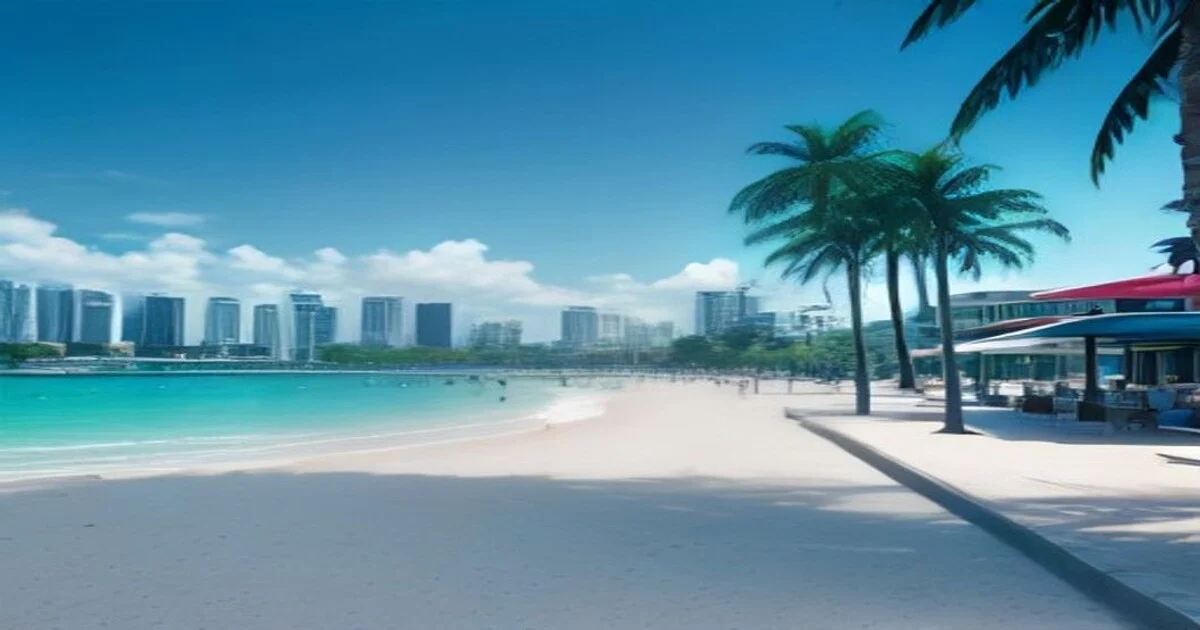
Brisbane doesn’t get talked about as much as Sydney or Melbourne in international student marketing, and that undersells it. It’s Australia’s third-biggest international student city, home to three top-200 global universities (UQ, QUT and Griffith), noticeably cheaper than Sydney, and warmer than Melbourne almost every week of the year. This guide covers what actually matters once you’ve committed to studying there: the climate month by month, which suburbs to target and why, what public transport really costs, and what day-to-day life feels like.

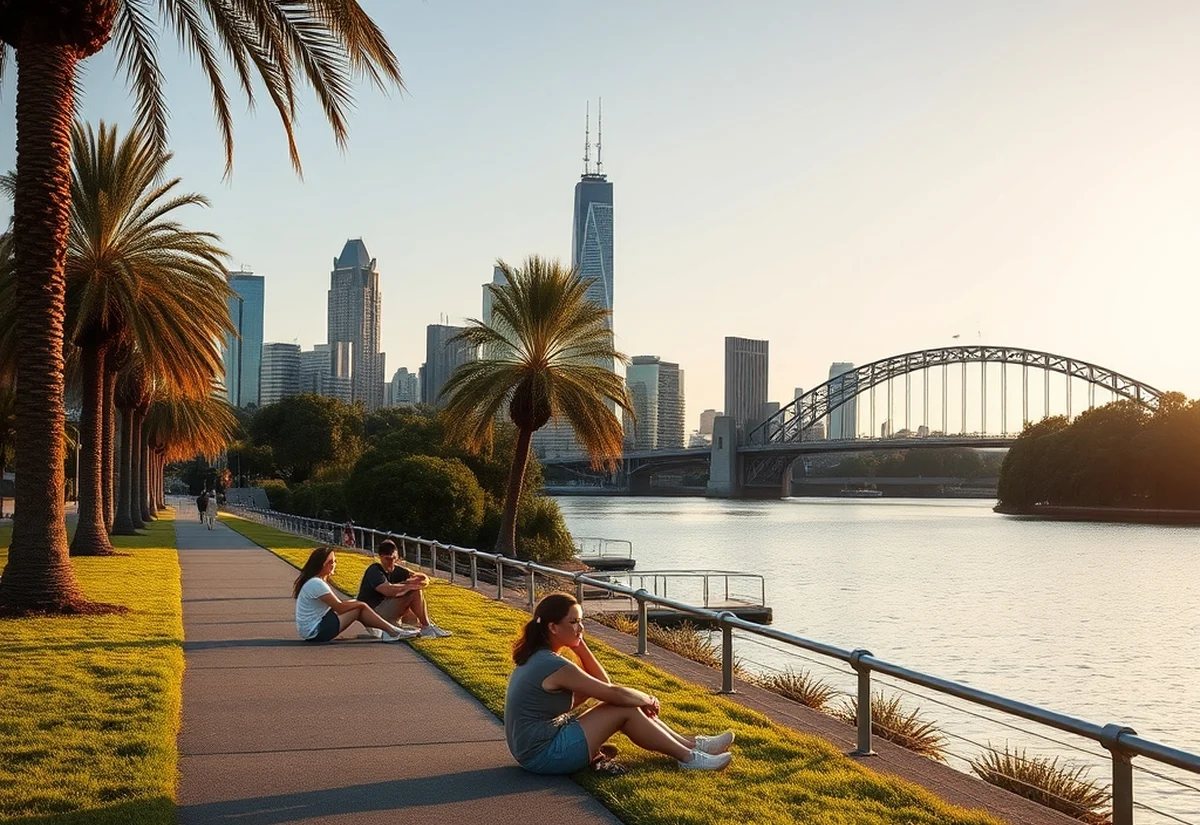
Brisbane's climate, month by month
Brisbane sits in a humid subtropical climate zone, which in practice means there’s no real “dry season” and no genuinely cold winter. Average daily highs range narrowly across the whole year, from around 21°C in July (the coldest month) to around 29°C in January (the hottest). Average overnight lows range from about 11°C in July up to 22°C in January.
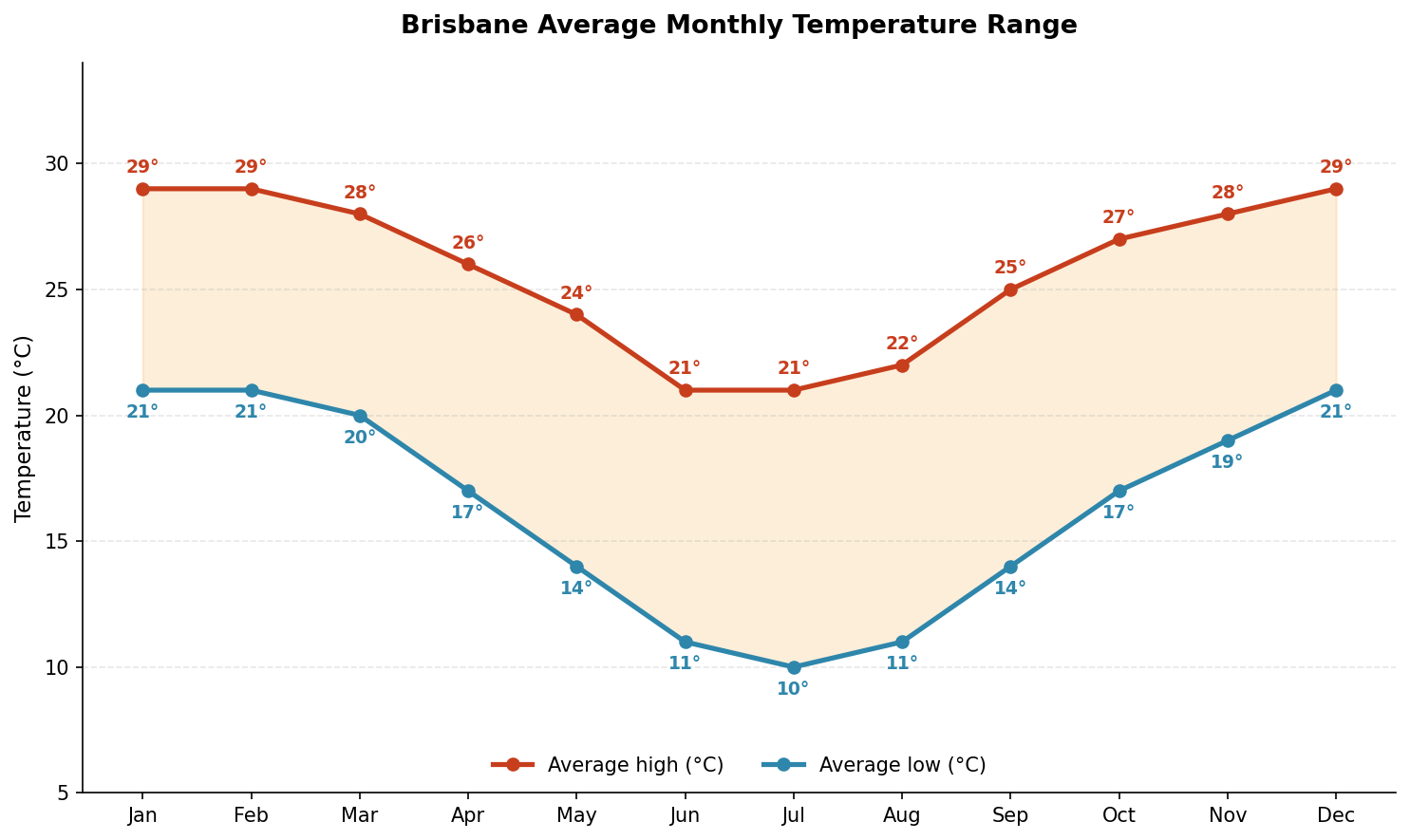
Two things matter more than the raw numbers for someone moving from a genuinely cold climate:
- Summer (December–February) is hot, humid and prone to sudden, heavy afternoon storms. Air conditioning is close to essential in most share houses and apartments during these months, and it’s worth checking whether a rental has it before signing.
- Winter (June–August) is mild by any reasonable standard – daytime highs still sit around 20–22°C – but mornings and evenings can feel genuinely cold indoors, because Queensland houses are built for heat, not cold, and most rentals have no central heating. A good doona and a portable heater solve this; a heavy winter coat, in most cases, does not need to be packed.
Compared with Melbourne’s four-seasons-in-a-day unpredictability or Sydney’s coastal humidity swings, Brisbane’s weather is consistent and, for most people coming from outside Australia, comfortable for the majority of the year.
Where to live: suburbs that actually make sense
Brisbane’s student-friendly suburbs cluster around its three main universities, plus a couple of inner-city areas people choose for lifestyle over proximity. The honest trade-off in every case is walkability and vibe versus rent.
| Suburb | Best for | Why |
|---|---|---|
| St Lucia | UQ students | The University of Queensland’s main campus sits directly in St Lucia, making it the default choice for UQ students who want to walk to lectures. Leafy, river-adjacent, but rents reflect the convenience. |
| Kelvin Grove | QUT students / health fields | Sits just northwest of the CBD next to QUT’s Kelvin Grove campus and close to the Royal Brisbane and Women’s Hospital, making it a natural fit for health-related degrees. |
| West End | Budget-conscious students who want inner-city life | Multicultural, dense with cafes and restaurants, and considered relatively affordable for its inner-city location – though still a step up from outer suburbs. |
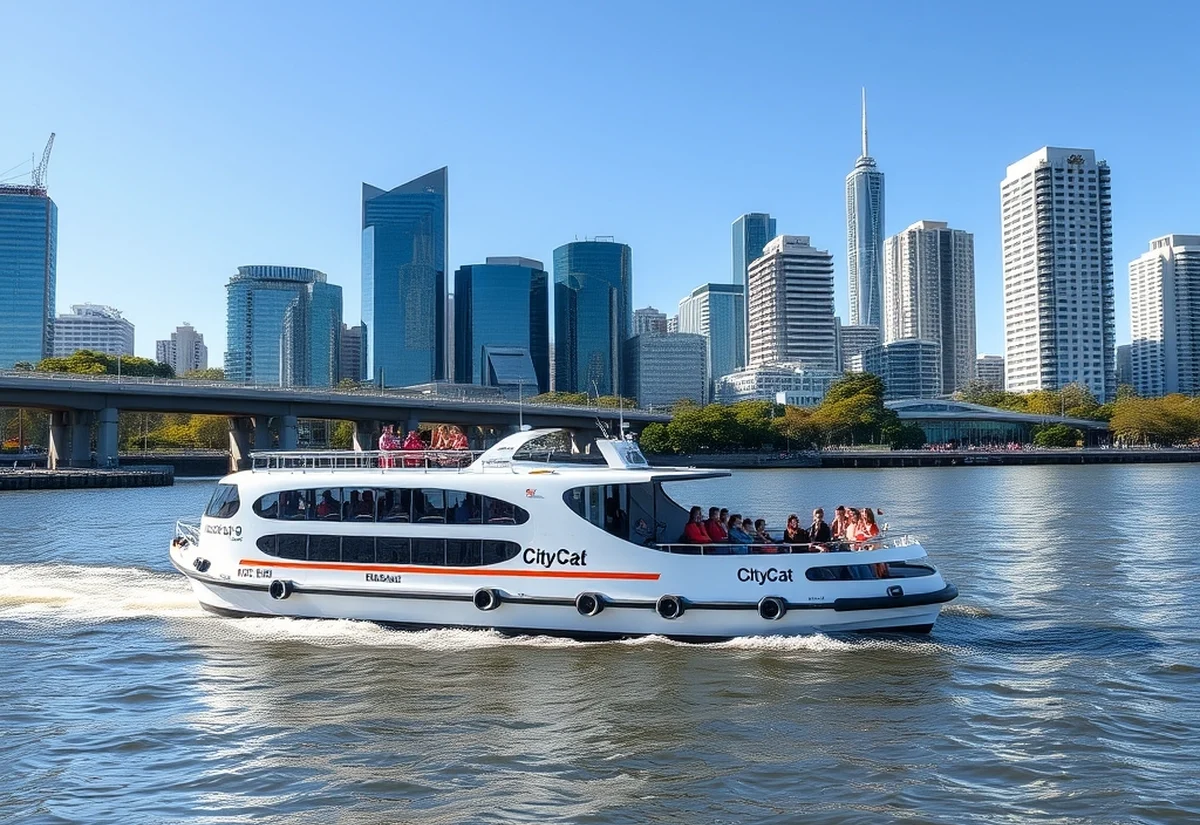
| New Farm | Students who want river lifestyle | A CityCat ferry stop puts New Farm on the river transport network directly, alongside parkland and a well-known dining strip – but this comes at a premium. |
| Paddington | Students who want a quieter inner-city base | Close to the city without the density of West End, with a village-like main street. |
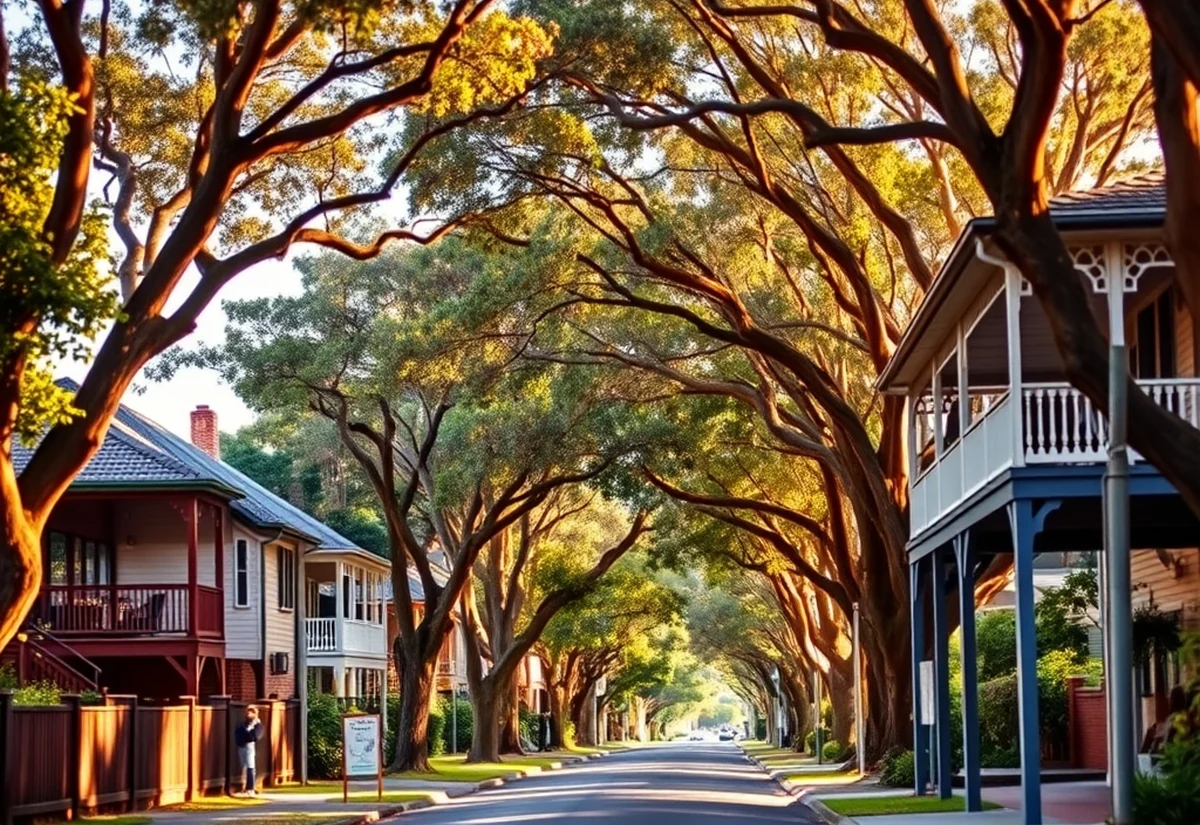
| Wilston | Students prioritising walkability and calm | A leafy, well-connected suburb with tree-lined streets, rated highly for walkability. |
What rent actually looks like across Brisbane
Brisbane’s rental market has a wide spread between inner and outer suburbs – often more than $300 a week for a comparable dwelling. Citywide, median rents sit around $680 a week for houses and $570 for units, but that average hides very different realities depending on where you look.
| Area | Typical rent level | Example |
|---|---|---|
| Inner-ring premium suburbs | $700–$900/week for houses | New Farm, Paddington, Bulimba |
| Brisbane City / CBD-adjacent | ~$698/week houses, ~$790/week units | Brisbane City postcode |
| Affordable outer suburbs | $380–$390/week for a two-bedroom unit | Woodridge (Logan City), Inala |
Brisbane rents have been rising quickly – around 6.6% over the year to mid-2026, with houses leading the increase. Booking well ahead of semester start, and being realistic about the inner-ring premium, both matter more in 2026 than they did a few years ago. Sharing a house rather than renting solo is still the most reliable way to bring costs down significantly, regardless of suburb.
Getting around: Brisbane's public transport, and why the 50-cent fare matters
This is one of the most underrated cost-of-living facts about studying in Brisbane right now. The Queensland Government made a flat 50-cent fare permanent from February 2025, applying across all zones and all modes – bus, train, ferry and tram – throughout the Translink network in South East Queensland (it doesn’t apply to the separate Airtrain service). That single trip, of any length, on any of these services, costs 50 cents.
In practical terms, this makes Brisbane’s public transport meaningfully cheaper to live on day-to-day than Sydney’s or Melbourne’s, where fares scale with distance and add up fast over a semester. The impact has been large enough to measure: public transport patronage in Brisbane rose about 22% after the fare was introduced, with Queenslanders collectively saving hundreds of millions of dollars on fares.
The network itself
- Trains – the Queensland Rail network fans out from the CBD in all directions, covering most of the suburbs mentioned above except the inner-city ones better served by bus or ferry.
- Brisbane Metro – a newer, high-frequency bus rapid transit system with two lines (M1 and M2) running as often as every five minutes at peak times, extending out to Eight Mile Plains and connecting the CBD to the Royal Brisbane and Women’s Hospital and the University of Queensland.
- CityCats – ferries running along the Brisbane River, stopping at New Farm, West End and other river-adjacent suburbs, doubling as one of the more pleasant commutes available anywhere in Australia.
- Go card / smart ticketing – trips are tapped on and off using a Go card or a contactless card/digital wallet directly, with the Go card set to be phased into a new Translink card system during 2026.
The lifestyle and culture, honestly described
Brisbane’s reputation used to be “big country town,” and there’s a kernel of truth in the older version of that description, but it’s increasingly out of date. The city is mid-transformation, driven partly by the lead-up to the 2032 Olympic and Paralympic Games, with a wave of infrastructure, university and public transport investment reshaping the CBD and inner suburbs.
What that means day to day:
- The pace is genuinely more relaxed than Sydney or Melbourne – less commuting pressure, less density, and a river-and-outdoors culture that shapes weekends more than shopping or nightlife does.
- The food and grocery scene is far more international than the “country town” reputation suggests – see our full guide to Brisbane’s international grocery and restaurant precincts for exactly which suburbs to go to for which cuisine.
- Outdoor life is a bigger part of the culture than in the southern capitals, simply because the climate supports it almost year-round – river walks, Mount Coot-tha, and the beaches of the Gold Coast and Sunshine Coast are all within a day trip.
- The city is smaller and easier to navigate mentally than Sydney or Melbourne once you’ve learned the river’s geography – most of what matters for a student sits within a compact band either side of it.
Brisbane vs Sydney vs Melbourne: the honest comparison
| Factor | Brisbane | Sydney | Melbourne |
|---|---|---|---|
| Climate | Humid subtropical, mild winters, hot humid summers | Temperate, mild but more changeable | Temperate, famously changeable (“four seasons in a day”) |
| Rent level | Lower than Sydney, broadly comparable to or slightly below Melbourne | Highest in the country | Lower than Sydney, comparable to Brisbane |
| Public transport fares | Flat 50 cents per trip, any distance, any mode | Distance-based Opal fares | Zone-based Myki fares |
| Pace of life | Relaxed, outdoors-oriented | Fast-paced, harbour city energy | Cultural/café-oriented, dense inner city |
| University ranking presence | Three top-200 universities (UQ, QUT, Griffith) | Multiple top-100 universities | Multiple top-100 universities |
None of these cities is objectively “best” – the honest framing is that Brisbane trades some of Sydney and Melbourne’s density and cultural intensity for lower costs, a milder climate, and a genuinely cheaper daily commute, which adds up meaningfully across a two-to-four-year degree.
Practical checklist for your first month
- Pick a suburb based on your university and budget using the table above, and book accommodation as early as possible given the current rent growth.
- Get a Go card (or confirm your bank card supports contactless tap-on/tap-off) on arrival – at 50 cents a trip, public transport should be your default from day one rather than rideshare or taxis.
- Budget for air conditioning running costs in summer and a portable heater for winter mornings; don’t assume either climate extreme is mild enough to skip both.
- Locate your nearest international grocery precinct early – see the dedicated guide linked above – rather than defaulting to whichever supermarket happens to be closest.
- Plan at least one river-adjacent weekend activity in your first month (CityCat ride, South Bank, Mount Coot-tha) – it’s a fast way to get oriented and is genuinely one of Brisbane’s best free things to do.
Frequently asked questions
For more on settling into Brisbane, see our guides on choosing between Brisbane’s city centre and suburbs, the real cost of living in Brisbane and student accommodation options in Brisbane.
You May Also Like

How to Become a Hairdresser in Australia (2026): Certificate III, TAFE Costs and Visa Pathway for International Students

Studying Accounting in Australia: Courses, Costs and Career Path