Best Melbourne Suburbs for Students: University & TAFE Guide 2026

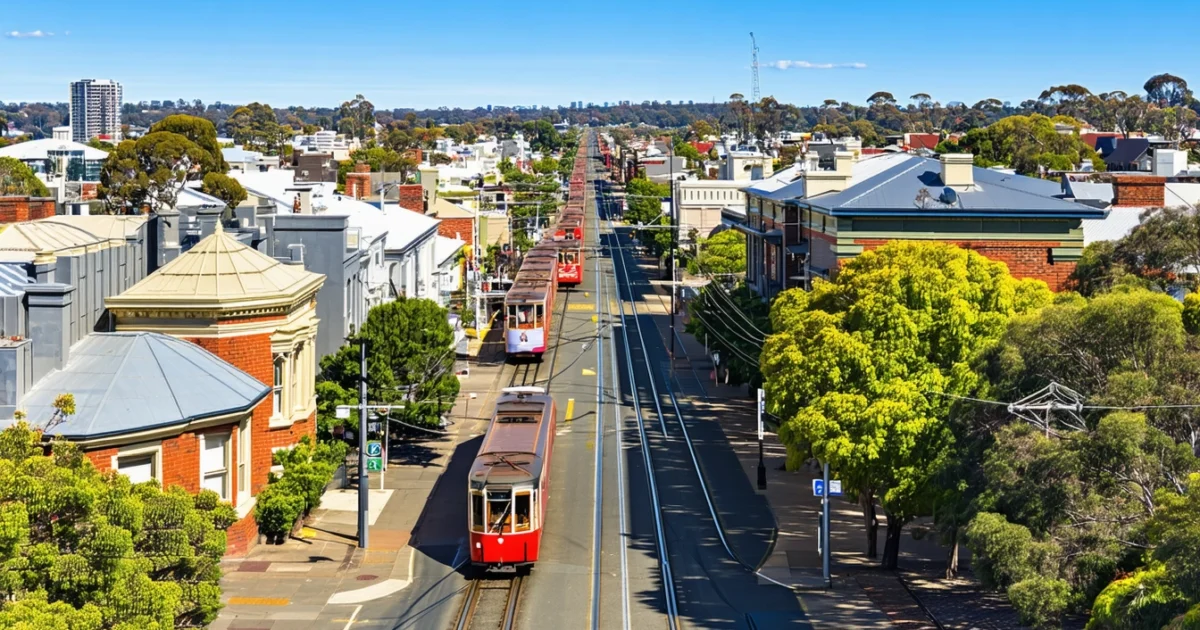
Best suburbs in Melbourne for students near universities and TAFE include Carlton, Parkville, Brunswick, and Fitzroy, offering excellent proximity to major educational institutions with varying rental costs and lifestyle amenities. These areas provide convenient public transport access, vibrant student communities, and essential services that make student life both affordable and enjoyable.
Melbourne’s diverse suburbs cater to different student needs and budgets. Carlton sits at the heart of Melbourne’s education precinct, within walking distance of University of Melbourne and RMIT. Meanwhile, Parkville offers premium residential options with excellent tram connections.
For budget-conscious students, Brunswick provides affordable accommodation with strong public transport links to multiple universities. Additionally, creative students often choose Fitzroy for its vibrant culture and proximity to RMIT’s city campus. Each suburb offers unique advantages in terms of rental costs, transport accessibility, and student lifestyle amenities.
Furthermore, students attending Monash University Clayton campus benefit from suburbs like Clayton, Glen Waverley, and Mount Waverley. These areas provide excellent train connectivity via the Pakenham and Cranbourne lines, plus family-friendly environments for mature students.
TL;DR
- Carlton and Parkville offer premium locations near University of Melbourne with walking distance to campus
- Brunswick and Fitzroy provide affordable alternatives with excellent tram connections and vibrant student culture
- Clayton area suburbs serve Monash University students with reliable train access and family-friendly environments
- Transport considerations include Myki student concessions, tram networks, and cycling infrastructure to campuses
- Rental costs vary significantly between inner suburbs and outer areas, with share houses offering budget-friendly options
Top Student Suburbs Near Major Melbourne Universities
Melbourne’s inner suburbs offer exceptional proximity to major universities, creating vibrant student communities with distinct characteristics. Each area provides unique advantages for university students seeking accommodation near their campus.
Carlton: Melbourne's Education Hub
Carlton stands as Melbourne’s premier education precinct, positioning students within walking distance of both University of Melbourne and RMIT University. The suburb hosts thousands of students annually, creating a dynamic academic atmosphere throughout the year.
Students living in Carlton enjoy immediate access to university facilities, libraries, and campus events without relying on public transport. Furthermore, the area features numerous cafes, bookstores, and student services that cater specifically to university life. Rental prices reflect the premium location, with shared accommodation typically ranging from $200-300 per week.
Parkville: Premium Student Living
Parkville offers upscale accommodation options for University of Melbourne students seeking quality living spaces. The suburb provides excellent tram connections along Royal Parade, ensuring quick access to the city and other university campuses.
Additionally, Parkville’s tree-lined streets and proximity to Royal Park create an ideal study environment away from city noise. Many purpose-built student apartments operate in this area, offering modern amenities and security features that appeal to international students and their families.
Brunswick: Affordable Student Alternative
Brunswick emerges as Melbourne’s most popular affordable suburb for students attending multiple universities. The area provides excellent public transport connectivity through tram routes 19 and 1, reaching University of Melbourne, RMIT, and La Trobe University efficiently.
Students appreciate Brunswick’s diverse dining scene, vintage shops, and active nightlife along Sydney Road. Consequently, rental costs remain significantly lower than Carlton, with shared houses averaging $150-220 per week. The suburb attracts creative students and those seeking authentic Melbourne culture beyond campus boundaries.
Fitzroy: Creative Student Haven
Fitzroy serves as Melbourne’s creative epicenter, attracting art and design students from RMIT and other institutions. The suburb’s vibrant street art, independent galleries, and live music venues create an inspiring environment for creative disciplines.
Students benefit from tram route 11 providing direct access to RMIT’s city campus within 15 minutes. Moreover, Fitzroy’s renowned nightlife scene along Brunswick Street offers numerous part-time employment opportunities in hospitality and retail sectors that students frequently pursue.
Richmond: Balanced Student Living
Richmond delivers an optimal balance between affordability and accessibility for students across Melbourne’s university network. The suburb’s comprehensive transport hub includes Richmond Station and multiple tram routes connecting to all major campuses.
Students particularly value Richmond’s proximity to the city while maintaining lower rental costs than inner suburbs. The area offers diverse accommodation options from converted warehouses to modern apartments, with Richmond Melbourne providing detailed insights into the suburb’s student amenities. Additionally, Bridge Road and Swan Street feature extensive shopping and dining options that enhance student lifestyle quality.
| Suburb | Nearest University | Weekly Rent Range | Transport Time to City |
|---|---|---|---|
| Carlton | University of Melbourne | $200-300 | Walking distance |
| Parkville | University of Melbourne | $250-350 | 10 minutes |
| Brunswick | Multiple universities | $150-220 | 20 minutes |
| Fitzroy | RMIT University | $180-280 | 15 minutes |
| Richmond | Multiple universities | $170-250 | 12 minutes |
University of Melbourne Area: Carlton and Parkville
Carlton stands as the premier student suburb for University of Melbourne attendees, offering unmatched convenience through its walking distance proximity to the main campus. Students living in Carlton can reach lecture halls, libraries, and student services within a 5-10 minute walk, eliminating daily transport costs and time constraints that affect students in distant suburbs.
The suburb’s Lygon Street serves as Melbourne’s famous Italian precinct, providing students with affordable dining options, late-night cafes perfect for study sessions, and numerous part-time employment opportunities. Furthermore, Carlton’s student-oriented businesses include 24-hour laundromats, budget grocery stores, and specialty bookshops that cater specifically to university needs.
Parkville complements Carlton by offering slightly more spacious residential options while maintaining excellent university access. Students in Parkville benefit from proximity to Royal Park, Melbourne’s largest inner-city parkland, providing essential outdoor recreation spaces for stress relief and physical activities that enhance student wellbeing.
Both suburbs connect seamlessly through tram routes 1, 3, 5, and 6, which provide direct access to Melbourne’s CBD within 15 minutes. Additionally, these tram lines link students to other university campuses, major shopping centers, and employment hubs throughout Melbourne’s inner suburbs.
Accommodation Options and Pricing
Carlton’s rental market offers diverse accommodation types suited to different student budgets and preferences. Shared houses typically range from $180-250 per week, while studio apartments command $280-350 weekly. Meanwhile, Parkville provides similar options with slightly higher prices reflecting its newer developments and park proximity.
Students frequently choose purpose-built student accommodation in both suburbs, with facilities including study rooms, communal kitchens, and high-speed internet. However, traditional rental properties often provide better value, particularly when students share costs among multiple tenants in converted Victorian terraces or modern apartment complexes.
- Shared bedrooms: $150-200 per week
- Private rooms in shared houses: $200-280 per week
- Studio apartments: $280-350 per week
- One-bedroom apartments: $350-450 per week
Student-Focused Amenities and Services
Carlton’s Readings Bookstore functions as both a retail outlet and cultural hub where students gather for book launches, author talks, and study groups. Similarly, the suburb hosts numerous independent cafes such as Seven Seeds and Brunetti that welcome students with extended opening hours and Wi-Fi access for academic work.
The Carlton Library provides essential study spaces during exam periods when university facilities reach capacity. Moreover, both Carlton and Parkville feature medical centers, pharmacies, and banking services within walking distance, ensuring students can access essential services without lengthy travel times.
Students particularly benefit from the area’s concentration of tutoring centers and language exchange programs that support academic success. These services prove especially valuable for international students adapting to Australian university expectations and local academic culture.
RMIT and Melbourne CBD Campus Areas
RMIT University’s multiple campus locations across Melbourne’s CBD and surrounding areas create diverse housing opportunities for students. Furthermore, each campus area offers distinct advantages in terms of lifestyle, budget considerations, and transport connectivity. Students can choose from creative hubs to emerging neighborhoods based on their academic focus and personal preferences.
Fitzroy and Collingwood: Creative Student Hubs
Fitzroy attracts creative students with its vibrant arts scene and direct access to RMIT’s city campus via tram routes 11 and 86. Additionally, the suburb’s numerous galleries, live music venues, and independent theaters provide inspiration and networking opportunities for design, media, and performing arts students. Brunswick Street’s cafes and bars create natural study spaces where students collaborate on projects.
Collingwood offers similar creative energy with more affordable housing options compared to Fitzroy. Moreover, students benefit from the suburb’s proximity to RMIT’s Brunswick campus while maintaining easy CBD access. The area’s converted warehouses and shared artist studios provide unique accommodation experiences for students seeking alternative living arrangements.
| Suburb | Travel Time to RMIT City | Weekly Rent Range | Key Features |
|---|---|---|---|
| Fitzroy | 15-20 minutes | $180-300 | Arts scene, tram access |
| Collingwood | 18-25 minutes | $160-280 | Creative spaces, affordable |
North Melbourne: Emerging Student Community
North Melbourne has developed into a significant student precinct due to its exceptional transport advantages and growing student population. Consequently, the suburb provides direct train access to both RMIT’s city campus and other university locations via North Melbourne Station. Students appreciate the area’s blend of residential quiet and urban convenience.
The suburb’s student accommodation buildings concentrate around Arden Street and Flemington Road, offering purpose-built facilities with study rooms and social spaces. Nevertheless, traditional share houses remain popular among students seeking more independence and budget flexibility in converted Victorian homes.
Carlton North: Budget-Friendly Student Choice
Carlton North provides budget-conscious students with affordable housing while maintaining excellent tram connectivity to RMIT campuses. Specifically, tram route 1 connects students directly to the city campus within 20 minutes. The suburb’s residential character offers a quieter study environment compared to busier student areas.
Students frequently choose Carlton North for its proximity to both RMIT and the University of Melbourne, creating opportunities for cross-institutional social connections. Additionally, the area’s parks and recreational facilities provide essential breaks from academic pressures while maintaining urban accessibility.
Share House Strategy
Student Accommodation Options Near RMIT
Purpose-built student accommodation dominates the areas immediately surrounding RMIT’s city campus, particularly along Swanston Street and La Trobe Street. These facilities typically include furnished rooms, high-speed internet, and 24-hour security, appealing to international students and those seeking convenience over cost savings.
- Share house opportunities in converted warehouses and Victorian terraces
- Student apartment buildings with study facilities and social spaces
- Private rental properties offering flexibility and independence
- Homestay arrangements providing cultural support for international students
Students benefit from RMIT’s multiple campus locations when choosing accommodation, as housing near one campus often provides reasonable access to others via Melbourne’s integrated transport network. Therefore, students can prioritize lifestyle preferences while maintaining academic accessibility across all their course requirements.
Monash University Clayton Campus Suburbs
Clayton serves as the primary suburb for students attending Monash University’s main campus, offering the closest proximity to lecture halls and university facilities. The suburb provides a concentrated student community with purpose-built accommodations, shared housing options, and essential services within walking distance of campus gates.
Students living in Clayton benefit from immediate access to the Monash Medical Centre and campus libraries, while local shopping strips along Clayton Road provide affordable dining and grocery options. Furthermore, the suburb’s residential streets offer quieter study environments compared to Melbourne’s inner-city areas.
Glen Waverley and Mount Waverley Family Areas
Glen Waverley attracts students seeking family-friendly environments with excellent educational facilities and community amenities. The suburb’s established residential character provides mature students and those with families access to quality schools, parks, and shopping centers while maintaining reasonable commuting distances to Monash Clayton.
Mount Waverley offers similar advantages with slightly more affordable housing options and direct train connections to the university. Both suburbs feature multicultural communities that particularly appeal to international students seeking familiar cultural environments and specialty food stores.
Caulfield Campus Accessibility
Students enrolled at Monash Caulfield campus find optimal accommodation in the surrounding Caulfield area, including Caulfield North, Caulfield East, and nearby Malvern suburbs. These locations provide walking or short cycling distances to campus while offering diverse housing options from student apartments to shared houses.
The Caulfield area combines academic convenience with lifestyle amenities, including Caulfield Racecourse, local cafes, and established retail precincts. Moreover, students benefit from excellent transport links that connect both Monash campuses and central Melbourne.
Train Line Connections
The Pakenham and Cranbourne train lines provide essential connectivity for Monash students, with Clayton station offering direct access to the university campus. Students living along these lines can choose from suburbs like Huntingdale, Oakleigh, and Dandenong while maintaining reliable transport to their studies.
Train services operate frequently during peak hours, ensuring students can attend early morning lectures or evening classes without transport concerns. Additionally, these lines connect to Melbourne’s broader network, providing access to city employment opportunities and social activities.
Shopping and Student Services
Westfield Southland in Cheltenham serves as a major shopping destination for Monash area students, offering everything from groceries to electronics and clothing. The center’s proximity to train lines makes it accessible from multiple student suburbs while providing essential services like banking and healthcare.
- Brandon Park Shopping Centre for everyday groceries and services
- Chadstone Shopping Centre for comprehensive retail and dining options
- Local shopping strips in Clayton and Glen Waverley for quick essentials
- University-specific services including bookstores and student support centers
Students also benefit from specialized services in these areas, including international money transfer services, ethnic grocery stores, and student-focused healthcare providers. Consequently, the Monash Clayton area creates a comprehensive ecosystem supporting both academic and daily living needs for the diverse student population.
TAFE Campus Locations and Nearby Suburbs
Melbourne’s TAFE institutes operate across numerous campuses, creating diverse housing opportunities for vocational students. Furthermore, these institutions strategically position themselves in well-connected suburbs that offer affordable accommodation options and reliable transport links.
Melbourne Polytechnic Campus Network
Melbourne Polytechnic operates major campuses in Fairfield, Heidelberg, and Preston, each serving different student populations and course offerings. Students attending the Fairfield campus benefit from proximity to affordable suburbs like Alphington and Thornbury, where rental prices remain competitive compared to inner-city areas.
The Heidelberg campus attracts students to nearby suburbs including Ivanhoe, Rosanna, and Macleod. Additionally, these areas offer excellent train connections via the Hurstbridge line, ensuring reliable transport to campus and the city center.
Preston campus students often choose accommodation in Reservoir, Coburg, and Brunswick West. Notably, these suburbs provide diverse housing options from shared houses to purpose-built student accommodation while maintaining strong community connections.
Holmesglen TAFE Strategic Locations
Holmesglen TAFE operates campuses in Chadstone, Moorabbin, and Waverley, serving Melbourne’s southeastern corridor. The Chadstone campus attracts students to nearby Oakleigh, Hughesdale, and Malvern East, where transport connections include both train and bus services.
Students attending the Moorabbin campus benefit from proximity to suburbs like Bentleigh, McKinnon, and Ormond. Moreover, these areas offer diverse rental markets and excellent access to the Frankston train line for broader Melbourne connectivity.
| Campus | Nearby Affordable Suburbs | Transport Options |
|---|---|---|
| Chadstone | Oakleigh, Hughesdale, Malvern East | Bus routes, Oakleigh station |
| Moorabbin | Bentleigh, McKinnon, Ormond | Frankston line stations |
| Waverley | Glen Waverley, Mount Waverley, Syndal | Glen Waverley line |
Box Hill Institute and Eastern Suburbs
Box Hill Institute serves as a major TAFE provider in Melbourne’s eastern suburbs, with its main campus strategically located near excellent transport infrastructure. Students choose nearby suburbs including Box Hill South, Blackburn, and Nunawading for affordable accommodation options.
The institute’s location provides access to the Belgrave and Lilydale train lines, connecting students to suburbs like Ringwood, Mitcham, and Heatherdale. Consequently, students can live further from campus while maintaining reliable transport connections for daily commutes.
Victoria University Western Corridor
Victoria University operates multiple campuses across Melbourne’s western suburbs, creating extensive housing opportunities for TAFE students. The Footscray campus serves as a central hub, attracting students to nearby suburbs like Seddon, Yarraville, and West Footscray.
Students attending the St Albans campus often choose accommodation in Sunshine, Deer Park, and Albanvale. These suburbs offer some of Melbourne’s most affordable rental markets while providing direct train access via the Ballarat and Sunbury lines.
- Footscray Park campus: Close to Seddon, Yarraville, West Footscray
- Sunshine campus: Near Sunshine, Albion, St Albans
- Newport campus: Adjacent to Newport, Spotswood, Williamstown
- Werribee campus: Connected to Werribee, Hoppers Crossing, Point Cook
Public Transport Connectivity to TAFE Campuses
Melbourne’s public transport network effectively connects TAFE campuses to affordable student suburbs across the metropolitan area. Train lines provide the most reliable connections, with most major TAFE institutes located within walking distance of railway stations or connected by frequent bus services.
The Zone 1 and Zone 2 boundary significantly impacts transport costs for TAFE students, making suburbs in outer Zone 1 particularly attractive for budget-conscious students. Additionally, students can access discounted concession fares, reducing transport expenses while attending classes.
Transport Tip
Bus networks complement train services by connecting TAFE campuses to suburbs without direct rail access. For instance, students living in areas like Coburg North or Pascoe Vale can access multiple TAFE campuses via strategic bus connections, expanding their housing options significantly.
Transport Accessibility and Commute Considerations
Melbourne’s comprehensive public transport system connects student suburbs to major universities and TAFE campuses through trams, trains, and buses. Understanding transport accessibility helps students choose suburbs that balance affordability with convenient campus access, particularly when considering peak hour travel times and concession benefits.
Tram Network Coverage to Universities and TAFE
The tram network provides extensive coverage to Melbourne’s major educational institutions, making certain suburbs particularly attractive for students. Carlton benefits from multiple tram lines connecting directly to the University of Melbourne, while Brunswick offers excellent tram access to both RMIT and Melbourne University campuses.
Route 19 connects North Melbourne and Coburg to the University of Melbourne, serving suburbs like Parkville and Brunswick along the way. Similarly, Route 1 links South Melbourne and East Coburg, providing direct access to Melbourne University from affordable suburbs including Brunswick East and Fitzroy North.
TAFE campuses also benefit from strategic tram connections. The Box Hill Institute connects via Route 109, while multiple tram routes serve the city-based TAFE campuses from surrounding affordable suburbs like Richmond, Collingwood, and Fitzroy.
Train Line Connections for Outer Suburb Students
Train networks enable students to live in more affordable outer suburbs while maintaining reliable campus access. The Craigieburn line serves students living in Coburg, Brunswick, and Fawkner, providing direct connections to the city and university precincts.
Students attending campuses in the southeast benefit from the Frankston and Dandenong lines. These services connect affordable suburbs like Clayton, Oakleigh, and Caulfield to Monash University’s Clayton campus and various TAFE institutes throughout the region.
| Train Line | Key Student Suburbs | Major Campus Access |
|---|---|---|
| Upfield | Coburg, Brunswick, Flemington | Melbourne Uni, RMIT City |
| Craigieburn | Coburg North, Pascoe Vale | Melbourne Uni, RMIT |
| Frankston | Caulfield, Oakleigh, Clayton | Monash Clayton, Caulfield |
| Pakenham | Footscray, Sunshine | VU Footscray, St Albans |
Myki Student Concession Benefits and Transport Costs
The Myki concession card reduces public transport costs by approximately 50% for eligible students, making outer suburban living more financially viable. Full-time students at universities and TAFE institutes qualify for concession fares, significantly reducing weekly transport expenses.
Zone boundaries impact total transport costs substantially. Students living in Zone 1 suburbs pay lower daily fares compared to those commuting from Zone 2 areas. However, the cost savings from cheaper rent in Zone 2 suburbs often offset higher transport expenses.
Students save approximately $800-1,200 annually with Myki concession fares compared to full adult prices
Weekly Myki passes offer additional savings for students with regular commuting patterns. The 7-day Zone 1+2 concession pass costs significantly less than daily tickets, making it ideal for students living in outer suburbs who attend classes multiple days per week.
Cycling Infrastructure and Campus Routes
Melbourne’s expanding cycling infrastructure provides cost-effective transport alternatives for students living within 5-10 kilometers of campuses. Dedicated bike lanes connect suburbs like Fitzroy, Collingwood, and Carlton directly to university precincts, enabling students to avoid public transport costs entirely.
The Capital City Trail offers safe cycling access from northern suburbs including Coburg and Brunswick to the University of Melbourne and RMIT campuses. Additionally, the Yarra Trail connects eastern suburbs to the city, providing scenic and practical cycling routes for students.
Most universities and TAFE campuses provide secure bicycle parking facilities, shower amenities, and bike maintenance stations. These facilities support cycling as a viable daily transport option, particularly beneficial for students seeking to minimize living expenses while maintaining fitness.
Peak Hour Considerations and Travel Planning
Peak hour congestion affects both public transport and cycling commutes, requiring strategic travel planning for students with early morning or late afternoon classes. Train services experience significant crowding between 7:30-9:00 AM and 5:00-6:30 PM, potentially impacting punctuality and comfort.
Students benefit from scheduling classes outside peak periods when possible, as off-peak travel offers more comfortable conditions and reliable journey times. Additionally, some universities offer flexible class scheduling that accommodates students’ transport constraints.
- Allow extra 15-20 minutes during peak hours for train delays
- Consider cycling during peak periods to avoid crowded public transport
- Use real-time transport apps to monitor service disruptions
- Plan alternative routes for exam periods and major events
Weather conditions significantly impact cycling commutes, making public transport backup plans essential during Melbourne’s unpredictable climate. Students should factor seasonal variations into their transport budgets and suburb selection, ensuring year-round campus accessibility regardless of weather conditions.
Rental Costs and Budget-Friendly Options
Understanding rental costs becomes crucial when selecting the best suburbs in Melbourne for students, as accommodation expenses typically consume 40-60% of student budgets. Furthermore, rental markets near universities experience significant price variations, making informed suburb selection essential for financial sustainability.
Average Rental Prices in Student-Popular Suburbs (2026 Rates)
Student-friendly suburbs demonstrate considerable rental price diversity, with proximity to universities directly influencing weekly costs. Carlton commands premium rates at $180-220 per week for shared accommodation due to its immediate proximity to the University of Melbourne, while Brunswick offers more affordable options at $140-180 per week.
| Suburb | Share House (per week) | Studio Apartment (per week) | Distance to Major Unis |
|---|---|---|---|
| Carlton | $180-220 | $350-420 | Walking distance |
| Brunswick | $140-180 | $280-340 | 15-20 minutes |
| Fitzroy | $160-200 | $320-380 | 10-15 minutes |
| Richmond | $150-190 | $300-360 | 20-25 minutes |
| Footscray | $120-160 | $250-300 | 25-30 minutes |
| Preston | $130-170 | $260-320 | 25-30 minutes |
Rental prices fluctuate seasonally, with February-March experiencing peak demand as students secure accommodation for the academic year. Consequently, students benefit from beginning their housing search in November-December to access better rates and increased availability.
Share House vs Studio Apartment Cost Comparisons
Share house arrangements provide the most economical accommodation option, typically costing 50-60% less than equivalent studio apartments in the same suburbs. Additionally, shared living reduces utility costs, internet expenses, and household necessities through cost-splitting arrangements.
Pros
- Weekly rent $120-220 vs $250-420 for studios
- Shared utilities reduce individual costs by 60-70%
- Social connections and study support networks
- Furnished options often available
- Flexible lease terms for students
Cons
- Limited privacy and personal space
- Potential conflicts with housemates
- Shared bathroom and kitchen facilities
- Less control over living environment
- Possible noise disruptions during study periods
Studio apartments offer complete independence and privacy, appealing to mature students or those requiring quiet study environments. However, the premium cost often necessitates part-time employment or significant family financial support to maintain affordability.
Suburbs Offering Best Value for Money Near Universities
Footscray emerges as the standout value proposition, offering affordable rental rates while maintaining excellent transport connections to major universities. Moreover, this suburb provides diverse dining options, cultural amenities, and a growing student community that enhances the living experience.
Preston and Coburg represent excellent middle-ground options, balancing affordability with reasonable commute times to city universities. These suburbs feature established student populations, reliable public transport, and local amenities that support student lifestyles without premium pricing.
- Footscray: Best overall value with $120-160 weekly share house rates
- Preston: Strong transport links with moderate pricing at $130-170 weekly
- Coburg: Emerging student hub with competitive rates and amenities
- Reservoir: Budget-friendly option with improving transport infrastructure
- Thornbury: Trendy area with reasonable costs and vibrant student culture
Value assessment requires considering total living costs beyond rent, including transport expenses, grocery accessibility, and entertainment options. Consequently, suburbs with slightly higher rent but superior amenities often provide better overall financial outcomes for students.
Utilities and Additional Living Costs to Consider
Rental advertised rates rarely include all living expenses, making comprehensive budgeting essential for accurate financial planning. Utilities typically add $25-40 per week to accommodation costs, varying significantly based on property efficiency and seasonal heating/cooling requirements.
Hidden Costs Alert
Internet connectivity costs $15-25 per week when shared among housemates, while individual plans range from $60-80 monthly. Additionally, students should budget for contents insurance, cleaning supplies, and basic furniture if choosing unfurnished accommodation.
- Electricity/Gas: $20-35 per week (shared) or $60-100 (individual)
- Internet: $15-25 per week (shared) or $60-80 monthly (individual)
- Water: Usually included in rent, but check lease agreements
- Contents Insurance: $8-15 per week for adequate coverage
- Cleaning Supplies: $10-15 per week for household necessities
Student Accommodation Buildings vs Private Rental Markets
Purpose-built student accommodation offers all-inclusive pricing that simplifies budgeting, typically ranging from $280-450 per week including utilities, internet, and facilities access. However, these facilities often charge premium rates compared to equivalent private rental options in the same areas.
Private rental markets provide greater flexibility and potential cost savings, particularly through share house arrangements. Nevertheless, private rentals require more extensive research, lease negotiations, and ongoing property management responsibilities that some students prefer to avoid.
| Accommodation Type | Weekly Cost Range | Included Services | Contract Flexibility |
|---|---|---|---|
| Student Buildings | $280-450 | All utilities, internet, cleaning, security | Semester-based options |
| Private Share House | $120-220 | Basic rent only | 6-12 month leases |
| Private Studio | $250-420 | Basic rent, sometimes utilities | 6-12 month leases |
| University Colleges | $350-500 | Meals, utilities, academic support | Academic year contracts |
Student accommodation buildings excel in providing immediate social connections, study spaces, and comprehensive support services that benefit first-year students adjusting to university life. Conversely, private rentals offer authentic Melbourne living experiences and greater independence for students comfortable managing household responsibilities.
Students can save $3,000-5,000 annually by choosing share houses over purpose-built student accommodation while gaining valuable life skills and authentic local experiences.
Student Lifestyle and Amenities
Melbourne’s student-friendly suburbs offer diverse lifestyle amenities that significantly impact daily living experiences and academic success. Therefore, understanding the availability of essential services, recreational facilities, and entertainment options helps students make informed accommodation decisions beyond just proximity to universities.
Cafes, Restaurants, and Affordable Dining
Carlton Melbourne provides exceptional dining diversity with over 200 restaurants, cafes, and food outlets within walking distance of university campuses. Moreover, the suburb features authentic Italian establishments along Lygon Street, Vietnamese pho shops, and numerous budget-friendly options specifically catering to student budgets.
Brunswick Melbourne offers equally impressive culinary variety with trendy brunch cafes, Middle Eastern restaurants, and late-night eateries that accommodate student schedules. Additionally, the suburb’s food scene includes numerous $10-15 meal options and student discount programs at participating venues.
Student areas typically feature food courts, takeaway shops, and grocery stores that provide convenient meal solutions for busy academic schedules. Furthermore, many suburbs near universities offer weekly farmers’ markets and affordable supermarket chains that help students maintain healthy eating habits within tight budgets.
Libraries, Study Spaces, and Co-working Facilities
Public libraries serve as crucial study spaces that complement university facilities, particularly during exam periods when campus libraries reach capacity. Consequently, suburbs like Carlton and Fitzroy provide 24/7 access libraries with dedicated quiet zones, group study rooms, and high-speed internet connectivity.
Co-working spaces have emerged as popular alternatives for students seeking professional environments outside traditional library settings. Meanwhile, many cafes with WiFi throughout student suburbs offer informal study spaces with the added benefit of food and beverage access during long study sessions.
Study Space Tip
Entertainment and Nightlife Options
Student-oriented entertainment venues concentrate around university precincts, offering affordable nightlife options that cater to diverse preferences and budgets. Subsequently, areas like Carlton feature live music venues, comedy clubs, and student-friendly bars with special pricing on weeknights.
Cinema complexes, bowling alleys, and arcade venues provide alternative entertainment options for students seeking non-alcohol-focused social activities. Additionally, many suburbs host cultural events, festivals, and markets that offer free or low-cost entertainment throughout the year.
Safety considerations play important roles in nightlife choices, with well-lit streets, reliable public transport connections, and proximity to accommodation being key factors for student entertainment decisions.
Shopping Centers and Essential Services
Shopping accessibility varies significantly between inner-city and outer suburban student areas, impacting convenience and transportation costs for essential purchases. Nevertheless, most student suburbs provide adequate access to supermarkets, pharmacies, and basic retail services within reasonable distances.
- Supermarket chains: Coles, Woolworths, IGA within 1-2km
- Pharmacy services: Chemist Warehouse, Priceline for health needs
- Banking facilities: ATMs and branch locations for financial services
- Post offices: Australia Post outlets for mail and package services
Online shopping delivery services have become increasingly important for students, particularly those without cars who rely on home delivery for bulky items and groceries. Furthermore, many student accommodation buildings provide package reception services that facilitate online shopping convenience.
Parks, Gyms, and Recreational Facilities
Green spaces and recreational facilities significantly contribute to student wellbeing by providing stress relief opportunities and physical activity options outside academic environments. Consequently, suburbs with abundant parks, walking trails, and sporting facilities often attract health-conscious students seeking balanced lifestyles.
University gym memberships typically offer the most cost-effective fitness solutions for students, with annual fees ranging from $200-400 compared to commercial gym rates of $600-1200 annually. However, community recreation centers and public pools provide alternative options in suburbs farther from campus facilities.
Outdoor recreation opportunities include cycling paths, basketball courts, and organized sports leagues that facilitate social connections while maintaining physical fitness. Moreover, many Melbourne parks offer free fitness equipment and outdoor exercise classes that appeal to budget-conscious students prioritizing health and wellness.
Safety and Practical Considerations
Student safety represents a paramount concern when selecting accommodation, as crime statistics and safety ratings vary significantly across Melbourne’s student-friendly suburbs. Additionally, practical considerations such as emergency services proximity and parking availability directly impact daily student life quality and overall living experiences.
Crime Statistics and Safety Ratings
Carlton maintains relatively low crime rates despite its urban density, with Victoria Police data showing predominantly minor property offenses rather than violent crimes affecting students. Similarly, Brunswick demonstrates improving safety trends, particularly in areas closer to university campuses where increased foot traffic and lighting enhance natural surveillance.
However, students should research specific street-level crime data rather than relying solely on suburb-wide statistics. Consequently, online crime mapping tools and local police reports provide more accurate assessments of safety conditions in potential accommodation areas.
| Suburb | Crime Rate (per 1000) | Primary Concerns | Safety Rating |
|---|---|---|---|
| Carlton | 45.2 | Property theft, bike theft | Good |
| Brunswick | 38.7 | Minor vandalism, theft | Good |
| Parkville | 28.1 | Opportunistic theft | Excellent |
| Fitzroy | 52.3 | Property crime, assault | Fair |
Well-Lit Streets and Safe Walking Routes
Street lighting quality dramatically affects student safety during evening commutes, particularly during winter months when daylight hours decrease significantly. Moreover, well-maintained footpaths and clear sightlines contribute to safer walking environments that reduce accident risks and criminal opportunities.
Campus security services often provide safe walking escorts during late evening hours, connecting students between accommodation and university facilities. Furthermore, many suburbs feature designated safe walking routes with enhanced lighting and emergency call points strategically positioned along popular student pathways.
Safety Walking Tips
Emergency Services and Medical Facilities
Emergency response times vary considerably across Melbourne suburbs, with inner-city areas typically receiving faster ambulance and police responses than outer suburban locations. Additionally, proximity to major hospitals and medical centers provides crucial support for international students navigating Australia’s healthcare system.
- Royal Melbourne Hospital: 5-minute drive from Carlton, Parkville
- St Vincent’s Hospital: 10-minute walk from Fitzroy, Collingwood
- Brunswick Medical centers: Multiple bulk-billing clinics available
- After-hours clinics: Located in most student-populated areas
International students should familiarize themselves with Medicare eligibility and private health insurance requirements, as medical costs can impact budget planning significantly. Therefore, choosing accommodation near bulk-billing medical practices reduces out-of-pocket healthcare expenses for eligible students.
Community Support and Student Networks
Student community networks provide essential support systems that enhance safety through shared knowledge and mutual assistance arrangements. Consequently, suburbs with established student populations often feature informal safety networks where residents look out for each other and share local safety information.
University student associations organize regular social events and support groups that help international students integrate into local communities while building safety networks. Additionally, many suburbs host community Facebook groups where students share safety alerts, lost property notifications, and general neighborhood updates.
“Living in student-dense areas like Carlton means there’s always someone around who understands the challenges of student life and can offer practical help when needed.”
Parking Availability and Costs
Parking costs represent a significant expense for students with vehicles, as inner Melbourne suburbs charge $15-25 daily for street parking and $150-300 monthly for secure parking spaces. However, some outer suburbs offer free street parking with time restrictions that accommodate student schedules.
University parking permits typically cost $800-1200 annually, making public transport often more economical for regular campus commuting. Nevertheless, students requiring vehicles for work or family obligations should factor parking costs into accommodation budgeting decisions.
| Area | Street Parking | Monthly Secure | University Permit |
|---|---|---|---|
| Carlton | $4.40/hour | $280 | $1,100 |
| Brunswick | $2.20/hour | $180 | $950 |
| Parkville | $4.40/hour | $320 | $1,200 |
| Outer suburbs | Free (2hr limit) | $120 | $850 |
Furthermore, permit parking zones in residential streets require annual permits costing $150-400, depending on the suburb’s proximity to the CBD and public transport accessibility. Therefore, students should investigate local parking regulations before committing to accommodation in specific areas.
Frequently Asked Questions
Where to live as a student in Melbourne?
The best suburbs for students in Melbourne include Carlton and Parkville for proximity to University of Melbourne, Brunswick and Fitzroy for affordable options with excellent transport links, and Clayton area suburbs for Monash University students. Consider factors like rental costs, transport accessibility, and campus proximity when choosing.
What suburb is near the University of Melbourne?
Carlton is the closest suburb to University of Melbourne, offering walking distance to campus. Parkville is also excellent with premium accommodation options and tram connections along Royal Parade. Both suburbs provide immediate access to university facilities and student services.
How much does student accommodation cost in Melbourne's inner suburbs?
Rental costs vary significantly across Melbourne’s student suburbs. Carlton shared accommodation typically ranges from $200-300 per week, while Brunswick offers more affordable alternatives. Parkville features premium pricing for purpose-built student apartments, and outer suburbs like Clayton provide budget-friendly family environments.
Which Melbourne suburbs are best for RMIT students?
Carlton provides walking distance to RMIT University, while Fitzroy offers vibrant culture and proximity to RMIT’s city campus. Both suburbs feature excellent tram connections and active student communities that cater to creative and technical students.
What public transport options are available for Melbourne students?
Melbourne students benefit from comprehensive public transport including Myki student concessions, extensive tram networks, and reliable train services. Brunswick offers tram routes 19 and 1, Clayton provides Pakenham and Cranbourne line access, and most inner suburbs feature cycling infrastructure to campuses.
Are there good suburbs near Monash University Clayton campus?
Students attending Monash University Clayton campus benefit from suburbs like Clayton, Glen Waverley, and Mount Waverley. These areas provide excellent train connectivity via the Pakenham and Cranbourne lines, plus family-friendly environments ideal for mature students and those seeking quieter study spaces.
What makes Brunswick popular among Melbourne students?
Brunswick emerges as Melbourne’s most popular affordable suburb due to excellent public transport connectivity, diverse dining scene along Sydney Road, vintage shops, and active nightlife. The area provides efficient access to multiple universities while maintaining budget-friendly rental costs.
What amenities do student suburbs in Melbourne offer?
Melbourne’s student suburbs provide essential amenities including:
- Cafes, bookstores, and student services in Carlton
- Diverse dining and vintage shopping in Brunswick
- Vibrant cultural scene in Fitzroy
- Tree-lined streets and Royal Park proximity in Parkville
- Family-friendly environments in Clayton area suburbs
Is Fitzroy a good suburb for creative students?
Yes, Fitzroy is excellent for creative students, offering vibrant culture and proximity to RMIT’s city campus. The suburb features artistic communities, galleries, live music venues, and creative spaces that inspire and support students in arts, design, and media programs.
What should international students consider when choosing Melbourne suburbs?
International students should consider purpose-built student apartments in Parkville for security and modern amenities, proximity to campus for reducing transport costs, access to international food options in diverse suburbs like Brunswick, and student support services available in education precincts like Carlton.
How do cycling options work for students in Melbourne?
Melbourne offers excellent cycling infrastructure for students, with dedicated bike lanes connecting most inner suburbs to university campuses. Many student suburbs provide secure bike storage, and cycling offers a cost-effective transport alternative to public transport, especially for short campus commutes.
What are share house options like in Melbourne student suburbs?
Share houses offer budget-friendly accommodation across Melbourne’s student suburbs, with options ranging from heritage homes in Brunswick to modern apartments in Carlton. These arrangements typically include shared kitchens, living areas, and utilities, making them popular among both domestic and international students seeking community living.
You May Also Like

Moving to Australia: The Complete Checklist and Guide (2026)

NT Public Holidays 2026: Full Calendar, Dates and How Darwin and Alice Springs Celebrate