Best Schools in NSW 2026: Top Rankings & Complete Guide

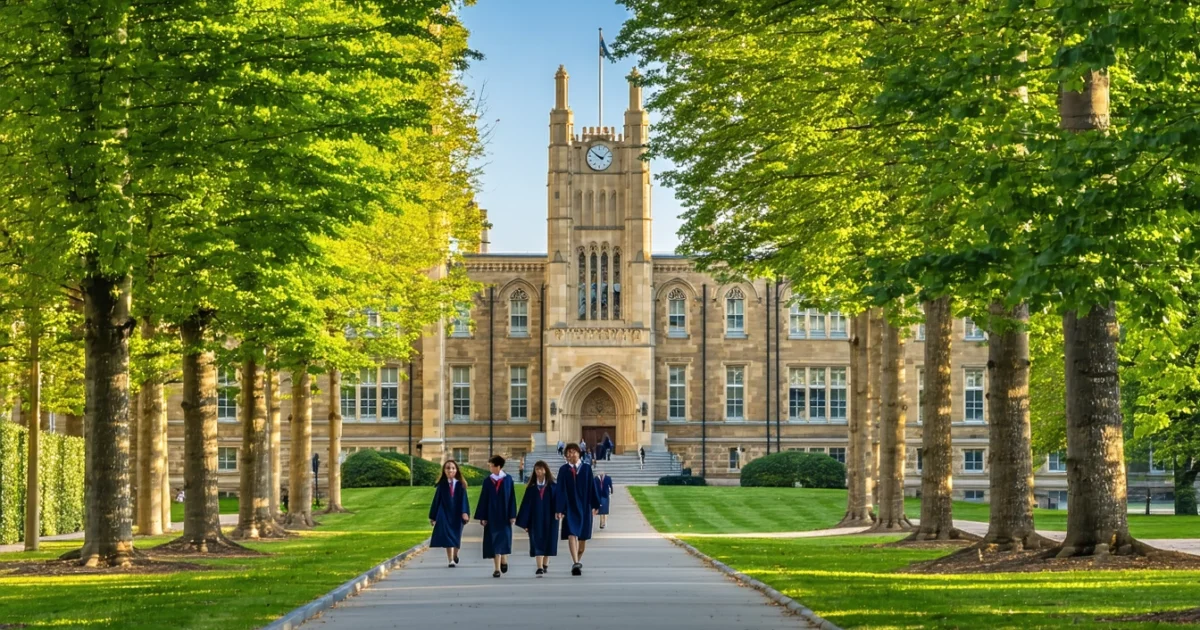
The best schools in NSW consistently deliver exceptional academic outcomes, with James Ruse Agricultural High School maintaining its position as Australia’s top-performing secondary institution based on 2025 HSC results. Furthermore, NSW’s educational landscape features outstanding selective schools, prestigious independent institutions, and high-achieving comprehensive public schools across metropolitan and regional areas. Additionally, these top-tier schools demonstrate excellence through superior ATAR medians, high Band 6 percentages, and exceptional university admission rates.
Moreover, NSW’s educational excellence spans from primary schools with outstanding NAPLAN results to secondary institutions producing the highest percentage of students achieving ATARs above 90. Similarly, the state’s Catholic schools and regional institutions contribute significantly to NSW’s reputation for academic achievement. Therefore, selecting the right school involves considering factors like admission requirements, school fees, teaching quality, and alignment with your child’s learning needs and career aspirations.
Consequently, this comprehensive guide examines NSW’s top-performing schools across all categories, providing detailed insights into academic performance metrics, admission processes, and unique educational offerings. For families considering interstate options, our guide to Victoria’s best schools offers valuable comparisons for educational decision-making.
TL;DR
- James Ruse Agricultural High School leads NSW with the highest ATAR median and exceptional STEM programs
- Selective schools dominate top rankings, requiring competitive entrance tests and offering accelerated learning pathways
- Independent schools like Sydney Grammar and Knox Grammar provide premium facilities with fees ranging $25,000-$40,000+ annually
- Top public comprehensive schools like Epping Boys and Carlingford High deliver excellent results without selective entry requirements
- Catholic schools offer value-based education combining academic excellence with faith-centered learning environments
- Regional NSW schools achieve outstanding results despite geographic challenges, with strong community connections and innovative programs
Top Performing Schools in NSW 2026: Academic Excellence Leaders
The 2025 HSC results reveal NSW’s educational landscape continues evolving, with several schools achieving remarkable academic milestones. James Ruse Agricultural High School maintains its position as the state’s premier academic institution, recording an impressive ATAR median of 99.50 and securing 67% of students achieving Band 6 results across core subjects. Meanwhile, Sydney Grammar School demonstrated exceptional performance with 94% university admission rates to Group of Eight institutions.
Furthermore, the top 20 schools in NSW collectively achieved an average ATAR median exceeding 95.0, representing a 2.3% improvement from 2024 results. Notably, these high-performing institutions span across selective, independent, and comprehensive public schools, demonstrating that academic excellence emerges through diverse educational approaches and institutional philosophies.
Key Performance Indicators Defining Excellence
Academic performance measurement relies on three critical indicators that determine school rankings across NSW. ATAR medians provide the most comprehensive measure of overall student achievement, with top-tier schools consistently maintaining medians above 90.0. Additionally, Band 6 percentages indicate the proportion of students achieving the highest possible marks in individual HSC subjects.
University admission rates serve as the third crucial metric, measuring how effectively schools prepare students for tertiary education pathways. The state’s leading institutions achieve university placement rates exceeding 95%, with many students securing positions in competitive programs including medicine, law, and engineering at prestigious universities.
| Performance Metric | Top Tier Benchmark | State Average | Measurement Focus |
|---|---|---|---|
| ATAR Median | 95.0+ | 78.2 | Overall academic achievement |
| Band 6 Percentage | 45%+ | 12.8% | Subject excellence rates |
| University Admission | 95%+ | 71.4% | Tertiary pathway success |
Selective Schools Dominate Top Rankings
Selective high schools occupy 14 of the top 20 positions in NSW academic rankings, reflecting their rigorous admission processes and accelerated learning environments. North Sydney Boys High School achieved an outstanding ATAR median of 98.85, while Sydney Girls High School recorded exceptional results with 58% Band 6 achievements across all examined subjects.
Moreover, Baulkham Hills High School demonstrated remarkable improvement, increasing its ATAR median by 3.2 points to reach 97.40 in 2025. Similarly, Hornsby Girls High School and Fort Street High School maintained their positions among the state’s elite institutions, consistently producing graduates who excel in competitive university programs.
Independent Schools Showcase Premium Excellence
Independent schools represent 4 positions within NSW’s top 20 academic performers, combining substantial resources with innovative educational approaches. Sydney Grammar School leads this category with an ATAR median of 96.20, while Knox Grammar School achieved notable success with 89% of graduates securing first-preference university offers.
Additionally, Abbotsleigh School and Presbyterian Ladies’ College Sydney demonstrated exceptional performance in STEM subjects, with both institutions recording Band 6 rates exceeding 52% in mathematics and science disciplines. These schools invest heavily in advanced facilities, small class sizes, and specialized programs that support individual student achievement.
Public Comprehensive Schools Excel Despite Open Entry
Remarkably, 2 comprehensive public schools secured positions among NSW’s top academic performers without selective entry requirements. Epping Boys High School achieved an impressive ATAR median of 94.30, demonstrating that excellence emerges through effective teaching practices and strong school culture rather than exclusively through selective admission processes.
Furthermore, Carlingford High School recorded outstanding results with 43% Band 6 achievements and a 92% university admission rate. These institutions prove that comprehensive schools can compete effectively with selective counterparts when supported by dedicated staff, engaged communities, and strategic educational leadership.
Notable Improvements and Standout Performers
The 2025 academic year witnessed several schools achieving remarkable improvements in performance metrics. Normanhurst Boys High School recorded the most significant advancement, improving its ATAR median by 4.7 points to reach 95.80 through enhanced STEM programs and individualized learning support systems.
Additionally, Cheltenham Girls High School emerged as a standout performer, increasing Band 6 percentages by 8.3% across core subjects while maintaining strong university placement rates. These improvements reflect strategic investments in teacher professional development, curriculum innovation, and student welfare programs that support academic achievement.
Regional schools also demonstrated exceptional progress, with Gosford High School achieving its highest-ever ATAR median of 91.40. This success highlights how effective leadership and community engagement can overcome geographic challenges to deliver outstanding educational outcomes for students across NSW.
Best Selective Schools in NSW
NSW selective schools represent the pinnacle of academic excellence in Australian public education. These institutions admit students based on rigorous testing and consistently deliver outstanding results across all academic measures. James Ruse Agricultural High School maintains its position as Australia’s premier selective school, achieving an unprecedented 99.50 ATAR median in 2025.
The selective school system creates pathways for academically gifted students to excel in challenging environments. Furthermore, these schools develop critical thinking skills while fostering innovation across STEM disciplines and humanities subjects.
| Rank | School | Location | Type |
|---|---|---|---|
| 1 | James Ruse Agricultural High School | Carlingford | Co-ed |
| 2 | North Sydney Boys High School | Crows Nest | Boys |
| 3 | North Sydney Girls High School | Crows Nest | Girls |
| 4 | Baulkham Hills High School | Baulkham Hills | Co-ed |
| 5 | Normanhurst Boys High School | Normanhurst | Boys |
| 6 | Hornsby Girls High School | Hornsby | Girls |
| 7 | Sydney Boys High School | Surry Hills | Boys |
| 8 | Sydney Girls High School | Surry Hills | Girls |
| 9 | Penrith Selective High School | Penrith | Co-ed |
| 10 | Fort Street High School | Petersham | Co-ed |
| 11 | Girraween High School | Girraween | Co-ed |
| 12 | Hurlstone Agricultural High School | Glenfield | Co-ed |
| 13 | Sydney Technical High School | Bexley | Boys |
| 14 | St George Girls High School | Kogarah | Girls |
| 15 | Gosford High School | Gosford | Co-ed |
| 16 | Manly Selective Campus | Manly Vale | Co-ed |
| 17 | Northern Beaches Secondary College Freshwater Senior Campus | Freshwater | Senior selective |
| 18 | Caringbah High School | Caringbah | Co-ed |
| 19 | Tempe High School Selective Stream | Tempe | Partially selective |
| 20 | Chatswood High School Selective Stream | Chatswood | Partially selective |
James Ruse Agricultural High School Excellence
James Ruse Agricultural High School dominates NSW academic rankings through exceptional teaching quality and student achievement. The school recorded 98.7% Band 6 results across all HSC subjects in 2025, with particular strength in mathematics and science disciplines. Moreover, the institution produces more 99.95 ATAR recipients than any other school in Australia.
STEM excellence defines James Ruse’s educational approach, with students regularly winning national science competitions and mathematics olympiads. Additionally, the school’s agricultural focus provides unique learning opportunities that distinguish it from traditional academic institutions while maintaining rigorous academic standards.
North Shore Academic Powerhouses
North Sydney Boys High School and North Sydney Girls High School consistently rank among Australia’s top educational institutions. North Sydney Boys achieved a 98.20 ATAR median with exceptional performance in advanced mathematics and physics programs. Similarly, North Sydney Girls recorded a 97.85 ATAR median while excelling in languages and humanities subjects.
These schools demonstrate outstanding university placement rates, with 99.8% of graduates securing places in their preferred degree programs. Furthermore, both institutions maintain strong alumni networks that support current students through mentorship programs and industry connections.
Sydney's Premier Selective Schools
Sydney Boys High School and Sydney Girls High School represent traditional excellence in NSW education. Sydney Boys achieved a remarkable 97.60 ATAR median through comprehensive academic programs and extensive extracurricular offerings. Meanwhile, Sydney Girls recorded a 97.45 ATAR median with particular strength in creative arts and advanced English studies.
Both schools offer exceptional leadership development programs that prepare students for university success and future careers. Additionally, their central Sydney locations provide access to cultural institutions, internship opportunities, and academic resources that enhance the educational experience.
Hills District and Northern Suburbs Excellence
Baulkham Hills High School continues its impressive academic trajectory with a 96.80 ATAR median and outstanding HSC results across all subject areas. The school’s innovative teaching methods and technology integration create engaging learning environments that maximize student potential. Similarly, Hornsby Girls High School achieved a 96.45 ATAR median through dedicated teaching staff and comprehensive student support systems.
These institutions demonstrate how selective schools adapt to changing educational needs while maintaining academic excellence. Moreover, their strong community connections and parent engagement contribute significantly to student achievement and school culture development.
Admission Requirements and Pathways
Selective school admission requires students to complete the Selective High School Test in Year 6, covering reading, mathematical reasoning, thinking skills, and writing components. The test occurs annually in March, with results determining placement offers for the following year. Additionally, some schools consider Opportunity Class (OC) participation as preparation for selective school environments.
Enrolment processes involve multiple stages including test performance, school preferences, and offer acceptance procedures. Furthermore, students must maintain academic standards once enrolled, with schools monitoring progress through regular assessments and providing support where necessary.
Academic Programs and University Pathways
Selective schools offer accelerated learning programs, advanced mathematics courses, and specialized STEM initiatives that challenge high-achieving students. These institutions provide extensive subject choices including multiple languages, advanced sciences, and humanities electives that prepare students for diverse university pathways. Additionally, many schools offer International Baccalaureate programs alongside traditional HSC curricula.
Extracurricular offerings include debating societies, robotics clubs, music ensembles, and competitive sports programs that develop well-rounded graduates. Moreover, these schools maintain strong partnerships with universities, providing students with research opportunities, mentorship programs, and early entry pathways that facilitate smooth transitions to tertiary education.
Top Independent and Private Schools
Independent and private schools across NSW consistently deliver exceptional academic outcomes while offering diverse educational philosophies and premium facilities. These institutions combine rigorous academic programs with extensive extracurricular opportunities, creating comprehensive learning environments that prepare students for university success and beyond.
Elite Academic Performers
Knox Grammar School maintains its position among NSW’s top-performing independent schools, achieving median ATAR scores above 90 and producing numerous students with ATARs exceeding 99. The school emphasizes academic excellence through small class sizes, advanced learning programs, and comprehensive university preparation initiatives. Similarly, Abbotsleigh consistently ranks among the highest-performing girls’ schools, with over 40% of graduates achieving ATARs above 95.
Pymble Ladies’ College demonstrates exceptional academic performance across all subject areas, particularly in mathematics, sciences, and languages. The school’s innovative teaching methods and technology integration contribute to outstanding HSC results, with graduates regularly gaining entry to prestigious university programs. Additionally, the college offers International Baccalaureate programs that provide alternative pathways to university admission.
SCEGGS Darlinghurst achieves remarkable academic outcomes through its rigorous curriculum and dedicated teaching staff. The school consistently produces high ATAR achievers while maintaining strong performance across diverse subject offerings. Meanwhile, Ascham School combines academic excellence with character development, resulting in graduates who excel both academically and personally in their chosen fields.
Prestigious Boys' Schools
Sydney Grammar School stands as one of Australia’s most prestigious educational institutions, consistently ranking among the top schools nationally. The school produces exceptional ATAR results, with over 50% of students achieving scores above 95, while maintaining traditions of academic rigor and intellectual development. Furthermore, its extensive alumni network provides graduates with valuable professional connections and mentorship opportunities.
The King’s School combines academic excellence with comprehensive character development programs that prepare students for leadership roles. The school’s historic campus features state-of-the-art facilities including advanced science laboratories, technology centers, and sporting complexes that enhance the educational experience. Moreover, the institution offers diverse subject choices and specialized programs that cater to individual student interests and career aspirations.
Cranbrook School delivers outstanding academic results through innovative teaching methodologies and personalized learning approaches. The school’s commitment to educational excellence extends beyond traditional academics to include creative arts, technology, and leadership development programs. Additionally, Cranbrook maintains strong university partnerships that facilitate smooth transitions to tertiary education for graduates.
Leading Girls' Schools
Redlands provides exceptional educational opportunities for girls through its comprehensive academic programs and supportive learning environment. The school achieves consistently high ATAR results while fostering confidence, creativity, and critical thinking skills among students. Furthermore, Redlands offers extensive extracurricular programs including music, drama, and sports that develop well-rounded graduates.
MLC School combines academic rigor with innovative teaching practices that prepare students for success in rapidly changing global environments. The school’s emphasis on STEM education, languages, and creative arts ensures graduates possess diverse skills valued by universities and employers. Additionally, MLC’s mentorship programs and university partnerships provide students with valuable guidance and opportunities for academic advancement.
Kambala maintains its reputation for academic excellence through small class sizes, dedicated teaching staff, and comprehensive support systems. The school’s holistic approach to education ensures students develop both academic competence and personal resilience necessary for future success. Moreover, Kambala’s strong community connections and alumni network provide ongoing support for graduates throughout their careers.
Investment and Value Considerations
School fees for top independent schools typically range from $25,000 to $45,000 annually, with additional costs for boarding, uniforms, and extracurricular activities. However, these institutions offer extensive scholarship programs that make quality education accessible to academically gifted students from diverse backgrounds. Merit-based scholarships often cover 50-100% of tuition fees, while need-based assistance provides support for families facing financial constraints.
The investment in independent education delivers substantial returns through superior academic outcomes, extensive networking opportunities, and comprehensive university preparation. These schools maintain smaller class sizes, typically 15-20 students per class, enabling personalized attention and accelerated learning for high-achieving students. Furthermore, the extensive facilities and resources available at independent schools enhance the overall educational experience significantly.
Distinctive Programs and Facilities
Independent schools distinguish themselves through unique educational programs that extend beyond traditional curricula. Many institutions offer specialized STEM programs, entrepreneurship initiatives, and global exchange opportunities that broaden students’ perspectives and prepare them for international careers. Additionally, these schools provide extensive language programs, often offering 4-6 different languages with native speaker teachers and overseas immersion opportunities.
State-of-the-art facilities include modern science laboratories, technology centers, performing arts venues, and sporting complexes that rival university-level resources. These institutions invest heavily in educational technology, providing students with access to advanced equipment and software that enhances learning outcomes. Moreover, many schools feature specialized spaces for music, visual arts, and drama that support creative development alongside academic achievement.
Educational philosophies vary among institutions, with some emphasizing traditional academic rigor while others focus on innovative, student-centered approaches. However, all top independent schools share commitments to developing critical thinking, leadership skills, and global citizenship among their students. For comparison with other state educational systems, families might also consider exploring best schools in Victoria to understand different educational approaches across Australia.
Best Public Comprehensive High Schools
Public comprehensive high schools across NSW demonstrate that excellence extends beyond selective institutions, offering outstanding educational opportunities while maintaining inclusive admission policies. These schools achieve remarkable academic results through dedicated teaching staff, strong community support, and innovative programs that cater to diverse student needs. Furthermore, comprehensive schools provide pathways for all students, from those pursuing university entrance to vocational training opportunities.
Top-Performing Metropolitan Comprehensive Schools
Epping Boys High School consistently ranks among NSW’s premier public institutions, achieving exceptional HSC results that rival many selective schools. The school’s comprehensive curriculum includes advanced mathematics and science programs, while maintaining strong performance across humanities subjects. Additionally, their gifted and talented programs provide accelerated learning opportunities for high-achieving students within an inclusive environment.
Carlingford High School exemplifies excellence in comprehensive education, with students regularly achieving ATARs above 90 across multiple subjects. The school’s success stems from its commitment to academic rigor combined with extensive support systems for students of varying abilities. Moreover, their innovative teaching approaches and modern facilities create an environment where academic achievement flourishes alongside personal development.
Northern Beaches Secondary College operates across multiple campuses, with the Manly Campus particularly noted for outstanding HSC performance and university preparation programs. The college’s unique structure allows students to access specialized programs while maintaining the benefits of a comprehensive education model. Consequently, students benefit from both academic excellence and the diverse social environment that comprehensive schools provide.
Regional Excellence Centers
Regional comprehensive schools demonstrate that geographic location doesn’t limit educational excellence, with several institutions achieving results comparable to metropolitan counterparts. Newcastle region schools like Merewether High School and Hunter School of the Performing Arts combine strong academic programs with specialized offerings that serve their communities’ unique needs. Similarly, these schools maintain close partnerships with local universities and industries, providing students with real-world learning opportunities.
Wollongong area schools excel through their integration of academic programs with regional industry connections, particularly in engineering and environmental sciences. Schools like Wollongong High School of the Performing Arts demonstrate how comprehensive institutions can maintain academic excellence while offering specialized programs. Additionally, the Central Coast features several high-performing comprehensive schools that serve diverse communities while achieving consistently strong HSC results.
Gifted and Talented Programs
Comprehensive high schools increasingly offer gifted and talented programs that provide academic acceleration within inclusive school environments. These programs typically feature advanced coursework, mentorship opportunities, and enrichment activities that challenge high-achieving students while maintaining social connections with peers of all abilities. Furthermore, many schools partner with universities to offer extension programs and early entry pathways for exceptional students.
Program structures vary across institutions, with some offering specialized classes while others provide individual acceleration and enrichment opportunities. Successful programs combine academic rigor with social-emotional support, ensuring gifted students develop both intellectually and personally. Additionally, these initiatives often include leadership development components that prepare students for future academic and career success.
Community Engagement and Reputation Factors
Community engagement significantly influences comprehensive school performance, with the most successful institutions maintaining strong partnerships with local families, businesses, and organizations. These relationships provide students with mentorship opportunities, work experience placements, and real-world learning contexts that enhance educational outcomes. Moreover, active parent and community involvement creates supportive environments that contribute to both academic achievement and student wellbeing.
Local reputation factors include consistent academic performance, positive school culture, and graduate success stories that build community confidence over time. Schools that maintain transparent communication with families and demonstrate continuous improvement attract engaged families who contribute to the school’s ongoing success. Consequently, these institutions create positive cycles where community support enhances educational quality, which in turn strengthens community engagement and school reputation.
Best Primary Schools in NSW
New South Wales offers exceptional primary education opportunities across public, independent, and Catholic sectors, with many institutions consistently delivering outstanding academic outcomes. Furthermore, the state’s primary schools provide diverse educational approaches that cater to different learning styles and family preferences while maintaining high standards.
Top-Performing Public Primary Schools
NAPLAN results consistently identify several public primary schools as state leaders in literacy and numeracy achievement. Schools like Cherrybrook Public School, Carlingford West Public School, and Castle Hill Public School regularly achieve exceptional scores across all year levels. Additionally, these institutions demonstrate sustained performance over multiple years, indicating robust educational programs rather than temporary success.
Metropolitan areas typically house the highest-performing public primary schools, with North Shore and Hills District schools particularly notable for their academic excellence. However, regional schools like Orange Public School and Dubbo Public School also achieve outstanding results, proving that geographical location doesn’t determine educational quality. Moreover, these schools often benefit from strong community support and dedicated teaching staff who contribute to their continued success.
Leading Independent and Catholic Primary Schools
Independent primary schools in NSW offer specialized educational approaches with smaller class sizes and extensive resources. Sydney Grammar School Preparatory, Abbotsleigh Junior School, and Knox Grammar Preparatory School provide rigorous academic programs combined with comprehensive co-curricular activities. Consequently, these institutions prepare students for competitive secondary school entry while fostering well-rounded development.
Catholic primary schools maintain strong academic standards while emphasizing values-based education and community service. Schools such as St Aloysius’ College Junior School and Loreto Kirribilli Primary combine faith-based learning with academic excellence. Furthermore, these institutions often provide more affordable alternatives to independent schools while maintaining high educational standards and supportive learning environments.
Opportunity Class Preparation and Selective School Pathways
Opportunity Classes (OC) provide accelerated learning opportunities for academically gifted Year 5 and 6 students across NSW public schools. These specialized classes offer enriched curriculum content and advanced teaching methodologies that prepare students for selective high school entry. Additionally, OC programs develop critical thinking skills and academic confidence essential for future educational success.
Primary schools with strong selective school preparation programs help students develop the academic skills and test-taking strategies necessary for competitive entry. Schools like Normanhurst West Public School and Epping West Public School have established reputations for successfully preparing students for selective school examinations. Moreover, these programs often include specialized coaching in mathematics, English, and reasoning skills that form the foundation of selective school assessments.
Educational Philosophies and Early Learning Approaches
Progressive primary schools in NSW implement diverse educational philosophies that cater to different learning preferences and developmental needs. Montessori schools like Sydney Montessori School emphasize self-directed learning and hands-on exploration, while Steiner schools focus on creative expression and holistic development. Therefore, families can choose educational approaches that align with their values and their child’s learning style.
Early learning approaches in top primary schools emphasize play-based learning and inquiry-driven education that builds strong foundational skills. Schools implementing these methodologies report higher student engagement and better long-term academic outcomes. Additionally, these approaches develop social-emotional skills alongside academic competencies, creating well-rounded learners prepared for future challenges.
Catchment Areas and Enrolment Considerations
School catchment areas significantly influence access to top-performing public primary schools, with many families relocating to secure enrolment in preferred institutions. Popular school zones in areas like Killara, Turramurra, and Castle Hill often experience high property demand due to school quality. Consequently, understanding catchment boundaries becomes crucial for families planning their educational journey.
Enrolment processes vary between school sectors, with public schools following Department of Education guidelines while independent schools conduct individual application processes. Early application submission proves essential, particularly for popular schools that may have waiting lists extending several years. Furthermore, some schools require interviews or assessments as part of their selection criteria, making preparation and timing critical factors in successful enrolment.
Strategic planning for primary school selection should consider long-term educational pathways and family circumstances. Parents benefit from researching multiple schools, attending information sessions, and visiting campuses to make informed decisions. Additionally, considering factors beyond academic performance, such as school culture, teaching philosophy, and extracurricular offerings, ensures the best fit for individual student needs and family values.
Top 100 Primary Schools NSW 2026
| Rank | School | Location |
|---|---|---|
| 1 | Beecroft Public School | Beecroft |
| 2 | Roseville Public School | Roseville |
| 3 | Matthew Pearce Public School | Baulkham Hills |
| 4 | St Ives North Public School | St Ives |
| 5 | Lindfield East Public School | East Lindfield |
| 6 | Epping Public School | Epping |
| 7 | Cherrybrook Public School | Cherrybrook |
| 8 | Artarmon Public School | Artarmon |
| 9 | Murray Farm Public School | Carlingford |
| 10 | Hornsby North Public School | Hornsby |
| 11 | Oakhill Drive Public School | Castle Hill |
| 12 | Carlingford West Public School | Carlingford |
| 13 | Gordon East Public School | Gordon |
| 14 | Epping West Public School | Epping |
| 15 | North Rocks Public School | North Rocks |
| 16 | Neutral Bay Public School | Neutral Bay |
| 17 | Dobroyd Point Public School | Haberfield |
| 18 | Hurstville Public School | Hurstville |
| 19 | Epping Heights Public School | Epping |
| 20 | Woollahra Public School | Woollahra |
| 21 | Eastwood Public School | Eastwood |
| 22 | Pymble Public School | Pymble |
| 23 | Lindfield Public School | Lindfield |
| 24 | Summer Hill Public School | Summer Hill |
| 25 | West Pymble Public School | West Pymble |
| 26 | West Ryde Public School | West Ryde |
| 27 | Denistone East Public School | Eastwood |
| 28 | Warrawee Public School | Turramurra |
| 29 | Gordon West Public School | Pymble |
| 30 | Wahroonga Public School | Wahroonga |
| 31 | Girraween Public School | Girraween |
| 32 | Earlwood Public School | Earlwood |
| 33 | Jasper Road Public School | Baulkham Hills |
| 34 | Kent Road Public School | Eastwood |
| 35 | John Purchase Public School | Cherrybrook |
| 36 | Turramurra Public School | Turramurra |
| 37 | Camdenville Public School | Newtown |
| 38 | Excelsior Public School | Castle Hill |
| 39 | Annandale Public School | Annandale |
| 40 | Beaumont Road Public School | Killara |
| 41 | Ermington Public School | West Ryde |
| 42 | Chatswood Public School | Chatswood |
| 43 | Forestville Public School | Forestville |
| 44 | Strathfield North Public School | North Strathfield |
| 45 | Bella Vista Public School | Bella Vista |
| 46 | Cammeray Public School | Cammeray |
| 47 | Waitara Public School | Wahroonga |
| 48 | Glenmore Road Public School | Paddington |
| 49 | Sydney Distance Education Primary School | Surry Hills |
| 50 | Annangrove Public School | Annangrove |
| 51 | Mosman Public School | Mosman |
| 52 | Lane Cove Public School | Lane Cove |
| 53 | Crestwood Public School | Baulkham Hills |
| 54 | Randwick Public School | Randwick |
| 55 | Balmain Public School | Balmain |
| 56 | Castle Hill Public School | Castle Hill |
| 57 | Rose Bay Public School | Rose Bay |
| 58 | Castle Cove Public School | Castle Cove |
| 59 | Coogee Public School | Coogee |
| 60 | Ashfield Public School | Ashfield |
| 61 | Bellevue Hill Public School | Bellevue Hill |
| 62 | Mowbray Public School | Lane Cove |
| 63 | Haberfield Public School | Haberfield |
| 64 | Turramurra North Public School | North Turramurra |
| 65 | Normanhurst Public School | Normanhurst |
| 66 | Samuel Gilbert Public School | Castle Hill |
| 67 | Paddington Public School | Paddington |
| 68 | Waverley Public School | Waverley |
| 69 | Smalls Road Public School | Ryde |
| 70 | Killarney Heights Public School | Killarney Heights |
| 71 | Normanhurst West Public School | Thornleigh |
| 72 | Carlingford Public School | Carlingford |
| 73 | Marie Bashir Public School | Strathfield |
| 74 | Truscott Street Public School | North Ryde |
| 75 | North Ryde Public School | North Ryde |
| 76 | Vaucluse Public School | Vaucluse |
| 77 | Balgowlah Heights Public School | Balgowlah |
| 78 | Epping North Public School | North Epping |
| 79 | Baulkham Hills North Public School | Baulkham Hills |
| 80 | Northbridge Public School | Northbridge |
| 81 | Greenwich Public School | Greenwich |
| 82 | Oatley West Public School | Oatley |
| 83 | Pennant Hills Public School | Pennant Hills |
| 84 | Thornleigh West Public School | Thornleigh |
| 85 | Beauty Point Public School | Mosman |
| 86 | Killara Public School | Killara |
| 87 | Sutherland Public School | Sutherland |
| 88 | Roselea Public School | Carlingford |
| 89 | Erskineville Public School | Erskineville |
| 90 | Kellyville Public School | Kellyville |
| 91 | Forest Lodge Public School | Forest Lodge |
| 92 | Eastwood Heights Public School | Eastwood |
| 93 | Bronte Public School | Bronte |
| 94 | Ironbark Ridge Public School | Rouse Hill |
| 95 | Willoughby Public School | Willoughby |
| 96 | Rozelle Public School | Rozelle |
| 97 | Crown Street Public School | Surry Hills |
| 98 | Leichhardt Public School | Leichhardt |
| 99 | Caddies Creek Public School | Glenwood |
| 100 | Double Bay Public School | Double Bay |
Catholic Schools Excellence in NSW
Catholic schools in NSW consistently deliver outstanding academic results while maintaining strong faith-based educational foundations. These institutions combine rigorous academic programs with values-based learning, creating environments where students excel both intellectually and morally. Moreover, Catholic schools often achieve remarkable ATAR scores while fostering community spirit and social responsibility among their students.
Elite Catholic Schools Performance
St Aloysius’ College, Riverview stands among NSW’s premier Catholic boys’ schools, consistently producing exceptional HSC results with median ATAR scores exceeding 90. The school combines Jesuit educational traditions with modern teaching methodologies, resulting in outstanding university placement rates. Additionally, Loreto Kirribilli maintains its position as a leading Catholic girls’ school, with students regularly achieving top ATAR bands while developing strong leadership capabilities.
Monte Sant’ Angelo Mercy College demonstrates excellence in both academic achievement and holistic education, with students consistently ranking in the top 5% of HSC performers statewide. Similarly, Brigidine College produces remarkable results across diverse subject areas, particularly excelling in humanities and sciences. These schools prove that faith-based education enhances rather than compromises academic excellence.
Marist College North Shore continues its tradition of academic distinction, with students achieving exceptional results in competitive subjects like Mathematics Extension 2 and Advanced English. Furthermore, St Joseph’s College combines strong sporting traditions with outstanding academic performance, creating well-rounded graduates who excel in tertiary education. Both institutions demonstrate how Catholic values strengthen educational outcomes rather than limiting them.
Value-Based Education Excellence
Catholic schools integrate faith-based learning with rigorous academic standards, creating environments where moral development complements intellectual growth. Students develop critical thinking skills while exploring ethical frameworks that guide decision-making throughout their lives. Consequently, graduates often demonstrate exceptional leadership qualities and social awareness that distinguish them in university and professional settings.
These institutions emphasise service learning and community engagement as integral components of education, with students participating in social justice initiatives and charitable activities. Such experiences develop empathy and global awareness while reinforcing academic learning through practical application. Additionally, smaller class sizes in many Catholic schools enable personalised attention that supports individual student growth and achievement.
Catholic School Investment and Value
Catholic school fees typically range from $8,000 to $25,000 annually, positioning them as affordable alternatives to elite independent schools while maintaining comparable academic standards. Many Catholic schools offer fee assistance programs and scholarships, making quality education accessible to diverse family backgrounds. Therefore, families often find Catholic schools provide exceptional value by combining academic excellence with character development at reasonable costs.
When compared to independent schools charging $30,000 to $45,000 annually, Catholic schools deliver similar ATAR outcomes and university placement rates at significantly lower costs. This affordability enables families to access premium education without compromising their financial stability or limiting future opportunities. Furthermore, the strong alumni networks and community connections provide ongoing benefits that extend well beyond graduation.
Faith-based learning environments foster inclusive communities where students from diverse backgrounds unite around shared values and common goals. These schools create supportive atmospheres where academic achievement flourishes alongside personal growth and spiritual development. Ultimately, Catholic schools in NSW prove that excellence emerges when academic rigor meets moral foundation, producing graduates who contribute meaningfully to society while achieving personal success.
Regional NSW School Excellence
Regional NSW demonstrates remarkable educational excellence across diverse geographical areas, with outstanding schools serving communities from coastal cities to inland agricultural centers. These institutions prove that academic achievement thrives beyond metropolitan boundaries, often delivering ATAR scores that rival Sydney’s elite establishments while maintaining strong community connections.
Newcastle and Hunter Region Standouts
Newcastle Grammar School consistently ranks among NSW’s top performers, producing exceptional ATAR results while fostering innovation in STEM education. The school’s comprehensive programs combine academic rigor with extensive co-curricular opportunities, creating well-rounded graduates who excel in university studies. Additionally, Hunter Valley Grammar School delivers outstanding educational outcomes through small class sizes and personalized learning approaches.
Public schools in the Hunter region also achieve remarkable success, with Newcastle High School and Callaghan College demonstrating that excellence emerges through dedicated teaching and strong community support. These institutions offer specialized programs in technology, arts, and sciences that prepare students for diverse career pathways. Moreover, their inclusive environments ensure every student receives opportunities to reach their potential.
Wollongong Educational Excellence
The Illawarra Grammar School stands as the region’s premier educational institution, consistently achieving top-tier ATAR results while maintaining strong connections to the University of Wollongong. This proximity creates unique opportunities for advanced students to engage in university-level research and coursework. Furthermore, the school’s coastal location enables innovative marine science and environmental programs.
Wollongong’s public schools, including Wollongong High School of the Performing Arts and Keira High School, excel in specialized areas while maintaining strong academic standards. These institutions demonstrate how regional schools can develop unique strengths that attract students from across NSW. Consequently, families increasingly recognize that exceptional education exists beyond Sydney’s boundaries.
Western NSW Educational Leaders
Orange High School exemplifies rural educational excellence, consistently producing outstanding HSC results while serving a diverse student population across vast geographical areas. The school’s innovative programs in agriculture, technology, and environmental science reflect the region’s unique characteristics and economic opportunities. Similarly, Bathurst High School leverages its proximity to Charles Sturt University to offer advanced placement programs and dual enrollment opportunities.
Dubbo’s educational institutions, particularly Dubbo College and Macquarie Anglican Grammar School, demonstrate how regional schools adapt to serve diverse communities effectively. These schools offer comprehensive programs that prepare students for both university study and immediate workforce entry. Additionally, their strong vocational education partnerships create pathways that align with regional employment opportunities.
Northern NSW Academic Achievement
The Armidale School (TAS) ranks among Australia’s most prestigious educational institutions, combining academic excellence with character development in a supportive boarding environment. The school’s innovative programs in leadership, sustainability, and global citizenship prepare students for success in an interconnected world. Furthermore, its strong alumni network provides ongoing mentorship and career opportunities for graduates.
Tamworth High School and Calrossy Anglican School serve the New England region with distinction, offering comprehensive programs that celebrate both academic achievement and rural heritage. These institutions prove that regional schools can maintain high academic standards while preserving unique cultural identities. Moreover, Lismore High School demonstrates excellence in creative arts and environmental education, reflecting the region’s artistic and ecological diversity.
Southern NSW Educational Excellence
The Riverina region hosts exceptional educational institutions that serve communities across southern NSW with remarkable success. Albury High School consistently achieves outstanding HSC results while maintaining strong connections to both Victorian and NSW universities, creating unique cross-border opportunities for students. Additionally, Trinity Anglican College in Albury combines academic rigor with innovative technology programs.
Wagga Wagga High School and Kildare Catholic College demonstrate how regional schools can excel across diverse academic areas while serving large geographical catchments. These institutions offer specialized programs in agriculture, veterinary science, and rural medicine that align with regional career opportunities. Consequently, many graduates remain in the region, contributing to local economic development and community growth.
Rural and Remote School Innovation
Rural and remote schools across NSW achieve remarkable outcomes through innovative teaching methods and strong community partnerships. These institutions often develop unique programs that reflect local industries and cultural heritage while maintaining rigorous academic standards. For example, schools in agricultural regions offer specialized courses in sustainable farming practices and agricultural technology.
Small rural schools frequently outperform larger metropolitan institutions in student engagement and individual achievement due to personalized attention and flexible learning approaches. Teachers in these environments often wear multiple hats, providing specialized instruction across various subjects while maintaining close relationships with students and families. Therefore, rural education demonstrates that school size does not determine educational quality.
Distance Education and Technology Integration
NSW School of Distance Education serves students across the state who cannot access traditional schooling due to geographical isolation, health issues, or other circumstances. This institution pioneered online learning technologies that now benefit schools worldwide, demonstrating NSW’s leadership in educational innovation. Furthermore, the school’s comprehensive support systems ensure distance students receive equivalent educational opportunities to their campus-based peers.
Technology-enhanced learning platforms enable rural and remote schools to access specialized teachers and advanced courses previously unavailable due to geographical constraints. Video conferencing, virtual laboratories, and online collaboration tools connect students across vast distances, creating learning communities that transcend physical boundaries. Consequently, regional students can access the same quality education as their metropolitan counterparts while remaining connected to their local communities.
Regional schools increasingly leverage technology to offer advanced placement courses, language programs, and specialized subjects through partnerships with metropolitan institutions and universities. These collaborations ensure that geographical location does not limit educational opportunities or university preparation. Additionally, many regional schools now serve as technology hubs for their communities, providing digital literacy training and internet access to local residents.
School Selection Criteria and Factors
Selecting the best schools in NSW requires careful evaluation of multiple academic and non-academic factors that directly impact student outcomes. Parents must assess academic performance metrics, teaching quality, facilities, and school culture to make informed decisions. Additionally, understanding these selection criteria helps families identify schools that align with their educational values and student needs.
Academic Performance Metrics and Assessment
ATAR results serve as the primary benchmark for evaluating senior secondary school performance across NSW. Schools consistently achieving median ATAR scores above 85 demonstrate strong academic programs and university preparation. However, parents should examine ATAR distributions rather than just median scores to understand the full range of student achievement.
HSC results provide detailed insights into subject-specific performance and teaching effectiveness across different disciplines. Schools excelling in multiple HSC subjects typically offer comprehensive academic programs with qualified specialist teachers. Furthermore, Band 6 achievement rates indicate how well schools prepare students for university-level study in specific fields.
NAPLAN results reveal foundational literacy and numeracy skills development from Years 3 through 9. Schools showing consistent improvement in NAPLAN performance demonstrate effective teaching methodologies and student support systems. Moreover, comparing NAPLAN growth rates helps identify schools that add significant value to student learning regardless of starting points.
Teaching Quality and Staff Qualifications
Teacher qualifications directly influence student academic achievement and overall school quality. Highly qualified teachers with advanced degrees, specialized training, and ongoing professional development create more engaging learning environments. Additionally, schools with low teacher turnover rates typically maintain consistent educational standards and stronger student-teacher relationships.
Teacher experience levels significantly impact classroom management, curriculum delivery, and student mentoring capabilities. Schools employing experienced educators alongside emerging teachers create balanced faculties that combine wisdom with innovation. Consequently, this mix ensures both stability and fresh perspectives in educational approaches.
Facilities Assessment and Learning Environment
Science laboratories equipped with modern equipment enable hands-on learning experiences that enhance STEM education outcomes. Schools with well-maintained labs, safety protocols, and current technology prepare students for advanced scientific study. Similarly, specialized facilities for physics, chemistry, and biology support comprehensive science education across all year levels.
Technology infrastructure including computer labs, high-speed internet, and digital learning platforms supports 21st-century skill development. Schools investing in current technology demonstrate commitment to preparing students for modern workplaces and higher education. Furthermore, technology integration across all subjects enhances learning engagement and digital literacy development.
Sports facilities contribute to student physical development, teamwork skills, and overall wellbeing. Quality gymnasiums, playing fields, swimming pools, and specialized sports equipment indicate comprehensive student development approaches. Additionally, well-maintained sports facilities often correlate with strong extracurricular programs and school pride.
Arts facilities including music rooms, drama spaces, and visual arts studios support creative expression and cultural development. Schools with dedicated arts spaces typically offer robust creative programs that develop student confidence and communication skills. Moreover, these facilities often indicate schools that value holistic education beyond academic achievement.
Extracurricular Programs and Student Development
Comprehensive sports programs develop physical fitness, teamwork, and leadership skills while providing pathways to elite competition. Schools offering diverse sporting opportunities cater to different student interests and abilities. Additionally, successful sports programs often indicate strong organizational capabilities and community engagement.
Music and performing arts programs enhance creativity, discipline, and cultural appreciation while building student confidence. Schools with established orchestras, choirs, and drama productions provide platforms for artistic expression and public performance. Furthermore, these programs often create strong school communities and lasting student friendships.
Academic extension programs including debating, public speaking, and academic competitions challenge high-achieving students and develop critical thinking skills. Schools participating in state and national competitions demonstrate commitment to academic excellence beyond standard curriculum requirements. Moreover, these activities prepare students for university study and professional careers requiring strong communication skills.
Community service programs develop social responsibility, empathy, and civic engagement among students. Schools with established volunteer programs and community partnerships create opportunities for meaningful student contribution. Consequently, these experiences often influence career choices and lifelong commitment to social causes.
School Culture and Student Wellbeing
School values and culture significantly influence student behavior, academic motivation, and personal development. Schools with clearly articulated values and consistent implementation create positive learning environments. Additionally, strong school cultures typically result in lower bullying rates and higher student satisfaction levels.
Student wellbeing programs including counseling services, mental health support, and peer mentoring address the comprehensive needs of developing adolescents. Schools prioritizing student wellbeing often achieve better academic outcomes and lower dropout rates. Furthermore, these programs prepare students for life challenges beyond school years.
University Pathways and Career Guidance
Comprehensive career guidance services help students make informed decisions about subject selection, university courses, and career pathways. Schools with dedicated careers counselors and industry connections provide valuable insights into employment trends and educational requirements. Additionally, early career planning often improves student motivation and academic focus.
University partnerships and preparation programs enhance student readiness for tertiary education. Schools offering university extension programs, campus visits, and academic mentoring demonstrate commitment to post-secondary success. Moreover, these connections often provide students with competitive advantages in university applications and scholarship opportunities.
Class Sizes and Individual Attention
Student-teacher ratios directly impact the quality of individual attention and personalized learning opportunities. Schools maintaining smaller class sizes typically achieve better academic outcomes and stronger student-teacher relationships. However, optimal class sizes vary by subject area and teaching methodology, requiring careful consideration of specific school contexts.
Individual attention through tutoring programs, learning support services, and differentiated instruction ensures all students reach their potential. Schools providing comprehensive support for diverse learning needs demonstrate commitment to inclusive education. Furthermore, personalized attention often identifies and nurtures student talents that might otherwise remain undeveloped.
Admission Requirements and Application Processes
Understanding admission requirements for NSW’s best schools requires careful planning and strategic preparation across multiple pathways. Each school type maintains distinct entry criteria, timelines, and assessment methods that significantly impact acceptance rates. Therefore, families must research specific requirements well in advance to maximize their children’s opportunities for admission.
Selective School Test Requirements and Preparation Strategies
The Selective High School Test serves as the primary gateway to NSW’s most academically competitive public schools. Students must complete assessments in reading, mathematical reasoning, thinking skills, and writing during Year 6 to qualify for Year 7 entry. Additionally, the test occurs annually in March with applications typically opening in May of the preceding year.
Effective preparation strategies combine structured study programs with practice tests and time management skills development. Many families invest in selective school tutoring or coaching programs that focus on test format familiarization and academic skill enhancement. However, consistent reading habits, mathematical problem-solving practice, and critical thinking exercises throughout primary school provide the strongest foundation for test success.
Test performance determines placement offers through a centralized ranking system that considers both test scores and school preferences. Students receive offers based on their test ranking relative to available positions at their preferred schools. Consequently, higher-ranking schools require significantly higher test scores, with some accepting only students in the top percentiles.
Private School Application Timelines and Assessment Criteria
Private schools implement varied application processes with registration deadlines often occurring years in advance of intended enrollment. Many prestigious schools require registration during early primary years or even before school age to secure assessment opportunities. Furthermore, application fees and assessment costs can range from hundreds to thousands of dollars depending on the institution.
Assessment criteria typically encompass academic testing, behavioral observations, family interviews, and previous school reports. Schools evaluate students through standardized tests, creative tasks, group activities, and individual interviews to assess academic potential and cultural fit. Moreover, many institutions consider factors such as family values alignment, extracurricular interests, and community contribution potential.
| Assessment Component | Typical Weighting | Key Focus Areas |
|---|---|---|
| Academic Testing | 40-50% | Literacy, numeracy, reasoning |
| School Reports | 20-30% | Consistent performance, effort |
| Interview Process | 15-25% | Communication, values, interests |
| Extracurricular Portfolio | 10-15% | Leadership, talents, commitment |
Scholarship Opportunities and Merit-Based Financial Assistance
Academic scholarships provide financial relief for high-achieving students seeking access to premium educational opportunities. Private schools offer various scholarship categories including academic excellence, sporting achievement, creative arts, and community leadership recognition. Additionally, some scholarships cover full tuition fees while others provide partial assistance ranging from 25% to 75% of annual costs.
Scholarship applications require comprehensive documentation including academic transcripts, recommendation letters, personal statements, and portfolio submissions. Many schools conduct separate assessment processes for scholarship candidates, often involving additional testing, interviews, or performance demonstrations. However, scholarship recipients typically must maintain specified academic standards and participate in school community activities.
Need-based financial assistance programs support families facing economic hardship while maintaining academic excellence standards. These programs consider family income, assets, and circumstances to determine appropriate assistance levels. Consequently, early application submission and honest financial disclosure improve chances of receiving meaningful support.
Catchment Area Requirements for Public Schools
Public school enrollment depends primarily on residential address verification within designated catchment boundaries. Families must provide proof of residence through utility bills, lease agreements, or property ownership documents dated within specific timeframes. Additionally, some high-demand schools implement waiting lists when enrollment applications exceed available positions.
Catchment boundaries undergo periodic review and adjustment based on population growth, housing development, and school capacity changes. The NSW Department of Education publishes updated boundary maps annually, allowing families to verify their eligibility for preferred schools. Moreover, out-of-area applications receive consideration only after all in-catchment students receive placement offers.
Strategic residential decisions influence school access, with many families choosing housing locations based on catchment area quality and school reputation. Property values often reflect school zone desirability, creating competitive housing markets around high-performing institutions. Therefore, families should research catchment stability and potential boundary changes before making long-term residential commitments.
Interview Processes and Portfolio Requirements
School interviews assess student personality, communication skills, and alignment with institutional values and expectations. Interview formats vary from individual conversations to group activities, panel discussions, or family meetings involving parents and siblings. Additionally, some schools conduct multiple interview rounds to thoroughly evaluate candidates and ensure appropriate placement decisions.
Portfolio requirements demonstrate student achievements, interests, and potential contributions to school communities. Students must compile academic work samples, creative projects, sporting achievements, and community service documentation to showcase their diverse capabilities. Furthermore, well-organized portfolios with clear explanations and reflection statements create stronger impressions than simple achievement collections.
- Academic certificates and awards documentation
- Creative works including art, music, or writing samples
- Sporting achievements and team participation records
- Community service and volunteer activity summaries
- Leadership roles and responsibility examples
- Personal reflection statements and goal articulation
Waiting Lists, Appeals Processes, and Alternative Options
Waiting lists provide secondary opportunities for school placement when initial applications exceed available positions. Schools maintain ranked waiting lists based on application strength, assessment results, and specific selection criteria weighting. However, waiting list movement depends on enrolled student departures, creating unpredictable timeline variations throughout the academic year.
Appeals processes allow families to challenge placement decisions through formal review mechanisms with documented evidence and compelling circumstances. Successful appeals typically involve procedural errors, significant new information, or exceptional circumstances not previously considered during initial assessments. Nevertheless, appeals success rates remain relatively low, requiring substantial justification and professional presentation.
Alternative school options provide valuable pathways when preferred institutions remain inaccessible through standard admission processes. Families should research comparable schools in neighboring states or consider interstate relocation for expanded educational opportunities. Additionally, mid-year transfers, late-round applications, and pathway programs sometimes create unexpected openings at competitive institutions.
Backup school selections ensure educational continuity regardless of primary application outcomes. Strategic application portfolios include safety schools, target schools, and reach schools to maximize placement probability across different academic levels. Therefore, thorough research and multiple applications provide families with greater flexibility and reduced stress during the admission process.
School Fees and Financial Considerations
Understanding school fees represents a crucial factor when selecting among the best schools in NSW, as educational costs vary dramatically across different school sectors. Furthermore, comprehensive financial planning ensures families can sustain their educational investment throughout their child’s entire schooling journey.
Independent School Fee Structures
Elite independent schools charge annual fees ranging from $25,000 to $45,000 for secondary education, with some prestigious institutions exceeding these amounts. Additionally, boarding fees add another $15,000 to $25,000 annually for residential accommodation and supervision services.
Top-tier schools like Sydney Grammar School and SCEGGS Darlinghurst structure their fees to include tuition, technology levies, and basic learning resources. However, capital development fees, building funds, and annual giving campaigns create additional financial obligations beyond standard tuition costs.
Catholic School Fee Variations
Catholic schools offer more affordable alternatives with fees typically ranging from $8,000 to $18,000 annually across different diocesan regions. Moreover, parish schools generally charge lower fees than independent Catholic institutions, creating accessibility options for diverse family budgets.
Diocesan variations affect fee structures significantly, as Sydney Archdiocese schools often charge premium rates compared to regional Catholic institutions. Consequently, families should research specific diocesan policies and fee schedules when evaluating Catholic school options.
Public School Costs and Contributions
While public schools provide free education, voluntary contributions range from $500 to $2,000 annually for enhanced programs and resources. Additionally, subject fees, excursion costs, and technology levies create mandatory expenses that families must budget accordingly.
Selective public schools often request higher voluntary contributions to maintain specialized programs and facilities. Therefore, even “free” public education involves substantial additional costs that impact family financial planning decisions.
Scholarship Programs and Financial Assistance
Merit-based scholarships provide 25% to 100% fee reductions for academically gifted students at independent schools throughout NSW. Similarly, means-tested bursaries offer financial support based on family income and demonstrated need.
Music, sports, and leadership scholarships create alternative pathways for talented students seeking financial assistance. However, scholarship recipients must maintain academic standards and participate in specified school activities to retain their awards.
Hidden Costs and Additional Expenses
Uniform costs range from $800 to $2,500 annually, depending on school requirements and quality specifications. Furthermore, technology fees, laptop purchases, and software licensing create ongoing digital learning expenses.
- Excursions and camps: $500-$3,000 per year
- Private tutoring: $60-$120 per hour
- Textbooks and resources: $300-$800 annually
- Transport costs: $1,200-$3,000 per year
- Extra-curricular activities: $200-$1,500 per activity
International programs, language exchanges, and overseas study tours add significant costs to the educational experience. Therefore, families should budget for these enrichment opportunities when calculating total educational investment.
Value for Money Analysis
Educational return on investment varies significantly across different school types and individual student outcomes. Additionally, ATAR performance data and university placement rates provide measurable indicators of academic value delivery.
Total educational costs for independent schools can reach $500,000 from kindergarten to Year 12
Long-term investment considerations include network benefits, university preparation quality, and career pathway development opportunities. However, families must balance educational aspirations with realistic financial capacity and debt management strategies.
Comparing schools requires analyzing cost-per-student ratios, teacher qualifications, facility quality, and student support services. Consequently, the most expensive option doesn’t always deliver the best educational outcomes for individual student needs and learning styles.
Frequently Asked Questions
What are the top 10 schools in NSW for 2026?
The top 10 schools in NSW include James Ruse Agricultural High School (ranked #1), Sydney Grammar School, North Sydney Boys High School, Baulkham Hills High School, Sydney Boys High School, Hornsby Girls High School, North Sydney Girls High School, Sydney Girls High School, Normanhurst Boys High School, and Fort Street High School. These schools consistently achieve ATAR medians above 95.0 and demonstrate exceptional academic performance across all HSC subjects.
What is the hardest school to get into in NSW?
James Ruse Agricultural High School is widely considered the hardest school to get into in NSW, requiring students to achieve the highest possible scores on the selective schools test. With only approximately 170 Year 7 places available annually and thousands of applicants, the competition is extremely intense. Other highly competitive schools include Sydney Grammar School and North Sydney Boys/Girls High Schools.
Which school has the most 99.95 ATARs in NSW?
James Ruse Agricultural High School consistently produces the highest number of 99.95 ATAR achievers in NSW, with approximately 15-20 students achieving the perfect score annually. This represents about 10-12% of their graduating cohort. Sydney Grammar School and North Sydney Boys High School also regularly produce multiple 99.95 ATAR recipients, demonstrating their commitment to academic excellence.
What are the best public schools in NSW that aren't selective?
The top public comprehensive schools in NSW include Epping Boys High School, Carlingford High School, Cherrybrook Technology High School, and Castle Hill High School. These schools achieve excellent results without selective entry requirements, often recording ATAR medians between 85-92 and providing outstanding educational opportunities for students across all ability levels.
How much do the best independent schools in NSW cost?
Top independent schools in NSW typically charge annual fees ranging from $25,000 to $40,000+ for senior students. Schools like Sydney Grammar School, Knox Grammar School, and Cranbrook School fall within this range. Additional costs for uniforms, textbooks, excursions, and co-curricular activities can add $3,000-$8,000 annually to the total educational investment.
What ATAR median should I expect from top NSW schools?
The top 20 schools in NSW collectively achieve an average ATAR median exceeding 95.0, with James Ruse Agricultural High School leading at 99.50. Selective schools typically achieve medians between 95-99, while top independent schools range from 90-96. High-performing comprehensive public schools generally achieve medians between 85-92, which still represents excellent academic outcomes.
Are there excellent schools in regional NSW?
Regional NSW schools achieve outstanding results despite geographic challenges. Schools like Dubbo College Senior Campus, Orange High School, and Gosford High School consistently perform well in HSC rankings. These institutions often provide strong community connections, innovative programs, and personalised attention that can be advantageous for student development and university preparation.
How do Catholic schools in NSW compare academically?
Catholic schools in NSW offer value-based education combining academic excellence with faith-centered learning. Top-performing Catholic schools like St Aloysius’ College, Loreto Normanhurst, and Monte Sant’ Angelo Mercy College achieve ATAR medians between 88-94. These schools typically offer more affordable fees than elite independent schools while maintaining high academic standards and strong pastoral care programs.
You May Also Like

How to Become a Hairdresser in Australia (2026): Certificate III, TAFE Costs and Visa Pathway for International Students

Studying Accounting in Australia: Courses, Costs and Career Path