Coles vs Woolworths vs Aldi: Best Student Shopping Guide 2026

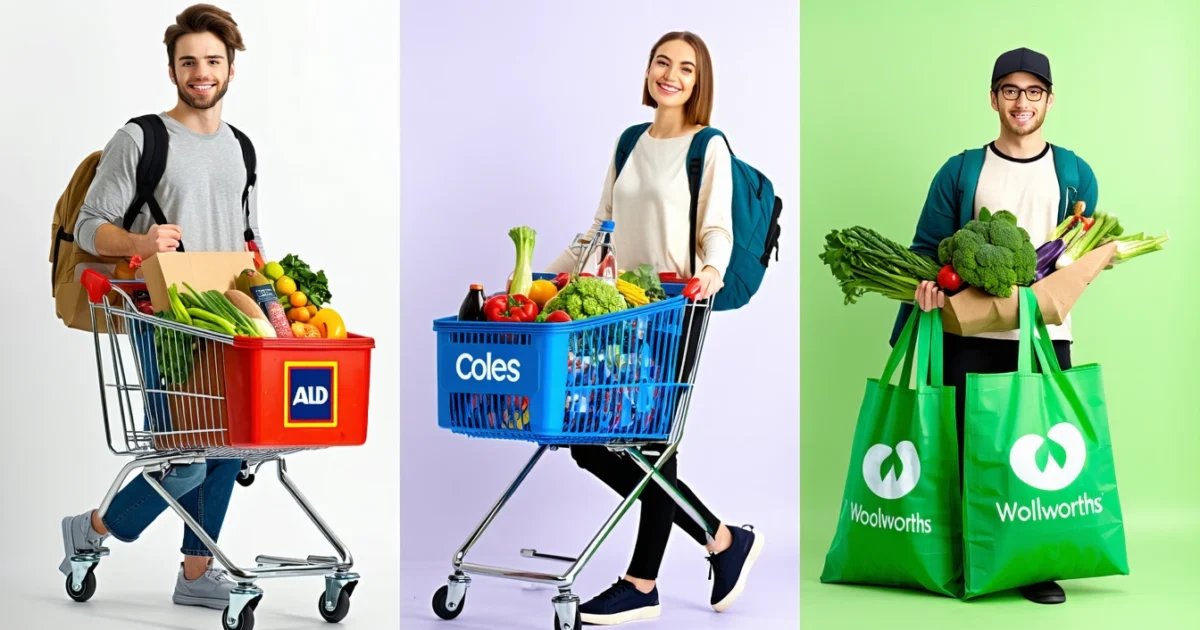
Coles vs Woolworths vs Aldi: Where Should Students Shop in Australia? The answer depends on your budget, location, and shopping priorities, but Aldi typically offers the lowest prices, Coles provides the best convenience, and Woolworths delivers premium quality with strategic savings opportunities. With Australian students spending an average of $80-120 weekly on groceries, choosing the right supermarket can save you hundreds of dollars per semester.
However, price isn’t everything when it comes to student life. Furthermore, factors like store locations near universities, opening hours, loyalty programs, and payment flexibility significantly impact your shopping experience. Additionally, each supermarket excels in different areas that matter to students.
Aldi dominates on pure price with savings of 15-25% on basic grocery items compared to major competitors. Meanwhile, Coles offers superior convenience with more locations near student accommodation and extended trading hours. On the other hand, Woolworths provides better product quality and comprehensive loyalty rewards that benefit long-term shoppers.
TL;DR
- Aldi wins on price – typically 15-25% cheaper for basic groceries, ideal for ultra-budget students
- Coles offers best convenience – more locations near universities, longer hours, Flybuys rewards
- Woolworths provides premium quality – better fresh produce, Everyday Rewards program, fuel discounts
- Strategic multi-store shopping maximizes savings by leveraging each retailer’s strengths
- Location and lifestyle factors often matter more than small price differences for busy students
The Student Shopping Landscape: Why Your Choice Matters
Australian students face significant financial pressure when managing grocery expenses, with average weekly spending ranging from $80-120 depending on location and lifestyle choices. Moreover, this translates to $4,160-$6,240 annually for full-time students, making supermarket selection a crucial budget decision. Therefore, understanding how different retailers impact your finances becomes essential for academic success.
Your supermarket choice directly affects both immediate cash flow and long-term financial health throughout your studies. Additionally, students who strategically select retailers based on their shopping patterns can save $500-800 per semester compared to random shopping habits. Furthermore, these savings accumulate significantly over a typical three-year degree program.
Beyond price considerations, several critical factors determine which supermarket best suits student lifestyles and academic demands. Consequently, convenience often outweighs minor price differences when balancing study commitments with daily necessities. Meanwhile, location proximity to campus or accommodation frequently becomes the deciding factor for time-pressed students.
Key Factors Students Should Prioritize
- Store accessibility – Walking distance from campus or reliable public transport connections
- Operating hours – Late-night and weekend availability for flexible shopping schedules
- Payment options – Acceptance of student cards, buy-now-pay-later services, and digital payments
- Loyalty programs – Rewards that align with student spending patterns and lifestyle needs
- Product range – Availability of budget-friendly options, ready-meals, and international foods
Location significantly influences shopping behavior, particularly for students living in inner-city areas like Albert Park where convenience stores may supplement major supermarket trips. However, students in outer suburbs often benefit from larger format stores with better bulk-buying opportunities. Subsequently, transport costs and time investment must factor into overall value calculations.
Lifestyle preferences also shape optimal supermarket selection, with busy students prioritizing quick shopping experiences over extensive price comparisons. Nevertheless, students with flexible schedules can maximize savings through strategic multi-store shopping approaches. Ultimately, the best choice balances financial constraints with practical accessibility and personal shopping preferences.
Smart Shopping Tip
Aldi: The Budget Champion for Cost-Conscious Students
Aldi consistently delivers the lowest grocery prices among Australia’s major supermarket chains, making it the clear budget champion for cost-conscious students. However, this German discount retailer operates differently from traditional supermarkets, requiring students to understand both its advantages and limitations before committing to regular shopping there.
Price Comparison Analysis: Student Shopping Basket Costs
Independent price comparisons reveal that Aldi prices average 20-25% lower than Coles and Woolworths for equivalent products. Furthermore, a typical student weekly shopping basket costing $80 at Coles or Woolworths drops to approximately $60-65 at Aldi, representing significant annual savings of $780-1,040.
| Product Category | Aldi Average | Coles/Woolworths Average | Student Savings |
|---|---|---|---|
| Bread (loaf) | $1.49 | $2.50 | $1.01 |
| Milk (2L) | $2.69 | $3.20 | $0.51 |
| Pasta (500g) | $0.79 | $1.50 | $0.71 |
| Rice (1kg) | $1.99 | $3.00 | $1.01 |
| Chicken Breast (1kg) | $8.99 | $12.00 | $3.01 |
Additionally, Aldi’s pricing strategy remains remarkably consistent across different store locations, unlike Coles and Woolworths which adjust prices based on local demographics. Consequently, students can predict their grocery expenses more accurately when shopping at Aldi regularly.
Limited Range Strategy and Budget Benefits
Aldi stocks approximately 1,400 products compared to 25,000+ items at traditional supermarkets, but this limitation actually benefits student budgets significantly. Moreover, the curated selection eliminates decision paralysis while focusing on essential items that students actually need for basic meal preparation.
The limited range strategy reduces operational costs, which Aldi passes directly to consumers through lower prices. Meanwhile, students avoid impulse purchases on unnecessary items because fewer options exist to tempt them. Subsequently, this streamlined approach helps maintain disciplined spending habits crucial for budget-conscious students.
Quality Assessment of Private Label Products
Aldi’s private label products consistently receive high quality ratings from independent consumer testing organizations, often matching or exceeding national brand standards. Furthermore, products like Simply Nature organic range and Earth Grown plant-based options provide premium quality at significantly reduced prices compared to equivalent branded alternatives.
Student-friendly staples including pasta, rice, canned goods, and frozen vegetables maintain excellent nutritional profiles while costing substantially less than name brands. Additionally, Aldi’s twice-weekly Special Buys program offers rotating selections of non-food items, electronics, and seasonal products at competitive prices that appeal to budget-conscious students.
Pros
- Consistently lowest grocery prices in Australia
- High-quality private label products
- Predictable pricing across all locations
- Streamlined shopping experience reduces impulse buying
- Special Buys program offers additional savings
Cons
- Limited store locations, especially in inner-city areas
- Smaller product range may require supplementary shopping
- No loyalty program or rewards system
- Deposit required for shopping trolleys
- Limited operating hours compared to major chains
Best Aldi Products for Student Meal Planning
Strategic product selection maximizes both nutritional value and budget efficiency for student meal planning. Therefore, focusing on versatile staples that support multiple meal combinations proves most cost-effective for sustained grocery savings.
- Pantry essentials: Rice, pasta, lentils, canned tomatoes, olive oil, and frozen vegetables
- Protein sources: Eggs, chicken thighs, canned tuna, and plant-based alternatives
- Dairy products: Milk, yogurt, and cheese for calcium and protein needs
- Bulk items: Oats, peanut butter, and seasonal fruit for sustained energy
- Ready meals: Frozen pizzas and heat-and-eat options for busy study periods
Bulk buying opportunities at Aldi work particularly well for non-perishable items and frozen foods that students can store in shared accommodation. However, fresh produce requires more frequent shopping trips due to Aldi’s focus on turnover rather than extended shelf life. Ultimately, combining Aldi’s low prices with smart meal planning creates sustainable budget solutions for student nutrition needs.
Coles: Convenience Meets Competitive Pricing
Coles supermarkets position themselves strategically between Aldi’s ultra-low prices and Woolworths’ premium positioning, offering students a balanced approach to grocery shopping. The retailer’s Down Down permanent price reduction program competes directly with Aldi’s everyday low pricing model while maintaining broader product selection and convenience factors.
Weekly specials at Coles typically reduce prices by 20-50% on rotating categories including fresh produce, pantry staples, and household essentials. Furthermore, these promotional cycles align with student pay periods, allowing strategic bulk purchases during discount weeks. Consequently, students who track these patterns can achieve significant savings comparable to Aldi’s baseline pricing.
Flybuys Program: Long-term Student Savings
The Flybuys loyalty program provides students with cashback opportunities and targeted discounts based on purchasing patterns. Members earn 1 point per dollar spent, with bonus point promotions frequently doubling or tripling earning rates on specific categories. Additionally, the program offers exclusive member pricing that can reduce grocery bills by an average of $10-15 per week for regular shoppers.
Targeted offers through the Flybuys app deliver personalized discounts on frequently purchased items, creating compound savings over semester periods. Moreover, points convert to dollars at a rate of 2,000 points = $10, providing tangible returns for consistent shopping behavior that benefits long-term student budgets.
Strategic Store Locations and Student Access
Coles stores maintain strategic proximity to major university campuses and student accommodation areas across Australia’s capital cities. The retailer operates over 800 locations nationally, with many situated within walking distance or short public transport trips from student housing. For instance, students living in Albert Park Melbourne benefit from multiple nearby Coles locations serving the university corridor.
Store formats include compact Coles Local outlets in high-density student areas, providing essential items with extended trading hours. These smaller formats stock curated product ranges focusing on meal solutions, snacks, and convenience items that align with student shopping patterns and time constraints.
Coles Express: Late-Night Shopping Solutions
Coles Express convenience stores operate 24/7 at many locations, addressing student needs for late-night grocery runs and emergency purchases. These outlets stock essential food items, beverages, and study snacks at slightly higher prices than main supermarkets but provide crucial accessibility during extended study periods.
The convenience factor proves particularly valuable during exam periods when students maintain irregular schedules. Additionally, Coles Express locations accept Flybuys points and offer fuel discounts that benefit students with vehicles, creating integrated savings across multiple purchase categories.
Digital Shopping and Delivery Options
Coles online shopping platform offers same-day delivery in major metropolitan areas, with delivery fees starting from $2 for orders over $50. The service particularly benefits students without reliable transport or those managing heavy study loads who cannot dedicate time to physical shopping trips.
The Coles app enables price comparison, digital coupon collection, and shopping list management that streamlines the grocery planning process. Furthermore, click-and-collect services provide free pickup options for students who prefer selecting their own produce while avoiding delivery charges.
Down Down vs Aldi's Everyday Low Prices
Price Strategy Comparison
Coles’ Down Down pricing strategy creates competitive pressure against Aldi’s model while maintaining higher profit margins on non-promotional items. Research indicates that Down Down products typically match or undercut Aldi prices by 5-15%, though the limited range means students must shop selectively to maximize savings.
The key difference lies in shopping flexibility: Aldi requires adaptation to their product range and shopping style, while Coles allows students to maintain familiar shopping patterns with strategic savings opportunities. Ultimately, the choice depends on whether students prioritize maximum savings or shopping convenience and product variety.
Woolworths: Premium Quality with Strategic Savings
Woolworths positions itself as Australia’s premium supermarket chain, offering superior product quality alongside strategic savings programs that particularly benefit university students. The retailer’s value proposition centers on fresh produce excellence, comprehensive loyalty rewards, and flexible shopping formats that accommodate diverse student lifestyles.
Everyday Rewards Program and Fuel Benefits
The Everyday Rewards program delivers substantial value for students who own vehicles or share transportation costs with housemates. Members earn one point per dollar spent on groceries, with 2,000 points converting to $10 in shopping credits or fuel discounts.
Additionally, the program offers 4 cents per litre fuel discounts at Caltex and Ampol stations when spending $30 or more in a single transaction. Students who coordinate weekly shopping trips can reduce their fuel expenses by approximately $2-3 per tank, creating meaningful savings over an academic year.
Product Quality and Fresh Produce Standards
Woolworths fresh produce consistently receives higher quality ratings compared to competitors, particularly for fruits, vegetables, and meat products. The retailer’s “Freshness Guarantee” promises 100% satisfaction or money back, which reduces financial risk for budget-conscious students purchasing perishable items.
Independent quality assessments show that Woolworths meat products score 15-20% higher on freshness and marbling compared to discount alternatives. While prices average 10-15% above Aldi, the extended shelf life and reduced waste often justify the premium for students who shop less frequently.
Budget-Friendly Private Label Options
The Macro range provides organic and health-focused products at competitive prices, typically 20-30% below equivalent name brands. Students pursuing nutrition-conscious lifestyles can access organic pasta, quinoa, and plant-based proteins without premium pricing.
Meanwhile, Woolworths Select products offer essential groceries at prices that directly compete with Aldi’s private labels. The Select range covers pantry staples, cleaning supplies, and personal care items while maintaining quality standards that exceed typical budget alternatives.
Pros
- Higher quality fresh produce and meat
- Comprehensive loyalty program with fuel discounts
- Extensive product range and brand selection
- Metro stores convenient for inner-city students
Cons
- Generally higher prices than Aldi
- Limited price-matching policies
- Fewer bulk buying discounts
- Premium positioning may not suit tight budgets
Metro Stores for Urban Student Living
Woolworths Metro stores serve inner-city students living near universities in Melbourne, Sydney, and Brisbane. These compact formats stock curated product ranges focused on convenience items, fresh meals, and grab-and-go options that suit busy academic schedules.
Metro locations typically operate extended hours, with many stores open until midnight or 24/7 in high-density areas. Students can purchase ready-made meals, fresh sushi, and study snacks without traveling to larger suburban supermarkets, saving both time and transport costs.
Subscription Services and Bulk Options
Woolworths subscription services enable students to automate regular purchases like household essentials, pet food, and personal care items. Subscribers receive 5% discounts on recurring orders plus free delivery, which particularly benefits students in share houses managing collective shopping lists.
The retailer’s bulk buying options through Woolworths Business allow student groups to purchase larger quantities at wholesale prices. Student clubs, residential colleges, and share houses can access commercial pricing on non-perishable items, creating significant savings for organized group purchases.
Ultimately, Woolworths delivers premium quality and comprehensive services that justify higher prices for students who prioritize product quality, shopping convenience, and integrated loyalty benefits over maximum cost savings.
Head-to-Head Price Comparison: Real Student Shopping Scenarios
Understanding grocery price differences requires examining actual student shopping patterns across different scenarios. Therefore, comparing weekly grocery baskets, monthly household essentials, and seasonal variations reveals the true cost differences between Coles, Woolworths, and Aldi for Australian students.
Weekly Grocery Basket Comparison
A typical student’s weekly grocery basket contains basic meal ingredients, snacks, and beverages totaling approximately $45-65 per week. Moreover, this basket includes pasta, rice, bread, milk, eggs, chicken, vegetables, and affordable protein sources that form the foundation of student meals.
| Item | Aldi Price | Coles Price | Woolworths Price |
|---|---|---|---|
| White Bread (680g) | $1.29 | $2.50 | $2.80 |
| Milk (2L) | $2.19 | $3.20 | $3.30 |
| Pasta (500g) | $0.79 | $1.50 | $1.60 |
| Chicken Breast (1kg) | $8.99 | $12.00 | $13.50 |
| Rice (1kg) | $1.99 | $3.00 | $3.20 |
| Bananas (1kg) | $2.49 | $3.50 | $3.80 |
Aldi consistently delivers the lowest prices on staple items, with weekly savings of $15-20 compared to major supermarkets. Furthermore, these savings accumulate to approximately $780-1040 annually, representing significant budget relief for students managing tight finances.
Monthly Shopping Including Household Essentials
Monthly shopping extends beyond food to include cleaning products, toiletries, and household items that students share in accommodation. Additionally, these purchases often represent larger upfront costs that impact student budgets more significantly than weekly grocery spending.
Coles and Woolworths offer broader product ranges in household categories, while Aldi focuses on essential items with limited brand choices. However, Aldi’s household products deliver comparable quality at 30-40% lower prices than major supermarket equivalents.
| Feature | Aldi Monthly Basket $180 | Coles Monthly Basket $245 | Woolworths Monthly Basket $260 |
|---|---|---|---|
| Price Range | $180 | $245 | $260 |
| Product Variety | — | — | — |
| Value Proposition | — | — | — |
Seasonal Price Variations and Impact
Seasonal fluctuations affect fresh produce prices differently across retailers, with winter vegetables and summer fruits showing the most dramatic variations. Consequently, students must adapt their shopping strategies throughout the academic year to maintain consistent food budgets.
Aldi maintains more stable pricing year-round due to its limited product range and efficient supply chain management. In contrast, Coles and Woolworths experience greater price volatility, particularly during peak seasons when demand for specific products increases substantially.
- Summer (December-February): Stone fruits expensive at major supermarkets, Aldi maintains competitive pricing
- Winter (June-August): Root vegetables and citrus fruits show 20-30% price increases across all retailers
- Back-to-school periods: Household essentials and snack foods experience temporary price spikes
Special Offers and Promotional Cycles
Each retailer operates distinct promotional cycles that savvy students can leverage for maximum savings. Moreover, understanding these patterns enables strategic shopping that reduces overall grocery expenses through careful timing of purchases.
Woolworths runs major sales every 4-6 weeks with “Prices Dropped” campaigns targeting popular student items. Similarly, Coles implements “Down Down” pricing on rotating categories, while Aldi features “Special Buys” twice weekly on non-food items that students frequently need.
Promotional Calendar Strategy
Price Tracking Apps and Ongoing Comparison Tools
Digital tools enable students to monitor price fluctuations and identify the best deals across multiple retailers without visiting each store physically. Therefore, price tracking applications become essential resources for budget-conscious students managing their grocery expenses effectively.
The Frugl app compares prices across Australian supermarkets in real-time, while Woolworths and Coles mobile apps display current specials and enable price checking through barcode scanning. Additionally, these tools help students plan shopping trips and avoid impulse purchases that exceed their budgets.
- Frugl: Cross-retailer price comparison with location-based results
- Retailer apps: Store-specific deals, digital catalogues, and loyalty program integration
- Basket tracking: Monitor total costs before checkout to stay within budget limits
- Deal alerts: Notifications when frequently purchased items go on sale
Students who consistently use price tracking tools report savings of 15-25% on their grocery bills compared to those who shop without comparing prices. Furthermore, these applications help identify the optimal times to stock up on non-perishable items when prices reach their lowest points throughout the year.
Beyond Price: Factors That Matter for Student Life
While price remains the primary consideration for students, several practical factors significantly impact the overall shopping experience and convenience. Therefore, evaluating store accessibility, operating hours, and payment flexibility becomes crucial for students managing tight schedules and limited transportation options.
Store Locations and Public Transport Accessibility
Woolworths operates the most extensive network with over 1,000 stores nationwide, providing superior accessibility for students living in urban areas. Additionally, most Woolworths locations connect directly to major public transport hubs, making them easily reachable via bus, train, or tram networks.
Coles maintains approximately 800 stores across Australia, with strong representation in metropolitan areas and university suburbs. Moreover, many Coles stores integrate into shopping centers that feature multiple transport connections and extended parking facilities for students with vehicles.
Aldi operates around 570 stores with more limited coverage in some regional areas, particularly affecting students at smaller universities. However, Aldi strategically positions stores near residential suburbs where many students live, often providing easier walking access than larger competitors.
Operating Hours and Schedule Compatibility
Students frequently shop outside traditional hours due to classes, work commitments, and study schedules. Consequently, extended operating hours become essential for accommodating diverse student lifestyles and academic demands.
- Woolworths: Most stores open 6am-10pm weekdays, with many locations offering 24-hour service in university areas
- Coles: Typically operates 6am-midnight daily, with extended hours in high-traffic student neighborhoods
- Aldi: Limited hours (8:30am-8pm weekdays, 8:30am-7pm weekends) may conflict with student schedules
Furthermore, Woolworths and Coles provide early morning and late evening shopping windows that accommodate students with irregular schedules, while Aldi’s restricted hours may require more planning for busy students.
Payment Options and Financial Flexibility
Modern payment solutions address students’ varying financial situations and preferences for digital transactions. Meanwhile, flexible payment options help students manage cash flow challenges common during semester periods.
Contactless payments work universally across all three retailers, supporting tap-and-go cards, mobile wallets, and smartphone payments. Additionally, all stores accept major credit cards, debit cards, and cash payments without minimum purchase requirements.
Buy-now-pay-later services like Afterpay integrate with Woolworths and Coles checkout systems, enabling students to split larger grocery purchases into manageable installments. However, Aldi currently doesn’t support these services, requiring immediate payment for all purchases.
Gift cards provide budget control mechanisms, with Woolworths and Coles offering digital and physical cards that students can purchase with financial aid money. Similarly, parents often use gift cards to support students while ensuring funds go toward essential groceries rather than discretionary spending.
Online Shopping and Delivery Services
Digital shopping capabilities become increasingly important for students without reliable transport or those managing heavy study loads. Therefore, online platforms and delivery options significantly influence shopping decisions for time-pressed students.
Woolworths offers comprehensive online shopping with same-day delivery in major cities, pickup services, and subscription options for regular purchases. Additionally, delivery fees start at $2 for orders over $50, making it cost-effective for weekly shopping trips.
Coles provides online ordering with next-day delivery and click-and-collect services at most locations. Moreover, Coles Plus membership ($19 annually) includes free delivery on orders over $50, potentially saving frequent online shoppers significant money.
Aldi doesn’t offer online grocery shopping or delivery services, requiring students to visit stores physically for all purchases. Consequently, this limitation affects students who rely on delivery services during exam periods or when transportation isn’t available.
Product Range for Diverse Dietary Needs
International students and those with specific dietary requirements need access to diverse product ranges that accommodate cultural preferences and health needs. Thus, product variety becomes a crucial factor beyond basic grocery availability.
Woolworths stocks extensive international food sections, gluten-free ranges, and organic options that cater to diverse student populations. Additionally, their macro-friendly and plant-based selections support students following specific nutritional plans or ethical dietary choices.
Coles provides similar diversity with dedicated sections for Asian, European, and Middle Eastern cuisines, plus comprehensive health food ranges. Furthermore, Coles Brand offers budget-friendly alternatives across most specialty categories, making diverse eating accessible to price-conscious students.
Aldi offers limited international options but features rotating “Special Buys” that occasionally include ethnic foods and specialty items. However, students requiring consistent access to specific cultural foods may find Aldi’s selection insufficient for their regular needs.
Customer Service and Return Policies
Student shoppers benefit from flexible return policies and responsive customer service, particularly when dealing with damaged products or incorrect online orders. Moreover, understanding each retailer’s approach to customer issues helps students make informed shopping decisions.
All three retailers offer satisfaction guarantees, but implementation varies significantly. Woolworths provides “Fresh or Free” guarantees on produce and accepts returns with receipts for most products within reasonable timeframes. Similarly, Coles maintains comparable return policies with additional protection through their online shopping guarantee for delivery issues.
Aldi operates a “Twice as Nice” guarantee, replacing unsatisfactory products and refunding the purchase price simultaneously. Additionally, this policy provides exceptional value protection, though Aldi’s limited store hours may complicate return processes for busy students.
Students living in areas like Albert Park Melbourne benefit from multiple supermarket options within walking distance, allowing them to compare these factors directly when choosing their primary shopping destination. Consequently, the combination of price, convenience, and service quality determines the optimal choice for individual student circumstances.
Smart Shopping Strategies: Maximizing Value Across All Three
Strategic multi-store shopping transforms student grocery budgets from survival mode into optimization engines. Furthermore, understanding when to shop where creates significant savings opportunities across Coles, Woolworths, and Aldi.
Strategic Multi-Store Shopping: When to Shop Where
Students maximize value by assigning specific categories to each retailer based on pricing patterns and product strengths. Specifically, Aldi excels for pantry staples, cleaning supplies, and frozen vegetables, offering 30-50% savings on these essentials. Meanwhile, Coles provides competitive pricing on fresh meat during weekly specials and maintains extensive gluten-free selections.
Woolworths delivers superior value for fresh produce variety and organic options, particularly during seasonal promotions. Additionally, their extensive deli and bakery sections offer convenient meal solutions when time constraints limit cooking opportunities.
Weekly Shopping Schedule
Leveraging Loyalty Programs and Student Discounts
Student discount programs significantly reduce grocery expenses when utilized strategically. Moreover, Woolworths Everyday Rewards accumulates points on every purchase, converting to $10 rewards for every 2,000 points earned. Similarly, Coles Flybuys offers comparable point accumulation with additional partner benefits.
Student Edge and UNiDAYS provide exclusive discount codes for online grocery orders, typically offering 5-15% savings during promotional periods. Furthermore, university-specific partnerships often include additional cashback opportunities through student banking accounts.
- Stack loyalty points with student discount codes for maximum savings
- Use credit cards that offer bonus points at supermarkets
- Share family loyalty accounts to accelerate point accumulation
- Monitor special bonus point promotions for bulk purchases
Seasonal Shopping Patterns and Stockpiling Strategies
Seasonal price fluctuations create predictable savings opportunities for strategic student shoppers. Consequently, understanding these patterns enables effective stockpiling of non-perishable essentials during discount periods.
Back-to-school periods (January-February) feature significant discounts on cleaning supplies, storage containers, and pantry basics. Additionally, mid-year sales (June-July) offer substantial savings on frozen foods and household products across all three retailers.
| Season | Best Deals | Stockpile Items |
|---|---|---|
| Summer | Frozen foods, BBQ items | Ice cream, soft drinks, marinades |
| Autumn | Comfort foods, soups | Canned goods, pasta, rice |
| Winter | Hot beverages, warming foods | Coffee, tea, oats, cereals |
| Spring | Fresh produce, cleaning supplies | Detergents, paper products |
Meal Planning Techniques That Work With Each Store's Strengths
Effective meal planning aligns recipes with each retailer’s competitive advantages, maximizing both nutrition and budget efficiency. Therefore, students should structure weekly menus around store-specific strengths rather than shopping randomly.
Aldi-focused meals emphasize simple ingredients and bulk cooking methods, utilizing their affordable basics for hearty stews, pasta dishes, and stir-fries. Conversely, Woolworths meal plans incorporate fresh produce variety for salads, smoothies, and colorful vegetable dishes.
Coles meal strategies leverage their extensive international food sections for diverse cuisine experiments and their competitive meat pricing for protein-focused meals. Furthermore, rotating between stores weekly prevents menu monotony while optimizing spending patterns.
Using Price Comparison Apps Effectively
Digital price comparison tools eliminate guesswork from multi-store shopping strategies. However, effective app usage requires understanding each platform’s strengths and limitations for Australian grocery shopping.
Frugl compares current prices across major Australian supermarkets, highlighting weekly specials and discount opportunities. Similarly, WiseList tracks price history and predicts future sales patterns, enabling strategic purchase timing.
Store-specific apps provide additional value through exclusive digital coupons and personalized offers. Consequently, students benefit from maintaining all three retailer apps while using independent comparison tools for cross-reference verification.
Pros
- Real-time price tracking across multiple stores
- Exclusive app-only discounts and coupons
- Shopping list optimization features
- Sale prediction algorithms
Cons
- Requires multiple app installations
- Some features need location permissions
- Occasional price accuracy delays
- Limited coverage of smaller retailers
Group Buying and Sharing Strategies for Student Households
Collaborative purchasing arrangements multiply student buying power while reducing individual grocery expenses. Moreover, shared shopping strategies work particularly well for bulk items and specialty products that exceed single-person consumption rates.
Bulk buying cooperatives among student households achieve wholesale pricing on cleaning supplies, toiletries, and non-perishable foods. Additionally, coordinated shopping trips reduce transportation costs and time investment for busy students.
Subscription sharing for grocery delivery services spreads membership costs across multiple users while maintaining individual order flexibility. Furthermore, group meal preparation sessions maximize bulk ingredient purchases while creating social dining opportunities.
- Establish clear cost-splitting agreements before group purchases
- Rotate shopping responsibilities among household members
- Create shared digital shopping lists for coordination
- Pool loyalty program points for faster reward accumulation
- Share storage space efficiently for bulk item distribution
These strategic approaches transform grocery shopping from a necessary expense into an optimized system that supports student financial goals while maintaining nutritional quality and meal variety.
The Verdict: Tailored Recommendations by Student Type
Different student circumstances require distinct shopping strategies to maximize savings while meeting specific lifestyle needs. Furthermore, optimal grocery choices depend heavily on individual priorities, living arrangements, and time constraints.
Ultra-Budget Students: Strategic Aldi-First Approach
Aldi serves as the primary shopping destination for students operating on extremely tight budgets. Additionally, these shoppers should supplement with Coles and Woolworths weekly specials for items unavailable at Aldi.
- Shop Aldi for 80% of grocery needs
- Target Coles/Woolworths marked-down items after 7 PM
- Use loyalty apps exclusively for special offers
- Buy generic brands exclusively except for essential quality items
This strategy typically reduces grocery expenses by 35-45% compared to single-store shopping at major retailers. Moreover, ultra-budget students achieve maximum savings through disciplined adherence to shopping lists and bulk purchasing of shelf-stable items.
Car Owners vs Public Transport Users
Students with vehicle access benefit from multi-store shopping strategies and bulk purchasing opportunities. Conversely, public transport users require location-based optimization and delivery service integration.
| Feature | Car Owners | Public Transport |
|---|---|---|
| Primary Strategy | Multi-store rotation | Nearest store focus |
| Bulk Buying | Weekly large shops | Limited to carrying capacity |
| Best Stores | Aldi + Costco visits | Woolworths/Coles with delivery |
| Savings Potential | 40-50% | 25-35% |
Car-owning students should prioritize Aldi for weekly bulk shops while using Coles or Woolworths for fresh item top-ups. Meanwhile, transit-dependent students benefit from choosing accommodation near major supermarkets or utilizing delivery services during promotional periods.
International Students and Specialty Product Needs
Woolworths provides the most comprehensive international food selection among major Australian supermarkets. Additionally, international students require access to familiar ingredients and culturally appropriate food options for maintaining dietary preferences.
Asian grocery stores complement major supermarket shopping for specialty ingredients unavailable at mainstream retailers. Furthermore, Coles offers competitive pricing on basic international products like rice, noodles, and canned goods.
International Student Strategy
Share House vs Solo Living Arrangements
Share house residents achieve maximum savings through coordinated bulk purchasing and shared meal preparation. Conversely, solo students require portion-appropriate packaging and longer shelf-life products to minimize food waste.
Aldi’s bulk packaging suits share house shopping perfectly, while Woolworths and Coles offer better individual portion sizes for solo students. Moreover, shared households benefit from splitting Costco memberships and bulk purchasing non-perishable items.
Solo students should focus on frozen vegetables, long-life dairy products, and versatile ingredients that support multiple meal preparations. Additionally, these students benefit from smaller package sizes available at Woolworths and Coles to prevent spoilage.
Part-Time Working Students with Flexible Schedules
Students with part-time employment possess both increased purchasing power and flexible shopping schedules for maximum savings optimization. Furthermore, these students can capitalize on weekday specials and off-peak shopping opportunities.
Working students should implement a hybrid strategy combining Aldi’s low base prices with strategic special hunting at Coles and Woolworths. Additionally, flexible schedules allow for optimal timing of grocery runs during markdown periods and special promotions.
- Shop during weekday mornings for freshest produce selection
- Utilize evening markdown periods for discounted items
- Take advantage of mid-week promotional cycles
- Invest time in price comparison across multiple stores
Final Recommendations Based on Priorities
Student grocery shopping success depends on aligning retailer choice with individual priorities and circumstances. Therefore, the optimal strategy varies significantly based on budget constraints, time availability, and lifestyle requirements.
Pros
- Aldi: Unbeatable prices on staples
- Woolworths: Best product variety and quality
- Coles: Strong middle-ground option with good specials
- Multi-store approach: Maximum savings potential
Cons
- Single-store loyalty: Limited savings opportunities
- Ignoring weekly specials: Missing significant discounts
- Impulse buying: Budget destruction regardless of store
- Poor meal planning: Increased food waste and costs
Budget-priority students should establish Aldi as their primary retailer while supplementing with targeted special purchases from Coles and Woolworths. Meanwhile, convenience-focused students benefit from choosing the nearest quality retailer and utilizing delivery services during promotional periods.
Ultimately, successful student grocery shopping combines strategic retailer selection with disciplined budgeting and meal planning practices. Moreover, the most effective approach adapts to changing circumstances while maintaining focus on long-term financial sustainability throughout the academic journey.
Frequently Asked Questions
Is Coles or Aldi cheaper in Australia?
Aldi is typically 15-25% cheaper than Coles for basic grocery items. Students can save significantly by shopping at Aldi for staples like bread, milk, pasta, and canned goods. However, Coles offers better convenience with more locations and longer hours, which may offset the price difference for busy students.
Which part of Australia is best for shopping?
For students, inner-city areas near universities typically offer the best shopping convenience with multiple supermarket options within walking distance. Outer suburbs may have larger stores with better bulk-buying opportunities, but transport costs and time must be factored into the overall value equation.
Is it better to shop at Coles or Woolies?
The choice depends on your priorities. Coles offers superior convenience with more locations near student accommodation and extended trading hours, plus the Flybuys rewards program. Woolworths provides better quality fresh produce and comprehensive Everyday Rewards benefits including fuel discounts. For students, convenience often outweighs small price differences.
What is the best quality supermarket in Australia?
Woolworths generally leads in product quality, particularly for fresh produce, meat, and dairy products. They maintain higher standards for their private label products and offer more premium options. However, for students on tight budgets, the quality difference may not justify the higher prices compared to Aldi or Coles.
How much do Australian students typically spend on groceries weekly?
Australian students spend an average of $80-120 weekly on groceries, translating to $4,160-$6,240 annually. This significant expense makes strategic supermarket selection crucial, as students can save $500-800 per semester by choosing the right retailers for their shopping patterns.
Is Aldi actually cheaper in Australia for students?
Yes, Aldi consistently offers 15-25% savings on basic grocery items compared to Coles and Woolworths. For ultra-budget students, Aldi’s private label products provide excellent value. However, limited store locations and shorter operating hours may make it less convenient for some students.
Are there apps to compare Woolworths and Coles prices?
Yes, several apps and websites help compare prices between supermarkets. Popular options include Frugl, Half Price, and the supermarkets’ own apps which show current specials. Many students also use price tracking websites to monitor deals and plan their shopping around weekly specials.
Which supermarket has the best loyalty program for students?
Both Coles Flybuys and Woolworths Everyday Rewards offer valuable benefits. Flybuys provides more flexible redemption options and partner benefits, while Everyday Rewards offers fuel discounts and targeted offers. Students should choose based on their shopping frequency and which partners they use most often.
Should students shop at multiple supermarkets to save money?
Strategic multi-store shopping can maximize savings by leveraging each retailer’s strengths. For example, buy basics at Aldi, fresh produce at Woolworths during specials, and convenience items at the nearest Coles. However, factor in time and transport costs when planning this approach.
What payment options do supermarkets offer students?
All major supermarkets accept:
- Student cards and digital payments
- Buy-now-pay-later services like Afterpay and Zip
- Contactless payments and mobile wallets
- EFTPOS and credit cards
Is Amazon cheaper than Woolworths for grocery delivery?
Amazon Fresh can be competitive for bulk non-perishable items and household goods, especially with Prime membership. However, for fresh produce and weekly grocery shops, traditional supermarkets often provide better value and quality. Students should compare total costs including delivery fees.
Which supermarket is best for international students?
Woolworths and Coles offer the widest range of international foods and familiar brands. Aldi has limited international options but excellent value for basic ingredients. Many international students supplement supermarket shopping with specialty ethnic grocery stores for authentic ingredients.
How can students track Coles and Woolworths specials?
Students can track specials through:
- Official supermarket apps with personalized offers
- Weekly catalog browsing and planning
- Price tracking websites and deal aggregators
- Social media accounts for flash sales
- Email newsletters for exclusive student discounts
What factors should students prioritize when choosing a supermarket?
Students should prioritize location accessibility, operating hours that fit study schedules, payment flexibility, and loyalty programs that match their spending patterns. While price is important, convenience often outweighs minor cost differences when balancing academic commitments with daily necessities.
Once you know what to buy, the next step is cooking it. Our guide to cheap healthy meals in Australia has ten costed recipes from about $1 a serve, the cheapest protein in the supermarket, and the meal-prep and food-safety rules that make batch cooking work.
You May Also Like

Moving to Australia: The Complete Checklist and Guide (2026)

NT Public Holidays 2026: Full Calendar, Dates and How Darwin and Alice Springs Celebrate