Living in Brisbane City vs Suburbs: Which Is Better for Students?


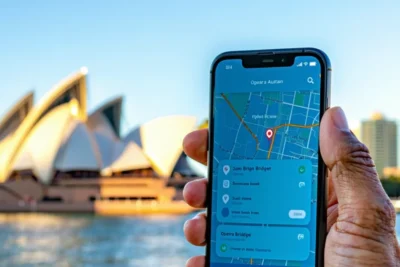
City versus suburbs is really a question about what you are willing to trade: space and quiet for suburbs, energy and zero commute for the city. One thing has genuinely changed the calculation for 2026 – transport in Brisbane is now cheap enough that money is no longer the deciding factor it used to be.
Quick facts: “City” here means the CBD, South Bank, Fortitude Valley, New Farm and Kangaroo Point – inner suburbs within easy walking or short transport reach of everything. “Suburbs” covers everywhere from near-campus areas like Kelvin Grove and St Lucia to middle-ring suburbs like Toowong and Taringa. Because Brisbane currently runs a flat 50 cent fare on trains, buses and ferries, the traditional cost-of-distance argument barely applies anymore – the real trade-off now is time and lifestyle, not money. See our Brisbane transport guide for the fare details and our best suburbs guide for specific suburb recommendations by university.
What "city" and "suburbs" actually mean here
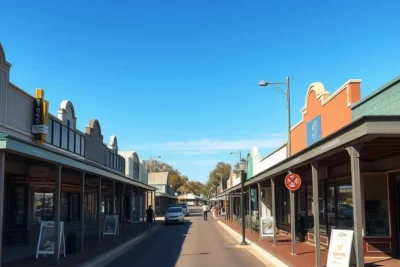
“City” in this comparison means the CBD and the inner ring around it – South Bank, Fortitude Valley, New Farm, Kangaroo Point – places you can walk between in 20 to 30 minutes and reach almost anything else from in a short trip. “Suburbs” covers a much bigger range, from near-campus areas like Kelvin Grove (QUT) and St Lucia (UQ), which still feel connected and lively, out to middle-ring suburbs like Toowong, Taringa and Indooroopilly, which are quieter and more residential but still well served by train or bus.
The transport twist that changes the usual advice
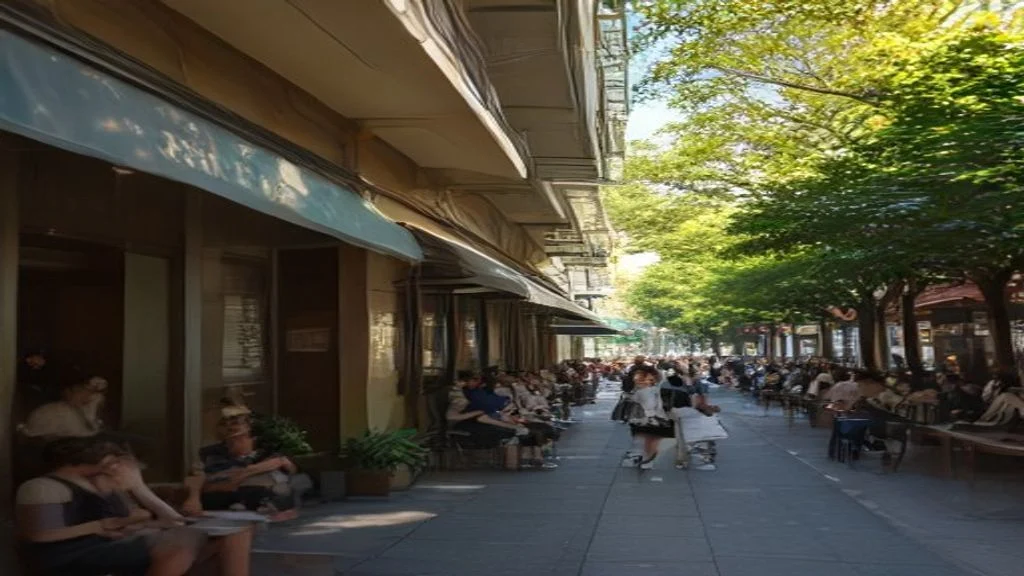
Most “city vs suburbs” advice assumes living further out saves you money but costs you time and transport fares. In Brisbane right now, that is only half true. With the current flat 50 cent fare covering trains, buses, ferries and trams, a trip from a middle-ring suburb into the city costs about the same as a trip from three streets over – roughly a dollar for a return trip either way. That removes money from the equation almost entirely. What it does not remove is time: a direct train from St Lucia or Kelvin Grove might take 15 minutes, while a bus-heavy trip from further out can still take 45 minutes to an hour each way, regardless of how little it costs. Time, not price, is now the honest trade-off to weigh.
Lifestyle differences that actually matter day to day
| Factor | City / inner suburbs | Middle-ring / outer suburbs |
|---|---|---|
| Noise and nightlife | Constant activity, easy access to bars, live music and late-night food – also means more noise | Quieter evenings and weekends, better for early starts or focused study |
| Space | Smaller rooms and units are the norm for a given price | More space for the same money, sometimes a yard or balcony |
| Errands | Groceries, pharmacies and cafes within a short walk | Usually still walkable to basics, but less choice and later hours |
| Community feel | More transient, anonymous, lots of short-term residents | Often a stronger sense of a settled local and student community |
| Commute time | Shortest, frequently walkable | Varies widely – some near-campus suburbs are just as fast as the city |
A simple way to decide
- If you value nightlife, spontaneity and never planning a trip in advance, the city or an inner suburb like New Farm or Fortitude Valley suits you better.
- If you value quiet, more space and a settled routine, a middle-ring suburb near your specific campus – see our suburb-by-university guide for exact options – is usually the better fit.
- If your course has early or irregular class times, weigh commute time more heavily than price, since the flat fare has already flattened the cost side of that decision.
- If budget for rent itself (not transport) is your main constraint, suburbs still generally win – see our accommodation prices by type guide for the actual weekly numbers.
Bottom line
The old logic of “suburbs save you money on transport” barely holds in Brisbane anymore now that most trips cost 50 cents regardless of distance. What is left is a genuine lifestyle choice: energy, nightlife and zero commute in the city and inner suburbs, versus space, quiet and often a stronger community feel further out. Decide on that basis, then use our suburb and accommodation guides to find the specific place that fits.
You May Also Like

How to Become a Hairdresser in Australia (2026): Certificate III, TAFE Costs and Visa Pathway for International Students

Studying Accounting in Australia: Courses, Costs and Career Path