Living in Parramatta, Sydney (2026): Rent, Cost & Is It Worth It?

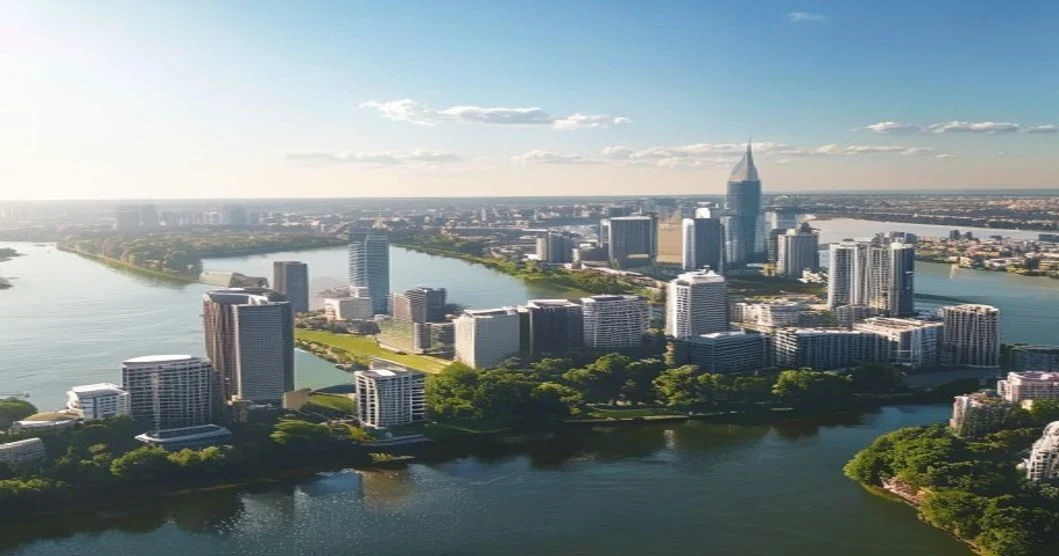
Parramatta is one of the best-value places to live in Sydney if you want city access without city prices. It sits about 24 km west of the Sydney CBD — but it is really Sydney’s second CBD, with its own high-rise skyline, a university campus, one of Australia’s largest shopping centres, and a fast train to the city in around 30 minutes. Unit rents average about $670 a week against well over $800 closer to the harbour, and it is one of the most multicultural pockets in the country, with the famous “Little India” of Harris Park right next door. This 2026 guide covers what it costs to live here, how you get around, who it suits, and the honest trade-offs.
It is written for international students, new migrants and anyone weighing up a move to Western Sydney — but the numbers and the local detail apply to anyone. Figures are current for 2026 and sourced from rental market data and Transport for NSW; rents move, so treat them as a guide and check a current listing before you budget.
Is Parramatta a good place to live?
For most students and new arrivals, yes — Parramatta hits a sweet spot that inner-city suburbs can’t. You get genuine city infrastructure (jobs, a WSU campus, Westfield, hospitals, nightlife) at rents noticeably below the eastern and inner suburbs, on a transport hub that connects to almost everywhere in Sydney. The trade-off is distance: you are 30-plus minutes from the harbour-side universities and the “classic” Sydney postcard. If your life is centred on Western Sydney — studying at Western Sydney University, working locally, or wanting an affordable, diverse, well-connected base — it is hard to beat. If you must be steps from the Opera House or a UNSW campus, it is a longer daily commute.
Rent and cost of living in Parramatta
Rent is the number people search for first, so let’s start there. Here are the typical 2026 weekly rents in Parramatta (postcode 2150), based on current market data.
| Property type | Typical weekly rent (2026) | Notes |
|---|---|---|
| Room in a share house | $220–$320 | Cheapest option; bills sometimes included |
| Studio apartment | $450–$550 | Newer CBD towers at the top of the range |
| 1-bedroom unit | $550–$650 | Plenty of stock in the CBD high-rises |
| 2-bedroom unit | $650–$780 | Median unit rent sits around $670; share with a flatmate to halve it |
| House | ~$700+ | Median house rent around $700; more in surrounding streets |
The single biggest saver is sharing: a $700-a-week two-bedroom unit split between two people is $350 each — competitive with much further-out suburbs, but with a train station, a mall and a campus at your door. A room in an established share house is cheaper still, from around $220 a week, and some list bills as included. For context, comparable units in inner-Sydney suburbs commonly run $800–$1,000-plus a week, so Parramatta typically saves you well over $150 a week for a similar apartment.
Beyond rent, day-to-day costs are reasonable by Sydney standards. Westfield Parramatta and nearby markets keep groceries competitive, the enormous range of cheap-eat restaurants means you can eat out affordably, and you rarely need a car because transport is so good — which quietly saves the biggest hidden cost of outer-suburb living. For the full picture, see our guide to the cost of living in Sydney for international students.
Getting around: Parramatta's transport
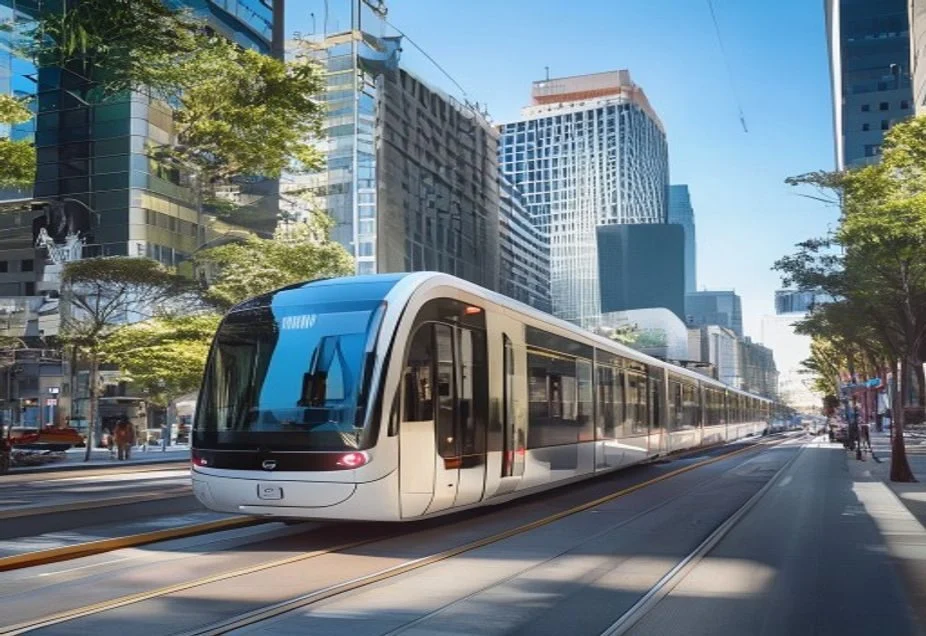
Transport is Parramatta’s strongest card. It is a major interchange where trains, the new light rail, buses and a river ferry all meet, so you can reach most of Sydney without a car. Here is how the main options stack up.
| Mode | Route | Typical time |
|---|---|---|
| Sydney Trains (T1) | Parramatta → Central / Sydney CBD | ~30 min |
| Parramatta Light Rail (L4) | Westmead ↔ Carlingford via Parramatta CBD | Every ~9 min (peak) |
| Parramatta River ferry (F3) | Parramatta Wharf → Circular Quay | ~60 min (scenic) |
| Bus interchange | Across Western Sydney | Varies |
| Sydney Metro West (future) | Parramatta → Sydney CBD | ~20 min (targeting 2032) |
The big recent change is the Parramatta Light Rail, which opened in December 2024. The L4 line runs 12 km from Westmead to Carlingford through the Parramatta CBD and Camellia, with 16 stops and services roughly every nine minutes at peak — making it easy to get around the local area, to Westmead’s hospitals and to the university precinct without a car. Looking further ahead, Sydney Metro West (targeting 2032) will cut the Parramatta-to-CBD trip to about 20 minutes with trains every four minutes, which is a major reason the area is growing. Everything runs on an Opal card, and daily and weekly fare caps keep commuting costs predictable.
A genuinely multicultural community
Parramatta is one of the most culturally diverse areas in Australia, and for many migrants that is the deciding factor. Large Indian, Chinese, Lebanese, Sri Lankan, Afghan and Korean communities live in and around the area, which means you are never far from home food, familiar groceries, places of worship and community events.

The standout is Harris Park, immediately south of the Parramatta CBD and often called “Little India” (or “Little Chennai”). The strip along Wigram and Marion Streets is packed with South Asian restaurants, sweet shops and grocers — it is a genuine destination that Sydneysiders travel to for a dosa or a biryani, and it is a five-minute train hop or a walk from central Parramatta. If having your community and cuisine nearby matters to you, this is one of the best-served corners of Sydney. We map more options in our guide to affordable ethnic groceries and food in Sydney, and to halal food in Sydney by suburb.
Things to do and local amenities
For an “outer” suburb, Parramatta is remarkably well-stocked. You have everything you need day to day without heading into the city:
- Westfield Parramatta — one of the largest shopping centres in Australia, with all the major retailers, a big food court and a cinema.
- Church Street “Eat Street” — a long dining strip running from the river through the CBD, with cuisines from every corner of the world and a lively evening scene.
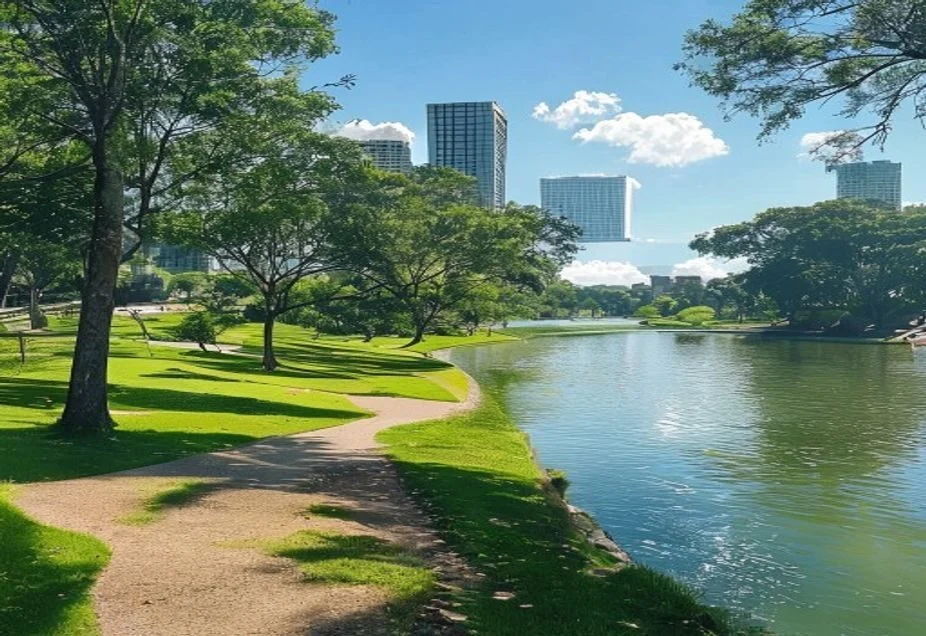
- Parramatta Park — a huge riverside parkland and a World Heritage-listed site (home to Old Government House), great for walking, running and picnics.
- CommBank Stadium — a modern 30,000-seat stadium hosting the Parramatta Eels (NRL) and A-League football, right in the CBD.
- Riverside Theatres and the Parramatta River foreshore — arts, festivals and waterfront walks.
Studying in Parramatta
Western Sydney University (WSU) has a major presence here: a vertical Parramatta City campus in the heart of the CBD, plus the larger Parramatta South (Rydalmere) campus on the river. If you study at WSU, living in Parramatta can mean a walk or a short light-rail ride to class instead of a long commute — a big quality-of-life win.
If you study at a city university — the University of Sydney, UTS or UNSW — Parramatta still works, but budget for the commute: it is roughly 30 minutes by train to Central and then a short connection, so 40–55 minutes door-to-door depending on the campus. Plenty of students make that trade for the cheaper rent; just be honest with yourself about doing it twice a day.
Parramatta pros and cons
Living in Parramatta: pros and cons
Pros
- Much cheaper rent than inner Sydney – units average ~$670/week
- Major transport hub: train, new light rail, ferry, Metro West coming
- Western Sydney University campus right in the CBD
- Extremely multicultural, with home food and groceries nearby (Harris Park)
- Big-city amenities: Westfield, CommBank Stadium, Eat Street dining, Parramatta Park
- Strong local job market in Sydney's second CBD
Cons
- 30+ minutes from harbour-side universities and beaches
- Busy, dense, high-rise CBD core – not a quiet neighbourhood
- Competitive rental market for well-priced units near the station
- Can feel far from "postcard" harbour Sydney
- Ongoing construction in parts of the growing CBD
Who Parramatta suits
It’s a strong fit if you: study at Western Sydney University; want the cheapest realistic rent that still has a train station, a mall and nightlife; value a large migrant community and home cuisine nearby; or work in Western Sydney. It also suits couples and small families wanting more space for the money than the inner suburbs allow.
Look elsewhere if you: need to be within walking distance of a harbour-side campus every day; want beaches on your doorstep (Parramatta is inland); or prefer a quiet, low-rise neighbourhood — the CBD core is busy, dense and growing. If that’s you, consider the greener surrounding suburbs (Westmead, Rydalmere, North Parramatta) which are calmer but still close.
Safety and practical tips
Parramatta is a normal, busy city centre, and the ordinary big-city common sense applies: it is lively and well-populated by day and around the Church Street dining strip in the evening, and quieter on the back streets late at night, so stick to well-lit, populated routes after dark and keep an eye on your belongings in crowds, as you would in any CBD. In an emergency call 000; for non-urgent police assistance call the Police Assistance Line on 131 444. Beyond that, the practical wins are simple: get an Opal card sorted before you arrive, live within a short walk of a train or light-rail stop to make the most of the transport, and inspect any rental in person (or via a trusted friend) before paying anything.
How to find a rental in Parramatta
The Parramatta market is competitive, especially for well-priced units near the station, so go in prepared. Have your application documents ready before you inspect, know what a rental ledger and references are, and never pay a deposit for a place you (or someone you trust) haven’t seen in person. Our detailed guides walk you through each step:
- Rental ledger and rental application guide — how to put together an application that gets approved, even without an Australian rental history.
- How much rent should you pay — work out a sensible share of your income.
- How to avoid rental scams — the red flags to watch for on listings and payments.
- Ultimate guide to living in Sydney — how Parramatta compares with other areas.
The bottom line
Parramatta gives you a second-CBD lifestyle — a university campus, a major mall, a stadium, endless food and a proper transport hub — at rents that undercut the inner suburbs by well over $150 a week for a comparable unit. Its diversity and the “Little India” of Harris Park make it especially welcoming for migrants and international students, and the new light rail (plus Metro West on the way) only strengthens the connectivity. The honest catch is distance from the harbour-side universities and beaches. If your world is Western Sydney or you simply want the best value with real city amenities, Parramatta is one of the smartest places to land in Sydney.
You May Also Like

Moving to Australia: The Complete Checklist and Guide (2026)

NT Public Holidays 2026: Full Calendar, Dates and How Darwin and Alice Springs Celebrate