
Slow Cooker Recipes (2026): 12 Cheap Australian Meals That Actually Work

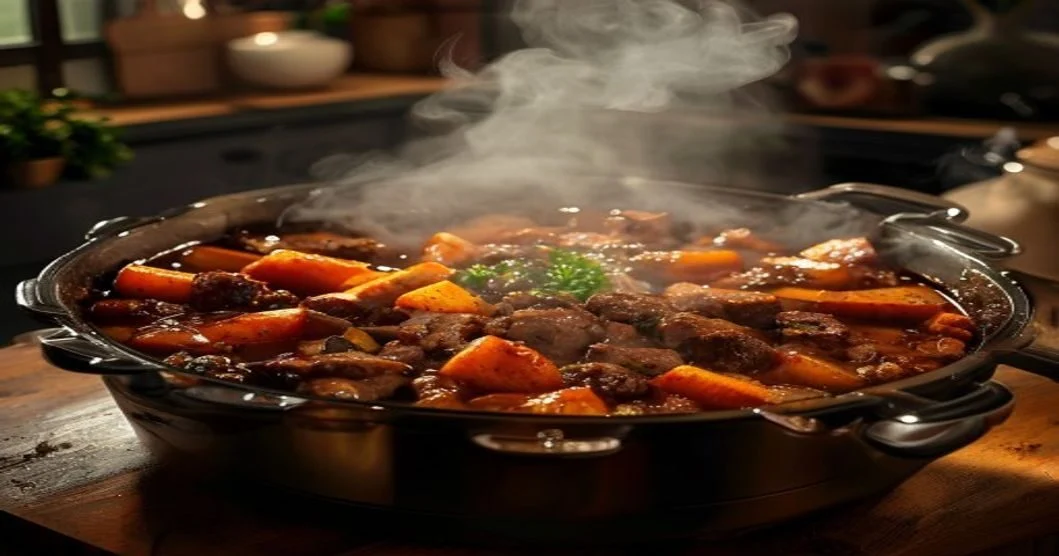
A slow cooker is the most forgiving appliance in an Australian kitchen. Ten minutes in the morning, nothing at all for eight hours, and dinner for five people is waiting when you get home. It also turns the cheapest, toughest cuts of meat into the best results — which is the opposite of how every other cooking method works.
This is twelve recipes with real costs per serve, the rules that separate a good slow cooker meal from a watery grey one, and a food safety warning that most slow cooker articles never mention — there is one common ingredient that becomes more toxic when slow cooked, and it’s worth knowing before you make chilli.
The short version
- Halve the liquid. A sealed slow cooker loses almost nothing to evaporation, so a stovetop recipe’s liquid will nearly double. This is the number one mistake.
- Fill it half to two-thirds. The heating element is on the sides, not the base — under half and it scorches, over two-thirds and it takes too long to get safely hot.
- Low and high reach the same place. High just gets there faster. One hour on high ≈ two hours on low.
- ⚠️ Never put dried red kidney beans in raw. Boil them hard for 10 minutes first. Slow cooking alone doesn’t destroy the toxin and can make it worse. Tinned beans are perfectly safe.
- Never put frozen meat in. It spends too long in the temperature range where bacteria multiply. Thaw first.
- It doesn’t save you electricity. CHOICE measured slow cookers at roughly the same annual running cost as an oven. The saving is in the meat, not the power bill.
What a slow cooker actually saves you
Let’s start by killing a myth, because it’s repeated everywhere including by people selling slow cookers.
CHOICE measured annual running costs across cooking appliances at 30c/kWh. A slow cooker on low came out at $32 to $98 a year; on high, $23 to $84. An oven came out at $31 to $65. Their conclusion, quoted directly: the slow cooker’s “running costs are on par with, or slightly more than, using an oven, so it won’t necessarily be saving you on the energy front.”
To be fair to the appliance, that isn’t quite like for like — CHOICE compared eight hours of slow cooking against one hour of oven, because that’s how people really use them. Per session, a slow cooker on low is far cheaper than running an oven for eight hours. At around 200 watts for eight hours, a single slow cooker meal costs roughly 50 to 65 cents in electricity.
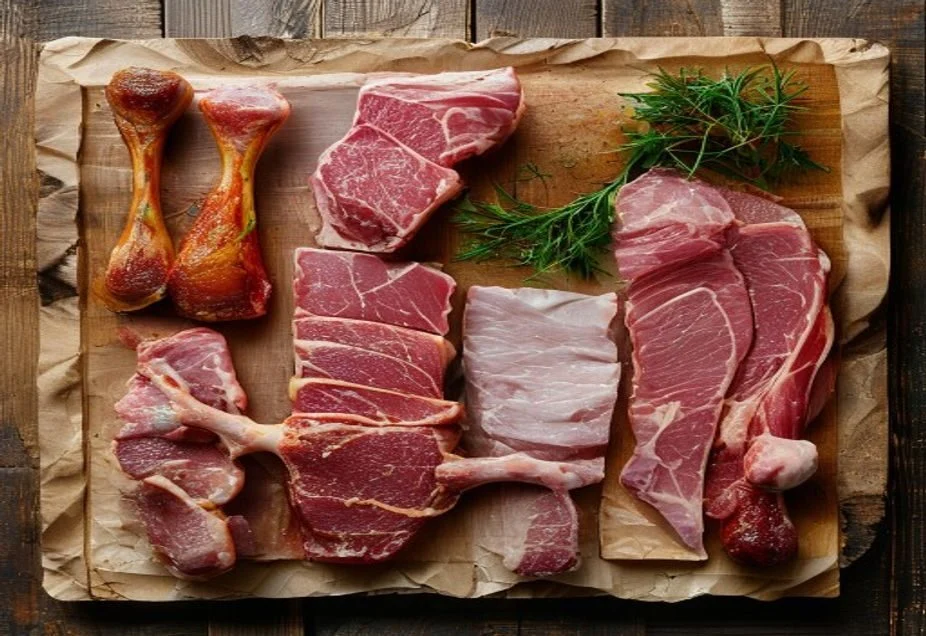
So where does the money actually come from? The cuts of meat. A slow cooker makes cheap, collagen-heavy cuts taste like effort. Collagen starts converting to gelatine at around 70°C and keeps going through 70–82°C — which is almost exactly a slow cooker’s operating range. Hours at that temperature turn connective tissue into silk. The same hours would destroy an expensive steak.
Which cuts are actually cheap in Australia now
This matters more than it used to, because beef is no longer the budget option. Chuck steak used to be the classic cheap slow-cooking cut. It isn’t any more.
| Cut | Price/kg | Best for |
|---|---|---|
| Chicken drumsticks | $4.00–4.80 | Stews, curries, pulled chicken. The cheapest meat in the shop |
| Chicken thigh cutlets (bone in) | $8.00 | Curries, butter chicken. Bone and skin add flavour and keep it moist |
| Pork shoulder (boneless) | $10.00 | Pulled pork. Almost purpose-built for this |
| Corned silverside | $11.50 | Corned beef. Feeds a crowd, brilliant cold in sandwiches after |
| Lamb shanks | $14.00 | The showpiece. Looks expensive, isn’t |
| Chicken thigh fillets | $14.50–15.50 | Convenient, but the cutlets are better value and better flavour |
| Beef brisket | $16.00 | Excellent, and still reasonable |
| Gravy beef / shin | $18.50 | Classic casserole cut |
| Beef chuck steak | $20.00 | ⚠️ No longer cheap. Great results, but check the price first |
| Lamb forequarter chops | $24.00 | Good but dear |
| Beef oyster blade | $30.00 | ⚠️ Premium now. Not a budget cut in 2026 |
The practical upshot: chicken drumsticks, thigh cutlets, pork shoulder and corned silverside are the genuine budget slow-cooking buys in Australia right now. Beef has moved a long way up. If a recipe calls for chuck and it’s $20/kg that week, drumsticks at $4/kg will make you a better meal for a quarter of the money.
The seven rules
- Halve the liquidThe single most common mistake. A sealed slow cooker returns all its own condensation, and the meat and vegetables release more on top of that — Crock-Pot’s manual warns the liquid will “almost double”. Montana State Extension puts the rule simply: use about half the liquid the original recipe calls for. Soups are the only exception. You can always add more at the end; you can’t take it out.
- Fill it half to two-thirds fullThe element wraps around the sides, not the base — which is why this matters and why you barely need to stir. Under half full, food sits above the heat and scorches at the edges. Over two-thirds, the mass takes too long to climb out of the danger zone, and it can boil over.
- Brown the meat first — for flavourNo food-safety body requires it, so it’s optional. But browning creates flavour that eight hours of gentle simmering simply cannot, and it lets you drain off fat. Ten minutes in a pan is the difference between a stew that tastes like something and one that tastes like wet vegetables. Deglaze the pan with a splash of stock and tip that in too.
- Low and high go to the same placeSunbeam’s manual says it plainly: “Food will be brought to a simmer on all settings. The setting determines the time needed to reach a simmer.” The conversion is 1 hour on high ≈ 2 hours on low. If you’re worried about a big batch getting hot fast enough, run it on high for the first hour and then drop to low.
- Don’t lift the lidEvery peek loses 10–15°C, and Montana State Extension estimates it takes about 20 minutes to recover the lost heat. There is nothing to see. Stirring is rarely needed because the heat comes from the sides.
- Add the delicate things lateSee the table below. Dairy splits, seafood turns to rubber, pasta goes to mush and fresh herbs lose everything over eight hours.
- Thicken at the endIf it’s too thin: turn to high, take the lid off, and let it reduce. Or stir in a cornflour slurry — a tablespoon of cornflour mixed smooth with cold water — and give it 15–30 minutes on high.
| Ingredient | When | Why |
|---|---|---|
| Onion, carrot, potato, pumpkin | At the start | Put them at the bottom and around the sides — dense vegetables cook slower than meat |
| Dried herbs, bay, whole spices | At the start | Whole-leaf herbs hold up over long cooking |
| Pasta | Last 30–60 min | Or cook separately — usually better |
| Milk, cream, sour cream, cheese | Last 15–30 min | Dairy splits and curdles over long cooking |
| Fish and seafood | Last 15–60 min | Goes tough and dry very quickly |
| Frozen peas, delicate greens | Last 15–30 min | Otherwise they turn grey and disintegrate |
| Ground spices | Last hour, or bloomed first | Frying spices in oil for 2–3 min before adding transforms them |
| Fresh soft herbs, lemon juice | At serving | Acid at the end is what makes a heavy dish taste bright |
| Sugar and vinegar with dried beans | After beans soften | Both harden beans and stop them cooking through |
Food safety: the things that actually matter
⚠️ Dried red kidney beans: boil them first, always
This is the one genuinely serious hazard specific to slow cookers, and most recipe sites never mention it.
Raw red kidney beans contain phytohaemagglutinin, a natural toxin. According to the US FDA, as few as four or five raw beans can trigger symptoms — extreme nausea, then severe vomiting and diarrhoea, starting one to three hours after eating. In seven UK outbreaks, everyone who ate the beans got sick. Recovery is usually quick, but some cases have needed hospital treatment.
Here is the slow-cooker-specific part. The toxin isn’t reliably destroyed at slow cooker temperatures. Australia’s Food Safety Information Council states it directly: “Improperly cooked beans can be more toxic than raw ones”, and advises “do not cook beans at a low temperature, for example in a slow cooker, as it may not destroy the toxin.” Hong Kong’s food safety centre notes the toxin remained active even after an hour at 85°C — hotter than most slow cookers get.
The correct method, and it’s easy:
- Soak the dried beans at least 5 hours, or overnight.
- Drain and discard the soaking water. Rinse.
- Cover with fresh water and boil hard for at least 10 minutes. A rolling boil, not a simmer. Research showed 10 minutes at 100°C destroys the toxin completely; the FDA suggests 30 minutes for margin.
- Drain, then add to the slow cooker.
Tinned kidney beans are completely safe and need no pre-boiling — they’ve already been heat-treated. For a weeknight, tinned is the easy answer.
Also apply this to cannellini and borlotti beans, which are the same species as kidney beans. Cannellini carry roughly a third the toxin — less, but not nothing. The safest habit is to soak-and-boil any dried bean before slow cooking.
The rest of the safety rules
- Never put frozen meat in. The US Department of Agriculture is unambiguous: always thaw meat or poultry before it goes in a slow cooker. A frozen mass takes far too long to climb through the 5–60°C range where bacteria multiply. Thaw in the fridge overnight. Some manufacturer manuals contradict this — follow the food safety advice.
- Don’t reheat leftovers in it. Also USDA: a slow cooker heats too slowly to get leftovers safely through the danger zone. Reheat on the stove or in the microwave until steaming hot, then use the slow cooker to keep it warm if you want.
- Yes, it’s safe to leave running while you’re out. That’s what it’s designed for — the USDA describes it as a safe process for unattended cooking. Note that manufacturers often print “never leave unattended”, which is a general electrical-safety warning rather than a food one. Use a good power point, don’t run it under a cupboard, and don’t leave a damaged cord plugged in.
- Don’t rely on a delay-start timer. CHOICE warns against leaving food sitting at a warm-ish temperature before cooking starts — that’s exactly the bacteria-breeding window.
- Don’t cook on KEEP WARM. It isn’t hot enough to cook. It’s for holding food that’s already done.
- Get leftovers out of the crock to cool. The heavy ceramic holds heat for hours, so it’s a poor cooling vessel. Transfer to shallow containers and refrigerate within two hours.
- Don’t put a fridge-cold ceramic crock onto a preheated base, or a hot crock under cold water. Ceramic cracks from sudden temperature change.
- If the power went out while you were out, throw the food away — even if it looks cooked. You can’t know how long it sat warm.
Twelve recipes worth the bench space
Costs are per serve at Australian supermarket prices as at July 2026, assuming you own basic spices. All of them freeze except where noted, and all make four or more serves — because the real argument for a slow cooker is that you’re not making dinner, you’re making four dinners.
Want the complete step-by-step version of a flavour like this? Our slow cooker honey soy chicken recipe has the full method, ingredient list and FAQ.
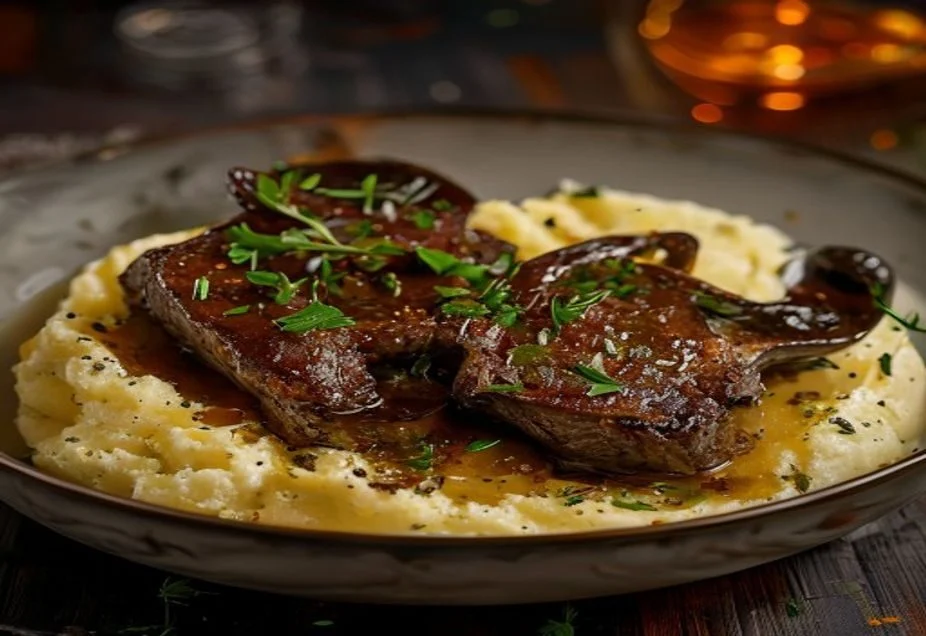
Red Wine Lamb Shanks
Ingredients
- 4 lamb shanks (about 1.2kg)
- 2 tbsp flour, seasoned · oil for browning
- 1 onion, 3 carrots, 2 celery sticks, 4 garlic cloves
- 1 cup red wine · 1 can diced tomatoes
- 1 cup stock only · 2 tbsp tomato paste
- 2 bay leaves, sprig of rosemary
Method
- Toss the shanks in seasoned flour and brown them hard on all sides. Don’t skip this one — it’s most of the flavour.
- Deglaze the pan with the wine, scraping the base, and let it bubble for 2 minutes.
- Vegetables in the cooker first, shanks on top, everything else over. Liquid should come about halfway up the shanks, not cover them.
- Low 8 hours. The meat should fall off the bone when nudged.
- Lift the shanks out, reduce the sauce on high with the lid off for 20 minutes, then pour back over.
Pulled Pork
Ingredients
- 1.5kg boneless pork shoulder
- 2 tbsp brown sugar, 1 tbsp smoked paprika
- 1 tsp each cumin, garlic powder, salt, pepper
- 1 onion, sliced · 3 garlic cloves
- ½ cup stock only · 2 tbsp apple cider vinegar
- ½ cup barbecue sauce, to finish
Method
- Rub the pork all over with the sugar and spices. Overnight in the fridge if you can.
- Onion in the bottom, pork on top, stock and vinegar poured around it. Resist adding more liquid — pork shoulder releases a lot.
- Low 8–10 hours until it shreds with gentle fork pressure.
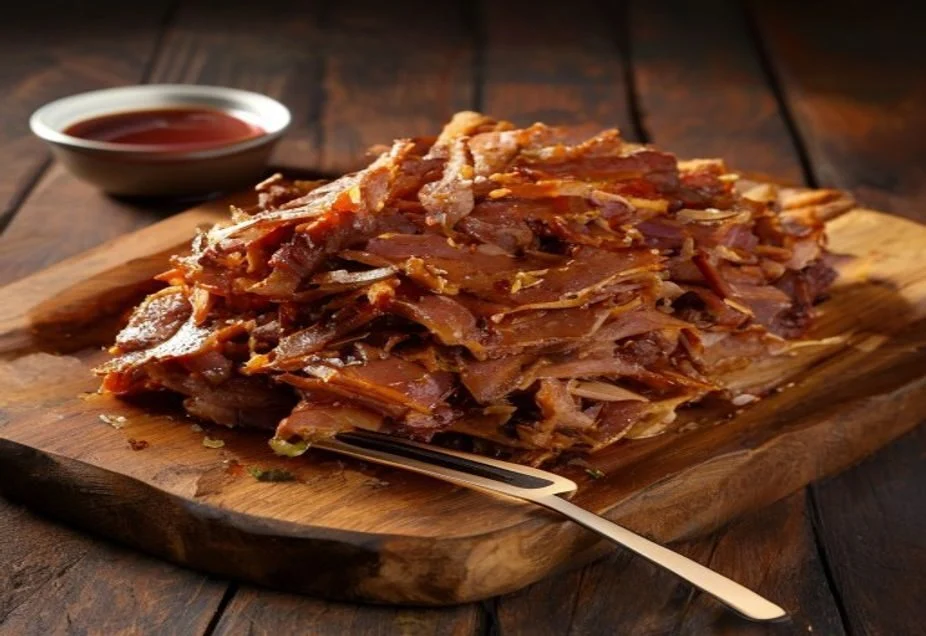
- Lift out, shred with two forks, discard excess fat. Skim the liquid, stir some back in with the barbecue sauce.
Beef Stroganoff
Ingredients
- 800g gravy beef or chuck, cubed
- 2 tbsp flour · 1 onion · 300g mushrooms, sliced
- 3 garlic cloves · 1 tbsp tomato paste
- 1½ cups beef stock · 1 tbsp Worcestershire
- 1 tsp paprika · 1 tsp dried thyme
- ½ cup sour cream, at the very end · egg noodles or rice
Method
- Toss the beef in flour and brown in batches. Deglaze with a splash of stock.
- Everything except the sour cream into the cooker. Low 7 hours.
- Turn off the heat, wait 5 minutes, then stir the sour cream through. Added hot or early it will split.
- Serve over noodles or rice.
Butter Chicken
Ingredients
- 1kg chicken thigh cutlets or fillets, in chunks
- 1 onion · 4 garlic cloves · 1 tbsp grated ginger
- 2 tbsp butter · 2 tbsp garam masala, 1 tsp turmeric, 1 tsp chilli
- 1 can diced tomatoes · 2 tbsp tomato paste
- ½ cup cream, last 20 min · rice and coriander
Method
- Fry the onion, garlic, ginger and all the spices in the butter for 3 minutes first. This step is the difference between good and dusty.
- Tip into the cooker with the chicken, tomatoes and paste. No extra liquid.
- Low 5 hours.
- Stir the cream through for the last 20 minutes. Coriander and lemon at serving.
Want the proper restaurant-style version, with the chicken marinated and charred separately? See our full butter chicken recipe.
Chicken & Chickpea Curry
Ingredients
- 1kg chicken drumsticks
- 2 cans chickpeas, drained · 400g pumpkin, cubed
- 1 onion, garlic, ginger · 3 tbsp curry powder or paste
- 1 can diced tomatoes · 1 can coconut milk
- Spinach at the end · rice to serve
Method
- Fry onion, garlic, ginger and curry powder 3 minutes.
- Everything except spinach into the cooker. Pumpkin at the bottom.
- Low 6 hours. Pull the drumstick meat off the bones and stir back through.
- Spinach in for the last 10 minutes.
Lentil-Stretched Bolognese
Ingredients
- 500g beef mince · ¾ cup dried red lentils
- 2 cans diced tomatoes · 2 tbsp tomato paste
- 1 onion, 2 carrots grated, 2 celery sticks, garlic
- ½ cup stock only · mixed herbs, bay leaf
Method
- Brown the mince hard, then the onion, carrot and celery for 5 minutes.
- Everything into the cooker. Keep the liquid low — tinned tomatoes are wetter than they look.
- Low 7 hours. Stir at the end and season.
Corned Silverside
Ingredients
- 1.5kg corned silverside
- 1 onion, quartered · 3 carrots, chunked
- 2 bay leaves, 1 tbsp brown sugar
- 2 tbsp malt or apple cider vinegar
- 1 tbsp peppercorns · water to barely cover
Method
- Rinse the meat. Everything in the cooker, water just barely covering it.
- Low 8 hours.
- Rest 15 minutes before slicing, and slice across the grain.
Chicken & Vegetable Stew
Ingredients
- 1kg chicken drumsticks
- 600g potatoes, 4 carrots, 1 onion, 2 celery sticks
- 1 can diced tomatoes · ½ cup red lentils
- 1½ cups stock · paprika, thyme, bay
Method
- Everything in at once — this is the one where you genuinely can skip browning.
- Low 6–8 hours, or high 4.
- Pull the meat off the bones with two forks, stir back through.
Chilli con Carne
Ingredients
- 500g beef mince · 2 tinned kidney beans, drained
- 1 can diced tomatoes · 2 tbsp tomato paste
- 1 onion, 1 capsicum, 3 garlic cloves
- 2 tsp cumin, 2 tsp smoked paprika, chilli to taste
- 1 tsp oregano · ½ cup stock only
Method
- Brown the mince, then soften onion, capsicum, garlic and spices.
- Everything in. Low 7 hours.
- Squeeze of lime at the end. Serve with rice, or in wraps with yoghurt.
Red Lentil Dhal
Ingredients
- 2 cups red lentils, rinsed
- 1 onion, 4 garlic cloves, 1 tbsp ginger
- 2 tsp each cumin and coriander, 1 tsp turmeric
- 1 can diced tomatoes · 4 cups water or stock
- Spinach and lemon at the end
Method
- Fry the onion, garlic, ginger and spices in oil for 3 minutes.
- Everything in. Low 5 hours — stay under two-thirds full, lentils foam.
- Spinach in for the last 10 minutes. Lemon juice and salt at serving.
Chunky Vegetable & Barley Soup
Ingredients
- 1 cup pearl barley · ½ cup red lentils
- 1 onion, 4 carrots, 3 celery sticks, 2 potatoes
- Half a cabbage, shredded · 1 can diced tomatoes
- 8 cups stock (soup is the liquid exception)
- Bay, thyme, paprika
Method
- Everything except the cabbage in. Low 7 hours.
- Cabbage stirred in for the last 30 minutes only — earlier and it goes grey and sulphurous.
- Season hard at the end. Soup always needs more salt than you think.
Overnight Porridge
Ingredients
- 1 cup steel-cut oats (not rolled)
- 4 cups water, or half milk half water
- Pinch of salt · 1 tsp cinnamon
- Grated apple or sultanas, optional
- Honey, banana, nuts at serving
Method
- Grease the crock well — porridge sticks.
- Everything in, set to low before bed, 6–7 hours.
- Stir hard in the morning. Loosen with milk if it’s thick.
Two of those a week — say the pulled pork and the chicken curry — is fourteen serves of dinner for around $28 total, and about twenty minutes of actual work.
When it goes wrong
| Problem | Cause | Fix |
|---|---|---|
| Watery and bland | Too much liquid — by far the most common fault | Turn to high, take the lid off, reduce for 20–30 min. Then salt, a squeeze of lemon, and something savoury like soy or tomato paste. Next time, halve the liquid |
| Meat still tough after 8 hours | Usually not enough time, or the wrong cut | Give it another 1–2 hours — tough cuts need longer, not shorter. Lean cuts like rump or chicken breast will never go tender this way; use chuck, gravy beef, shanks or thighs |
| Meat dry and stringy | Too lean a cut, or genuinely overcooked | Switch to a fattier, collagen-rich cut. Lean meat has nothing to convert to gelatine, so long cooking just dries it out |
| Burnt or stuck at the edges | Under half full — food sitting above the side element | Keep it at least half full. Scale the recipe up, or use a smaller cooker |
| Sauce split or curdled | Dairy added too early | Cream, milk, sour cream and cheese go in during the last 15–30 min — ideally with the heat off |
| Vegetables mushy, meat perfect | Vegetables cut too small, or delicate ones added at the start | Cut root vegetables into big chunks and put them at the bottom. Peas, greens and zucchini go in at the end |
| Beans still hard after hours | Sugar or acid added too early — both stop beans softening | Cook beans until soft first, then add tomato, vinegar or sugar |
| Nothing is cooking | Left on KEEP WARM | Keep warm isn’t hot enough to cook. It’s for holding food that’s already done |
| Everything tastes the same | No browning, no acid, under-seasoned | Brown the meat. Season at the end, not the start. And finish with acid — lemon, vinegar, or a spoon of yoghurt — which is the step almost everyone skips |
Buying one in Australia
Good news for anyone on a budget: CHOICE notes that some of the top scorers in its slow cooker tests are among the cheaper models, and a well-performing slow cooker is available under $50.
| Model | Price | Notes |
|---|---|---|
| Anko 5L (Kmart / Target) | $24 | The budget benchmark. Does the job |
| Anko 3L | $29 | Right size for one or two people |
| Anko 6.5L | $47 | Family size |
| Sunbeam SecretChef 5.5L | $49 | Long-standing Australian favourite |
| Russell Hobbs 4L | $59 | — |
| Breville the Searing Slow Cooker | $239 | Browns in the same pot — CHOICE’s top feature pick if you’ll pay for it |
- One or two people: 3–4.5L. Remember it needs to be at least half full to work properly, so a huge cooker is actively worse for small batches.
- Four to six people: 5–8L.
- The one feature worth paying for is a cooker that sears — you brown the meat in the same pot rather than dirtying a frypan. CHOICE’s kitchen expert names this as her main recommendation. Whether it’s worth $190 more is your call; a $10 frypan does the same job with more washing up.
- Oval or rectangular fits shanks and a roast better than round, and stores more efficiently.
- Second-hand is genuinely fine. A slow cooker is a ceramic pot and a heating element — there’s very little to wear out. Check the crock for cracks and the cord for damage. They turn up constantly for $10–20.
Cleaning it
- Let the crock cool before washing. Hot ceramic under cold water cracks.
- Soak, don’t scrub. Hot soapy water for 15–20 minutes lifts almost anything. Abrasives wreck the glaze.
- Baked-on ring around the top? Fill with water to above the line, add a splash of vinegar, and run it on low for an hour. It wipes off.
- Never immerse the base unit. Damp cloth only.
- Liners are made from heat-resistant nylon rated well above slow cooker temperatures and are generally considered safe, though we couldn’t find an Australian regulator’s position on them. If you’d rather avoid plastic, greasing the crock works nearly as well. Do not substitute oven bags — at least one manufacturer explicitly forbids them.
Why it's worth it
Not the electricity — we’ve been honest about that. The reasons that hold up:
- It makes cheap cuts genuinely good. Drumsticks at $4/kg and pork shoulder at $10/kg become meals you’d happily serve someone.
- It cooks while you’re not there. Ten minutes in the morning, dinner at six. That’s the actual product.
- It removes the 6:30pm decision, which is what sends most people to a delivery app. Two orders a week is $50–70.
- It’s batch cooking by default. Every recipe here makes four or more serves, so two cooking sessions cover most of a week.
- It needs no kitchen. Just a power point — which matters more than you’d think in Australian share housing, where a working stove is not guaranteed.
If you’re building a kitchen from scratch, our guide to cheap healthy meals in Australia covers the $95 starter kit and the pantry these recipes assume, and ranks the slow cooker against a rice cooker and an air fryer. Also worth a look:
- One pot meals — twenty recipes sorted by what you cook them in, including the stovetop and oven versions of several dishes here
- Dinner ideas — thirty dinners sorted by time, energy and budget, plus what’s cheap each season in Australia
- How to cook rice — because most of these want rice, and there’s a reason yours comes out hard
- Air fryer times and temperatures — the other appliance worth owning. A slow cooker handles everything wet, an air fryer everything crisp
If you’re starting this weekend: the pulled pork. Ten minutes of prep, about $17 of pork, and eight serves that become five different meals. It is the single best argument for owning one of these.
Frequently asked questions
You May Also Like

Moving to Australia: The Complete Checklist and Guide (2026)

NT Public Holidays 2026: Full Calendar, Dates and How Darwin and Alice Springs Celebrate









1 Comment
[…] not watching the clock closely. If you like easy chicken dinners, this pairs well with our slow cooker recipes roundup, our honey garlic chicken thighs (the skillet version of a similar flavour) and our one-pot chicken […]