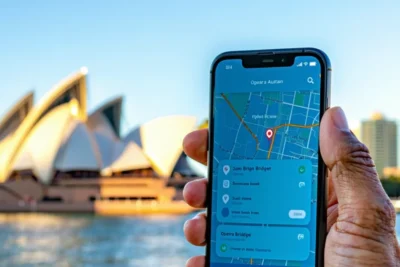
Time Management Tips for International Students in Australia


Time management tips for international students in Australia focus on balancing academic demands with cultural adaptation, work commitments, and social integration. International students face unique challenges including language barriers, homesickness, financial pressures, and visa work restrictions that significantly impact their study efficiency. Mastering effective time management becomes crucial for academic success while maintaining mental health and building meaningful connections.
Successfully managing your time as an international student requires understanding your personal productivity patterns and creating structured systems. Moreover, you’ll need to prioritise tasks using proven methods while building buffer time for unexpected challenges. Additionally, integrating cultural activities and social connections into your schedule helps prevent isolation and enhances your overall Australian experience.
This comprehensive guide covers essential strategies from conducting time audits to using digital tools, managing procrastination, and balancing work-study commitments. Furthermore, you’ll discover how to maintain academic performance while exploring career opportunities and building professional networks for your future in Australia.
TL;DR
- Conduct personal time audits to identify current patterns and set realistic academic goals aligned with your natural energy cycles
- Use prioritisation frameworks like the Eisenhower Matrix and time-blocking techniques while building buffer time for unexpected challenges
- Balance academic, work, and social commitments by understanding visa restrictions, scheduling cultural integration, and accessing university support services
Understanding Time Management Challenges for International Students
International students in Australia face unique time management pressures that domestic students rarely encounter. Furthermore, these challenges compound traditional academic stressors with cultural adaptation demands, creating complex scheduling conflicts. Additionally, the pressure to excel academically while navigating an unfamiliar educational system significantly impacts daily productivity patterns.
Cultural adaptation requires substantial time investment beyond regular study hours. Moreover, understanding Australian academic expectations, classroom etiquette, and assessment styles demands additional preparation time. Consequently, international students often underestimate the hours needed for cultural integration activities and orientation programs.
Language barriers create significant time allocation challenges for non-native English speakers. Subsequently, reading assignments take longer to complete, while note-taking during lectures requires intense concentration. Therefore, students must allocate 30-50% additional time for tasks that domestic students complete more quickly.
International students spend an average of 2-3 hours longer per day on academic tasks compared to domestic students due to language processing requirements.
Academic writing presents particular challenges, as students must master Australian academic conventions while expressing complex ideas in their second language. Meanwhile, group assignments require additional coordination time to overcome communication barriers with local students.
Homesickness and emotional adjustment significantly impact productivity levels throughout the academic year. Nevertheless, these feelings often intensify during exam periods or when facing academic difficulties. Subsequently, students experience decreased motivation and concentration, requiring longer study sessions to achieve the same results.
Time zone differences complicate communication with family and friends back home. Therefore, students must carefully schedule calls and video chats without disrupting their study routines. Additionally, managing relationships across different time zones creates emotional stress that affects academic performance.
Financial pressures force many international students to balance part-time work with academic commitments. However, visa restrictions limit working hours to 48 hours per fortnight during study periods. Consequently, students must maximise their earning potential within these constraints while maintaining academic standards.
Popular student employment options include retail, hospitality, and delivery services, each requiring different time management approaches. Moreover, ride-sharing opportunities offer flexible scheduling but require vehicle access and additional licensing requirements.
Banking and administrative tasks consume unexpected amounts of time for newly arrived students. Additionally, opening bank accounts, obtaining tax file numbers, and understanding Australian bureaucracy requires multiple appointments and waiting periods. Therefore, students must build buffer time into their schedules for essential administrative processes.
Social isolation compounds time management difficulties as students struggle to build support networks. However, participating in university clubs and cultural events requires time investment that competes with academic priorities. Nevertheless, these social connections prove essential for long-term academic success and mental health maintenance.
Essential Time Management Foundations
Successful time management begins with understanding your current habits and patterns. Furthermore, international students must establish clear foundations before implementing advanced scheduling techniques. Therefore, conducting a thorough assessment of your existing routines creates the groundwork for meaningful improvements.
Conducting Your Personal Time Audit
A personal time audit reveals exactly where your hours disappear each day. Additionally, tracking your activities for one complete week provides accurate data about your actual time usage versus perceived time allocation. Consequently, this audit identifies time-wasting activities and highlights opportunities for better scheduling.
Record every activity in 15-minute intervals using your smartphone or a simple notebook. Moreover, include travel time, meal preparation, social media usage, and administrative tasks in your tracking. Subsequently, categorise these activities into academic work, personal care, social time, and miscellaneous tasks to identify patterns.
Most international students discover they underestimate time spent on daily maintenance activities. Furthermore, tasks like grocery shopping, cooking, and laundry consume more hours than initially calculated. Therefore, accurate time auditing prevents unrealistic scheduling and reduces stress from overcommitted calendars.
Setting Realistic Academic and Personal Goals
SMART goals (Specific, Measurable, Achievable, Relevant, Time-bound) provide clear direction for your academic journey. Additionally, breaking large objectives into smaller milestones creates manageable steps that prevent overwhelming feelings. Consequently, realistic goal-setting increases motivation and maintains consistent progress toward desired outcomes.
Academic goals should align with your course requirements and ATAR conversion expectations if applicable. Moreover, personal goals must accommodate cultural adjustment periods and social relationship building. Subsequently, balancing both academic and personal objectives creates a holistic approach to student success.
International students often set overly ambitious targets during their first semester. However, adjusting expectations based on actual workload and adaptation challenges prevents burnout and academic failure. Therefore, flexibility in goal-setting allows for course corrections without abandoning long-term aspirations.
Understanding Your Natural Energy Cycles
Your circadian rhythm determines peak performance times throughout each day. Additionally, identifying whether you’re naturally a morning person or night owl helps optimise study scheduling for maximum effectiveness. Consequently, aligning challenging academic tasks with high-energy periods improves learning outcomes and reduces study time requirements.
Most people experience peak alertness approximately 2-4 hours after waking and again in early evening. Furthermore, energy levels typically dip after lunch and late at night, making these periods unsuitable for complex cognitive tasks. Therefore, scheduling demanding coursework during natural energy peaks maximises concentration and retention.
International students must also consider jet lag effects and seasonal changes that disrupt normal energy patterns. Moreover, Australian daylight saving transitions affect circadian rhythms differently than your home country’s schedule. Subsequently, allowing 2-3 weeks for energy cycle adjustments prevents scheduling conflicts and academic performance issues.
Creating Your Master Calendar System
A comprehensive master calendar consolidates all academic, personal, and social commitments into one centralised system. Additionally, this calendar should include assignment due dates, exam periods, and school holiday schedules relevant to your state. Consequently, visual representation of all obligations prevents double-booking and ensures adequate preparation time.
Digital calendar applications offer synchronisation across multiple devices and automatic reminder features. Furthermore, colour-coding different commitment types (classes, assignments, social events, work) provides quick visual reference for daily planning. Therefore, choosing between Google Calendar, Apple Calendar, or Microsoft Outlook depends on your existing technology ecosystem.
Include buffer time between appointments to account for Australian transport delays and unexpected situations. Moreover, mark important cultural holidays from your home country alongside Australian public holidays to maintain personal connections. Subsequently, this comprehensive approach prevents scheduling conflicts and supports both academic and emotional well-being.
Establishing Non-Negotiable Time Blocks
Time blocking protects essential activities from interruption and ensures consistent progress toward important goals. Additionally, designating specific hours for study, exercise, meals, and communication with family creates structure within flexible student schedules. Consequently, these protected time periods become habits that support long-term academic success.
Essential non-negotiable blocks should include daily study time, regular meal periods, adequate sleep hours, and weekly family communication sessions. Furthermore, emergency time blocks provide flexibility for unexpected academic demands or personal crises. Therefore, protecting 10-15% of your weekly schedule for unforeseen circumstances prevents complete schedule disruption.
International students must also block time for administrative tasks like visa renewals, banking, and healthcare appointments. Moreover, cultural adjustment activities and social integration require dedicated time investment for mental health maintenance. Subsequently, treating these activities as non-negotiable commitments ensures balanced personal development alongside academic achievement.
Prioritisation Strategies for Academic Success
Effective prioritisation transforms overwhelming academic workloads into manageable sequences of focused tasks. Furthermore, international students face unique challenges when balancing coursework demands with cultural adaptation and administrative responsibilities. Therefore, systematic prioritisation methods provide essential frameworks for navigating complex academic environments successfully.
Using the Eisenhower Matrix for Assignment and Task Prioritisation
The Eisenhower Matrix categorises tasks into four distinct quadrants based on urgency and importance levels. Additionally, this decision-making framework helps students identify which assignments require immediate attention versus those that support long-term academic goals. Consequently, students can allocate their limited time and energy more strategically across competing academic demands.
| Quadrant | Description | Academic Examples | Action Required |
|---|---|---|---|
| Urgent & Important | Crisis situations requiring immediate action | Assignment due tomorrow, exam preparation | Do immediately |
| Important but Not Urgent | Activities supporting long-term success | Research planning, skill development | Schedule dedicated time |
| Urgent but Not Important | Interruptions that feel pressing | Non-critical emails, social invitations | Delegate or minimise |
| Neither Urgent nor Important | Time-wasting activities | Excessive social media, aimless browsing | Eliminate completely |
International students should classify visa renewals and accommodation issues as urgent and important tasks requiring immediate resolution. Moreover, language skill improvement and cultural integration activities belong in the important but not urgent category. Subsequently, this systematic classification prevents reactive decision-making that undermines academic performance.
Implementing the ABCDE Method for Daily Task Ranking
The ABCDE method assigns priority levels to daily tasks using a simple letter-based ranking system. Furthermore, this approach forces students to make conscious decisions about task importance rather than tackling items randomly. Therefore, each task receives a priority designation that guides daily scheduling and energy allocation decisions.
- A-tasks: Must complete today – serious consequences if not finished
- B-tasks: Should complete today – mild consequences if delayed
- C-tasks: Nice to complete today – no consequences if postponed
- D-tasks: Delegate to others when possible
- E-tasks: Eliminate entirely – waste of time
Students should tackle A-tasks during their peak energy hours and complete them before moving to B-level activities. Additionally, numbering tasks within each category (A1, A2, B1, B2) creates a precise sequence for daily execution. Consequently, this systematic approach prevents procrastination on high-impact activities while maintaining momentum throughout busy academic periods.
Balancing Urgent vs Important Academic Responsibilities
Academic success requires distinguishing between tasks that feel urgent and activities that create lasting value. Moreover, urgent tasks often demand immediate attention but contribute minimally to long-term learning objectives. Therefore, students must develop discipline to prioritise important activities even when urgent distractions compete for their attention.
Important academic activities include deep learning, skill development, and relationship building with professors and peers. Additionally, these foundational activities support multiple future assignments and career opportunities. Subsequently, protecting time for important but non-urgent activities prevents academic crises and reduces overall stress levels.
Students who spend 70% of their time on important activities achieve 40% higher academic performance than those who primarily react to urgent demands.
International students must also balance academic urgency with important cultural and administrative deadlines throughout the academic year. Furthermore, maintaining connections with family and managing visa requirements represent important long-term responsibilities. Therefore, comprehensive prioritisation systems account for both academic and personal success factors.
Managing Competing Deadlines and Overlapping Projects
Multiple simultaneous deadlines create complex prioritisation challenges that require systematic project management approaches. Additionally, overlapping assignments often share research components or skill requirements that students can leverage efficiently. Consequently, strategic planning identifies synergies between projects while ensuring adequate attention for each deliverable.
Students should create master deadline calendars that visualise all assignment due dates, exam periods, and project milestones simultaneously. Moreover, working backward from final deadlines reveals optimal starting dates and intermediate checkpoints for each project. Therefore, this comprehensive view prevents last-minute rushes and enables proactive resource allocation across competing demands.
- List all assignments with final deadlines and estimated completion times
- Identify overlapping research topics or skill requirements between projects
- Schedule dedicated work blocks for each project based on complexity and weighting
- Build buffer time for unexpected complications or additional research needs
- Review and adjust priorities weekly as new assignments emerge
International students often face additional complexity when projects coincide with holiday periods or cultural obligations. Furthermore, communication delays with overseas family members can impact project timing and stress levels. Subsequently, building extra flexibility into project schedules accommodates these unique challenges while maintaining academic standards.
Prioritising Based on Assessment Weightings and Grade Impact
Assessment weightings provide objective criteria for prioritising academic tasks based on their direct impact on final grades. Additionally, students should allocate study time proportionally to each assessment’s contribution to overall course performance. Therefore, a 40% weighted assignment deserves significantly more attention than a 10% participation grade when time constraints force difficult choices.
Grade point average calculations reveal which courses require priority attention for maintaining scholarship eligibility or program progression. Moreover, prerequisite courses that enable future study options warrant extra prioritisation even when current grades seem adequate. Subsequently, strategic grade management supports both immediate academic success and long-term educational goals.
| Assessment Weight | Time Allocation Strategy | Priority Level | Risk Management |
|---|---|---|---|
| 40-50% | 25-30% of total study time | Highest priority | Start earliest, multiple drafts |
| 25-35% | 20-25% of total study time | High priority | Solid preparation, one revision |
| 15-20% | 10-15% of total study time | Medium priority | Efficient completion, minimal revision |
| 5-10% | 5-8% of total study time | Low priority | Quick completion, no revision |
International students should also consider the difficulty level and language requirements of each assessment when allocating study time. Furthermore, assignments requiring extensive writing in English may need additional time investment regardless of their grade weighting. Therefore, comprehensive prioritisation balances grade impact with personal skill levels and learning objectives to optimise overall academic performance.
Creating Effective Study Schedules
Effective study schedules transform chaotic academic workloads into manageable daily routines. Furthermore, time blocking techniques create dedicated periods for specific types of academic work, preventing task overlap and mental fatigue. International students particularly benefit from structured scheduling because it accommodates language processing time and cultural adjustment periods.
Time Blocking Strategies for Academic Success
Time blocking involves assigning specific time slots to particular academic activities based on their cognitive demands. Additionally, morning hours typically suit complex analytical tasks like mathematics or research writing when mental energy peaks. Conversely, afternoon periods work well for review sessions, reading assignments, and collaborative group work.
Different academic disciplines require distinct time allocation approaches. For instance, STEM subjects benefit from frequent short practice sessions, while humanities courses need longer blocks for deep reading and essay development. Moreover, language-intensive subjects demand extra time for international students processing information in their second language.
| Subject Type | Optimal Block Duration | Best Time Period | Frequency |
|---|---|---|---|
| Mathematics/Sciences | 45-60 minutes | Morning | Daily |
| Essay Writing | 90-120 minutes | Morning/Afternoon | 3-4 times weekly |
| Reading Assignments | 60-90 minutes | Afternoon | Daily |
| Group Projects | 120-180 minutes | Afternoon/Evening | 2-3 times weekly |
| Language Practice | 30-45 minutes | Any time | Daily |
Building Essential Buffer Time
Buffer time protects academic schedules from unexpected disruptions and revision requirements. Therefore, students should allocate 20-25% additional time beyond initial estimates for each major assignment. This cushion accommodates technical difficulties, research complications, and the iterative nature of quality academic work.
Unexpected challenges frequently arise during semester periods, particularly around school holiday transitions when library hours change and study group availability shifts. Consequently, flexible scheduling prevents last-minute cramming and reduces academic stress levels significantly.
International students face additional unpredictable factors including visa appointments, family communications across time zones, and cultural event participation. Hence, comprehensive buffer time ensures these important personal obligations don’t derail academic progress or compromise assignment quality.
Strategic Break Scheduling and Pomodoro Implementation
The Pomodoro Technique maximises study efficiency through structured work-break cycles. Specifically, this method involves 25-minute focused study sessions followed by 5-minute breaks, with longer 15-30 minute breaks after every fourth cycle. Research consistently demonstrates that regular breaks improve concentration and information retention rates.
Break activities should actively refresh mental energy rather than drain it further. Therefore, light physical movement, brief meditation, or stepping outside proves more beneficial than social media scrolling or video watching. Additionally, hydration and healthy snacking during breaks maintain optimal cognitive performance throughout extended study periods.
- Short breaks (5 minutes): Stretching, deep breathing, water intake
- Medium breaks (15 minutes): Light walk, healthy snack, brief conversation
- Long breaks (30+ minutes): Exercise, meal preparation, relaxation activities
- Study session transitions: Subject switching, environment change, material organisation
Integrating Social and Cultural Activities
Balanced study schedules incorporate social connections and cultural engagement as essential components of international student success. Furthermore, cultural activities help maintain identity and emotional wellbeing while building valuable networks within the Australian community. These experiences also enhance language skills and cultural understanding crucial for academic success.
Social activities should complement rather than compete with academic goals. For example, study groups combine social interaction with productive learning, while cultural society meetings provide networking opportunities and stress relief. Moreover, scheduled social time prevents isolation and burnout that commonly affect international students during intensive study periods.
Weekend schedules particularly benefit from cultural activity integration. Additionally, participating in local festivals, community events, or cultural celebrations during school holiday periods enriches the international student experience while providing necessary mental breaks from academic pressures.
Adapting Schedules for Semester Phases
Academic schedules require dynamic adaptation throughout different semester phases to match varying workload demands. Early semester periods focus on establishing routines and building foundational knowledge, while mid-semester intensifies with major assignments and projects. Consequently, end-of-semester schedules prioritise exam preparation and final submissions.
Exam periods demand completely restructured schedules emphasising review, practice testing, and stress management. Therefore, students should transition from regular assignment-focused time blocks to intensive revision sessions weeks before exam commencement. This gradual shift prevents overwhelming schedule changes that could disrupt established study rhythms.
Students who adapt their schedules for different semester phases achieve 23% higher grades than those using static time management approaches
Semester break periods offer opportunities for schedule reset and optimisation. During these intervals, students can evaluate previous semester performance, identify time management weaknesses, and implement improved scheduling strategies. Additionally, break periods allow for catching up on delayed assignments or getting ahead on upcoming coursework without regular class pressures.
Overcoming Procrastination and Maintaining Focus
Procrastination affects 87% of international students during their first year in Australia, creating significant barriers to academic success. However, understanding personal triggers and implementing systematic approaches transforms this challenge into manageable habits. Students who identify their procrastination patterns reduce assignment delays by 45% within one semester.
Identifying Personal Procrastination Triggers and Patterns
Procrastination triggers vary significantly among international students, ranging from perfectionism to overwhelming task complexity. Furthermore, cultural adjustment stress amplifies procrastination tendencies, particularly when students face unfamiliar assignment formats or grading systems. Common triggers include fear of failure, unclear instructions, and social media distractions during study periods.
Students should maintain a procrastination journal for two weeks, recording when delays occur and identifying emotional states preceding avoidance behaviours. Additionally, tracking environmental factors, time of day, and task types reveals consistent patterns that inform targeted intervention strategies. This self-awareness enables students to anticipate problematic situations and implement preventive measures.
Breaking Large Assignments into Manageable Steps
Large assignments overwhelm students because the brain perceives them as insurmountable challenges rather than sequential tasks. Consequently, breaking projects into specific, actionable steps reduces cognitive load and creates clear progress milestones. Each step should require 25-45 minutes to complete, matching optimal focus periods for sustained concentration.
Effective task breakdown follows the SMART criteria: specific, measurable, achievable, relevant, and time-bound components. For example, instead of “write essay,” students create steps like “research three academic sources,” “create outline with main arguments,” and “write introduction paragraph.” This approach transforms overwhelming projects into manageable daily actions that build momentum progressively.
Students using task breakdown strategies complete assignments 32% faster than those tackling projects holistically
Using Accountability Systems and Study Partnerships
Accountability systems leverage social pressure and external motivation to maintain consistent study habits. Study partnerships with fellow international students create mutual support networks while sharing cultural adjustment experiences. Additionally, regular check-ins with study partners increase task completion rates by 68% compared to individual accountability methods.
Effective study partnerships establish clear expectations, regular meeting schedules, and progress reporting mechanisms. Partners should share similar academic goals but complement each other’s strengths and weaknesses. Moreover, virtual accountability tools enable partnerships across different time zones, particularly beneficial for students maintaining connections with peers from home countries or international exchange programs.
Creating Distraction-Free Study Environments
Environmental design significantly impacts focus quality, with distraction-free spaces improving concentration by up to 40%. International students often study in shared accommodations where noise and interruptions disrupt focus regularly. Therefore, creating dedicated study zones, even within limited spaces, establishes psychological boundaries between relaxation and work activities.
Physical environment optimisation includes removing visual distractions, using noise-cancelling headphones, and positioning desks away from high-traffic areas. Digital environment management involves blocking social media sites, silencing non-essential notifications, and using website blockers during study sessions. Consequently, students report 25% longer sustained focus periods when implementing comprehensive environment controls.
- Remove or cover distracting visual elements
- Use consistent lighting and comfortable seating
- Implement digital distraction blocking tools
- Establish clear boundaries with housemates
- Create backup study locations for variety
Implementing Reward Systems for Completed Tasks
Reward systems activate the brain’s dopamine pathways, creating positive associations with completed academic tasks. Small, immediate rewards prove more effective than large, delayed incentives for maintaining daily study habits. Students who implement structured reward systems demonstrate 35% higher task completion rates and report greater satisfaction with their academic progress.
Effective rewards match the effort invested in completed tasks, ranging from short breaks and favourite snacks for small accomplishments to entertainment activities for major milestones. Additionally, social rewards like sharing achievements with friends or family create external validation that reinforces positive behaviours. International students particularly benefit from rewards that connect them with home culture, such as calling family after completing assignments or enjoying traditional foods after exam periods.
Long-term reward systems should align with personal values and academic goals rather than purely material incentives. For instance, students might reward semester achievements with travel experiences, new learning opportunities, or meaningful purchases that support future academic success. This approach creates sustainable motivation patterns that extend beyond immediate academic requirements into lifelong learning habits.
Balancing Academic and Social Life
International students face unique challenges when balancing academic excellence with meaningful social connections in Australia. Furthermore, successful time management requires strategic allocation between study commitments and cultural integration activities. Research indicates that students who maintain balanced social-academic schedules achieve 23% higher academic performance while reporting greater overall satisfaction with their university experience.
Allocating Time for Cultural Integration and Social Connections
Cultural integration demands dedicated time slots within weekly schedules, just like academic coursework. Meanwhile, effective integration occurs through structured activities rather than random social encounters. Students should allocate 6-8 hours weekly for cultural activities, including local community events, Australian cultural experiences, and international student gatherings.
Social connections develop through consistent, quality interactions rather than frequent superficial encounters. Therefore, prioritising deeper relationships with fewer people proves more beneficial than maintaining numerous casual acquaintances. International students who focus on building 3-5 meaningful friendships report stronger support networks and better academic outcomes than those spreading social energy across larger groups.
Managing FOMO While Maintaining Academic Priorities
Fear of missing out creates significant stress for international students navigating new social environments. However, strategic selection of social activities prevents academic performance from suffering while maintaining meaningful connections. Students should evaluate each social opportunity against their weekly academic goals and personal energy levels before committing.
Implementing a “one yes, one no” policy helps manage social invitations without complete isolation. This approach allows participation in selected activities while protecting study time for academic success. Additionally, communicating academic priorities to friends creates understanding and reduces pressure to attend every social gathering.
Scheduling Regular Communication with Family and Friends Back Home
Maintaining home connections requires scheduled communication times that accommodate different time zones effectively. Moreover, regular family contact provides emotional stability that supports both academic performance and social adjustment. Students should establish 2-3 fixed weekly slots for international calls, considering both their study schedule and family availability.
Technology tools facilitate efficient international communication without disrupting academic routines. For comprehensive guidance on international calling, students can reference detailed guides for calling the USA, calling the UK, or calling Canada from Australia. These resources help students maintain affordable, reliable contact with loved ones while managing their academic commitments.
Participating in University Clubs and Societies Efficiently
University clubs provide structured social opportunities that align with academic schedules and personal interests. Nevertheless, over-commitment to multiple organisations dilutes both social and academic benefits. Students should select 1-2 clubs maximum during their first semester, allowing time to assess workload demands before expanding involvement.
Active participation in chosen clubs yields greater benefits than passive membership across many organisations. Therefore, students should prioritise clubs that offer leadership opportunities, skill development, or career networking relevant to their academic goals. This strategic approach transforms social activities into valuable experiences that complement rather than compete with academic pursuits.
Setting Boundaries Between Study Time and Social Commitments
Clear boundaries protect both academic performance and social relationships from conflicting demands. Subsequently, communicating these boundaries early prevents misunderstandings and maintains respect from peers. Students should establish non-negotiable study hours and communicate these times clearly to friends, housemates, and family members.
Physical and digital boundaries reinforce time management decisions effectively. For instance, using separate spaces for study and socialising creates mental associations that support focus. Similarly, implementing custom voicemail greetings can inform callers about availability during study periods, reducing interruptions while maintaining communication channels.
Flexibility within established boundaries accommodates unexpected opportunities without compromising academic goals. Students should build buffer time into weekly schedules, allowing for spontaneous social activities or extended study sessions as needed. This approach maintains structure while preserving the adaptability essential for international student success in Australia.
Managing Work and Study Commitments
Balancing employment obligations with academic requirements creates unique challenges for international students in Australia. Moreover, visa work restrictions add legal compliance layers that domestic students don’t face. Understanding these limitations prevents visa violations while maximising earning potential within permitted boundaries.
Understanding Visa Work Restrictions and Time Limitations
Student visa holders can work maximum 48 hours per fortnight during study periods, with unlimited hours during scheduled breaks. Consequently, tracking work hours becomes essential for maintaining visa compliance. Additionally, work hour calculations reset every fortnight, not weekly, requiring careful monitoring across 14-day periods.
Academic calendar variations affect work hour availability significantly. For example, NSW school holidays and Victoria school holidays provide extended periods for unlimited work hours. Therefore, students should plan intensive work schedules during these breaks to compensate for restricted hours during term time.
Coordinating Work Schedules with Class Timetables and Assignments
Effective coordination begins with comprehensive schedule mapping that visualises all commitments simultaneously. Furthermore, using digital calendars enables real-time synchronisation between work shifts, class schedules, and assignment deadlines. This visual approach reveals potential conflicts before they become problems.
Shift flexibility becomes crucial during high-demand academic periods. Subsequently, students should negotiate variable work schedules with employers, emphasising their commitment while requesting accommodation for academic priorities. Many Australian employers understand international student obligations and offer flexible arrangements when approached professionally.
| Work Schedule Strategy | Academic Benefit | Implementation Tip |
|---|---|---|
| Morning shifts before classes | Preserves evening study time | Request consistent early starts |
| Weekend intensive work | Maintains weekday focus | Negotiate longer weekend shifts |
| Break period maximisation | Compensates term restrictions | Book holiday shifts early |
Communicating with Employers About Academic Commitments
Transparent communication establishes mutual understanding and prevents workplace conflicts. Moreover, explaining academic calendar demands helps employers plan staffing around your availability changes. This proactive approach demonstrates professionalism while securing necessary flexibility.
Regular updates about upcoming assessment periods enable employers to adjust expectations appropriately. For instance, providing two weeks’ notice before major assignments or exams allows adequate coverage planning. Additionally, offering to work extra hours before busy academic periods shows commitment to both responsibilities.
Successful international students treat employer communication like academic presentations: clear, structured, and solution-focused rather than problem-focused.
Maximising Productivity During Limited Study Hours
Time scarcity demands enhanced productivity strategies that extract maximum value from available study periods. Consequently, techniques like the Pomodoro method become essential tools for maintaining focus during compressed study sessions. These structured approaches prevent procrastination while ensuring consistent progress.
Environment optimisation supports productivity maximisation when study time is precious. Therefore, creating dedicated study spaces with minimal setup requirements enables immediate focus upon arrival. Similarly, preparing study materials in advance eliminates transition time between work and academic activities.
- Batch similar tasks to maintain mental flow states
- Use commute time for reading or reviewing notes
- Schedule high-energy tasks during peak alertness periods
- Eliminate decision fatigue through routine establishment
Planning for Increased Workload During Assessment Periods
Assessment periods create predictable workload spikes that require advance preparation and strategic work hour reduction. Furthermore, identifying these periods early enables proactive schedule adjustments that prevent last-minute conflicts. Academic calendars provide this information months ahead, allowing comprehensive planning.
Workload redistribution involves temporarily reducing work hours while increasing study intensity. Subsequently, this approach may require financial planning to manage reduced income during assessment periods. Building savings during lighter academic periods creates financial buffers for these intensive study phases.
Recovery planning ensures sustainable performance across multiple assessment cycles throughout the academic year. Additionally, scheduling brief recovery periods after major assessments prevents burnout while maintaining long-term productivity. This cyclical approach acknowledges the natural rhythm of academic demands while preserving work relationships through consistent communication.
Digital Tools and Apps for Time Management
Digital tools transform time management from reactive scheduling to proactive productivity systems. Moreover, these applications provide automated reminders, progress tracking, and seamless integration across devices. International students benefit from cloud-based solutions that synchronise data between phones, tablets, and computers regardless of location.
Calendar Apps for Scheduling and Deadline Tracking
Google Calendar offers comprehensive scheduling with automatic time zone adjustments crucial for international students. Additionally, the platform enables shared calendars for group projects while providing smart scheduling suggestions based on availability patterns. Color-coding systems help distinguish between work shifts, classes, assignments, and personal commitments.
Apple Calendar integrates seamlessly with iOS devices while offering natural language processing for event creation. Furthermore, Siri integration enables hands-free scheduling during commutes or work breaks. The application automatically imports flight details and accommodation bookings from email, streamlining travel planning.
Calendar blocking techniques maximise these tools’ effectiveness by allocating specific time slots for different activity types. Subsequently, this approach prevents overcommitment while ensuring adequate time allocation for both academic and work responsibilities.
Task Management Tools for Assignment and Project Organisation
Todoist provides hierarchical task organisation with project templates specifically designed for academic workflows. Moreover, the application offers natural language processing for deadline setting and recurring task creation. Priority levels help students focus on high-impact activities during limited study windows.
Notion combines task management with note-taking capabilities, creating comprehensive academic workspaces. Additionally, database functionality enables sophisticated project tracking with custom fields for subjects, deadlines, and completion status. Template galleries provide pre-built academic planning systems that reduce setup time.
Task dependencies within these platforms help students sequence assignment components logically. Furthermore, milestone tracking breaks large projects into manageable chunks while maintaining progress visibility throughout extended timelines.
Time Tracking Apps to Monitor Study Efficiency
RescueTime automatically monitors application usage and website visits, providing detailed productivity analytics. Subsequently, this data reveals time allocation patterns and identifies productivity drains without manual input requirements. Weekly reports highlight trends in study efficiency and work-life balance.
Forest gamifies focus sessions through virtual tree planting that dies during phone usage. Moreover, the application builds study habit consistency through reward systems while contributing to real tree planting initiatives. Pomodoro timer integration supports structured study sessions with built-in break reminders.
Time tracking data enables evidence-based schedule optimisation by identifying peak productivity hours. Additionally, this information helps students negotiate work schedules that align with natural energy patterns and academic demands.
Note-Taking and Organisation Apps for Academic Content
Obsidian creates interconnected knowledge networks through bidirectional linking between notes and concepts. Furthermore, graph visualisation reveals relationships between topics across different subjects and courses. Markdown formatting ensures long-term accessibility while maintaining formatting consistency.
Evernote offers powerful search capabilities across handwritten notes, PDFs, and images using optical character recognition. Additionally, web clipper functionality preserves research materials with automatic source attribution and tagging. Offline access ensures continuous productivity during commutes or areas with limited connectivity.
Cross-referencing capabilities within these platforms accelerate revision processes by connecting related concepts automatically. Moreover, export functions enable seamless integration with assignment writing tools and citation management systems.
Communication Tools for Group Projects and Study Coordination
Slack organises group communications through dedicated channels for different projects and subjects. Subsequently, file sharing capabilities centralise project resources while maintaining version control through integrated cloud storage. Thread functionality keeps discussions focused while preserving conversation context.
Microsoft Teams combines video conferencing with collaborative document editing for real-time group work sessions. Additionally, scheduling integration automatically finds common availability across group members’ calendars. Recording capabilities enable absent members to catch up on discussions and decisions.
Asynchronous communication features accommodate different time zones and work schedules common among international student groups. Furthermore, mobile applications ensure continuous connectivity without requiring constant computer access during work shifts or commutes.
Integration between these digital tools creates comprehensive productivity ecosystems that adapt to changing academic and work demands. Moreover, cloud synchronisation ensures data accessibility across devices while automatic backups protect against information loss during device changes or technical issues.
Stress Management and Self-Care Integration
Effective stress management requires systematic integration of self-care practices into daily academic routines. International students face unique pressures combining academic demands with cultural adaptation and financial constraints. Therefore, proactive wellness strategies prevent burnout while maintaining academic performance standards.
Scheduling Regular Exercise and Physical Activity
Physical activity reduces cortisol levels while improving cognitive function and memory retention. Consequently, scheduling 30-minute exercise blocks between study sessions enhances both physical health and academic productivity. University gyms typically offer free access to international students through student services.
Walking meetings combine social interaction with physical movement for group study sessions. Additionally, bodyweight exercises require minimal equipment while providing stress relief during study breaks. Outdoor activities like beach walks or park jogging offer cost-effective alternatives to expensive gym memberships.
Maintaining Healthy Sleep Patterns Despite Academic Pressure
Sleep consistency directly impacts academic performance and stress resilience among international students. Research demonstrates that 7-9 hours of quality sleep improves information consolidation and problem-solving abilities. Furthermore, regular sleep schedules help regulate circadian rhythms disrupted by timezone changes.
Blue light filters on digital devices reduce sleep interference from late-night study sessions. Moreover, establishing technology-free zones one hour before bedtime improves sleep quality significantly. Creating consistent bedtime routines signals the brain to prepare for rest despite academic stress.
Planning Time for Hobbies and Personal Interests
Personal interests provide essential mental restoration that prevents academic tunnel vision and creative stagnation. Subsequently, scheduling hobby time blocks creates non-negotiable periods for activities that bring joy and relaxation. Creative pursuits like music, art, or cooking offer therapeutic benefits while building social connections.
University clubs connect international students with shared interests while providing structured social activities. Additionally, volunteering opportunities combine personal fulfillment with community engagement and networking possibilities. These activities create positive experiences that balance academic stress naturally.
Accessing University Support Services and Counselling
Australian universities provide comprehensive support services specifically designed for international student needs. Counselling services offer confidential mental health support while academic advisors provide guidance on course planning and career development. Moreover, financial counsellors help manage budget constraints and scholarship opportunities.
International student advisors understand cultural adjustment challenges while providing practical solutions for visa, accommodation, and employment concerns. Additionally, peer support programs connect new arrivals with experienced international students who share similar backgrounds and experiences.
Early intervention through these services prevents minor stress from escalating into serious mental health concerns. Furthermore, group workshops on topics like time management, study skills, and cultural adaptation provide practical tools alongside peer networking opportunities.
Recognising Signs of Burnout and Implementing Recovery Strategies
Burnout symptoms include chronic exhaustion, decreased academic performance, and emotional detachment from studies and social relationships. Physical indicators encompass frequent headaches, sleep disturbances, and increased susceptibility to illness. Recognising these warning signs enables proactive intervention before complete academic breakdown occurs.
Recovery strategies begin with workload assessment and temporary reduction of non-essential commitments. Subsequently, implementing structured breaks between intensive study periods allows mental and physical recovery. Professional counselling provides specialized techniques for managing academic anxiety and perfectionist tendencies common among high-achieving international students.
Gradual re-engagement with academic activities prevents relapse while building sustainable study habits. Additionally, peer support groups offer shared experiences and practical coping strategies from students who have successfully overcome similar challenges. Recovery timelines vary individually, requiring patience and consistent self-care practices.
Long-term Planning and Goal Setting
Effective long-term planning transforms overwhelming academic journeys into manageable milestones for international students. Strategic goal setting creates clear pathways from enrollment through graduation and beyond. Moreover, structured planning prevents reactive decision-making during stressful periods while maximizing educational and career opportunities in Australia.
Setting Semester and Yearly Academic Objectives
Academic planning begins with SMART goals that specify measurable outcomes for each semester. Students should establish grade point average targets, course completion schedules, and skill development milestones. Furthermore, yearly objectives encompass major selection, research project participation, and academic achievement recognition opportunities.
Quarterly reviews enable objective assessment and goal adjustment based on actual performance versus planned outcomes. Additionally, aligning academic objectives with semester calendars ensures realistic timelines that accommodate study breaks and examination periods. Documentation of progress maintains motivation while providing evidence for scholarship applications and graduate program admissions.
Planning for Internships, Work Experience, and Career Development
Career planning requires early identification of industry requirements and skill gaps in chosen professional fields. Internship applications typically open six to twelve months in advance, necessitating proactive preparation and application submission. Subsequently, work experience opportunities build practical skills while establishing professional references for future employment.
Professional development encompasses technical skill acquisition, soft skill enhancement, and industry certification pursuit. Meanwhile, volunteer work provides additional experience while contributing to community organizations. Career services departments offer specialized guidance for international students navigating Australian employment markets and visa requirements.
Preparing for Post-graduation Visa and Career Transitions
Post-Study Work Visa applications require careful documentation of academic achievements and English proficiency throughout the degree program. Planning begins during the second year of study to ensure all requirements are met before graduation. Furthermore, understanding skilled migration pathways enables informed decisions about course selection and work experience targeting.
Career transition preparation includes resume adaptation for Australian employers, interview skill development, and professional networking expansion. Additionally, financial planning for the transition period ensures adequate resources during job searching and visa processing. Early consultation with migration agents provides clarity on available pathways and timeline requirements.
Building Professional Networks and Industry Connections
Professional networking begins with university alumni associations, industry events, and professional organization memberships. LinkedIn profile optimization showcases academic achievements and career aspirations to potential employers and mentors. Moreover, attending industry conferences and workshops creates opportunities for meaningful professional relationships.
Mentorship programs connect students with experienced professionals who provide career guidance and industry insights. Subsequently, informational interviews offer direct access to industry knowledge while demonstrating genuine interest in specific career paths. Regular networking activities build relationship depth rather than superficial contact collection.
Maintaining Academic Performance While Exploring Opportunities
Balancing academic excellence with opportunity exploration requires sophisticated time management and priority setting. Academic performance remains the foundation for all future opportunities, necessitating consistent study habits and grade maintenance. Therefore, extracurricular activities must complement rather than compromise educational objectives.
Time blocking techniques allocate specific periods for academic work, career exploration, and personal development activities. Additionally, semester planning integrates major deadlines with internship applications, networking events, and skill development courses. Regular assessment ensures that opportunity pursuit enhances rather than detracts from academic success and long-term career goals.
Frequently Asked Questions
How much extra time should international students allocate for academic tasks?
International students should allocate 30-50% additional time for academic tasks compared to domestic students. This includes extra time for reading assignments, note-taking, and academic writing due to language processing requirements. For example, if a domestic student needs 2 hours for an assignment, international students should plan for 3-4 hours.
What is the Eisenhower Matrix and how can it help with prioritisation?
The Eisenhower Matrix is a prioritisation framework that categorises tasks into four quadrants based on urgency and importance. This helps international students focus on high-priority academic work while managing cultural adaptation activities and work commitments effectively within their available time.
How can international students balance work and study commitments under visa restrictions?
International students must understand their visa work restrictions (typically 48 hours per fortnight during study periods) and plan accordingly. Create a weekly schedule that prioritises academic commitments first, then allocate remaining hours to work. Use time-blocking techniques to ensure work doesn’t interfere with study time and exam periods.
What should be included in a personal time audit for international students?
A comprehensive time audit should track:
- Academic activities (lectures, study, assignments)
- Cultural adaptation time (orientation, social integration)
- Work commitments and commute time
- Personal care and meal preparation
- Communication with family/friends back home
- Buffer time for unexpected challenges
How can international students manage homesickness while maintaining productivity?
Schedule regular communication with family and friends at specific times that don’t disrupt study routines. Build social connections locally through university clubs and cultural activities. Create a support network and access university counselling services when needed. Remember that homesickness is normal and temporary.
What digital tools are most effective for international student time management?
Effective digital tools include calendar apps for scheduling across time zones, task management apps like Todoist or Notion for prioritisation, and time-tracking apps to monitor productivity patterns. Many universities also provide specific apps for accessing support services and academic resources.
How should international students handle group assignments with language barriers?
Allocate extra coordination time for group assignments to overcome communication barriers. Schedule face-to-face meetings when possible, prepare talking points in advance, and don’t hesitate to ask for clarification. Many Australian students are understanding and willing to help explain local academic conventions.
What university support services can help with time management?
Australian universities offer various support services including:
- Academic skills workshops and study groups
- International student support centres
- Counselling and mental health services
- Career guidance and networking events
- Language support and writing centres
- Financial advice and emergency assistance
Put this into a weekly template
You May Also Like

Study Planner for Australia: Free Weekly Template and Exam Timetable That Actually Works

How to Become a Hairdresser in Australia (2026): Certificate III, TAFE Costs and Visa Pathway for International Students