
NSW Public Holidays 2026: Full Calendar, Dates and How Sydney Celebrates

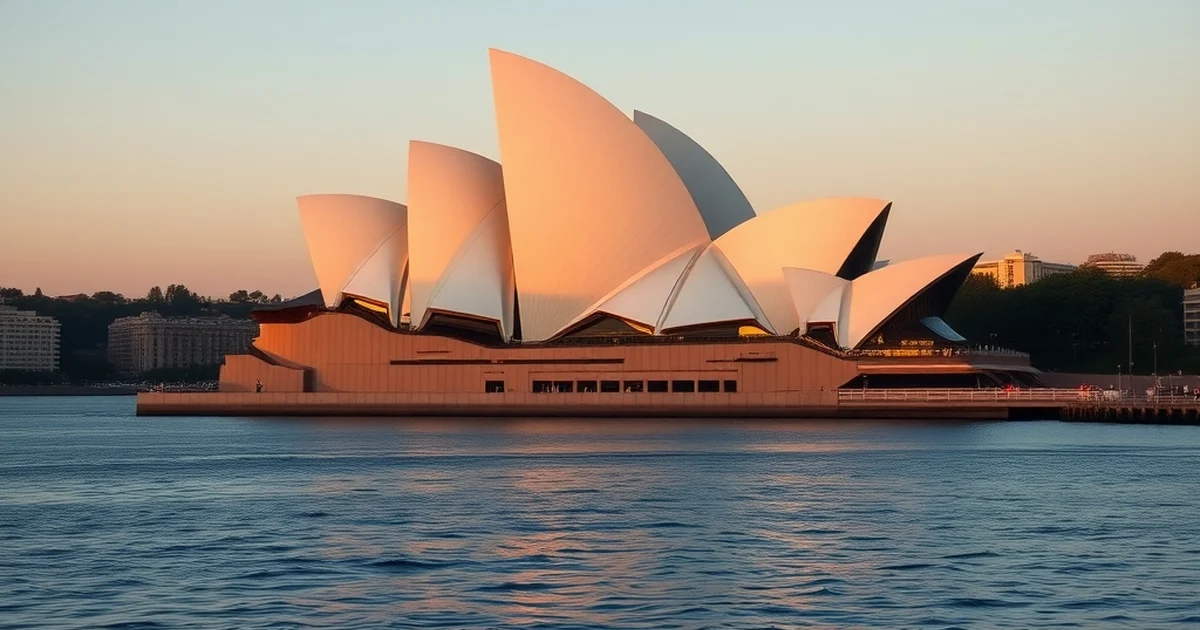
New South Wales has 13 public holidays in 2026, including two “additional days” that only apply in NSW and a handful of other states – which trips up a lot of newcomers who assume the national list is the same everywhere. This guide covers every NSW public holiday for 2026, exactly how each one is actually marked in Sydney and across the state (with real locations for the big public events), and the quirks – like the mysterious “Bank Holiday” – that are unique to New South Wales.
Quick summary
NSW public holiday dates 2026 at a glance
- Thu 1 Jan – New Year’s Day
- Mon 26 Jan – Australia Day
- Fri 3 – Mon 6 Apr – Easter (Good Friday, Easter Saturday, Easter Sunday, Easter Monday)
- Sat 25 Apr & Mon 27 Apr – Anzac Day + Additional Day
- Mon 8 Jun – King’s Birthday
- Mon 3 Aug – Bank Holiday (banking sector only)
- Mon 5 Oct – Labour Day
- Fri 25 Dec, Sat 26 Dec & Mon 28 Dec – Christmas Day, Boxing Day + Additional Day
- 13 gazetted public holidays in total for NSW in 2026.
Full 2026 NSW public holiday calendar
This is the complete, official list of NSW gazetted public holidays for 2026, sourced from the NSW Government’s own public holidays page and NSW Industrial Relations.
| Holiday | 2026 Date | Day |
|---|---|---|
| New Year’s Day | 1 January | Thursday |
| Australia Day | 26 January | Monday |
| Good Friday | 3 April | Friday |
| Easter Saturday | 4 April | Saturday |
| Easter Sunday | 5 April | Sunday |
| Easter Monday | 6 April | Monday |
| Anzac Day | 25 April | Saturday |
| Anzac Day – Additional Day | 27 April | Monday |
| King’s Birthday | 8 June | Monday |
| Bank Holiday | 3 August | Monday |
| Labour Day | 5 October | Monday |
| Christmas Day | 25 December | Friday |
| Boxing Day | 26 December | Saturday |
| Boxing Day – Additional Day | 28 December | Monday |
Why there are two "Additional Days"
Australia Day in NSW: 26 January
Sydney holds the largest concentration of Australia Day events in the country, centred entirely on the harbour. The day traditionally opens with the Australia Day Ferrython, a race between Sydney Ferries vessels that starts under the Sydney Harbour Bridge and finishes in front of the Opera House, and the Dawn Reflection at Circular Quay, when the Opera House sails are lit at first light. At Barangaroo Reserve, the WugulOra Morning Ceremony – held since 2003 – brings together Aboriginal and Torres Strait Islander communities and the broader public in a shared ceremony before the day’s other events begin. In the evening, the Australia Day Live concert at the Sydney Opera House forecourt closes the day with a fireworks display over the harbour.
Australia Day is also the single biggest day of the year for citizenship ceremonies in NSW. The Sydney Opera House forecourt hosts a large ceremony each year, and the City of Parramatta’s ceremony at Parramatta Park Amphitheatre has become one of the largest Australia Day citizenship ceremonies in the country, regularly welcoming well over a thousand new Australians from across the Parramatta local government area in a single event.
For the full background on Australia Day’s history and the ongoing debate around the date, see our Australia Day guide.
Easter in NSW: 3-6 April
NSW observes all four Easter public holidays – Good Friday, Easter Saturday, Easter Sunday and Easter Monday – which is not universal across Australia (Western Australia, for example, skips Easter Saturday). The centrepiece event of the Easter period in NSW is the Sydney Royal Easter Show at Sydney Olympic Park, first held in 1823 and one of the largest annual events in the state, drawing roughly 900,000 visitors over its run each year for carnival rides, agricultural competitions, showbags and fireworks.
For the full history of Easter in Australia, the Easter Bilby, and the Good Friday seafood tradition, see our Easter in Australia guide.
Anzac Day in NSW: 25 April (plus an Additional Day, 27 April)
Sydney’s Anzac Day commemorations run through the entire day. The Dawn Service is held at 4.20am at the Cenotaph in Martin Place and runs for around 45 minutes to an hour, until the sky begins to lighten. From 9am, the Anzac Day March moves through the CBD along Elizabeth Street and George Street, with veterans, serving members, and descendants marching together. A Commemorative Service follows at the Anzac Memorial in Hyde Park at 12.30pm, and a Sunset Service returns to the Cenotaph at Martin Place at 5pm to close the day.
Because Anzac Day falls on a Saturday in 2026, NSW adds a separate Additional Day public holiday on Monday 27 April – one of only three states (with the ACT and WA) to do this. For the full history of Anzac Day, the dawn service tradition, and the Ode of Remembrance, see our Anzac Day guide.
King's Birthday in NSW: 8 June
The King’s Birthday public holiday marks the monarch’s official birthday rather than their actual birth date – a British tradition that dates back to the 18th century, when official celebrations were moved to a date with better weather. In NSW it falls on the second Monday in June, giving most workers a long weekend. There’s no single defining public event attached to it in NSW the way there is for Australia Day or Anzac Day; it functions mainly as a mid-year long weekend, and the King’s Birthday Honours list is announced around the same time each year.
Bank Holiday in NSW: 3 August
The NSW Bank Holiday is one of the state’s most misunderstood dates. Despite the name suggesting a general public holiday, it applies specifically to employees in the banking and certain financial sectors – not to the general NSW workforce. Bank branches (and branches of non-bank institutions like credit unions and building societies) are generally required not to open on this day unless staffed entirely by employees who have voluntarily agreed to work. For almost everyone else in NSW, 3 August 2026 is an ordinary working day with normal pay.
If your bank branch is closed on Bank Holiday
Labour Day in NSW: 5 October
Labour Day traces back to the eight-hour-day movement of the 1850s. In Sydney, stonemasons working on Holy Trinity Church in Argyle Cut and the Mariners’ Church in Lower George Street stopped work in 1855 and successfully won an eight-hour working day, well ahead of the more widely cited Melbourne stonemasons’ action the following year. Their argument was partly practical: in Australia’s hotter climate, an eight-hour day was considered more reasonable than the ten-to-twelve-hour days common in Britain at the time. Like the King’s Birthday, Labour Day today has no major citywide public event attached to it in NSW – it functions as a long weekend that commemorates the origin of the modern working day.
Christmas and Boxing Day in NSW: 25-28 December
Sydney’s best-known Christmas event is Carols in the Domain, a free outdoor concert held in The Domain parkland (just south of the Royal Botanic Garden) since the early 1980s, featuring a mix of national and international performers each year and drawing large crowds in the lead-up to Christmas. Christmas Day itself (Friday 25 December 2026) is a quiet public holiday – most retail, banks and services close, similar to the rest of the country.
Boxing Day (Saturday 26 December 2026) is when the Sydney to Hobart Yacht Race starts each year, with the fleet departing Sydney Harbour in one of the city’s most-watched annual spectacles. Because Boxing Day falls on a Saturday in 2026, NSW adds an Additional Day public holiday on Monday 28 December. For the full history of Boxing Day, the yacht race, the Boxing Day Test, and Boxing Day retail sales, see our Boxing Day in Australia guide.
Long weekend essentials for 2026
A few practical picks for whichever NSW public holiday long weekend is coming up next.
As an Amazon Associate, newlifeinaus.com.au earns from qualifying purchases. Prices and availability change, so check the current price on Amazon before buying.
Portable BBQ
For the King’s Birthday and Labour Day long weekends – both fall in good outdoor weather windows.
Shop on Amazon AU →Picnic Blanket and Basket Set
Australia Day and the Easter break are the two biggest picnic and outdoor-event weekends on this calendar.
Shop on Amazon AU →Soft Cooler Esky Bag
Keeps drinks and food cold through a full day at Sydney Harbour foreshore events.
Shop on Amazon AU →2026 Wall Planner Calendar
A physical year-at-a-glance planner for marking all 13 NSW public holidays and school terms together.
Shop on Amazon AU →Outdoor String Lights
For Christmas and the Boxing Day-to-New Year stretch when NSW effectively gets four days off in a row.
Shop on Amazon AU →Foldable Camping Chairs (Set of 2)
Useful for the Anzac Day dawn service queue or any outdoor public holiday event where seating runs out early.
Shop on Amazon AU →What's open, and what working on a public holiday means for pay
Most major retailers, banks and government offices close on NSW public holidays, though larger shopping centres and supermarkets in tourist and CBD areas often stay open on all but Christmas Day and Anzac Day morning (trading before 1pm on Anzac Day is restricted in NSW). Cafes, restaurants and tourist attractions typically continue trading on public holidays, often with a surcharge to cover higher staff wages.
If you work on a NSW public holiday, you’re generally entitled to a higher penalty rate than your normal hourly pay – the exact loading depends on your award or agreement. For a full breakdown of how penalty rates work in NSW and across Australia, see our public holiday penalty rates guide.
Related guides
For the full national public holiday calendar and how other states compare, see our Australian public holidays guide. We also have dedicated guides to Australia Day, Anzac Day, Easter in Australia and Boxing Day, plus culturally significant (but non-public-holiday) dates like NAIDOC Week and Halloween in Australia.
Frequently Asked Questions
You May Also Like

Moving to Australia: The Complete Checklist and Guide (2026)

Mother’s Day Gifts Australia 2027: Gift Ideas for Mum by Budget and Interest







1 Comment
[…] holiday calendar and how other states compare, see our Australian public holidays guide and our NSW public holidays guide. We also have dedicated guides to Australia Day, Anzac Day, Easter in Australia and Boxing […]