Best Suburbs in Brisbane for Students: Near UQ, QUT and Griffith

Finding the best suburbs in Brisbane for students isn’t as simple as picking whatever’s closest to your campus. I learned this from watching my friends navigate Brisbane accommodation while I was sorting out Melbourne. Three of them ended up moving within their first semester because they’d picked suburbs based purely on rent prices without understanding commute times, bus connections, or what the area was actually like to live in.
I’m finishing my Master’s at the University of Melbourne, but I’ve spent enough time visiting Brisbane and talking to students there to understand how the city works. Brisbane is smaller and more spread out than Melbourne or Sydney, which changes how you think about location. A suburb that’s technically only 8 kilometres from your campus can still take 50 minutes by bus if the connections are terrible. Meanwhile, somewhere 12 kilometres away with a direct train line might get you there in 20 minutes.
So here’s everything I’ve learned about the best suburbs near UQ, QUT, and Griffith from students who actually live there. Not marketing material from real estate agents, but honest assessments of what works for international students on realistic budgets.
Understanding Brisbane's Layout First
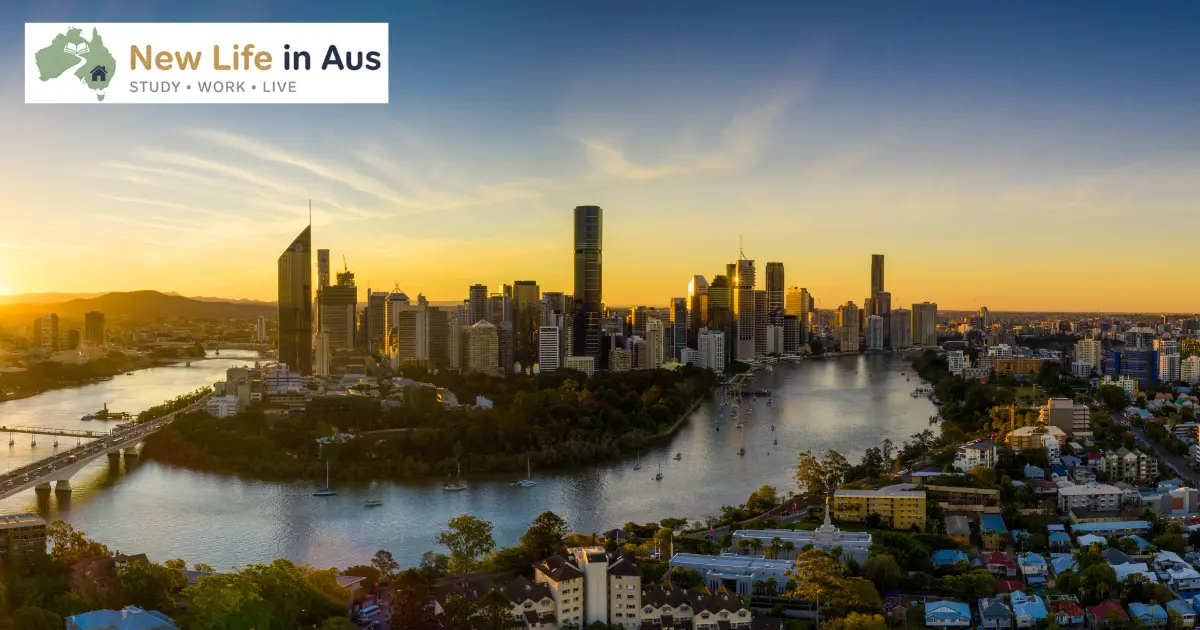
Brisbane is built around a river that snakes through the city in a weird S-shape. This matters because it affects which suburbs are well-connected and which ones require three bus changes to get anywhere. The three main universities are spread across different areas, and each has its own cluster of student-friendly suburbs.
University of Queensland (UQ) has its main campus at St Lucia, about 7 kilometres southwest of the CBD. The campus sits on a peninsula formed by the Brisbane River, which means access is limited to a few roads and ferry services. This geography creates natural barriers that affect which suburbs work well for UQ students.
Queensland University of Technology (QUT) has two main campuses. Gardens Point is right in the CBD next to the Botanical Gardens. Kelvin Grove is about 3 kilometres north of the CBD. Having campuses in and near the city centre means QUT students have more flexibility with suburb choices, but also face higher rent in nearby areas.
Griffith University has multiple campuses, but the main ones for most students are Nathan (about 12 kilometres south of the CBD) and South Bank (right next to the CBD). The Gold Coast campus is its own separate situation. Nathan is the largest campus, and it sits in Brisbane’s southern suburbs surrounded by what locals call the “education precinct.”
The Brisbane River divides the city into rough north and south sections, and crossing it matters for commute times. Public transport in Brisbane relies heavily on buses, with fewer train lines than Melbourne or Sydney. This means bus frequency and route connections matter more than just distance on a map. I’ve explained the Brisbane transport system in detail in my guide on public transport in Brisbane for beginners.
Best Suburbs Near University of Queensland (St Lucia)
UQ’s St Lucia campus location creates an interesting challenge. The campus is beautiful, right on the river with its own lakes and green spaces, but getting there requires specific transport routes. Here’s what actually works.
St Lucia (On-Campus and Immediate Surrounds)
Living right in St Lucia puts you within walking or cycling distance of campus. My friend Sarah lives in a share house about 10 minutes’ walk from UQ’s main gates, and her commute is basically rolling out of bed 30 minutes before her 9am lecture. The area has a proper university suburb feel, with enough students around that you’re not isolated.
The problem is cost and availability. Share houses in St Lucia typically run $200-280 per week for a single room, which is expensive compared to suburbs further out. Studios or one-bedroom places can hit $350-450 per week. Finding accommodation here is competitive because everyone wants the short commute.
The suburb itself is quiet, residential, and honestly pretty boring outside of campus activities. There’s a small shopping village with a Coles, some cafes, and basic services, but no real nightlife or entertainment. You’re relying on campus facilities and travelling into the city or to West End for anything interesting. For groceries and food options, check my guide on international groceries and restaurants in Brisbane.
Transport: Walk or cycle to campus. Buses to the city take 20-30 minutes.
Rent: $200-280/week for rooms, $350-450/week for studios
Vibe: Quiet, student-focused, convenient but limited
Toowong
Toowong sits just northeast of St Lucia across the river and connects to campus via the Eleanor Schonell Bridge (students call it the Green Bridge). You can cycle to UQ in about 10 minutes or catch direct buses that take 10-15 minutes. This was where another friend, James, ended up after getting priced out of St Lucia, and he reckoned it was actually better overall.
Toowong has significantly more infrastructure than St Lucia. There’s a proper shopping centre (Toowong Village), a cinema, restaurants including Asian food options, gyms, and a train station that gets you to the CBD in about 10 minutes. You get actual suburb amenities while staying close to campus. The area feels less like a university suburb and more like a normal residential area that happens to be near a university.
Rent is still expensive but slightly more reasonable than St Lucia. Share houses run $180-250 per week, studios $320-420 per week. The trade-off is that availability is better because there are more rental properties overall. You’ll find a mix of old Queenslander houses divided into rooms, modern apartment buildings, and everything in between.
The one downside James mentioned is that peak-hour traffic on the Green Bridge can make bus commutes unpredictable. If your classes start at 9am, the buses get packed and sometimes delayed. Cycling avoids this problem entirely if you don’t mind riding in Brisbane’s heat.
Transport: 10-15 min bus to UQ, 10 min train to CBD
Rent: $180-250/week for rooms, $320-420/week for studios
Vibe: Established suburb, good amenities, convenient
Indooroopilly
Indooroopilly is the next suburb west along the train line from Toowong. It’s about 6 kilometres from UQ, with buses taking 15-25 minutes depending on traffic. The main attraction here is Indooroopilly Shopping Centre, one of Brisbane’s largest malls with everything you need in one place: supermarkets, shops, restaurants, cinema, services.
This suburb appeals to students who want more of a “normal” Australian suburb experience rather than intensive student-area living. It’s quieter than Toowong, more family-oriented, with parks and the river nearby. The commute to UQ is manageable though not as quick as St Lucia or Toowong.
Rent is marginally cheaper than Toowong. Share house rooms run $170-240 per week, studios $300-400 per week. The suburb is larger, so you have more options for finding accommodation. Apartment buildings near the shopping centre are convenient but cost more, while houses further from the train station are cheaper but require better bus connections.
One mate who lived here mentioned the main issue was feeling disconnected from campus social life. When everything interesting happens at uni or in the city, and you’re a 25-minute bus ride away, you end up making fewer spontaneous trips. Fine if you’re focused on studying and working, less ideal if you want active social involvement with campus activities.
Transport: 15-25 min bus to UQ, 15 min train to CBD
Rent: $170-240/week for rooms, $300-400/week for studios
Vibe: Family suburb, big shopping centre, quiet
Dutton Park, Fairfield, and Yeronga
These suburbs sit on the other side of UQ, southeast along the train line. They connect to campus via buses or cycling, taking roughly 15-20 minutes. My friend Emma lived in Dutton Park for a year and found it to be a good balance of price and location, though less trendy than some alternatives.
These areas feel more working-class and less polished than Toowong or Indooroopilly. You get decent train connections to the city (10-15 minutes), basic shopping strips, and multicultural food options. The suburbs are residential without much nightlife, but they’re practical and functional.
Rent is noticeably cheaper here. Share house rooms run $160-220 per week, studios $280-370 per week. This makes them attractive for students on tight budgets who don’t mind sacrificing some convenience and atmosphere for lower costs. The lower prices reflect the more basic amenities and slightly rougher feel compared to suburbs north of the river.
Transport to UQ requires buses that can be infrequent outside peak hours. If you have evening classes or odd-hour schedules, check the bus timetables carefully before committing to these suburbs. Cycling is popular because it’s often faster and more reliable than waiting for buses. For understanding Brisbane heat while cycling, read my guide on Brisbane weather and staying comfortable.
Transport: 15-20 min bus to UQ, 10-15 min train to CBD
Rent: $160-220/week for rooms, $280-370/week for studios
Vibe: Working-class, multicultural, basic but functional
West End and Highgate Hill
West End sits across the river from the city, about 3 kilometres from the CBD and roughly 5 kilometres from UQ St Lucia. This is Brisbane’s trendy, alternative suburb with cafes, bars, markets, and an arty vibe. Students who want social life and atmosphere while staying relatively close to UQ often end up here.
The suburb has character. Independent cafes, Asian restaurants, vintage shops, the West End Markets on Saturdays, and a generally younger demographic. It feels alive in a way that purely residential suburbs don’t. You get actual nightlife options, weekend activities, and a sense of community beyond just students.
The catch is cost. West End has gentrified significantly over the past decade, and rent reflects that. Share house rooms run $200-280 per week, studios $350-450+ per week. Finding affordable accommodation here is competitive, and you’re often compromising on quality or location within the suburb to keep costs down.
Commute to UQ takes 20-30 minutes by bus, slightly longer than some alternatives. But the trade-off is that you’re also only 10-15 minutes from the CBD by bus or ferry, which gives you more flexibility for work opportunities. One friend lived in Highgate Hill (just south of West End, quieter and slightly cheaper) and said her part-time hospitality work in the city made the location worthwhile despite the longer UQ commute. For finding work in Brisbane, I’ve covered part-time job opportunities separately.
Transport: 20-30 min bus to UQ, 10-15 min to CBD
Rent: $200-280/week for rooms, $350-450/week for studios
Vibe: Trendy, arty, busy, expensive
Best Suburbs Near QUT (Gardens Point and Kelvin Grove)
QUT’s two main campuses create different optimal suburb clusters. Gardens Point being in the CBD means any inner-city suburb works well. Kelvin Grove being north of the city creates its own pocket of nearby suburbs.
Brisbane CBD and South Bank
If you’re at QUT Gardens Point, living in the CBD or South Bank puts you within walking distance. South Bank in particular attracts students because it’s right across the river from the CBD, has parklands and free swimming areas, markets, and cultural venues. It feels less corporate than the actual CBD while maintaining easy access.
The reality check is cost. CBD and South Bank accommodation is expensive. Studio apartments start around $380-450 per week. Share houses are rare because most CBD housing is apartments or high-rise buildings. You’re looking at purpose-built student accommodation (expensive, but convenient) or trying to find share situations in apartment buildings (difficult but possible).
My friend Alex lived in a shared apartment in South Bank during his first year at QUT Gardens Point. He paid $280 per week for a room in a three-bedroom apartment, which was stretching his budget but saved hours of commuting weekly. He walked to campus in 15 minutes, could pick up casual work shifts in the city easily, and generally found the convenience worth the cost.
The CBD itself is dead on weekends. Businesses close, nobody’s around, and it feels like a ghost town. South Bank maintains more weekend activity thanks to the parklands and markets, but it’s still noticeably quieter than weekdays. If you value weekend atmosphere, living in the CBD might feel isolating. Brisbane’s CBD has different character than Melbourne’s or Sydney’s, as I’ve explained in living in Brisbane city vs suburbs.
Transport: Walk to Gardens Point, 20-30 min bus to Kelvin Grove
Rent: $250-300/week for shared apartments, $380-450/week for studios
Vibe: Urban, convenient for campus and work, expensive and quiet on weekends
Fortitude Valley and Newstead
Fortitude Valley (locals call it “The Valley”) sits northeast of the CBD, about 2 kilometres away. It’s Brisbane’s nightlife and entertainment hub with bars, clubs, live music venues, and restaurants. Newstead is the adjacent suburb, slightly quieter but still urban and connected. Both are accessible to QUT Gardens Point by bus or walking (20-30 minutes walk, 10-15 minutes by bus).
The Valley attracts students who want to be in the middle of Brisbane’s social scene. You get every type of food, venues are open late, and there’s always something happening. The suburb has grit and energy that you don’t find in more residential areas. Newstead is gentrifying fast with new apartment developments, trendy cafes, and craft breweries popping up constantly.
Rent varies wildly depending on the specific location and building quality. Share houses in older buildings run $200-260 per week. Modern apartments or renovated places hit $280-350+ per week for rooms. Studios start around $350-420 per week. The Valley has more sharehouses in older walk-up apartments, while Newstead leans toward newer high-rise buildings with corresponding higher rents.
The obvious downside is noise if you’re trying to study. The Valley is loud, especially Thursday through Saturday nights. Drunk people yelling at 2am, sirens, general chaos. If you need quiet for studying or you’re a light sleeper, this probably isn’t your suburb. Newstead is quieter but still urban and busy. And neither suburb works particularly well for Kelvin Grove campus, requiring 30-40 minute bus trips in peak traffic.
Transport: 10-15 min bus/walk to Gardens Point, 30-40 min to Kelvin Grove
Rent: $200-350/week for rooms depending on quality, $350-420/week for studios
Vibe: Nightlife central (Valley), gentrifying urban (Newstead), noisy, vibrant
Kelvin Grove, Red Hill, and Paddington
For students at QUT Kelvin Grove campus, these three interconnected suburbs are the obvious choice. Kelvin Grove itself is the suburb the campus sits in, about 3 kilometres north of the CBD. Red Hill and Paddington are adjacent suburbs spreading up the hills to the west.
Kelvin Grove has a practical, student-friendly feel without being particularly exciting. It’s residential with some light commercial areas, parks, and the campus as its main feature. Living here means 5-10 minute walks or bus rides to campus. The suburb feels safe, quiet, and frankly a bit boring, but that’s fine if you’re focused on studying and don’t need constant entertainment.
Red Hill and Paddington climb the surrounding hills and have more character. Red Hill has a village feel with a small shopping strip, cafes, and residential streets lined with old Queenslander houses. Paddington is similar but larger, with more commercial areas along Given Terrace. Both have that inner-city suburb atmosphere where you feel close to everything without being in the thick of it.
Rent is reasonable compared to the CBD. Share houses run $170-240 per week depending on house condition and exact location. Studios are $300-380 per week. The hills mean some houses have great views but also mean lots of walking up slopes in Brisbane’s heat and humidity. Friends who lived here mentioned the hills were annoying with groceries or after gym sessions.
Transport to Gardens Point campus requires buses down into the city, taking 20-30 minutes with traffic. If you have classes at both campuses, this matters. But if you’re exclusively at Kelvin Grove, these suburbs are convenient and fairly priced. For more Brisbane accommodation context, check student accommodation options and prices.
Transport: 5-15 min walk/bus to Kelvin Grove, 20-30 min bus to Gardens Point
Rent: $170-240/week for rooms, $300-380/week for studios
Vibe: Residential, quiet, convenient for Kelvin Grove specifically
Best Suburbs Near Griffith (Nathan and South Bank)
Griffith’s Nathan campus sits in Brisbane’s southern suburbs, creating a different set of optimal locations compared to UQ or QUT. South Bank campus students have CBD access similar to QUT Gardens Point, so I’ll focus mainly on Nathan.
Nathan and Mount Gravatt
Nathan is both the suburb name and the campus name. The campus itself is huge, sitting in what locals call the education corridor alongside other institutions. Living in Nathan suburb means you’re walking or quick bus distance to campus. Mount Gravatt is the adjacent suburb just south, also close to campus.
Nathan suburb is functional but not particularly interesting. It’s residential with basic shopping centres (Garden City is the main one), some Asian restaurants reflecting the area’s demographics, and standard suburban infrastructure. You’re here for proximity to campus, not for vibrant social life. The suburb feels more like outer suburban Melbourne or Sydney than inner-city Brisbane.
Rent is cheaper than inner-city options. Share houses run $150-210 per week, studios $280-350 per week. You get more space for less money compared to suburbs near UQ or QUT. The trade-off is being further from the city centre (about 12 kilometres), which makes casual work opportunities in the city less accessible and social activities require more planning and travel time.
Mount Gravatt is similar to Nathan but slightly hillier with some better established residential areas. The practical differences are minimal for students. Both suburbs work fine if your life centres around campus and you don’t mind being in outer suburbs. If you want city access regularly, the 30-40 minute bus trip each way adds up quickly. Understanding cost of living in Brisbane compared to other cities helps contextualize the suburb trade-offs.
Transport: 5-10 min bus/walk to Nathan campus, 30-40 min bus to CBD
Rent: $150-210/week for rooms, $280-350/week for studios
Vibe: Suburban, practical, affordable, removed from city life
Sunnybank and Sunnybank Hills
Sunnybank sits about 4 kilometres south of Griffith Nathan campus and has become famous as Brisbane’s Asian food hub. The suburb has a large Asian population, particularly Chinese, Korean, and Vietnamese communities. This means authentic Asian restaurants, supermarkets with imported goods, and a cultural atmosphere you don’t find in most Brisbane suburbs.
Students from Asian backgrounds often gravitate to Sunnybank because it feels more familiar and has proper Asian groceries and food. But students from any background who want good Asian food find it appealing. My friend Wei lived there during her Griffith degree and said the food alone made it worthwhile, never mind the reasonable rent.
The suburb itself is standard outer Brisbane. Residential streets, shopping centres (Sunnybank Plaza and Market Square are the main ones), basic infrastructure. It’s not trendy or cool, just practical and comfortable. The Asian influence gives it more character than generic suburban areas, but don’t expect nightlife or entertainment beyond restaurants and karaoke.
Rent is affordable. Share houses run $140-200 per week, studios $260-330 per week. For international students on tight budgets, particularly those who want Asian community and food, Sunnybank offers probably the best value in Brisbane. The bus to Griffith Nathan takes 15-20 minutes. The bus to the CBD takes 35-45 minutes, which is manageable for occasional trips but not ideal for regular city work.
Transport: 15-20 min bus to Nathan campus, 35-45 min bus to CBD
Rent: $140-200/week for rooms, $260-330/week for studios
Vibe: Asian hub, great food, affordable, suburban
Eight Mile Plains and Macgregor
These suburbs sit between Nathan campus and the motorways heading south toward the Gold Coast. They’re further out (about 8-10 kilometres from campus) but still connected by buses. Students choosing these suburbs are usually prioritising cheap rent above everything else.
Both suburbs are very suburban. Residential housing, basic shops, quiet streets, nothing exciting. You’re essentially living in outer suburbs and commuting to campus. Some students prefer this because it’s quieter and cheaper. Others find it isolating and boring. The bus to campus takes 20-30 minutes, the bus to the city takes 40-50 minutes or requires train connections.
Rent reflects the distance and lack of amenities. Share houses run $130-180 per week, studios $240-300 per week. These are probably the cheapest suburbs in Brisbane where international students realistically live. The savings are significant if your budget is tight. But factor in transport time and costs when calculating. If you’re spending an extra hour daily on buses and $50 weekly on Go Cards, the cheaper rent matters less.
One friend lived in Macgregor for a semester and said it was fine for studying but he felt disconnected from university social life and city opportunities. Everything required planning and travel time. He moved to Nathan suburb next semester and preferred paying slightly more rent for better integration with campus and city access.
Transport: 20-30 min bus to Nathan campus, 40-50+ min to CBD
Rent: $130-180/week for rooms, $240-300/week for studios
Vibe: Very suburban, cheap, quiet, isolated from city life
Practical Factors Beyond Location
Choosing suburbs based purely on proximity to campus misses other factors that actually affect your daily life. Here’s what matters once you’re living somewhere.
Public Transport Connections
Brisbane’s public transport relies heavily on buses, which means frequency and route connections matter more than raw distance. A suburb 8 kilometres from campus with a direct express bus every 10 minutes is more convenient than a suburb 5 kilometres away with buses every 30 minutes requiring a transfer.
Check Google Maps or the TransLink app for your specific intended address to campus route during the times you’ll actually travel. Don’t just check midday on Wednesday. Check 8:30am on Monday morning (peak hour, buses packed and slower). Check 6pm on Friday evening. Check 9pm on Tuesday night if you have evening classes. Timetables vary significantly between peak and off-peak times.
The train network in Brisbane is limited compared to Melbourne or Sydney. If a suburb has train access, that’s usually better than bus-only suburbs because trains are more reliable and faster. But most student-heavy suburbs rely on buses, so understanding bus routes becomes essential. I’ve explained the Brisbane transport system comprehensively in public transport for beginners.
Supermarkets and Daily Needs
Living somewhere cheap is pointless if you need to travel 30 minutes to buy groceries. Check that your intended suburb has a proper supermarket (Coles, Woolworths, IGA, or Asian supermarkets) within walking distance or easy bus access. Also check for pharmacies, doctors, banks, and basic services.
Some suburbs look affordable but have limited local infrastructure, forcing you to travel for everything. This adds time, transport costs, and frustration. Others have shopping centres or strip malls nearby with everything you need. The difference affects your daily life more than you’d expect. Nobody wants to trek across Brisbane every time they need milk or paracetamol.
Safety and Atmosphere
Brisbane is generally safe, but some areas feel sketchier than others, particularly late at night. If you’re working evening shifts or have night classes, you want a suburb where you feel comfortable walking from the bus stop to your house at 10pm or midnight.
Ask current students in Facebook groups or Reddit about specific suburbs’ safety reputations. The university student services often have informal advice too. No area is perfectly dangerous or perfectly safe, but some suburbs have more street lighting, more people around at night, and generally better vibes for walking alone after dark.
The atmosphere matters for more than safety. Some suburbs feel dead and isolating. Others have enough activity and other students that you feel part of a community. If you’re moving to Brisbane alone, choosing suburbs with established student populations can ease loneliness and help you meet people naturally through share houses and local hangouts.
Housemate Compatibility
Most international students live in share houses to save money, which means your housemates matter as much as your suburb. A great suburb with terrible housemates is worse than an average suburb with people you actually like. When viewing properties, pay attention to who you’d be living with if they’re existing tenants.
Ask about house rules, who does what cleaning, how bills are split, noise expectations, and general lifestyle compatibility. If you’re serious about studying and they’re planning house parties every weekend, that’s a problem regardless of how convenient the location is. I’ve written about living with flatmates and handling conflicts in detail.
Comparing Costs Across Suburbs
Here’s a rough comparison of weekly rent for share house rooms across the suburbs I’ve mentioned. These are estimates based on late 2025 conditions and will vary by property condition, room size, and bills inclusion.
Most Expensive (Inner-City, Trendy):
- West End, South Bank, Fortitude Valley, CBD: $200-300/week
- St Lucia, Toowong: $180-280/week
Mid-Range (Established Inner Suburbs):
- Indooroopilly, Paddington, Red Hill: $170-250/week
- Kelvin Grove, Highgate Hill: $170-240/week
More Affordable (Outer or Working-Class):
- Nathan, Mount Gravatt, Dutton Park: $150-220/week
- Sunnybank, Fairfield, Yeronga: $140-210/week
Budget Options (Far Suburbs):
- Eight Mile Plains, Macgregor: $130-180/week
Remember that cheaper suburbs often mean higher transport costs and more time traveling. If you’re saving $60 per week on rent but spending an extra $40 on transport and losing 10 hours weekly commuting, you’re not actually winning. Calculate total living costs including transport, not just rent. My guide on how much rent to pay in Australian cities provides more context.
How to Actually Choose Your Suburb
With all this information, how do you make an actual decision? Here’s the practical framework I’d use if I were choosing Brisbane accommodation.
Step 1: Identify your campus and schedule. Are you at UQ St Lucia, QUT Gardens Point, QUT Kelvin Grove, or Griffith Nathan? Do you have classes at multiple campuses? What times are most of your classes? This determines which suburbs are realistically convenient.
Step 2: Set your rent budget. Be honest about what you can afford weekly, including transport costs. If your budget is $150-180 per week for rent, you’re looking at outer suburbs. If you can stretch to $200-250 per week, inner suburbs become possible. If money is tight, read my guide on surviving on part-time income in Australia.
Step 3: Prioritise what matters to you. Do you value short commutes over everything else? Do you want social atmosphere and nightlife? Do you need Asian groceries and food? Do you prefer quiet residential areas? Do you plan to work in the city regularly? Rank these priorities because you can’t optimise for everything simultaneously.
Step 4: Shortlist 3-4 suburbs that match your criteria. Use the information in this guide to identify suburbs that fit your campus, budget, and priorities. Don’t just pick the closest or cheapest option. Consider the trade-offs.
Step 5: Check actual listings. Go to flatmates.com.au, realestate.com.au, Facebook marketplace, and university housing boards. See what’s actually available in your shortlisted suburbs at your budget. Sometimes suburbs that theoretically work don’t have suitable sharehouses available when you’re looking.
Step 6: Visit if possible, or video call for inspections. If you’re already in Brisbane, visit suburbs and properties in person. If you’re coming from overseas, insist on video call inspections and ask lots of questions about the area. I’ve covered room inspections and what to check in another guide.
Step 7: Be flexible and ready to move. Many international students end up moving after their first semester once they understand Brisbane better. Don’t treat your first accommodation choice as permanent. Sign shorter leases if possible (6 months instead of 12), and accept that you might move once you’ve experienced the city firsthand.
Mistakes to Avoid
I’ve watched friends make predictable mistakes with Brisbane suburb choices. Here’s what to avoid.
Choosing based purely on rent without considering transport costs. That $130/week room in Eight Mile Plains looks great until you’re spending $45 weekly on Go Cards and 90 minutes daily on buses. Calculate total costs including transport time (which has value) and money.
Not checking bus frequencies and routes properly. Looking at Google Maps once during the day doesn’t tell you what transport is like at peak hours or evenings. Check TransLink specifically for your intended route at the actual times you’ll travel. Friends complained constantly about “good transport connections” that turned out to be every 30 minutes outside peak hours.
Ignoring Brisbane’s heat and humidity. Walking 20 minutes from a bus stop might seem fine until you’re doing it in 35-degree heat with 80% humidity carrying groceries. Brisbane’s climate is different from Melbourne or Sydney, and it affects how far you’ll willingly walk regularly. I’ve explained dealing with Brisbane’s weather separately.
Choosing suburbs without checking what’s actually there. Some suburbs are purely residential with nothing nearby. You need basic infrastructure like supermarkets, pharmacies, and food options within reasonable distance. Don’t assume every suburb has these things.
Underestimating how much campus location affects social life. If you’re 40 minutes from campus and most social activities happen at uni or nearby, you’ll end up isolated. This matters less if you’re focused purely on coursework, but if you value social integration and campus involvement, proximity matters beyond just lecture attendance.
Not reading about Brisbane student life generally. Understanding the city helps suburb choices make sense. My comprehensive guide to living in Brisbane for international students provides context about the city’s character, weather, and lifestyle that affects how different suburbs work.
Frequently Asked Questions
Which Brisbane suburb is cheapest for international students?
The cheapest suburbs for international students are outer areas like Eight Mile Plains, Macgregor, Sunnybank, and parts of Mount Gravatt, where share house rooms run $130-180 per week. However, “cheapest rent” doesn’t always mean “best value.” Factor in transport costs (easily $40-50 per week for outer suburbs) and time spent commuting (potentially 90+ minutes daily). Sometimes paying $30-40 more per week for a closer suburb saves you money on transport and gives you back 10+ hours weekly. Calculate total living costs, not just rent.
Is it better to live near campus or in Brisbane CBD?
This depends entirely on your university and priorities. For UQ students, living near St Lucia campus makes more sense than the CBD because the campus is 7km from the city and has limited direct transport. For QUT Gardens Point students, the CBD or South Bank are convenient since campus is right there. For Griffith Nathan students, both campus suburbs and CBD are fairly far, so choose based on whether you prioritise campus access or city work opportunities. Living near campus is usually better for academic and social integration unless you have specific reasons to prioritise city access like regular work shifts.
Can international students afford to live in West End or South Bank?
Financially, yes, but it requires careful budgeting or higher part-time work hours. West End rooms run $200-280 per week, South Bank $250-300 per week. At minimum wage ($24.10 per hour currently), you’d need to work 10-15 hours weekly just to cover rent and basics. Many students manage this, but it leaves less time for studying and less financial cushion for emergencies. These suburbs make more sense if you’re working regularly in the city (hospitality, retail) and the location saves commute time, or if you value the social atmosphere enough to justify the extra cost. They’re definitely not necessary for a good Brisbane student experience.
How long is a reasonable commute to university in Brisbane?
Most Brisbane students aim for 20-30 minutes door-to-door commute time. Under 20 minutes is convenient but often expensive. 30-45 minutes is manageable and opens up more affordable suburbs. Beyond 45 minutes one-way (so 90+ minutes daily) starts feeling draining, particularly in Brisbane’s heat when buses get crowded. Consider that you’re not just commuting for classes but also for group projects, library study, social activities, and campus facilities. Longer commutes mean you’ll naturally spend less time on campus, which can affect your academic performance and social integration.
Is Sunnybank good for international students who aren't Asian?
Yes, Sunnybank works well for any international student who wants affordable rent, good public transport to Griffith Nathan, and excellent Asian food. You don’t need to be Asian to appreciate authentic restaurants, Asian supermarkets with international ingredients, and a multicultural atmosphere. Some students specifically choose Sunnybank because they love Asian food or want to practice Mandarin, Korean, or other languages. The suburb is diverse and welcoming, not exclusive. That said, if you’re specifically looking for a very “Australian” cultural experience, Sunnybank does feel more Asian than typical Australian suburbs. But affordability and convenience matter more than cultural aesthetics for most students.
Should I choose suburbs based on where my university friends live?
Knowing people in your suburb can ease loneliness and make settling in easier, so it’s worth considering. However, don’t choose a suburb that’s otherwise wrong for you just because friends are there. If your friends live somewhere expensive that stretches your budget, or far from your campus requiring long commutes, you’ll regret it. Better to choose a suburb that works practically and make new friends there through housemates and local activities. Many students I know lived near friends initially, then moved somewhere more suitable after a semester. Use friends’ locations as one factor among many, not the primary decision driver.
Final Thoughts
Choosing the best suburbs in Brisbane near UQ, QUT, and Griffith isn’t about finding one perfect answer. It’s about understanding the trade-offs between cost, commute time, lifestyle, and your specific priorities, then picking what works for your situation.
UQ students generally do best in St Lucia, Toowong, or Indooroopilly for convenience, or West End if they value social atmosphere over proximity. QUT students have more flexibility, with Gardens Point students able to live anywhere inner-city and Kelvin Grove students prioritising the northern suburbs. Griffith Nathan students face the biggest commute challenges, with Nathan and Sunnybank suburbs offering the best balance of proximity and affordability.
The honest truth is that most international students end up moving at least once during their time in Brisbane. Your first suburb choice is probably not permanent, and that’s fine. You’ll understand the city better after living here for a semester, you’ll figure out what actually matters to you versus what you thought would matter, and you’ll adjust accordingly.
Don’t overthink this to the point of paralysis. Pick a suburb that matches your campus and budget based on the information here, find a decent share house, sign a 6-month lease if possible, and commit to making it work while staying open to moving later if needed. Every suburb has upsides and downsides, and no choice is perfect.
For more Brisbane-specific advice, check out my guides on cost of living in Brisbane, cheap and free activities, and general Brisbane student life. And if you’re still deciding between Australian cities, my comparison of best suburbs in Melbourne and best suburbs in Sydney might help contextualize Brisbane’s options.
The best suburbs near UQ, QUT, and Griffith are ultimately whichever ones let you study effectively, work part-time if needed, maintain some social life, and stay within budget without constant stress. That balance looks different for everyone, but understanding your options is the first step to finding what works for you.
You May Also Like

Best Hospitals in Australia (2026): The Complete City-by-City Guide

Best Hospitals in Darwin (2026): Public, Private and How to Choose